What to do if your child cries before going to school

toddler crying

Many infants experience attachment issues at eight months, which make them cry and scream anytime their caregiver is absent. The ability to remember specific individuals when they aren’t around is a mental ability that goes hand in hand with this fear.

In a sense, your infant starts picturing you in their head when you aren’t around, and they miss your warmth and affection. Additionally, young kids lack a sense of time duration, so they cannot tell if you will be gone for a minute or a couple of days.

Saying goodbye when it’s time to leave the kids off at school should be swift, tender, and followed up with a promise to return. Keep reading if you want to know what to do if your child cries before going to school.

Use a scent

Spray some scent on your wrist and then brush some on the wrist of your toddler if it isn’t too overbearing. When they wish to stay close to you, encourage them to sniff this distinct fragrance. Although it may sound strange, scents do carry powerful emotional associations.

Have a farewell routine

A goodbye ritual gives your child comfort and security so they know what to expect. This might be any particular cuddle or fist bump that you and your kid decide on. And after you’re done, it’s essential to leave right after so your child won’t become distracted by your lingering presence.

Cultivate good sleeping habits

a mother kissing her daughter on the forehead

Image Credits: verywellfamily.com

Children who are exhausted are frequently sensitive and irritable; in other words, they are prepared for a pre-school separation emotional breakdown. So, begin cultivating some timely sleeping practices; for instance, sleeping at 9 pm and waking up at 6 am. You may also couple this practice by preparing an energizing breakfast to help your child overcome sleepiness.

Bring along a sentimental object

Many of us indeed find it challenging to venture into the unknown, but children find it especially challenging. Giving your toddler a special object that he or she can keep at school will help them adjust to the change. Maybe it’s their favorite plush toy that has been stashed away in their bag? A special item around will help them ease into unfamiliar circumstances.

Drop-offs might leave you feeling bad, notably if the last moment you witness was your kid crying. But that, too, can be deceiving. In actuality, they may either have stopped sobbing shortly after you left or probably didn’t cry all day. Ask the teacher about how your child handled it when you pick your child up. If you’re worried, phone the office after two hours to find out how long it took for your kid to settle down and if he or she is coping well in your absence. Remember that this too shall pass.


Read More...

Signs that you are overfeeding your baby

a baby drinking milk

We spend far too much time worrying about whether or not our newborns are getting sufficient, and as new parents, it can be difficult to know when enough is enough.

Many parents may try to get their newborn to finish their formula or fret that their child isn’t eating enough when, in fact, the child has reached their limit. So, could all that fretting contribute to overfeeding?

It’s important to remember that the indicators of a healthy newborn can vary depending on the culture. Varied cultures have different views on how much a baby should eat, how frequently they should eat, and how they should appear. A chubby infant can be regarded as a job well done by some grandparents, while a roly-poly newborn conjures up images of a grossly overweight toddler in the minds of others.

While cultural views of a healthy baby may differ, there are several factors to take into account when it comes to feeding. Read on to learn the signs that you are overfeeding your baby.

Sleep issues

First up, it’s probably not a surprise that when a baby’s belly is extended far beyond normal, or that his or her intestinal tract is working continuously to deal with excessive nutritional ingestion, they become restless and have trouble falling asleep.

Runny poops

Examining the look of your baby’s poo is an important part of determining their health. Formula-fed babies, for example, have peanut butter-like excrement that ranges in hue from yellow to greenish-brown. Your formula-fed kid may be getting more milk than they should if you notice regular, watery poop.

Spits or vomits
an infant vomiting

Image Credits: parenting.firstcry.com

As a newborn eats, his or her tummy expands and contracts as the food passes through the intestines. There are, nonetheless, limitations to how far it can extend. If the baby’s stomach membrane stretches beyond its typical range, reflux may occur, which can result from little spit-ups to huge forceful vomits, either during or immediately after the meal.

Drinking more than 1000ml/day

Even one-year-old infants don’t need more than 900ml of formula milk or breast milk every day. A newborn requiring over 1000ml in a day is uncommon, according to specialists, and should be evaluated by a professional. These are the typical indicators of overfeeding, which can be seen during mealtimes. Overlooking them can lead to a variety of issues in the long run.

Overfeeding a newborn is unlikely, but it does happen. Babies self-regulate their eating and give hints when they are full or hungry, and you must be able to recognize and interpret these indicators to know when to stop feeding them. Keep in mind some of the warning flags highlighted in this post and all should be well.

Read More...

Questions to ask when buying an engagement ring

a diamond ring

Purchasing an engagement ring is a first-time experience for most of us and it’s no doubt a high-end item that we don’t commonly come across daily.

When it comes to a costly purchase like a diamond ring, you will want to make sure you’re making the proper choice before parting with your cash. Are you uncertain of the questions you should ask before purchasing a promise ring?

If not, read on.

Can it be modified?

It’s a good idea to inquire about the ease with which a ring can be adjusted, amended, or enhanced. You may not want to choose a style that is costly and difficult to modify if your companion leads an active lifestyle. Alternatively, you might want to start with a simple diamond ring with the goal of upgrading later. Check with the jeweler on how simple it will be to replace the stone or fuse on a new band.

Are there warranties?

Check to see if the ring includes a maintenance contract that will support future adjustments, and be sure you understand the agreements; Don’t forget that you will probably need to fix something on your band at a certain stage.

When purchasing a diamond engagement ring, request a copy of the stone’s certificate to check its validity. It’s also preferable if the ring has a return policy because you never know how well a ring will fit until you’ve worn it for a few days. Don’t forget to inquire about any additional warranties that may apply to your ring or its gems.

What’s your ring budget?
engagement ring budget

Image Credits: eshowmagazine.com

Because of the wide range of engagement rings available at varying prices, you must first decide how much you want to commit before shopping for a diamond ring. The cost of a diamond engagement ring can range from $1,000 to $30,000, with the typical cost being around $5,000.

Your exact budget should be determined before you look for an engagement ring to help you limit your search for the right piece of jewelry. Simply put, the type of ring style you can purchase is confined by your funds. For instance, common sense dictates that the larger the diamond, the higher the price, and vice versa.

One of the most pricey buys you will ever make is your engagement ring. When it comes to ring purchasing, there’s a certain amount of pressure that comes with it. You want to purchase the perfect ring or one that makes you as satisfied as possible. Knowing what questions to ask before selecting an engagement ring is crucial. You can significantly minimize your options to a ring that’s ideal for both you and your partner by using the basic questions listed above.

Read More...

What to do when your child won’t sit still while eating

kids who can't sit still

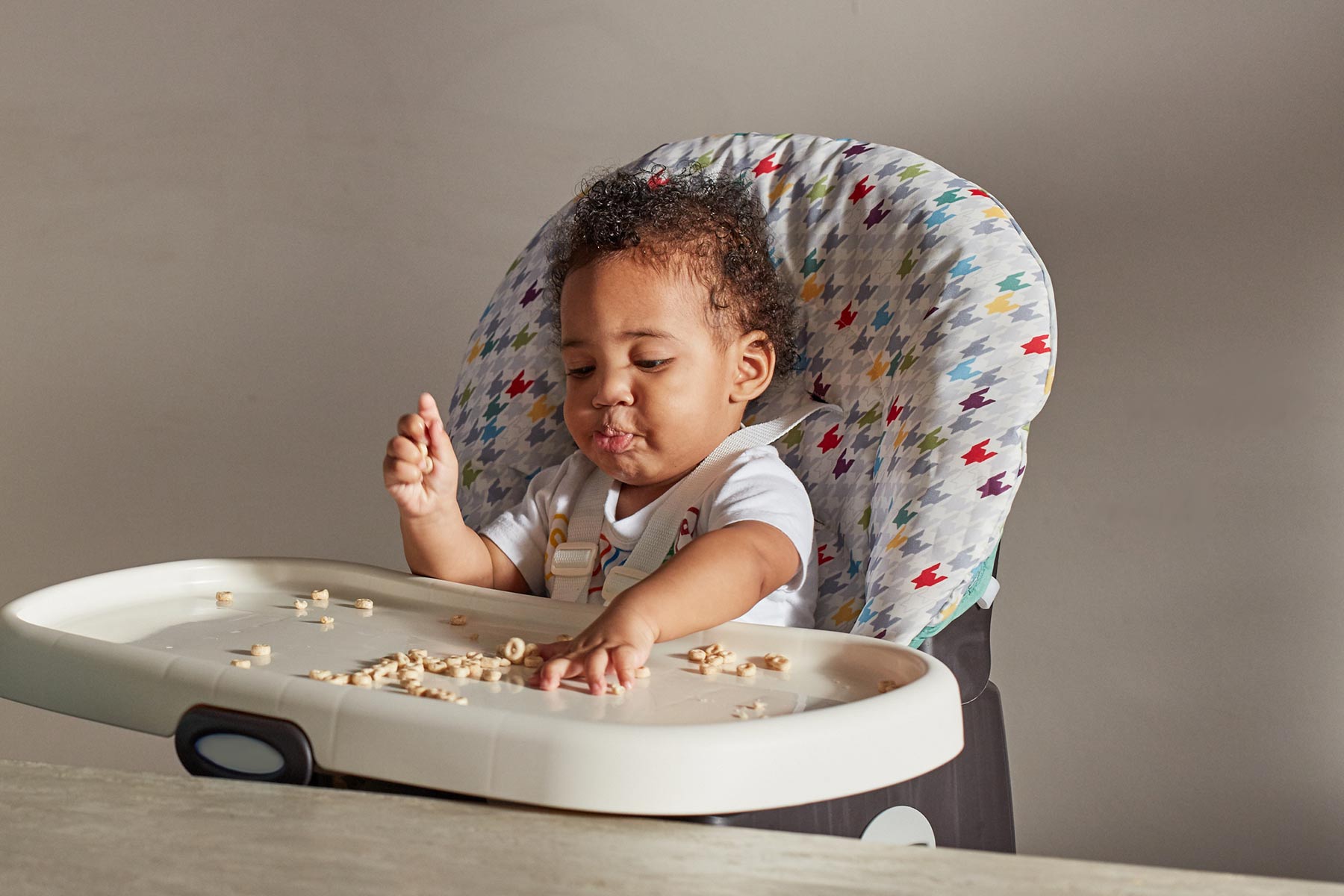
If your child refuses to sit in their highchair or child seat, appears restless, wants to eat while sitting on your lap, or you constantly feel compelled to hunt them about with a spoon in your hand because they never come to a stop, you need tips to rebalance the situation.

There are several reasons why children should always remain seated while eating. The most essential reason is that it significantly reduces their risk of choking. It also establishes a habit and standard that we eat in distinct locations with specific behaviors. Sitting stationary can help your child concentrate on their food and connect with their appetite levels, which is crucial.

Stay on this page if you’re looking for suggestions on what to do when your child won’t sit still while eating.

Check the time

Toddlers should be fed every two to three hours, with only water between feedings. If your child is nibbling on a snack after an hour after the main meal, he or she may be less willing to sit down and finish up the next full meal. Eating can then become a true battle of wills if you don’t get the meal times correct.

Use a visual timer

A visible clock is a pleasant visual approach for your toddler to comprehend how long you require them to remain at the table. For instance, a sand timer is a superb solution for younger kids who can’t tell time yet, and at the same time, seeing the sand flow makes it an intriguing observation experience for them. Overall, this method gives them structure and makes them more conscious of what is anticipated of them at the dinner table.

Get them strapped
a child eating on his own

Image Credits: strong4life.com

If your child is under the age of three, a belted high chair, if they still fit, is strongly recommended. You will be waging a war until you can commence the feeding session in a buckled posture because most toddlers don’t have the focus and concentration in eating long enough to sit quietly. Already forgotten about child seats? Make every effort to retrieve them, even if it involves purchasing a new model. We assure you it’s going to be a worthy investment in this feeding phase.

Prepare sensory activities

Pre-meal sensory activities can be incredibly beneficial since they relax and order our minds, allowing us to concentrate on our tasks, which is eating in this context for your child. There are numerous sensory exercises available, ranging from sand play to balancing beams and more.

If you’re not sure which form of sensory stimulation your child will prefer, we recommend experimenting with both energetic and calm, relaxing sensory experiences. And the reaction you should be watching for is if they become more concentrated and sit quietly for longer periods during meal time. It may require some experimentation as well as commitment to achieve this.

For a multitude of reasons, your kid must remain seated throughout meals. A wiggly toddler who gets up and down from the table during mealtime is sidetracked and, like other diversions, will eat lesser altogether. Allowing your child to nibble their way through a meal while wandering can lead to power battles, fussy eating problems, and undisciplined and disruptive family meals. Nip the problem in the bud by heeding some of our abovementioned tips to see if it works for you.

Read More...

Ways to teach your child to be independent

mother and child brushing teeth

When you do stuff for your children that they are competent of doing for themselves, you are inadvertently sending a message that you lack trust in their capabilities.

As a result, the child loses self-esteem and independence and becomes unable or unwilling to complete age-appropriate responsibilities. This is often referred to as habitual defeatism. That explains why it’s critical not to hurry into resolving minor difficulties as they arise. Boost your child’s problem-solving abilities by asking if he or she can think of a solution. Offer them time to consider their options before presenting your suggestions.

Read on for ways to teach your child to be independent.

Allow failure

The most difficult lesson of all is to let your child fail and to be there for them when they need assistance. Don’t criticize or disempower them for underperforming, but don’t make their situation appear insignificant either. Failure is an inevitable aspect of life, and we will all stumble at some point. Teaching kids that it’s alright to keep trying will give them self-confidence as adults in the future.

Take time to teach

Most things are easier to complete yourself rather than having to educate your child on how to perform them. It’s also never pleasant to see your child battle with something you could simply help them with. Even so, consider the time you spend educating your child to perform a task on his or her own as an investment. You will spend less time performing those duties yourself next time if you take time now to teach your kid how to keep their toys or clean up their room.

Avoid over-supervision

Most kids require room to grow and change. And if they never have had the opportunity to be self-reliant as a child, they are unlikely to become more so in the future. Give your kids plenty of freedom to develop without being too much in “monitor mode” to foster independence.

For instance, allow them to play in their room without having to check in on them every five minutes. Whether it’s picking up the mail at the letterbox or ordering a meal at a fast-food restaurant, strive to figure out at least one opportunity each day for your child to do something independently with little supervision.

Shower praises and rewards
a mother praising her daughter

Image Credits: themontessorifamily.com

When children breach the rules or fail to stay on target, paying attention to them is tempting. However, giving them negative attention might reinforce bad behavior. So, catching kids doing something good and praising them is the key to encouraging positive conduct.

Don’t forget to present a bonus for your children for their independence. Whatever form of reward or incentive program you adopt, it should be realistic. Reward your child for achieving their goals in the same manner as your boss does after you meet your KPIs.

Consider how much easier life would be if your children made simple breakfast for themselves, cleaned up after daily meals, and helped around the house. Teaching kids to be self-reliant will not only make your life easier, but it will also set them on the route toward being more responsible young adults as they grow older.

Read More...