CPF, TDSR, and Downpayment: The Financial Playbook for Buying Thomson Reserve

For most Singaporean families, buying a condominium is the single largest financial commitment they will make. Getting the structure right — CPF usage, loan quantum, cash reserves, and TDSR positioning — matters enormously before you commit to a unit.

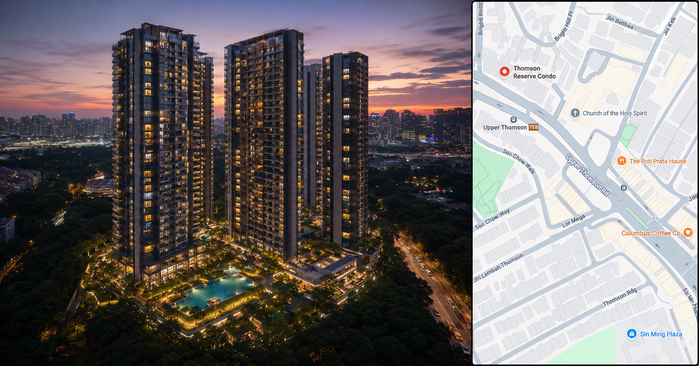
This guide breaks down the real numbers for the most anticipated new launch condo at Upper Thomson — Thomson Reserve at Bright Hill Drive in District 20 — so you can assess whether it fits your financial profile before the showflat opens.

What Does Thomson Reserve Actually Cost?

Official pricing has not been released as of mid-2026, with the showflat preview targeted for later this year. Based on the land acquisition cost of S$1,178 psf per plot ratio and current D20 market benchmarks, analyst estimates place launch pricing in the mid-$2,300s to $2,700 psf range.

In practical quantum terms:

  • 1-Bedroom (484 sqft): From approximately $1.19M
  • 2-Bedroom (~700 sqft): From approximately $1.55M
  • 3-Bedroom (~1,000 sqft): From approximately $2.1M
  • 4-Bedroom (~1,300 sqft): From approximately $2.8M

How Much Cash Do You Actually Need?

For a Singapore Citizen buying their first private property with a bank loan, the Loan-to-Value (LTV) limit is 75%. For a $2.1M 3-bedroom unit, the maximum bank loan is $1.575M and the remaining 25% ($525,000) must come from CPF OA funds and/or cash.

Of the 25% downpayment, at least 5% must be in cash (the option fee on booking). The remaining 20% can be CPF OA and cash combined. Assuming $150,000 in CPF OA savings, the minimum cash outlay on a $2.1M unit is approximately $270,000 in cash — before legal fees and BSD.

Buyer’s Stamp Duty: The Often Underestimated Cost

BSD is tiered and frequently underestimated. On a $2.1M purchase:

  • First $180,000 at 1% = $1,800
  • Next $180,000 at 2% = $3,600
  • Next $640,000 at 3% = $19,200
  • Remaining $1.1M at 4% = $44,000

Total BSD: approximately $68,600. This must be paid in cash or CPF OA and is separate from your downpayment.

The TDSR Calculation: Know Your Ceiling

Singapore’s Total Debt Servicing Ratio (TDSR) caps monthly debt repayments at 55% of gross monthly income. At a 3.2% stress-test rate over 25 years, a $1.575M loan generates monthly repayments of approximately $7,600. To qualify comfortably, you would need a minimum gross monthly income of approximately $13,800 with no other outstanding debt.

HDB Upgrader Considerations

HDB flat owners can own one HDB flat and one private property simultaneously — but must sell the HDB flat within 6 months of receiving keys to the new condo (after TOP). With Thomson Reserve’s expected TOP in the 2028–2029 range, upgraders have approximately 2–3 years to plan the transition while continuing to service their HDB loan at favourable rates during construction.

Is the Timing Right?

The Upper Thomson corridor has seen consistent PSF growth of 6–10% annually since 2020, supported by the completion of the TEL and increasing demand from families seeking top primary school catchment. Thomson Reserve is the first mega development in this enclave in over a decade — a structural undersupply condition that supports long-term pricing.


Read More...

Why More Singapore Investors Are Treating Bitcoin as a Long-Term Portfolio Asset

For several years after launching in 2009, Bitcoin was viewed by many investors as something of a speculative bet that might deliver quick gains if they got lucky. However, today, most now see it as a legitimate long-term investment that is just as good an option as, if not better than, shares, property, bonds, gold and other assets.

This shift is particularly noticeable in Singapore, where investors have traditionally been successful in balancing innovation with wealth preservation. Indeed, as digital assets become more widely accepted in the country, many more investors are exploring how Bitcoin could fit into a diversified portfolio.

That being the case, you may be wondering why they are treating Bitcoin as a long-term portfolio asset rather than a short-term trade. Let’s take a look at this in more detail.

Why Are More Singapore Investors Looking Beyond Traditional Assets?

Many investors build their wealth through a combination of assets, such as property, equities, bonds and cash. However, while these investments have remained popular over many years, the constant uncertainty and changing economic conditions have encouraged people to explore alternative assets that offer different opportunities.

They include global uncertainty, inflation concerns, and fluctuating interest rates. All of which have prompted investors to look for investments that do not always move in lockstep with traditional markets. This search for portfolio diversification has led many to pay more attention to digital assets, particularly Bitcoin.

As the largest and most established cryptocurrency, Bitcoin has become a common entry point for investors looking to explore the opportunities presented by digital assets.

What Has Changed in the Way People View Bitcoin?

Perhaps the main reason why the perception of Bitcoin has evolved significantly over the past decade is that financial institutions, fund managers and everyday investors have increasingly adopted it.

Indeed, several large investment firms and publicly listed companies have added Bitcoin to their balance sheets or investment products, which has helped increase overall confidence in the asset.

As a result, many investors now see Bitcoin as a distinct asset class. While they understand that Bitcoin price volatility remains part and parcel of the investment experience, many long-term holders often focus their attention on broader adoption trends, scarcity and future demand rather than short-term price movements.

Why Are Investors Adding Bitcoin to a Diversified Portfolio?

One of the most common reasons investors are looking to buy BTC with Independent Reserve, or another similar platform, is portfolio diversification. As every asset class behaves differently under various economic conditions, investors often seek exposure to a range of assets rather than relying on a single investment type.

What makes Bitcoin so attractive is that it offers access to a market that operates independently of many traditional financial systems. This doesn’t mean that it is immune to broader market movements. However, its unique characteristics have piqued the interest of many investors seeking additional growth opportunities.

Another factor, undoubtedly, is Bitcoin’s limited supply. Because only 21 million Bitcoins will ever exist, it possesses a scarcity that appeals to many. Indeed, some investors compare it to gold, viewing it as a potential store of value and even a form of digital gold.

How Much Bitcoin Are Long-Term Investors Typically Holding?

Most investors who allocate funds to Bitcoin do so as part of their overall investment strategy. Rather than allocating all their capital to a single asset.

Having said that, individual portfolio allocations vary depending on a range of factors, including the investor’s personal goals, financial circumstances, and risk tolerance. Subsequently, some investors choose to dedicate only a small percentage of their portfolio to digital assets. Others maintain larger positions in shares, property and other investments.

This approach not only allows investors to participate in potential growth opportunities, but also limits the impact of cryptocurrency market fluctuations on their overall portfolio.

What Risks Should Investors Understand Before Buying Bitcoin?

There’s no question that Bitcoin offers opportunities. But it is important to recognise that it also carries risks that should be understood before you invest.

Arguably, the biggest risk is price volatility, as Bitcoin’s price can move sharply over short periods. This can be uncomfortable for investors who are accustomed to more stable asset classes. Security is something else you’ll need to get a handle on, especially with regards to how cryptocurrency is stored, protected and transferred. It is important to choose reputable platforms and follow strong security practices to reduce many of the common risks associated with digital assets.

You should also be mindful that many long-term investors focus on a multi-year timeframe rather than simply reacting to daily market movements. That’s not to say that short-term fluctuations can’t be significant. However, many holders view Bitcoin as an asset that may develop over years rather than weeks or months. So, you might want to do the same.

What Role Could Bitcoin Play in the Future of Wealth Building?

Bitcoin’s future remains a topic of intense debate. But there is little doubt that it has become a permanent part of the global financial landscape.

Some investors see Bitcoin as a growth-focused asset. Others view it as a hedge against inflation or a tool for wealth preservation. Whichever way you look at it, increasing institutional adoption and wider acceptance of digital assets should give you the confidence to invest in it.

As financial markets continue to evolve, it seems clear that Bitcoin will play an increasingly important role within diversified portfolios. In particular, among investors who are comfortable allocating a portion of their wealth to alternative assets.


Read More...

Is Your Life Insurance Enough to Support Your Family?

Life in Singapore moves quickly, and with it comes the responsibility of safeguarding the people who depend on you. Life insurance protects your loved ones when you are no longer able to do so yourself. Still, many people wonder if the coverage they have today would truly be enough.

Whole life insurance has gained popularity among Singaporeans because it provides lifelong coverage and combines protection with the opportunity to build cash value over time. A portion of the premiums you pay goes into investments, allowing the policy to grow in value and be used later. This value may include guaranteed benefits and in some cases non guaranteed bonuses, depending on the type of whole life plan. If necessary, the cash value can be accessed during emergencies or used to pay future premiums. However, loans taken from the policy must be repaid with interest, and failing to do so may slow future growth and reduce the amount available.

Participating whole life plans share in the profits of the insurer’s participating fund. These profits are distributed to policyholders as dividends or bonuses. While they offer the potential for attractive growth, these bonuses are not guaranteed and depend on the performance of investments in the fund. In contrast, non participating policies focus on stability and offer guaranteed benefits without bonuses. Choosing between the two depends on your risk appetite and expectations for long term returns.

Term life insurance provides a simpler alternative. It offers coverage for a set period and is typically more affordable since it does not invest part of the premium. Many families select term insurance to cover key life stages, such as raising children until they become financially independent or supporting elderly parents. Because it does not build cash value, term insurance works well for those who only want pure protection without an investment component.

Image Credits: unsplash.com

The amount of protection you need depends on the sum assured, which is the payout your family would receive if you pass away or suffer total and permanent disability. If you are the primary income provider, you may require a higher sum assured to ensure your family can continue living comfortably. If your household has multiple income sources and relies less on yours, a lower amount may be sufficient. Coverage can remain fixed for the policy’s duration or decrease gradually, such as in mortgage reducing plans that are designed to cover home loan balances until they are fully paid.

To determine the right level of coverage, start by looking at your family’s lifestyle and financial commitments. Consider the monthly expenses needed to maintain their standard of living. Think about potential medical or care costs that may arise. Add unpaid liabilities such as home loans or personal debts. Then assess the assets already available, including savings, investments, and government support schemes.

Singapore provides several programs to help families in difficult times. The Dependants’ Protection Scheme automatically covers Singaporeans and Permanent Residents who have made their first CPF working contribution and offers a payout of up to $46,000 in the event of death, terminal illness, or total and permanent disability. Home buyers who use CPF to finance their Housing and Development Board loan may be protected under the Home Protection Scheme, which covers outstanding housing loan instalments until the loan is fully paid.

Image Credits: unsplash.com

Protecting your family remains one of the most meaningful financial decisions you can make. Whether you select a lifetime policy that grows with you or a term plan that offers straightforward coverage, the key is choosing a solution that fits your family’s needs and allows them to continue life with dignity should the unexpected happen.

Sources: 1 & 2


Read More...

Micro-investing: Small Money Big Momentum

Micro-investing has emerged as one of the most accessible ways for Singaporeans to enter the financial markets without the stress of committing large sums. The idea is straightforward. You invest small amounts at regular intervals, often through mobile apps that automate everything from deposits to portfolio allocation. With fractional shares and exchange traded funds available for as little as S$1, even the smallest contributions begin to take shape as a genuine portfolio over time.

Its appeal lies in simplicity and confidence building. Micro-investing eliminates the belief that serious investing requires substantial capital. User friendly apps guide beginners at their own pace and budget, making the learning curve far less intimidating. The automated nature of these platforms also encourages discipline. When contributions occur quietly in the background, saving becomes habitual rather than aspirational. Over time, these habits compound and can meaningfully influence long term financial health. Even with limited funds, investors can achieve diversification by spreading small amounts across sectors, markets, and asset classes.

However, micro-investing is not without its drawbacks, particularly when it comes to cost. Round up apps may be convenient, but they often charge a flat fee regardless of account size. Some popular platforms start at about S$4 per month, which translates to roughly S$37 per year. This may not seem significant, but if you are investing only S$7 to S$13 a month, the fees can quickly outweigh your early returns. Many platforms operate on similar fixed fee structures, which can erode gains until the portfolio grows large enough to absorb these charges. Growth potential also remains modest unless contributions increase steadily. Small amounts will yield small results in the early years, which means micro-investing alone might not support major long term goals such as retirement or home purchases. Volatile markets can also feel more discouraging when account values are still small, as fluctuations appear more pronounced.

Image Credits: unsplash.com

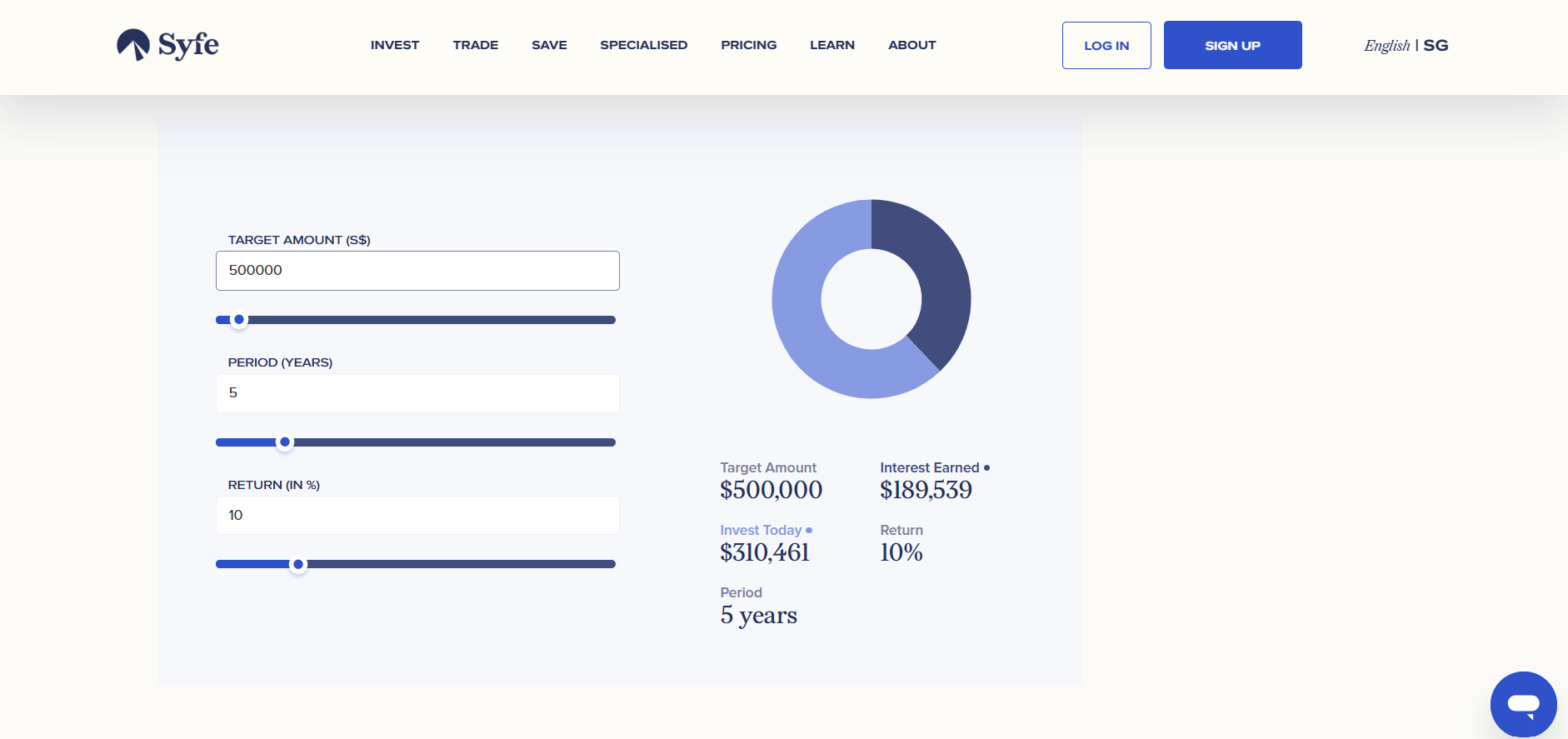
Despite these limitations, the true value of micro-investing lies in habit formation and long term discipline. Small recurring contributions serve as early training for future investment behavior. They introduce new investors to market movements while reinforcing consistency. A simple projection illustrates the impact. Investing S$27 per month at a ten percent annual return grows to about S$339 after one year from S$324 in contributions. After ten years, it becomes roughly S$5,531. After thirty years, it surpasses S$61,033 from just S$9,720 in total contributions. These figures show how time and compound interest can turn modest amounts into meaningful progress. Micro-investing may start small, but it builds momentum. As contributions rise alongside income and confidence, it can become the gateway to a stronger, more resilient investment journey.

Sources: 1 & 2


Read More...

Spending Less and Living More in Singapore

I once stumbled upon a small shop that sold pre-loved books and a title caught my eye. It read “Live More, Spend Less”, and it made me reflect on how people in Singapore can stretch every dollar without giving up comfort or joy. In a city where the cost of living can feel overwhelming, it becomes even more important to be conscious of how we live and what we value. Living well does not need to mean spending freely. Sometimes it means being intentional with daily choices.

One of the most practical ways to save is by rethinking everyday habits. Cooking at home can make a big difference. If you have access to a kitchen, preparing meals in advance can cut food expenses dramatically while also giving you control over what goes into your meals. Even something as simple as drinking water from a reusable bottle can save money that often gets spent on beverages throughout the day. And of course, we are blessed with its famous hawker culture. For less than S$10, you can enjoy hearty meals and local favorites. If you want a more comfortable setting, food courts offer air conditioned spaces, although they come at a slightly higher cost.

Image Credits: unsplash.com

Living better also means spending with awareness. Tracking expenses through a simple app or spreadsheet helps reveal patterns that are easy to miss. Paying yourself first by setting aside savings before spending anything else builds financial discipline. But saving money should not mean giving up the things that make life meaningful. A thoughtful splurge on an experience with loved ones or a purchase that enhances your life is more rewarding than spending without thinking. Planning ahead also goes a long way. Booking tickets for activities through platforms like Klook or Agoda often comes with discounts that free up more room in the budget.

Furthermore, the beauty of Singapore is that you do not always need to spend to enjoy it. The city offers many free attractions that showcase what makes it unique. Walking trails at the Singapore Botanic Gardens are a refreshing escape in the middle of the city, while neighborhoods such as Little India and Chinatown offer vibrant streets filled with culture and food. A hike up Mount Faber rewards you with a sweeping view of the skyline and sea. Visit at sunset and you will be treated to one of the most beautiful sights in the city. From there, the cable car to Sentosa awaits if you choose to continue the adventure.

Image Credits: unsplash.com

Living more while spending less is not about deprivation. It is about being mindful, embracing resourcefulness, and finding joy in what already exists around us. Sometimes we just need to pause long enough to see them.

Sources: 1 & 2


Read More...