
From loner to leader: Better yourself into a collaborator

team discussion

Do you sometimes feel like you’re the only one doing any work on your group projects? Or that you always have to be the one to take charge?

Let’s discuss some of the best ways to become a better collaborator. We will talk about how to share tasks equitably, how to communicate effectively with your team members, and how to stay organized. We will also offer some advice on how to deal with conflicts and navigate tricky situations.

By following these tips, you will find that teamwork becomes much easier—and more fun.

Developing good listening skills

When you’re trying to become a better collaborator, the first step is to develop good listening skills.

This means being aware of your surroundings and the people you’re working with. It also means paying attention to what’s being said, and not just waiting for your turn to talk.

Encouraging others to offer solutions before giving your own is another way of showing that you’re listening. It also shows that you’re open to other people’s ideas and that you’re not just trying to impose your views on the group.

Finally, always restate key points that you’ve heard so that you can check for accuracy. This will ensure that everyone is on the same page and that any misunderstandings are cleared up right away.

Respecting others’ time and efforts

woman in black sleeveless top smiling

Image Credits: unsplash.com

Respecting everyone’s time and efforts mean being upfront about your expectations and encouraging a respectful discussion. It also means recognizing the results of everyone’s hard work and celebrating positive outcomes.

By doing this, you’re setting the tone for a productive and positive working environment. And when everyone is focused on working together to find solutions, you’re more likely to achieve great things.

Building on your communication skills

Be aware of your communication style and understand that there is more than one way to communicate effectively. Second, adjust your communication style to fit the situation. And third, hone active listening skills.

Here are some specific things you can do to work on your communication skills:

  • Make sure you understand the task at hand and the goal you’re trying to achieve
  • Repeat back what you’ve heard to ensure that you understand
  • Use “I” statements rather than “you” statements
  • Ask questions if you’re unclear about something
  • Seek first to understand, then to be understood
Learning to lead – without being bossy

a micromanager boss eyeing his employee

Image Credits: thebalancecareers.com

Being assertive is a crucial skill to have, especially if you want to be a leader.

But there’s a difference between being assertive and being bossy—and it’s a line you need to be careful not to cross.

When you’re assertive, you’re confident in yourself and your ability to contribute to the team, but you’re also respectful of other people’s opinions and willing to compromise when necessary.

On the other hand, being bossy means that you’re trying to control the team and get your way, without any regard for what others might want or think. So how can you make sure you’re being assertive and not bossy?

Well, be transparent and truthful with your team, but also tactful. You need to be able to explain your ideas and listen to feedback, without getting defensive or taking things personally. It’s also good to understand what leadership is, and the different team dynamics at play. If you can learn how to lead without being bossy, you will be much more influential—and respected—as a collaborator.

Becoming aware of behavioral differences

You might not even realize it, but the way you act can be a big contributing factor to whether or not people want to collaborate with you.

Maybe you’re the type of person who’s always trying to take control and be the commander, without considering other people’s input. Or maybe you’re so quiet and shy that people don’t even know you have good ideas.

Whatever the case may be, be aware of behavioral differences and how they can impact collaboration. If you’re not sure where to start, here are some tips:

  • Talk to others about their experiences collaborating with you. What do they say your strengths and weaknesses are?
  • Pay attention to the way you act in group settings. Do you tend to take charge, or do you sit back and let others take the lead?
  • Be open to feedback and willing to make changes. If you want to be a better collaborator, you need to be open to modifications.

The good news is that being more of a team player is something that can be learned. And it’s not about pretending to be someone you’re not. It’s about developing the skills you need to be successful in collaborative environments. It starts with understanding what team players do differently. And then it involves adopting those same behaviors yourself. And finally, it requires practicing those behaviors until they become second nature. Being a better collaborator is a journey, not a destination. And the good news is that you can get there with practice and patience.
Read More...

Work Efficiency Tips for People with ADHD

People with attention deficit hyperactivity disorder (ADHD) can experience different challenges at work. These challenges include struggling to finish tasks, difficulty in prioritizing assignments, and feelings of boredom.

Pinpointing effective strategies to help you cope with these challenges can greatly impact your work success and overall happiness.

#1: TIME YOUR TASKS

Use a timer to adjust the schedule of each work task. Be realistic about the time you need to accomplish something. Plan for urgent tasks and prioritize as some things take longer than you think. For some people, thirty minutes of work followed by a 10-minute break is beneficial. For others, a shorter work or break period may work better.

#2: PREPARE YOUR STATION

Prepare your workstation to stimulate concentration. A conducive working station looks different for everyone. Personally, I prefer working in a quiet area with a comfortable and a table. Do you prefer to work with the blinds half open or closed? Do you prefer to be sitting on a pillow or a hard bench? Prepare your environment for focus.

#3: START WITH THE FUN

Do the interesting tasks first. Once you get the fun stuff done and have your dopamine high, your body would want more things to be accomplished. This will lead you to finishing the rest of the uninteresting tasks.

#4: HAVE BREAKS

Give yourself a transition time between tasks. For mentally challenging projects, you can set a 10-minute break to take a walk or to sip a cup of joe. Use this time to psych yourself up for the next task on your to-do list.

#5: AVOID MULTITASKING

Multitasking hurts productivity and causes people to lose time switching between tasks. This statement pertains to employees with or without ADHD. Staying focused on a task is necessary to get it done. If you frequently multitask, you will have a tougher time completing the necessary tasks. Do things one at a time.

#6: SPLIT COMPLICATED TASKS

Adults with ADHD tend to have difficulty with long, multi-step tasks. For complicated tasks, you can split it into manageable chunks. Break the large tasks into smaller steps that are not as intimidating. This will help you keep up your momentum as you focus on the next doable step.

#7: LIMIT DISTRACTIONS

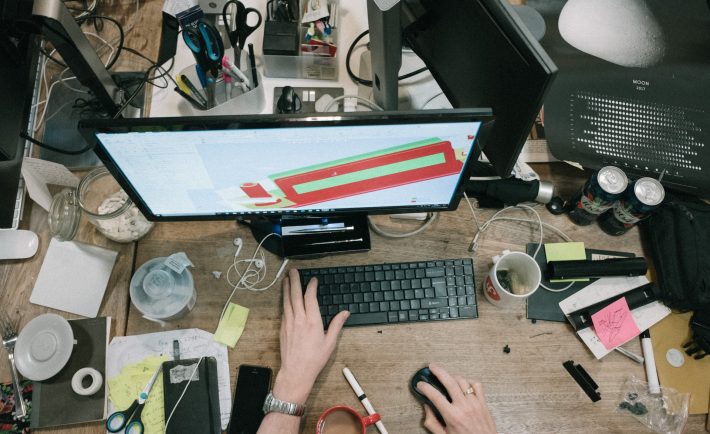
While you are at work, try to limit the distractions. Request a private space in the office and shut the door to block out distractions. If this is not possible, you can politely ask for your spot to be placed away from the main work area. Of course, these options are not always available.

#8: SEEK SUPPORT

A supportive co-worker or an understanding manager can help you stay on task and be your source of support. Some people have found it helpful to share information about ADHD to their employers. Sharing your condition and seeking help can make work more successful.

Image Credits: unsplash.com

Boosting your focus at work often involves a bit of experimenting. Keep track of which strategies you are using and monitor your progress. Should things get increasingly difficult you can seek the help of a mental health professional to manage your symptoms.

Sources: 1 & 2


Read More...

Road to success: How to avoid common virtual interview blunders

woman having a virtual interview

While a virtual interview is (almost) just like a regular interview, there are a few things you should keep in mind to make sure your interview goes smoothly.

Preparation is key for any interview, and that’s especially true for virtual interviews. Below are some tips to help you avoid common blunders and make the best impression on your interviewer.

Tech problems: What to do in case of technical difficulties

First, request to call the interviewer back later. Simply explain the situation and ask for a few more minutes to fix the issue.

Your second option is to send an email explaining the situation. This is a good choice if you’re having trouble with your internet connection or with your laptop itself.

Most hiring teams will understand video interview issues, but it’s always best to be proactive and let them know what’s going on. That way, you can demonstrate your problem-solving trait.

Finally, always give yourself plenty of time to set up a video meeting. This will help eliminate any tech issues and ensure that your interview goes as smoothly as possible when the time arrives.

Dress code: What not to wear

You should still dress like you would for an in-person meeting.

Wear pieces that make you feel confident and comfortable and steer clear of anything too tight or revealing. No loungewear, please! You want to look polished and professional.

Preparation: Not being ready
messy workspace

Image Credits: mcjanitorial.com

Sitting in a messy room or distractions in the background are definite no-nos. And one of the worst things you can do is stare into blank space when your interviewer speaks. It makes you look uninterested.

Interaction: How to ace the virtual interview chat

When it comes to nailing the virtual interview, interaction is key. After all, the whole point of an interview is to get to know each other, and that’s a lot harder to do when you’re not in the same room.

Here are a few tips to help you make the most of a virtual chat (without video):

  • Pay attention to your body language. Although they can’t see you, sitting up straight can get your brain into the right zone.
  • Ask questions! This is your chance to get to know them too, so don’t be afraid to ask about their experiences with the company, or what they think makes it special.
  • Make sure the interviewer has finished their question before answering. There’s nothing worse than jumping in before they’ve had a chance to finish, and it can make you seem like you’re in a hurry to end things.
Aftermath: How to follow up after your virtual interview

Sending a thank-you email after your virtual interview is a must.

But don’t just send any template—take the time to personalize it and make it specific to the organization you interviewed with.

In your email, reference something that you discussed during the interview and emphasize how excited you are about the opportunity. This will not only show that you were paying attention, but it will also demonstrate your interest in the company.

It’s also a good idea to include any additional information that you didn’t get a chance to mention during the interview. For example, if there’s something in your resume that you didn’t have a chance to discuss, this is an opportunity to bring it up.

Finally, end your email by expressing your appreciation for the interviewer’s time and restating your interest in the position.

So, remember these key tips when preparing for your virtual interview, and you will be on your way to acing it! By following the abovementioned tips, you will avoid any embarrassing gaffes and put your best foot forward. And, who knows, you might just get that job offer you’re hoping for. Best of luck to you!

Read More...

Wise steps to take when miscommunication occurs in the workplace

colleagues in a discussion

Miscommunications at work are never fun, but they’re especially frustrating when you don’t know what you did wrong.

Maybe you delayed an email and it caused confusion, or maybe a team member misunderstood a request and delivered the wrong results.

In any case, here are steps to take when miscommunication occurs in the workplace.

Acknowledge the miscommunication

When miscommunication occurs in the workplace, acknowledge it.

It’s easy to try and ignore the situation, or worse, pretend it never happened. But this only makes matters worse in the long run.

By acknowledging the miscommunication, you’re taking the first step in resolving it. Doing this shows that you’re willing to work together to find a solution. It also shows that you’re open to communication and willing to listen to what the other person has to say.

Keep emotions in check

In any situation, keep your emotions in check.

If you’re feeling angry, upset, or frustrated, it can be tough to have a productive conversation.

The best way to deal with these negative emotions is to compartmentalize them. Don’t let them affect your judgment or decision-making. Put them aside and focus on the issue at hand. This may require some deep breathing and relaxation techniques.

If you’re still feeling angry or frustrated after a little time has passed, that’s alright. But don’t reply to the email or have the conversation until you’re in a better headspace. Give yourself some time to calm down and collect your thoughts. There’s no need to act when you’re angry—you will only regret it later.

Get to the root cause
colleagues talking in the office

Image Credits: thepsychologicalhook.com

Miscommunications at work can be infuriating.

They can also be costly, leading to wasted time and effort, and even damaging relationships with coworkers.

The root cause of most miscommunications is simply a lack of alignment in expectations. This can be caused by things like unclear instructions, ambiguous goals, or different interpretations of the same information.

A smart way to prevent miscommunications from happening in the first place is to establish baseline communication standards. These standards should be clear and concise, and everyone involved should agree to them before starting any project.

In addition, set clear norms and expectations for communication. These should be specific to each team or project, and everyone should be aware of them. This will help prevent misaligned expectations from becoming a problem down the road.

Discuss potential solutions

Begin by openly discussing potential solutions with your coworkers.

If you’re not sure where to start, here are some questions you can ask:

  • What do you think is a fair resolution?
  • What do you think the consequences should be?
  • What do you think we could do to prevent this from happening again?

If you’re still not sure how to proceed, you can always consult with a supervisor. But the crucial thing is to take action and not just let the issue sit and fester.

Establish and agree on a new plan
three men talking among themselves

Image Credits: unsplash.com

If the issue at hand is complex, or you and the other person have different ways of approaching problem-solving, it might help to establish a new plan together.

This ensures that both parties are on the same page moving forward and reduces the chances of miscommunication happening again in the future. To do this, you can sit down with the other person (or persons) involved and come up with a step-by-step action plan.

This plan should be specific, realistic, and achievable, and should take into account everyone’s schedules and workloads. Then, agree on a method of communication that will work for everyone involved.

This might mean setting up regular check-ins, or having an open-door policy when it comes to addressing concerns. Whatever you decide, make sure that everyone is on board with the plan before moving forward.

The next time you experience a miscommunication in the workplace, try out these tips, and hopefully, you can repair the situation before it gets out of hand. Remember, communication is key, so always take the time to talk to the other person and get their side of the story. By working together, you can hopefully clear the air and move on from the situation.

Read More...

Managing an employee? Leave the friendship at home

two female colleagues having an enjoyable discussion

Don’t mix business with pleasure.

That applies to the employer-employee relationship. Many people make the mistake of treating their employees like friends, and it almost always ends up causing problems.

Reasons why not to be friends with employees

When you’re friends with someone, it’s difficult, to be honest with them.

You might feel like you’re hurting their feelings or that you’re being too blunt. This can lead to a skewed view of their performance and make it hard to provide them with the feedback they need to improve.

And if things go wrong? It can be pretty awkward to have to discipline or fire your “friend”. Suddenly, all those lunches and after-work drinks become a lot less fun. Friendship in the workplace is simply not scalable. It’s hard enough to manage employees without having to worry about maintaining a friendship as well.

Common scenarios that should be avoided

When it comes to the employer-employee dynamics, there are a few scenarios that should be avoided to maintain a clear line of authority.

For example, don’t let the employee come by your office and shoot the breeze for an hour every day. This will only blur the boundaries and make it difficult for them to take your direction seriously.

This can also easily lead to nepotism, which is a conflict of interest. Remember that you are their boss, not their buddy and that you need to maintain a level of professionalism at all times. By keeping these things in mind, you can create a healthy working relationship that will be beneficial for all.

How to keep up a professional relationship
colleagues shaking hands

Image Credits: talknowapp.net

As the boss, you need to stay professional in your dealings with your employees.

This is a business relationship, not a personal one. Here are some tips for how to keep things professional:

  • You’re in charge, so don’t be afraid to assert yourself.
  • Your employees are there to do a job, not be your friends.
  • It’s best not to get too “close” to your employees—you don’t want them (or others) to feel uncomfortable.
Benefits of maintaining healthy boundaries

Maintaining healthy boundaries with your employees has a lot of benefits.

For one, it prevents preferential treatment or the appearance of impropriety. If you’re already friends with an employee, set boundaries so that you’re not crossing any lines.

Another benefit of maintaining healthy boundaries is that it allows employees to feel appreciated. They know that you respect them and see them as professionals, which can be motivating.

In short, you should never treat an employee like a friend. You are their supervisor, and as such, should maintain a professional relationship. But if you are already friends with a few, maintaining healthy boundaries prevents employees from feeling taken for granted. They know that you value their contributions and that you’re not just taking advantage of their friendship to get them to work more.

Read More...