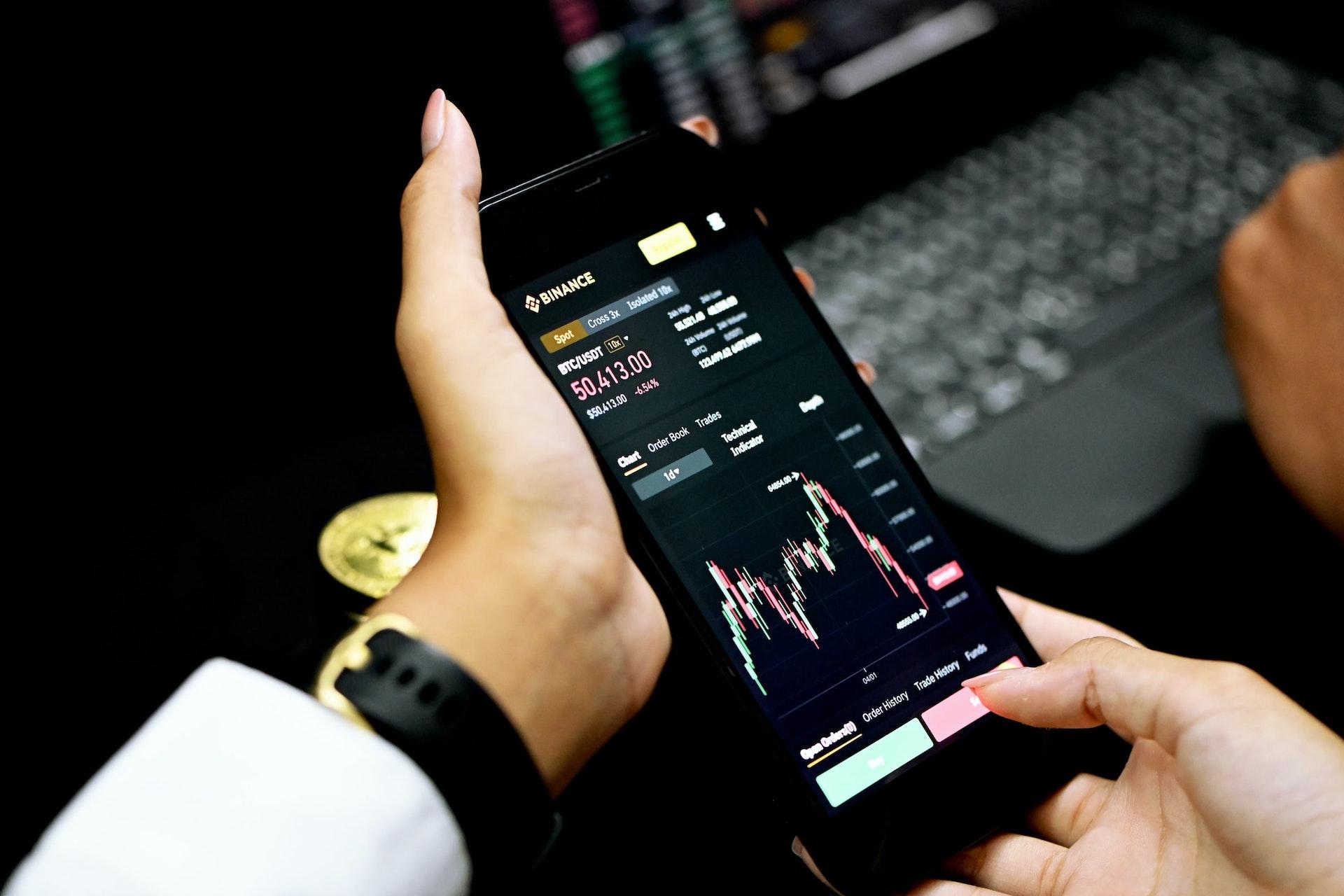
Why More Singapore Investors Are Treating Bitcoin as a Long-Term Portfolio Asset

For several years after launching in 2009, Bitcoin was viewed by many investors as something of a speculative bet that might deliver quick gains if they got lucky. However, today, most now see it as a legitimate long-term investment that is just as good an option as, if not better than, shares, property, bonds, gold and other assets.

This shift is particularly noticeable in Singapore, where investors have traditionally been successful in balancing innovation with wealth preservation. Indeed, as digital assets become more widely accepted in the country, many more investors are exploring how Bitcoin could fit into a diversified portfolio.

That being the case, you may be wondering why they are treating Bitcoin as a long-term portfolio asset rather than a short-term trade. Let’s take a look at this in more detail.

Why Are More Singapore Investors Looking Beyond Traditional Assets?

Many investors build their wealth through a combination of assets, such as property, equities, bonds and cash. However, while these investments have remained popular over many years, the constant uncertainty and changing economic conditions have encouraged people to explore alternative assets that offer different opportunities.

They include global uncertainty, inflation concerns, and fluctuating interest rates. All of which have prompted investors to look for investments that do not always move in lockstep with traditional markets. This search for portfolio diversification has led many to pay more attention to digital assets, particularly Bitcoin.

As the largest and most established cryptocurrency, Bitcoin has become a common entry point for investors looking to explore the opportunities presented by digital assets.

What Has Changed in the Way People View Bitcoin?

Perhaps the main reason why the perception of Bitcoin has evolved significantly over the past decade is that financial institutions, fund managers and everyday investors have increasingly adopted it.

Indeed, several large investment firms and publicly listed companies have added Bitcoin to their balance sheets or investment products, which has helped increase overall confidence in the asset.

As a result, many investors now see Bitcoin as a distinct asset class. While they understand that Bitcoin price volatility remains part and parcel of the investment experience, many long-term holders often focus their attention on broader adoption trends, scarcity and future demand rather than short-term price movements.

Why Are Investors Adding Bitcoin to a Diversified Portfolio?

One of the most common reasons investors are looking to buy BTC with Independent Reserve, or another similar platform, is portfolio diversification. As every asset class behaves differently under various economic conditions, investors often seek exposure to a range of assets rather than relying on a single investment type.

What makes Bitcoin so attractive is that it offers access to a market that operates independently of many traditional financial systems. This doesn’t mean that it is immune to broader market movements. However, its unique characteristics have piqued the interest of many investors seeking additional growth opportunities.

Another factor, undoubtedly, is Bitcoin’s limited supply. Because only 21 million Bitcoins will ever exist, it possesses a scarcity that appeals to many. Indeed, some investors compare it to gold, viewing it as a potential store of value and even a form of digital gold.

How Much Bitcoin Are Long-Term Investors Typically Holding?

Most investors who allocate funds to Bitcoin do so as part of their overall investment strategy. Rather than allocating all their capital to a single asset.

Having said that, individual portfolio allocations vary depending on a range of factors, including the investor’s personal goals, financial circumstances, and risk tolerance. Subsequently, some investors choose to dedicate only a small percentage of their portfolio to digital assets. Others maintain larger positions in shares, property and other investments.

This approach not only allows investors to participate in potential growth opportunities, but also limits the impact of cryptocurrency market fluctuations on their overall portfolio.

What Risks Should Investors Understand Before Buying Bitcoin?

There’s no question that Bitcoin offers opportunities. But it is important to recognise that it also carries risks that should be understood before you invest.

Arguably, the biggest risk is price volatility, as Bitcoin’s price can move sharply over short periods. This can be uncomfortable for investors who are accustomed to more stable asset classes. Security is something else you’ll need to get a handle on, especially with regards to how cryptocurrency is stored, protected and transferred. It is important to choose reputable platforms and follow strong security practices to reduce many of the common risks associated with digital assets.

You should also be mindful that many long-term investors focus on a multi-year timeframe rather than simply reacting to daily market movements. That’s not to say that short-term fluctuations can’t be significant. However, many holders view Bitcoin as an asset that may develop over years rather than weeks or months. So, you might want to do the same.

What Role Could Bitcoin Play in the Future of Wealth Building?

Bitcoin’s future remains a topic of intense debate. But there is little doubt that it has become a permanent part of the global financial landscape.

Some investors see Bitcoin as a growth-focused asset. Others view it as a hedge against inflation or a tool for wealth preservation. Whichever way you look at it, increasing institutional adoption and wider acceptance of digital assets should give you the confidence to invest in it.

As financial markets continue to evolve, it seems clear that Bitcoin will play an increasingly important role within diversified portfolios. In particular, among investors who are comfortable allocating a portion of their wealth to alternative assets.
 

Read More...

Exploring Cryptocurrency Investments in Singapore

Is cryptocurrency worth it? As digital currencies reshape finance, Singapore emerges as a crypto hub. We’ll dive into its regulatory framework, clarifying legal status, regulatory bodies, and regulations. Whether you’re seasoned or new, understanding Singapore’s rules is crucial for confident navigation.

Is cryptocurrency considered legal tender in Singapore?

While cryptocurrency isn’t recognized as legal tender in Singapore, it serves as an alternative payment method. Legal tender in Singapore is the Singapore Dollar (SGD), regulated by the Monetary Authority of Singapore (MAS).

Navigating cryptocurrency regulations in Singapore can be complex, especially with the involvement of multiple regulatory bodies like MAS and the SFC. Staying compliant is crucial, particularly when managing your tax obligations in the crypto space. If you need tax advice, visit this resource for expert guidance on GST registration and compliance in Singapore.

Do you need a license to trade cryptocurrency in Singapore? Depending on the platform’s functionality, a license may be required for trading in Singapore.

Who regulates cryptocurrency in Singapore?

Navigating cryptocurrency regulations in Singapore can seem daunting, given the involvement of multiple regulatory bodies. However, understanding their roles can provide clarity and ensure compliance with the established framework.

1: The Monetary Authority of Singapore (MAS)

As the primary regulator, MAS plays a central role in shaping and overseeing the crypto landscape under the Payment Services Act (PSA) 2019. MAS licenses businesses engaged in digital payment token (DPT) services, covering activities like operating exchanges and providing wallets. With a focus on innovation and risk management, MAS enforces strict Anti-Money Laundering (AML) and Counter-Terrorist Financing (CFT) regulations.

2: Securities and Futures Commission (SFC)

While not the main regulatory body, the SFC oversees digital tokens categorized as securities under the Securities and Futures Act (SFA). It focuses on tokens with characteristics similar to stocks or bonds, collaborating with other regulators to maintain market integrity.

3: The Payment Services Act (PSA)

Enacted in 2019, the PSA serves as the primary legal framework, ensuring a fair and safe crypto environment by mandating licenses and exemptions for specific activities.

4: Singapore Police Force (SPF)

SPF investigates and prosecutes criminal activities in the crypto space, working closely with MAS and other authorities to enforce laws and regulations, ensuring a secure financial environment.

Important Singapore Crypto Regulations governs cryptocurrency activities:

Image Credits: unsplash.com

1: Payment Services Act (PSA) Mandates licenses for various crypto activities, with exemptions for certain tokens.

2: Securities and Futures Act (SFA) Regulates tokens resembling securities or derivatives, aligning with established financial market principles.

3: Commodity Trading Act Oversees trading of asset-backed tokens, ensuring regulatory scrutiny.

4: Travel Rule Requires DPT service providers to collect and share client information during transactions, enhancing AML measures.

Understanding Singapore’s cryptocurrency regulations is essential for compliant and confident trading, especially under frameworks like the PSA and AML rules. For professional assistance with tax and financial compliance, consult this team of accountants to ensure you’re on the right track.

In conclusion, Singapore’s crypto regulation fosters innovation while ensuring stability. With oversight from MAS, SFC, and SPF, investors can engage confidently. Staying informed and compliant is key for maximizing your crypto journey.


Sources: 1 & 2


Read More...

Investing in Cryptocurrency: Risks & Rewards

Cryptocurrency has taken the world by storm, and Singapore is no exception. Although the worldwide cryptocurrency ownership rates were around 4.2% in 2022, Singapore and Thailand are leading the way in Southeast Asia with significantly higher adoption rates of 11.05% and 6.47%, respectively. These numbers are mainly attributed to the digital savviness of their populations and the supportive regulatory environment in both countries. While investing in cryptocurrencies can be attractive and lucrative, it is also not without risks.

Firstly, let’s discuss the rewards. Cryptocurrency is decentralized, meaning it is not controlled by any government or financial institution. This makes it a popular investment option for those looking to diversify their portfolio and reduce their reliance on traditional banking systems. Cryptocurrencies can also provide quick and easy access to liquidity, making it an attractive option for those looking to make quick profits. For example, digital artists can easily sell their artwork using cryptocurrencies and still own its copyrights.

Furthermore, the Monetary Authority of Singapore (MAS) has issued guidelines for the trading and exchange of cryptocurrencies, making it easier for investors to enter the market. To address money laundering and illegal activities, MAS issued Notice PSN02, also known as the detailed Anti-Money Laundering (AML) and Combating the Financing of Terrorism (CFT) guidelines for Digital Payment Token service providers.

However, investing in cryptocurrency also comes with its own set of risks. One of the biggest risks is volatility. Despite Singapore’s ambitions to become a global crypto hub, it has been cracking down on the industry after many retail investors lost their life savings to crypto trading. The country has repeatedly warned that cryptocurrency trading is “highly risky and not suitable for the general public” due to its volatile and speculative nature.

The general public must know that cryptocurrencies are subject to unpredictable price fluctuations. As they are less regulated, their value is influenced by other factors, such as psychological hype. For example, in 2017, Bitcoin’s price reached an all-time high of nearly $20,000, only to crash to $3,000 the following year. Another example is the rise of the first meme coin called Dogecoin.

Image Credits: unsplash.com

Another risk is security. Cryptocurrencies are stored in digital wallets, which can be vulnerable to hacking and cyber-attacks. If a hacker gains access to an investor’s wallet, they can steal their digital assets, resulting in significant losses. Can you imagine betting your life savings on cryptocurrencies and losing it all in a day?

Lastly, to thrive in the cryptocurrency scene, a certain level of technical knowledge is required. Don’t fall victim to frauds and scams by lacking technical knowledge. Investors need to understand how the blockchain works, how to manage digital wallets, and how to navigate cryptocurrency exchanges.

Despite the risks, the interest in cryptocurrency investment remains high among investors in Singapore. To minimize these risks, it is essential for investors to conduct comprehensive research before investing, keep their digital assets in secure wallets, and only invest a reasonable amount they can afford to lose. With prudence and caution, investing in cryptocurrency can be a fulfilling experience for Singaporean investors.

Sources: 1, 2, 3 & 4

Read More...

MAS Says Dealing in Any Cryptocurrency is Hazardous

To clarify some questions and misconceptions surrounding the collapse of FTX.com, the Monetary Authority of Singapore (MAS) has recently issued a statement. The Bahamas-based crypto exchange company filed for bankruptcy in the US on Nov 11, 2022 and is said to owe about US$3.1 billion (S$4.26 billion) to its top fifty creditors. Its short reign started last 2019.

In the statement released by MAS last Nov 21, MAS highlighted three key points.

#1: IT IS NOT POSSIBLE TO PROTECT LOCAL USERS FROM FTX.COM

Since the company is not licensed under MAS and operates offshore, it is not possible to protect the local users who dealt with the bankruptcy of FTX.com. “MAS has consistently warned about the dangers of dealing with unregulated entities,” the central bank said.

#2: THERE WAS A CLEAR DIFFERENCE BETWEEN BINANCE.COM AND FTX.COM

To the central bank, there was a clear difference between fellow crypto exchange companies Binance.com and FTX.com. While both companies are not licensed in Singapore, Binance.com was actively soliciting users in Singapore while FTX was not.

“Binance.com in fact went to the extent of offering listings in Singapore dollars and accepted Singapore-specific payment modes such as PayNow and PayLah,” according to the statement released by MAS. Thus, it was placed on the Investor Alert List (IAL).

#3: IT IS IMPOSSIBLE TO LIST ALL CRYPTO EXCHANGES ON IAL

Hundreds of such exchanges and thousands of other entities offshore exist so, MAS says that it is not possible to create an exhaustive list of all offshore crypto exchanges in the world on the IAL. The purpose of the IAL is to “warn the public of entities that may be wrongly perceived as being MAS-regulated, especially those which solicit Singapore customers for financial business without the requisite MAS license.”

Image Credits: pixabay.com

Users looking to refer to all the MAS-regulated entities should refer to the Financial Institutions Directory. This directory keeps an exhaustive list of such entities. It is important to remember that crypto exchanges can and do fail.

“Even if a crypto exchange is licensed in Singapore, it would be currently only regulated to address money-laundering risks, not to protect investors,” says MAS.

Sources: 1 & 2

Read More...

Why use a VPN to trade cryptocurrency?

Trading cryptocurrencies is a growing business, but it is not safe from hackers and malicious groups. These entities can inflict severe damages, such as investment scams, email phishing, fake apps, and blackmail.

To protect yourself against these threats, a VPN is your best bet. In this article, we’ll count down seven reasons—and a bonus reason—why you should be using VPN to trade crypto.

What is a VPN, and What Does It Do?

Cybercriminals carry out crimes like scams and phishing by tracking your digital footprints. In other words, whenever you connect to an unsecured internet connection, you leave a trail behind that hackers, your ISP, and even your government can view.

On the other hand, a VPN (Virtual Private Network) is a tool that can encrypt an unsafe internet connection making it secure from any unwarranted threats and attacks.

Reasons You Should Use VPN for Crypto Transactions

Here are some benefits crypto traders can enjoy by using a VPN.

1. VPN Helps Bypass Firewalls

There are many instances where your ISP provider might set up different firewalls to stop users from connecting to crypto-related websites using their network. Several reasons could be behind it, including your ISP not wanting to associate with crypto trading.

But a VPN allows you to bypass all of these firewalls easily without getting detected by your ISP, meaning you can carry on your business without anyone putting limitations on it.

2. Makes Internet Traffic More Secure

Whether you’re using a home or a public internet connection to carry out your transactions, likely, it will only use WPA2 for security purposes. Although this might seem secure, it isn’t and always puts you at risk of being exposed to cyberattacks.

But when you connect a VPN to your internet connection, it automatically encrypts every bit of data going to and from your computer, making it safe and secure.

3. Hides IP Address

When you visit any trading platform, including your blockchain explorer, they can view your IP address. Therefore, they might also get a hold of your crucial information, such as your country, city, zip code, and ISP.

On the other hand, connecting your internet via a VPN masks your original IP address with a remote one, effectively making you untraceable on the internet.

4. Security from Phishing Attacks

Phishing attacks are among the most go-to methods for hackers to steal cryptocurrencies — these attacks are conducted using various ways, including spoofing and fake giveaways.

To tackle this problem, some VPNs provide a blocklist service that stops users from landing on a phishing website.

Must-Have Features for VPN to Trade Crypto

In addition to the regular benefits, a VPN can provide some extra features, especially for crypto trading.

Kill Switch

A Kill Switch is one of the new and vital features of premium VPNs. It acts as a line breaker and shuts down your internet when you get disconnected from a VPN, so you can easily surf the web without worrying about your identity being exposed.

No-log Policy

When installing a VPN for your crypto trading, ensure it’s a no-log one. Because if even the VPN starts to track your movements on the internet, then there is no purpose of being invisible in the first place.

Split Tunneling

Split tunneling creates an additional route for the user that they can use for all of their activities that don’t need encryption. It gives users freedom and helps in cases where the VPN connection is bottling their internet speed.

How to use a VPN for cryptocurrency transactions?

You can follow these simple steps to use VPN as an additional barrier to crypto transaction security.

  1. Register for a VPN service.
  2. Download and install a VPN app for your devices.
  3. Connect to one of the servers.
  4. Browse any crypto exchange website or app you want and start trading securely.


Read More...