6 Simple & Legit Ways To Earn Money In Singapore

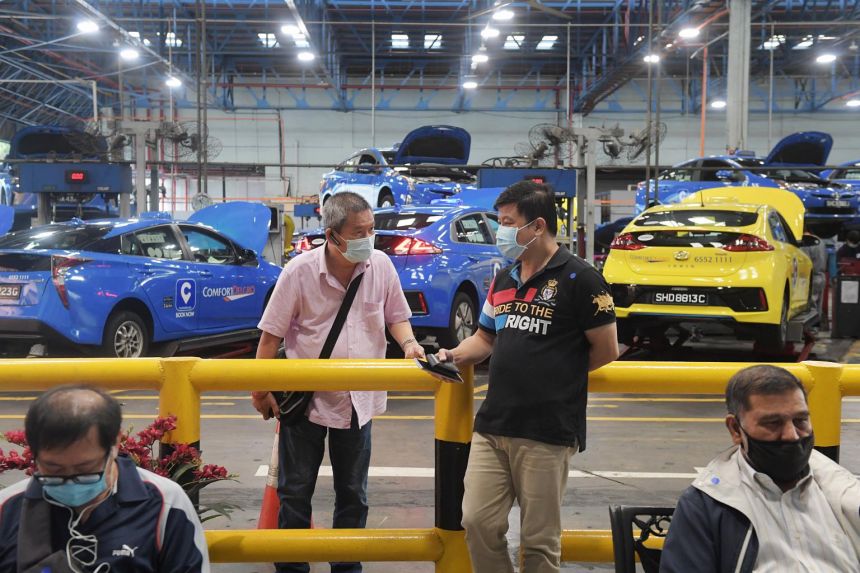
As we abide to the social distancing protocols and the restrictions brought by the pandemic, many of us began relying on delivery services to get household essentials such as food and grocery. Due to the high demand for delivery services, it has become a lucrative sideline for many locals. If you are not able to drive a vehicle and are looking for ways to make money, you may try these legitimate alternatives.

#1: SELL USED ITEMS ONLINE

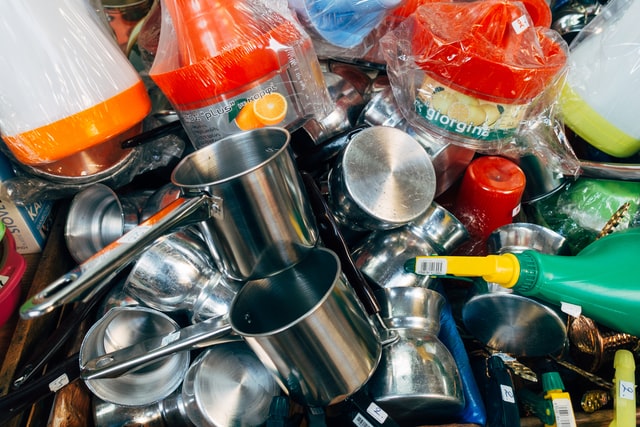
You can earn money by selling your used or unused clothes and other items online. Firstly, you may swap your belongings with your friends and loved ones. Secondly, you may offer your repairing services to others. Lastly, you may sell your clothes and other items online. You can sell virtually anything these days. From footwear to figurines as well as bags to plants, you can easily spot an item or two that someone else might want. Try selling these to numerous platforms such as Carousell, Shopee, Lazada, and Etsy.

#2: REDUCE YOUR FOOD WASTE

Consider making money by saving it. A major category that consumes most of your budget is food. Reduce your food expenses by cutting down your restaurant trips and by budgeting your groceries. An environmentally-conscious group called SG Food Rescue started a movement that aims to reduce food waste. This group rescues “unsellable” and edible food from vegetable and fruit sellers and brings them to charitable organizations. Being a part of the group means being able to consume fruits and vegetables that would otherwise get thrown away because they do not look aesthetically pleasing. It can save you about S$200 per month on groceries.

#3: OFFER TUTORIAL SERVICES

As a tutor, your rate will vary depending on your qualifications. If you have graduated with a Bachelor’s degree at a local university, you will likely enjoy higher rates for subjects such as Maths and English. Students may get the benefit of flexibility when hiring a freelance tutor. You can teach a student at their own pace. Tutoring from home means you can conduct your sessions via Google Meet or Zoom.

#4: TRANSLATE A MESSAGE

It is time to put your mother tongue lessons to good use! Consider translating a document or two for people online. This job can earn you about S$5 to S$100 per assignment. The quicker you clear out the assignments, the more you can earn. Find assignments from freelancing platforms such as Fiverr, Gengo, and Upwork. You may be asked to set up a PayPal account to receive your pay.

#5: BECOME AN INSTAGRAM INFLUENCER

Do you enjoy taking selfies and going live on Instagram? If you have a strong following, you can become an influencer. Share your interests with your content and build an audience as you become a paid influencer. You can earn money through ads and through linking back to an online store. You can earn about S$5 to S$150 per post through Partipost. Individual retailers may approach you for promotional posts too. This can range from S$50 to S$100.

#6: CONSIDER DROPSHIPPING

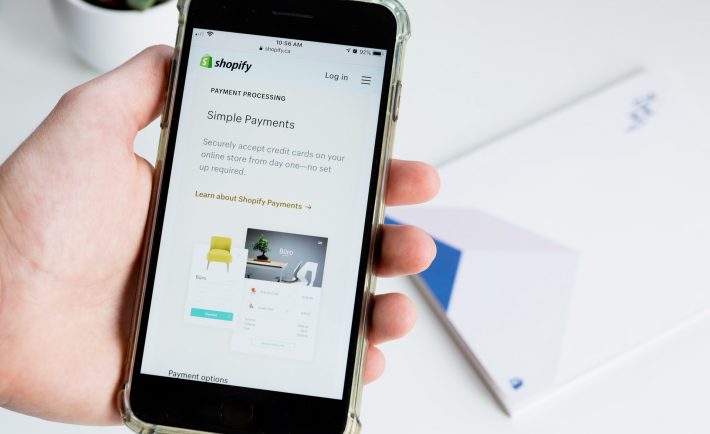
One of the simplest ways to venture into the e-commerce world without investing too much upfront is through dropshipping. Dropshipping is a retail fulfillment method where a store does not keep the products it sells in stock. Instead, it transfers the customer’s orders to the manufacturer or wholesaler who then ships the goods directly to the customer. The only downside is the upfront starting fees. However, you can earn more than S$3000 per month with the right strategy.

Image Credits: unsplash.com

Making money online does not have to be an unreachable dream. It is feasible to generate income online with the right tools and strategies. Use the above tips as inspiration. Then, feel free to choose which route to take.

Sources: 1 & 2

Read More...

2020 Trends In Consumer Behavior

Consumer behavior is the study of individuals, groups, or organizations and all the activities associated with the purchase, use and disposal of goods and services. It includes consumer’s emotional, mental and behavioral responses. In short, it answers the following questions: “How do people buy? What do they buy? When do they buy? And, why do they buy?”

The COVID-19 pandemic had an abysmal effect on the world as we know it. People are altering their lifestyles, are purchasing in different ways, and are thinking outside the box. Supply chains have been tested. Some retailers were forced to close. The pandemic caused the consumers to look at products and brands through a fresh lens.

On that note, here are the observable trends in consumer behavior this year.

#1: “I DESERVE IT” MENTALITY

The pandemic tested our physical and mental strength. Many have turn to self-care for solace at home. As the Yuletide season began, we saw a rise in self-gifting. This “I deserve it” mentality came about due to months of being locked down at home. Moreover, treating oneself is a way to ease the mental worries of an individual. Thus, retailers who fall under the “self-care” category such as Bath & Body Works (fragrance), Cotton On Body (loungewear), and Sephora (beauty) can see an increase in sales this season.

#2: CONSCIOUS MENTALITY

Consumers moved further towards sustainability and away from mass consumerism this year. They are more mindful of what they are buying. It is likely that this trend started to emerge pre-pandemic. However, it has accelerated during pandemic. More and more people are eager to purchase sustainable options such as cloth masks and bamboo toothbrushes. They are limit food wastes and shop more consciously.

#3: HEALTH-FOCUSED MENTALITY

Health is wealth. Brands that focused on health have seen an ever-increasing demand this year. Consumers are eager to find ways to support their healthy lifestyles. Having a “health-focused strategy” will be a strategic differentiator for the foreseeable future.

#4: LOCAL MENTALITY

There has been a growing love for local brands and products during the pandemic. The desire to shop local was reflected in both the way people shop (e.g. supporting community stores or online market sites) and what the people buy (e.g. locally sourced or artisanal). Many small and local businesses have effectively capitalized on tools and online platforms to sell their goods.

Image Credits: unsplash.com

People who are no longer commuting to town have began to shop locally. With consumers both willing to shop online and from independent retailers, now is the time for you to react and adapt to this ecommerce trend.

Sources: 1 & 2

Read More...

Changes to note as Singapore moves into phase 3 tomorrow (28 December)

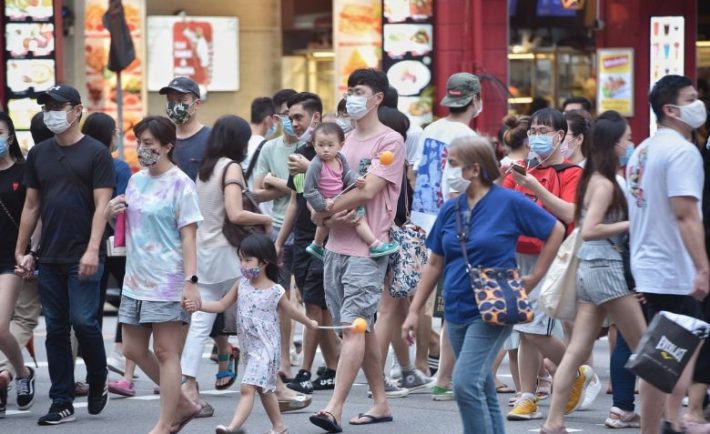
Singapore residents crossing the road

We hope you’ve had a meaningful time spent with your loved ones over the Christmas break. As the Multi-Ministry Taskforce (MTF) announced earlier this month, Singapore will transition to phase 3 starting from Monday, 28 December.

Pre-conditions for moving into phase 3
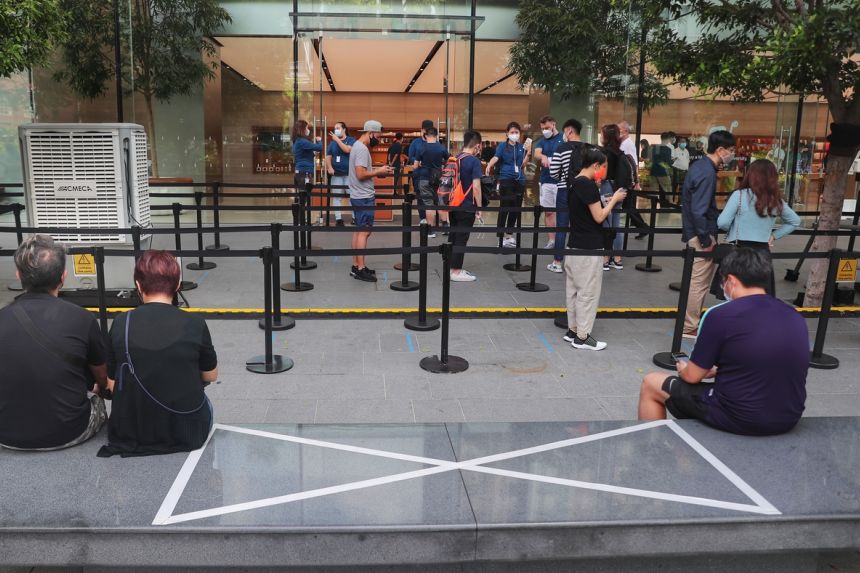
safety measures in Singapore

Image Credits: The Straits Times

We have met the pre-conditions for moving into phase 3, including holding fast to safe management measures.

There are also enough testing capabilities now, specifically for the Polymerase Chain Reaction (PCR) test, where Singapore can do over 50,000 a day. Besides, rapid antigen tests are also in place for higher-risk events.

In addition, the news reported that Singapore had met its target of having more than 70 per cent of residents participating in the TraceTogether programme.

Minister-in-charge of the Smart Nation initiative Vivian Balakrishnan said: “We’ve gone past the 70 per cent participation rate in TraceTogether. There have been more than 2 million people who have downloaded the app and have registered and are using it.”

Changes to note in the activities from 28 December
Singaporeans in face masks

Image Credits: NUS News

  • Social gatherings

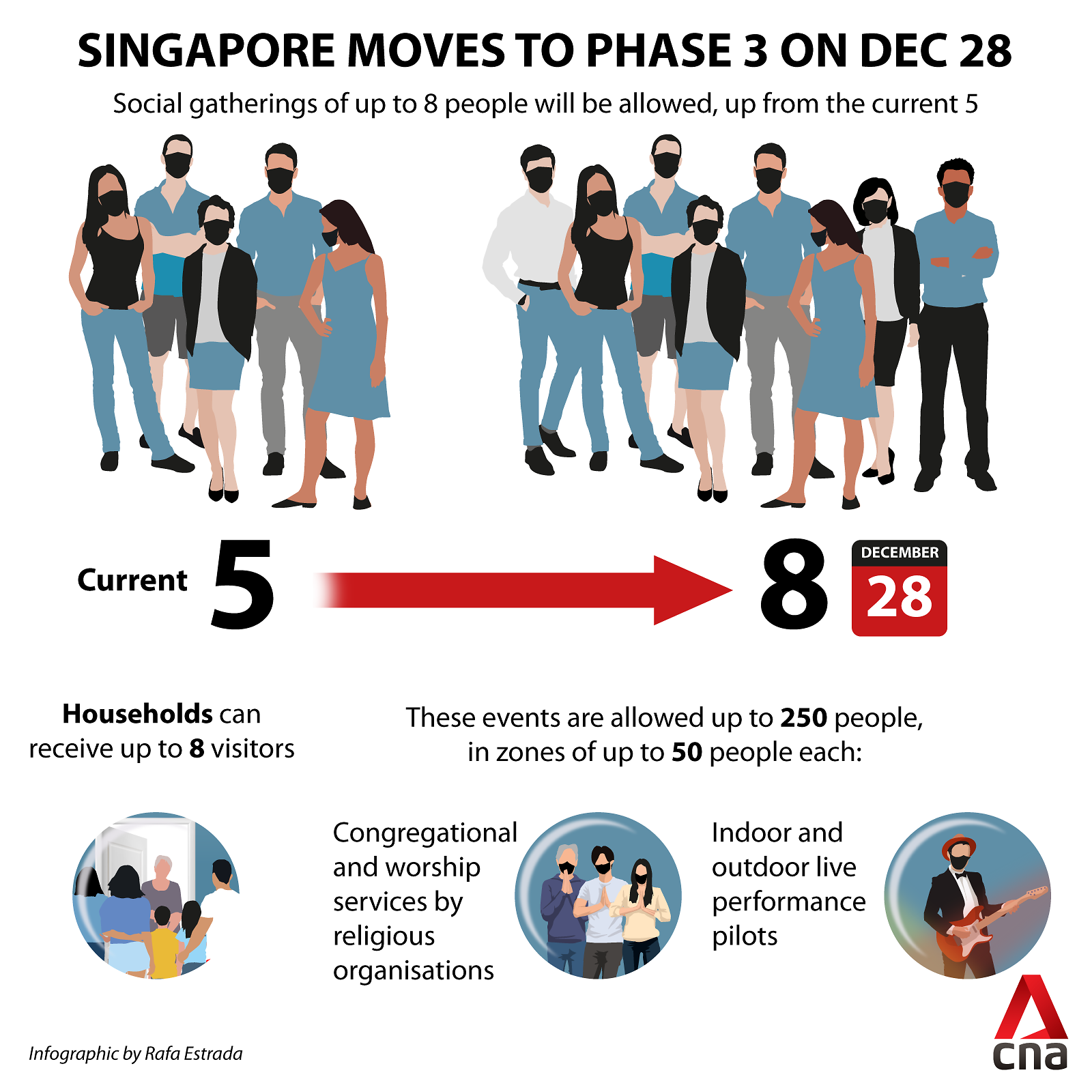
The number allowed for groups will be up from the current figure of 5 to 8. This also includes households where up to 8 visitors can be present at any point in time. Sport Singapore (SportSG) also announced recently that groups of up to eight people could gather for sports activities.

  • Marriage solemnisation

The hosting household can invite up to eight other people, not including members of the hosting family, the solemniser, and vendors.

  • Capacity limits of premises

In phase 3, malls and large standalone stores will increase their capacity limit from 10 square metres per person to 8 square metres per person. Attractions with approval from the Singapore Tourism Board (STB) can also increase their operating capacity to 65%.

  • Congregational and other worship services

With the successful pilots by selected Religious Organisations (ROs) since 3 October, all ROs can now raise their capacity to up to 250 persons. For congregational services, they have to segregate the community in zones of up to 50 persons each. ROs can also include live performance elements with proper safety management measures in place.

  • Live instrumental music for certain activities

Speaking of live performances, indoor marriage solemnisation, funerals, and funerary-related activities can also allow that. But there is currently a ban on wind instruments.

  • Regulations on live performances

Singapore residents can look forward to more indoor live performances of 250 persons in zones of up to 50 persons each in phase 3. Outdoor live performance pilots will also follow suit with the respective person and zone limits. Vendors must continue to manage performances and gathering of crowds safely.

Apart from the abovementioned activities, the MTF will continue trials on higher-risk projects such as karaoke, nightlife events, and busking & live performances in outdoor venues throughout phase 3.

“We must not become complacent and must continue to remain vigilant; otherwise, our individual and collective sacrifices over the past year will be in vain,” the Ministry of Sustainability and the Environment commented on 24 December.

singapore-phase-3-graphic

Image Credits: CNA

Read More...

UK travellers won’t be allowed entry to Singapore from 11.59pm today due to a highly infectious strain of COVID-19 in the UK

Changi Airport with people in masks

What a lead-up to Christmas. If you’ve been following the news daily, you should be aware of recent reports on a potentially more contagious strain of the virus happening in the United Kingdom.

On Sunday (Dec 20), British Health Secretary Matt Hancock noted that the coronavirus’s new strain was out of control. In response, our Ministry of Health (MOH) announced on Tuesday (Dec 22) that travellers with recent travel to the UK won’t be able to enter Singapore from 11.59pm today (Dec 23).

This newly set border measure applies to long-term pass holders, including short-term visitors who have been to the UK within the last 14 days. “To reduce the risk of spread to Singapore, we are putting in place new border restrictions for travellers from (the) UK for further precaution,” said MOH.

Singapore is not the only country who has taken the move. Hong Kong, India, and many European countries, including France, Germany, Italy, and the Netherlands, have also banned flights from the UK.

Recap on current rules
Manchester Airport

Image Credits: manchestereveningnews.co.uk

At the moment, all eligible travellers arriving from the UK have to serve a 14-day stay-home notice at a dedicated facility. Non-residents have to show proof of a negative COVID-19 swab test taken within 72 hours before their flight to Singapore.

Returning citizens and permanent residents
arrival hall of Singapore Changi Airport

Image Credits: sg.news.yahoo.com

Singaporeans awaiting their loved ones to touch down safely from the UK need not worry too much. Singapore citizens and permanent residents returning from the UK will still be able to enter. But they will have to take a COVID-19 polymerase chain reaction (PCR) test upon arrival here, at the start of their 14-day stay-home notice.

WHO cautioned against major alarm
World Health Organization

Image Credits: NPR

Citing the coronavirus’s new strain as a regular part of a pandemic’s evolution, the World Health Organization (WHO) urged against unnecessary fear. WHO officials added that there is no evidence yet that the variant is more deadly than the existing COVID-19, though they can’t deny that it seems to spread more quickly.

Latest updates on the COVID-19 variant
toddlers playing with letter cubes

Image Credits: unsplash.com

Scientists from the New and Emerging Respiratory Virus Threats Advisory Group (NERVTAG) said on Monday (Dec 21) that the new variant could mean children are as likely to become infected with it as adults.

“There is a hint that it has a higher propensity to infect children,” said Neil Ferguson, a member of NERVTAG and a professor and infectious disease epidemiologist at Imperial College London.

To this, Peter Horby, a professor of emerging infectious diseases at Oxford University and chair of NERVTAG, adds that they have immense confidence that this variant has a higher transmission rate than other virus variants in the UK.

But Ferguson states that they have yet to establish any causality on that, though the data shows it. “We will need to gather more data to see how it behaves going forward,” he remarked.

Read More...

Experts share what the arrival of COVID-19 vaccines in Singapore would mean for ‘normality’

Pfizer-BioNTech vaccine

On Dec 14, Prime Minister Lee Hsien Loong announced that the Health Sciences Authority (HSA) had approved the COVID-19 vaccine developed by United States pharmaceutical giant Pfizer and German firm BioNTech. The first shipment was also due to arrive in Singapore by the end of December.

Fast forward to a week after the statement; the long-awaited COVID-19 vaccines arrived yesterday (Dec 21) evening! Transport Minister Ong Ye Kung was there to receive the gift, and the vaccines were later to transported to SATS’ cold-chain facility for storage.

Mr Lee said that relevant task force handling the COVID-19 outbreak would announce details of the roll-out in due time. “It’s been a long and arduous year. I hope that this news will give Singaporeans cheer this festive season, and reason to be optimistic for 2021,” he added.

Returning to ‘normality’ will take time
Christmas crowds at VivoCity

Image Credits: The Straits Times

While we’re one of the first few countries to get COVID-19 vaccines, experts shed light on what this means for ‘normality’. It will most likely take months to return to ‘normality’ as Singapore builds herd immunity with the ongoing study of the effects of the vaccine.

Vice-dean of research at the National University of Singapore (NUS) Associate Professor Alex Cook suspects that the first few groups to receive vaccines will still need to keep to current measures. This includes wearing a mask and keeping to the permitted group size gatherings. This will continue until enough people receive the vaccine to achieve herd immunity.

Singapore possibly to be the last few countries to reach ‘normality’
office-workers-wearing-face-masks-are-seen-in-the-financial-business-district-in-singapore

Image Credits: CNA

President of the Asia Pacific Society of Clinical Microbiology and Infection Dr Paul Tambyah states that Singapore is likely to be among the final few countries in Southeast Asia to return to normal. This will also probably be months after the report of the last cases of COVID-19 in the world.

“If, and it is a big if, the vaccine is successfully rolled out all across the world and if it works, there is a good chance that the incidence of the disease may drop dramatically worldwide, and then the WHO (World Health Organization) can declare the pandemic over, and we can slowly get back to normalcy,” he mentioned.

No massive change in restrictions for months
people wearing masks in an office

Image Credits: Vulcan Post

Professor Dale Fisher, the senior consultant at NUH and Chair of the WHO Global Outbreak Alert and Response Network, shares that there will be no significant change in restrictions in Singapore for months. But as more receives the vaccines in 2021, and we slowly approach herd immunity, preventative measures may be eased.

More on establishing herd immunity
singaporeans in masks

Image Credits: TODAYonline

Assoc Prof Cook remarked that until enough people get the vaccine, we cannot protect our society as a whole. The mollifying of mask-wearing, social distancing, and closed borders can take place only when a critical mass of people receives the vaccine.

Dean of the NUS Saw Swee Hock School of Public Health Teo Yik Ying highlights for us the objective of mass vaccination. The main aim is to achieve herd immunity to protect individuals from an insufficient number of people who remain vulnerable to infection.

“If there are enough people that have been vaccinated, then even if someone is infected, the vast majority of the people that this infected person interacts with will already be vaccinated and not be infected. This is why mass vaccination with an effective and safe vaccine remains a very powerful public health measure to protect against an infectious disease,” he added.

Assoc Prof Cook further explains that in the early stages, only those with the vaccine will be in safe hands. Once enough people have it, they would have direct protection. In turn, those without the vaccine will develop indirect protection because of the others in the population who have the vaccination.

Continuous study of the vaccine still in place
studying of vaccines in a lab

Image Credits: sciencemag.org

Infectious diseases expert Dr Leong Hoe Nam spotlights that experts have yet to identify the immune marker used to measure sufficient protection from COVID-19. “We aren’t sure if the immunity conferred by the vaccine is long-lasting and permanent,” he noted.

Experts also shared that though there is evidence that that the vaccine can prevent disease, more study is required to find out if the vaccine has protection against the transmission from the person who is vaccinated to another person.

According to Prof Teo, what we know for sure is that people who have the vaccine will unlikely showcase symptoms of COVID-19 infection, including severe complications. He also adds that Singapore will be performing post-vaccination monitoring. This will allow the authorities to modify measures according to the extent of protection the vaccination offers.

Prof Fisher also brings to light some concerns on whether the vaccines can prevent transmission from asymptomatic cases. There are also remaining questions on its effects on the elderly and immune-suppressed. At this point, more study is necessary.

With that said, we are aware that the vaccine works at least in the short term. “There is really no reason to not take the vaccine with our current knowledge,” he commented.

Read More...