Creating your budget is crucial, but managing your budget is arguably even more important. You cannot just write down a budget at the beginning of the year and never look at it again. You must continuously manage your money with an updated budget to monitor your finances for every month.
Moreover, this budget will guide your plans to achieve your long-term goals. On that note, let us discuss the definition of Money Management.
What Is Money Management?
The process of keeping track of your finances is called Money Management. This includes your spending, savings, budgeting, and investing behaviors. It is the key to helping you save money to accomplish your personal goals. You need to find a management technique that works for you as everyone manages their money differently.
What Is the Importance of Money Management?
There are multiple reasons why managing your money is important to your life. Firstly, it helps you to stay on top of your finances. You will be able to tell whether you are overspending before you get hit with overdraft fees. Money management also helps you to avoid incurring too many fees on your credit card bill.
Secondly, money management helps you plan for your future. My partner and I recently got married. To help save for our wedding, we made some down payments to the suppliers through careful monitoring of our cash flow. Managing your money increases your knowledge of savings and aids in accomplishing your financial goals.
Image Credits: pixabay.com
Thirdly, money management keeps track of your expenses. How much do you spend on rent and groceries? Perhaps, you can cut back on some unnecessary expenses such as your monthly subscriptions.
Lastly, money management increases the sense of security. There is nothing worse than feeling overwhelmed when it comes to your finances. Reduce the unwanted feelings and be able to pay off the next bill by closely monitoring and managing your cash.
There are times when it’s best to avoid getting a loan.
For example, if you know you won’t be able to make your monthly payments or you have poor credit, you might want to consider alternatives to getting a loan.
In this article, we will go over the situations when it’s best to avoid getting a loan. Stay on this page.
You are already in debt
You should avoid getting a loan if you’re already in debt. When you’re already in over your head, taking on more debt is only going to make things worse.
You need to get your finances in order so that you can start paying down your current debt. Once you’ve done that, then you can think about taking out a loan.
But don’t forget—loans come with interest rates that can add up over time. Make sure you’re aware of what you’re signing up for before you commit to anything.
You do not understand the terms
Image Credits: acquisition-international.com
You probably shouldn’t get a loan if you don’t understand the terms. Yeah, it’s that simple.
When you’re taking out a loan, you’re signing a contract with the lender. And if you don’t completely understand what you’re agreeing to, then you’re putting yourself at risk.
There are a lot of things to consider when you’re borrowing money, like the interest rate, the length of the loan, and the fees. And if you’re not sure what any of that means, then you need to ask for clarification.
It’s also a good idea to get a loan from a reputable lender, someone who has a satisfactory reputation and will be honest with you about your options. So before you sign anything, make sure you do your research and understand what you’re getting into.
You do not need the money that urgently
You might be tempted to get a loan when you’re short on cash, but you should avoid doing that unless you have to. If the truth is, you don’t need the money that urgently.
There are other ways to get out of a financial bind without having to take on more debt. You can sell some of your stuff, or maybe you can run a side hustle to bring in some extra cash.
There are plenty of options available to you, so you should explore all of them before you decide to take on more debt. Debt is a slippery slope, and it can be tough to get out of it once interest rakes up.
Getting a loan to help with a financial emergency is a responsible thing to do, but only if you meet all the requirements. There are a few cases where getting a loan is not the best idea. For instance, if you just left your job or if you have a low credit score, you’re going to have a hard time qualifying for a loan. As mentioned above, you may also want to avoid taking out a loan if you’re already in debt, you do not understand the terms, or you don’t need the money that urgently. If you meet the requirements and can afford the payments, getting a loan makes sense. Just make sure you shop around for the best interest rate and terms.
Don’t forget to account for things like healthcare and travel. Once you have a ballpark figure, start saving as much as you can. Automating parts of your finances can also help make this process easier.
Stay healthy and active
One of the best ways to ease your retirement anxiety is to stay healthy and active. If you’re in good shape, you will be less likely to feel stressed over the unnecessary.
Physical activity releases endorphins, which have a calming effect. So make sure to get plenty of exercises, both during your working years and after you retire.
And don’t forget to eat healthily as well. Eating nutritious foods will help keep your body and mind in tip-top condition.
Work part-time in pre-retirement
Image Credits: thebalancemoney.com
One way to calm your nerves about not being ready for retirement is to work part-time in pre-retirement. It’s a wonderful way to ease into the transition and keep your brain sharp.
Plus, it can help you stay social and connected to the workforce. You never know, you might even like it so much that you decide to stick with it! There are plenty of part-time opportunities out there, so take your time and find the right one.
Consider teaming up with a financial planner
Lastly, consider teaming up with a financial planner.
They can help you create a plan that makes the most sense for your unique situation. They can also help you stay on track as you make your way to retirement.
Another thing you can do is start saving now. It may seem like a daunting task, but if you start small and make it a habit, you will be in good standing by the time you retire.
The key is to take things one step at a time and not to stress about things you can’t control. Retirement is something to look forward to, but it’s also okay to be a little bit nervous about it!
Retirement can be a scary prospect, especially if you’re not feeling as ready for it as you would like. But there are things you can do to calm your nerves and ease into retirement gradually. Start by evaluating your current situation and see where you might be able to make a few small changes to ease the transition. Maybe you can start working part-time in pre-retirement or downsize your home to free up some extra cash. Whatever you do, don’t try to do it all at once. Retirement is a gradual process, so take things slow and give yourself time to adjust.
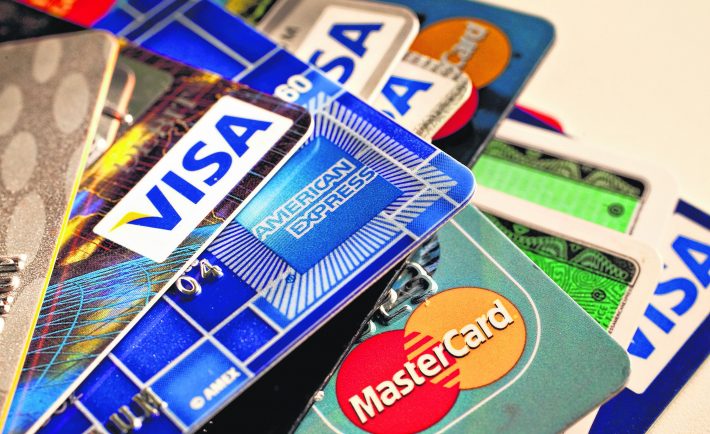
So, you’re thinking of applying for a credit card?
It’s a decision that should not be taken lightly. Before you fill out that application, take a step back and assess your financial situation.
Are you in a good place to handle another monthly bill? Do you have a plan for how you will pay off your credit card balance each month? Can you afford to pay the annual fee? These are just some of the questions you need to ask yourself before applying for a credit card.
If you can answer yes to all of the questions above, then applying for a credit card may be a good idea. But if there are any lingering doubts or concerns, it might be best to hold off on submitting that application.
Not everyone should apply for a credit card
If you’re not good at managing your finances, then getting a credit card is only going to lead to trouble.
Are you aware of the fees and interest rates that come with credit cards? Many people get blindsided by these charges and end up paying a lot more than they expected.
Also, think about why you’re wanting a credit card. If it’s just to have another form of payment, then there might be better options out there for you. A credit card is only going to serve you right if you use it responsibly.
You should consider these points before applying for a credit card
When you’re considering applying for a credit card, there are a few things you should take into account:
Financial history
You should carefully consider your financial history before applying for a credit card.
If you have a history of trouble paying your bills on time, then you’re not ready for a credit card. Take some time to assess your financial habits and your ability to repay your debts. If you’re not sure, it might be best to hold off on applying for a credit card until you’re ready.
Spending habits
Image Credits: unsplash.com
Are you somebody who likes to spend money freely?
If you answered yes, then you should probably avoid applying for a credit card.
The reason being is that you’re more likely to get into debt if you already tend to spend recklessly.
But if you’re cautious with your spending, then a credit card can be a wonderful way to build up your credit score. Just make sure that you’re always paying your bills on time and that you’re not borrowing more money than you can afford to pay back.
Debt-to-income ratio
Debt-to-income ratio is simply a measure of how much debt you have compared to how much money you make.
If your debt-to-income ratio is high, that means you’re already struggling to make ends meet. In this case, it’s probably not a good idea to take on more debt by applying for a credit card. You need to get your finances in order before you can be responsible for another monthly payment.
On the other hand, if your debt-to-income ratio is low, that means you have more room to take on more debt. But this doesn’t mean you should go out and apply for every credit card out there! You still need to be mindful of how much credit you’re using and make sure you can afford to pay your bill each month.
Credit cards can be helpful if used correctly
At their core, credit cards are simply a way to borrow money. And like any form of debt, they should be used with caution.
But if you do your research and find the right card for you, credit cards can be a helpful tool for building your credit history and improving your credit score. They can also provide you with some great perks, bonuses, and rewards.
Just be sure to always pay your balance in full each month, and never charge more than you can afford to pay off. That way, you can enjoy the benefits of a credit card without any of the headaches.
As we close, you should not apply for a credit card if you have any of the following characteristics: a low credit score, a spending addiction, or a lack of financial discipline. If you’re responsible with your money and have a good credit score, then a credit card can be a smart way to earn rewards and build your credit history. Just be sure to read the terms and conditions carefully so you know what you’re getting into.
The Singapore dollar has reached a new record high against the ringgit today, 11 November. According to data from Forbes, the Singapore dollar has reached a new high of 1 SGD = RM3.400738.
Last week an article by Straits Times shows that analysts project the ringgit to drop to RM3.35 to RM3.45 range against Singdollar due to the ringgit volatility. With strong economic fundamentals, the Singapore dollar has remained resilient and has been one of the better-performing global currencies as compared to its Southeast Asian peers. Given the outlook for inflation, the Singapore central bank uses the exchange rate rather than interest rates to stabilise prices.
MAS reacts to high inflation by allowing the Singapore dollar to appreciate against peer currencies, thereby driving down the cost of imported goods in local currency terms.