How to stay focused on your financial goals

green plant in a pot of coins

We’re down to the final week of February. Do you already find yourself struggling to put away some money for the upcoming months ahead?

You’re not alone. It’s harder than most people think to stay focused on their financial goals, and we’re here to lend a hand in finding your way forward.

Stay on this page if you want to find out more on ways to stay focused on your financial goals amidst the prolonged pandemic.

Factor in your dreams for the future

Do you know that many people don’t plan for the future because they don’t take enough time to dream about their financial goals and what they can hold?

Pondering over what you want to achieve this year and beyond can help you stay on track to reach it. For instance, are you looking to buy a house? Or are you looking to pay off your loans in two years?

Figuring out what you want to achieve will assist you in crafting a game plan to get there.

Be realistic and take concrete steps

planning a budget

Image Credits: TLNT

Some of us come up with lofty dreams when planning for the future. Perhaps you’re trying to achieve your goals too quickly without considering the finances you have available. Or it could be that the dreams themselves aren’t that reachable based on your current financial status.

If your dreams aren’t attainable, you will find yourself sidetracking on your financial goals down the road. So, plan your next steps based on your available budget and be practical about what you can or cannot do.

For example, if you have plans to buy your first home in the future, these are some real questions to ask:

  • How much do I need to save?
  • How to set aside this big sum?
  • Do I need to create an emergency fund?
  • How to grow my pot of savings?
  • Should I maximise my CPF?
  • Can I maintain a healthy credit score?

Take concrete steps (no matter how small) if you want to stay focused on achieving your financial targets.

Tweak your plans if necessary

If there is anything that the COVID-19 situation has taught us, it’s that life throws us lemons sometimes unexpectedly. Always be ready to rethink your financial goals should more lemons be thrown your way.

Maybe you’re expecting an unplanned baby, which means there will be changes in money priorities in the years to come. You don’t have a lot of time to make adjustments because once the baby arrives after 40 weeks, there will be significant changes to your lifestyle.

With that said, your immediate focus should then be on how to survive the first year financially. Take it one step at a time, and you will eventually get there.

Keep your eye on the finishing line

finishing line

Image Credits: scientificamerican.com

You’ve designed your financial future for a reason. When you forget what that reason is, it’s easy to get distracted and go off course. To stay focused on your financial goals, make sure you keep an eye on the finishing line. That’s what you’re working towards.

Several banks in Singapore like OCBC and DBS allow you to save a sum automatically each month. This automated savings will be a great tool to help you gather your money for that big purchase in the future.

Final thoughts

Your financial goals matter, and to keep that at the forefront of your mind, you will want to consider the tips mentioned in this article. Read this if you require more motivation to reach your saving targets!


Read More...

How to steer clear of financial infidelity against your partner

young-couple-sitting-on-their-bed

Money plays a vital role in all relationships. When it comes to finances, secret-keeping, impulsive spending, and poor money management habits often spell trouble for unsuspecting couples.

For those who aren’t exactly sure of what financial infidelity means, it simply refers to “cheating financially”. Here are a few necessary steps you and your partner can take to avoid financial infidelity in your relationship.

#1: Communicate openly and honestly

“Operate in complete transparency and communicate as frequently as possible,” advised Douglas Boneparth, a certified financial planner and president of Bone Fide Wealth in New York City.

While it’s not necessary to bring up finance topics on the first date, it’s important not to shy away from money conversations. This is especially so when your relationship starts moving towards a long-term commitment. 

Sidestepping these sometimes-uncomfortable talks will have a snowball effect that can lead to expensive consequences.

Though it can be difficult initiating the first discussion surrounding finances, take heart that you’re working towards a healthier relationship. These conversations will eventually become routine.

#2: Be transparent about incomes
a couple discussing about money

Image Credits: The Independent

Whether you have a stable salary or your income is dependent on commissions, bonuses, or unpredictable clients, share it upfront. You owe it to your significant other to be transparent about what you bring to the table or can offer in the future.

Being candid about pay will allow you and your partner to budget accordingly. This might mean cutting back on frivolous spending or forgoing impulsive purchases, but your relationship will benefit from financial security.

#3: Settle for joint or separate accounts

Make sure you and your partner are on the same page when it comes to your bank accounts. Are there plans to merge accounts or split your incomes down the middle? Be sure to make a point of discussing your plans and intentions with your significant other.

If you decide to keep everything separate (which is okay), it might be a good idea to keep one account joined for paying shared expenses. This way, you can be sure your budget is being put to good use, and both are paying their fair share.

#4: Play a part in financial responsibilities
a woman looking at her bills

Image Credits: pymnts.com

When both members take part in the household budgeting, the secrets and deception that lead to financial infidelity are less likely to happen.

For example, one of you can take care of the bill payments while the other keeps track of retirement savings. Just be certain that each of you is involved in the process and the loop of your financial status.

Splitting the responsibilities also help prevent placing all the burden on one party, who might feel like the “bad guy” if they have to say no to that staycation or lifestyle purchase in the future.

#5: Never hide your spendings

If one partner is a spendthrift and the other is a saver, it can lead to rifts in your relationship. Be honest with your partner about the desire for big purchases and discuss whether you can afford it.

Likewise, avoid expensive shopping trips without your significant other’s knowledge or agreement. While a little retail therapy may seem like harmless fun, the credit card bills can add up fast, and the deception will often drive a breakdown of trust in the relationship.

Final thoughts
an asian couple arguing

Image Credits: Asia Wedding Network

According to a financial therapist in North Carolina, there are many reasons why financial infidelity happens. It could be due to a financial trauma in the past, a conflicted relationship with money, or insecurity.

Whatever the reason might be, be mindful that small things add up. A lie told today will lead to more lies and secrets going forward. Don’t let money issues be a deal-breaker in your relationship. It’s not worth the heartbreak.

Read More...

How To Deal With “Maskne”

Masks play a vital role in reducing the spread of COVID-19. However, prolonged wearing of masks can cause skin irritation and acne for individuals with sensitive skin. Maskne or Acne mechanica has never been a problem of ours with the exemption of healthcare professionals who have been wearing masks on their hospital duties. These healthcare professionals can attest to this irritating skin problem that has become more widespread among the general population.

Dr. Harry Dao, a dermatologist for Loma Linda University Health, explains what Maskne is.

“Masks impose heat, friction and occlusion on the skin and when combined with a moist environment from breathing, talking or sweating, this is a recipe for breakouts,” he says. The three main ways masks can cause breakouts are thru friction, occlusion, and irritation. Firstly, masks impose friction and chafing. The areas most at risk for breakouts are the bridge of the nose and behind the ears.

Secondly, pores get clogged and can become acne cysts or pimples. Your breath trapped beneath the mask makes the skin surface warm and moist. This environment can lead to a breakout called folliculitis, which happens when yeast or bacteria infect hair follicles.

Lastly, the material of a mask absorbs the skin’s natural oils. This leads to dryness and sensitivity for some people. When irritation becomes inflammation, you will see redness, dry patches, peeling, or dark marks. Acne is not the only skin condition reported by mask wearers. Other common skin problems include Seborrheic dermatitis, Rosacea, and Allergic contact dermatitis.

WAYS TO PREVENT SKIN PROBLEMS CAUSED BY MASK WEARING

1. Wash your face. It goes without saying that washing your face with a gentle cleanser and rinsing it with lukewarm water can help prevent dirt and oil from being trapped on the skin’s surface. Do this before and after you put your mask on.

2. Do not apply makeup. Who will see your entire face anyway? Wearing makeup under a mask causes clogged pores and breakouts. Makeup residue will also soil your mask.

3. Apply moisturizer. The moisturizer will not only act as a barrier between your face and your mask but, it will also keep your skin hydrated. This can reduce friction. Apply moisturizer onto a cleansed face before and after wearing a mask.

4. Wash your mask regularly. If you are wearing a cloth mask, ensure that you wash it after using. Otherwise, the dirt can become a breeding ground for bacteria. Choose a fragrance-free laundry soap because fragrances can irritate your skin.

5. Do not reuse surgical masks. Surgical masks are not meant to be reused. Throw it after using

6. Protect your ears. Elastic strap loops on the mask can cause friction burns on the back of your ears. If your skin is sensitive or if you will be wearing a mask for a long period of time, use ear savers. You can attach the straps on the ear savers’ buttons. You can buy yours from Lazada or Shopee.

When should you see a doctor?

If you have breakouts or skin damage that do not respond to skin care changes, you should see a dermatologist. Spreading redness or draining pus can be signs of infection too. Seek immediate medical attention, if this happens.

Image Credits: unsplash.com

Sources: 1 & 2

Read More...

Top tips on how to pay off credit card debt quickly

credit cards in Singapore

Getting your first credit card is often a liberating experience for many. The idea of having that financial freedom in your wallet and being able to buy almost anything on credit is exciting but sometimes dangerous.

Without financial discipline and careful planning, debt can rack up fast. One missed payment can turn into two, and suddenly interest pools up until you’re staring at a balance you can’t imagine paying back.

Here are some top tips on how to pay off your credit card debt quickly, if that is you.

#1: Settle smaller debts first

Having several debts to pay is a stressful encounter. We could all do with a little motivation, no? 

Organising your debt priorities from the smallest to the largest can help nudge you to continue paying off your credit card debts and reap the rewards of a debt-free life in the future.

#2: Go past minimum payments
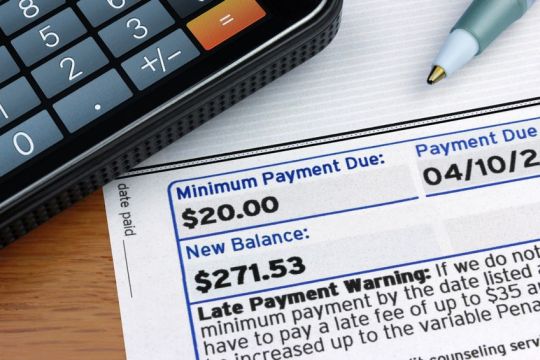
credit card minimum payment

Image Credits: The New Savvy

Maybe you’ve read somewhere or heard from someone that minimum payments are sufficient to help you “get by”. But merely making minimum payments every month is a dangerous practice.

What you want to do is to go beyond minimum payments to prevent your credit card from accumulating a tremendous amount of debt over time. It will also keep your credit card debt from growing out of control.

Over time, these payments will help break down your “debt snowball” and keep things at a manageable level.

#3: Take advantage of a balance transfer

Interest rates are among the quickest ways we see credit card debt expand without our knowledge or awareness. If you have a large credit card debt you can’t anticipate paying off any time soon, but it’s gathering a lot of interest, you can apply for a balance transfer credit card.

So what’s a balance transfer? A balance transfer is similar to a short-term (up to 24 months) 0% interest loan, often via a credit card or credit line account. It will allow you to transfer your debts to an interest-free account and stop collecting high interest on your existing debts.

The main idea here is that you’re kind of taking a short-term loan with an interest-free grace period so you can avoid paying rolling interest payments on your credit card debts.

Speaking of which, you can also consider taking out a personal loan.

#4: Apply for a personal loan
a personal loan application form

Image Credits: Friday Finance

You can apply for a personal loan if you are seriously in a pinch and need to get rid of your credit card debt fast.

Upon approval, you will receive a cheque that you can use to pay off all of your outstanding credit card debts. However, you will be responsible for paying back that loan, which usually relies on its own set of repayment requirements.

The advantages of getting a personal loan include a possible lower interest rate on your debt and a fixed repayment period (up to 84 months) to clear it off. With that said, usually, individuals with excellent credit scores, high salaries, or loan amounts can enjoy the lowest rates.

You can refer to more pros and cons of using a personal loan to pay off your credit card debts here before deciding if it’s suitable for you.

#5: Opt for debt settlements

If you’re sure that you won’t be able to pay back the entire balance of your credit card but want to try and eliminate them, it might be time to write an appeal letter to your creditor. 

Also known as debt settlement appeal, it’s the most fuss-free form of debt settlement, and you won’t need a lawyer for it. But do prepare supporting documents like your income and CPF statements to accompany your written appeal.

Apart from debt settlement appeal, these are other debt settlement options in Singapore:

  • Discounted lump sum settlement

Instead of an instalment payment plan, you will negotiate with the creditor for a lower total amount that your owed sum. As the name suggests, you must pay the agreed amount in one bulk quantity.

  • Debt consolidation plan

By choosing this method, a single bank or financial institution will settle your outstanding debts on your behalf. In return, you will pay back the bank in fixed monthly instalments. This plan is only applicable for Singapore citizens and permanent residents with a specific income cap and assets value.

  • Debt management program

Credit Counselling Singapore (CCS) provides this program for borrowers in severe financial hardship and cannot pay for unsecured loans due to banks and authorised moneylenders.

  • Debt repayment scheme / Bankruptcy

Bankruptcy is often the last resort after you’ve exhausted all your options. One may also be placed on a debt repayment scheme, a pre-bankruptcy scheme, to avoid bankruptcy.

For more details, please click here.

Final thoughts
until debt tear us apart graffiti on a brick wall

Image Credits: unsplash.com

Though a credit card can be a significant source of financial relief, the debt can build up quickly and cause enormous problems for people who don’t know how to manage it.

Tackle your credit card debt head-on and pay them off quickly using the abovementioned trustworthy techniques to minimise the odds of you reaching bankruptcy.

Read More...

Natural foods that can help curb appetite (part II)

dark chocolates

In the diverse world of foods, there are options out there that act as natural appetite suppressants. This means that the nutrients inside the foods help you stay and feel fuller, so you don’t overeat.

What’s even better is that they’re natural, so you’re eating healthy foods instead of junk. This article is the second part of our “natural foods that can help curb appetite” topic. If you missed out on the previous article, click here to read it.

Let’s roll with more natural foods that can help suppress appetite.

#1: Veggie Soup
Homemade-Vegetable-Soup

Image Credits: Inspired Taste

Ah, who doesn’t love a comforting bowl of hot soup? Not only is veggie soup a healthy, warm meal, but it also provides you with tons of vitamins and lowers your appetite to be in line with your low-calorie diet. Consider trying out these vegetable soup recipes and get slurping.

#2: Dark Chocolate
stacks of chocolate bars

Image Credits: USA Today

First of all, it’s chocolate! What can get better than that? Now you have the excuse to eat a lot more dark chocolate since having a piece that’s made of at least 70% cocoa helps you feel full. It contains properties that slow digestion, and you can thank the chocolate’s smooth bitter taste for decreasing your appetite.

#3: Tofu
silken tofu

Image Credits: Great British Chefs

Tofu is a delicious vegetable protein that’s both soft and plant-based. It’s high in an isoflavone named genistein, which curbs your appetite and the amount you eat. The next time you’re planning your meals, consider adding some tofu to the menu. It’s delicious, healthy and suitable for vegetarians.

#4: Wasabi
maki-rolls-with-wasabi

Image Credits: Getty Images/iStockphoto

Wasabi is not only a great addition to plates of sushi but also works well to suppress your appetite naturally. If you haven’t noticed already, spiciness is a crucial factor in increasing satiety! A bonus of wasabi is that it’s also anti-inflammatory.

#5: Green Tea
a cup of green tea and tea leaves

Image Credits: Thailand Medical News

Green tea is one of the healthiest drinks out there and it’s not just a great natural appetite suppressant. It can also help slow your blood sugar levels and prevent extra fat storage. All of that contributes to a lesser feeling of hunger and better metabolism, so start sipping.

#6: Oatmeal
oatmeal with fruits

Image Credits: Everyday Health

Remember how mums always force us to have a cup of oatmeal in the morning before heading to school? That’s because the carbs in oatmeal are slow-digesting and likely to last you till recess time. Wave goodbye to the hunger hormone ghrelin if you take oatmeals.

#7: Salmon
salmon platter with wasabi

Image Credits: fromnorway.com

It seems like the benefits of salmon are never-ending. Thanks to its omega-3 fatty acids, the hormone leptin amount, which curbs hunger, rises. Tuna and herring are great alternatives for those who don’t fancy salmon.

#8: Cinnamon
cinnamon

Image Credits: Wikipedia

Do you recall we mentioned ginger as a natural food option in our first article? It works similarly to the ground spice. It lowers your blood sugar levels which in turn helps to control your appetite. Here’s how you can add cinnamon spice to your meals.

#9: Skim Milk
pouring milk into a glass cup

Image Credits: The Daily Meal

Especially for ladies who crave unhealthy junk foods and processed carbs during that time of the month, skim milk is here to your rescue. But for anyone, skim milk can serve as a natural appetite suppressant. Let’s not forget to mention its range of benefits.

#10: Flax Seeds
flax-seeds

Image Credits: Gene Food

Flax seeds provide you with a combination of soluble fibre and essential fatty acids. It’s easy to add it to your cup of yoghurt, a glass of smoothie, or a bowl of salad. Just remember to grind them first for better digestion. Or you can also choose to consume it in powder form.

Now you know the natural foods to take to suppress your ever-growing appetite, start introducing them into your diets from today. Oh yes, remember to get sufficient shut-eye at night too!

Read More...