Represented by the color brown on the rail map, the Thomson–East Coast Line (TEL) is a new Mass Rapid Transit (MRT) line in Singapore. It is currently under construction and is expected to be completed by year 2024. Its completion will provide the residents in the East and along the North-South Corridor a faster access to the city.
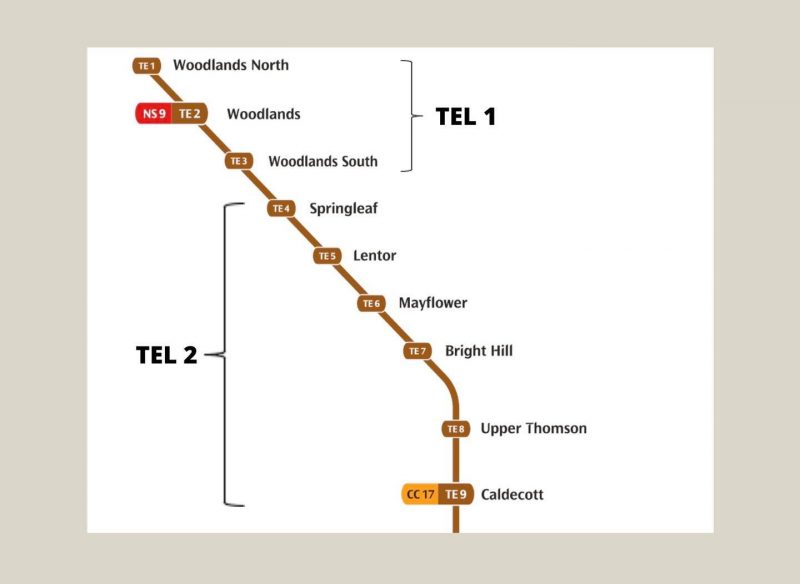
The TEL’s development spans five different phases. When these phases are accomplished, it will serve approximately one million commuters a day. The first phase of TEL (TEL 1) opened for service last January 31, 2020. TEL 1 includes Woodlands North, Woodlands, and Woodlands South MRT stations. The second phase of the TEL (TEL 2) is scheduled to open in the third quarter of 2021.
EXPERIENCING EARLIER DELAYS
Due to the circumstances brought by the COVID-19 pandemic and further system review, the second phase of the Thomson–East Coast Line had been delayed twice from its original target opening date. A system review was prompted by a five-hour disruption along the line last Dec 4, 2020.
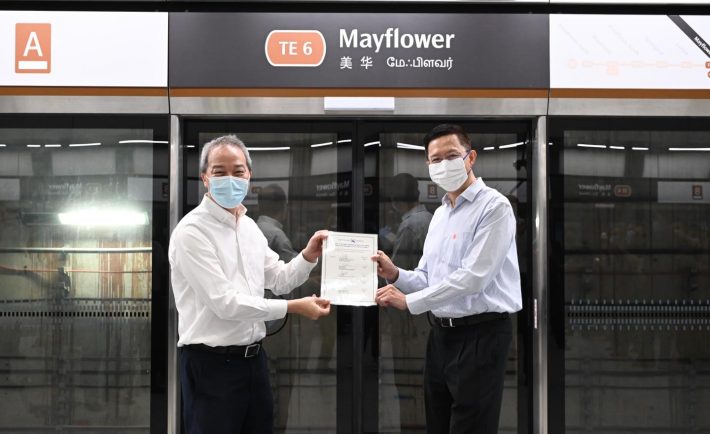
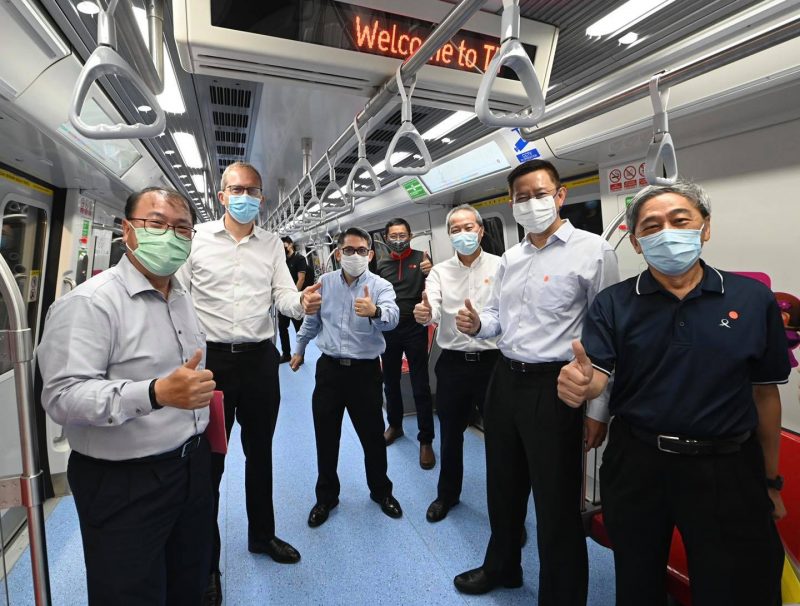
In a glimmer of hope, the Land Transport Authority (LTA) handed over six MRT stations along the second phase of the Thomson-East Coast Line to SMRT last Friday (April 30, 2021). This entails that there will be nine operational stations in the TEL soon.
The six stations (TEL 2) that were handed over to SMRT included Springleaf, Lentor, Mayflower, Bright Hill, Upper Thomson, and Caldecott. The Caldecott station will become an interchange that connects to the Circle Line.
According to LTA: “The civil and structural works for the six stations have been completed, with some architectural, electrical, and mechanical works ongoing.
LTA has also completed rigorous testing and commissioning of the trains and systems for (the second stage of the Thomson-East Coast Line), including tests to ensure that the new stations operate seamlessly with the three (operating) stations.”
Train operator SMRT will continue with more tests to ensure everyone’s safety.
UPGRADE IN THE COMMUTER’S TRAVEL TIME
LTA highlights the convenience of faster travels upon the opening of the Thomson-East Coast Line’s second phase. By Q3 of 2021, residents from households near (i.e., within a 10-minute walking distance) one of the nine stations can expect travel time savings of up to 50%. For instance, a Sin Ming resident travelling to Republic Polytechnic by public transport will enjoy a 25-minute journey instead of the current 50-minute travel time.
More TEL stations will be opened in the next three years. Moreover, the Jurong Region Line and the Cross Island Line are still under construction. Let us stay tuned!
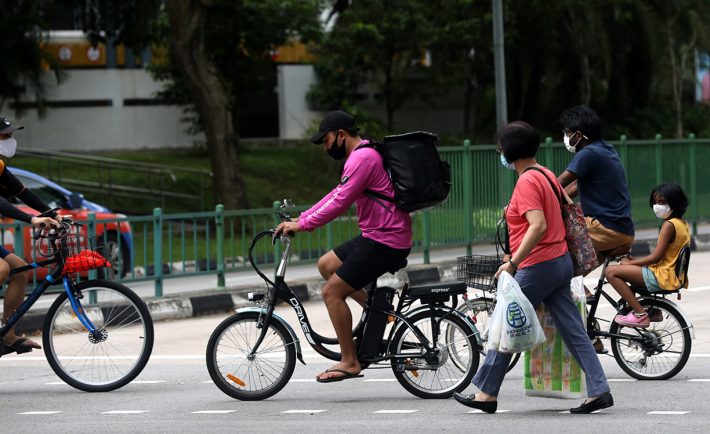
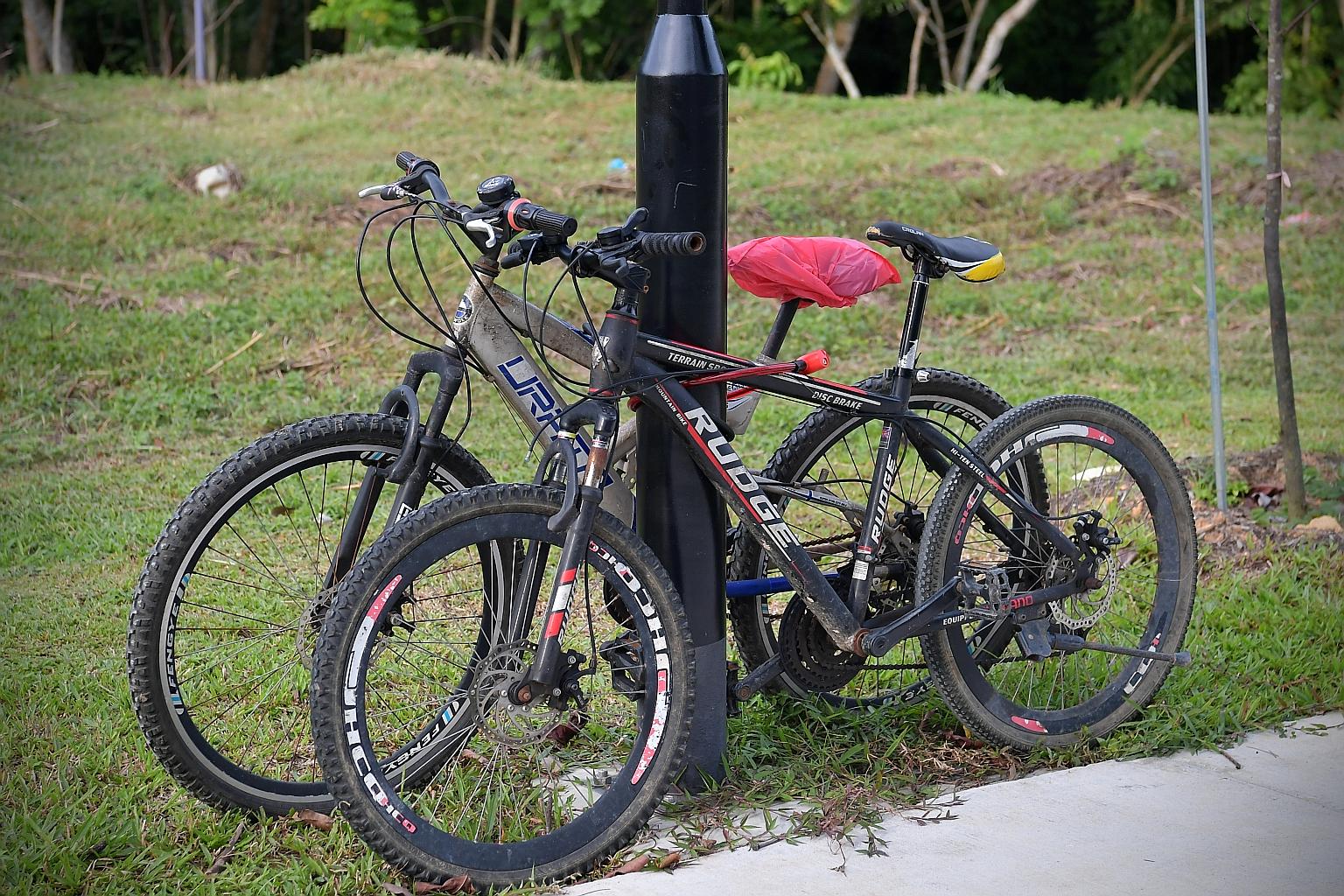
However, observers noted that such measures could disrupt Singapore’s cycling vision. Experts also say that it would be wiser to pump more resources into educating the public on safety aspects instead.
Singapore’s history with bicycle registrations
Do you know that our little red dot required bicycle registrations from the colonial era until 1982? Over 30 odd years, there have been many requests on the licensing of two-wheelers and their riders.
In fact, in 2013, ex-Nee Soon GRC Member of Parliament Lee Bee Wah recommended that cyclists go through safety lessons before licence issuance. Following various letters to the news forum in a bid for registration to discourage reckless riders, the suggestion was revisited in 2016.
At that time, the Land Transport Authority (LTA) raised several practical difficulties implementing the scheme. They explained that it would be overly resource-intensive and could result in fewer cyclists since owning a bicycle would be too burdensome.
Experts and observers share their take on the issue
Image Credits: The Straits Times
Dr Cecilia Rojas, who focuses on active mobility research, shared that the registration of bicycles would help reduce bike theft and abandoned or illegal parking.
However, the Singapore University of Social Sciences (SUSS) lecturer added that the authorities should clarify who needs to be registered. The licensing process should also be seamless and adopted over time so people can adapt to the new rules.
“Bicycles are bought, sold, exchanged very regularly. Also, in cases of road bicycles, sometimes just the frame or the handle or the wheels are changed, making the bicycle lighter or faster. Would these types of changes be required to be informed (to the authorities), or a new licence be required?” Dr Rojas questioned.
Tham Chen Munn, a business development director for traffic solutions firm PTV Asia-Pacific, also raised an excellent point. He asked if the registration of these devices would aid the authorities in catching hasty riders.
To that, the co-founder of cycling group Love Cycling SG, Francis Chu, noted that despite e-scooter registrations, those were ultimately banned from walkways.
“On the roads, vehicles move faster and the distance between them is further apart compared to those on the pavement. If on the footpath it didn’t help address the errant riders, it will be more difficult to capture the number plate on the road,” remarked Mr Chu.
Various suggestions to be considered
Mr Chu mentioned that setting a mandatory online test on road-cycling safety could be considered. Similarly, drivers could also go through a similar test on the proper response to road cyclists. He added that the LTA could examine protected bike lanes and junctions if there’s enough space to work with.
On the flip side, Mr Tham requests speed limits to be reduced in specific areas. He’s referring to places with a high traffic flow of people walking and cycling.
“We’re not talking about expressways, we’re not talking about major arterials, leave those as they are. There are opportunities to (introduce a speed limit of) 30kmh in places that can be safe for people to come out and play and be more active,” he commented.
So, with all that said, what’s your take on the issue? Would you be keen to register for a compulsory theory test to be “certified” safe to cycle? Or would you give up cycling altogether since registration and licensing is too much of a hassle?
Do you know that the question of whether electric vehicles (EVs) can replace petrol and diesel vehicles in Singapore was examined since 1994?
Ex-Nominated Member of Parliament Kanwaljit Soin suggested the possibility of Singapore being one of the world’s first cities to increase the use of EVs.
To that, former Environment Minister Mah Bow Tan said that his ministry was monitoring EVs’ development in other countries. He added that Singapore would look into their use in our little red dot when such vehicles are commercially feasible.
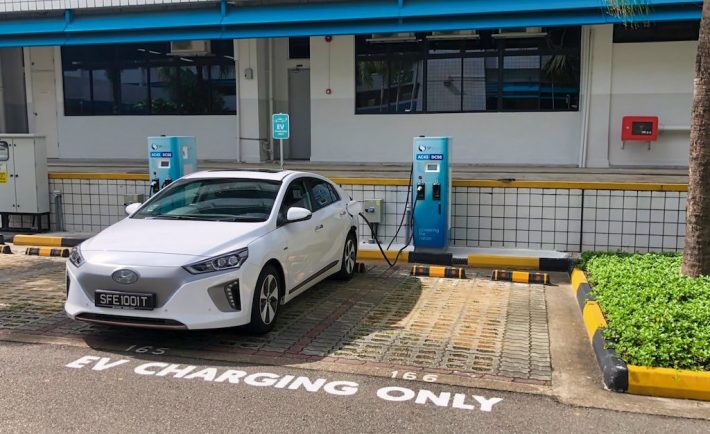
Indeed, many years have passed, and there has been fast growth in the EV industry. This includes improvements in battery and charging technologies.
According to a Bloomberg report in December 2020, the price of battery packs for EVs is falling so much that manufacturers may be able to devise vehicles similar to combustion engine models without tax rebates.
News has it that two years from now, the average price per kilowatt-hour for a lithium-ion battery pack will cost only US$101.
And to bring our attention back to what’s happening presently, Finance Minister Heng Swee Keat announced in his Budget speech on Feb 16 that there will be more incentives to encourage EVs’ early adoption.
Here’s a quick look if you’ve missed out on that piece of news:
Government authorities began to create an EV task force to determine benefits, nationwide costs, and feasibility of such vehicles on our sunny island.
2011
Two years later, the task force started EV test-bedding, putting us as one of the world’s first cities to test EVs at the systems level. There were only three outdoor and two indoor charging stations and nine such vehicles then.
2012
Image Credits: electrive.com
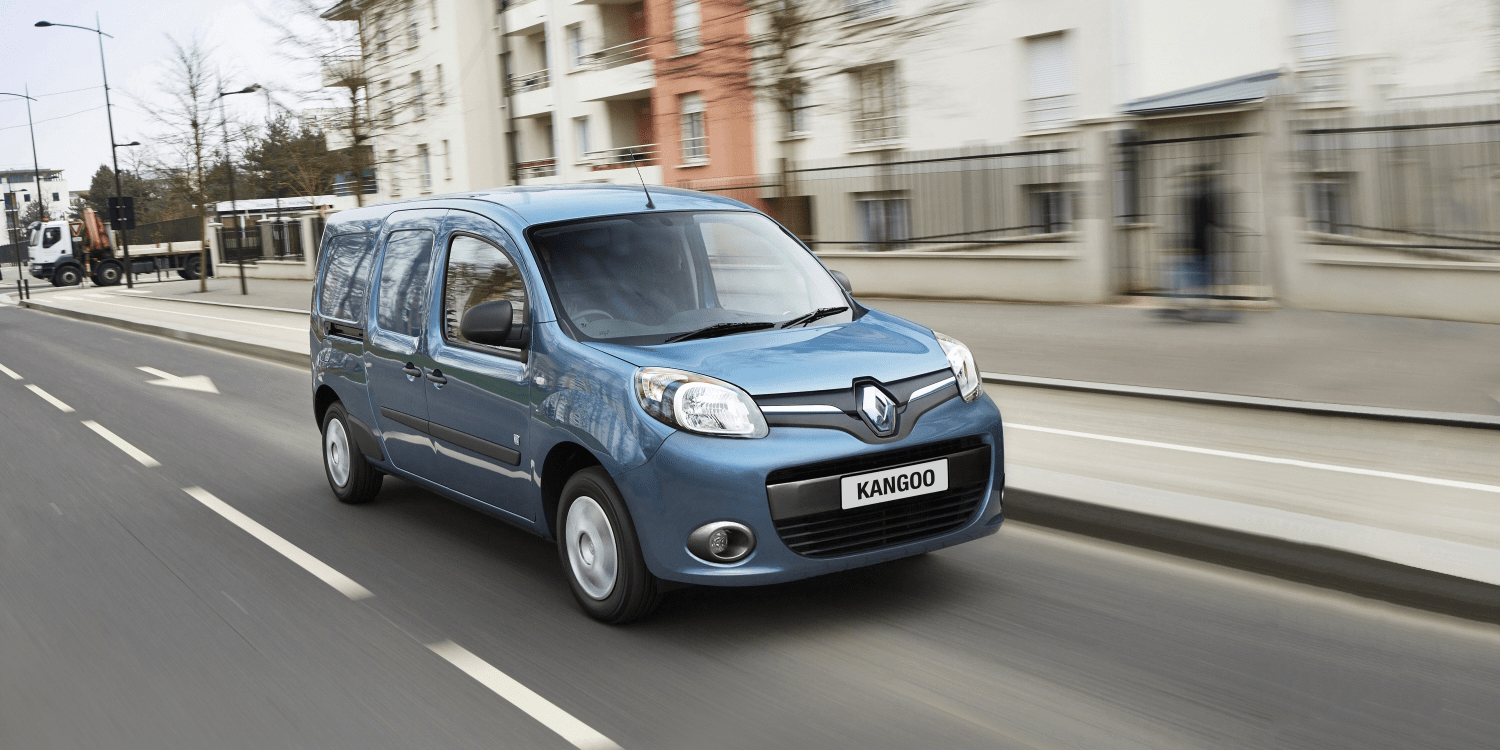
A study was initiated to look into the impact of EV charging on the electricity grid just a year after. Three electric Renault Kangoos were used to aid testing. The EV test-bed also increased with more charging stations and EVs on the road.
2014
2014 marks the start of the EV car-sharing programme trial with 1,000 EVs. The task force then had an RFI (request for information) for companies to submit proposals for the test. They were keen to examine whether a one-way car-sharing model was a possible option.
2016
This was the year where a secondhand Tesla Model S imported from Hong Kong was slapped with a S$15,000 carbon surcharge. The Land Transport Authority (LTA) later relooked at the case and commented that they were in talks with Tesla engineers to see if the Model S was tested correctly.
2017
Image Credits: The Business Times
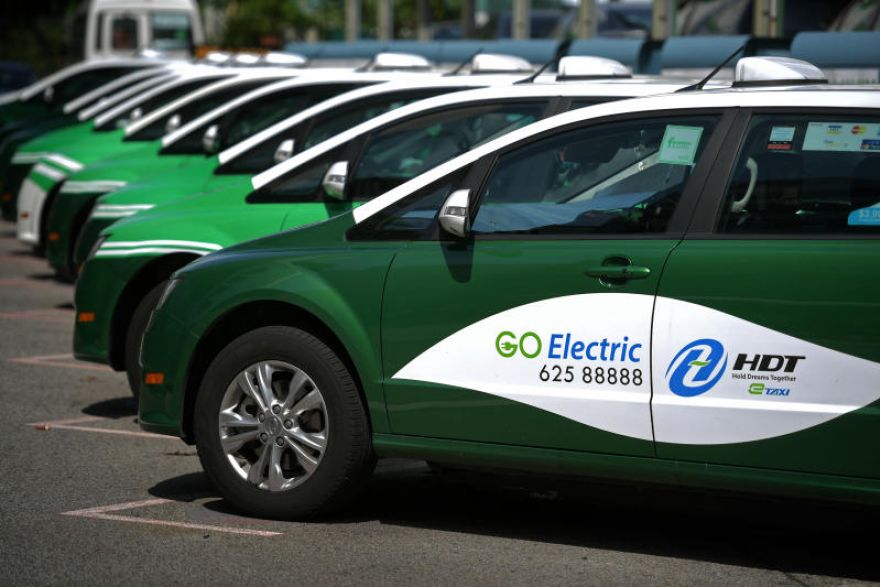
HDT Singapore Taxi introduced Singapore’s first fleet of e-taxis. BlueSG was also selected from the 2014 RFI exercise to run a fleet of 1,000 EVs. This was in alignment with Singapore’s car-lite vision as it would reduce dependence on private vehicles. The task force also had plans to facilitate 2,000 charging points across Singapore then.
2019
Tesla’s CEO Elon Musk asserted that our government has been unsupportive of EVs. To that, former Environment and Water Resources Minister Masagos Zulkifli responded that Singapore is keen to consider solutions that will address climate problems instead of lifestyle ones.
He also shared the difficulty of having enough charging stations in Singapore, considering a high percentage of our population living in high-density public housing. He added that hydrogen was a better long-term solution.
He said that Singapore is placing a bet on electric vehicles because it is the most assuring technology. It was also made known that Singapore had plans to phase out ICE (internal combustion engine) vehicles. This would pave the way to cleaner energy by 2040.
These were the three measures highlighted to help Singapore achieve its aim:
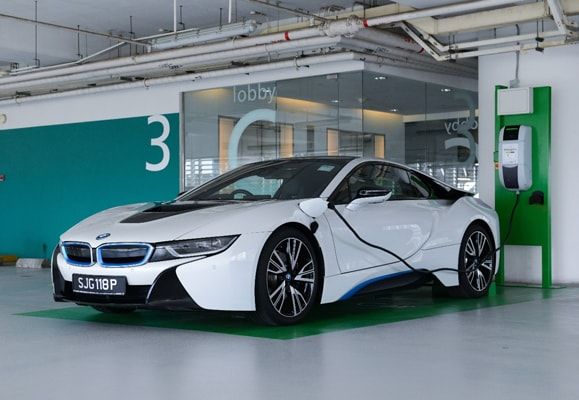
Widening public charging infrastructure for EVs
Enhancing incentives to promote early EV adoption
Relooking road tax methodology for cars starting January 2021
2021
Image Credits: capitaland.com
Finally, this year, the government unveiled the inter-ministerial Singapore Green Plan 2030. This initiative would steer Singapore to be more environmentally sustainable over the next decade.
Prime Minister Lee Hsien Loong also wrote in a Facebook post that Singapore residents could look forward to more electric vehicles on the roads. New goals pertaining to cleaner energy and lowering Singapore’s overall carbon footprint were added:
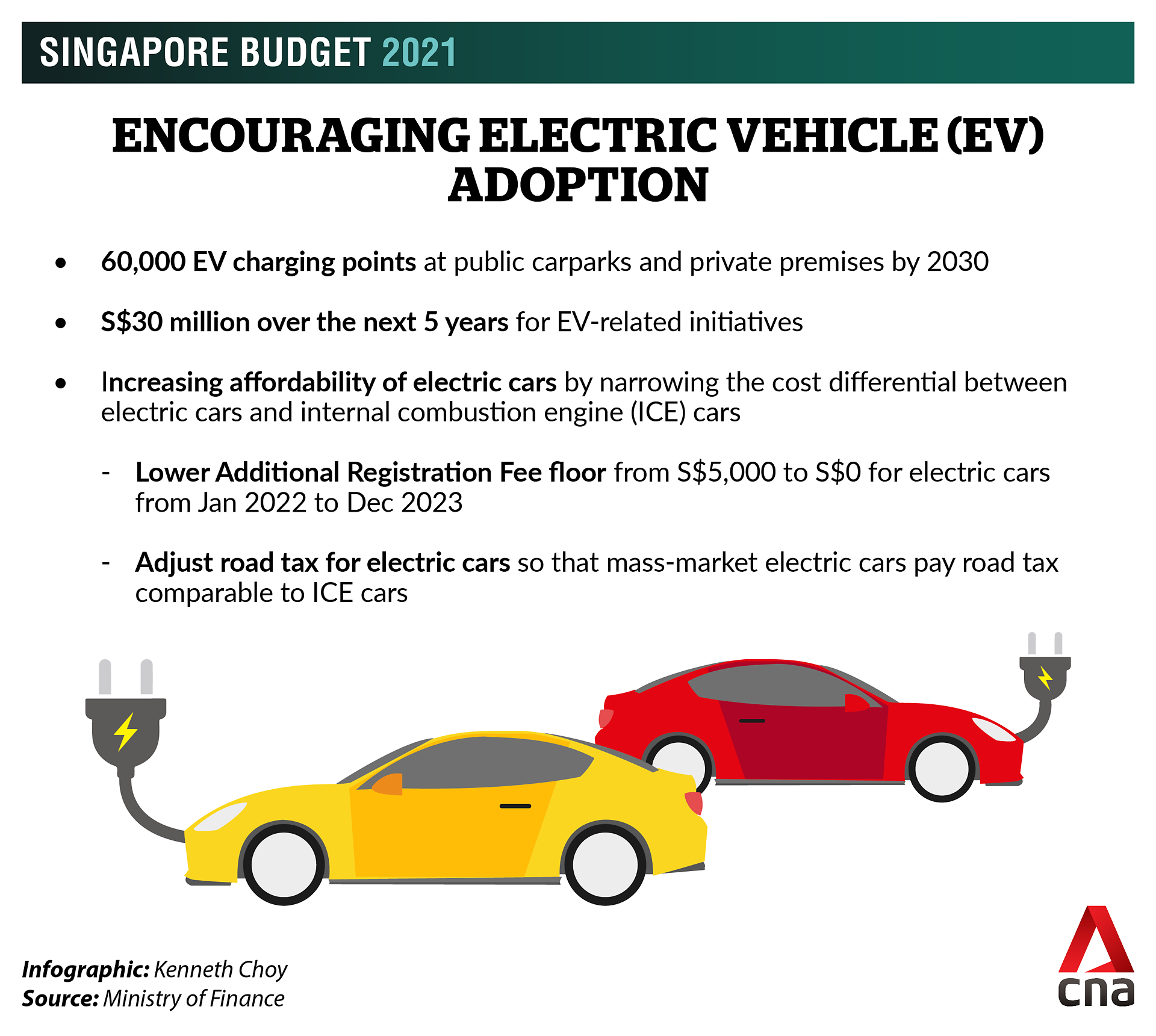
More EV charging points (60,000 to be exact) by 2030
All newly registered cars need to be of cleaner-energy models from 2030
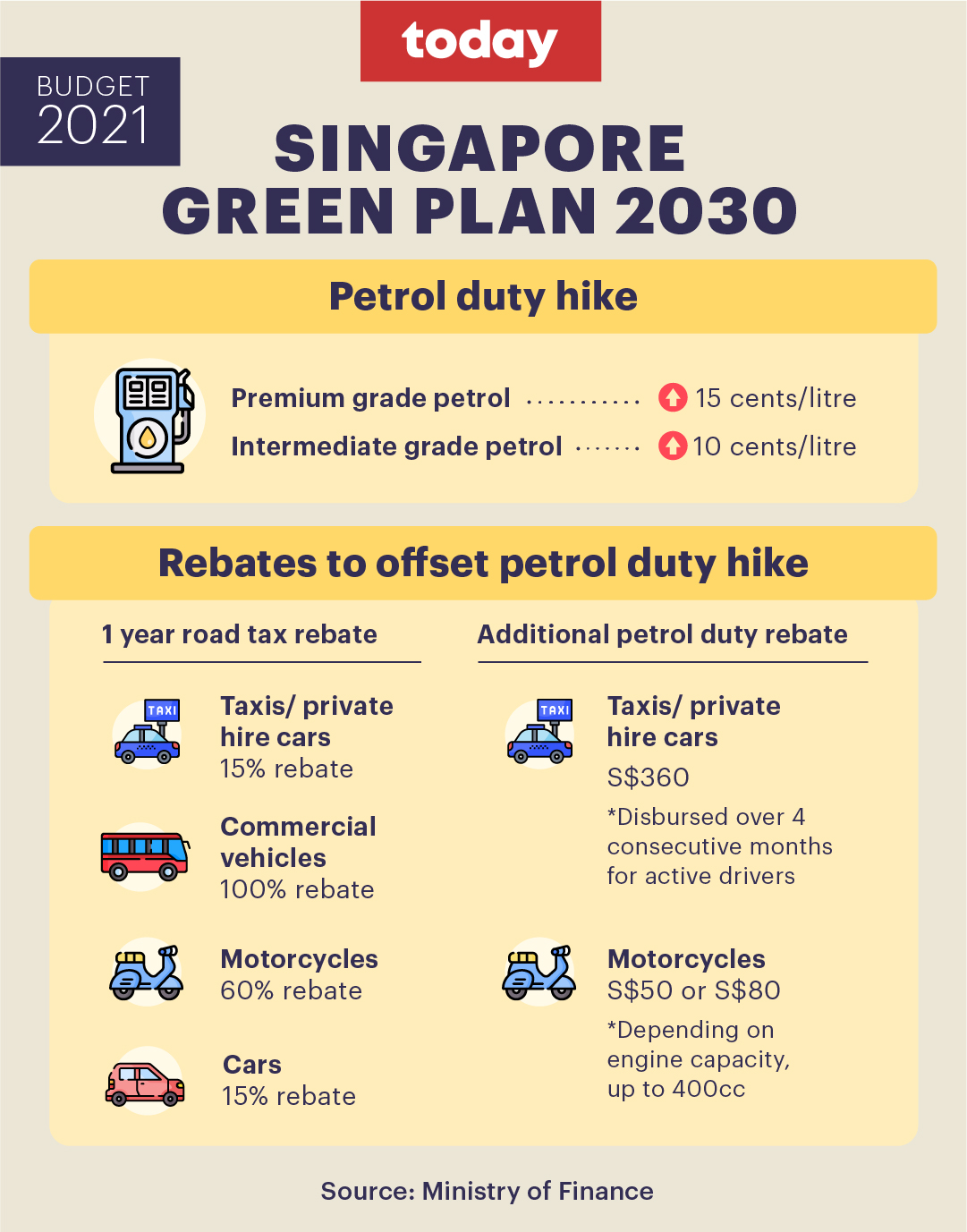
With that said, Mr Heng also announced on Feb 16 the hiked petrol duty rates as Singapore steps up to fight climate change. Here are the numbers to note:
Premium grade petrol: 79 cents/litre, up by 15 cents/litre.
Intermediate grade petrol: 66 cents/litre, raised by 10 cents/litre.
For visual learners, this might be more informative:
Image Credits: todayonline.com
If you’re not ready to make the switch right away, that’s okay. Not everyone is prepared to jump on the EV ownership bandwagon. However, it would make sense to start thinking about it, considering the changing times.
Petrol pump prices have gone up after the Government has announced the hike of petrol duty rates on Tuesday (Feb 16).
The hike, which took immediate effect, has cause pump price to rise to what they were before the circuit breaker.
The duty for premium grade (98-octane and above) petrol will be raised by 15 cents a litre to 79 cents a litre and the duty for intermediate grade (92-octane and 95-octane) petrol will be raised by 10 cents a litre to 66 cents a litre.
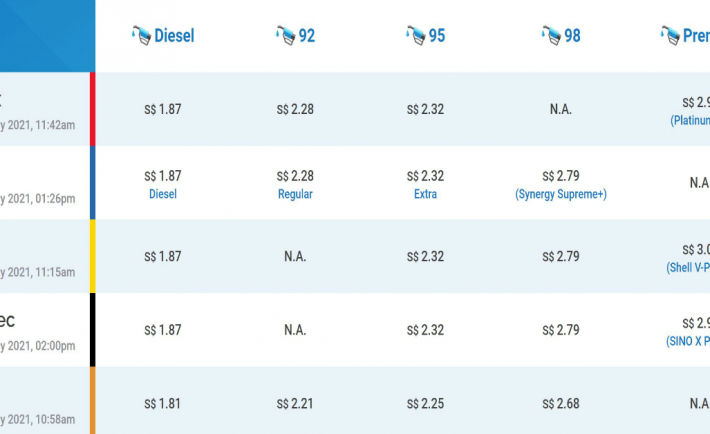
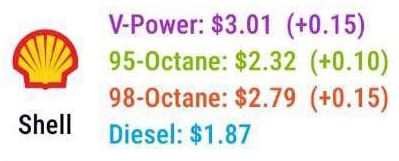
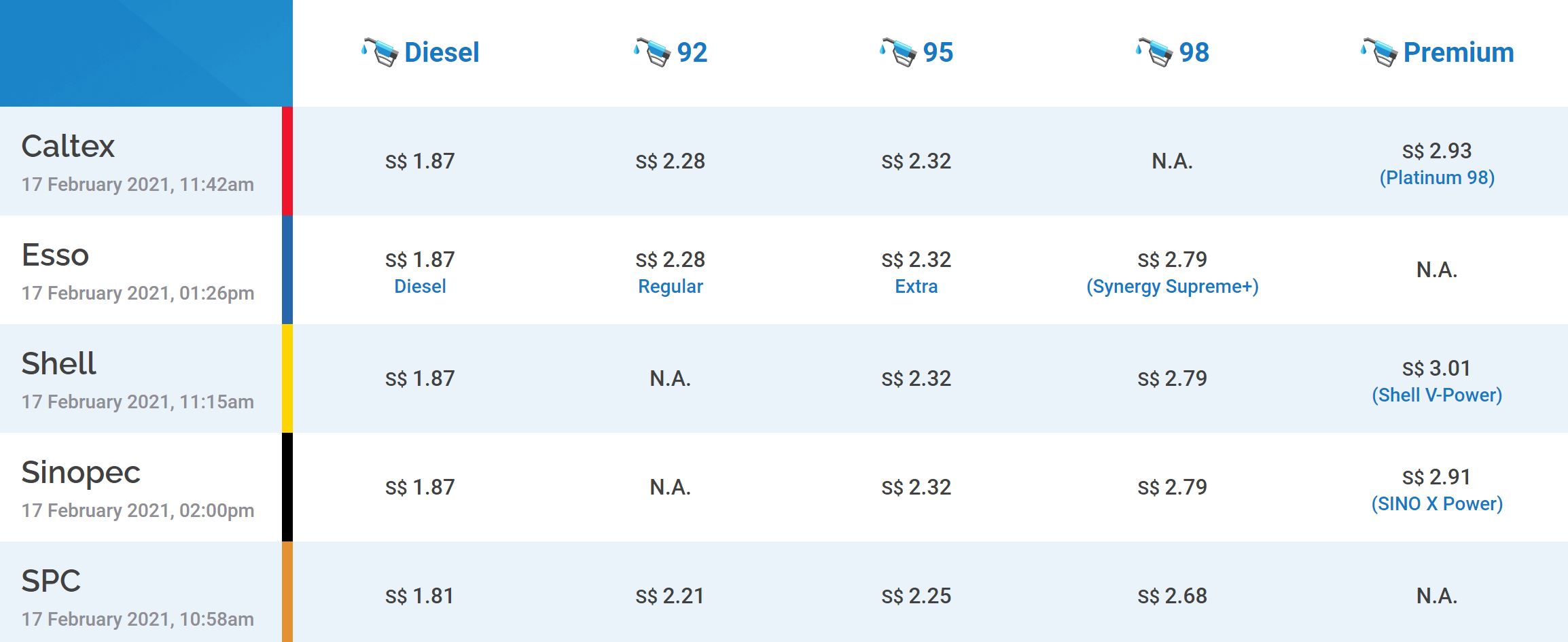
This means that the most popular 95-octane petrol is now retailing at S$2.32 a litre at all stations, except SPC which charges a litre at S$2.25. The hike also see Shell V-Power tops at S$3.01 per litre.
Here are the latest fuel prices according to fuel price tracker Fuel Kaki.
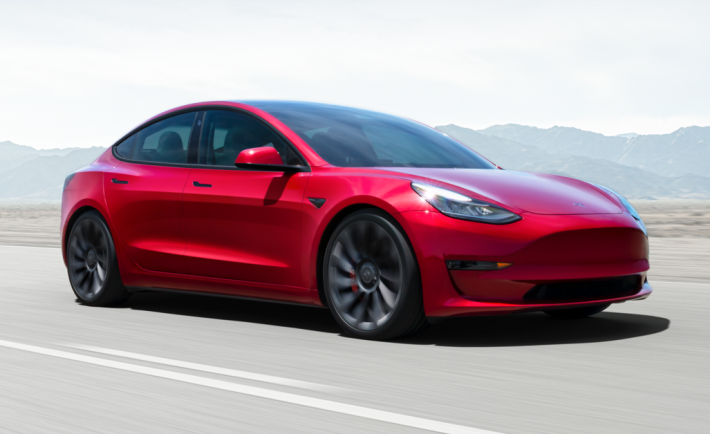
Tesla is one of the most innovative companies out there, aiming to transition the world’s energy sources to renewable energy. One of its primary ways of doing so is through its iconic electric cars.
By owning one of these powerful vehicles, you no longer have to pay for petrol. Instead, you can charge your Tesla cars at charging stations wherever you go, just as you would power up your phone or electronic devices.
Here are the main features you need to know about the energy-efficient car if you’re planning to hit the road with a custom online order soon.
Built for safety
When you think of a car, safety may be one of the most critical features that come to mind. After all, your life is literally in its hands.
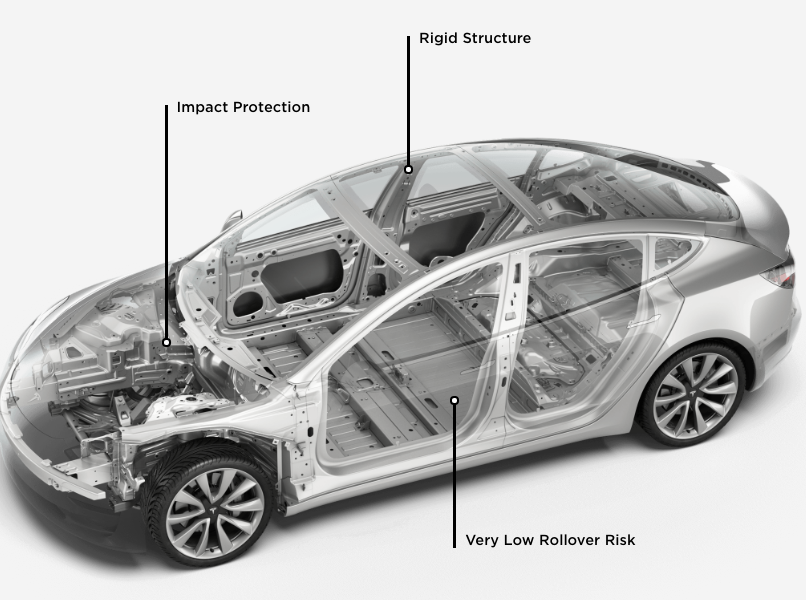
Thankfully, safety is an essential part of the Model 3 design. Its body and frame are made entirely out of steel and aluminium, making it the most robust metal structure yet.
The car can even withstand its weight stacked on top of itself four times, even with a glass roof! That’s the same as having two adult African elephants on top of your roof. Impressive, isn’t it?
Ultra-fast acceleration
To get to the places you want to go, you’re going to need the quickest acceleration possible. Model 3 can exceed your expectations by climbing from 0 to 100 km per hour in little as 3.3 seconds.
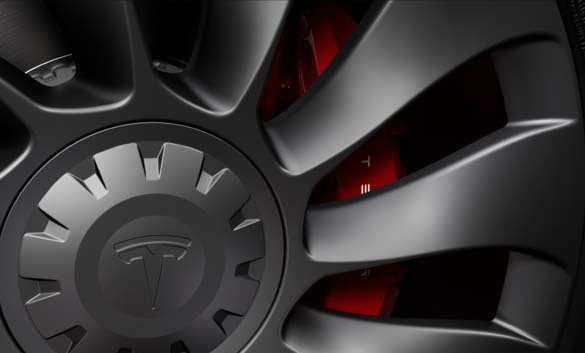
That’s all thanks to the option of a dual-motor all-wheel drive, and 20” Uberturbine Wheels and Performance Brakes that have lowered suspension. They give you complete control, no matter the weather condition.
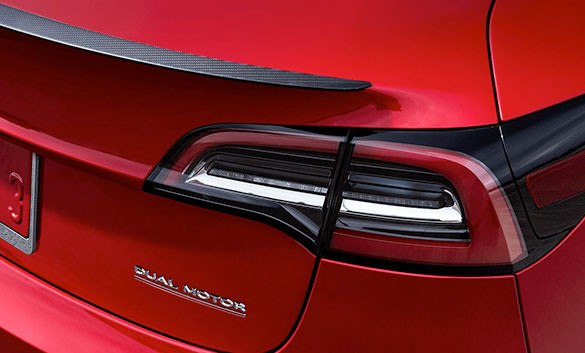
Dual motor
The motor for the Tesla Model 3 is quite different from your average gas-powered car. It has two engines that run independently from each other, which provide better redundancy in just one moving part.
That also means it offers minimised maintenance needs, all while providing the most durability for your buck. Plus, the dual-motor lets you harness the power of complete flexibility when it comes to manoeuvring your car front and rear wheels for better traction and handling.
Range
Image Credits: The Straits Times
Because the Model 3 is fully electric, you can drive without worrying about stopping at a petrol station. Just by charging overnight, you’ll be set with a full battery every day.
But what if you’re growing old or simply absentminded? Fret not. Thirty minutes is all you need to charge for your vehicle to run for a 270 km distance.
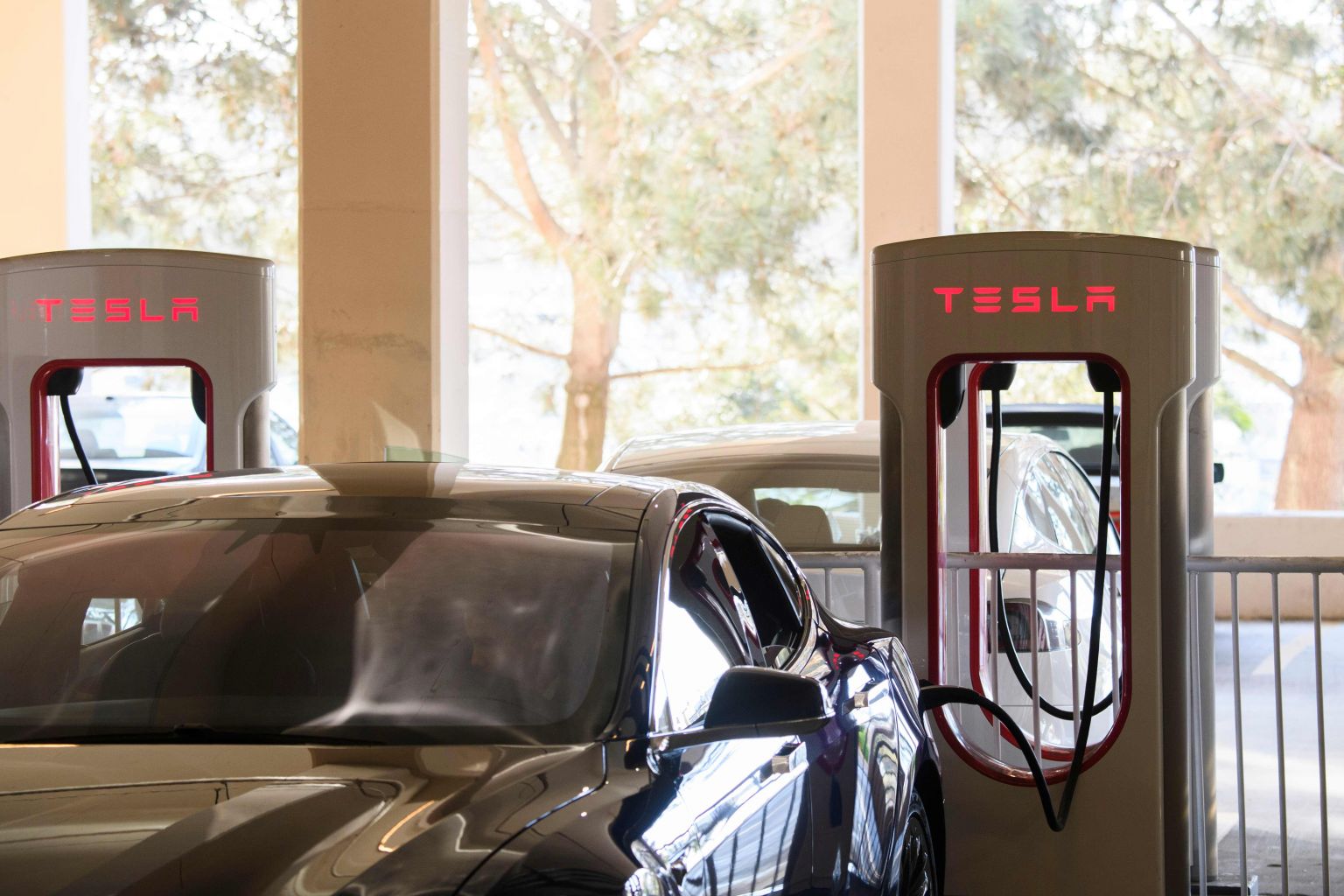
With over 20,000 Superchargers across the world and more opening every week, convenience is just around the corner. Tesla drivers can look forward to more Supercharger locations on our sunny island in time to come.
Autopilot
The Tesla Model 3 not only brings you places but brings the future right before your eyes in the form of autopilot.
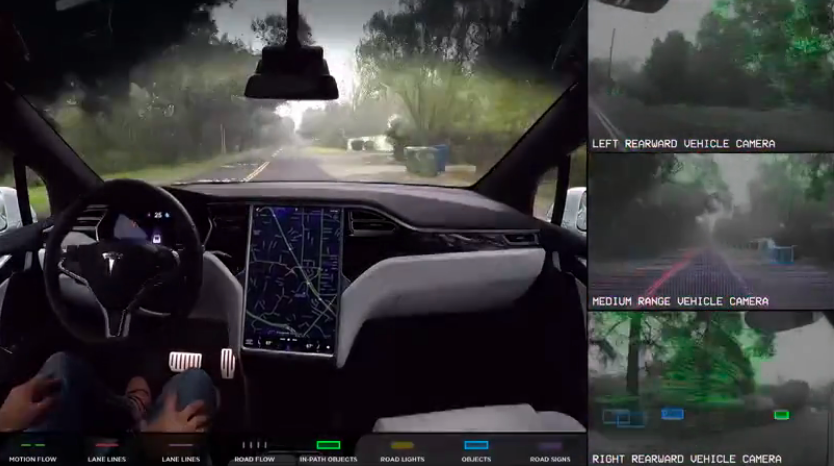
When stretches of roads make driving tedious, switching on autopilot will offer you advanced features such as twelve ultrasonic sensors to help you along the way.
Other features worth noting include the navigating guidance from highway on-ramp to off-ramp, single-touch auto parking, and automatic lane changes while on the highway.
Stunning interior
Forget what you know about your regular car. Get ready to step into a whole new interior with your Model 3.
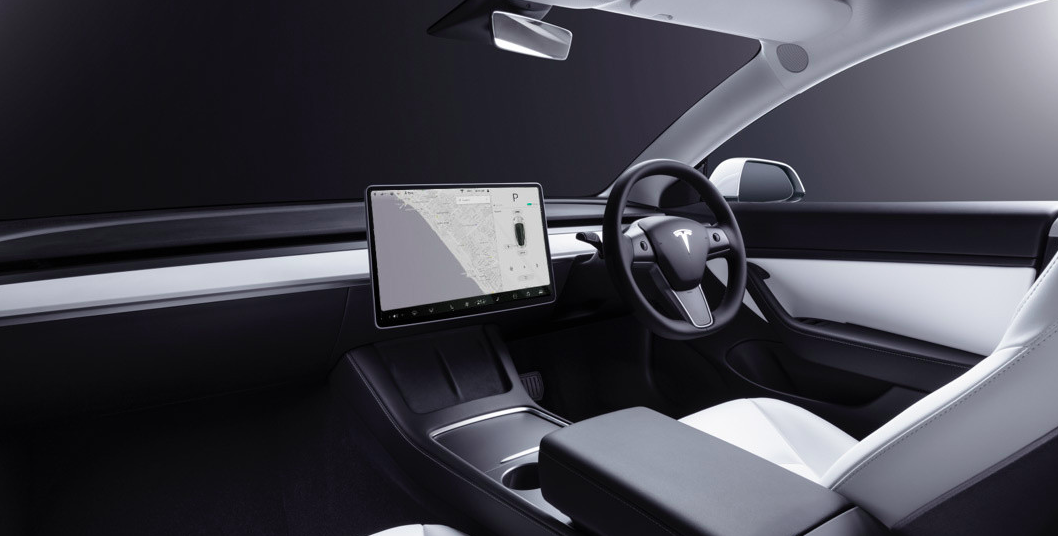
Instead of carrying around a key, consider your smartphone the new replacement and controller hub for all the driver controls you need to work, together with the 15-inch touchscreen. The sleek modern interior also features an all-glass roof, which lets the sunlight in for a brighter and better drive experience.
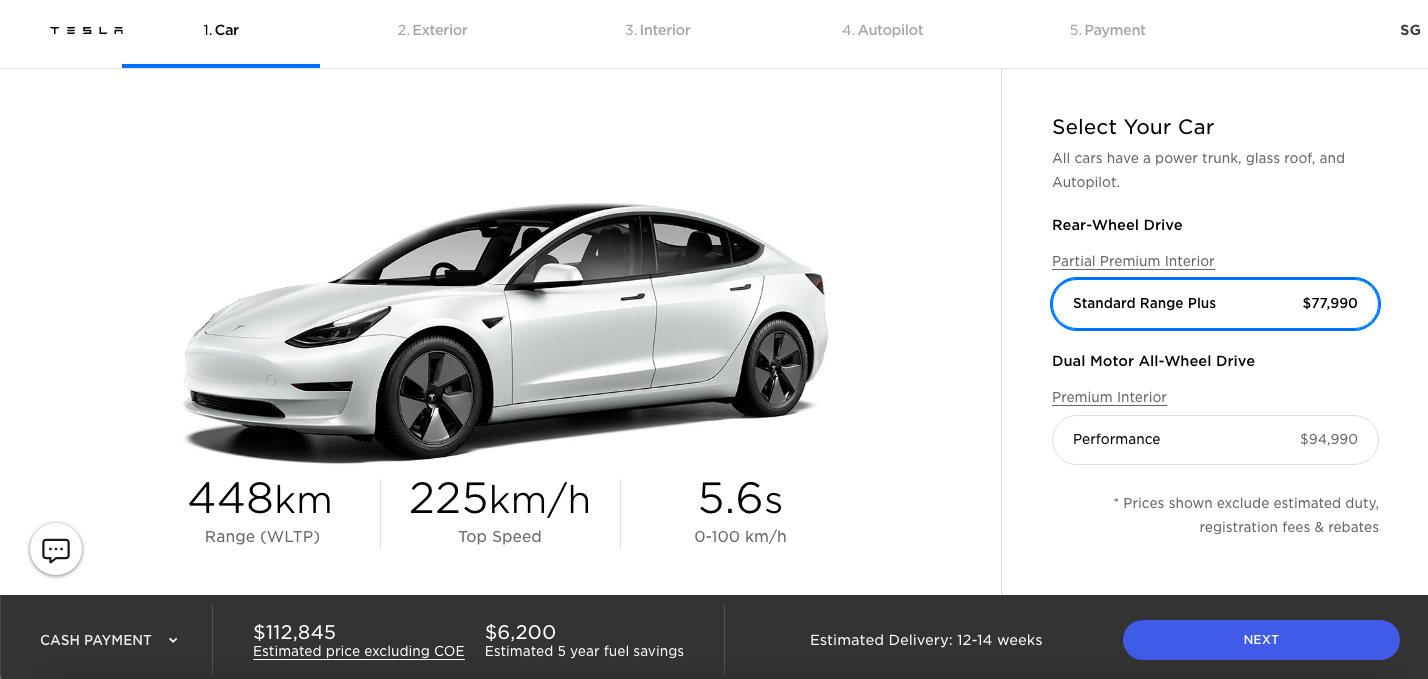
Step 1: Partial Premium Interior vs Premium Interior
Take your pick from a Partial Premium Interior or Premium Interior. The latter will raise the cost to S$154,815 from S$112,845 (excluding COE).
However, the extra S$40,000+ you pay is not just for the interior. It also affects the performance in terms of the range (WLTP), top speed, and acceleration power.
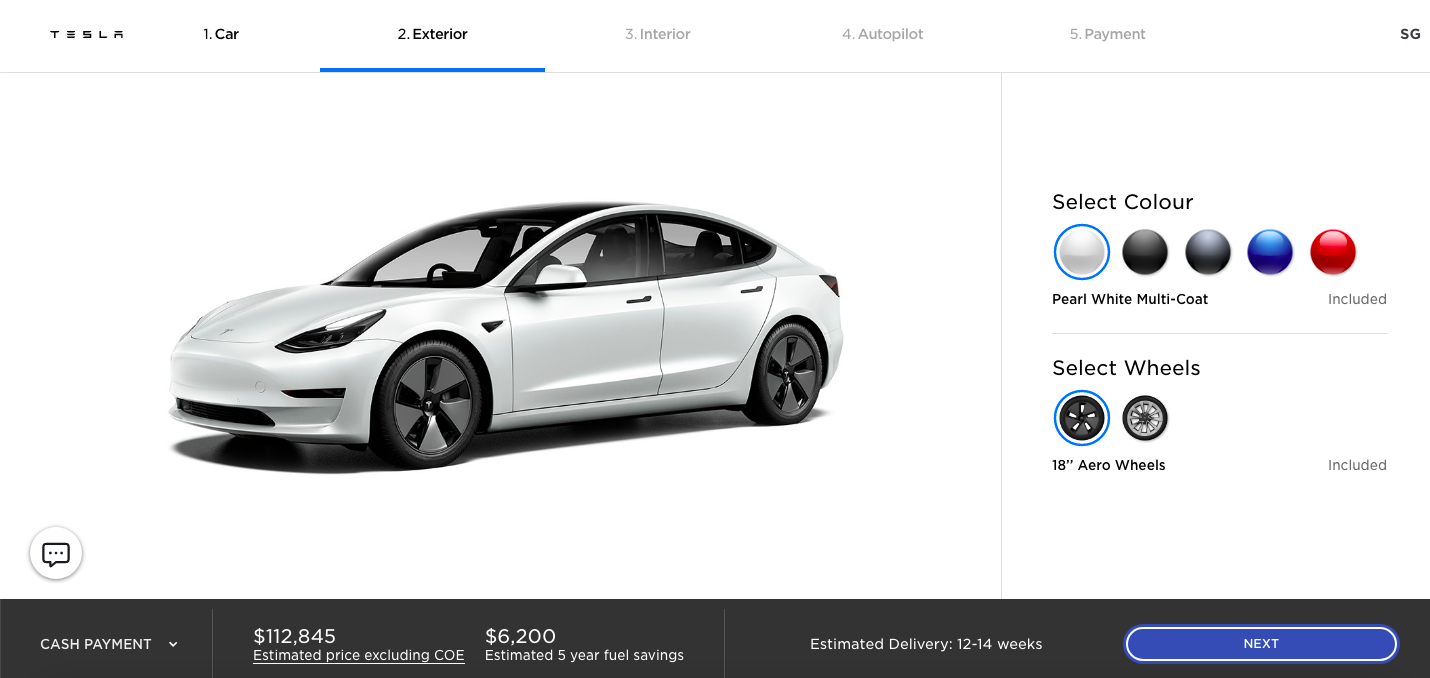
Step 2: Colour & Wheels
Now, it’s time to put on some “clothes” for your Tesla Model 3. Take the default in pearl white multi-coat and 18’’ aero wheels, and there will be no extra charges.
Or you can also choose to have it in solid black, midnight silver metallic, or deep blue metallic for an extra S$1,500. A bright red multi-coat will cost you S$3,000. Next, you have the choice to upgrade to a set of 19’’ sport wheels for S$2,000.
Take some time to think it through before you proceed.
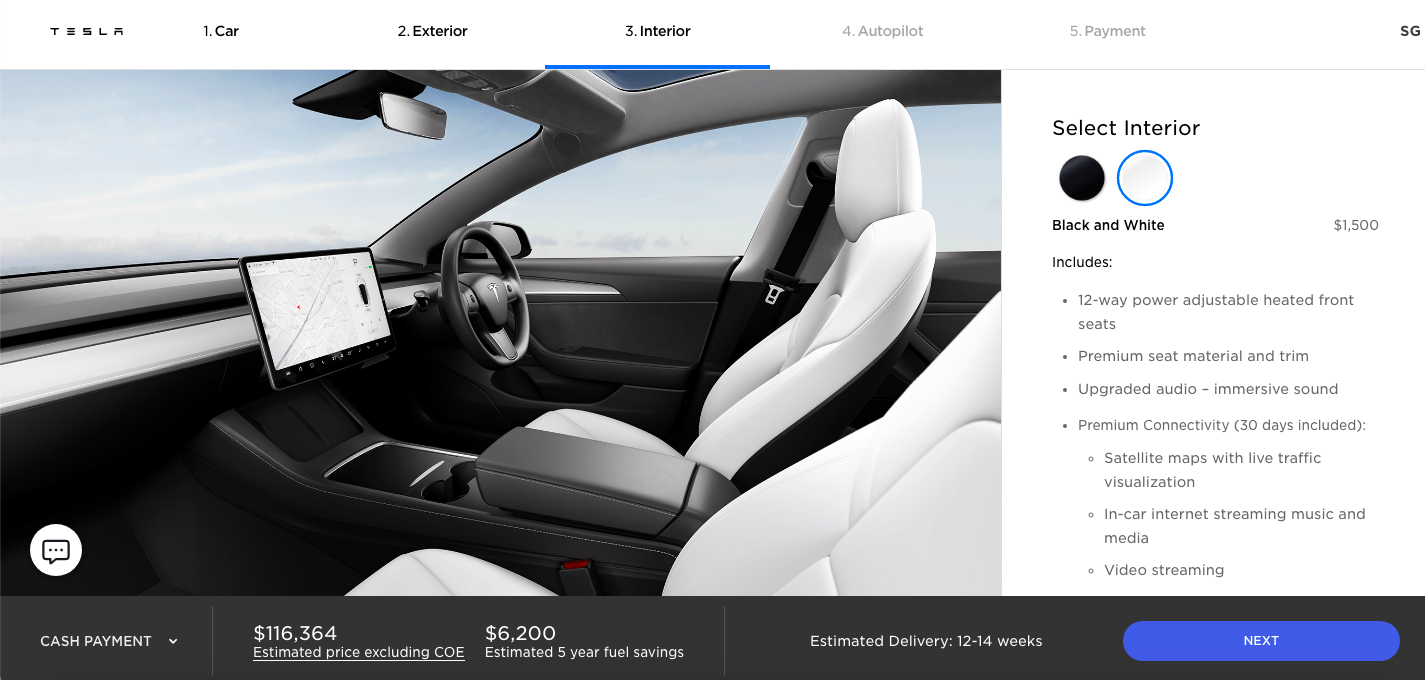
Step 3: Black vs Monochrome
By now, you should know that when you’re given the freedom to customise, it often comes with extra money. How would you like your interior? Stick with black if you don’t want to fork out another dollar. Or you can go for black & white by paying S$1,500.
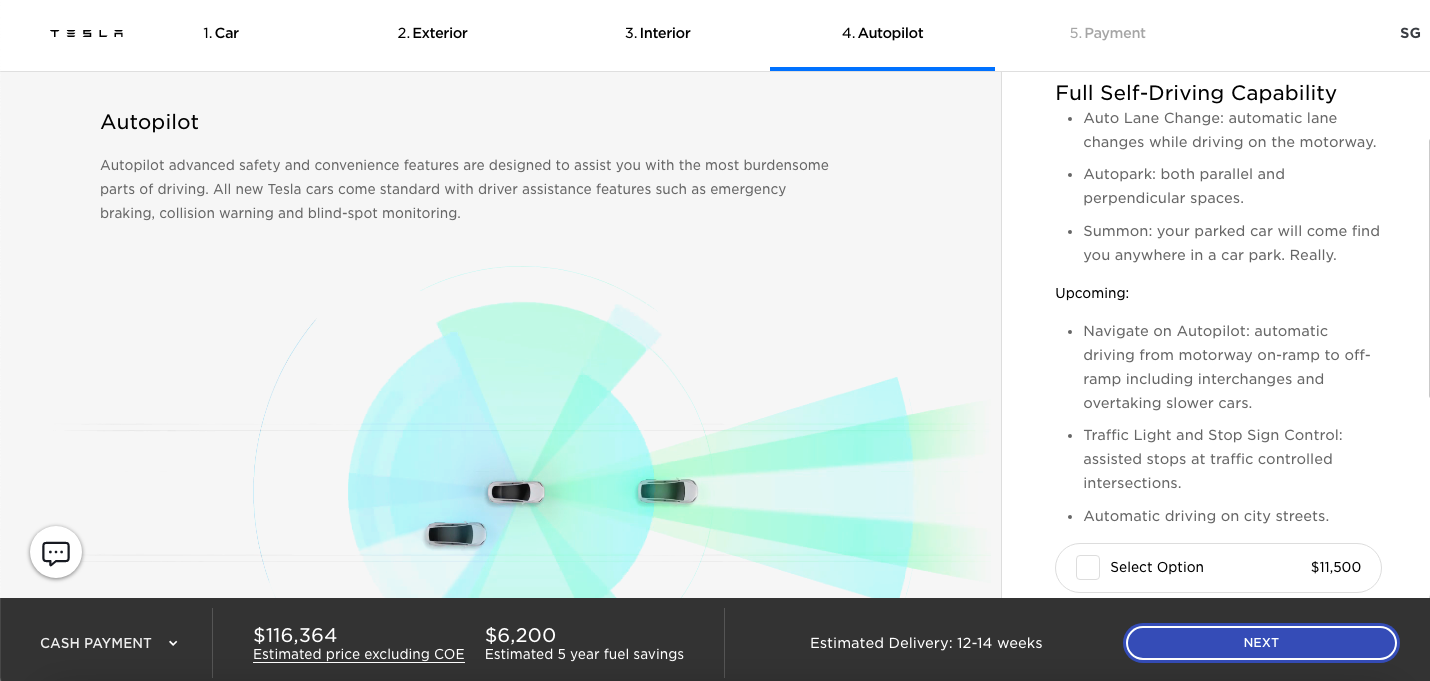
Step 4: Autopilot
We’re almost done! This is the second last step to the payment page.
Those who want the most advanced safety and convenience features must be willing to pay S$11,500. The good news is that you can skip this now and choose to buy post-delivery. Just be mindful that with new features rolled out by Tesla in the future, prices may rise accordingly too.
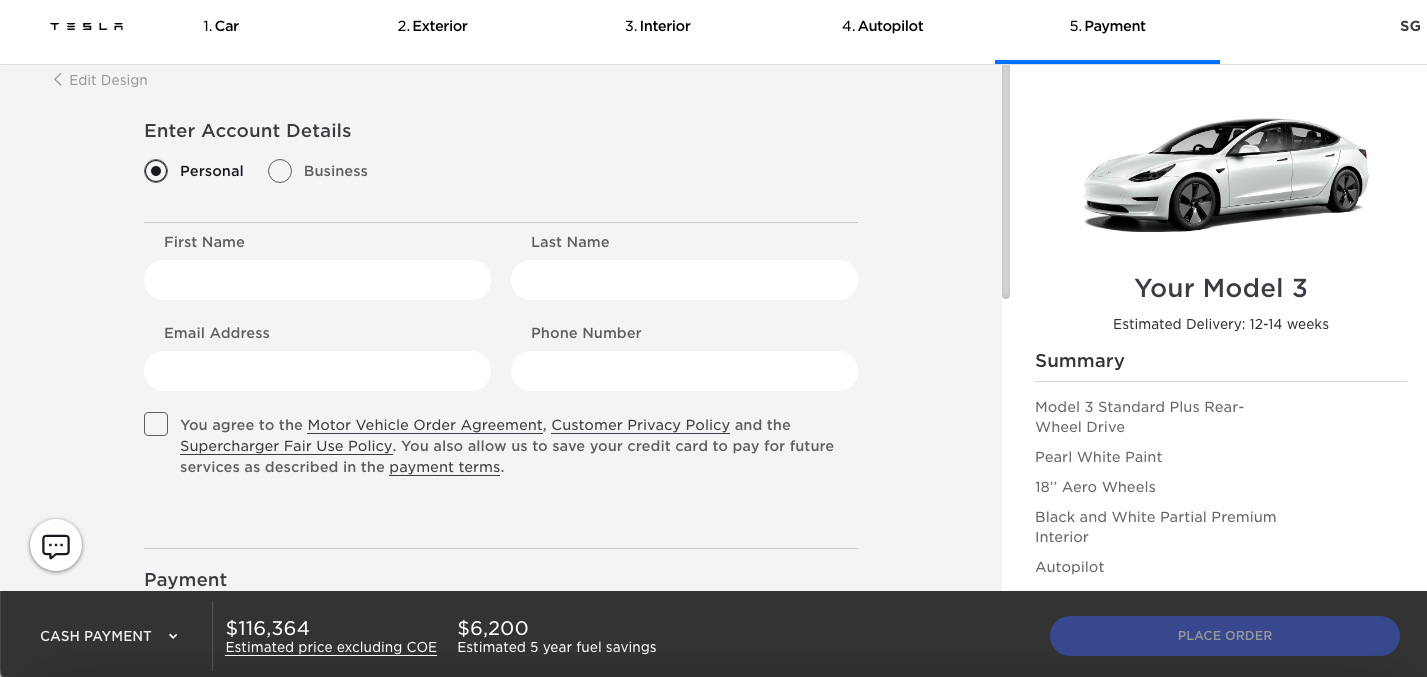
Step 5: Payment
Congratulations on getting to this last page. Here, you just have to enter your account details, card, and billing information before placing an order. There is also a one-time S$150 non-refundable order fee to be charged.
Placed an order? Great! Now, sit back and relax. Your customised Tesla Model 3 will reach you in about 12 to 14 weeks. Click here to view a comprehensive list of FAQs and happy waiting!