You can gain useful work knowledge in your profession of choice through an internship. It’s a great opportunity to acquire practical career skills and familiarity with how businesses operate.
These work experiences can be beneficial when you’re looking to hone hands-on experience in a specific industry after graduating. In addition, listing your internships on your resume will help you make up for a lack of job experience if you’re a recent graduate.
If you’re up for it, here are the latest WFH internships posted from 12 to 15 July 2022.
#1: Merry Bees – Digital Marketing Intern
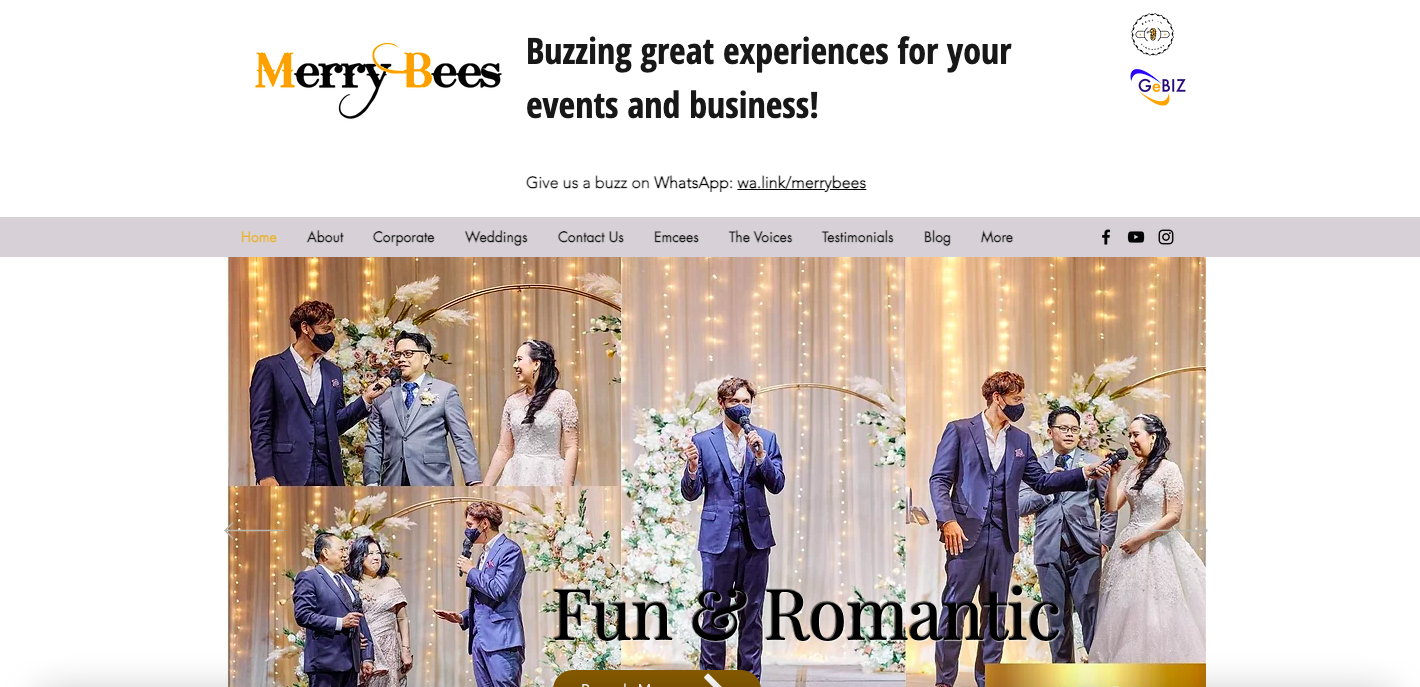
Website: https://www.merry-bees.com/
Allowance / Remuneration: $800 – 1,500 monthly
Job Qualifications
- Singapore-based
- Able to work flexible hours
- Team player and pleasant personality
- Has a passion and flair for using social networking platform
- Commitment to 44 hours a week during the period of internship
- Has a strong sense of integrity and able to think quickly on his/her feet
- Likes and can organize and prioritize time-sensitive assignments
- Background in Marketing, Communication, Arts Management, Business, or other related disciplines
- No prior experience is required but the candidate must have a positive and resilient attitude, motivated and excited to learn new skills
- Well-groomed and possess excellent verbal and written communication skills in English. Knowledge and fluency in Mandarin and other languages are a bonus.
Key Responsibilities
- Coordinating events on-site or virtually
- Provide administrative and operational support
- Build relationships with customers and manage customer needs and expectations
- Provide information on products and services
- Manage project timeline
- Support client’s marketing campaign, planning, and execution
- Write copy for social media posts, promotional emails, and other marketing collateral
- Assist in the creation of written, video, and image content for marketing channels
- Participate in marketing brainstorming sessions
- Plan and prepare business proposals with the Business Development (BD) team
- Provide administrative support to the BD team on agreements, invoices, documentation, archival of events, and more
- Coordinate event venue arrangements, programs, and materials
- Manage onsite logistics, lighting/AV/and staging requirements, bumping out activities
- Conduct equipment checks and carry out proper storage
- Administer customer feedback and prepare post-event report
- Prepare necessary documentation in support of project closure
- Other ad-hoc duties when required
How to apply?
View the job post in full here and write to Shi Li via this link.
#2: Wego Pte Ltd – UX Research Intern
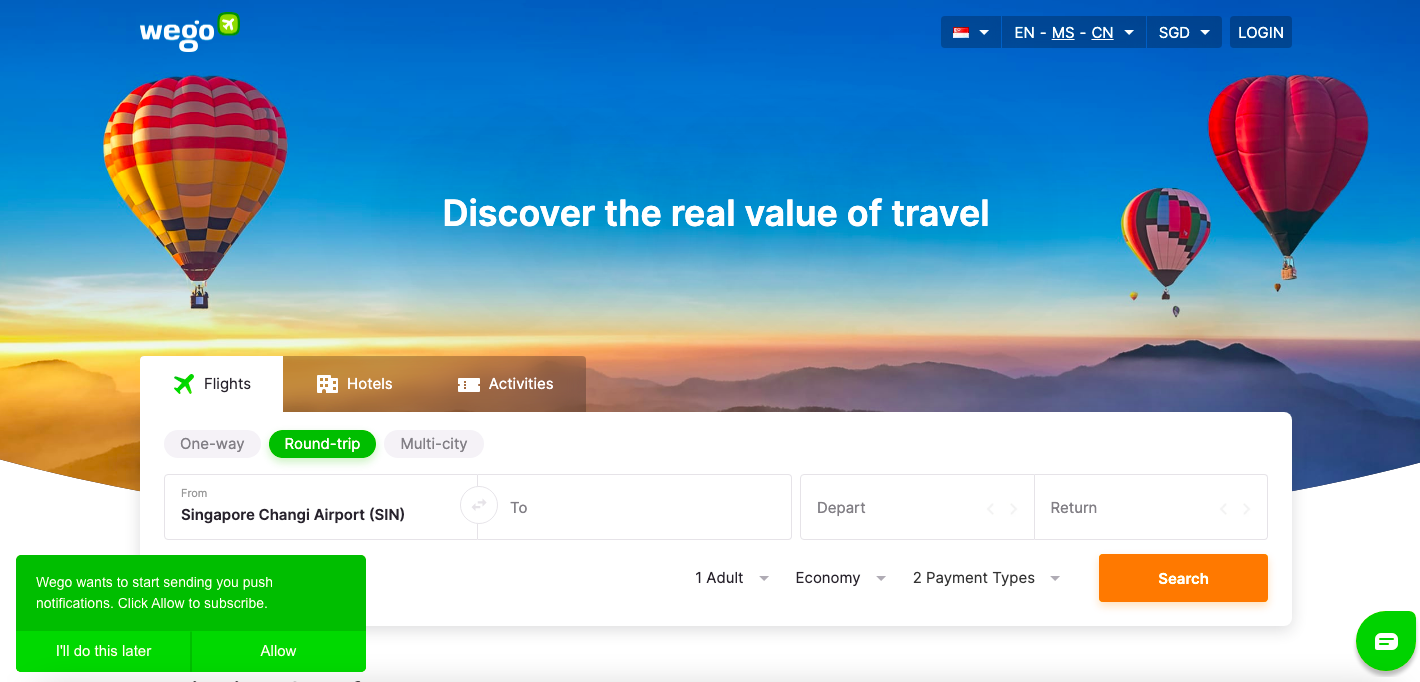
Website: https://www.wego.com.sg/
Allowance / Remuneration: $800 – 1,500 monthly
Job Qualifications
- Someone with strong creativity coupled with logical skills, with the ability to see a problem from multiple angles
- A love for creating products from insights, connecting the dots, and discovering trends to see the real story behind numbers
- Preferred background in Research, Design, Engineering, Data Analysis, Human-Computer Interaction, and other fields in Human Behaviour (e.g. Sociology, Psychology, Behavioural Economics)
Key Responsibilities
- Competitive & gap analysis, customer research
- Conduct primary and secondary user research in-person and remote
- Conduct and evaluate quantitative and qualitative research
- Perform market and ethnographic research
- Work closely with cross-functional teams to identify and evaluate research topics
- Plan and implement user research strategies and methodologies
- Advocate research findings to diverse audiences through written and oral presentations
- Perform usability studies with consumers
- Ask questions, gather data, and analyze data
- Use a diverse set of UX research tools
- Utilize different testing methods including usability reviews, heuristic evaluation, click stream analysis, tree-testing, A/B testing
How to apply?
View the job post in full here and write to Richard via this link.
#3: Faio Creatives – Social Content Internship
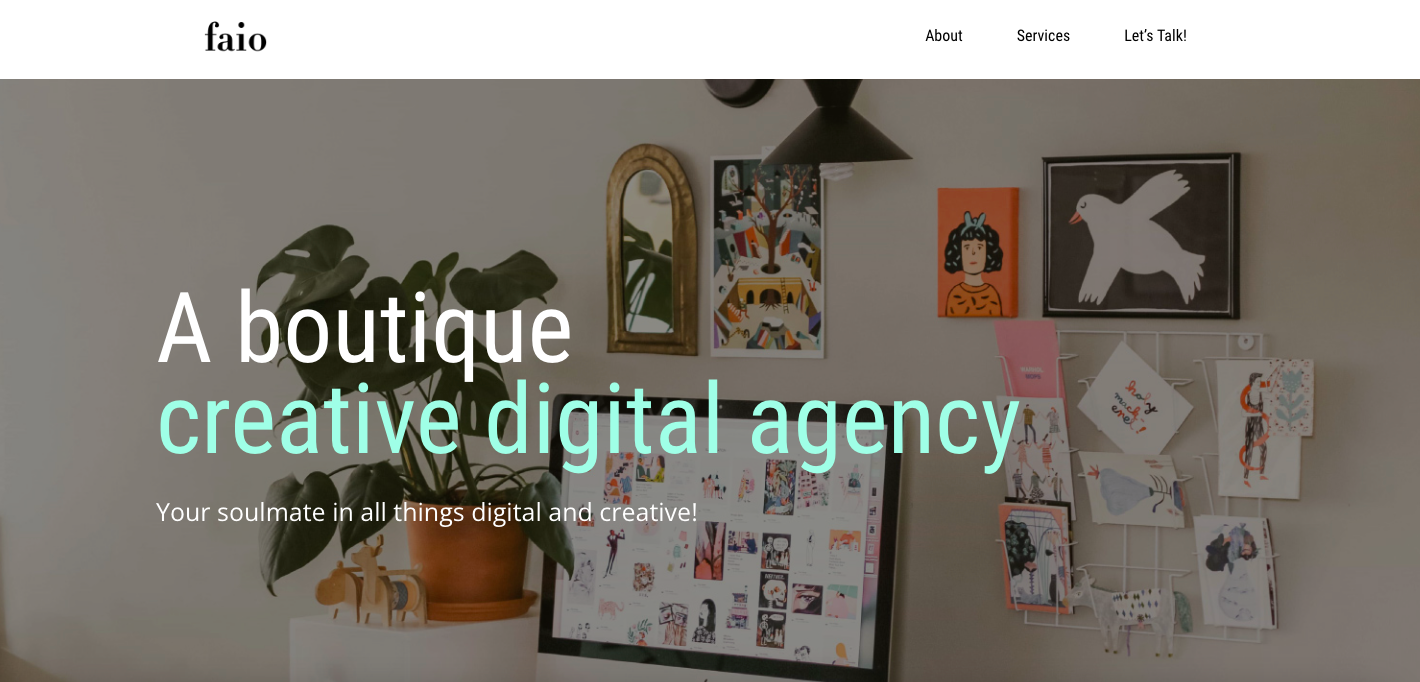
Website: https://faiocreatives.co/
Allowance / Remuneration: $700 – 1,000 monthly
Job Qualifications
- Preferably possess basic filming equipment
- Hunger and willingness to develop within a creative team
- Prior experience in Digital Marketing, Copywriting, Graphic Design, and/or Branding is a plus
- Proficient in Adobe Lightroom/Adobe Illustrator/Adobe Photoshop/Premiere Pro/Canva and/or industry editing tools
Key Responsibilities
- Web Management
- Brand Creation & Activation
- Copywriting/Graphic/Visual Design
- Visual & Art Direction for Social Media
- Social Media Marketing and Management
- Development & Production of Digital Assets
- Photography/Videography Conceptualisation
How to apply?
View the job post in full here and send your portfolio to [email protected].
#4: The Immigration People Pte Ltd – Copywriter
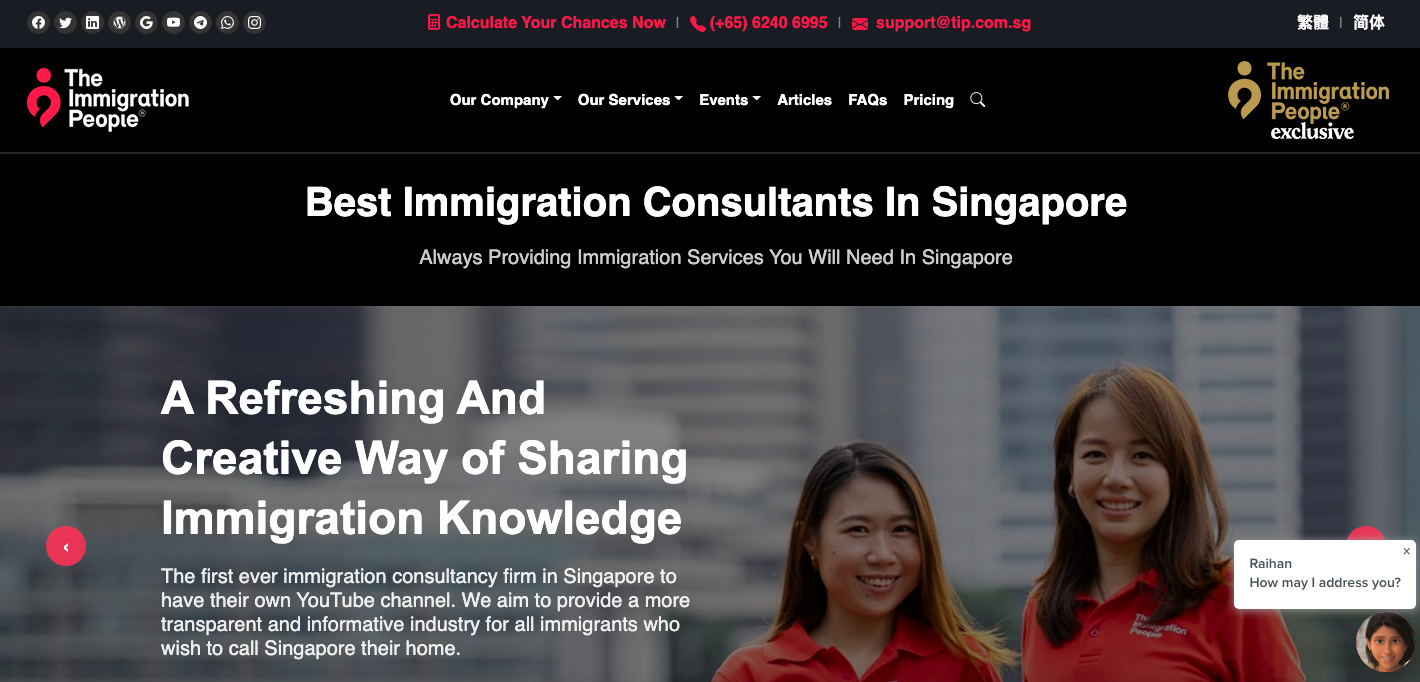
Website: https://www.tip.com.sg/
Allowance / Remuneration: $800 – 1,000 monthly
Job Qualifications
- Basic computer skills
- Evidence of writing experience
- Minimally a Diploma in any field
- Critical reading and thinking skills
- Resilience and ability to accept constructive feedback
- An interest in current events, news, and a general thirst for knowledge
Key Responsibilities
- Conduct review and research of clients’ documents and material before and during the writing process.
- Crafting reference letters and immigration cover letters to the relevant government authorities for our clients’ Singapore immigration applications
- Ensuring the logical flow of all writing produced
- Conducting thorough fact-checks before submitting any work
- Ability to handle tight deadlines while maintaining a high standard of work
- Attending training sessions and workshops as required
- Ad hoc duties as assigned by the Management
How to apply?
View the job post in full here and send your CV to [email protected].
#5: Superminted Pte Ltd – Web Development Intern
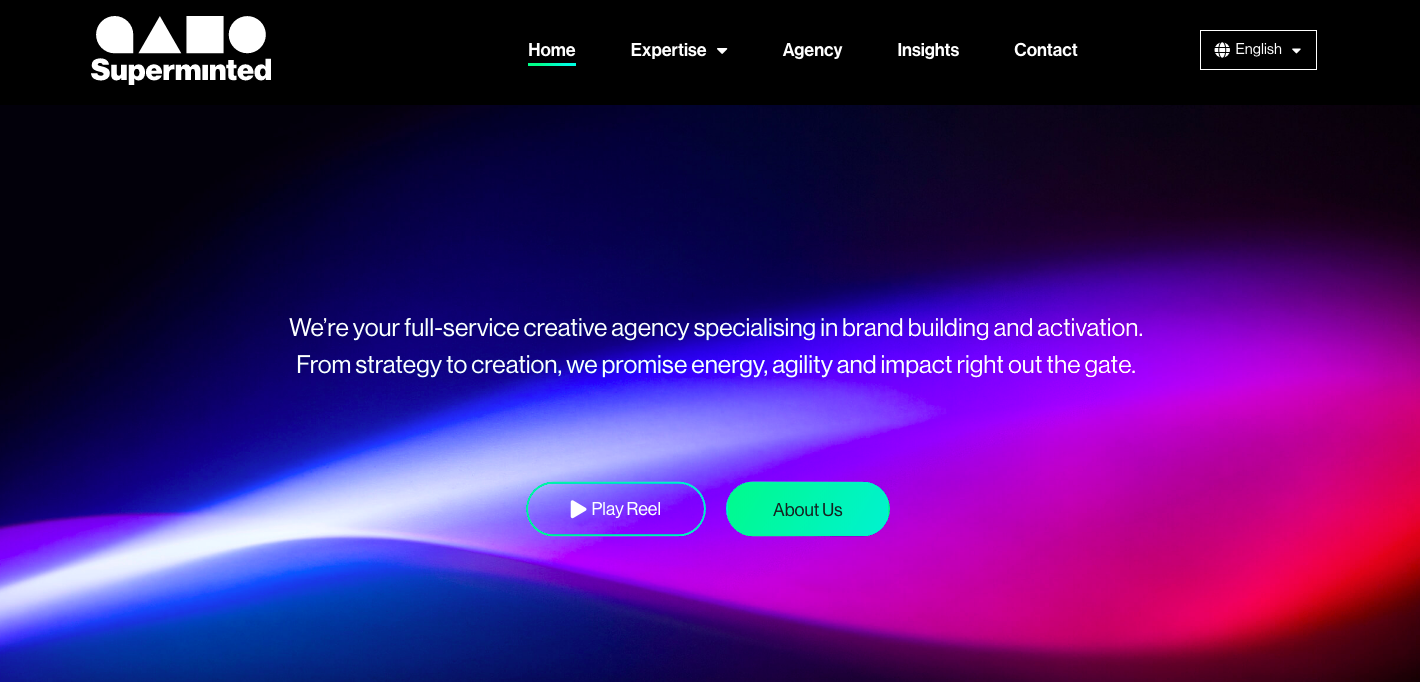
Website: https://www.superminted.com/
Allowance / Remuneration: $800 – 1,100 monthly
Job Qualifications
- Studying Computer Science or a similar field
- Understand server-side CSS
- Understand the principles of SEO
- Have excellent skills in problem-solving
- Be proficient in communicating skills
- Have good interpersonal skills
- Excellent time and project management skills
- Have some experience in building websites, UI/UX design
- Be familiar with graphic design applications (e.g., Adobe Illustrator, Photoshop)
- Have some proficiency in coding languages such as HTML, CSS, JavaScript, and jQuery
Key Responsibilities
- Suggest features to enhance UI/UX
- Ensure project timelines are monitored and met
- Keep the branding consistent throughout the website
- Recommend improvements to webpage design and structure
- Quality checks on desktop vs mobile sites, for both design and content
- Assist to check and ensure web pages are optimized for the best speed and scalability
How to apply?
View the job post in full here and write to Esther via this link.