The Warren Buffett way to teach kids about money

Warren Buffet with young people

Warren Buffett is the CEO of Berkshire Hathaway, a multinational conglomerate holding company headquartered in the United States. In the world of investing, he is considered a famous figure. As of December 2020, he has a net worth of over 85.6 billion USD, which puts him in the top five list of the wealthiest people.

Teaching your kids about money can be an intimidating task. But grasp a tip or two from Buffett, and maybe it might change your perspective on that. Take it from the man himself on five ways to teach your children about money.

#1: Start early

teaching-kids-about-money

Image Credits: PT Money

Habits are built over time, and overnight efforts are risky. If you want your little ones to grow up with practical financial skills they can demonstrate and pass on to the next generation, start now.

“Sometimes parents wait until their kids are in their teens before they start talking about managing money — when they could be starting when their kids are in preschool,” Buffett told CNBC.

Now, at this point, we see some raised eyebrows over the screen. Is it possible to teach a preschooler about financial literacy? Yes if you’re not referring to the ever-complicated stock market.

As you spend time with your children shopping and dining out, use opportunities to explain that tapping a card to make payment is not as simple as it seems. To do so, clarify that it takes time and effort to earn money and that they should not spend as they please.

#2: Educate on the value of saving

teach kids on saving money

Image Credits: blog.vancity.com

After getting a headstart on the topic of money, you want to enlighten your kids on the value of saving. Buffett says that even saving a little bit of money regularly pays off. When it comes to money, even the cents count.

“Instead of spending money on a soda, which you don’t really need, put it in savings, and it will make even more money for you by earning interest.”

But lest you become naggy and fill your children with empty words, put it to action. You can open a child’s savings account and bring your kid along to the bank for their first deposit. Think of it as a field trip to teach them on the value of saving and don’t underestimate the impact it can have in the long run.

#3: Walk the talk

be a good role model to your child

Image Credits: exploringyourmind.com

You can continue to blabber on about money-related topics, but if your daily actions show otherwise, it’s going to be just an irony. Worse still, it could confuse the little ones.

Buffett credits his father as a source of inspiration for building the right habits. “He was my hero when I was six, and he is still my hero now. He is an inspiration to me in every way. What I learned at an early age from him was to have the right habits early,” he stated in an interview with CNBC.

Children pick up habits from the things they see, and that’s why you want to walk the talk in your family’s financial decisions. You don’t have to be an expert investor to do so. Just keep yourself in check, which includes clearing credit card debts you’ve accumulated over time.

#4: Identify needs from wants

shopping-with-kids

Image Credits: ifec.org.hk

Truth be told, even adults struggle with separating needs from wants. Just look at the number of purchases you’ve made from 9.9, 10.10, 11.11, and 12.12. If you don’t want your children to pick up the habits, model and reveal to them the significant difference between needs and wants.

Buffett suggests having your kids create a list of 5 or 10 things they would like to purchase. Then, go through the list with them and label each item as a need or want. Don’t forget to explain why.

As you do your online shopping, seat your child beside you and show them that even when buying a necessary item, it’s essential to compare prices. Different sellers can price the same or similar product at varying prices, so searching for the most affordable piece is also a smart skill to acquire.

#5: Power-up their entrepreneurship

Kidpreneurs

Image Credits: The Straits Times

Did you know that when Buffett was just six years old, he earned his first few cents selling sticks of gum in the neighbourhood? Wanting to tap onto a better money-making opportunity, he moved on to selling Coke cans at a higher price than he bought it.

Asian parents are famed for being a wet blanket, and you don’t want to be one to your kid. Instead, encourage them to see money-making opportunities now can go a long way to fuel their entrepreneurial spirit down the road. Click through the link if you want to learn more on how to teach your kid to think like an entrepreneur.

As Don Bossi, former president of FIRST, a nonprofit organisation that helps young people foster innovations in the fields of science, technology, engineering and math (STEM) rightly assumes, “Kids are just a sponge.” Take time to teach and guide them about money, and they will soak up the right moves to face adulting.


Read More...

Steer clear of these 4 resume mistakes if you want to score yourself an interview

resumes on a desk

We trust that you’ve had a well-rested weekend. For some, it might be a busy one since we’re just less than two weeks to Christmas! Good times or bad times, there’s power in the season of giving so we hope you’ve gotten your Christmas gifting plans all sorted out.

Now, back to serious business. Yes, it’s the most dreaded Monday, and we’ve new additions to our usual career-related tips. Job seekers who have yet to score yourself an interview despite the number of resume sent-outs, the problem might be due to some resume blunders you’re making.

Read on to find out how you can avoid these four resume mistakes to score yourself an interview soon.

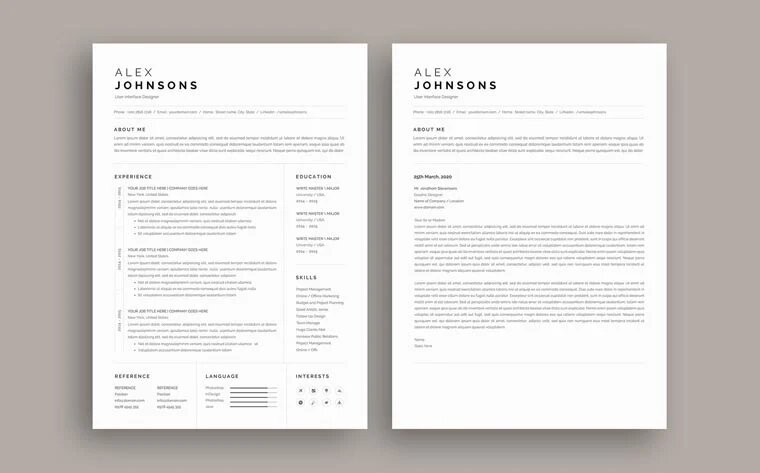
#1: Placing too much focus on the design
colourful resumes

Image Credits: business.tutsplus.com

If you’re a designer and applying for a position in the creative industry, probably it would make sense for you to want to spend some time on the visual outlook of your resume. But the main point here is that some people tend to overdo it.

You’ve heard the saying, “less is more”, and in this context, it accurately sums up what you should do. Think about the functionality of your resume, including the audience and purpose. Busy recruiters do not have all the time in the world to admire your stylish resume.

Instead, it would be best if you depicted your resume in a way that helps the hiring manager:

  • Read with ease
  • Sift out your skills and suitability
  • Apply your in-demand skills to the job vacancy

A border design and some coloured text may appear lovely in your eyes, but it may not be for the head hunter looking at tons of resumes a day to pick out the right candidates with crucial competencies.

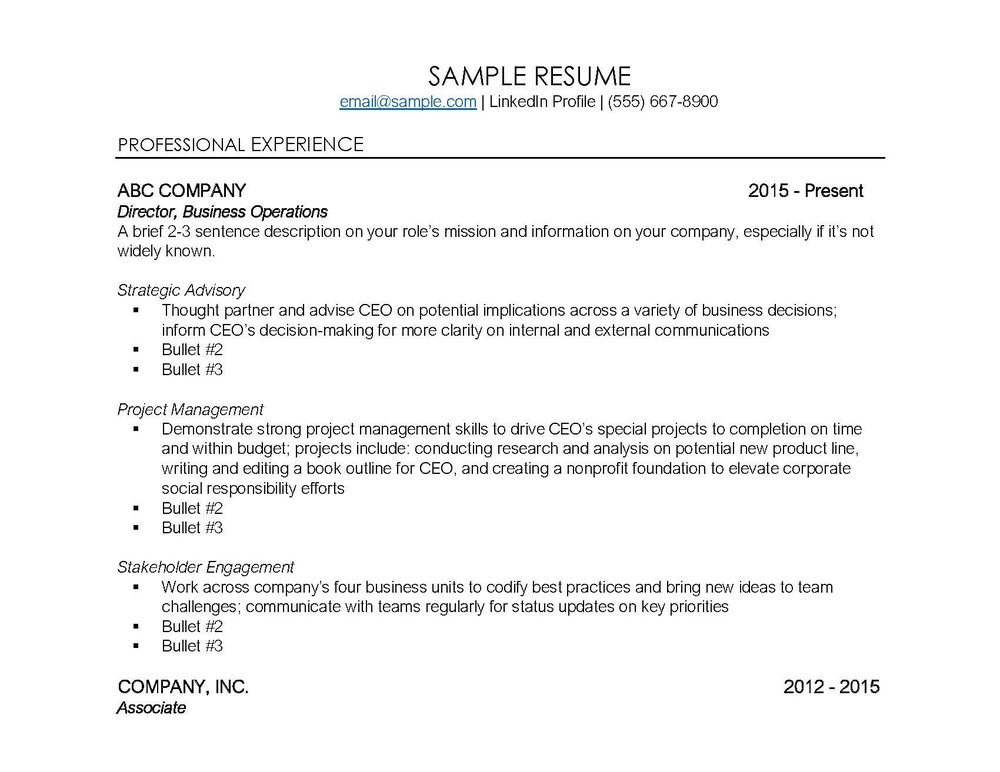
#2: Having chunks of lengthy texts
sample resume

Image Credits: TemplateMonster

Even if we do not apply this mistake in this particular context, having vast chunks of unbroken texts can cause a headache for any modern readers out there.

You might have seen before in the news that some recruiters spend only around six seconds to read a resume. Six seconds?! In that short period, you will need to impress your recruiter as he or she scans through your resume.

To put yourself in the shoes of an HR personnel, think back on the amount of content you mindlessly scroll through your social media feed daily. Recall on what caught your attention and what did not. Even a well-written article can have a low readership count purely because of its formatting.

To assist the recruiter in shortlisting yours among the sea of resumes out there, breaking up texts into proper paragraphs and being fully aware of run-on sentences without punctuations can help. If it makes sense, use bullet points to grab the reader’s attention at first glance.

Also, section the content into headings and subheadings and bold them where necessary. This is to allow the hiring manager to locate essential information effortlessly.

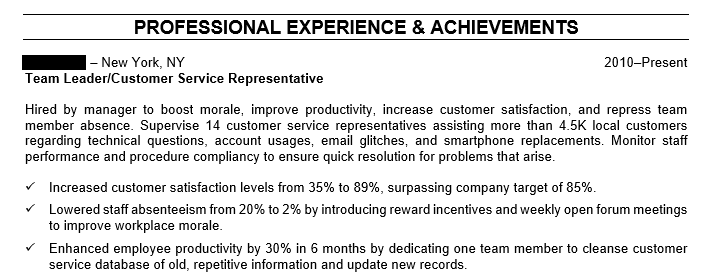
#3: Missing out on brief role descriptions
brief job role descriptions

Image Credits: Prime Advice

Wanting to fit all your achievements in a one- or two-page word document is understandable. While some things like designs are better left as simple, an outline for your role descriptions is necessary.

Think of it as a summary section to give the recruiter some background on these:

  • Who you’ve worked for
  • Nature of the said business
  • Where you fit into the organisation

Those who have worked for widely known global brands may not have to explain the nature of the business, but it’s still important to include some pointers about your department and your contributions to the company’s success.

#4: Not including facts and figures
facts and figures on a resume

Image Credits: iHire

One massive takeaway I’ve had while doing marketing is that numbers matter. Putting this lesson to practical use, it’s the same as trying to market yourself to land an interview with the HR department. As such, don’t leave out facts and figures.

To prove your worth, you want to use some numbers to convey the scale of your impact. Those who’ve led departments before, don’t just stop at “managed a team”. Insert the relevant numbers on the size of your team, the locations they cover, and clients or customers under their servicing.

This is especially useful if you’ve led massive teams across several locations and want to transfer this experience to a regional management position you’re applying for. With that said, even penning down that if you’ve led a small group of five can open doors and put you at the forefront compared to applicants who’ve no such experiences.

Spending some quality time to right the common resume mistakes pointed out in this article could lead to better results in your job applications. If you want the right response from your potential employers, then make sure you have a resume powerful enough to assist you. The last thing you want is to have a substandard resume as a stumbling block to your job search success.

And one last tip before you go, do customise your resume to the specific role you’re applying for and ditch the one-for-all cookie-cutter content!

Read More...

Here are 6 not-so-common grains that are low in carbohydrates

Ancient grains

We know too well what it feels like when planning your meals while on a strict diet. Folks who are searching for high fibre grains that contain a lower number of net carbohydrates will find this article useful.

As you’re probably aware that top grains that are low in carbohydrates include oats, quinoa, and barley, we will exclude them in this write-up. Instead, we will delve into six not-so-common grains that are low in carbohydrates to offer some alternatives.

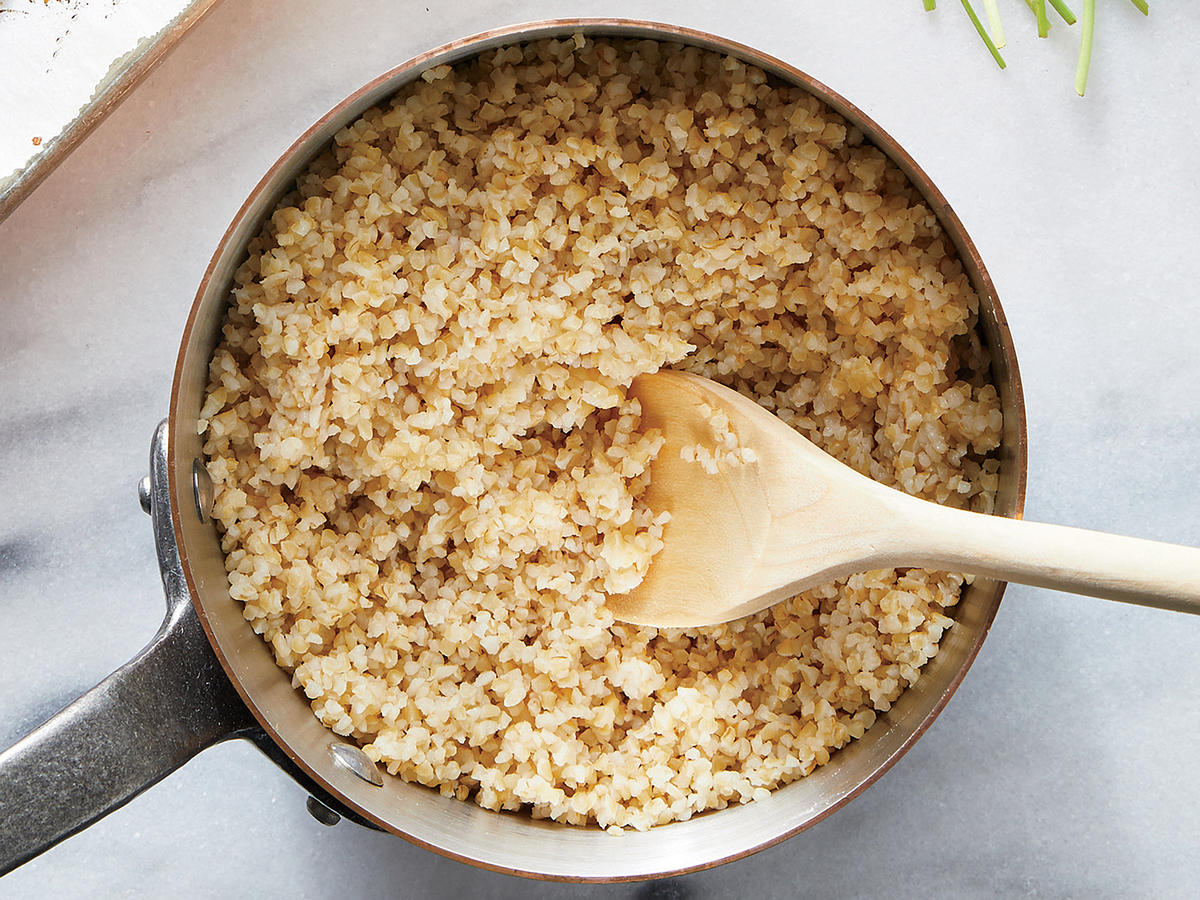
#1: Bulgur
Bulgur

Image Credits: Cooking Light

Bulgur wheat is a regularly used ingredient in many traditional Middle Eastern recipes. The nutritious cereal grain is made from dried, cracked wheat and its texture when cooked is very similar to that of quinoa.

It is easy to prepare and a good source of manganese, iron, magnesium, and B vitamins. In 182 grams of cooked bulgur, there are only 25.5 grams of net carbohydrates, thus making it one of the lowest carbohydrates whole grains available.

#2: Millet
Millet lemon rice

Image Credits: archanaskitchen.com

Millet is an ancient grain that is widely consumed in developing countries throughout Asia and Africa. Other than a source of food for humans, it’s also used as livestock and bird feed.

Thanks to its high levels of antioxidants and polyphenols, it may help prevent chronic illnesses like type 2 diabetes. Not forgetting to mention that it’s also a good source of vitamins and minerals like phosphorus, magnesium, and folate.

More importantly, 174 grams of cooked millet contain only 39 grams of net carbohydrates! If you want to load up on calcium, opt for finger millets because it has one of the highest calcium content among cereal grains. To be exact, just 100 grams can provide 13% of the Daily Value (DV) you need.

#3: Couscous
couscous-salad

Image Credits: thecozyapron.com

Couscous originates from the Maghreb, also known as Northwest Africa. It’s a processed grain product made from semolina flour or little balls of durum wheat.

Those familiar with this type of grain will know that there are three main types – Moroccan, Israeli, and Lebanese. If well-cooked, it should appear light and fluffy. You can add it to your bowl of greens or serve as a side dish with meats.

Relatively low in carbohydrates, 157 grams of cooked couscous are packed with only around 34.5 grams of net carbohydrates. Additionally, it’s also a great source of selenium, a trace mineral that contributes to heart health, thyroid function, and immune health. Consuming it can also boost your intake of other important micronutrients such as pantothenic acid, manganese, copper, and thiamine.

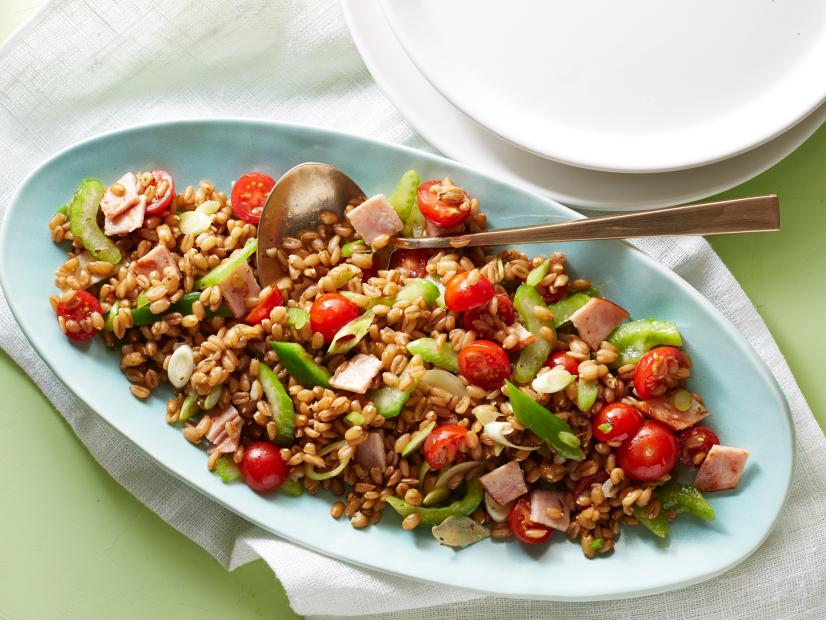
#4: Spelt
cajun spelt

Image Credits: Food Network

Spelt is a type of wheat that’s also known to many as dinkel wheat or hulled wheat. It was popular in parts of Europe from the Bronze Age to medieval times but was not that well sought after during the 19th century.

We want to put it upfront that spelt is high in gluten and therefore unsuitable for people on a gluten-free diet. But studies have shown that eating whole grains like spelt may help lower risk of heart disease, type 2 diabetes, and selected types of cancer.

Looking at its nutritional value, 194 grams of cooked spelt contain about 44 grams of net carbs and 7.5 grams of fibre. It also has small amounts of calcium, selenium, and vitamins B1, B6 and E.

#5: Wild Rice
wild-rice-salad

Image Credits: Serious Eats

Wild rice is a type of whole grain eaten mainly in North America and China. It’s currently still harvested as a grain and considered a delicacy in North America.

Contrary to its name, it does not belong to the family of rice. Though it looks and cooks like other types of rice, it is a species of grass with edible seeds reminding people of rice. It also tastes stronger and is higher-priced.

164 grams of cooked wild rice contain only 32 grams of net carbohydrates with overflowing health-promoting antioxidants. It’s also rich in nutrients like zinc, vitamin B6, and folate.

#6: Popcorn
popcorn

Image Credits: onceuponachef.com

To wrap things up, we have popcorn! The first image that comes to mind when popcorn is brought up is movies. Often thought as a snack, it is technically a whole grain and thus carries considerable amounts of essential nutrients.

14 grams of popped popcorn only has 6.5 grams of net carbohydrates, thus making it one of the most favoured low-carbohydrate grains among dieters. It is also low in calories and high in B vitamins, iron, magnesium, and phosphorus.

Eating popcorn in moderation may help with weight loss because it promotes feelings of fullness. Based on a study conducted, 15 calories of popcorn were found to be as filling as 150 calories of potato chips.

But before you rush down to get your bag of popcorn, be mindful that pre-packaged microwave varieties may be harmful. One reason is that they can contain diacetyl, a chemical found in artificial butter flavouring. Experiments involving animals have revealed that breathing in diacetyl damages airways and causes lung diseases.

Another explanation is that many microwave popcorns are made using hydrogenated or partially-hydrogenated oils, and they contain unbeneficial trans fats. This may result in an increased risk of severe diseases such as heart disease.

The best advice in this context? Make your munchies or meals from scratch, so you’re fully conscious of what you put into your body.

Read More...

FairPrice: Save up to 42% with must-buy items from now till 16 December 2020

Time flies, isn’t it? In a blink of an eye, one-third of the month is already gone. If you’ve yet to make yearend reflections or new year resolutions, it’s about time you begin. When that is out of the way, let’s take a look at what’s on sale at FairPrice.

This week, we’re looking at up to 42% discounted deals for your grocery shopping. There are Häagen-Dazs ice cream stick bars, 1-for-1 assorted frozen pizzas, and more. Scroll to the end for weekly thrift deals and Christmas special savings just for you!

#1: Häagen-Dazs Stick Bar Ice Cream – Assorted

Haagen-Dazs Stickbar Ice Cream - Assorted

Sale Price: 2 for S$21.80

Usual Price: S$13.90

Savings: S$6

Put S$6 right back into your pocket when you purchase the Häagen-Dazs ice cream stick bars from now will 16 December at FairPrice. Each stick bar ice cream which usually costs S$4.63 is only S$3.63 with this ongoing promotion! Ice cream fans who don’t fancy assorted flavours can indulge in the Chocolate Choc Almond or Vanilla Caramel Almond in a box of three of the same tastes.

#2: Buitoni Thin Crust Pizza – Tuna

Buitoni Thin Crust Pizza - Tuna

Sale Price: 2 for S$9.95

Usual Price: S$9.95

Savings: S$9.95

Peeps, here’s a 1-for-1 deal to start your second-third of December right. Buitoni Thin Crust Pizza which originates from Italy is here to save the day when you’re too lazy to dine out. Apart from tuna, there are other varieties, including Four Cheese, Margherita, Caprese, and Grilled Vegetables. All you need is about 10 to 12 minutes of baking time to prepare a quick meal or snack!

#3: Arumi Frozen Korean Pancakes – Kimchi

Arumi Frozen Korean Pancakes - Kimchi

Sale Price: S$5.50

Usual Price: S$7.90

Savings: S$2.40

Where are my kimchi fanatics at? Ready-to-eat Korean pancakes conveniently packed in a bag of three just for you! This deal is probably one of the lowest-priced I’ve seen because if I recalled correctly, I bought it at S$5.95 a few weeks back. Based on personal preference, I would recommend the seafood type than the kimchi. Yet to try? Buy the two varieties and let us know what you think?

#4: Hai Chi Jia Hot & Sour Instant Noodles

Hai Chi Jia Hot & Sour Instant Noodles

Sale Price: 2 for S$3.75

Usual Price: S$3.25

Savings: S$2.75

Friends have been nagging at us to try the Hai Chi Jia Hot & Sour Instant Noodles. With 42% off the original price if you buy 2, maybe it’s about time we join the Hai Chi Jia fan club. Mind you, a cup which typically costs S$3.25 is only S$1.88! No better time than now to stock up in your pantry if you love the appetite-inducing hot and sour combination.

#5: Ferrero Rocher Chocolate

Ferrero Rocher Chocolate

Sale Price: S$13.95

Usual Price: S$21.65

Savings: S$7.70

With the Christmas lights up at various shopping malls and neighbourhoods, we probably don’t have to remind you that we’re right in the midst of the festivities. At the time of writing, we’re only 15 days to Christmas! Whether you’re thinking of gifting a whole box of Ferrero Rocher Chocolates or making some sweet treats inspired by it, ride on the savings and buy yours at FairPrice!

Must-buy items from now till 16 December 2020

FairPrice's must-buy items from now till 16 December 2020

FairPrice’s weekly saver deals till 16 December 2020

FairPrice’s weekly saver deals till 16 December 2020

Celebrate a season of gifting from now till 23 December 2020

Celebrate a season of gifting with FairPrice from now till 23 December 2020

Read More...

A psychologist reveals 4 key ways you can use to embrace critical feedback

two woman having a meting

Critical feedback can be daunting for some. Since we’re talking about criticisms here, it’s easy to get defensive over it. But take a more profound examination, and you will probably agree that constructive feedback is the ‘true friend’ that identifies the gaps between who you are and the improved version of who you want to be.

Dr Tomas Chamorro-Premuzic, a psychologist, author, and entrepreneur, points this out as a paradox. He shares that most people are happy to receive positive feedback, but it is the negative ones that enable us to be better.

This is because if you think you are already on the right path, then there would be a lesser desire to brush up on your current skills. To avoid potential conflicts, some companies have even attempted to remove negative feedback from performance reviews.

So the question is, do you want an upgrade? Or are you happy with where you are right now with all the compliments flooding your way? If it’s the former, we’re so glad for your willingness to change.

We’re not going to promise that you will leave this article feeling like you’re ready for a self-improvement journey. Criticisms hurt and we’re not going to lie. But it’s something to embrace if you want to tackle your weaknesses and bridge the gaps.

Want to walk out of your self-protective instincts now? Take it from Dr Tomas on the four key ways you can use to embrace critical feedback.

#1: Search for a right mentor
two persons having a discussion

Image Credits: unsplash.com

Don’t be alarmed by the word ‘mentor’. Dr Tomas points out that the right person should be someone with experience in the area you’re keen to make a change in. He or she could be someone who knows you well, has seen your growth, or aware of the skillsets or talents you want to build.

In our current prosocial society, it’s getting difficult to find someone willing to provide critical feedback. “For all the talk of authenticity, if you go about telling everyone what you really think, you will have no friends and your colleagues will hate you,” said Dr Tomas.

That’s like hitting the bull’s eye, isn’t it? What you need is someone who is fearlessly psyched to tell you what you need to hear. Note the difference between what you want to hear and what you need to hear.

#2: Find proper questions to ask
a man asking a question

Image Credits: unsplash.com

Finding the right mentor to receive feedback is already not a simple task. If you want to make it easier for your mentor to give you an appropriate assessment, ask pertinent questions.

Avoid asking short questions like these:

  • “How did I do?”
  • “Was this okay?”
  • “Did I do a good job?”
  • “Did you like what I did?”

Instead, ask:

  • “What would you have done differently?”
  • “What are the two things that they didn’t like so much?”
  • “If you can change one thing about X going forward, what would that be?”

Also, mean what you say. If you’ve made known that you wouldn’t take it to heart, then don’t take it personally. Value their honest response and see it as a way to help you get better, even if you don’t immediately agree due to a defensive stance.

Dr Tomas states that the right mentors should help improve your ability to identify blind spots and critical areas for improvement. As a mentee, always be thankful.

“Feedback is always a gift, and there is no bigger gift than constructive critical feedback because it is daunting and risky to provide it. There is a higher cost to honest negative feedback than fake positive feedback, but the former makes you much better than the latter,” he adds.

#3: Receive comments and act on it
Take action

Image Credits: unsplash.com

Have you ever advised upon a request only to find out that the other party has turned a deaf ear? If you understand how frustrating it feels, don’t do the same to your mentor. 

Receive critical feedback and reciprocate the time and effort spent by committing to change. Then, share your action plans with your mentor to involve them in the process. Knowing that you’re taking their constructive comments seriously is also a form of motivation for your mentors to provide you with more guidance going forward.

“When someone asks you for help, and you offer your honest views, even though you know it may hurt them, there is nothing more rewarding than seeing them make a positive change based on what they heard. Making others better is a wonderful achievement,” Dr Tomas remarked.

#4: Get more feedback to monitor progress
portrait-of-confident-young-asian-woman-calling-by-mobile-phone

Image Credits: HealthHub

If you’ve followed through the strategies so far and managed to gain and act on the criticisms given to you, don’t just stop there. Politely ask your mentors for more valuable critiques so you can track your progress.

To put it simply, Dr Tomas says the process should look like this:

  • Get critical feedback
  • Make an effort to change
  • Get more feedback to monitor progress

He also illustrates this strategy using a weighing scale. When you think you’ve put on weight recently thanks to the work-from-home routine, you put yourself up on a weighing scale. Seeing the figures got you motivated on losing weight, so you change up your diet or start exercising more often.

But do you stop there? No. To measure your success, you go up on the scale again to track your weight. The idea here is that you don’t just repeat the process once or twice, but as often as you can to monitor your development.

In conclusion, be aware that even the most talented people are a work in progress. Yes, criticisms are painful; nonetheless, it is also a positive force for change and the fuel to be better. Those who are seeking growth should learn to welcome useful negative feedback with open arms.

Read More...