A student’s guide to navigating student loan repayment

nus graduation ceremony

Congrats on graduating!

Now, it’s time to face the reality of having to pay back your student loan. And on top of the need to secure a job so you can manage your monthly repayments.

Feeling clueless about how to go about handling this? Here’s a simple student guide to navigating student loan repayment so stop worrying and start reading.

Budgeting starts now

If you’re the sort that earns a dollar and then spends a dollar, something’s got to change.

With a student loan waiting for you to repay, you need to start looking into your salary and budget accordingly.

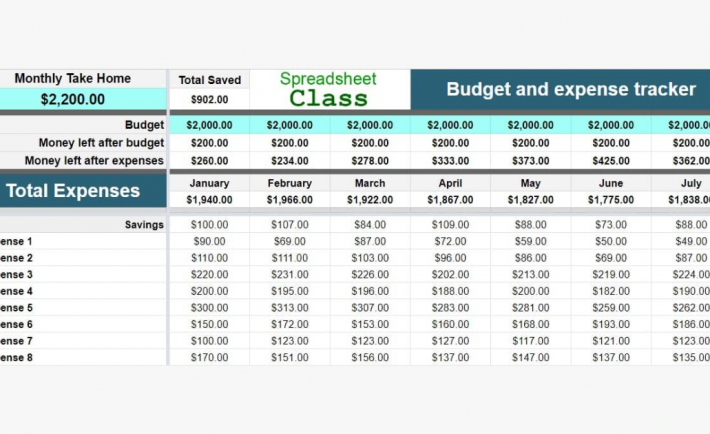
And by budgeting, I mean going into the nitty-gritty details. Whether it’s food costs, phone bills, insurance, transportation, or giving the old folks “pocket money”, pen it down. Be as realistic as possible and then calculate how much you can afford to put towards your student loan repayment.

Tip: You need to scrimp and save for a start, but it’s good not to squeeze yourself dry and risk mental health issues along the way. It may take some trial and error but you will eventually get the hang of things with adjustments here and there.

How to practice financial discipline

There’s no other method when it comes to financial discipline—stick to your budget.

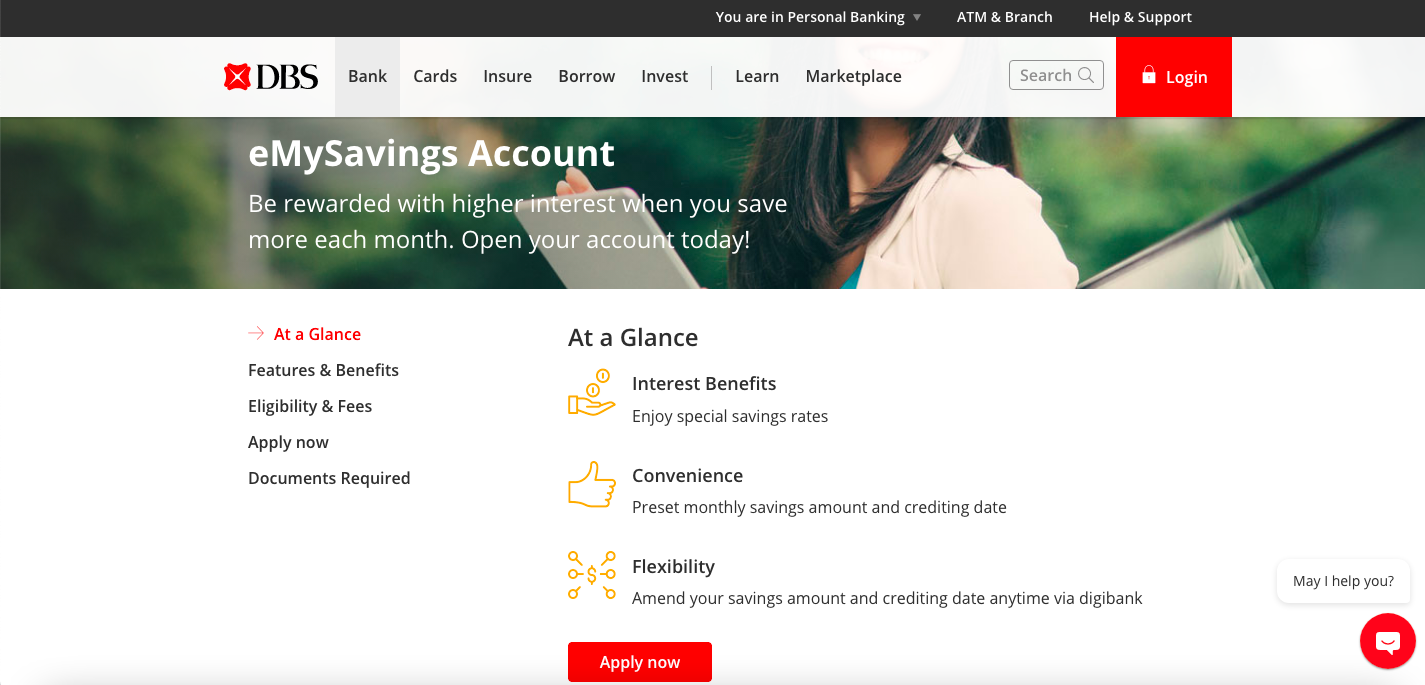
There’s usually a minimum loan repayment amount tag to your student loan. For example, DBS’s (university) study loan’s minimum monthly repayment is $100.

And following 2022’s median salary for fresh uni grads, it’s $4,200.

Yes, $4,200.

Don’t feel bad if your salary is below the median amount. Life happens.

But that’s not the point.

The main point is $100 is an easy amount to repay based on the salary you receive. Surely you can’t be earning less than $1,000 per month as a graduate, right?

If you set aside 10% of your salary, you can pay off way more than the minimum amount. Just make sure you’re comfortable with it.

Every dollar matters. If you find yourself with extra money at the end of the month, make those payments toward repaying your student loan. The interest is no joke and you want to pay back the lump sum as soon as you can.

How to save on interest and pay off faster

I’ve touched on this point a little earlier but what you want to do is to…

Pay more than the minimum.

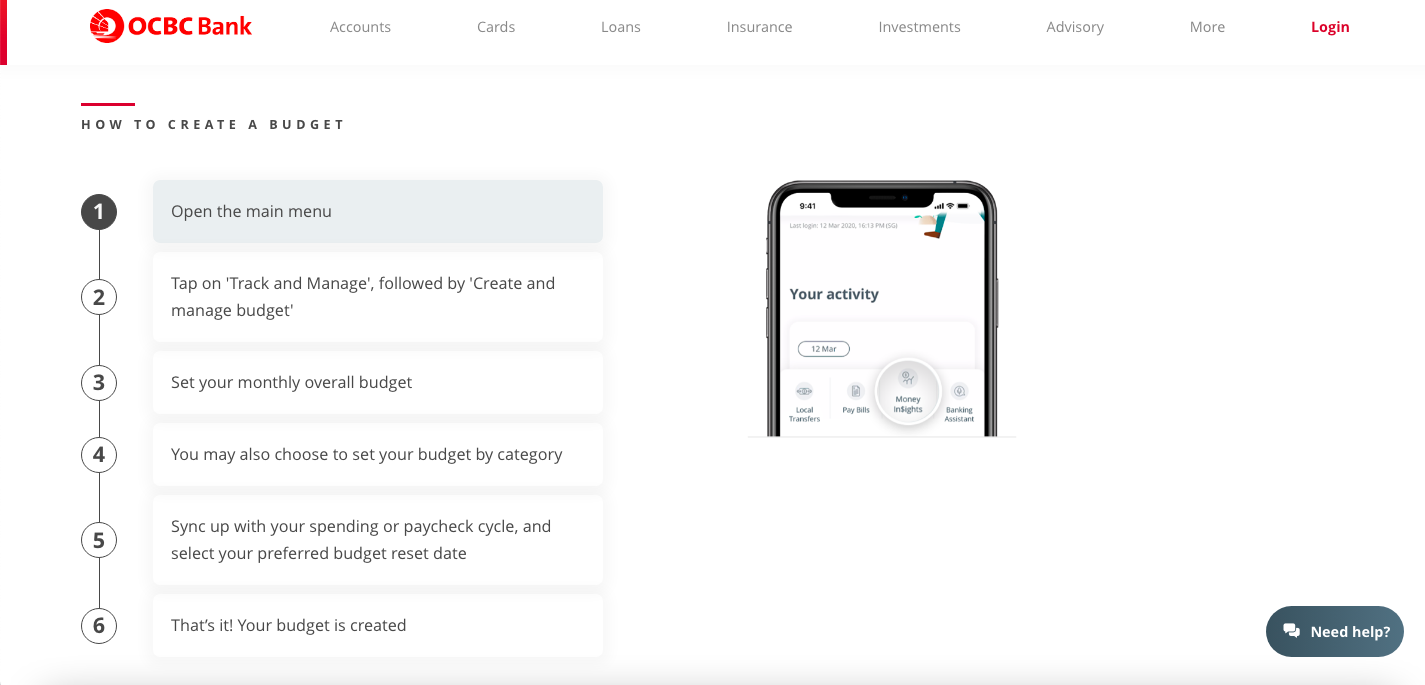
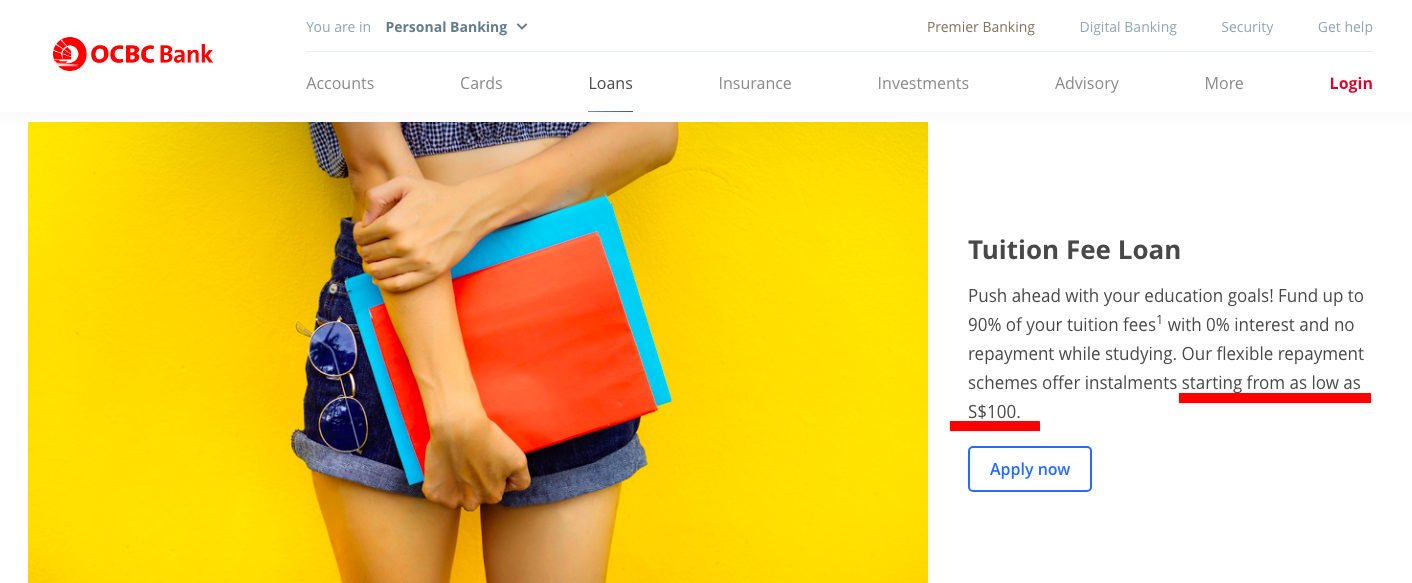
Even OCBC’s student loan installments start from $100 per month. That’s the bare minimum.

ocbc tuition fee loan

Image Credits: ocbc.com

But if you aim to get this repayment thing over and done with, you need to “tahan” a little at the start and pay more than the minimum.

If your loan has no interest tag to it, good for you. But if it does, the interest is going to quickly add up. So to stop it from snowballing into tens of thousands of dollars, repay more each month.

What if you can’t make payments on time

My question to you is, why?

Based on my brief research on DBS and OCBC’s student loans, the minimum amount to repay is $100, as I’ve mentioned earlier too.

Even if you’re starting as an intern, the market rate should be >$1000. And that’s just 10% of your salary.

But if the problem is not due to your extravagant spending habits but unforeseen circumstances such as medical bills and whatnot, then you should let your guarantor know.

Seek help from friends or family members whom you can borrow money from. Since the minimum is $100, see if you can borrow $600 to $1,200 (6 to 12 months’ worth) to get by. If all else fails, contact your loan servicer to discuss the issue.

We’re already days into Q2 of 2023. Time just passes by like that and as someone who has had the experience of loan repayment, I’ll honestly tell you that the interest rate is insane. So never let it roll. You want to set a clear budget, stick to the repayment amount each month, and repay more if you can. Suffer a little now in your early 20s, and you can do more of what you want after the loan is cleared. Take that!

Read More...

Man Arrested for Allegedly Cloning Cards to Withdraw Cash from ATMs

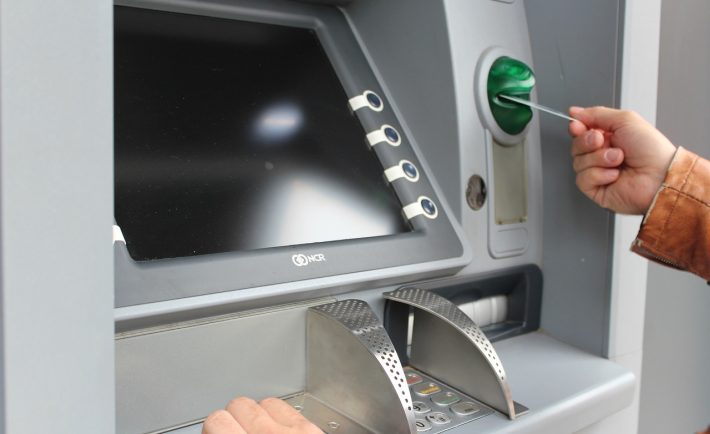
A 27-year-old man has been arrested for suspected possession of cloned cards and equipment used for creating cloned cards. On Feb 7 (Tuesday), the police received a report that a cloned metal card was used to make a withdrawal at an automated teller machine (ATM). The name of the bank and other details were not disclosed. After follow-up investigations, Commercial Affairs Department officers determined the identity of the man and arrested him on Feb 16 (Thursday).

HE CLONED OVER 60 ORIGINAL PAYMENT CARDS

The police stated that the man is believed to have copied the card details from the magnetic stripes of more than sixty original payment cards. These details were later encoded into blank metal cards, which he had acquired online.

Moreover, he is also believed to have removed and transferred the Mastercard, Europay, and Visa chips to the blank metal cards. The police added that a laptop, blank metal cards, an engraving machine, a card encoder, two notebooks, a point-of-sale (POS) reader machine and some cloned metal payment cards were seized as case exhibits.

HE COULD FACE UP TO 15 YEARS JAIL TIME

An imprisonment term of up to five years, fine, or both could be sentenced to anyone found guilty of possessing machines and equipment, which are specifically designed or adapted for making any false instrument. Those found guilty of possessing a forged valuable security could face up to 15 years jail time or a fine.

POLICE INVESTIGATIONS ARE ONGOING

Details are being finalized as police investigations are ongoing. The police highlighted the importance of this matter as they take a serious view of any person who may have been involved in the production and possession of cloned payment cards. Perpetrators will be dealt with in accordance with the law.

Image Credits: pixabay.com

To protect yourself and your details from being copied, it is best not to share your card’s PIN to anyone. Additionally, you should avoid storing your card information on your phone. You can also set up a two-step authentication for online transactions. Stay vigilant!

Sources: 1 & 2

Read More...

Why survivor bias is a major pitfall and how to avoid it

Fooled by the Winners: How Survivor Bias Deceives Us

Survivor bias is a type of cognitive error that can lead to faulty decision-making.

This bias can be dangerous because it can cause us to overlook potential red flags and make poor decisions based on inaccurate information. So how can we avoid it?

Below, we will discuss some ways to minimize the effects of survivor bias and make better decisions based on the information that’s available.

What is survivor bias and how can it affect our thinking?

Survivorship bias occurs when researchers focus on individuals, groups, or cases that have passed some sort of selection process while ignoring those who did not.

In other words, it happens when we place too much weight on the successes and forget about the failures. This is a major pitfall because it can lead us to make mistakes about the world around us.

We might think that a certain strategy or approach is more successful than it is, or that a particular subgroup represents an entire group. It’s important to be aware of survivorship bias and to take steps to avoid it so that we can make sound decisions based on accurate information.

The dangers of assuming success when using survivor bias
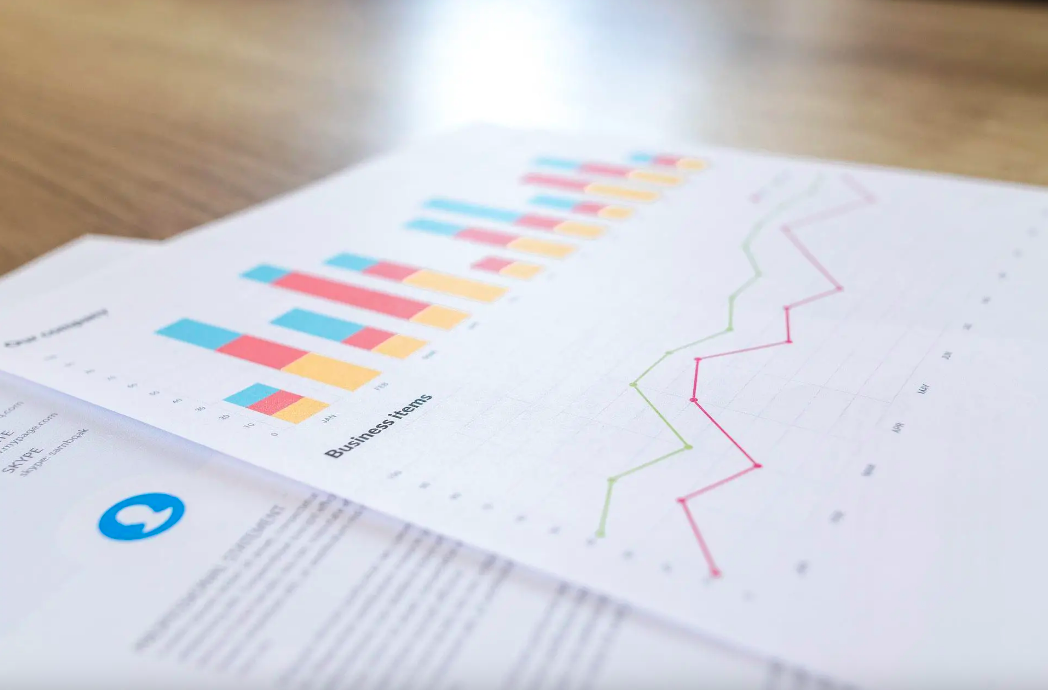
analyzing data

Image Credits: analyzingalpha.com

When you’re relying on survivor bias, you’re making the dangerous assumption that everyone who has made it this far must be good.

You’re not considering the possibility that this person’s success may be a one-time fluke, or that they got lucky in some way. This can lead to some pretty bad decision-making.

For example, if you’re hiring for a new position and only consider the candidates who have been successful in their previous roles, you may be overlooking someone who is perfectly suited for the job but has had a few rough patches along the way.

Another common example of survivor bias at work is when investors put all their money into a single stock, based solely on published investment fund return data. This can be a disastrous decision, especially if the company suddenly goes bankrupt.

Practical tips to reduce the risk of making decisions based on survivor bias

When it comes to making decisions, be aware of the pitfalls of survivor bias. 

Here are a few practical tips to help reduce the risk of making decisions based on this type of error:

  • Don’t rely on anecdotal evidence.

Survivor bias often leads people to make decisions based on personal experiences or stories they’ve heard from others. However, personal experiences are not always representative of the larger group, so gather data from a variety of sources before coming to any conclusions.

  • Exercise caution when comparing groups.

It’s natural to want to compare different groups and see which one comes out on top. However, this can be a risky move, especially if you’re not taking into account all the factors involved. Always use caution when comparing groups and make sure you’re looking at all relevant facts before drawing any conclusions.

  • Remember that success is not always representative of the entire group.

Just because a particular group or investment has had success, doesn’t mean that every other group or investment is doomed to fail.

When it comes to making decisions, be aware of the potential for survivor bias. This is when you make decisions based on the evidence you have in front of you, without taking into account the fact that you might be biased. For example, if you only looked at successful businesses, you would be underestimating the risk of starting your own niche business. This is a major pitfall because it can cause you to make mistakes based on your beliefs. To avoid this, try to look at the evidence from as many different angles as possible. This way, you can make a more informed decision based on a well-rounded point of view.

Read More...

5 Mind Tricks to Help You Stick to Your Budget

When it comes to spending less and saving more, it is tempting to bury our heads in Sentosa’s sand. The way we manage our finances today is entirely different from the way money was managed in the past. It is getting increasingly easier to spend money, and more challenging to save money.

When done right, budgeting can direct a series of clever financial choices to move you closer to the things you want out of life. Take the time to get this right at the start, to give yourself a massive advantage and benefit from the results for years to come.

Start by using simple brain tricks to help you stick to your budget.

#1: TREAT YOUR SAVINGS ACCOUNT LIKE A BILL

Consider your savings account as another monthly bill. Start by allotting money towards your fixed expenses, followed by assigning a certain amount towards your future. You can use this fund either for your retirement or your future goals, but do not go out and blow it on things you do not need.

Saving for your future is just as important as paying your other bills. When you treat it that way, you will develop a wealth-building mindset.

#2: MAKE SMALL BARRIERS TO CURB YOUR SPENDING

The convenience of online banking and banking apps cannot be denied. Your banking app can show you the movements of your funds in real time. Moreover, you have the ability to input your debit or credit cards directly onto your phone to experience fast payment processes. When there is no barrier between you and your money, it becomes easier for you to spend more.

Place a barrier between you and your emotional shopping tendencies. Whether you are keen on putting a long passcode on your banking app or using two-factor authentication for your online banking, you will be less tempted to spend when barriers exist.

#3: GAIN CONTROL OF SMALL, FREQUENT PURCHASES

Your small, frequent purchases add up. Every time you buy a coffee or eat out, your ability to save decreases. It might not seem too much at the moment, but it adds up to a significant amount. Track your expenses by writing down every small purchase per month. This will increase your awareness and help motivate you to cut down on your spending.

You might be shocked to see the number at first. However, you will be able to recognize why you are struggling to save.

#4: WAIT 15 MINUTES BEFORE MAKING A PURCHASE

As you are walking down the aisle of the nearest grocery store, you find it difficult to resist the promotions from left to right. Control your spending by giving yourself 15 minutes to ponder about your potential purchase. Giving yourself 15 minutes will allow you to resist your impulsive purchases.

If you can, it is even better to wait for a full day or a week before making purchases. Remember that having a waiting period is the best way to train your brain.

#5: GO OUTSIDE OF YOUR COMFORT ZONE

We are creatures of habit. This is why people resist changing their insurance provider, telecommunications provider, and so on. There is a desire to keep everything the same and anything different can be perceived as a loss.

Image Credits: unsplash.com

However, staying in our comfort zone means that we are paying more for services than we need to. Pushing yourself out of it will allow you to shop for the best deals. Start with reassessing your mobile plan, before moving to your utilities, insurance, and other providers. Revisiting these plans on a yearly basis will ensure that you are maximizing your hard-earned money.

Sources: 1 & 2


Read More...

Why having some form of debt is not always a negative

a miniature house with a key

You’re not alone in feeling bad about being in debt.

Many people struggle every day with the weight of their debt. But what if we told you that debt doesn’t have to be a bad thing?

Believe it or not, there are benefits to having some form of debt. Below, we will outline a few of the more significant ones. We hope this information will help you see your debt in a new light and give you the strength to face it head-on.

How debt can be beneficial

Many people feel guilty for being in debt.

They see it as a negative thing as if they’re doing something wrong. But having some form of debt is not always a bad thing. In fact, there are many types of “good debt” that can help you build wealth or increase your income.

For example, student loans can be a good form of debt because they can help you get an education that will lead to a better job. Mortgages can also be seen as okay because they can help you buy a home that will appreciate over time.

So don’t feel bad if you’re in debt. It’s not always a bad thing. Just make sure that you’re only borrowing money for things that will benefit you in the long run.

Ways to manage debt

One way to do this is by checking your credit report. This will help you understand where you stand and what opportunities are available to you.

Another thing you can do is contact your creditors before the debt collectors become involved. This can help you negotiate a payment plan that works for both of you.

Tips for using debt wisely
pay debt on a note pad

Image Credits: unsplash.com

First, make sure that you have good debt—debt that helps you reach your financial goals. For example, investing in projects with a high return can be a good use of debt.

Second, focus on paying off high-interest debt first. This will help you save money in the long run. Finally, remember that debt can open doors and opportunities. So don’t be afraid to use it wisely to reach your goals!

What to do if you feel overwhelmed by your debt

If you’re feeling overwhelmed by your debt, there are a few things you can do to get back on track.

First, try to change your debt-related mindset. Yes, it’s wise to be smart about your finances and not spend more than you can afford, but some debt is unavoidable. And it’s not necessarily a bad thing—a lot of people use debt to finance big purchases like homes.

Second, you can consolidate your high-interest debts into one low-interest loan. This will save you money on interest and make your monthly payments more manageable.

Finally, make sure you’re tracking your monthly spending so you have a better idea of where your money is going. This will allow you to make smarter financial decisions and ensure that you’re not overspending.

The fact is, debt is a part of life for many people. And contrary to popular belief, having debt doesn’t mean you’re irresponsible or that you’re headed for financial disaster. There are a lot of misconceptions about debt out there, and a lot of people feel guilty or ashamed for being in debt. But the truth is, there’s nothing wrong with having some form of debt. So don’t feel bad. Just focus on paying off your debt and improving your finances as you tread along.

Read More...