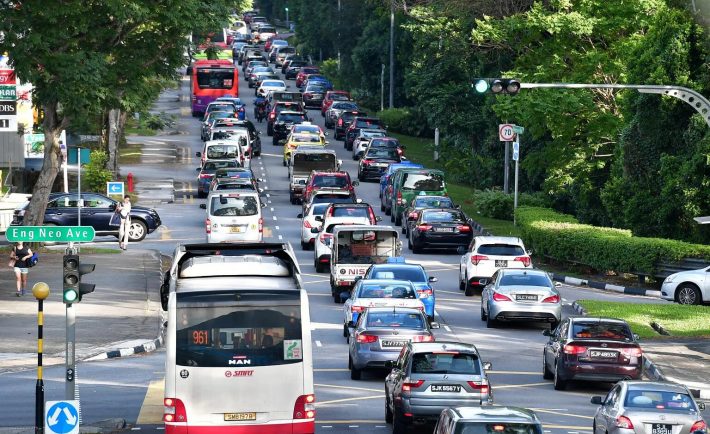
According to auto dealers and transportation specialists, Certificate of Entitlement (COE) rates may continue to increase due to a persistent shortage of COE supply and continuous demand from wealthy purchasers.
This comes after the Open Category COE premium reached S$110,524, shattering the previous record held since December 1994. Additionally, premiums increased everywhere. Premiums for Category A closed at S$78,001, an increase from S$74,989 in the previous exercise while premiums for Category B increased from S$106,001 to S$107,800.
What industry experts say
As a result of a low number of deregistrations from April to June, it is anticipated that the COE quota for August through October would be reduced by up to 20 percent. As we enter the actual quota cut phase, it is expected that prices would rise even more.
Due to the high expense of purchasing a new vehicle, this circumstance has unfortunately created a vicious loop where individuals will be less eager to scrap and deregister their automobiles. Having said that, given the limited availability of COE, buyers may swarm in as soon as premiums begin to decline slightly.
Increase in demand from the rich
Image Credits: unscrambled.sg
This demand is presumably in part being driven by the surge of foreigners. If you don’t believe it, you may rely on media claims that Singapore’s skyrocketing rental costs are being pushed by wealthy foreigners who migrated here to avoid more stringent COVID-19 regulations elsewhere.
Many affluent folks have arrived in Singapore in search of a home and a vehicle. These peeps are more concerned about getting a car, and most would even overlook the price of a COE. The majority of individuals would not want to wait for the subsequent, more severe phase of quota reduction. As a result, many jumped at the chance to place a bid, which led to the COE premium’s increasing trajectory.
Can we expect premiums to go down?
Experts pointed out that the only time premiums would decrease is when the COE supply is recovered, which is anticipated to happen in 2024 or 2025 when more vehicles are deregistered. However, it’s doubtful that the costs would drop considerably until a sizable supply resumes operations.
Even so, premiums won’t drop to the low levels of 2015. The income distribution would have shifted a little bit upward, presuming that the economy works well and Singapore continues to see prosperity among its wealthiest citizens and consumers.
Meanwhile, we could only wait and hope that the government would temporarily expand the supply of COE in the near run to bring costs down.
By now, it’s impossible not to know that Singapore wants to establish a greener and more sustainable land transport industry, lowering peak land transport emissions by 80%. As a result, the Singapore Green Plan 2030 comprises a significant push to electrify our car population, which would assist Singapore in achieving our goal of having much cleaner energy automobiles by 2040.
With all of the latest buzz around electric vehicles (EVs) and the reopening of the Singapore-Malaysia borders, drivers are questioning if their electric car road trips to Malaysia would go smoothly. If you’ve been keeping up with the news on Malaysia’s EV infrastructure, you will know that the past journeys taken by other drivers have been a bit nerve-wracking.
Situation last year
In March 2021, drivers on Malaysian highways revealed their frustrations with driving an electric car. Many people have discovered that driving an electric car in Malaysia was difficult due to the country’s lack of infrastructure to support the widespread adoption of EVs. There were only about 300 electric charging sites in the country at that time, with the majority located along the west coast and in the Klang Valley.
In addition, drivers were aware that there were insufficient garages or maintenance services dedicated to EVs in Malaysia should urgent servicing be required. Nonetheless, many people remarked that the scenario was developing, and there was hope that in the future that taking a road trip in Malaysia in an electric car will become a more practical alternative.
Better EV charging networks this year
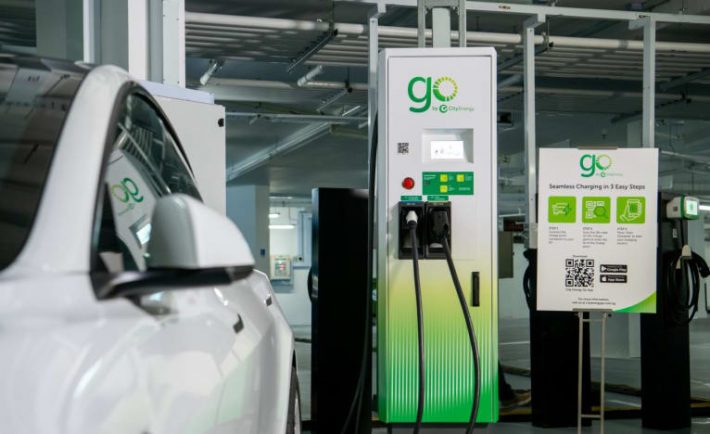
Image Credits: City Energy
This month, we have good news. Local gas supplier City Energy partnered with a Malaysian firm to establish a cross-border EV charging network, improving accessibility for EV drivers in both Singapore and Malaysia. The EV charging service, known as Go, is accessible via a smartphone app that allows users to identify and access charging stations that are part of this collaboration in both nations.
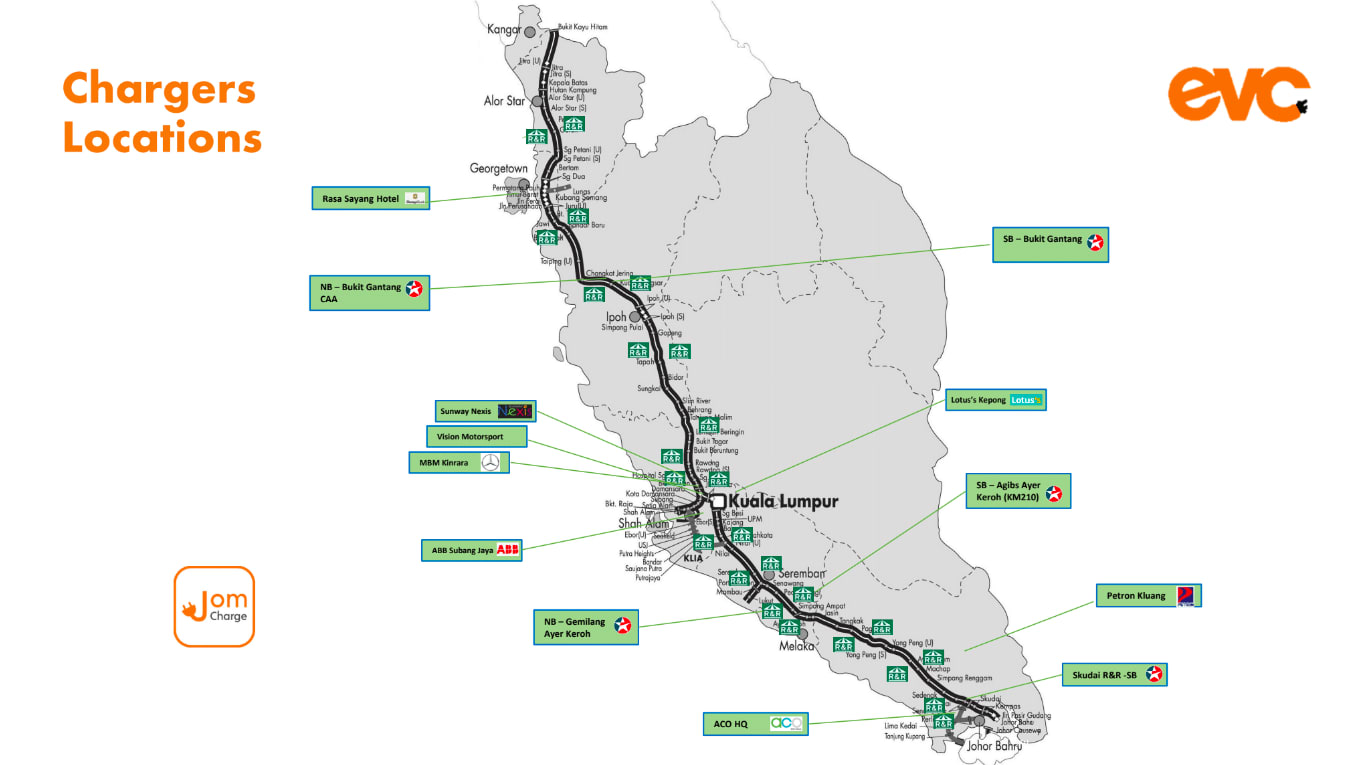
The service is made possible by City Energy’s relationship with Malaysian firm EV Connection, which has a network that spans Johor, Penang, and Kuala Lumpur. There are already EV charging stations along the north-south expressway and the app will provide greater ease since consumers will be able to initiate charging and make payments across Malaysia using the same City Energy Go app.
By the end of this year, the JomCharge network will have deployed at least 50 more DC (fast charging) chargers. Drivers in Malaysia should seek EV charging facilities with the JomCharge logo, which are often located at gas stations. Users will be presented with a map indicating their current location as well as the numerous EV charging sites accessible after launching the City Energy Go app.
To begin, scan the QR code at the charging station or input the ID of the charging point. Next, choose between DC and AC (regular charging) and press the “start charging” button on the screen. Once you’re done, just pay for the final billing amount via the app and you’re good to go! Easy peasy, isn’t it?
The cost of owning a car does not end when you buy it. There are plenty of considerations that you must take into account, including unexpected auto repairs. Car repairs are not cheap and can even be unreasonable at times. If you’re buying a new car, this won’t be a problem since it will come with a manufacturer’s warranty.
But if you’re getting a secondhand car or your original coverage is coming to an end, you need to consider how you’re going to fund the repairs. Fortunately, you have the option of getting an extended auto warranty, which takes effect once the manufacturer’s coverage expires.
You may look for different options for your provider online by reading articles like CarShield reviews. Below is a discussion of an extended car warranty and how it can help with unexpected auto repairs.
About Extended Auto Warranty
According to The Balance, manufacturers, dealers, and third-party providers may offer an extended auto warranty as an add-on when you purchase a vehicle. You may use it to cover the cost of repair and parts replacement after the original coverage ends.
Although it’s common practice to avail of this type of service contract when you buy a new car, you can still purchase one before the current coverage expires. You can also use it for a secondhand car.
It aims to help car owners avoid potential out-of-pocket costs by covering repairs that may cost hundreds of dollars. Aside from covering repairs beyond the manufacturer’s warranty, it may also cover expenses for car parts that the original contract doesn’t include even when it’s still active. Examples of these parts are entertainment systems and onboard computers.
There are also instances where the manufacturer’s coverage requires a deductible you need to pay first before it kicks in. Some providers often place limits on specific expenses, like towing costs. The extended car warranty will take care of it as long as the service contract includes it.
Common Warranty Types
According to the AAA, the two most common types of extended car warranty are named-component and exclusionary. A named-component plan provides coverage for only the parts listed in the policy. The type of coverage differs depending on the level of the plan, such as gold, silver, and bronze. The higher the level of the plan, the more parts it covers.
Meanwhile, the exclusionary type is more straightforward in approach. Exclusionary policies cover most vehicle parts but identify those excluded from coverage.
Costs of Extended Auto Warranty
Because coverage varies, the cost of getting an extended warranty also differs from one provider to another. If you buy your vehicle from a dealer, chances are they will ask you to purchase an extended coverage too. Do not immediately agree to this because most dealers would mark up its cost to add to their profit.
If you’re on the hunt for one, you should consider negotiating with the dealer or talking to other third-party providers. Take time to read their quotes carefully and compare your options before deciding.
Getting this type of coverage may cost you about $1,000 or a few thousand up front, depending on the inclusions. Depending on the policy, deductibles are usually around $100 per visit or repair. You may choose zero deductible plans, but they will be more expensive.
You may also opt to include the warranty cost in your auto loan if you’re getting one. However, it will incur interest and other fees.
What to Look Out For
The AAA also identified several items you need to know when getting an extended car warranty aside from what parts are covered and how much deductible is required. You must know where to take your car for repairs. Some providers have specific repair shops that they accredit.
You also need to know if there is a waiting period and how long before the coverage takes effect. For example, some providers require clients to drive their car for at least 1,000 miles, combined with a 30-day waiting period before enforcing the policy.
Ensure that your coverage for repairs specifies whether it covers both the cause of damage and its subsequent impact on other parts. There may be instances when a car component breaks down, leading to further damage to other parts. Some providers only cover the initial damage but not the resulting ones.
Is This for You?
After learning about extended auto warranty and what it does, you may now know whether it can be helpful for you. Ask yourself how long you plan to keep your car. If you’re thinking of upgrading to another model after a few years, you may not need it at all. It may even be a financial burden for you in the short term.
You may also rethink your risk tolerance as a car owner. If you worry about shouldering high-cost and unexpected repairs, extended coverage will be a good purchase for you. But if these things won’t keep you up at night and you’re more worried about short-term costs, you may want to skip on getting one.
Final Thoughts
An extended auto warranty is something you get for your peace of mind. If you’re confident that you won’t have any significant trouble with your car based on past experiences, you may save money for emergency repairs. However, if the thought of getting into debt due to unexpected repairs terrifies you, buying one makes the most sense.
Is it worth it to keep your existing car? Well, it’s dependent on a variety of criteria, including the state of your vehicle and your financial situation. Consider the cost, the risk, and the accessibility.
For example, it’s certainly a sign to upgrade if your mechanic spends more time with your car than you do, and your cumulative maintenance expenditures are approaching that of a new car. Alternatively, if your car is structurally unstable due to corrosion or collision damage, it’s time to bid goodbye.
These are some of the new cars coming to you in Q1 2022 we think you might be interested in.
Kia Sonet
Image Credits: oto.com
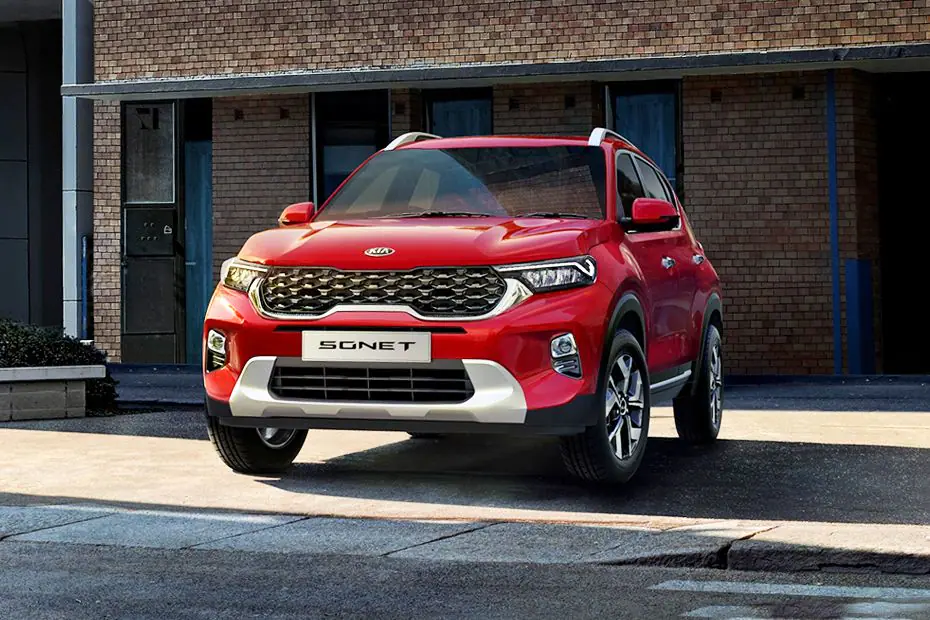
The Sonet sits between the Stonic and the Seltos in Kia’s local SUV range, but it also marks the first time that Kia’s new Connect Lite connectivity service is available in Singapore. It is a mobile-connected service that may be accessed via an app. Owners may remotely start and stop the engine, lock and unlock the vehicle, and pre-set their preferred temperatures. It also shows the car’s diagnostic information, such as miles, tire wear, fuel level, battery health, and notifies the driver of any upcoming potential problems.
Citroen C4
Image Credits: topgear.com
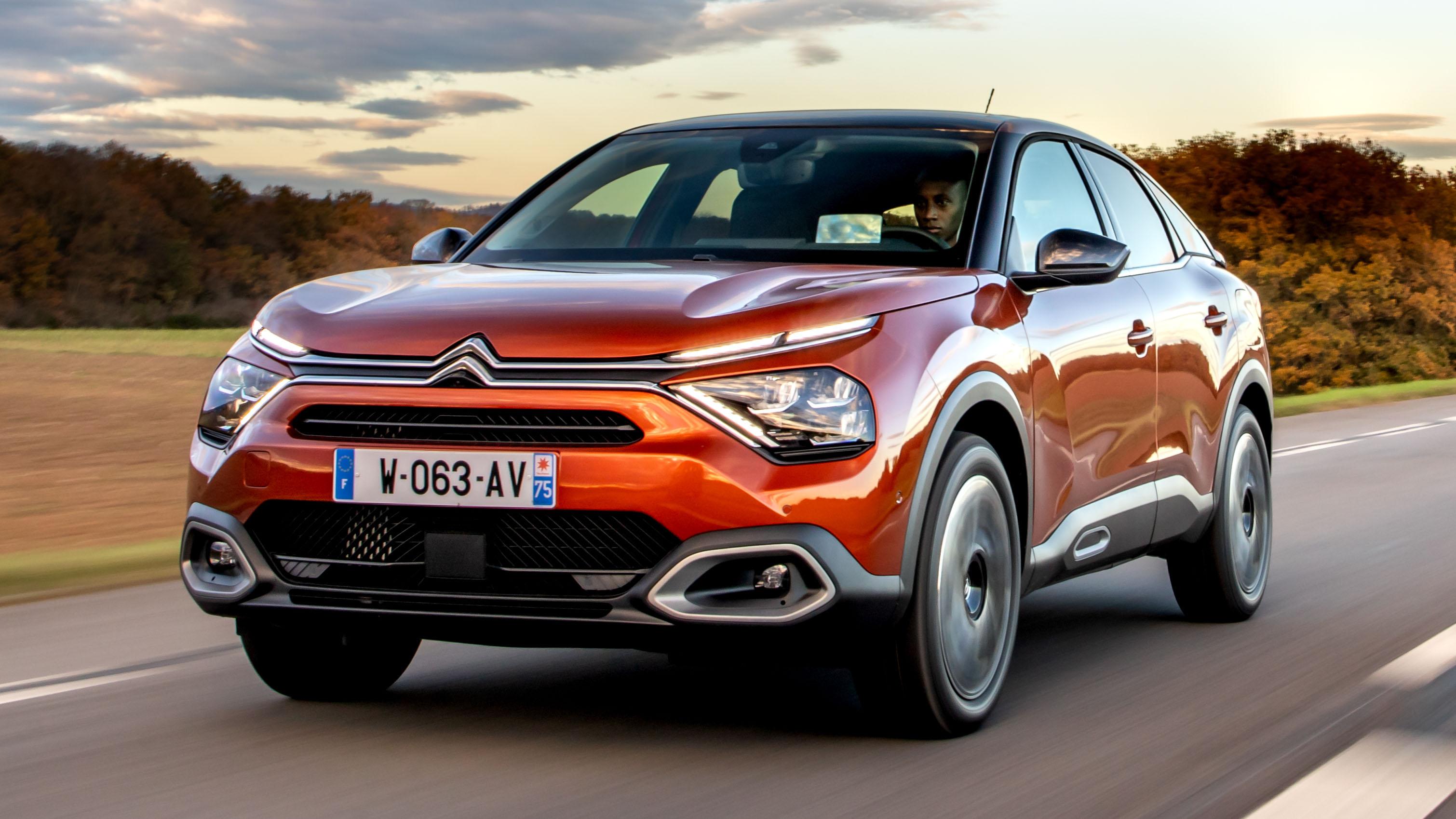
Citroen has updated its C4 family hatchback for 2022, adding a few aesthetic adjustments and increasing the range of the e-C4 electric model. You can expect Citroen’s new progressive hydraulic suspension system to be installed too. The car’s springs and shock absorbers operate in tandem with hydraulic pressure and rebound brakes to progressively limit body motion over bumps, increasing ride comfort.
Honda HR-V
Image Credits: carwow.co.uk
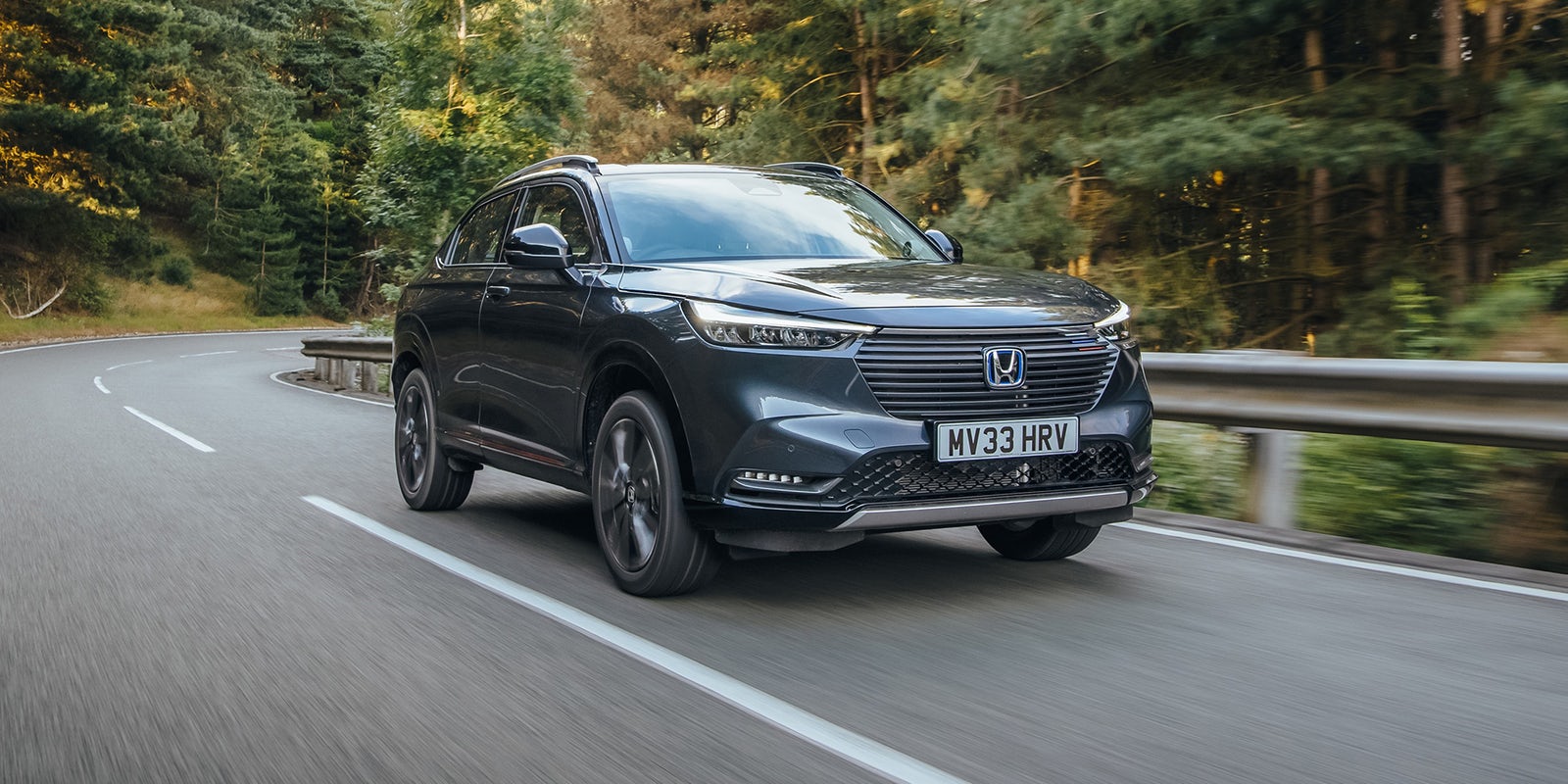
This year’s Honda HR-V will resonate with pragmatists with its modest design, practical interior, and intelligent storage loading capabilities, unlike many subcompact SUVs that rely on unusual aesthetics to entice buyers. The HR-V is also now Honda’s smallest vehicle, but its innovative Magic Seat on the back row folds flat to offer a vast cargo compartment that larger crossovers may struggle to fit.
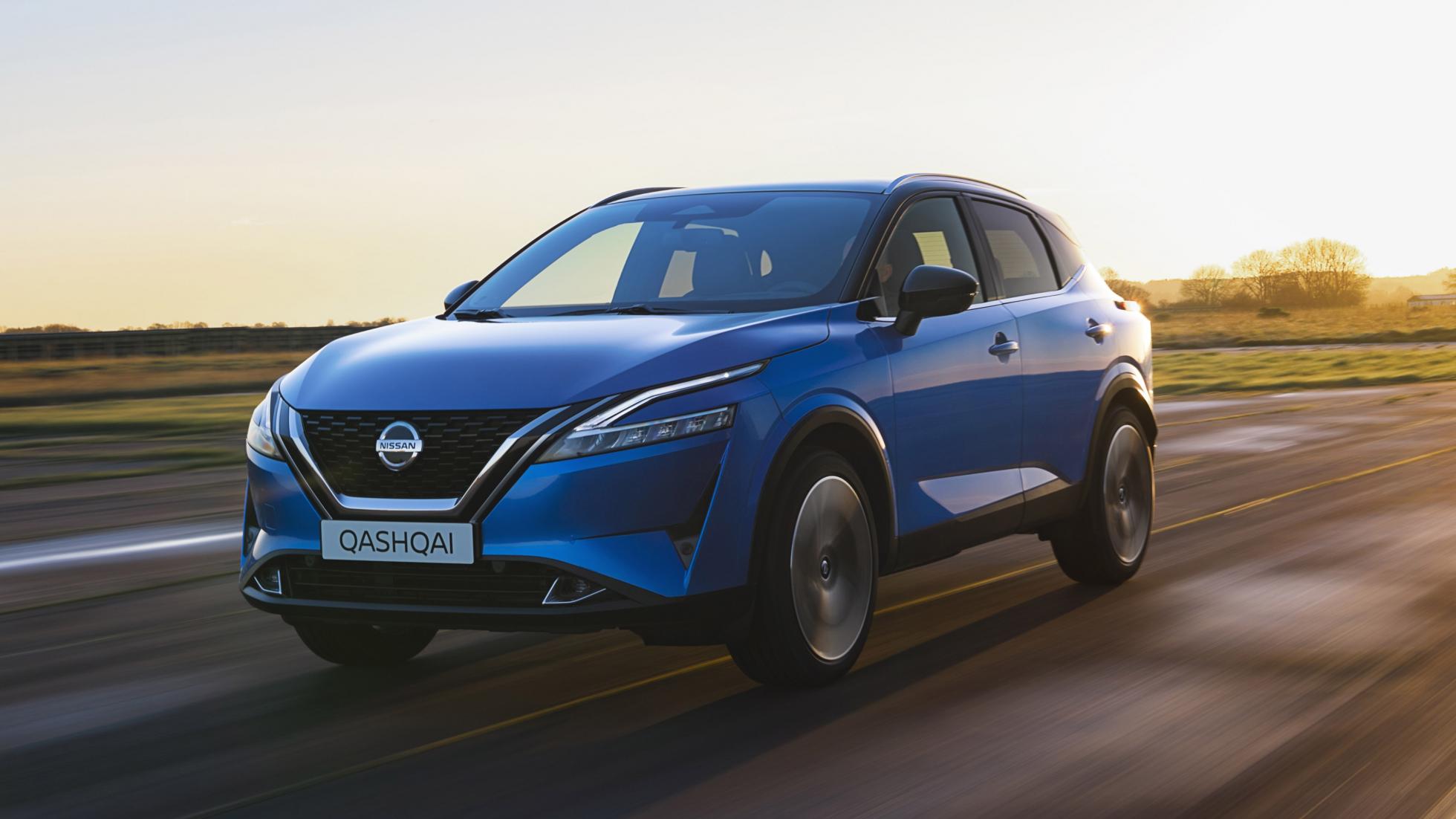
Nissan Qashqai
Image Credits: topgear.com.sg
The new Nissan Qashqai has shifted onto the Renault-Nissan Alliance CMF-C platform, which makes it larger and more powerful. There will be greater internal space for those in the front, as well as additional headspace and legroom for those in the passenger seats. There are also 50 liters of extra room in the boot so say hello to more storage space this year!
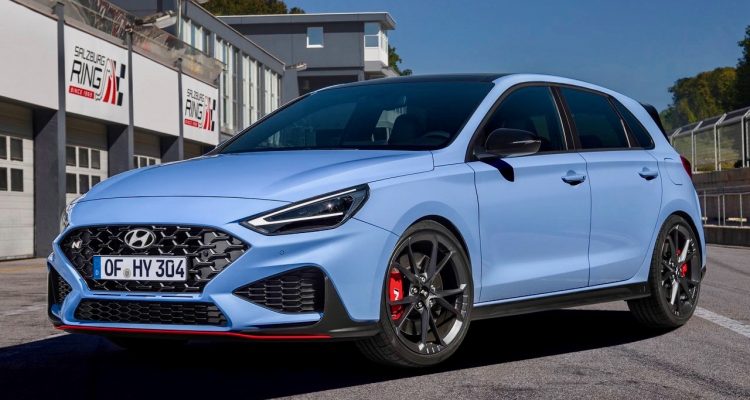
Hyundai i30 N
Image Credits: 24htech.asia
The new i30 N has been improved with additional performance, newer design elements, and the latest modern technology to provide optimum driving enjoyment. It literally is a racing vehicle for every day, balancing superb speed and racetrack-ready driving characteristics with comfort for daily commute. For greater control and smoother shifts, the new N DCT eight-speed wet dual-clutch transmission with paddle shifters will be available.
Ferrari 296 GTB
Image Credits: carbuzz.com
The Ferrari 296 GTB is a high-performance sports vehicle that ushers in a new era for the Italian carmaker centered on a V-6 engine and hybrid technology. Both traits are uncommon in Ferrari’s lengthy history of road vehicles, yet they have both been used in racing endeavors. A mid-mounted turbocharged V-6, an electric motor positioned between the engine, and the eight-speed dual-clutch automatic gearbox provide a cumulative 819 horsepower. All of that energy is directed only to the back wheels, which along with the 296 GTB’s small size and lightweight, will provide for a really enjoyable ride.
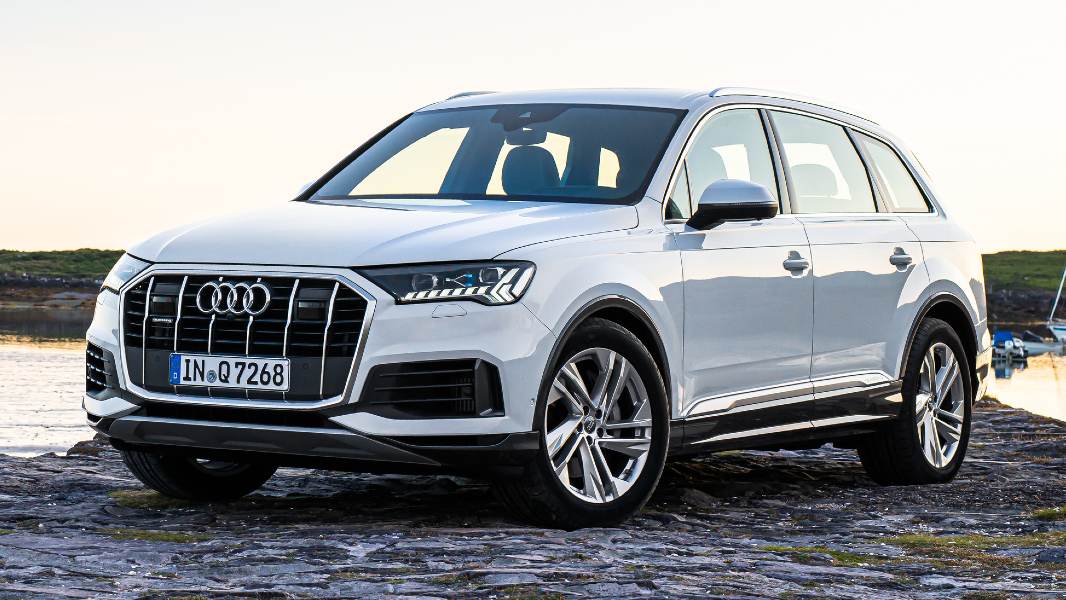
Audi SQ7 & SQ8
Image Credits: firstpost.com
The Audi SQ7 is an SUV that tries to be everything you like. It not only has seven passenger seats, but it also features a 500-horsepower V-8 engine that delivers amazing performance, and it is lavish enough to warrant its exorbitant cost. In comparison to the Q7, the SQ7 has a more menacing appearance to match its increased power, and it also boasts improved handling.
On the other hand, the Audi SQ8 boasts 500 horsepower and shares its chassis and powertrain with the Lamborghini Urus. Dressed up like a performance SUV, the SQ8’s disposition is closer to the standard Q8’s than the mechanically comparable RS Q8 variant. This compromise position will appeal to certain drivers because it provides athletic aesthetics and amazingly smooth performance without sacrificing functionality.
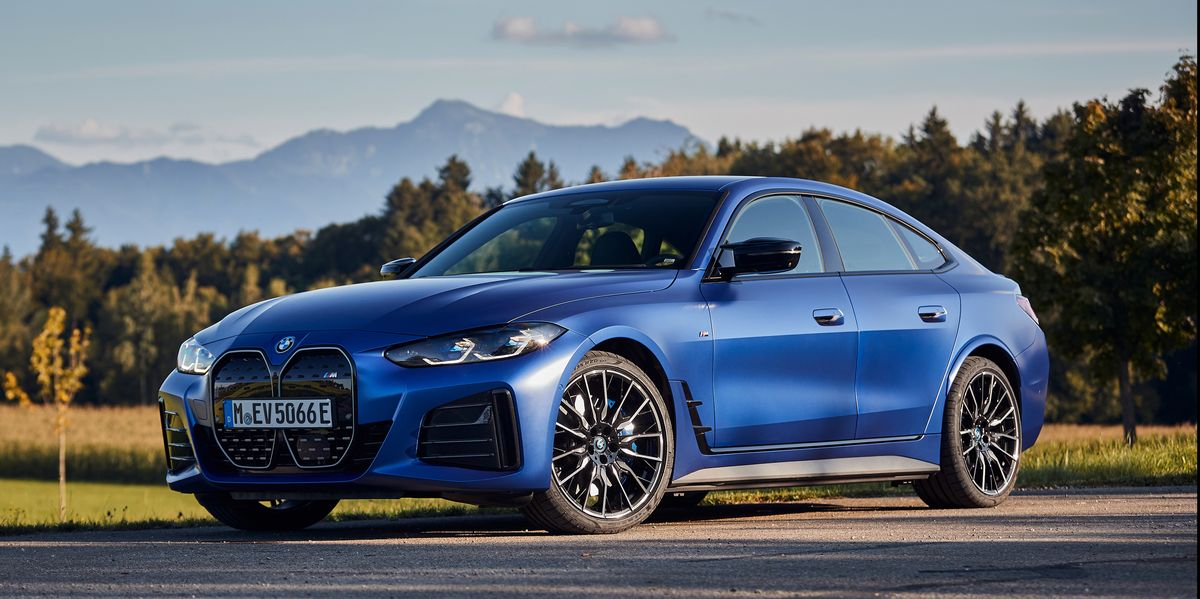
BMW i4
Image Credits: caranddriver.com
The BMW i4, the world’s first all-electric Gran Coupé, offers superb performance, a high degree of comfort, and the right features to make it your everyday vehicle. This edition is fitted with BMW eDrive technology, which delivers dynamic performance values of up to 400 kW/544 hp (BMW i4 M50). It is the right partner for any journey, with a range of up to 591 km (BMW i4 eDrive40) and 5 comfortable, spacious seats.
BMW 2 Series Coupe
Image Credits: forbes.com
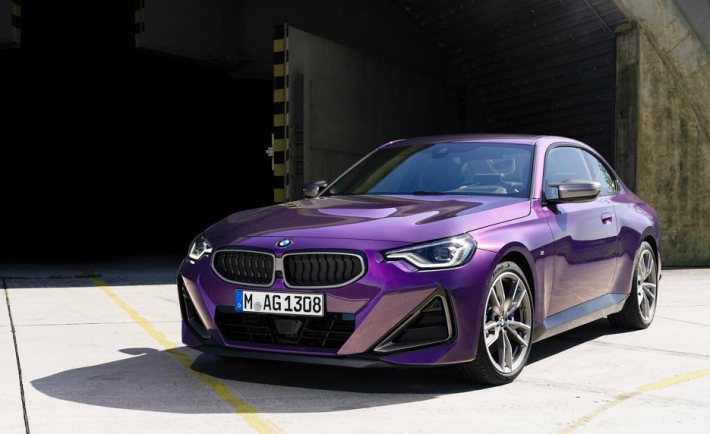
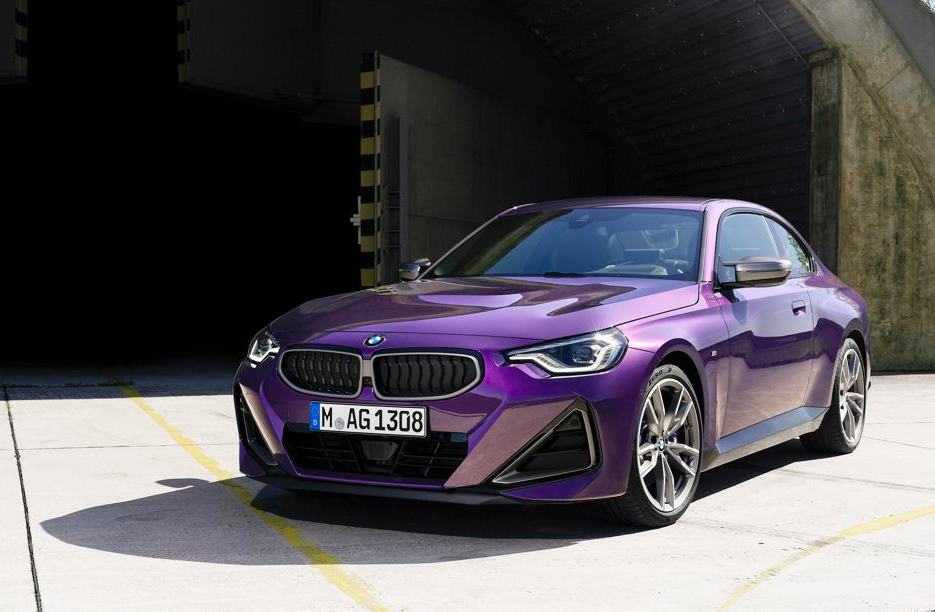
The BMW 2 Series Coupé boasts much-improved steering capabilities and exceptionally nimble handling thanks to a track that is 31 mm wider than its predecessor and a rear-wheel-drive design that is unparalleled in its category. The selection of powerful motors provides economical and exciting driving adventures to spice up your 2022.
BMW 2 Series Active Tourer
Image Credits: motor1.com
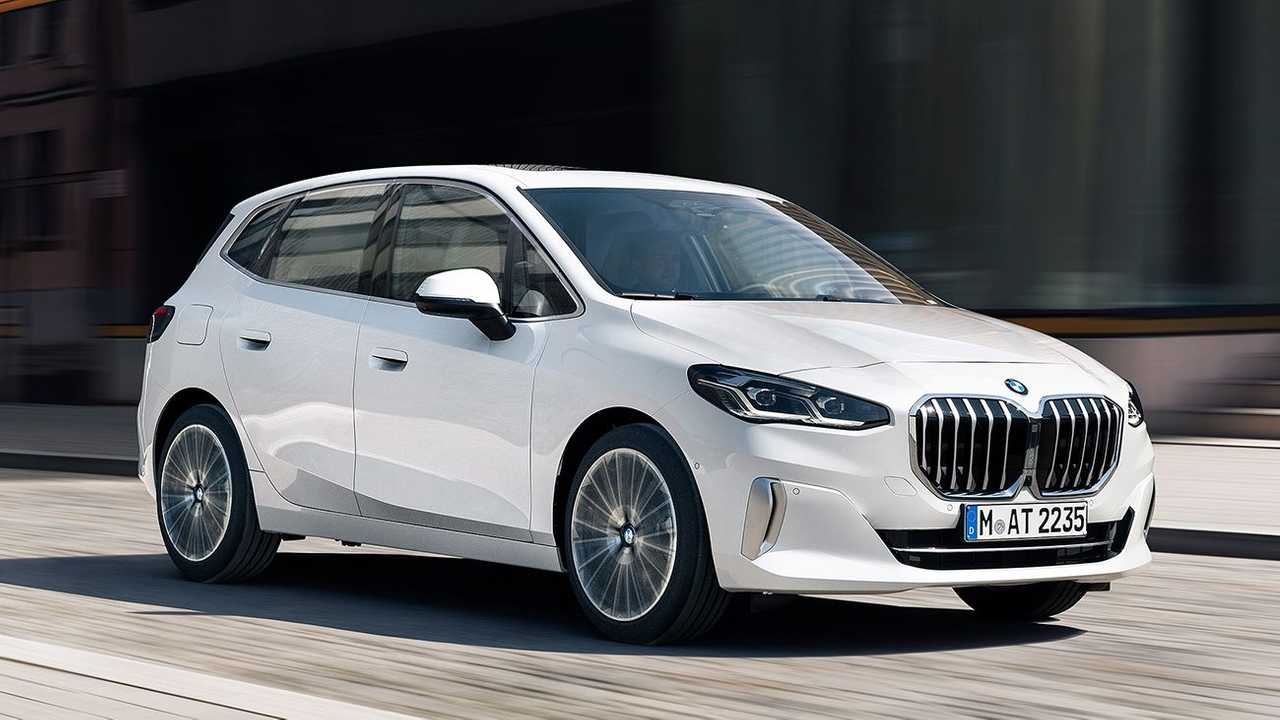
Lastly, we have the BMW 2 Series Active Tourer that will make you utterly convinced of its efficiency. The 7-speed dual-clutch gearbox creates a seamless and precise performance. Drive with adaptability and efficacy in a vehicle designed for folks who are active and on the go, whether you’re running to meet a client or rushing back home to be with your family after work.
So you decided to move to a new apartment in Singapore. Congratulations on taking the big step! It is pretty rewarding when all your hard work has paid off and you can finally get a place of your own. But before the moving date, have you considered the possibility of hiring movers in Singapore or do you plan on doing it yourself? If you’re someone who has a jam-packed schedule all the time, the former can be the best choice for you. But of course, you ask – how much will hiring movers cost?
The most common misconception of moving with the help of movers in Singapore is that it burns a hole in the wallet because hiring one is more expensive than doing a DIY move. What they fail to account for is the costs of renting a truck, paying a couple of your friends to help you move the boxes from the old address to the new one, and of course, the day that you have to spare to spearhead the moving process. It’s not as easy as a day of hard work.
If there is one thing that Singapore movers know, it’s that moving is a long, tedious, and complex process. Plus there are also things that you need to understand when doing the move by yourself. Below are some of them that every mover, including you, should take into consideration.
The pieces of equipment you’ll use in the move
First thing on the list is the truck. Of course you will need to rent a moving truck and be sure to get the one that can transport all your belongings. And if you think that’s it, think again. It’s not as simple as throwing your things to the truck and going to the new address.
What you need to understand is when you choose to move all by yourself, you won’t have access to the following materials used by moving companies:
Fuel to be used in the truck you rented for transportation (sometimes, you have to fill the tank multiple times).
Pieces of equipment like furniture pads, ropes, moving dollies, stretch wrap, and straps
Huge packing boxes, tapes, scissors and other packing supplies.
If you move to the new address all by yourself, you might have to rent or purchase most of the things mentioned above.
A bunch of your time will be allotted to the moving process
We know. Most people think that time is not commonly quantified as a “cost” but the time you allot in completing the entire moving process yourself will eventually add up as the moving date is nearing.
Before the actual moving date, you will have to spend a couple of days packing all of your things and trying to find ways on how to organize them all for easier access. And of course, on the big day, you might have to take more than one trip from your old home to the new one during the transportation process (especially when the truck you rented cannot carry all of your stuff in one go).
Stress, damages, and potential accidents and injury
Since you’re not a professional mover, the risk of some of your fragile stuff getting broken or damaged is very likely. When this happens, it can become pricey as you try to get it repaired. Additionally, you may lack the knowledge and techniques that professional movers have which can inflict injury to you and your friends and knock on wood, costing you trips to the hospital.
Going through these hardships can make the entire process stressful, which in turn, makes the moving experience horrible.
Finding people who can help you and paying them
Even if you’re the strongest person in the world, you won’t be able to do the entire moving process alone. Save yourself the hassle. Ask for the help of some people to make the process smoother. But apparently, in order to keep them happy as they lift the boxes and transport the stuff, you will have to feed them and buy them drinks, which means that’s another cost on your end.
Wrapping Up
When you think about the things mentioned above and the actual costs of doing a DIY move, we bet you’d drop the idea right away. While hiring movers in Singapore means adding another cost on your move, if it’s going to save you from the hassle and unexpected expenses that moving brings, we think it’s worth it.