Here’s the main reason why recycling won’t work in Singapore

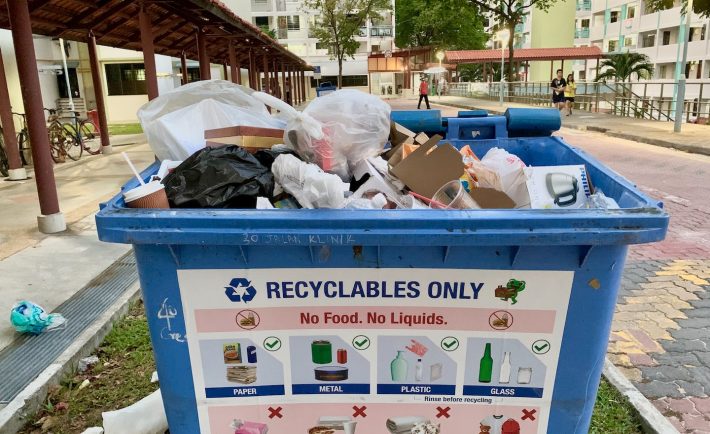
recycling bin in Singapore

I’m going to give it to you right from the start:

The convenience of a rubbish chute.

Yes, I think that’s the main reason why recycling won’t work in Singapore.

I’m looking into this issue because I happened to read a commentary on CNA where the writer wrote about how he doesn’t need a free Bloobox to get started on recycling at home.

And it reminded me of my recent conversation with my mum regarding the free Bloobox collection.

If you haven’t heard of the term “Bloobox” yet, don’t feel left out. That’s because I didn’t too…

What’s the Bloobox initiative?

My mum recently received a flyer regarding the collection of a free Bloobox for recycling.

She showed it to me, which sparked my interest in that initiative.

I then saw it on the news on the same day, where it was reported that locals were collecting them from vending machines.
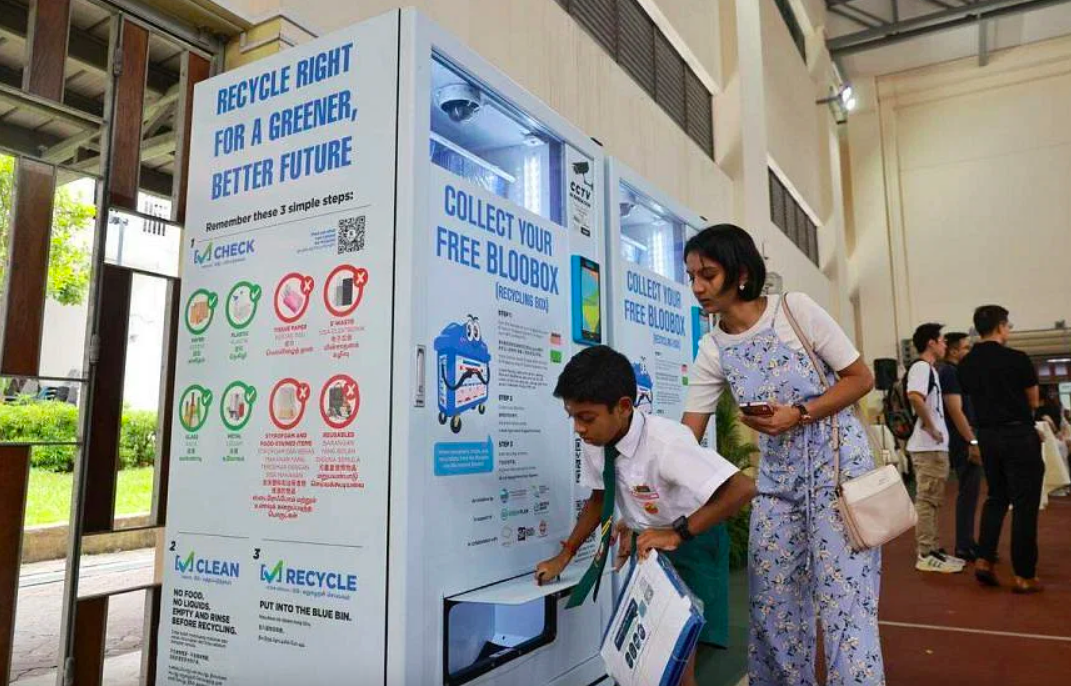
Bloobox collection

Image Credits: straitstimes.com.sg

But that was that, I didn’t look into it further.

Not until today, after I came across the commentary written. Yup, the one I mentioned earlier.

So I searched “Bloobox” and this was what came up: gowhere.gov.sg/bloobox

Apparently, this initiative is part of the Recycle Right campaign that started on 19 March 2023.

Oh boy, I was totally clueless.

Anyway, if you hold an NRIC or long-term FIN tagged to a residential address, you can collect the Bloobox on behalf of your household from any Bloobox-dispensing vending machine until 30 April.

To search for the nearest vending machine from where your place, simply head to gowhere.gov.sg/bloobox and key in your postal code.
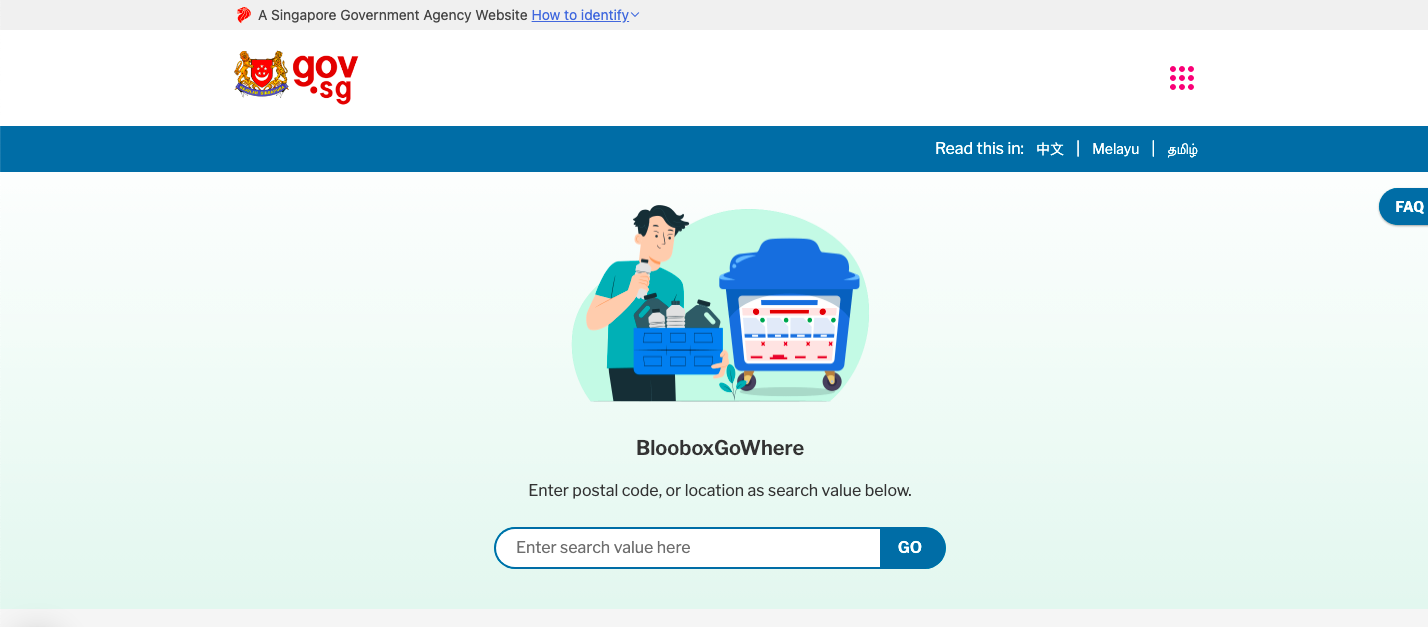
BlooboxGoWhere website

Anyway, this Bloobox functions as a recycling box to encourage households to set up a recycling corner and start recycling at home.

My honest thoughts about the campaign

I don’t think it will work.

Period.

And the main reason is because of the convenience of the rubbish chute we have.

It’s going to take more than a Bloobox to get our lazy bums and hands to start recycling if we can just throw our trash down the chute every day.
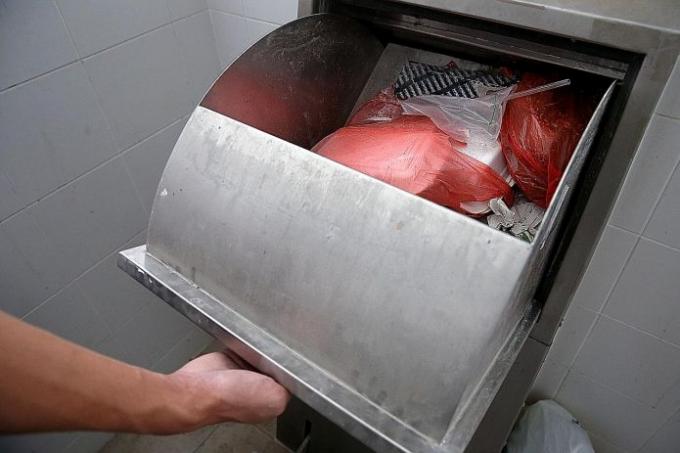
rubbish chute in Singapore

Image Credits: tnp.straitstimes.com

I mean, why would any busy Singaporean adopt the recycling habit all of a sudden just because of a free Bloobox?

It’s much easier to just gather food waste and recyclables in one big plastic bag and throw them away, isn’t it?

Don’t get me wrong, recycling is cool but having tried recycling while living abroad, it’s not an easy habit to pick up (unless official rules start kicking in). And if the rubbish chute is there, nothing gets solved.

Drawing from my recycling experience abroad

I’ve had the “privilege” of living abroad and being among locals means I had to adopt their living patterns and law, right?

But coming from a country where we do not need to recycle (by law), the whole recycling thing was a hell of a lesson for me.

But hey, everyone’s got to start somewhere, and with practice, I got better.

Anyway, the main point of bringing this up is because where I lived, there was NO rubbish chute.

So then your question might be:

 “So, how to throw trash ah?”

Well, that’s where the whole recycling thing comes into the picture.

For explanation’s sake, there are 3 broad categories:

  • Food waste
  • General trash
  • Recyclables

I won’t get into much detail on food waste and general trash but to give you a rough idea, I had to pay to get rid of them. Yes, that was how it worked.

As for recyclables, the place where I lived (each region has slightly different rules on recycling) did not specify the type of plastic bags to use so I bought big white plastic bags from Daiso to contain my recyclables before throwing them out in bulk.

Here comes the best part…

I like how 99% of the products in Korea have labels on them so you know exactly how to sort them.

It looks like this:
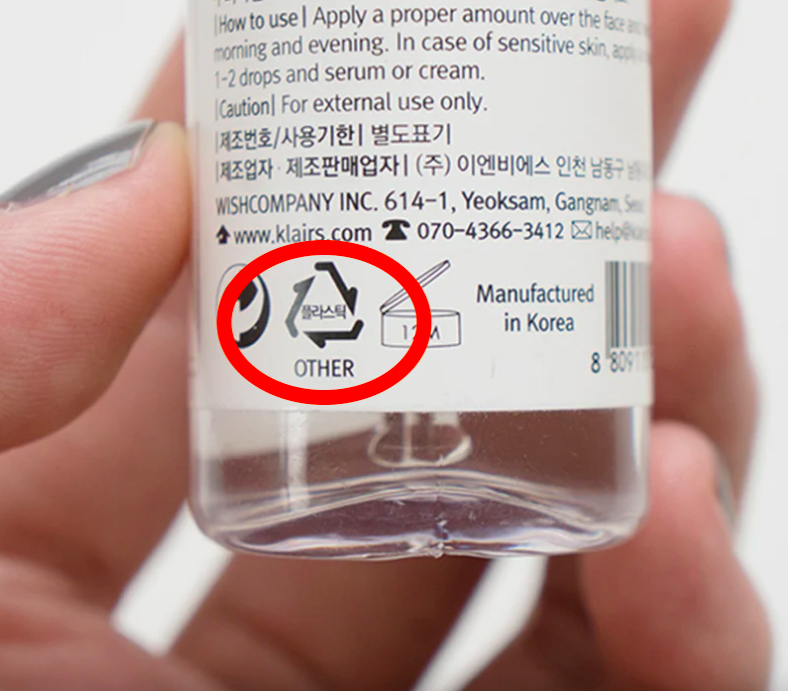
label of a Korean skincare product

Image Credits: sokoglam.com

After a while, you somehow get the hang of things but as a recycling newbie adopting this whole recycling routine, the labeling was a lifesaver.

In Singapore, we don’t have that. At least, that’s what I’ve realized.

But we do have a “recycling search engine” to help you determine what can be recycled and not: cgs.gov.sg/recycleright/check-my-item 

But a tad troublesome, hor?

I think Singapore has a long way to go when it comes to educating the public on recycling.

It takes just one culprit who doesn’t know the rules of recycling to contaminate the entire blue recycling bin.

I’m saying this because just last week, I spotted a man throwing his cai fan styrofoam box into the blue bin near my neighborhood.

So, there you go. Gone.

Poor blue bin and its clean recyclables inside.

In closing, I think it’s going to be a long fight with our current recycling efforts. We cannot afford to take our own sweet time because the Semakau Landfill is expected to be full by 2035. If Singapore can step up its recycling game and be much more aggressive with its campaigns, we can certainly slow down the speed of landfills being filled and contribute to a much greener world. So what say you? Are you still planning to use your newly collected Bloobox as a storage box? Or are you putting it to good recycling use?


Read More...

How to Cut Your Expenses in Half and Still Live a Comfortable Lifestyle

As you strive to keep up with the vibrancy and dynamism of the Singapore workplace to sustain your daily needs, being intentional with your budget is crucial. Cutting your expenses in half while maintaining a comfortable lifestyle is achievable. Here are some hacks to help you save money and reduce your expenses.

#1: PREPARE HOMEMADE MEALS

At the onset of the pandemic, I started learning how to cook. Eating out can be costly, and making my meals at home helped me to be conscious of my spending and what I put in my body.

You can create a weekly meal plan using the ingredients you already have and make a shopping list of any missing items. Shopping online can also help you reduce costs through store vouchers and occasional sales. Opting to include more veggies in your meals can also lower your food costs.

#2: SHOP SMART

When shopping for groceries and other essentials, keep an eye out for deals and promotions to save money. You can also consider buying toiletries in bulk to reduce costs.

Additionally, you can explore shopping at local markets instead of big chain supermarkets. Local wet/dry markets offer a greater variety of options and provide an opportunity to haggle for the best prices. Gain freedom of choice while sticking to your budget!

Related Post: 4 Wet Markets Offering Fresh and Affordable Groceries In Singapore 

#3: APPRECIATE DIFFERENT ART FORMS

Singapore offers a wealth of free or low-cost entertainment options, such as museums, festivals, and parks. Take advantage of these options instead of costly activities like shopping or hotel hopping.

Furthermore, review your monthly expenses to see if there are areas where you can cut back. For example, you could cancel your cable TV subscription and retain your Netflix subscription only.

#4: COMMUTE WITHOUT CARS

With a reliable public transport system that continues to expand, you can easily ride buses and trains on a regular basis. Consider using public transportation instead of owning a car, which can be subject to high taxes and fees.

Image Credits: unsplash.com

Not to mention, you would also have to maintain the vehicle’s condition and regularly purchase petrol.

#5: EAT THE LEFTOVERS

Don’t let your dinner leftovers meet a moldy end in the back of your fridge. Forgetting about them wastes both money and food. Instead, consider enjoying them for lunch the next day or incorporating them into a new dish, like egg fried rice. With a bit of creativity, you can spruce up your egg fried rice by adding leftover rice and other ingredients to make Uncle Roger proud!

#6: SWITCH TO REUSABLE ITEMS

Make a positive impact on your wallet and the environment by ditching disposable items like paper towels, sandwich bags, and single-use water bottles. Instead, opt for reusable alternatives.

For example, a pack of paper towels can cost around S$4.50 at FairPrice, while a hand towel from the same store is only about S$2.90. By switching to a reusable hand towel, you’ll save S$1.60 right off the bat and get many more uses out of it. Plus, using the hand towels you already have tucked away instead of grabbing a new paper towel sheet every time you make a mess means fewer trips to the store and less waste in the trash bin. It’s a minor change that will benefit you in the long run.

#7: STEER AWAY FROM COSTLY HOUSING

One of the biggest expenses for most people in Singapore is housing. To reduce your housing costs, consider living in a less expensive area or finding roommates to share the rent with. Downsizing to a smaller flat or house can also be a viable option.

Yes, you need shelter, and you want to live in a lovely place with amenities. While these factors are important, you don’t want to spend so much on your housing that you can’t achieve your financial goals.

#8: AVOID USING CREDIT CARDS

For everyday expenses, avoid using credit cards. Remember that interest rates can be high. Instead, consider using cash or debit cards to keep track of your spending and avoid accumulating debt. By being mindful of your spending habits, you can achieve your financial goals and avoid the burden of credit card debt.

#9: CREATE YOUR OWN THINGS

Don’t spend money on things that you can make yourself. Search for DIY tutorials on YouTube, Pinterest, and social media platforms to create your own soaps, household cleaners, ant killer, rugs, and face scrubs. The possibilities for home DIY projects are endless!

#10: OPT FOR CHEAPER ALTERNATIVES

Cheaper alternatives for products and services are readily available but finding them requires some research. For instance, you can save money on handphone plans or other service subscriptions by choosing more affordable plans or cancelling unnecessary subscriptions.

When it comes to cleaning supplies, medications, and groceries, opting for store or generic brands can help you reduce your expenses while still getting quality products. You can also choose to splurge on a few select items to treat yourself.

Image Credits: unsplash.com

With a dash of foresight and smart decision-making, you can enjoy the Lion City’s luxuries while staying within your financial means.

Sources: 1 & 2

Read More...

9 Clever Ways to Save Money on Your Daily Coffee Fix

As someone who occasionally drinks coffee, I consider myself a moderate coffee drinker, finding myself somewhere between my friends who are frequent visitors of coffee shops and those who have never tried a cup of joe.

Although I can easily spend S$3-5 on a delicious coffee beverage at a cozy coffee shop to start my day, I understand that this can quickly add up if done on a daily basis.

For those who can’t live without coffee, exploring money-saving strategies is worth considering. After all, daily caffeine consumption can be costly, and taking steps to save money can have a significant impact in the long run. Start with these 9 hacks:

#1: SIGN-UP FOR LOYALTY PROGRAMS

Many coffee shops offer loyalty programs to encourage their customers to come back for their special brew. While it’s not going to save you tons of money in a day, your cumulative savings and freebies can be worth it.

For instance, Flash Coffee Singapore has three rewards tiers, namely Bronze, Silver, and Gold. Bronze members can redeem a free drink after every 10 purchases. Silver members can redeem a free drink after every 7 purchases. Lastly, Gold members can redeem a free drink after every 5 purchases. Another brand that offers rewards to its members is PPP Coffee. As a PPP+ Rewards Member, you can enjoy a 3% cashback on your coffee purchases at its retail outlets, plus all food and beverages at participating cafes by PPP Coffee in Singapore (T&Cs apply).

Combining your utilization of loyalty cards with other saving strategies such as brewing your coffee at home can save you extra money on top of getting a free cup.

#2: SHOP AROUND

Kopi at Kopitiam can give you the caffeine kick you need, but for a fraction of the cost of cafe coffee. Sure, you’re missing out on the fancy latte art. But if you are drinking it down during a workday, you may not have time to savor coffee art anyway. Drink the foamy heart art coffee when you have time to indulge it.

#3: GRIND IT YOURSELF

Did you know that coffee beans retain their freshness and flavor better when stored as whole beans compared to pre-ground coffee? This is because pre-ground coffee often contains additives and fillers that can compromise its quality.

Coffee that has lost its aroma and flavor may end up going unused or being discarded, which means that you’re essentially pouring money down the drain along with your brew. By grinding your own beans, you can enjoy fresher coffee and lessen your waste.

#4: MAKE BETTER COFFEE

Perhaps, your own brew does not appeal to you because of its taste. If you’re not satisfied with the taste of your homemade coffee, it might be time to invest in higher quality coffee beans. Spending a little more on quality beans can save you money by providing you with a more satisfying, enjoyable coffee.

To get the most out of your beans, start by selecting the right grind size for your coffee brewing method. For instance, a coarse grind is ideal for a French press, while a medium-coarse grind is suitable for automatic drip. Next, experiment with different coffee-to-water ratios to find your preferred strength. Lastly, make sure to use the best water temperature for your chosen brewing method.

#5: INVEST IN QUALITY COFFEE MARKER

Don’t set yourself up for failure by using a cheap coffee maker. Get a coffee maker that you are excited about! It will inspire you to drink more coffee at home and improve your overall coffee experience.

#6: DRINK YOUR COFFEE BLACK

Drinking your coffee black may seem like a simple choice, but it can actually help you save money on buying milk, sugar, or creamer. By drinking black coffee, you can avoid these additional costs and appreciate the true flavor of the coffee. Plus, black coffee is a healthier option that eliminates the added sugar and calories from milk or creamer.

#7: ORDER THE SMALLEST SIZE

The difference between buying a small and a large-sized coffee can set you back by S$1 or more. For example, %Arabica Singapore’s Caffe Latte is priced at about S$7 for a short and S$8 for a tall order. Opting for a smaller size can save you approximately S$5 in a week or a yearly savings of S$240. Can you imagine what you could do with the S$240 you save?

#8: ASK FOR GIFT CARDS

For special occasions such as birthdays or anniversaries, include a coffee gift card on your wishlist. A Starbucks gift card in Singapore can be purchased with a minimum value of S$10 and a maximum value of S$300. Use your gift card to fuel your weeks’ worth of coffee fix, or to treat yourself to a special drink without worrying about the cost.

#9: SEARCH FOR PROMOTIONS AND FREEBIES

To make the most of your coffee budget, keep an eye out for freebies and exclusive discounts at your favorite coffee shops. One way to do this is by following their social media pages, where they often announce monthly specials and offer freebies to their loyal customers.

Another way to save on coffee purchases is to download apps such as the CoffeeBean SG Rewards App by The Coffee Bean & Tea Leaf Singapore. These coffee shop apps often provide discounts and coupons that can be used on your purchases, allowing you to enjoy your favorite drinks without going over budget.

Image Credits: unsplash.com

Use all these nine strategies to maximize your caffeine savings and indulge in your favorite beverages, guilt-free!

Sources: 1,2, & 3

Read More...

How to Live Like a Millionaire on a Small Budget

Do you dream of living a luxurious lifestyle like a millionaire, but feel like your bank account just won’t cut it? The good news is that you can still enjoy the finer things in life without having to break the bank.

By adopting a few straightforward lifestyle changes, you can indulge in luxury without worrying about overspending or debt. Here are some of the smart financial choices that you can begin with.

TRACK YOUR SPENDING

One of the first things you can do to live like a millionaire on a shoestring budget is to learn how to budget effectively. By examining your expenses and prioritizing your spending, you can ensure that your money is going towards things that matter most to you.

Do you value childcare over new gadgets? Do you prioritize training or travel? Assessing your spending habits will result in cutting back on unnecessary expenses and focusing on things that bring you joy.

ADOPT A MINIMALIST LIFESTYLE

When you’re trying to live like a millionaire on a budget, it’s crucial to invest in high-quality items. This doesn’t mean spending a fortune. Instead, you must choose items that are worth the investment and will last a long time.

For instance, you could invest in a classic white button-up shirt that costs S$100 and wear it to different work events, rather than buying a cheap shirt that you’ll only wear twice and dispose of due to its poor quality. While you’re at it, consider building a capsule wardrobe to simplify your life. By cutting out clutter, you can create a more luxurious and clean-living environment.

GO FOR FREE OR LOW-COST EXPERIENCES

Take advantage of free or low-cost experiences. Look for free events in your community by browsing social media groups or marketplaces. You can also join DIY or home improvement projects initiated by your community.

Indulge in some free group activities, such as visiting ArtScience Museum‘s “Future World: Where Art Meets Science” exhibit. Guests can enjoy complimentary entry for up to four children under 12 years old on Fridays, except during Singapore school periods or public holidays.

You can also go to the Singapore Heritage Fest, which highlights the country’s rich history through a series of exhibitions, talks, and performances. Many of the festival’s activities are free. By being resourceful and creative, you can have fun and feel fulfilled without spending a lot of money.

WATCH OUT FOR PROMOTIONS

Expand your collection of high-quality goods and services by seeking out deals and discounts. Many luxury brands offer clearance events or seasonal promotions, so keep an eye out for those.

INVEST IN YOURSELF

Knowledge is an investment that yields the highest returns, as it is something that no one can ever take away from you. Take classes and learn new things to add value to your personal and professional life. When you have more skills and knowledge, you can negotiate better deals and increase salary. Sign-up for some classes today at SkillsFuture Singapore (e.g., Introduction To Personal Investing for S$20).

TRAVEL SMART

True luxury is often found in experiences and not in material possessions. Travelling can be a great way to experience luxury as perceived by diverse cultures. Don’t forget to travel smart! Instead of staying in expensive hotels or resorts, consider renting an apartment or house. This will give you more space and privacy for less money.

When it comes to dining out, eat like the locals or choose restaurants that offer good value for your money. Read online reviews to be guided, especially when you are in a place you have not been before.

GO YACHTING

Have you been on a yacht before? Yachting may seem like an activity reserved only for the wealthy elite, but at The Yacht Club, you can enjoy the experience at an affordable price. With one of the largest fleets of yachts in Singapore, The Yacht Club offers a variety of options for a great value of yacht rental to fit your budget. The most economical choice starts at S$635 and provides an elegant, powered single-hull that can accommodate more than 10 passengers in its spacious lounge area. Check out their website for special rates.

TAKE ADVANTAGE OF REWARDS

Credit cards offer a variety of rebates and rewards, allowing you to purchase items on your wishlist for a fraction of the price. However, it’s important to use these cards with discipline and wisdom. You don’t want to end up in debt just to satisfy your lavish taste.

SPLURGE ON LUNCH OR BRUNCH

If you love eating out, opt for lunch instead of dinner. Many restaurants and cafes offer lunchtime promotions or set menus at lower prices than their dinner offerings. The food is just as delicious.

MAKE ARTISINAL COFFEE AT HOME

For a coffee enthusiast, savoring a delicious cup of coffee is a luxurious experience. Fortunately, many grocery stores offer a wide range of high-quality coffee beans to choose from. By purchasing whole beans and grinding them at home, you can save a significant amount of money on your daily latte. Whiff the aroma of freshly brewed coffee in the comfort of your own home while also being budget-friendly.

Image Credits: unsplash.com

Living like a millionaire on a tight budget is all about adopting a mindset of abundance and focusing on the things that truly matter. By simplifying your life, being resourceful, and budgeting effectively, you can create a life of comfort without draining your savings!

Sources: 1 & 2

Read More...

How to Negotiate a Salary Increase in Singapore

Negotiating a salary increase can help you maximize your earnings in the Lion City. Although Singapore’s salaries are among the highest in the region, the cost of living is also high. If you are considering a salary negotiation, here are some ways to increase your confidence and make the task less nerve-wracking.

#1: BE PREPARED

Before entering any negotiation, it is crucial to do your research. Preparation can help you reduce your nerves. Research the industry’s average salary for your designation, the company’s financial performance, and any related economic factors.

You can use Salary Comparison tools online, which are designed to give you a comprehensive overview of key roles and their respective salaries. For instance, you can check out MOM’s Salary Comparison feature to compare your salary across organizations of various industries, establishment sizes, and employee types. This free feature comes with colorful graphs, which makes the information easy to understand.

#2: DESCRIBE YOUR ACHIEVEMENTS

When negotiating a salary increase, display your accomplishments to underscore the value you bring to the company. Highlight any projects you have led or have been involved with as well as the recognitions or awards you have received.

Do not forget to focus on the numbers! You can try to deny it as much as you want, but businesses revolve around making profits and growing numbers. Use statistics as direct proof of your contributions to the company. For example, in the past two months, I have brought in three new clients, which resulted in an 80% total increase in the company’s sales.

#3: IGNORE YOUR PREVIOUS SALARY

Ignore your previous salary. While it is always better to earn more than in your previous job, using your last drawn salary as a benchmark is by no means a good gauge. You have gained so much experience, skills, and knowledge since then. Instead, look at your objective value to the company.

#4: IMPROVE YOUR SKILLS

When talking about value, your added skills and abilities can help the company to flourish. Turn the tables into your favor by having appropriate education, expertise, and experience. Start by focusing on investing in seminars, workshops, and courses.

Best of all? Most of these resources are available at no cost. In the comfort of your own home, you can acquire Google and Microsoft certificates online. There are other online platforms that offer free courses such as Centre for Excellence and Coursera.

#5: BE SPECIFIC

When stating your intent for an increase, you need to be specific and provide a realistic range. This will give the company some flexibility in meeting your expectations while also opening the floor for negotiation.

#6: CONSIDER OTHER BENEFITS

As an HR Consultant, I often give a brief background about the company and emphasize its company benefits to draw candidates closer to the organization. If your company is unable to meet your desired salary increase now, you can consider negotiating other benefits such as flexible working hours, childcare allowance, improved health plans, training opportunities, or additional vacation leaves. Can you imagine having your company shoulder half of your childcare fees or overseas workshop costs? These benefits add to your overall compensation package.

Image Credits: unsplash.com

BOTTOMLINE

In conclusion, negotiating a salary increase can be challenging. However, with sufficient preparation and the right approach, it can also be a rewarding experience. Remember to do your research, highlight your accomplishments, be specific, invest in knowledge expansion, and consider other benefits. With these tips, you can successfully negotiate a salary increase and maximize your earnings in Singapore.

Sources: 1 & 2

Read More...