Mega fan of BTS earns up to S$1,320 writing one fanfiction story about the K-pop group

Ms Ng Kwok Ching poses with the BTS portraits she drew and her Loveholic Beauty cosmetics

Peeps who love K-pop should be familiar with BTS. The award-winning South Korean boy band has such an extensive global success that even their country’s parliament passed a new ‘BTS law’ last month.

The revamped legislation allows top K-pop stars like BTS’s oldest member, Kim Seok-jin (commonly known as Jin), to defer their military duty until they hit 30. Jin, who turned 28 on Dec 4, 2020, will now continue to thrive at what might be the peak of his career till 2022.

For some fans like Ms Ng Kwok Ching, this is fantastic news. The 19-year-old student is a super fan of BTS and famous for her literary stories depicting the seven pop stars in various make-believe contexts.

Little celebrity recognised by her readers
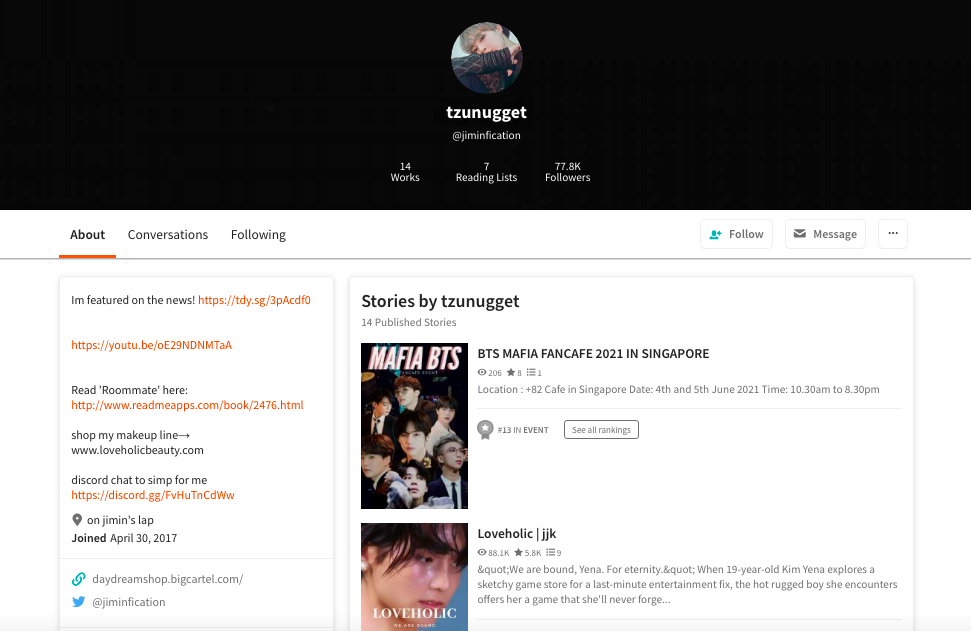
Wattpad writer jiminfication

Image Credits: Wattpad

A reader noticed her at her neighbourhood coffee shop while she was getting chicken rice, something she didn’t anticipate would ever occur when she wrote her first story online in 2017. 

“I was very shocked because I don’t usually mention my personal Instagram account a lot. The fact that they can remember my face is very unexpected,” she commented.

The 19-year-old student who goes by her online nickname jiminfication has acquired a community of over 77,000 readers on Wattpad, a popular social storytelling site among fantasy fiction readers and authors.

Seven stories all on BTS

BTS

Image Credits: USA Today

In her spare time as a pastime, Ms Kwok had always been engaged in writing original works. So the decision to publish BTS fantasy novels was a no-brainer. It also enabled her to cultivate her artistic talents while becoming more involved as a BTS supporter.

As of Dec 31, 2020, she has written seven stories all about BTS. Typically penned in the romance genre, BTS members are put in different hypothetical scenarios with a set of new characters developed by Ms Kwok herself.

“I think I put a lot of my personal touch into these stories,” she noted. “So when you read them, it really pulls at your heartstrings.”

Her most notable story to date is entitled Rivals. Rivals is a 50-chapter piece in which a high-performing female student, competes with another student at the school played by BTS’ Jungkook.

Ms Kwok was able to generate US$1,000 (S$1,320) from multiple sources just for this particular story. On average, she received around US$250 to US$500 (S$330 to S$660) each for her other narratives.

Starting her own cosmetics business with the money

Loveholic Beauty

Image Credits: Loveholic Beauty

She also achieved one of her childhood dreams to launch her independent makeup company with the revenue generated.

Earlier this year, she created Loveholic Beauty. Using a capital of just US$1,000 (S$1,320), she contracted vendors that sent her formulations for a few lip gloss and eye shadow items, which she tried and checked before selecting the ones she wanted to produce for her shop. She also crafted the packaging design and did all the publicity content herself.

While Loveholic Beauty has not yet made money, Ms Kwok said she intends to keep expanding the venture and her client base.


Read More...

Singapore’s government will provide S$84 million to support the aviation sector amid COVID-19

singapore-changi-airport

You may have come across in the news that earlier this year in February and August, the S$112 million Aviation Sector Assistance Package and S$187 million Enhanced Aviation Support Package were rolled out respectively.

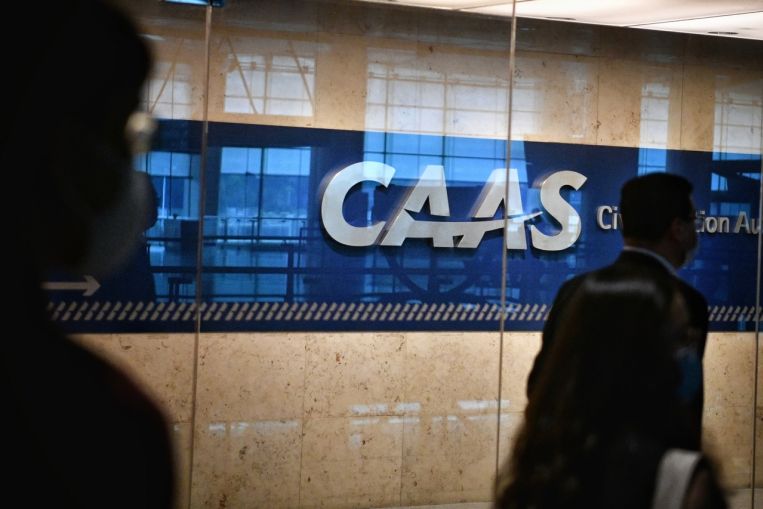
But more monetary help for the aviation sector is on its way. The Civil Aviation Authority of Singapore (CAAS) announced on Tuesday (Dec 29) that the government will provide an additional S$84 million to the aviation sector to aid workers and businesses affected by the pandemic.

Aviation sector remains badly affected
SIA

Image Credits: The Business Times

There is no doubt that the aviation sector is one of the hardest-hit sectors in Singapore and abroad due to COVID-19. To give you an idea, we have some numbers. The report has it that the number of passenger traffic movements at Changi Airport last month saw a 98 per cent year-on-year decline.

“Given ongoing border restrictions and the resurgence of COVID-19 in many countries over winter, air travel will not recover soon. It is therefore critical that we maintain our support for the sector to help aviation companies and workers tide through the crisis,” said the CAAS.

Also, with selected aviation firms putting in place safety measures to enable air travel, many may require additional infrastructure, equipment, and workforce aid. The authority highlighted that firms would not be able to recoup these costs from passengers at the moment.

Government funding & rebates to calm the storm
CAAS

Image Credits: The Straits Times

“To help mitigate some of these costs, the Government will provide funding to support the development, adoption and deployment of innovative technologies and measures to protect our airport workers and aircrew from contracting COVID-19,” added CAAS in its media release.

There will also be some rebates between Apr 1 this year and Mar 31 next year to appease the situation. Specifically, the CAAS will not charge Certificates of Airworthiness fees for Singapore-based airlines.

On top of the abovementioned, they will also drop licence charges for those providing scheduled air services. Licence fees for ground handling and catering services at Changi and Seletar airports can also enjoy a 50 per cent deduction.

CAAS noted that such measures would cost about S$39 million in full.

Sustenance of aviation workers
SIA cabin crew

Image Credits: todayonline.com

With the ongoing pandemic with no clear end in sight, many aviation workers with lesser working hours have had income drops, while some have to settle with no-pay leaves.

In response, the CAAS mentioned that they would work with SkillsFuture Singapore, Workforce Singapore, NTUC LearningHub, and the NTUC Aerospace and Aviation Cluster to help these workers build up their skills. In turn, this will enable them to switch to other job openings within the sector.

“Pilots need years to get their licence and certification. To ensure that we have a sufficient number of pilots for the eventual recovery, we will also work with SkillsFuture Singapore to provide funding support to Singapore-based airlines to re-train their pilots and keep their skills current,” CAAS commented.

As for local pilots, Senior Minister of State for Transport Chee Hong Tat said the authorities would help convert their licences to fly other aircraft types from now on.

Mr Chee further remarked that retrenched Singaporean pilots working for foreign airlines who have returned to Singapore could apply for a Singapore pilot licence. This will allow them to work with a local airline in the future.

According to the CAAS, such measures to sustain workers amount to about S$20 million.

“Together, we will tide through this arduous journey and take our place in the skies again,” Minister for Transport Ong Ye Kung said in a recent year-end video.

Read More...

Is live streaming the way forward for individuals or businesses to generate revenue?

live streaming gaining popularity

Live streaming or auctions are probably one of the tools that came into the limelight in 2020. Coupled with the pandemic, the broadcasting of live video in real-time is gaining traction for businesses worldwide.

Many should be familiar with Facebook Live shops like Rheon Garcia; a buyer addicted to live-stream auctions. Within a year, he has spent about S$3,000 on various miscellaneous items in such auctions.

We can’t help but wonder if live streaming will be the way forward for individuals or businesses to generate revenue.

Pioneers of live streaming
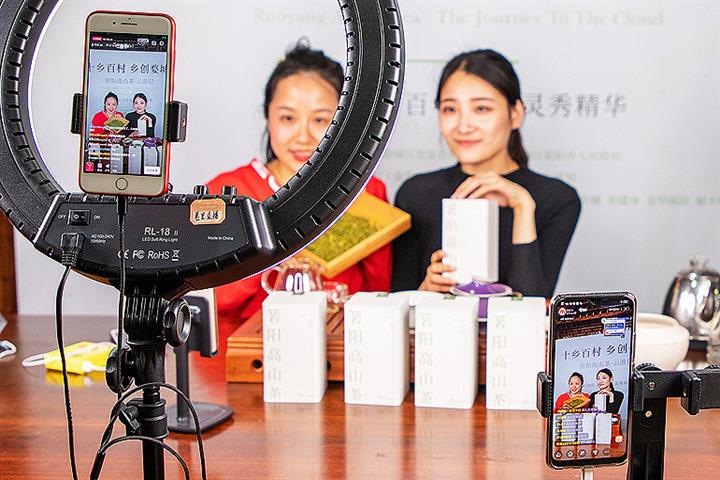
Taobao Live hosts

Image Credits: Forbes

Did you know that one of the pioneers who used video streams to promote and sell their products is Alibaba? The Chinese e-commerce giant launched Taobao Live way back in 2016. But thanks to COVID-19, Taobao Live saw tremendous growth.

Ms Bonnie Zhao, head of Taobao Live Product at Alibaba Group, shared that the number of businesses who adopted live streaming for the first time on their platform increased by 700 per cent since February this year.

“When offline retail was not able to proceed in the normal way, through live streaming, we provided for entrepreneurs, and this gave them a new lifeline,” she added.

“Shoppertainment” as a new concept
live streaming hosts using Taobao Live

Image Credits: yicaiglobal.com

About 62 per cent of China’s total number of internet users, about 560 million people, use live streaming. This massive user base thus gave way to the birth of a new concept – “shoppertainment”. And you can probably guess it right; it’s the fusion between commerce and entertainment.

Rapid advances in technology, including the network in China transitioning from 2G to 5G has contributed to China’s live streaming e-commerce sector. It was worth an estimated US$60 billion in 2019 but is on track to break its record by doubling the numbers at the end of 2020.

Others are jumping on the bandwagon
Louis Vuitton live streamed on Red Book

Image Credits: SCMP

Even Louis Vuitton, the luxury goods company, is going with the flow. The French fashion house became the first international luxury brand to host a live streaming session on Xiao Hong Shu, a Chinese retail platform in March this year.

Featuring its LV Escale summer 2020 collection, the live stream recorded over 880,000 views on the app and succeeded in appealing to the younger generation on it.

Bringing our attention back to Southeast Asia, Pomelo recently enabled the live stream technology on its app. The CEO of Pomelo, Mr David Jou, highlighted the differences in users between the region’s markets.

While Indonesia saw high engagements levels, actual conversions were low. Mr Jou also commented that since the Singapore market is already an advanced one, live streaming will lean towards more for content than commerce.

Insights from Singapore’s first live streaming focused shopping platform

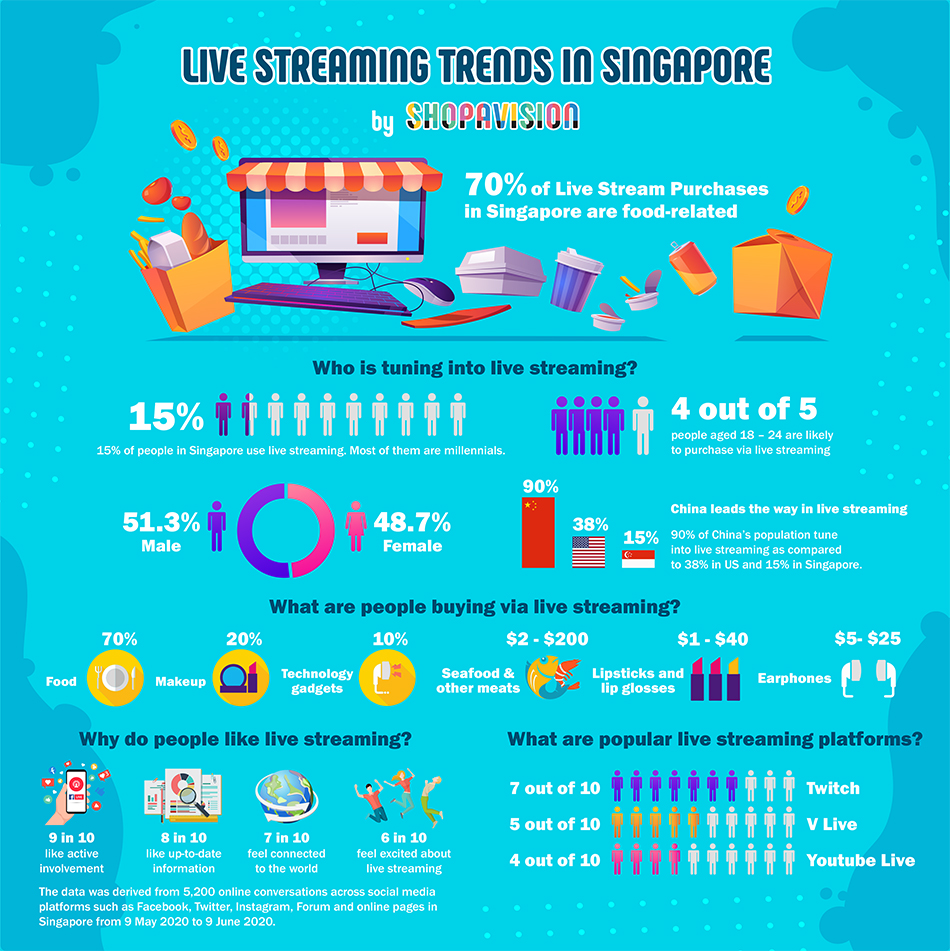
Shopavision, Singapore’s first live streaming focused shopping app, provided us with insights specific to our little red dot.

Have a look here:

live streaming trends in Singapore

“I fly to China quite often and observed how live streaming was done there and on platforms like Taobao Live,” said Rachel Pang, founder and CEO of Shopavision. Having seen live streaming as an essential part of people’s life in China, the 37-year-old wanted to bring it to Asia.

“Live streaming marries sales with entertainment and provides a direct channel for people to interact with merchants. Consumers are no longer just browsing through product descriptions, but they are now actively participating in the buying process.

They can ask questions, get responses live and get entertained by live streamers, from the convenience of their homes. Live streaming is the future of online commerce,” she noted.

BTS a living proof on how this business model can work

South Korean boy band BTS is a perfect example to demonstrate the importance of building long-term engagement as a business model. For the group’s virtual concert in June, 750,000 fans from over 100 countries tuned in and a few months later, the K-pop sensation drew in 993,000 virtual audiences across 191 countries and regions in October.

A business ecosystem that doesn’t just sell but focus on engaging with its customers will be on its way to more remarkable growth in the long run.

“Live streaming is not just about satisfying your wants. It’s about creating more wants in your life. It is more than just a simple business transaction. It has evolved, and it is now about getting fans, personalising the experience, and gaining loyalty from consumers,” Miss Zhao remarked.

Hormese Tharakan, commercial director at tech consultancy ThoughtWorks, encourages businesses to consider live streaming as part of their business strategy.

“The key difference is going to be, who can get it right. And to get it right, it’s content which drives data, data drives insight, and these insights help you create more personalised experiences for the users.

These personalised experiences are now going to drive your sales. But driving sales is not the last mile. What you would also need to do is set up a whole cycle which leads to building trust and loyalty.”

Read More...

6 Simple & Legit Ways To Earn Money In Singapore

As we abide to the social distancing protocols and the restrictions brought by the pandemic, many of us began relying on delivery services to get household essentials such as food and grocery. Due to the high demand for delivery services, it has become a lucrative sideline for many locals. If you are not able to drive a vehicle and are looking for ways to make money, you may try these legitimate alternatives.

#1: SELL USED ITEMS ONLINE

You can earn money by selling your used or unused clothes and other items online. Firstly, you may swap your belongings with your friends and loved ones. Secondly, you may offer your repairing services to others. Lastly, you may sell your clothes and other items online. You can sell virtually anything these days. From footwear to figurines as well as bags to plants, you can easily spot an item or two that someone else might want. Try selling these to numerous platforms such as Carousell, Shopee, Lazada, and Etsy.

#2: REDUCE YOUR FOOD WASTE

Consider making money by saving it. A major category that consumes most of your budget is food. Reduce your food expenses by cutting down your restaurant trips and by budgeting your groceries. An environmentally-conscious group called SG Food Rescue started a movement that aims to reduce food waste. This group rescues “unsellable” and edible food from vegetable and fruit sellers and brings them to charitable organizations. Being a part of the group means being able to consume fruits and vegetables that would otherwise get thrown away because they do not look aesthetically pleasing. It can save you about S$200 per month on groceries.

#3: OFFER TUTORIAL SERVICES

As a tutor, your rate will vary depending on your qualifications. If you have graduated with a Bachelor’s degree at a local university, you will likely enjoy higher rates for subjects such as Maths and English. Students may get the benefit of flexibility when hiring a freelance tutor. You can teach a student at their own pace. Tutoring from home means you can conduct your sessions via Google Meet or Zoom.

#4: TRANSLATE A MESSAGE

It is time to put your mother tongue lessons to good use! Consider translating a document or two for people online. This job can earn you about S$5 to S$100 per assignment. The quicker you clear out the assignments, the more you can earn. Find assignments from freelancing platforms such as Fiverr, Gengo, and Upwork. You may be asked to set up a PayPal account to receive your pay.

#5: BECOME AN INSTAGRAM INFLUENCER

Do you enjoy taking selfies and going live on Instagram? If you have a strong following, you can become an influencer. Share your interests with your content and build an audience as you become a paid influencer. You can earn money through ads and through linking back to an online store. You can earn about S$5 to S$150 per post through Partipost. Individual retailers may approach you for promotional posts too. This can range from S$50 to S$100.

#6: CONSIDER DROPSHIPPING

One of the simplest ways to venture into the e-commerce world without investing too much upfront is through dropshipping. Dropshipping is a retail fulfillment method where a store does not keep the products it sells in stock. Instead, it transfers the customer’s orders to the manufacturer or wholesaler who then ships the goods directly to the customer. The only downside is the upfront starting fees. However, you can earn more than S$3000 per month with the right strategy.

Image Credits: unsplash.com

Making money online does not have to be an unreachable dream. It is feasible to generate income online with the right tools and strategies. Use the above tips as inspiration. Then, feel free to choose which route to take.

Sources: 1 & 2

Read More...

How To Master The Art Of Giving Speeches

For some people, merely thinking about public speaking can cause their palms to sweat. It is one of the most common fears out there. However, there are many ways to overcome your fear and deliver a memorable speech. Here are some useful tips.

#1: DO YOU KNOW YOUR AUDIENCE?

Know the reason why you are asked to talk in a room full of people. Identify your audience. It is important to identify your audience to know what they want or need to take away from your speech. If you are speaking in front of your friends at a wedding, entertain them. If you are speaking in front of your co-workers, inspire them.

#2: HAVE YOU REHEARSED?

Make time to practice your speech. Write down your goals and the content of your speech ahead of time. This will ensure that your muscle memory will work while you deliver your speech. Try practicing despite having different distractions to mimic real-life situations.

#3: WHICH STYLE WORKS FOR YOU?

While others may benefit from having their script memorized, some may perform better with a few notes on a paper. Different events will usually require a different style. Know which style works for you.

#4: HAVE YOU TESTED ALL THE EQUIPMENT?

Nothing is more frustrating than last-minute technical difficulties. Avoid adding more stress to your day by testing all the equipment and audio visual presentations ahead of time. It is best to have backups too.

#5: HOW DID YOU USE YOUR BODY LANGUAGE?

The right physical or non-verbal communication can have a profound impact on how your message is interpreted and received. Be aware of your body language! For instance, you must make eye contact. Face your audience and stand straight. Avoid crossing your arms or putting your hands in your pockets.

#6: DID YOU GRAB ATTENTION?

Grab attention by refraining from starting a speech with what today’s talk is about. Instead, use an interesting anecdote or a shocking statistic to kick things off. Conclude your speech with a summary and a strong statement that your audience will remember.

#7: HAVE YOU TRIED ENJOYING THE EXPERIENCE?

Image credits: unsplash.com

Fake it until you make it. If you look bored, then the audience will think that you not interesting. Exude confidence by adding a little humor (i.e., as long as it is appropriate) and interesting anecdotes. This will help you and your audience relax. Remember to eliminate sentences that does not clearly support your purpose. Remember that it is not about you, it is about your audience.

Sources: 1 & 2


Read More...