Steer clear of these 4 resume mistakes if you want to score yourself an interview

resumes on a desk

We trust that you’ve had a well-rested weekend. For some, it might be a busy one since we’re just less than two weeks to Christmas! Good times or bad times, there’s power in the season of giving so we hope you’ve gotten your Christmas gifting plans all sorted out.

Now, back to serious business. Yes, it’s the most dreaded Monday, and we’ve new additions to our usual career-related tips. Job seekers who have yet to score yourself an interview despite the number of resume sent-outs, the problem might be due to some resume blunders you’re making.

Read on to find out how you can avoid these four resume mistakes to score yourself an interview soon.

#1: Placing too much focus on the design
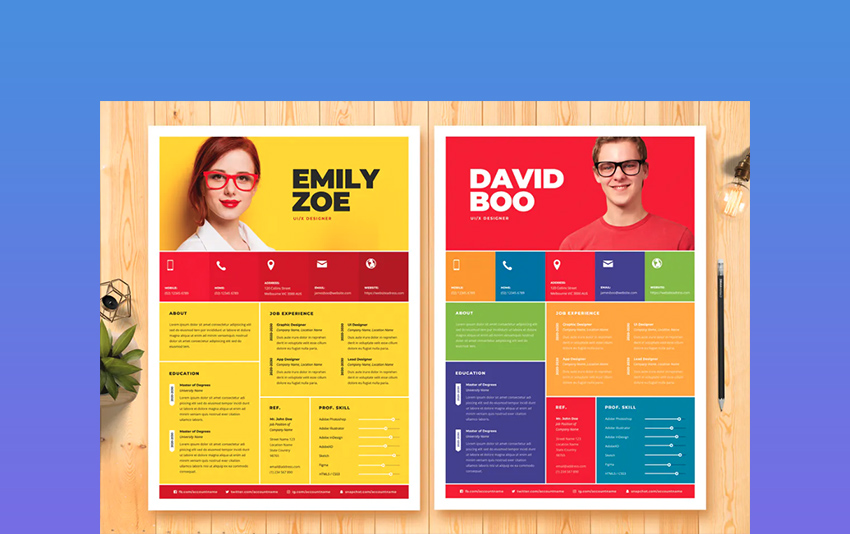
colourful resumes

Image Credits: business.tutsplus.com

If you’re a designer and applying for a position in the creative industry, probably it would make sense for you to want to spend some time on the visual outlook of your resume. But the main point here is that some people tend to overdo it.

You’ve heard the saying, “less is more”, and in this context, it accurately sums up what you should do. Think about the functionality of your resume, including the audience and purpose. Busy recruiters do not have all the time in the world to admire your stylish resume.

Instead, it would be best if you depicted your resume in a way that helps the hiring manager:

  • Read with ease
  • Sift out your skills and suitability
  • Apply your in-demand skills to the job vacancy

A border design and some coloured text may appear lovely in your eyes, but it may not be for the head hunter looking at tons of resumes a day to pick out the right candidates with crucial competencies.

#2: Having chunks of lengthy texts
sample resume

Image Credits: TemplateMonster

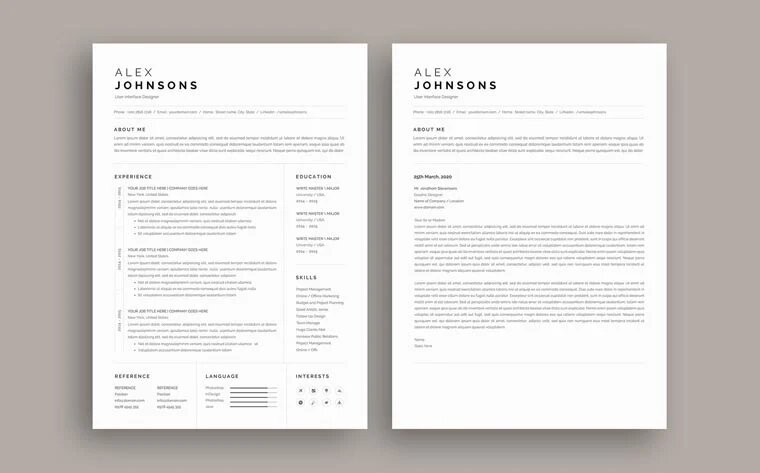
Even if we do not apply this mistake in this particular context, having vast chunks of unbroken texts can cause a headache for any modern readers out there.

You might have seen before in the news that some recruiters spend only around six seconds to read a resume. Six seconds?! In that short period, you will need to impress your recruiter as he or she scans through your resume.

To put yourself in the shoes of an HR personnel, think back on the amount of content you mindlessly scroll through your social media feed daily. Recall on what caught your attention and what did not. Even a well-written article can have a low readership count purely because of its formatting.

To assist the recruiter in shortlisting yours among the sea of resumes out there, breaking up texts into proper paragraphs and being fully aware of run-on sentences without punctuations can help. If it makes sense, use bullet points to grab the reader’s attention at first glance.

Also, section the content into headings and subheadings and bold them where necessary. This is to allow the hiring manager to locate essential information effortlessly.

#3: Missing out on brief role descriptions
brief job role descriptions

Image Credits: Prime Advice

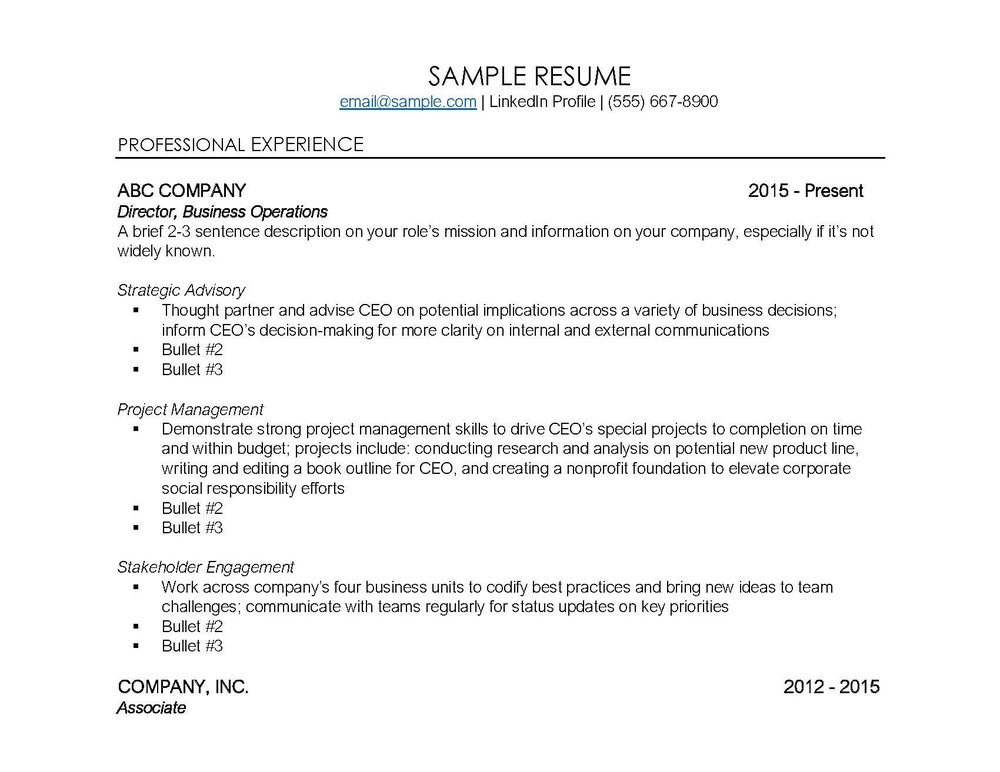
Wanting to fit all your achievements in a one- or two-page word document is understandable. While some things like designs are better left as simple, an outline for your role descriptions is necessary.

Think of it as a summary section to give the recruiter some background on these:

  • Who you’ve worked for
  • Nature of the said business
  • Where you fit into the organisation

Those who have worked for widely known global brands may not have to explain the nature of the business, but it’s still important to include some pointers about your department and your contributions to the company’s success.

#4: Not including facts and figures
facts and figures on a resume

Image Credits: iHire

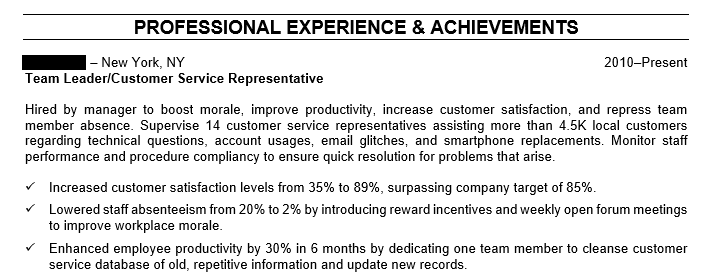
One massive takeaway I’ve had while doing marketing is that numbers matter. Putting this lesson to practical use, it’s the same as trying to market yourself to land an interview with the HR department. As such, don’t leave out facts and figures.

To prove your worth, you want to use some numbers to convey the scale of your impact. Those who’ve led departments before, don’t just stop at “managed a team”. Insert the relevant numbers on the size of your team, the locations they cover, and clients or customers under their servicing.

This is especially useful if you’ve led massive teams across several locations and want to transfer this experience to a regional management position you’re applying for. With that said, even penning down that if you’ve led a small group of five can open doors and put you at the forefront compared to applicants who’ve no such experiences.

Spending some quality time to right the common resume mistakes pointed out in this article could lead to better results in your job applications. If you want the right response from your potential employers, then make sure you have a resume powerful enough to assist you. The last thing you want is to have a substandard resume as a stumbling block to your job search success.

And one last tip before you go, do customise your resume to the specific role you’re applying for and ditch the one-for-all cookie-cutter content!


Read More...

Is Jewelry A Wise Investment?

It is Christmastime and people are more eager to purchase gifts that have lasting value. For some people, that timeless gift often turns out to be an heirloom piece of jewelry. Grandparents often pass down their jewelry in the hopes that their grandchildren can “sell it one day” when the need arises. I cannot say that it has not crossed my mind. Then again, I find it difficult to sell the ring that my late grandparents have given me.

Buying an original piece of jewelry with a rich history from a family member or a friend can be the middle ground when it comes to heirloom pieces. Nonetheless, jewelry and gold can be a wise investment.

BUY SOMETHING TIMELESS

If you are going to buy jewelry as an investment, ensure that it is something you enjoy keeping and wearing. I recently bought a Nina Ricci necklace, which I plan to pass down to my future daughter. It is delicate, romantic, and simple. She may not be able to sell it, but it can be a part of her beautiful collection.

Avoid overpaying for a piece of jewelry as commissions and fees can be high. It will be difficult for you to break-even, if that happens.

CONSIDER THE VALUE AND PRICE

There are companies willing to buy back your jewelry at the real-time value, less its 10% buyback fee as they will melt it and transform it into a new jewelry. Other companies are willing to offer a price close to the value of the pure metal in your jewelry. Do your research.

There are laws regulating the purity stamp on the metal. It is best to get an appraisal from a reputable jeweler to examine the quality and the design of your gems and precious metals.

ACKNOWLEDGE THE POSITIVE HISTORICAL TREND

Unlike coins and paper currency, gold has managed to increase its value over time. Its price has consistently risen every year since 2001. While gold prices do not shoot up dramatically, the general trends remains to be upward. Hence, have a long-term investment mindset.

KNOW THAT PRICES CAN BE VOLATILE

Much like any other investments, the jewelry’s value can fluctuate wildly. The most obvious difference between a pair of gold earrings and gold bullion is that you cannot wear the latter. Treating jewelry as an investment can get tricky. Profits on the sale of gold and jewelry are taxed.

You might pay a premium for buying jewelry made of pure gold. You see, some buyers prefer if they can wear their gold.

DIVERSIFY YOUR PORTFOLIO

The key to diversification is to find investments that do not closely match each other. History has proven that gold is negatively correlated with stocks and other investment instruments. For instance, stocks boomed in the 1990s, but gold faltered. In 2008, investors migrated to gold while the stocks dropped substantially in value.

Image Credits: unsplash.com

Proper diversification entails combining stocks, bonds, golds, jewelry, and other assets. Producing a diverse portfolio can reduce the overall volatility and risks.

Sources: 1 & 2

Read More...

How To Increase Motivation At Work

With the multitude of global issues that we are facing right now, it is normal to experience burnout. Motivation is the drive that conquers burnout. Self-motivation is having the initiative to do a task without being supervised or being told to do it.

Think of two things you like doing and two things you do not like doing. From this simple exercise, you will realize which activities motivate you. Motivation drives our behaviors and there are two primary types of it. These are external and internal motivation.

With external motivation, you are doing something because the activity will bring some reward or benefit at the end of it.

For instance, you may visualize the act of job hunting. It is not something you do to pastime. People job hunt because they want an outcome – a job. The motivation for actually working is also usually external. We are motivated to go to work because we are paid to do so.

In contrast, internal motivation entails doing something purely because you love doing it. The more internally motivated an action is, the more enjoyable it usually is. So from the point of view of happiness, it makes sense to have more internally motivated activities in your life. People who are internally motivated show more interest and excitement over what they do. You are usually better at internally motivated actions too. You show more persistence and creativity. You are likely to have increased happiness and self-esteem by pursuing what internally motivates you.

Think about some of the things you do on a regular basis. Are you mostly externally motivated, acting in for the rewards? Or are you mostly internally motivated? It is important to know which type of motivation is strongest for you. If you follow this, your performance will likely improve and you will generally be happier.

DEVELOPING INTERNAL MOTIVATION

With the bulk of tasks we have to finish in a day, do not expect everything to be internally motivated. Internal motivation is developed and maintained when we are autonomous, competent, and supported.

We feel autonomous when we can make our own choices and decisions.
We feel competent when we know that we can do things.
We feel supported when we are connected to others.

BECOMING MORE COMPETENT

1. Practice what you need to do or perform beforehand.

2. Look for positive feedback, but value constructive criticisms. Your motivation will become stronger if you can find some way of getting positive feedback on your progress.

3. Break down your tasks and goals. If a task is very complex and challenging, breaking it down can help you stay motivated. It makes things more sustainable and attainable.

4. Make sure the difficulty level matches your ability. You want your goals and activities to be reasonable. It should not be too easy, because you will get bored. It should not be too difficult, because you will get frustrated.

KNOWING THE PITFALL OF EXCUSES

Unsuccessful people often have good reasons for not hitting their goals. Successful people use those same reasons as their motivation. Practice transforming your excuses into motivations. Here are some examples:

1. I can not give up. I have to do this for my children.

2. I have to study harder, so that I can properly teach my students.

Image Credits: unsplash.com

What are you hustling for? Motivation is strongest when it comes from within. Let me close by highlighting what Don Wilder once said: “Excuses are the nails used to build a house of failure.” Build a house that you deserve.

Read More...

12 Fun Facts of 2020

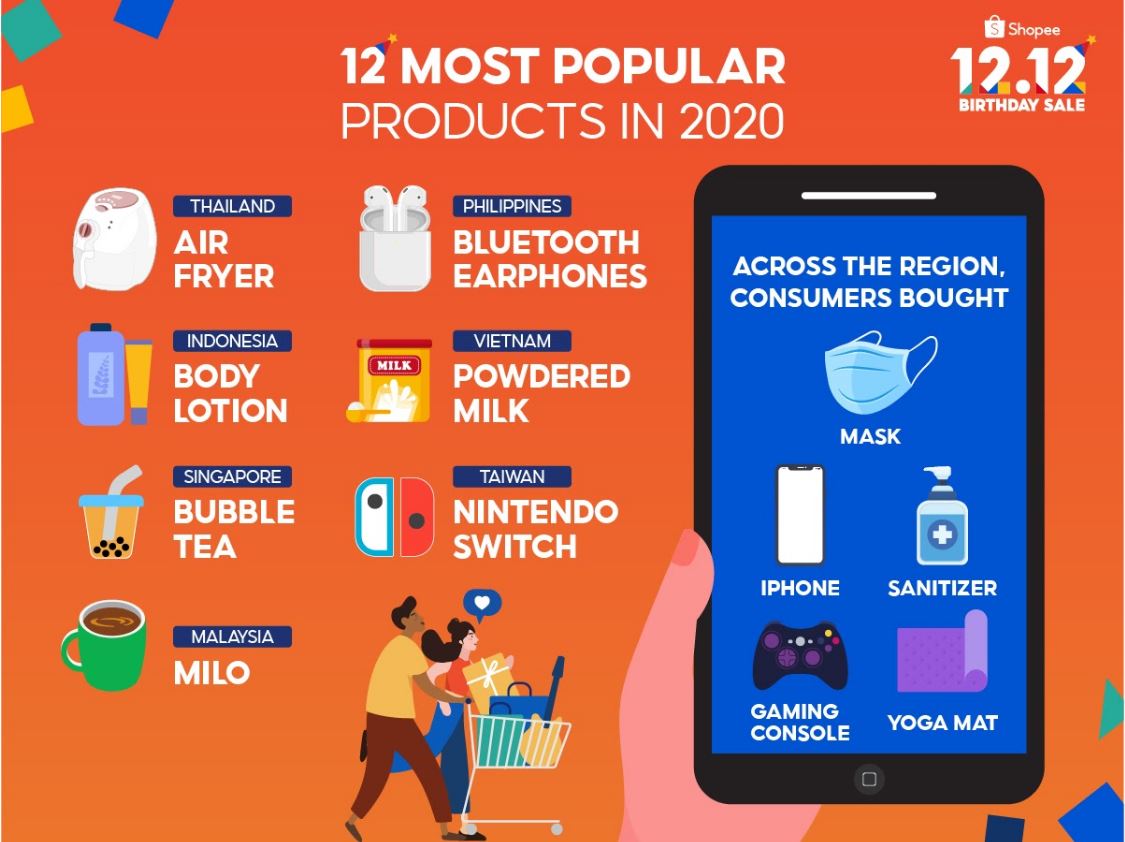
2020 has been a year unlike any other. With more time spent at home amid government restrictions and lockdowns, consumers increasingly turned to e-commerce for all their needs while staying home. 

Across the region, consumer behaviour shifted drastically and many interesting purchasing trends emerged. Some of the most popular products include masks and hand sanitizers, big-ticket items like iPhone 12, gaming consoles, and yoga mats. 

  • Thailand: Air fryers gained popularity as people became more health conscious during the pandemic
  • Indonesia: Body lotion was widely promoted by many micro influencers on social media platforms, leading it to be the best-selling product in Indonesia
  • Singapore: With Singaporeans’ constant love affair with bubble tea, it comes as no surprise that it emerged as Singaporeans’ top favourite product
  • Malaysia: Milo is a household staple among Malaysians, and many purchased it online from the comforts of their homes amidst social distancing measures
  • Philippines: Due to an increase in demand for electronic gadgets due to homeschooling and work-from-home arrangements, Shopee’s wide assortment of bluetooth earphones had been extremely well-received by consumers in the Philippines
  • Vietnam: Mothers have been tapping into the convenience of e-commerce to purchase necessities for their children, especially powdered milk formula 
  • Taiwan: As people avoided in-person social gatherings, playing Animal Crossing on the Nintendo Switch became a popular way for people to meet up virtually while spending time at home, with more than 10,000 copies of Animal Crossing sold in less than 2 weeks after its release

As Shopee celebrates its 5th birthday with the 12.12 Birthday Sale, here are some key achievements and milestones across its seven markets – from taking steps to build inclusivity in the workplace, increasing consumer engagement both on and off the app, onboarding more brands for a wider variety of products, continuously finding ways to innovate for both sellers and shoppers, and more.

As 2020 draws to a close, seize the chance to grab your festive gifts during Shopee’s 12.12 Birthday Sale, with Daily 30% Cashback, Million $ Discount deals, and Midnight Brands Flash Sales

Happy Holidays!


Read More...

Here are 6 not-so-common grains that are low in carbohydrates

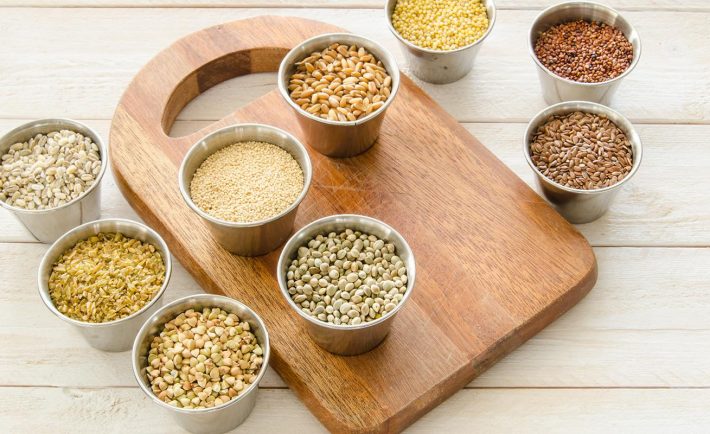
Ancient grains

We know too well what it feels like when planning your meals while on a strict diet. Folks who are searching for high fibre grains that contain a lower number of net carbohydrates will find this article useful.

As you’re probably aware that top grains that are low in carbohydrates include oats, quinoa, and barley, we will exclude them in this write-up. Instead, we will delve into six not-so-common grains that are low in carbohydrates to offer some alternatives.

#1: Bulgur
Bulgur

Image Credits: Cooking Light

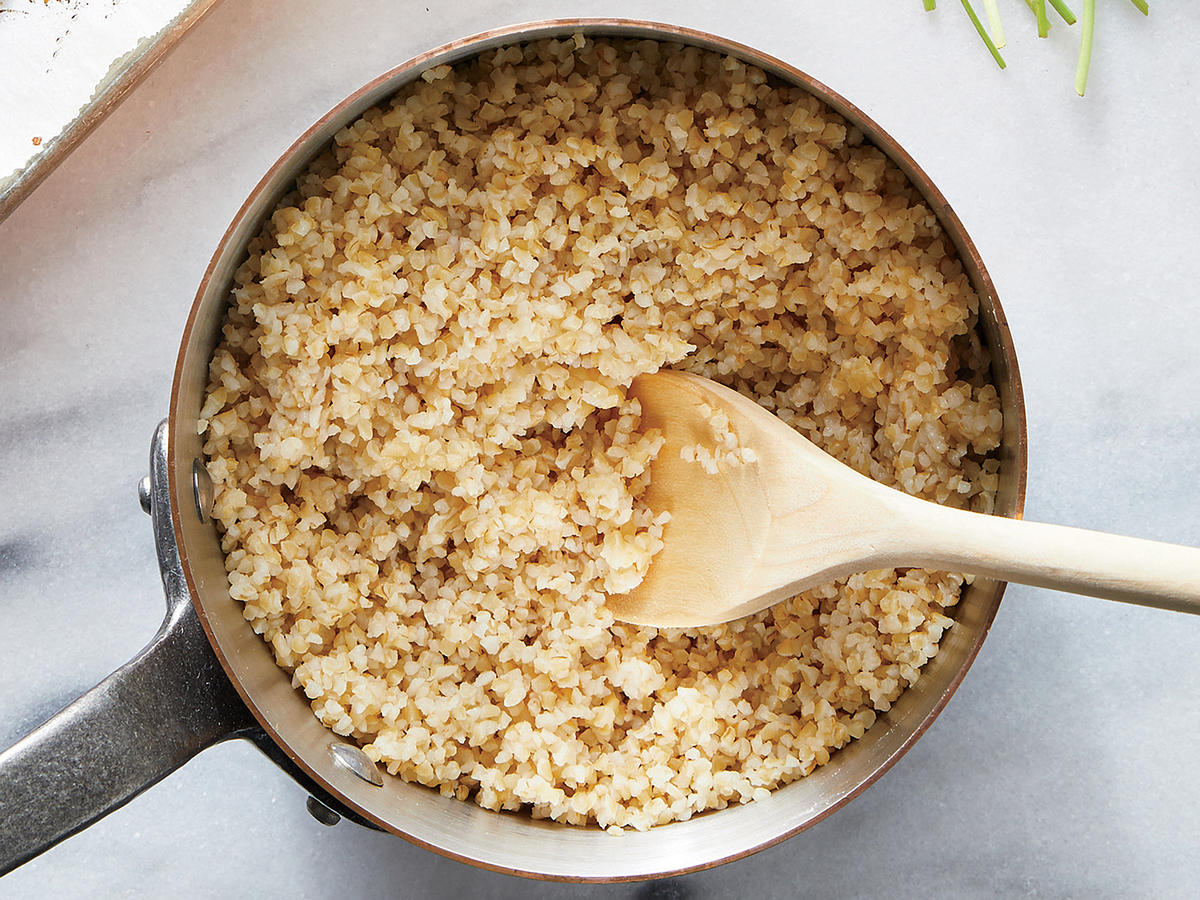
Bulgur wheat is a regularly used ingredient in many traditional Middle Eastern recipes. The nutritious cereal grain is made from dried, cracked wheat and its texture when cooked is very similar to that of quinoa.

It is easy to prepare and a good source of manganese, iron, magnesium, and B vitamins. In 182 grams of cooked bulgur, there are only 25.5 grams of net carbohydrates, thus making it one of the lowest carbohydrates whole grains available.

#2: Millet
Millet lemon rice

Image Credits: archanaskitchen.com

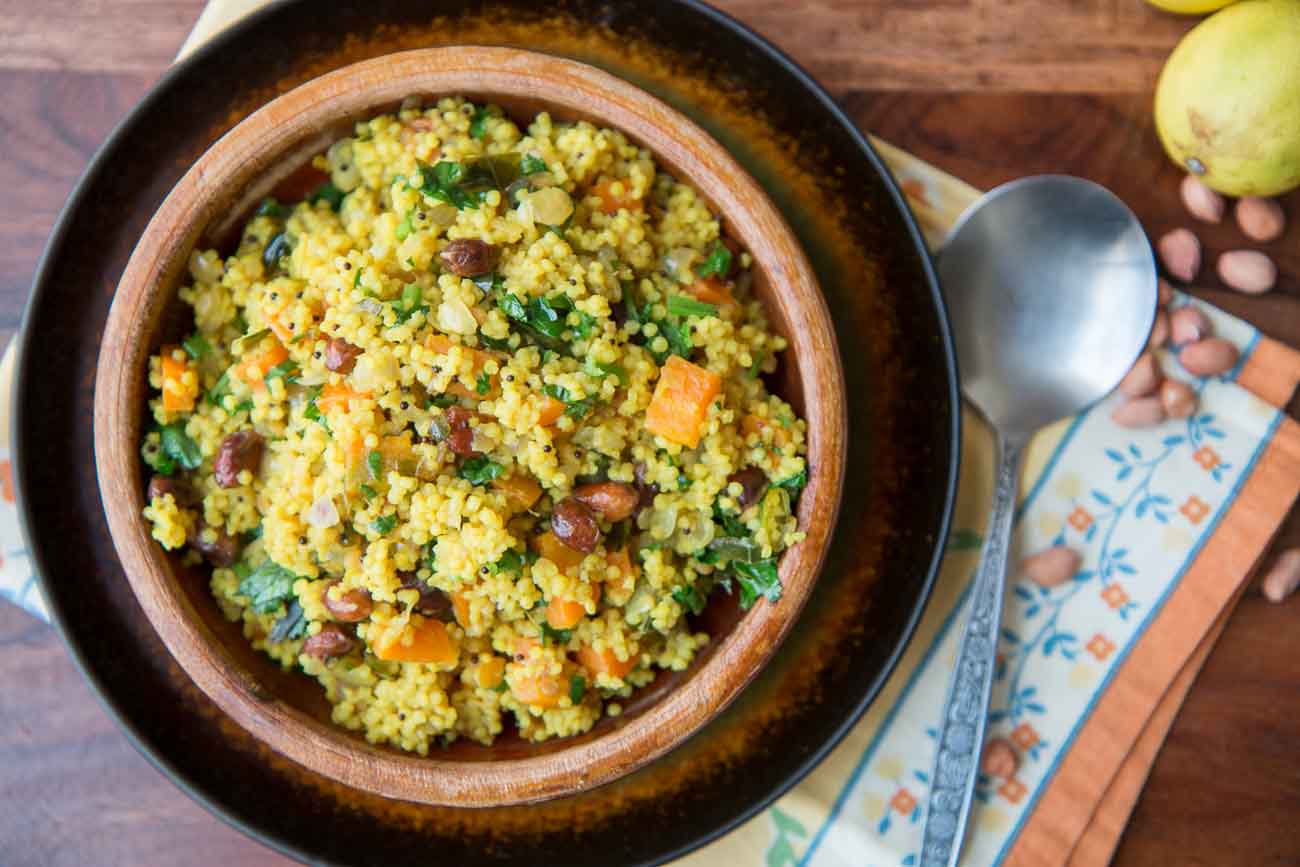
Millet is an ancient grain that is widely consumed in developing countries throughout Asia and Africa. Other than a source of food for humans, it’s also used as livestock and bird feed.

Thanks to its high levels of antioxidants and polyphenols, it may help prevent chronic illnesses like type 2 diabetes. Not forgetting to mention that it’s also a good source of vitamins and minerals like phosphorus, magnesium, and folate.

More importantly, 174 grams of cooked millet contain only 39 grams of net carbohydrates! If you want to load up on calcium, opt for finger millets because it has one of the highest calcium content among cereal grains. To be exact, just 100 grams can provide 13% of the Daily Value (DV) you need.

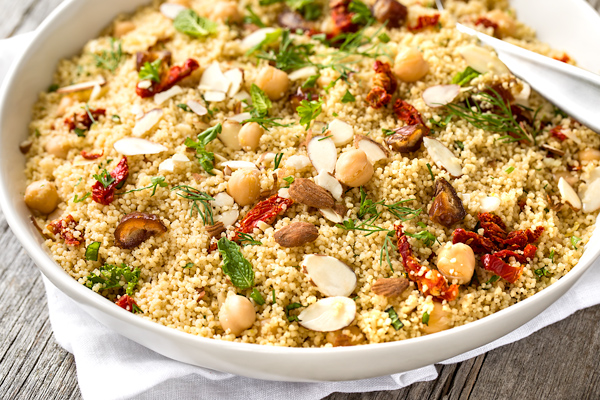
#3: Couscous
couscous-salad

Image Credits: thecozyapron.com

Couscous originates from the Maghreb, also known as Northwest Africa. It’s a processed grain product made from semolina flour or little balls of durum wheat.

Those familiar with this type of grain will know that there are three main types – Moroccan, Israeli, and Lebanese. If well-cooked, it should appear light and fluffy. You can add it to your bowl of greens or serve as a side dish with meats.

Relatively low in carbohydrates, 157 grams of cooked couscous are packed with only around 34.5 grams of net carbohydrates. Additionally, it’s also a great source of selenium, a trace mineral that contributes to heart health, thyroid function, and immune health. Consuming it can also boost your intake of other important micronutrients such as pantothenic acid, manganese, copper, and thiamine.

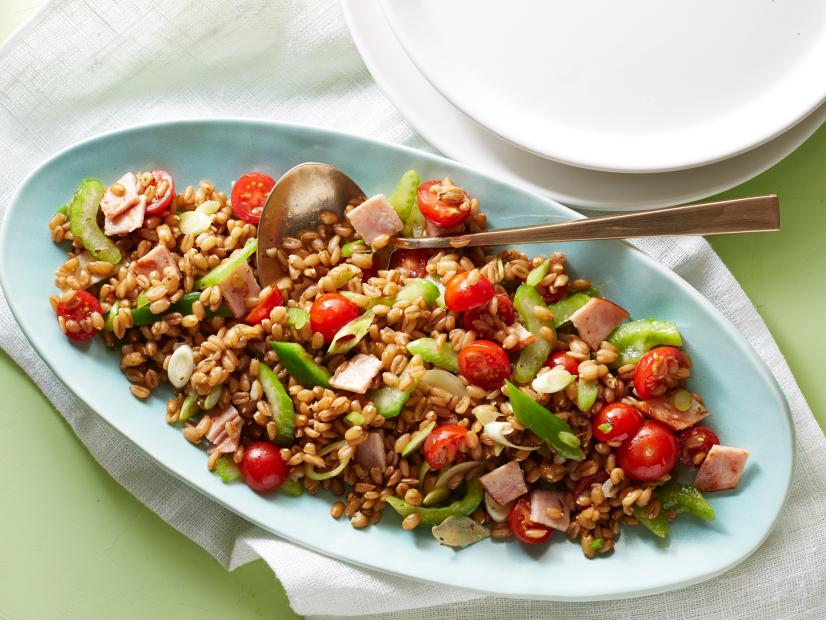
#4: Spelt
cajun spelt

Image Credits: Food Network

Spelt is a type of wheat that’s also known to many as dinkel wheat or hulled wheat. It was popular in parts of Europe from the Bronze Age to medieval times but was not that well sought after during the 19th century.

We want to put it upfront that spelt is high in gluten and therefore unsuitable for people on a gluten-free diet. But studies have shown that eating whole grains like spelt may help lower risk of heart disease, type 2 diabetes, and selected types of cancer.

Looking at its nutritional value, 194 grams of cooked spelt contain about 44 grams of net carbs and 7.5 grams of fibre. It also has small amounts of calcium, selenium, and vitamins B1, B6 and E.

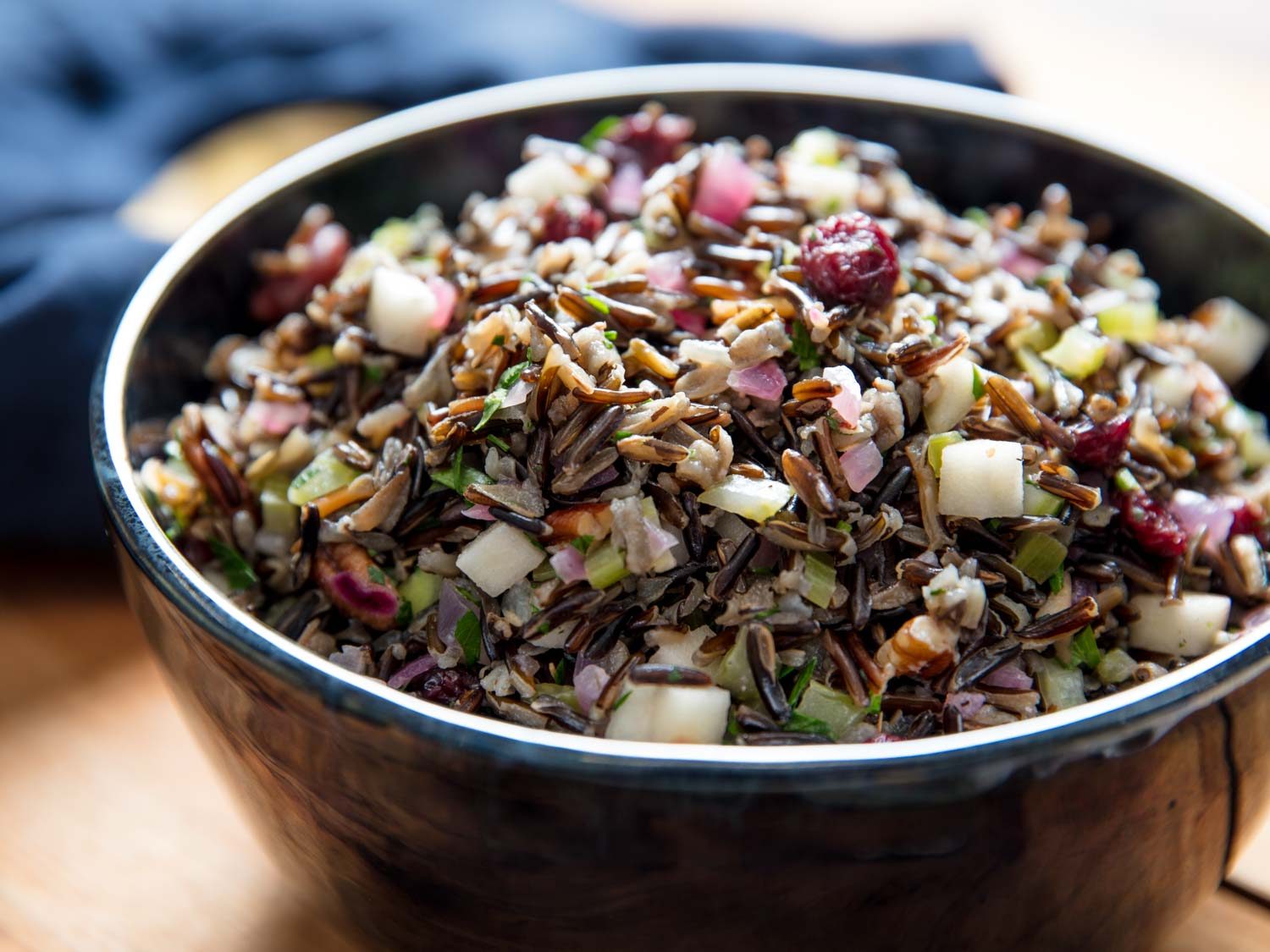
#5: Wild Rice
wild-rice-salad

Image Credits: Serious Eats

Wild rice is a type of whole grain eaten mainly in North America and China. It’s currently still harvested as a grain and considered a delicacy in North America.

Contrary to its name, it does not belong to the family of rice. Though it looks and cooks like other types of rice, it is a species of grass with edible seeds reminding people of rice. It also tastes stronger and is higher-priced.

164 grams of cooked wild rice contain only 32 grams of net carbohydrates with overflowing health-promoting antioxidants. It’s also rich in nutrients like zinc, vitamin B6, and folate.

#6: Popcorn
popcorn

Image Credits: onceuponachef.com

To wrap things up, we have popcorn! The first image that comes to mind when popcorn is brought up is movies. Often thought as a snack, it is technically a whole grain and thus carries considerable amounts of essential nutrients.

14 grams of popped popcorn only has 6.5 grams of net carbohydrates, thus making it one of the most favoured low-carbohydrate grains among dieters. It is also low in calories and high in B vitamins, iron, magnesium, and phosphorus.

Eating popcorn in moderation may help with weight loss because it promotes feelings of fullness. Based on a study conducted, 15 calories of popcorn were found to be as filling as 150 calories of potato chips.

But before you rush down to get your bag of popcorn, be mindful that pre-packaged microwave varieties may be harmful. One reason is that they can contain diacetyl, a chemical found in artificial butter flavouring. Experiments involving animals have revealed that breathing in diacetyl damages airways and causes lung diseases.

Another explanation is that many microwave popcorns are made using hydrogenated or partially-hydrogenated oils, and they contain unbeneficial trans fats. This may result in an increased risk of severe diseases such as heart disease.

The best advice in this context? Make your munchies or meals from scratch, so you’re fully conscious of what you put into your body.

Read More...