
Why It’s Ideal to Buy a Home Amidst the Ongoing Pandemic

Property buying has been a concern of many because of the pandemic. While some proceeded in purchasing their dream homes, there are also some who held back. If you’re one of the people who are still pondering whether to get that dream home now, here are some reasons why you should.

1. Competition is less fierce.

Many of your fellow prospective homebuyers are preoccupied with other things and aren’t looking at properties for the meantime. Consequently, you’ll have fewer people to compete with.

As such, you don’t have to rush your purchase. You don’t need to try outbidding others as well. Moreover, you don’t have to settle for properties that are cheap but in hostile communities.

Be confident at exploring housing options that are in peaceful communities but are still sold at affordable prices. Take your time studying their benefits, too.

2. Sellers offer great deals.

To entice more buyers, developers offer different promos and flexible payments schemes that would be of help for buyers to proceed with their real estate investment.

Consider the homeowners who are selling their properties right now as well. This could be due to financial issues brought about by the pandemic. To get funds sooner, some of them may sell at prices lower than what you would assume. The downside, however, is that the properties may be poorly maintained. This makes newly built homes an attractive choice. Check the house listings online to see the available houses you can choose from. Once you see a property to your liking, inquire about the available payment terms and promos they offer.

3. Impending Price Increases

Sooner or later, various industries have to recover from months of low revenue or even deficits. More often than not, the way to do so is to increase the prices of the goods and services they’re providing.

So, if manufacturers of construction materials raise their prices, the prices of property developments would also increase.

When values of properties increase, your monthly repayments for a mortgage loan may become too high. Another possibility is that the seller may maintain the same amount of monthly repayment pre-pandemic, but the repayment period will be longer.

Before the inflation rate becomes too high, it’s good to study the market now and make a purchase.

4. Home purchasing has become more convenient.

You don’t have to go out of your current home to look for new property investments. If you are an OFW, this is even more convenient for you. Nowadays, real estate developers like Lessandra has offered digital tools to help homebuyers purchase real estate without having to travel back to Philippines. If you are an OFW, you can visit their website or their YouTube Channel to see the virtual tours. You can also reserve your property of choice and make payments online!

See FAQs and Guides to know more on how to buy a property in the Philippines online.

Get a glimpse of the community through the virtual tours

Photo source: Lessandra website

Real estate is a huge investment. Even if you’re looking for an affordable house and lot, choose a reputable developer. For a quality and affordable house and lot developer, check Lessandra homes. Tagged by the London-based website Start Up Pill as one of the best residential start-up companies globally, Lessandra offers quality yet affordable homes worthy of your investment.
Read More...

Vaccination Aftercare: 4 Don’ts After Getting Your COVID-19 Shot

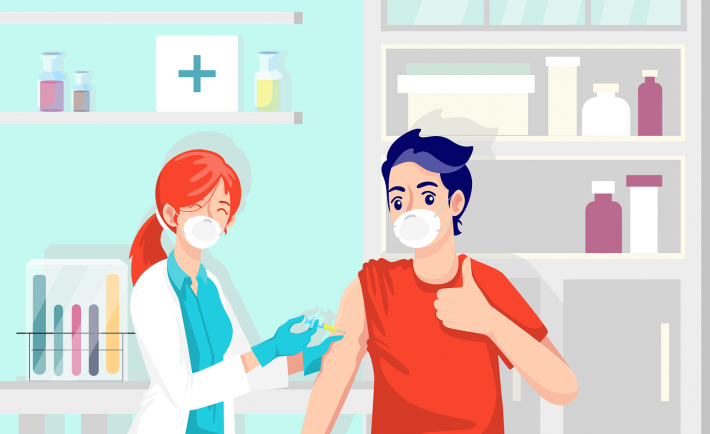
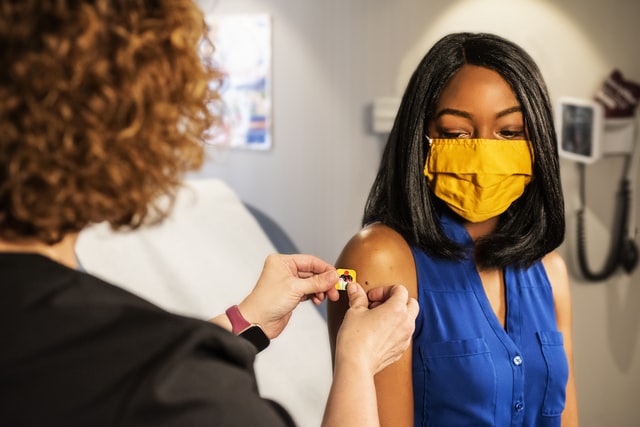
It is normal to feel nervous or worried about getting your COVID-19 shots. However, public health officials regard these COVID-19 vaccines as safe and as a means to end the novel coronavirus pandemic.

Reduce your worries by being prepared. Start by reading through the following vaccination aftercare tips.

#1: DO NOT GET A TATTOO RIGHT AWAY

A tattoo is a form of body art where the design is created by inserting ink, dyes, or pigments into a person’s skin. Because your body does not want these foreign pigments, it initiates an immune response by sending off specialized cells to the tattoo site. COVID-19 shots also trigger an immune response. Moreover, similar side effects such as arm soreness, pain, and redness can be felt soon after getting vaccinated or tattooed.

Dr. Abisola Olulade, a San-Diego based physician, recommends waiting at least a few days between your vaccination and tattoo to rule out any possible side effects. She adds that some people may find it challenging to manage “two different areas of the body that are painful at the same time”. Consult your doctor if you are planning to get your tattoo after getting your COVID-19 jab.

#2: DO NOT PUSH YOURSELF TO EXERCISE

Forcing yourself to workout after getting vaccinated will likely make you feel worse. Recently, there was a 16-year-old male who suffered a suspected cardiac arrest after getting his COVID-19 shot. He performed strenuous activity such as carrying heavy weights above his own body weight, days after getting the vaccine.

According to the expert committee, people should avoid strenuous activity after either the first or second dose of mRNA vaccines. The committee advised against strenuous activities for a week after each dose.

#3: DO NOT HESITATE TO REPORT THE VACCINE ADVERSE EVENTS

Like all drugs, no vaccine is 100% effective. Vaccines are generally given to healthy people for disease prevention. Thus, the tolerance to vaccine adverse events is substantially lower than that for the drugs for disease management. It is vital that the country has a robust vaccine safety monitoring system that can effectively detect early safety signals of concerns and mitigate them.

Healthcare professionals are encouraged to report serious adverse events suspected to be associated with vaccines. They need to report it to the Health Sciences Authority.

If you experience symptoms after getting jabbed, do not hesitate to report them. This information helps them to track side effects and monitor severe adverse events. Tracking these side effects or adverse events will also help with future vaccine development.

#4: DO NOT FORGET TO DRINK PLENTY OF WATER

Stay hydrated after getting your vaccine. Water aids your body process its immune response to the vaccine. If you experience fever as a result of the vaccine, staying hydrated can help your body to fight it off. Aside from fever, there are other side effects that you can expect.

Image credits: unsplash.com

Common side effects observed with the COVID-19 vaccines include:

a. Pain, swelling, and redness on the arm where you received the vaccine
b. Chills or fever
c. Tiredness
d. Headaches
e. Joint pain or muscle ache

Experts stated that these side effects typically go away within a few days. Continue to stay vigilant!

Sources: 1, 2, & 3

Read More...

Be your own boss of a 7-Eleven store with ZERO franchise fees to get you started

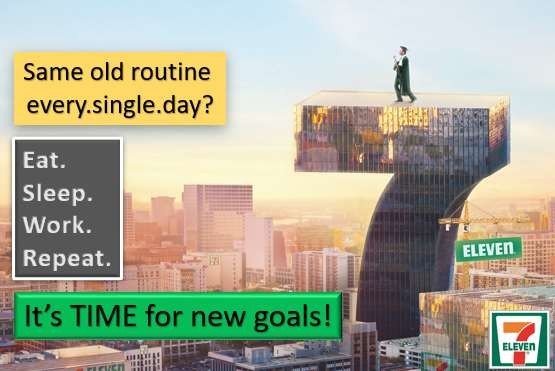
We get it; life is hard.

Upon graduating, you spend the bulk of your time at work, have meals with entertainments in between, sleep, and the routine basically repeats itself. Sounds like your typical 9 to 5 routine you are in now? What about venturing to start your own business through partnering with a reputable international brand? If it’s the latter, we might just have a solution for you.

Before embarking on a new business, there are many things to consider, including your initial capital, products, and staffing. What if we tell you that 7-Eleven is presenting us with a superb opportunity to begin a business with minimal funds? By that, we mean lessening your load with a franchise fee waiver of at least $30,000. Thus, all you need is $20,000 to be your own boss of a 7-Eleven franchise store.

Sounds like something you can do? Read on.

Franchisepreneur Management Trainee Programme (FMTP)

Through the Franchisepreneur Management Trainee Programme (FMTP), as long as you have a tertiary education and less than six years of combined working experience, you will qualify to apply through the FMTP.

The FMTP route promises a waiver of the franchise fee, and you just have to fork out $20,000 (usually $40,000 under standard franchise scheme) as your capital to get started. This amount is also refundable at the end of your contract. You will also be taking over a ready store, fully renovated and stocked with past Sales Track Record to further lower your business risk. Very reasonable, right?

On top of that, you don’t even have to worry about having minimal experience managing a store. That’s because you will be employed by 7-Eleven for up to 6 months while training to become a top-notch franchisee. The contract term will be for 2 years and can be renewed for another 2 years.

Okay, so what if you don’t happen to meet the FMTP criteria of educational qualifications and working experience? Not to worry, as you can still apply to be a franchisee under the standard franchise scheme.

A comparison table for your consideration

Scheme 7-Eleven Franchisepreneur Management Trainee Programme (FMTP) 7-Eleven Standard Franchise Scheme Starting your own business elsewhere
Eligibility 21 Years, Tertiary Education with less than 6 years of working experience Open to all above 25 years of age N.A.
Initial Setup Cost: Renovation, Stocks, Equipment $0 $0 $200,000
Franchise Fee $0 From $30,000 $0
Initial Deposit – Cashflow (Refundable) $20,000 $40,000 $100,000
Franchise Contract 2 Years 5 Years N.A.

Reach out and apply now!

With all that said, please refer to 7-eleven.com.sg/franchising or download the PDF brochure for more details.

Need to connect with someone from the team? Email them at [email protected]. Once you’ve understood the full terms and conditions and ready to sack your boss, download the franchise application form and be well on your way to establish your own business!

Here’s wishing you all the best with the process.

Read More...

Listen To These Motivating Podcasts To Brighten Your Day

We all deserve a little boost to help us get through the day. With a myriad of ways to feel motivated, you can try listening to podcasts. Whether you are enjoying a nice bath or cooking a hearty breakfast, tune in to these inspiring and informative podcasts to keep you energized.

#1: THE HARDCORE SELF HELP PODCAST

Amidst the chaos brought by the pandemic, people became more aware of their mental wellness. Know more about mental health by listening to The Hardcore Self Help podcast! It is a weekly podcast that answers your queries about mental health such as getting more information about dealing with anxiety, depression, relationships, addiction, and more.

Hosted by Psychologist and author Robert Duff, each episode invites other professionals to voice out their expert opinions on various mental health issues and related topics.

#2: TED HEALTH

The TED Health podcast, much like the TED Talks, provide the best educational talks from their conferences and events. Get your daily dose of innovative and significant health-related contents to uplift your spirits. For instance, one episode showcases a program that trains grandmothers in Zimbabwe to treat depression.

Hosted by Dr. Shoshana Ungerleider, the TED Health podcast covers everything from smart daily habits to new medical breakthroughs. It can answer some pressing questions you never knew you had and share ideas that you won’t hear anywhere else.

#3: GOOD LIFE PROJECT

What does it mean to have a good life? What is the role of happiness, love, kindness, and friendship to our lives? How does race, identity, gender, and economical status influence our lives? All these questions and other topics are explored every week in the stimulating conversations of the Good Life Project.

Thought-provoking, educational, and relatable, the “Good Life Project” exists to empower people to take action in important areas of their lives. Each episode features inspiring people including research professor Dr. Brené Brown, Bishop Michael Curry, activist Glennon Doyle, actor Matthew McConaughey, and many more.

#4: OPTIMAL HEALTH DAILY

As the name suggests, Optimal Health Daily is a podcast crafted for people who are looking for ways to improve their lives one step at a time. Let this podcast accompany you to your commute, workout, or regular routines. Each episode brings realistic and practical information about various topics such as activated charcoal, exercise, and dieting.

Image Credits: pixabay.com

What’s more? Each episode is under 15 minutes, with an average running time of 10 minutes. You do not have to read lengthy academic journals or blog entries; all you need to do is to listen and learn.

Sources: 1 & 2

Read More...

What you need to know about the stages of Parkinson’s disease

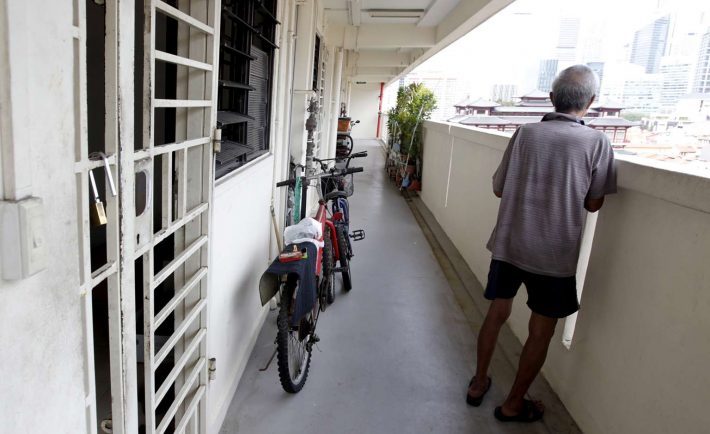
an elderly man looking out from the corridor

As our parents grow older by the year, there is a higher possibility of catching Parkinson’s disease. According to Mayo Clinic, Parkinson’s disease usually develops among old folks who are 60 or older.

We’re sure you have heard of the condition, but if you have not, it’s essentially a brain disorder that results in specific symptoms like:

  • Stiff limbs
  • Unmanageable tremors
  • Delayed movements (also known as bradykinesia)
  • Balancing difficulties thus leading to issues standing up

To identify the severity of the condition, doctors may use the Hoehn and Yahr rating scale to aid them in assessing. Here’s what you need to know about the five stages of Parkinson’s disease.

Stage 1

At the first stage, the symptoms may not be that obvious. Even if they present themselves, it’s not severe enough to impact daily activities and current lifestyles.

However, watch out for slight changes in an older person’s walk, posture, or facial expressions. There may also be mild tremors and movement restrictions on one side of the body. Should you notice such signs, bring your parents to the doctor so they can receive medications to minimise the possibility of it worsening.

Stage 2

As Parkinson’s disease progresses to the second stage, facial expression changes can appear more vividly. Your parents may also feedback that they are experiencing more trembling and stiffness.

Due to muscle contraction resulting in stiffness, an individual may take more time than usual to complete a simple routine. But at this stage, it should not impact their balance. Some may start to feel the symptoms on both sides of their body. Selected people can even find it tough to express their thoughts verbally.

Stage 3
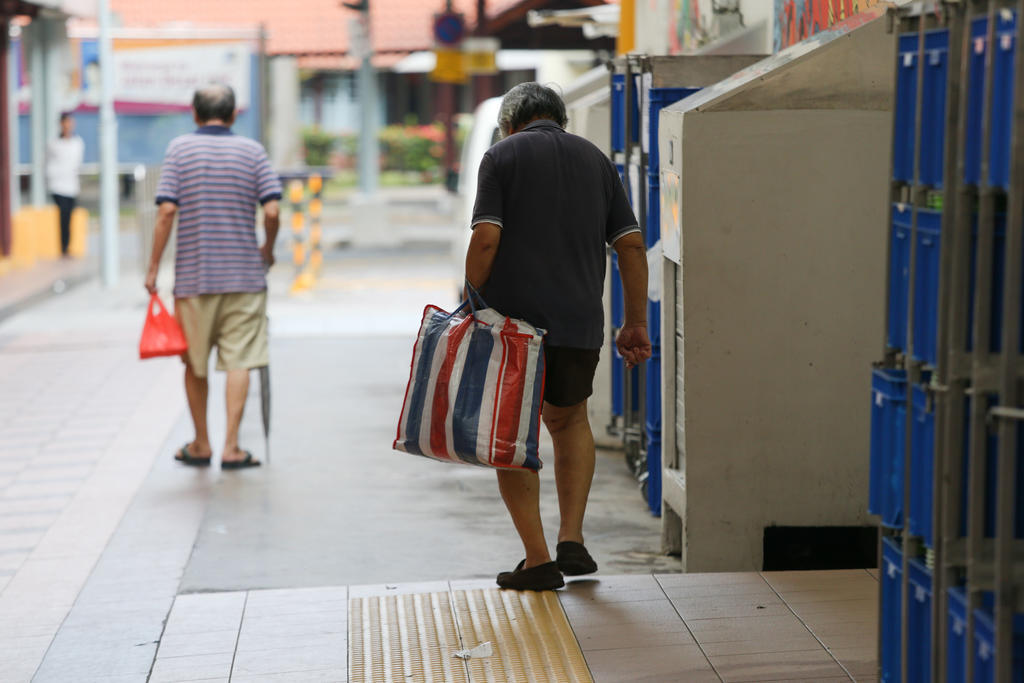
old people in Singapore

Image Credits: todayonline.com

The third stage is the midpoint of Parkinson’s disease. At this phase, a person suffering from the condition will start experiencing loss of balance, decreased reflexes, and slower movements overall.

Stage 3 is important because the elderly person may be more prone to falls. While tasks are significantly affected at this juncture, individuals are still able to complete them. Do consider sending your loved one for occupational therapy as they continue to consume medication to reduce the symptoms.

Stage 4

As we approach the second last stage of Parkinson’s disease, know that stage 4 is a critical phase because individuals won’t be able to stand and complete daily tasks alone.

With significant drops in movement and reaction times, the senior person at this point will require either a walker, assistive device, or a physical person to assist them in their lifestyle. It’s not an exaggeration to say that leaving someone with Parkinson’s disease at stage 4 to handle their daily routine is dangerous.

Stage 5

This is the final stage of Parkinson’s disease, a phase where an individual will require 24-hour attention to prevent unnecessary falls due to heightened stiff legs.

Apart from physical challenges, older people at the last two stages of the condition are likely to experience confusion, delusions, and hallucinations. Dementia may also come into the picture, and medications taken previously will start to exhibit its side effects.

If you’re new to Parkinson’s disease and need more information, please head to parkinson.org.sg for support initiatives and reliable resources by the Parkinson Society Singapore.

Read More...