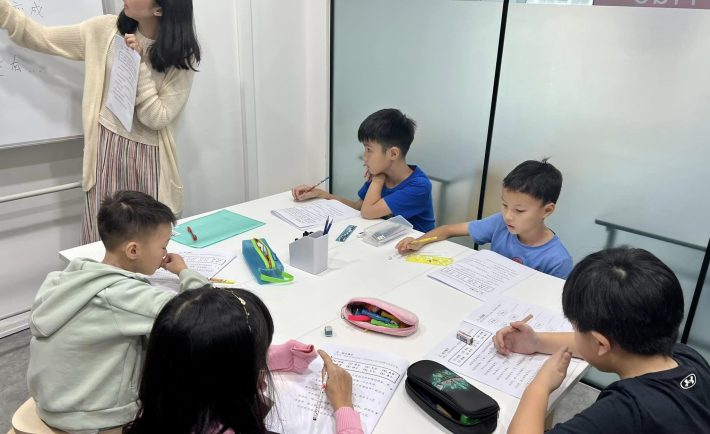
 Image Credits: facebook.com/haochinesetuition
In Singapore, tuition is almost like a rite of passage. Parents chat about it at family gatherings, WhatsApp groups buzz with recommendations, and it’s not unusual to see kids carrying an extra stack of assessment books after school. Some families start their children young in preschool, while others only turn to tuition when things get heavier in upper primary or secondary school. No matter when it starts, the goal is clear: to give children the support they need to shine.
But here’s the thing: many parents see tuition mainly as a household expense. Something that just drains the family budget. In reality, it’s better to think of it as an investment. Like putting money into savings or insurance, tuition requires resources upfront. Yet when managed well, it pays off in ways that go far beyond exam scores. Here are just some of the reasons why:
Strengthens Exam Preparation
If you’ve ever sat with your child while they struggled with a tricky maths problem or a long essay, you’ll know how stressful exams can be. Moreover, Singapore’s educational system is known globally for being competitive, with syllabi being updated regularly to keep pace with global standards. Students need to keep up, adapt, and perform under immense pressure.
Take Junior College Economics as an example. The subject can be overwhelming, with its mix of theory, essay writing, and data analysis all crammed into tight exam conditions. H1 Economics tuition, in this case, really makes a difference. A good tutor doesn’t just drill students endlessly. They break down complex theories into bite-sized pieces, share exam-smart strategies, and guide students through targeted practice papers. This kind of focused support can turn things around for struggling students. Someone hovering between a C and a B can, with consistent tutoring and personal effort, push through to an A. That single grade jump could open doors to competitive university courses or scholarships and translate into financial savings and a brighter future.
Unlocks Educational, Professional, and Financial Opportunities for the Child
Strong grades aren’t just about bragging rights at report card time. They come with real financial advantages as well. For instance, a student who does well is more likely to secure scholarships or bursaries, helping families save thousands of dollars. Even at the junior college or university level, partial scholarships can make a meaningful difference to a family’s budget.
There’s also the question of options. Students with strong A-level results have a higher chance of getting into top local universities, which tend to be more affordable than if one were to study overseas. Parents who’ve looked into the cost of overseas education know that the bill can be staggering. Good results at home mean students can stay in Singapore while still enjoying a high-quality, world-class education.
And it’s not just about numbers on a page. Tuition often helps students develop valuable life skills, such as discipline, resilience, and self-motivation. These qualities aren’t taught in textbooks, but they’re the very traits that help young adults thrive in university, internships, and future careers. Over time, those traits can influence not just career paths but also earning potential. Seen this way, tuition is more than an academic booster. It’s a stepping stone to bigger opportunities.
Prevents Costlier Setbacks
Some parents hesitate about tuition because it feels like another monthly expense. But here’s something worth considering: the lack of consistent support can lead to far more expensive problems later.
If a student falls too far behind, the “rescue” options, such as intensive crash courses, retaking exams, or even pursuing overseas study, can be far costlier than the option to undergo steady tuition along the way. For example, one extra year of university overseas could cost more than several years of regular tuition back home.
Think of tuition as a form of academic insurance. It cushions your child against setbacks, and it spares parents from the stress and financial weight of scrambling for last-minute solutions. Instead of firefighting, you’re steadily building your child’s foundation for success.
Helps Students Compete with Global Peers
It’s no secret that Singapore’s students aren’t just competing with one another. They’re also up against international peers for coveted university places, scholarships, and internships. In such a competitive environment, even a small edge can make a big difference.
In this case, tuition helps students sharpen that edge. By reinforcing what’s taught in school and offering extra insights, it ensures they’re not just coping but staying ahead. This is especially important in a world where knowledge and adaptability can determine who gets opportunities first.
For parents, that peace of mind is priceless. Knowing your child isn’t just keeping up but also preparing to thrive on the global stage makes tuition feel like a way of future-proofing their success.
Builds Confidence That Lasts
If you’ve ever seen your child’s face light up when they finally “get it,” you’ll know that confidence can be transformative. On the flip side, when young people repeatedly struggle alone, it can wear down even the most hardworking student’s self-belief.
Tuition gives them the chance to rebuild that confidence. With steady guidance and encouragement, progress feels achievable. And once they start seeing results, confidence snowballs. They participate more in class, speak up, take on leadership roles, and face challenges with less fear.
And here’s the best part: these benefits last beyond school. Confidence, resilience, and adaptability are qualities that employers actively seek. By helping students develop them early, tuition plants seeds that continue to bear fruit well into adulthood and potentially high salaries.
Treat Tuition as a Long-Term Strategy with Big Payoffs
Of course, tuition isn’t a magic wand. Tutors can guide and motivate, but students need to do their part by revising and staying disciplined. But when steady tuition and consistent effort come together, the results tend to be long-lasting. It becomes a strategy that improves academic performance, opens doors to scholarships, reduces financial risks, builds confidence, and nurtures soft skills that matter in the workplace. Parents can rest assured they’re not just spending but helping children grow into capable, confident individuals ready to take on challenges, whether in school, university, or their careers. And that is truly an investment worth making.