
5 Things to Consider Before Getting a Personal Loan

Personal loan is one of the most sought-after loans in Singapore. With a personal loan, you can borrow funds from a financial institution and pay them back in fixed instalments over an agreed period. However, you typically need to meet a minimum income requirement and to pass a background check on your credit history.

Generally, it is much cheaper to get a personal loan rather than borrowing money from a moneylender. Moreover, you will need to submit a lesser number of documents compared to other types of loans such as car or home loans. These factors contribute to the popularity of personal loans.

Apart from these, consider the following points before getting a personal loan.

#1: PERSONAL LOAN HAS A MINIMUM INCOME REQUIREMENT

The eligibility for personal loan incorporates your income and your age. You need to pass the minimum income requirement (e.g., S$30,000 per annum) and the age requirement (i.e., usually under 60 years old). These strict requirements ensure that you will be capable of paying off the loans and that you will be paying on time.

#2: PERSONAL LOAN IS NOT FOR EVERYONE

Now that you know the basics of personal loans, you must remember that it is not for everyone. You need to contemplate the purpose of the loan before getting one. Compute for the monthly fees and other charges.

You see, it is better to use your extra funds if you intend to use the loan for lifestyle desires. Lifestyle desires include purchasing a new gadget or booking an international cruise. On the other hand, you need to carefully assess your business plan and financial situation if you intend to use the money for business and investment.

#3: PERSONAL LOANS CAN MAKE OR BREAK YOUR CREDIT STANDING

Examine your credit standing as it affects your personal loan application. Paying your dues on time is one way to keep your credit score on the good side. In contrast, accumulated monthly charges and overdue payments add red flags to your credit score. As a new applicant, carefully consider the terms and conditions of the bank.

#4: PERSONAL LOANS COME WITH SERVICE FEES AND OTHER CHARGES

Do not be fooled by the attractive loan prices flashed by the banks and financial institutions. You can end up paying more money due to service fees and other charges. You will pay the monthly fees along with the effective interest rates. If you plan to pay by cheques, returned checks can also be charged. Thus, new applicants must consider other forms of payment such as mobile banking.

#5: PERSONAL LOANS SHOULD BE YOUR LAST RESORT

Building an emergency fund is a part of the fundamentals of being financially savvy. When an unfortunate event takes a toll on your finances, you still have reserves. If your emergency funds have depleted, personal loans should be your last resort.

Avoid spending your personal loan to impress other people with your new gadget or with a grand getaway. Spend your extra funds on your lifestyle desires instead of borrowing money.

Personal loans have a variety of advantages and disadvantages. We hope that you can manage your finances well if you decide to avail yourself of a personal loan in the future.

Sources: 1 & 2


Read More...

6 Money-Saving Tips for Singaporean Teens


Let us face it! Saving money as a teenager is challenging, especially when you have friends who are constantly buying new clothes or are going on yearly overseas trips. However, it is possible. Here are 6 tips on how teens can save money despite the temptations and less income.

#1: OPEN A SAVINGS ACCOUNT

Opening a savings account with the help of your parents or guardians is a good idea as it will train you to manage your money. It is a surefire way to boost your educational savings and to cover your other expenses. There are multiple junior accounts available in Singapore such as the CIMB Junior Saver Account, OCBC Mighty Savers Kids Account, and UOB Junior Savers Account. These banks offer about 0.05% to 1% interest p.a. and minimal initial deposits.

#2: SEPARATE YOUR NEEDS FROM WANTS

Organize your finances by separating the money for spending and the money for savings. Although you have stashed the money away in your savings account, it might be tempting to touch it when your cash runs out. Stop! Refrain from doing this.

Your savings are for emergencies and essentials, not for straightforward purchases like food and clothes. The smart thing to do is to have a direct deposit account which you can access on demand.

#3: CREATE A REALISTIC BUDGET

Keep track of where your money is going by creating a budget. You can either write everything down or have software that stores all the data. Be diligent when it comes to encoding what you spend in a week or in a month. Most of us tend to spend more cash on the weekends, so you can start encoding during this time.

Once you have an idea of where your money is going, you can set limits and targets next.

#4: TAKE ADVANTAGE OF THE STUDENT DISCOUNTS

Your student ID is more than just a card that enables you to go to school. It is your means of getting discounts such as cheaper public transport or cheaper books. Many businesses and services offer student discounts throughout the year. Do your research to get more information.

#5: ASK YOUR PARENTS FOR HELP

There is no shame in asking your parents for help while you are starting to build your wealth. You can ask your parents to match your monthly savings by contributing to your account. If you put aside S$25 a week for a month, you can ask your parents to contribute S$100 at the month’s end. Do household chores in return for this favor.

Do not be afraid to ask! Once you have shown your parents that you are serious about saving money, they will reach out and offer their support.

#6: CONSIDER GETTING A PART-TIME JOB

For many young Singaporeans, having a part-time job is a rite of passage. Students can be able to find part-time jobs in the administration, hospitality, or retail fields. Investigate to see who is hiring in the area.

If these are outside of your interests, you can use your passion to create your own online shop. Use your extra income to grow your savings even more.

Sources: 1 & 2


Read More...

Hidden Costs of Using Credit Cards in Singapore

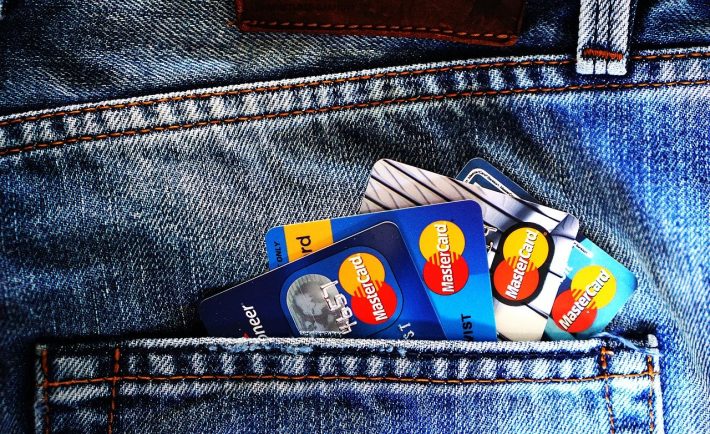
You may not be able to pay for items in full cash, but you can certainly swipe your card! Credit cards offer convenience to afford larger purchases anytime. It can also help you establish a good credit history.

However, it is important to understand the actual cost of credit cards when fees and interest are factored in. The actual cost of using a credit card can add up!

#1: THE COST OF PAYING MINIMUM DUE ONLY

There are consequences to only paying the minimum fee. Firstly, it will take longer to eliminate your balance. Secondly, your interest continues to accrue steadily in what you owe. Your minimum payment may not be enough to cover the interest charges for the month.

#2: THE LATE PAYMENT FEES

If the payment is passing your due date, the late payment charges vary by bank. This charge is usually between S$60 to S$80. A late payment may cause you to forfeit some of your credit card rewards or cause your interest rate to spike significantly higher than your regular purchase.

#3: THE COST OF CASH ADVANCE

Did you know that you can use your credit card to withdraw cash through a cash advance? Cash advance on credit cards can be awfully expensive, with interest rates going as high as 30%. You can be charged about 6% of the amount withdrawn per transaction or a minimum of S$15.

Apart from that, you will also receive an interest rate charge of around 28% per annum, subject to compounding if the charges are not repaid in full on the amount withdrawn.

#4: THE COST OF OVERSEAS TRANSACTIONS

These days, more and more people are shopping online using their credit cards. When shopping from an overseas website, it is important to know that there are fees. Two types of fees that can be charged are foreign transaction fee and dynamic currency conversion fee.

#5: THE ANNUAL COSTS

While some annual fees can be waived, others cannot. The next time you receive your credit card statement with the annual fees charged, try calling your bank to ask for a waiver. Doing this may save you more than a hundred dollars!

Image Credits: pixabay.com

Sources: 1 & 2


Read More...

How to Maintain a Great Relationship with Money

Establishing a healthy relationship with money takes effort, but it pays off. You must manage the highs and lows, and everything in between.

#1: PUT IN EFFORT FOR IT TO FLOURISH

Much like any other relationship, you have to put in effort to your finances for it to grow. A positive mindset and the right attitude towards money can help strengthen your relationship. Plant the seeds of appreciation and contentment for what you already have. Perhaps, you are grateful for your recent promotion, or you are thankful for having additional online vouchers. Working towards a positive mindset can go a long way!

#2: SCHEDULE REGULAR CHECK-INS

According to clinical psychologist Joe Lowrance, “financial wellness is a component of overall wellness”. Regular financial check-ins are necessary for you to know which areas you need to improve on. Then, you must create an action plan to reduce your unnecessary expenses.

Image Credits: pixabay.com

#3: PAY ATTENTION TO SMALL THINGS

If you indulge in artisan coffee on a Saturday afternoon, take the time to relish the moment. You could also purchase a small gift for attaining your saving goals or celebrate a small win at work. Acknowledging the little thigs can keep you motivated and improve your relationship with money.

#4: RESPECT EACH OTHER

Respecting your money means taking care of it properly by practicing accountability. Your money is influenced by how you treat it. Give it the respect it deserves, and it will reciprocate in the same way.

#5: PLAN SOMETHING SPECIAL

Money is a tool used to meet your needs and to achieve your financial goals. If your money does not give you pleasure and is only tied down to sacrifices, then you are likely to feel overwhelmed. To relish the rewards of your income, you must plan for it. Use your extra savings to plan something special for yourself. You can also bring along a friend or your loved one.

#6: ADMIT WHEN YOU ARE WRONG

Some people cannot admit when they have made a financial mistake or deny their poor relationship with money. Be honest with yourself. What is your current financial circumstance? Being honest about your financial situation is necessary for you to learn from your mistakes and to attain financial stability. Try to ditch the excuses and look at your relationship with money through clear lenses.

Image Credits: pixabay.com

Sources: 1 & 2

Read More...

5 Ways to Stretch Your Financial Literacy

Financial literacy is a life skill. Similar to other life skills, financial literacy takes time to learn. Starting your journey can be intimidating and daunting for some Singaporeans.

As personal finance is not typically taught in schools, you need to take conscious decisions to improve your own skills. Whether you are an expert or a novice at financial literacy, keeping your knowledge base growing matters!

#1: READ MORE FINANCIAL BOOKS

Retail CEO Sandra Campos believes that financial literacy is a skill that you should never stop acquiring. She encourages people to read trusted publications to stay informed about understanding how to manage your finances better. If you opt to listen to financial podcasts, you may do so.

Financial podcasts can be a wonderful way to absorb financial news while you are fulfilling your other tasks. You can listen to these podcasts as you run errands, travel to work, complete your housework, walk your dog, or exercise in the park.

#2: TEACH YOUR CHILDREN THROUGH PLAY

Learning about money does not have to be a two-hour long lecture. One of the most effective ways to connect with your children is to introduce play-based learning. It provides them with a friendly environment to test new skills and gain confidence with challenging topics. Make learning fun by playing financial literacy games with your kids!

Ignite a family competition by playing money board games or trying out activities that are suitable for your child’s age. You will not only help your child start a healthy relationship with financial education, but also improve your quality time.

#3: EMBODY THE FRUGAL MINDSET

Embrace the frugal mindset to improve your budget. Take your monthly expenses under a microscope and inspect if there are unnecessary costs that you can eliminate. For instance, you may purchase second-hand children’s clothes instead of new ones. Eliminating unnecessary costs can move you closer to your financial goals.

Despite being frugal, there are some expenses that you cannot skip! Prioritize groceries, household supplies, and other non-negotiables. For these expenses, make sure that you are getting the best price.

#4: FOLLOW YOUR WELL-DEVELOPED BUDGET

A well-developed budget can operate itself if you stick to it.

It can help you identify where your money is going. So, start tracking your spending using a simple spreadsheet or mobile budgeting apps. Saving an accumulation of lesser amounts can go a long way.

#5: SEEK PROFESSIONAL HELP

If you need additional assistance from a financial professional, you can research credible local organizations. A financial professional can answer your money questions ranging from day-to-day money issues to more complex long-term situations.

Image Credits: pixabay.com

This professional will begin by assessing your current situation to help you plan for all your financial needs to move forward. Remember that your financial is a lot like your physical health. You need regular exercise and check-ups to sharpen your financial muscles!

BONUS TIP: EDUCATE YOURSELF THROUGH TECHNOLOGY

Expand your financial literacy by educating yourself through virtual methods. You can soak up financial news through podcasts and newsletters or follow your favorite social media channels. There is a wealth of financial podcasts available on Apple and Spotify including The Ramsey Show, Yield Hunters, BT Money Hacks, and Money for the Rest of Us.

What’s more? You can follow Money Digest on Facebook to consume free financial news and latest deals in Singapore.

Sources: 1 & 2

Read More...