

How To Conquer A Mountain Of Debts

Hiking up successfully to a mountain of debts is a difficult task to anyone but, it is doable. All you need to get started is the application of money management skills.

The first step is to take a hard look at your cash flow. It is important to track where your money is going through observing the previous months’ bank statements and receipts. If an expense category is not necessary then, reduce or eliminate it from your budget. This includes magazine or newspaper subscriptions, cable television bundles, postpaid plans, gym memberships, and so on. Doing so will force you to come out of your comfort zone and live by your needs.

Instead of frequenting the gym, you can visit the nearby parks freely to have a recharging jog. You may also view the publications and reading materials available at the library at no cost. Read more books about personal finance to supplement your journey.

Now, we move on to a type of debt that most Singaporeans fall for – the credit card debt. There were more than 101,000 delinquent debtors in 2015 alone. Not to mention, the largest accumulation of debt last year was a whopping $1,552,000!

Its pervasive nature gave rise to the importance of controlling our credit card habits. Begin by collating all your credit card statements. List down your current balances and corresponding interest rates. Put these in order by starting with the greatest interest rate and down with the least interest rate. Pay of the debts with the highest interest rates first as it will be the most beneficial move in the long run.

Create a realistic budget that incorporates what you discovered about your cash flow and your debts. Stick with this budget! When all these are said and done, it is important to maintain healthy financial habits. Keep yourself motivated by setting financial goals. Sharing your progress to the significant people in your life can encourage you even more. You may also make an illustrated board (e.g., filled with pictures of your dream house or vacation) to visualize your goals.
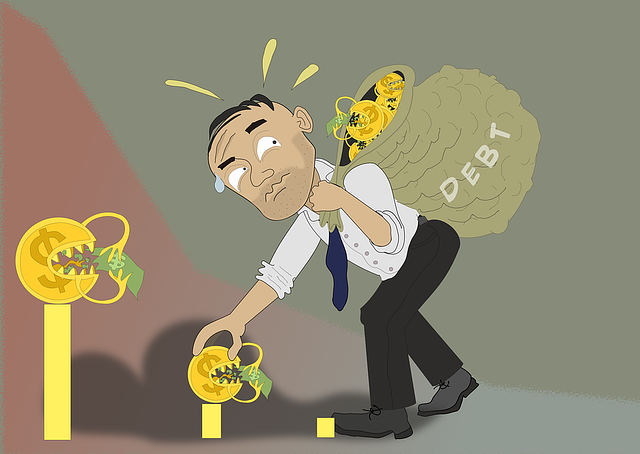
Image Credits: pixabay.com

Image Credits: pixabay.com

The road ahead may seem impossible at the moment. So, you better hang in there!

Read More...

Do’s And Don’ts When Loaning Your Money To Family And Friends

Family gatherings and friendly reunions can be less awkward if you follow these tips:

DO FIGURE OUT THE WEIGHT OF REPAYMENTS

A friend or a family member asked for financial help from you instead of loaning from a credible financial institution. Before anything else, you must ask yourself about how important it is for a person to repay you. Are prompt payments necessary or will intermittent payments work?

Keep in mind that if an individual approaches you, it is typically due to weaker credit history. This means that there is a risk of not receiving the repayment. You must figure out the weight of repayments earlier on before emotions get in the way.

DO NOT EXPECT FOR ANYTHING IN RETURN

When you do good deeds for others, it best to not expect anything in return. There is nothing wrong with earning the cash you previously had. However, you may feel disappointment if you are expecting more than what you have agreed upon.

Reciprocity is not a part of everybody’s values. This is why it is unfair to place personal expectations on unsuspecting family members or friends. This statement does not only apply to loans.

DO GET EVERYTHING IN WRITING

If you are releasing a relatively large sum of money or if you are strict on full repayment then, you must get everything in writing. Make an agreement that states the terms of the loan. This agreement is called a promissory note. Have the promissory note signed by both parties and and a lawyer (if possible). This will ensure that pursuit of legal actions when necessary.

You may also document the entire process before handing over the money.

DO NOT BE TERRIFIED TO SAY “NO!”

Your hard-earned money belongs to you and you are in charge of it. If you do not feel comfortable in lending money to a friend or a family member then, be assertive. Genuinely say that you cannot loan the money at the moment due to your financial responsibilities. Discuss the matter in a mature manner.

People who care about you will understand. If they take it against you, you may be better off without them.

DO OFFER GENTLE REMINDERS

All was said and done. To approach the situation in a warmer light in respect to your relationship with the borrow, offer gentle reminders instead of asking direct questions. You are not in the business of interrogating or threatening people about repayment. Instead, you want to cultivate an smoother discussion.

Image Credits: pixabay.com

Image Credits: pixabay.com

Sources: 1, 2, & 3

Read More...

6 Money Mistakes That You Probably Make

As human beings that dwell on habits, our personal finance patterns have a huge impact on our monetary well being. Many people are trapped into the same faulty habits that lead to common money mistakes. Recognizing these mistakes is a vital step to improving your financial health!

MISTAKE #1: NOT SAVING FOR EMERGENCY FUNDS

Unforeseen events happen from time to time. Some are pleasant (i.e., birthday surprise) while others are distressing (i.e., sudden layoff). Once an emergency strikes, it have serious repercussions to your finances. Not saving enough money for emergencies such as fire or burglary can mean instant bankruptcy for your or your family.

So, it is recommended to set aside a portion of your earnings each month to an emergency fund. Discuss with a financial professional about the advantages of compound interest and about ask for a feasible money strategy that fits your goals.

MISTAKE #2: LIMITING YOUR INVESTMENT PORTFOLIO

A large number of Singaporeans believe that property is an investment. There is nothing wrong about that. However, you are displaying poor portfolio diversification if you limit yourself to properties alone. Not only that! If you can only afford to purchase a single property, you will be forced to be homeless soon after.

This scenario highlights the importance of combining different investment options in order to safeguard your retirement.

MISTAKE #3: NOT NEGOTIATING YOUR SALARY

When I was a fresh talent in the “working scene”, I constantly cut my worth short. I believed that my experience was so insufficient. However, my relatively negative mindset was demeaning my knowledge and skills. This is why it is important to evaluate your skills, education, and experiences.

Find out the average salary per year through PayScale. It provides salary information for a particular position from its global online database. For example, the average pay for a Sales Representative at Pharmaceuticals is S$47,566/year. Negotiate salary based on your substantial research. You can do it!

MISTAKE #4: TERMINATING YOUR CARDS PREMATURELY

Whether you are closing out your cards because they are underused or because you had finally paid off your entire balance, this act may not be the best move for your credit score. The utilization rate and he average age of your credit accounts are two important elements of your credit score. The goal is to have a long credit history and a low utilization rate. Both of these elements are affected if you closed out your cards.

A better option is to store your credit cards in a safe place and make a purchase every once in a while to demonstrate that you are a good steward of your card. Immediately pay off the balance too.

MISTAKE #5: NOT HAVING ENOUGH MONEY FOR YOUR START-UP

Having scarce funding because of underestimating the start-up expenses can lead you to using your own savings just to meet the company’s monetary needs. You can either use your retirement savings or borrow money from friends and family. Furthermore, you will not be able to optimize your product to its full potential. This is not a good disposition to have!

A usual start-up goes through several rounds of funding. It is necessary to analyze all the areas of your budding business and each type of funding opportunities in order to begin the operations on the right foot.

MISTAKE #6: EATING OUT EXCESSIVELY

It is no secret that Singaporeans love to munch! We are blessed with a myriad of cuisines that one cannot resist the temptation of eating out. As with everything that is good, too much can be a sin too.

Image Credits: pixabay.com

Image Credits: pixabay.com

You may feel that eating out during lunch or dinner daily does not make a difference. But, all your costs add up. The cost of one restaurant meal may be equivalent to three home-cooked meals. Consider packing lunch from home as it is cheaper, most of the time.

Read More...

Start Saving Cash By Following These 18 Spectacular Tips

Saving money is a crucial step to financial independence. No matter what your current financial status is, you need to understand that it is possible for you to grow your wealth. There are simple money-saving ways that you can employ now.

Let the round-up begin!

1. Start by accepting your financial responsibility and devising a monthly budget that is suited for your lifestyle. When you continue to make excuses to saving money or altering your spending habits, you may end up broke.

2. Eliminate your consumption of junk food and beverages such as sodas, chips, and sweets. These things are not only unhealthy but they are also costly.

3. Figure out the saving goals that are most important to you. Organize your expenses based on your priorities and your goals.

4. Spend at least 6 minutes on examining the last month’s utilities bill and credit card statement. Use your vigilant eyes to spot one expense that you can either reduce or eliminate.

5. Before purchasing anything, it is good to read the reviews and to compare the prices so that your money will not go to waste.

6. If you are taking medications on a long-term basis, ask your physician if he or she can prescribe a cheaper yet equally efficient alternative.

Image Credits: pixabay.com

Image Credits: pixabay.com

7. Surround yourself with financially literate friends. This is important as you can begin to adapt the attitudes and the beliefs of the people whom you are most exposed with. Know the 6 Kinds Of Friends Who Can Positively Influence Your Finances.

8. If possible, let your employer automate your salary in a separate bank account that is solely for your savings. This will lessen the temptation of immediate spending.

9. Give refurbished laptops a chance. Buy these from established and trusted retailers to ensure safety.

10. Save and reinvent the unconsumed food when you either ordered too much restaurant food or when you cooked excessively.

11. Your appliances and electronics will continue to consume energy and spike your tariff despite turning off the switches. This is why you must unplug your cables when not in use.

12. Save every last cent by putting it in a jar. If you collated your loose change of 50 cents a day, it can generate nearly S$200 a year.

13. There is no need to replace your torn clothing right away! Learning and mastering the basic sewing stitches can help you extend the life of your favorite clothing.

14. The sharing economy allowed people from all over the world to rent their own homes. Cut accommodation costs as well as energy consumption by availing the services of Airbnb, HomeExchange, or Couchsurfing when overseas*.

15. Stop hoarding or collecting unnecessary items. Start selling these items on global marketplaces instead.

16. What better message of gratitude can you convey when you pour your heart on handmade gifts? Consider creating your own gifts instead of buying them from the shops.

Related Post: Do-It-Yourself Gift Ideas Your BFF Would Love

17. Limit your taxi rides. Using public transportation can save you at least S$5 per trip.

18. Rather than spending all your money on a fancy restaurant with your friends or co-workers, socialize by having a pot-luck.

Image Credits: pixabay.com

Image Credits: pixabay.com

*Be cautious at all times. Read the reviews of the room or the house you are renting before paying for it.

Sources: 1 & 2

Read More...

Download The App That Can Keep All Your Insurance Policies In 1 Place

Insurance is a safeguard against unfortunate and unforeseen events. It is a strategic way to manage various risks. Insurance companies offer individuals or policyholders protection from potential losses in exchange of payments called premiums.

To manage your policy letters better, insurance companies offered their own apps. It sounds like a great idea for people who possess a couple of policies from different insurance companies. However, it is quite a chore for people who hold several policy documents. That is when PolicyPal comes in.

PolicyPal, developed when a startup took part in the Startupbootcamp FinTech Singapore, is a versatile platform that gathers all the policy documents from a wide array of insurers. It provides you with a “digital overview and analysis of your existing policies to identify any protection gap in your insurance portfolio and help you to better understand your coverage.”

Image Credits: facebook.com/hipolicypal

Image Credits: facebook.com/hipolicypal

HOW IT STARTED

Ms. Valenzia Yap is the brainchild behind PolicyPal. About two years ago, Valenzia’s mother was diagnosed with a serious illness. Her mother was diagnosed with one of the most notorious illnesses across the globe – CANCER. The unfortunate turn of events did not stop there. She was surprisingly rejected by the insurance company because of several lapses that they were not aware of.

The inconvenience that she went through while sorting out her mother’s policy letters gave her an idea to digitize the collation of the insurance policies and other documents. So, Valenzia collaborated with two programmers named Rick Wong and Jun Wei Ng to create the PolicyPal. Necessity was truly the mother of invention this time around.

ITS CURRENT SITUATION

This impressive app received over a thousand of users since its launch. Majority of these users are either on their late 20s or early 30s. Interestingly, their policies range from 1 to 12. These information simply shows how a significant number of Singaporeans are conscious about their health and safety choices.

THE EASY PROCESS

In simpler terms, PolicyPal follows these steps:

1. Capture an image of your policy’s first page.
2. Taking a snap of the second page is only necessary if you have riders.
3. Wait for the app to process your data. It will analyze the policy number, premiums, coverage, and expiration dates.
4. View your premiums and coverage in a graphical overview or a comprehensive chart.
5. Request for a review.
6. Get a free portfolio review to understand your coverage its gaps.
7. Purchase from the available policies if necessary.

Image Credits: facebook.com/hipolicypal

Image Credits: facebook.com/hipolicypal

Eager to get your very own PolicyPal app, visit policypal.co to download it for FREE!

MORE FINTECH APPS

There are other incredible financial technology startups that originated from the Lion City aside from PolicyPal. These startups came up with smartphone apps that make financial services more efficient, convenient, and prompt. They challenge the traditional businesses that are less reliant on the potency of software.

Do yourself a favor and know more about the Call Levels (i.e., providing live updates for traders and investors), the TradeHero (i.e., gamifies trading), and the Dragon Wealth app (i.e., one-stop shop for financial advisors)!

Source: 1 & 2

Read More...