Get $20 cashback for this short term investment backed by Singapore properties

Debt crowdfunding, commonly known as peer-to-peer (P2P) lending is an investment concept where individuals & institutions together invest in loans to SMEs and earn returns in the form of interests. Considerably disruptive, the industry adopts a business model targeting the underserved SMEs by employing technology to directly link investors with them. Funding Societies is the largest such platform in Southeast Asia, having financed over S$1.3B worth of funds via their platform.

About Funding Societies

The platform is licensed and has operations in Singapore, Indonesia and Malaysia. Backed by Sequoia India and Softbank Ventures Asia amongst many others, the platform has grown at a rapid pace since they launched in 2015 in Singapore. The main risk in this investment is default risk of the loans. A few things to note when investing with Funding Societies:

  • Low barrier to entry: Investors can invest as low as $20 per loan
  • Short tenor: Investment tenors are quite short ranging from 1 to 12 months
  • Returns on Investment: Interest rates usually range between 3% to 5% per annum for a Guaranteed Investment product, 6% to 8% per annum for a Property-backed investment and 8% to 18% per annum for Invoice financing and Working capital related investments
  • Default Rate: The Singapore platform default rate is 1.89% while for Property Backed Secured Investment its 0% (no defaults till date)

To subscribe and start investing, just fill a 5 minute form here

Investing in these uncertain times

In light of the current economic uncertainties, Funding Societies has taken the approach to offer more investment notes for products that are more secure and have collateral backing it. For the purposes of this article, we will be looking at the Property-backed Secured Investment (PBSI) product.

About Property-backed Secured Investment (PBSI)

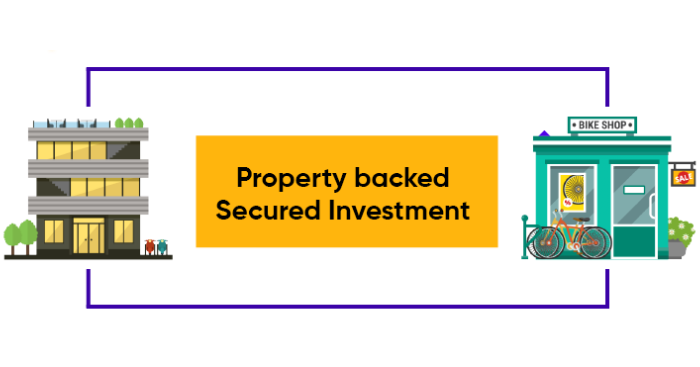
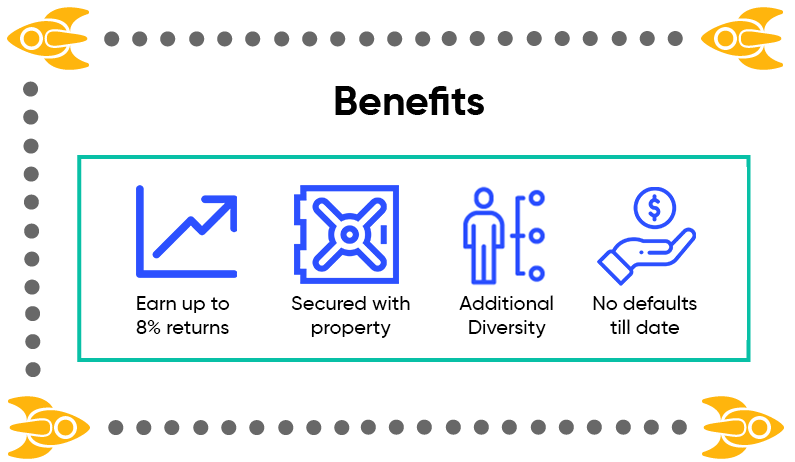
  • Investments backed by Singapore properties
  • Interest rates usually between 6% to 8% per annum
  • No defaults till date

PBSI is a crowdfunding investment made by investors in the form of a loan to a SME that is backed by a local property as collateral on a first lien basis. These pledged properties can be residential, commercial or industrial. Such properties may be owned by the companies and/or directors of the companies. What it means is that if the company defaults, the platform can liquidate the property to recover the principal and interest and pay back to the investors. To ensure that property price fluctuations do not impact the liquidation process, Funding Societies usually does not give loans of more than 70% of the property value and also takes into account forced sale value. Click here for more information on PBSI product.

Given that the loans are backed by collateral, PBSI is perceived to have a lower risk than other products on the platform. The rate of interest usually ranges between 6% – 8% per annum on a simple interest basis. This product portfolio has done very well so far with no defaults in more than 1.5 years since launch. While having a property as collateral does not mitigate default risk, it does provide an alternative helpline when seeking fund recovery should there be a default. At this point, it is important to note that past performance of the rates of return does not indicate future rates of return.

To reiterate, the reason behind the lower interest rate is due to PBSIs being generally less risky, given that these notes are backed by Singapore based properties. As the properties can be disposed off or auctioned by Funding Societies in the event of a default, the likelihood of recovering the principal and interest is considerably higher. More information on the interest rates for PBSIs can be found here.

While the returns are typically comparatively lower than unsecured products like Business Term Loans or Invoice Financing on Funding Societies, it can possibly be higher than some of the other investment vehicles in Singapore such as fixed deposits, certain bonds, and other fixed repayment investments. Investors will need to do their due diligence and access their risk appetite when studying various products.

To subscribe and start investing just fill a 5 minute form here

Importance of investment diversification

Just as how it is important to diversify your traditional investment portfolio across geographical areas, business types and investment types, the same is true for Debt Crowdfunding.

PBSIs can be an option to consider when opting for product diversification. By investing into both secured and unsecured products, the overall portfolio can be more balanced out to better weather storms.

Conclusion

Technological advancements have made multiple means of investment available to retail investors. While unimaginable a decade ago, retail investors today now have a large pool of investment opportunities to pick and choose from. When taking calculated risks, investors will need to fully understand the product that they are interested in. Beyond that, reading up and keeping up with trends is also crucial.

If you have done your own due diligence and decided to invest with Funding Societies, they currently have a promotion for new investors. Sign up with promo code MD20 and make a total investment of S$200 by 30th April to get a S$20 cashback.

Terms and Conditions apply

Investors must sign up with the aforementioned promo code and make a total investment of at least S$200 by 30th April 2020 to be eligible for the $20 cashback. Cashback will be credited into the eligible investors’ accounts by the end of May 2020. Funding Societies’ investor T&Cs apply.


Disclaimers:

This article is contributed by Funding Societies.

It should not be construed that Moneydigest is endorsing this article or any of the products and services provided by Funding Societies.

The content and materials made available are for informational purposes only and should not be relied on without obtaining the necessary independent financial or other advice in connection therewith before making an investment or other decision as may be appropriate.

All information in this article is accurate as of 2nd April 2020

Read More...

Aussie dollar slides to a historical low of S$1.00 = AUD1.25

Australian dollar dives towards a new low against the Singdollar

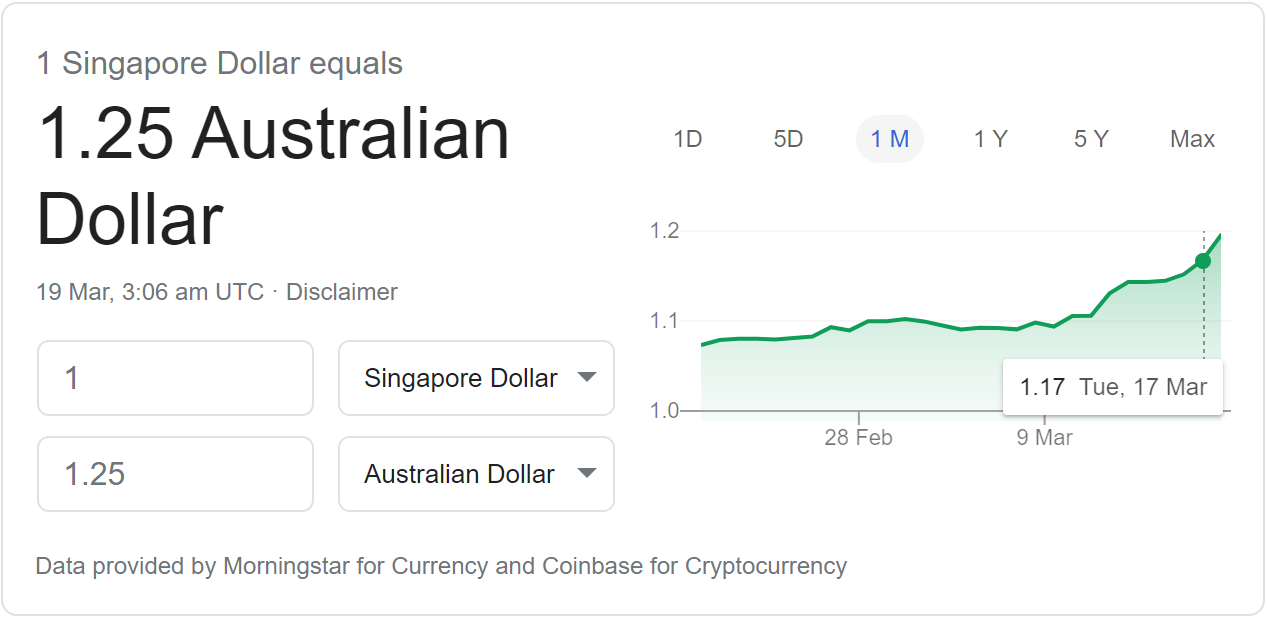
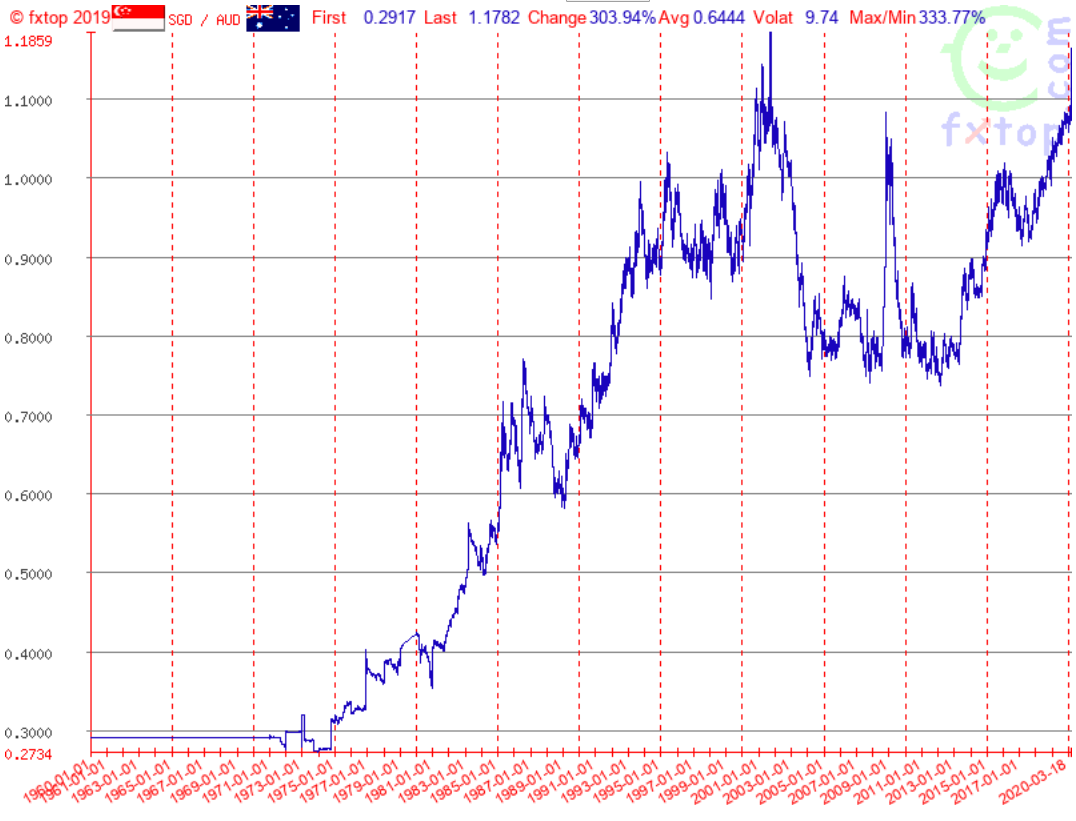
The Australian dollar has dropped further against the Singapore dollar, pointing towards an all-time low of 1.25, a rate never seen before since September 2001 when it hits 1.18 according to Investing.com.

The AUD has plummeted amid ongoing concern regarding the coronavirus pandemic and could sink further as it takes its toll on the economy.

The historical rates of the SGD/AUD pair from fxtop.com shows it briefly hits 1.18 in 2001 before the AUD started to recover and appreciate against the Singdollar going as high as 0.74:

The Reserve Bank of Australia (RBA) is set to announce measures later today (19 Mar) and could cut interest rates to stimulate growth.

In 2012, S$10,000 can only get you about AUD7,400 — a lot lesser than what the Singdollar is worth today where S$10,000 can get you AUD12,500. It can be good news for those who are planning for a vacation or studying abroad in the Down Under after the pandemic.


Get $250 Cash via PayNow when you apply for the new Citi Cash Back+ Card from 11 – 31 Mar 20

Read More...

Want to Invest in REITs but Don’t Know How? Use the FREE Seedly REITs Tool and Start Collecting Dividends Like a Bo$$

.
.

Interested in investing in REITs but don’t know where to start?

For starters, it’s going to take a lot of work.

Like. A LOT.

Imagine this.

You just got home after a long day at work.

All you want is a shower, dinner, and to relax.

You wouldn’t want to waste time cooking a meal when you could be catching the latest episode of that new Netflix series that everyone’s talking about.

Source: American Dad | Giphy

And the last thing you would want to do is pore through pages of financial statements or do your own valuation of data just to pick the best Singapore REITs to invest in.

Not that there’s anything wrong with doing that… but wouldn’t you want to spend your time doing something else that you REALLY like?

I mean, why isn’t there a magical resource or tool that can help people start their REITs investing journey?

Enter: The Seedly REITs Tool

With up-to-date data, sound analyses, and tonnes of information just a click or tap away.

The Seedly REITs Tool is a REITs investor’s best friend — no matter whether you’re a noob or a pro at REITs.

Best of all?

It’s FREE TO USE.

If You’re a REITs Investing Noob

If you’re just starting out, you’re probably feeling lost and have no idea where to start when it comes to REITs investing.

With the Seedly REITs Tool, you have a one-stop resource where you can get useful information like:

  • What are REITs?
  • What are the types of REITs which you can invest in?
  • A simple 10-step checklist to pick the best Singapore REITs

Feeling more confident now that you know what you’re getting yourself into?

Great!

The next step is opening a Central Depository Account (CDP) and an online brokerage account — if you don’t already have them.

Instead of heading out into the vast wilderness of the internet to do your research…

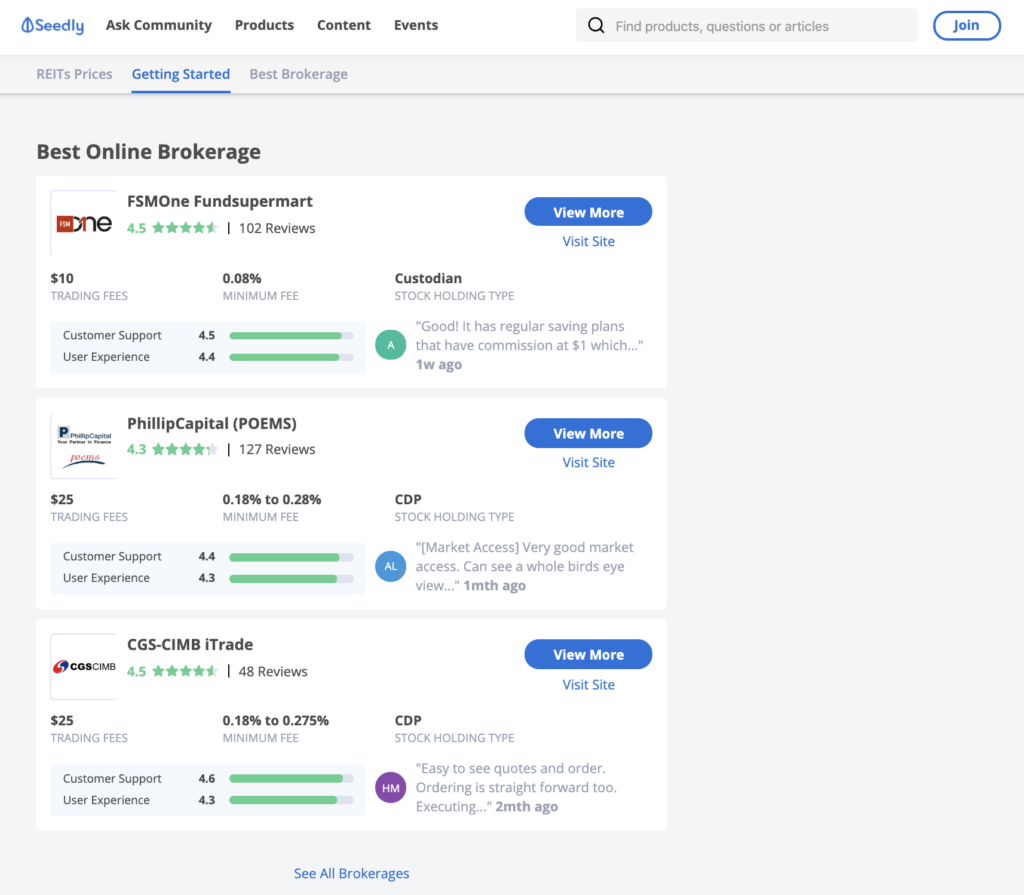
Simply scroll down to discover what are the best online brokerages available!

In order to make an informed decision, important information like:

  • Trading fees charged
  • Minimum fees charged
  • Stock holding type (if you’d prefer not to use a custodian account)

are all available at a glance!

Prefer to find out what others have to say about their personal experience with these online brokerages?

You can also read real-user reviews to get insights like:

  • Customer support
  • Market access (in case you want to invest in global markets)
  • Products on offer (in case you wish to invest in more than REITs)
  • User experience (because you’re allergic to lousy user interfaces)

This way you know for sure what you’re getting yourself into when you sign up with your choice of brokerage.

Made up your mind?

Just click on ‘Visit Site’ to sign up and you can begin investing in REITs!

If You Already Know About REITs Investing

The first thing you’ll probably want to do is check up on the fundamentals of the REITs you’re interested in.

While you could go about your standard routine of going to the individual REITs website or SGX to look for the REIT’s financial statements or annual reports.

Why not use the Seedly REITs Tool to find what you need without going all over the place?

Just search for the REIT you want, click on it and…

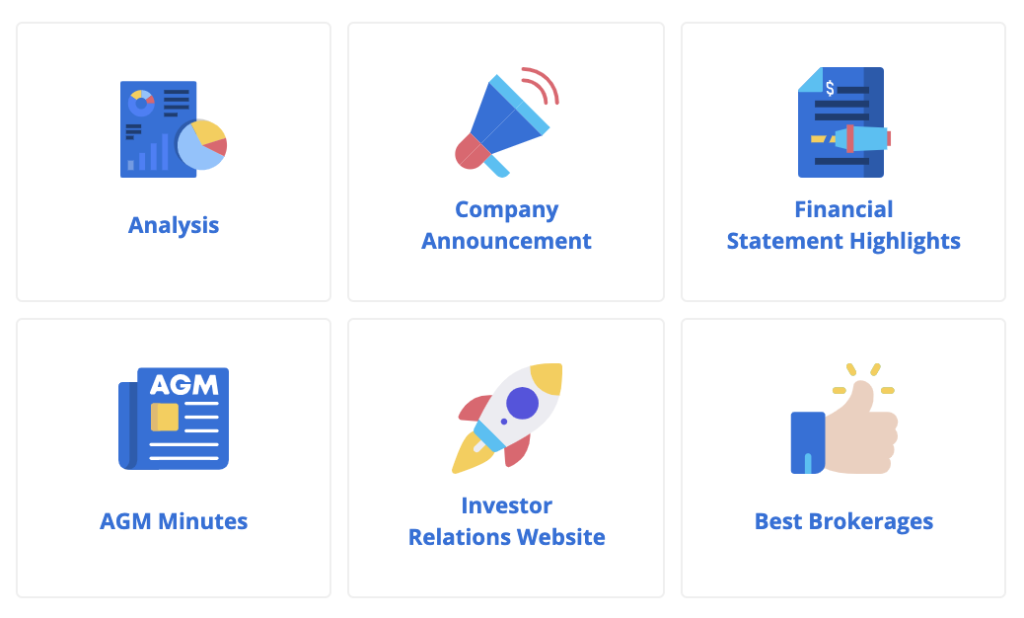
You’ll have immediate access to:

  • Sound and in-depth REITs Analyses (researched and written by Seedly’s very own content team; we aren’t paid by anyone to write about them so you know that our analyses are objective!)
  • Company Announcements
  • Financial Statements
  • AGM Minutes
  • Investor Relations website (just in case you need more information about the REIT)
  • Best brokerages available

“How about REITs valuation data? Do I have to calculate that myself?”

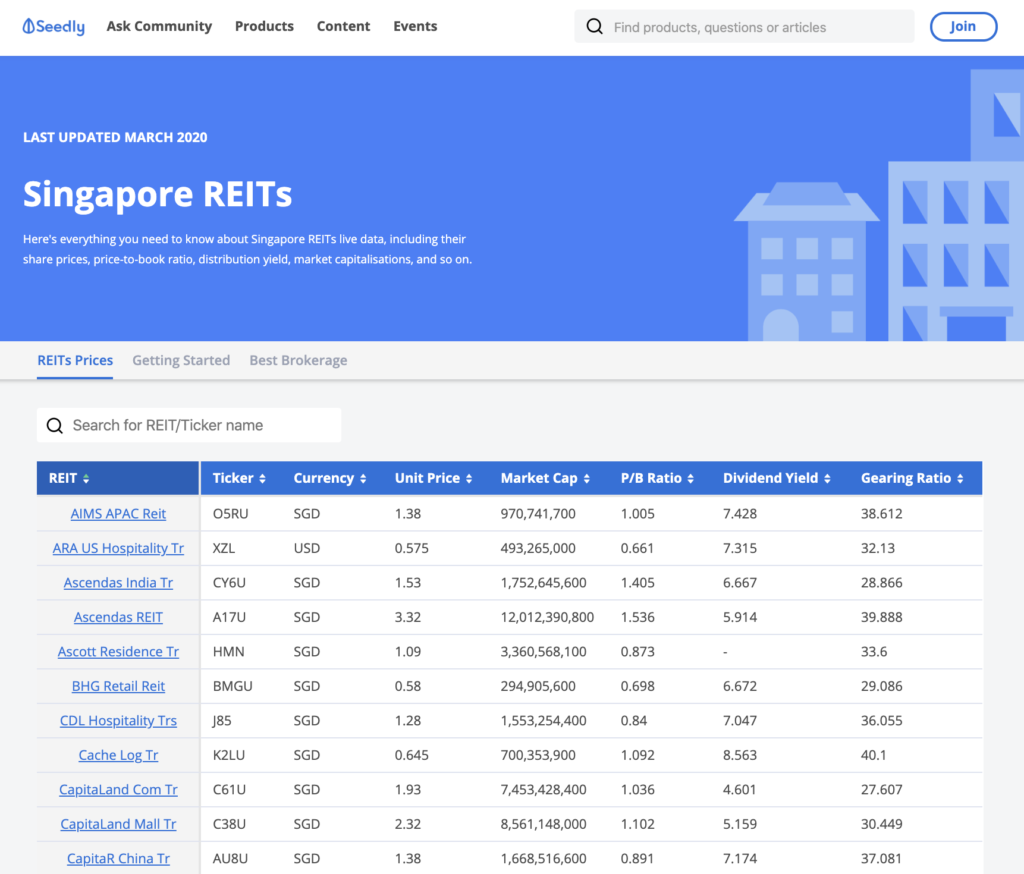
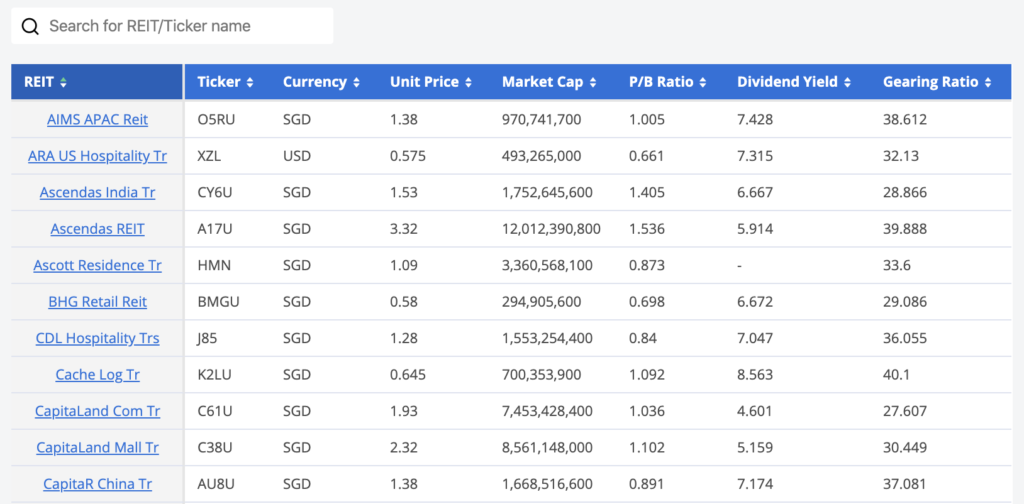
The Seedly REITs tool gives you easy access to data like:

  • Unit Price
  • Market Capitalisation
  • P/B Ratio
  • Dividend Yield
  • Gearing Ratio

that is updated daily at the end of every day.

And because the information is readily available on the same page.

You can do your comparisons easily without having to navigate back and forth or go through multiple pages on different sites!

The Seedly REITs Tool Sounds Great and All… but Why Is Seedly Doing This?

The Seedly team believes that everyone deserves to achieve financial independence and freedom.

And the reason why so many people don’t start investing is that they lack the knowledge and guidance to take the first step.

This is why they created the Seedly REITs Tool and made it free for any and everyone to use.

If you understand what REITs can do for you and believe that they can play an important part in your investment portfolio.

Then the Seedly REITs Tool is the perfect accompaniment to help you start or make your REITs investment journey a little easier.

So when you come home from work…

Source: American Dad | Giphy

you can focus more on relaxing and collecting dividends.

Read More...

Stocks Are Plummeting Due To The Global COVID-19 Scare

There is a scarcity of resources wherever you look. Toilet papers are flying off the shelves like the migratory Great snipe. People are typically seen hoarding cleaning supplies such as disinfectant sprays, antibacterial wipes, hand sanitizers, and so on. It is difficult to source out masks too!

With the scarcity of supplies, travel restrictions, and the limited capacity to work, the global COVID-19 pandemic has affected the economy in more ways than one. Last week, Wall Street plunged with Dow Jones confirming a bear market for the first time since the 2008 financial crisis. The escalating health fears sent the stock market into a nosedive, which is its worst state since the 1987 market crash.

The Dow Jones Industrial Average fell 1,464.63 points, bringing it 20% below its record set last month. This is what Wall Street calls a “bear market”. A bear market is a condition in which securities’ prices go 20% down or more from its recent highs. It is usually due to the widespread pessimism and negative investor sentiment. S&P 500 lost 140.84 points, which is just 1% point away from falling into the bear territory. While, Nasdaq Composite dropped 392.20 points.

Stocks dove even lower after the World Health Organization declared the virus outbreak as a pandemic. Stock prices reflect expectations of future profits and investors heavily perceive that the virus can reduce profits. Thus, a huge number of investors sought for the coordination of governments and central banks around the world to help control the economical threat of this virus. Until the extent of the decline is clearer, the natural reaction of many is to sell stocks.

The economic trajectory that seemed reasonable a few months a go is not going to be the same for a few months or a year. The wave of corporate conference cancellations, music festival cancellations, directives to work from home, and travel bans will exact a cost on businesses. Airlines, industrial companies, small businesses, educational establishments, service industries, and tech companies are all affected. We are all affected because the spending habits of consumers drive much of our economic activity.

Image Credits: unsplash.com

How long will this economic disruptions last and how deep will the economic market go?

Sources: 1, 2, & 3

Read More...

How To Choose The Best Stock Broker For You

Money does not come from trees! Choosing what is best for you should be influenced by strategic research on the available brokerage firms in the country. Consider these factors…

STICK TO THE BUDGET

It goes without saying that your performance in the stock market depends on your budget. If you want to start investing, but do not have thousands of dollars in your arsenal then, you can start with as little as S$1,000.

Say that you want to own stocks through the CDP (The Central Depository) then, you will have to set up a CDP securities account. The CDP account is operated by the Singapore Exchange. It provides integrated clearing, settlement, and depository facilities for customers in the Singapore securities market.

To be eligible to open an account, you must at least 18 years old and not an undischarged bankrupt. You can deal with as many brokerage firms as you want with one CDP account.

COMPARE THE BROKERAGE FEES

Brokerage firms allow you to buy and sell shares on the stock market. It is important to note that they charge you brokerage or commission fees for every transaction you make. When you buy shares, you get charged. When you sell shares, you get charged. These fees add up!

Most investors want to buy low and sell high. Expect to be charged commission fees multiple times by doing so. On the other hand, commission fees won’t make much difference to your if you just want to “park” your money.

KNOW THE DIFFERENCES ONLINE

Kids, there was a time when investors where required to call their brokers to deal with them directly. Do not get me started with how stock prices and other information were passed down! Those days are gone!

Nowadays, investors are blessed with online trading platforms that allow them to check stock prices and complete deals on the go. Some brokerage firms even have mobile applications.

Image Credits: pixabay.com

It is good to familiarize yourself with these online features before you open an account. For instance, day traders need to have a live and streaming data to get started. Choose a broker whose online features (e.g., daily news, company reports, or strategy guides) are suited to your lifestyle. Consider opening several trial accounts with many online brokers to immerse yourself with their service before signing up.

Sources: 1 & 2

Read More...