Starting again: How to ease back into exercising post-pregnancy

woman holding a yoga pose with baby sleeping on her thighs

You’ve finally done it!

You’ve given birth to the most beautiful baby in the world. But now the hard part begins: getting your body back into shape.

Below are a few tips on easing back into exercising post-pregnancy. Just take it one step at a time, and before you know it, you will be back to your old self slowly but surely.

Start slowly and stay safe

You’ve probably been told this a million times, but it’s worth repeating: take it slow when you start exercising again.

Muscles and joints that have been inactive for nine months don’t just snap back into shape overnight. In fact, you could do more harm than good if you try to do too much, too soon.

Incorporate core exercises

Incorporating some core exercises will help you regain your strength and stability, both of which are essential when it comes to working out.

You can do a variety of core exercises, including pilates and crunches. Just make sure you take things slowly at first and listen to your body. If something doesn’t feel right, stop immediately and talk to your doctor.

Don’t push yourself too hard, or too fast

female walking while pushing a pram

Image Credits: parents.com

Yes, you’re probably eager to get back into your pre-pregnancy exercise routine, but don’t forget that your body has just gone through a lot. You need time to heal and adjust.

That’s why professionals recommend starting with low-impact exercises and gradually adding more strenuous activities as your body gets stronger. Swimming, walking, and biking are good for a start. As you get stronger, you can add in other activities.

And remember, this is a process. You’re not going to be able to do everything right away. Give yourself time to ease back in and don’t be too hard on yourself.

Follow an appropriate diet and exercise plan

Now, if you want to get your body back in shape, you need to make sure that you’re following an appropriate diet and exercise plan.

Balanced diets are key to getting all the vitamins that your body needs for recovery. Eating healthy, nutrient-packed meals will help fuel your workouts and build muscle mass.

When it comes to long-term exercise, set reasonable goals for yourself and focus on progress instead of perfection. It’s also important that you give your body time to rest and recover after each workout session.

Take advantage of this time by stretching, doing gentle yoga, or meditating—all great ways to lower cortisol levels in the body while promoting self-care and relaxation too!

Focus on strengthening your pelvic floor muscles

Strengthening your pelvic floor is essential for any postpartum exercise routine.

Because your pelvic floor is the support system for vital organs, make sure it has the strength and stability needed to support you in everyday life.

Pelvic floor exercises are relatively easy and can be done anytime, anywhere—no equipment necessary! They typically involve lying on your back with your knees bent and feet flat on the ground, gently engaging your pelvic muscles as if you were trying to stop the flow of urine.

Strengthening those muscles through targeted exercises and general workouts can help restore a sense of control over your body after pregnancy and childbirth.

Facilitating yourself back into a workout routine post-pregnancy can be daunting, but it’s doable with the right approach. Remember to listen to your body, take things slow, and focus on rebuilding your strength and energy. And most particularly, don’t be too hard on yourself—consistency wins.


Read More...

10 Challenges of Modern Dating Faced By Singles in Singapore Today

If you don’t know the risks and unspoken rules, the Singapore dating scene can be incredibly frustrating. One minute, you think you may have found a partner you can be in a long-term relationship with, and the next, you discover that your date doesn’t really live up to your expectations.

Below are just some of the most common challenges singles in Singapore face when they dip their toes into the dating pool.

1.) Love Scams

Love scams are nothing new. Unfortunately, modern technology has given scammers an easy way to increase their chances of snagging unsuspecting victims. As awful as it sounds, Singaporean singles are often easy prey, thanks to a cultural backdrop that makes many of them less suspicious of other people.

In one of the more common crimes to actually happen in Singapore, local singles are groomed over social media and dodgy dating apps, setting them up for a classic investment scam once they have fallen into the perpetrator’s emotional thrall. Keeping a healthy level of scepticism and choosing vetted dates through trusted dating apps and matchmaking services will make singles far less vulnerable to these criminals. If you yourself are ready to play the field but don’t want to expose yourself to unnecessary risks, make sure you use a reliable dating service and dating app Singapore singles trust.

2.) Interacting in Clubs

Not everyone likes clubs, but a lot of singles who don’t like them still feel pressured to go because they’re where everyone else goes on a date. Thankfully, Singaporeans do have a lot of alternative options for dates that go beyond clubs and the classic dinner and a movie.

If you hate clubs, be sure to talk things over with your potential date. Choosing a trustworthy app that’s also a complete dating service will also help you avoid the kinds of date venues and situations that you dread.

3.) Ghosting

There are many competing theories as to why ghosting has become extremely common in the Singapore dating scene. As inevitable as it is, this kind of avoidant behaviour is especially annoying when you’ve been strung along and need a serious emotional connection. Again, using a trusted dating app or matchmaker can reduce the odds that you’ll waste time on someone who’ll just take you for a ride.

4.) Busy Lifestyles

A lot of locals simply do not have the time to go dating. Singaporeans are quite often stuck at work leaving them little time for themselves, let alone other people. This makes it difficult for many to commit to dates and other personal activities.

There are no easy answers that will solve this issue for everyone. However, refining your strategy for a work-life balance may help you gain the few hours a week you’ll need to start playing the field. You could also choose a dating app that’s especially designed for busy local lifestyles.

5.) Cat and Mouse Games

Some people on the dating scene enjoy the rush of having someone hang on to their every word. These folks are not necessarily narcissists. With little time to spend outside of work, stringing people along can be appealing for some overworked or emotionally troubled individuals as a way to feel good about themselves.

In any case, using a better dating app that caters to more serious singles can help you avoid having to play these games. In particular, make sure to choose one that offers a professional matchmaking service to take away the hassle of finding a serious match.

6.) Untrustworthy Dating App Profiles

With some kind of a barrier to verifying identities, it’s impossible to ensure that you won’t get catfished or played for a fool on most dating apps. If you’re going to use less exclusive apps, you’ll have to develop a realistic appreciation of the kinds of risks you face.

7.) Materialistic Attitudes

Generally speaking, many Singaporeans have a materialistic streak. This is not always a bad thing, as material culture has been instrumental in much of the country’s success.

However, it’s often a problem when singles are looking for financial stability rather than emotional connections. If you’re not rich, you will be far more disadvantaged in the local dating scene than you would otherwise be in other cultures, particularly if you are male. This is generally true of most cultures, but is often at a different level in Singapore.

8.) Too Many Bad Matches to Sort Through

Dating app fatigue is a real phenomenon. Women, especially, tend to have more potential matches on dating apps than they can give time to. This can make the dating experience more frustrating and anxiety-inducing than it would be, otherwise.

You can minimise the odds of dating app fatigue by choosing a more exclusive dating or matchmaking app. While you’ll probably get fewer hits, you will generally have better-quality interactions, making the dating experience as fun as it is convenient.

9.) Cultural Issues

As modern as Singapore is, many of the shared values locals hold are quite ancient. Overt emotional assertiveness is not something local singles can or should expect from the usual dating experience. Also, many Singaporeans avoid dating people from different cultural backgrounds despite generally being OK to work with or do business with anyone. These cultural issues add another layer of complexity to the usual SG dating experience.

Again, using a better app or going with a trusted matchmaker will help you avoid these thorny issues. Going this route will essentially let you “presort” your dates, avoiding awkwardness and saving everyone loads of time.

10.) Commitment Issues

This is not a problem unique to Singapore. Rather, this is a common feature of dating in many modern cultures. In the old days, most people had little choice in who they married, let alone dated. These days, we’re all presented with a multitude of choices, and most singles would probably be equally happy with many of them.

To avoid being in the wrong, make sure that you communicate your intentions with your dates as openly as possible. Be honest with yourself about what you need so you don’t let things go on for longer than they should.

Dating can be a fun experience at any age, even in Singapore. So long as you understand the risks, dating in Singapore can be one of the most fun and interesting experiences you’ll ever have. To bring down these risks even further, make sure you use a properly localised dating app that’s designed for the Singaporean dating scene.

Read More...

What play-based learning can do for your child

play-based learning

Play-based learning is a wonderful way to help your child learn and grow.

When your child engages in play-based learning, they’re exploring the world around them and learning through their natural curiosity.

If you’re new to the idea of play-based learning, don’t worry. We will walk you through the basics you need to know in this post.

What is play-based learning?

Simply put, it’s a form of child-led play that’s combined with specific learning intentions.

So your child is free to explore and learn through play, but the parent or teacher can help guide them in the right direction.

Perhaps the best thing about play-based learning is that it’s fun. Your child will be excited to learn, and they will get to explore new things in a safe and nurturing environment.

The benefits of play-based learning

Play-based learning is beneficial because it allows children to explore and experiment on their own. It also assists children in developing skills like problem-solving, creativity, and critical thinking.

In addition to these benefits, play is also a necessary component of brain development for children. Play helps children learn about the world around them and helps them relate to other children.

How play-based learning can help your child academically
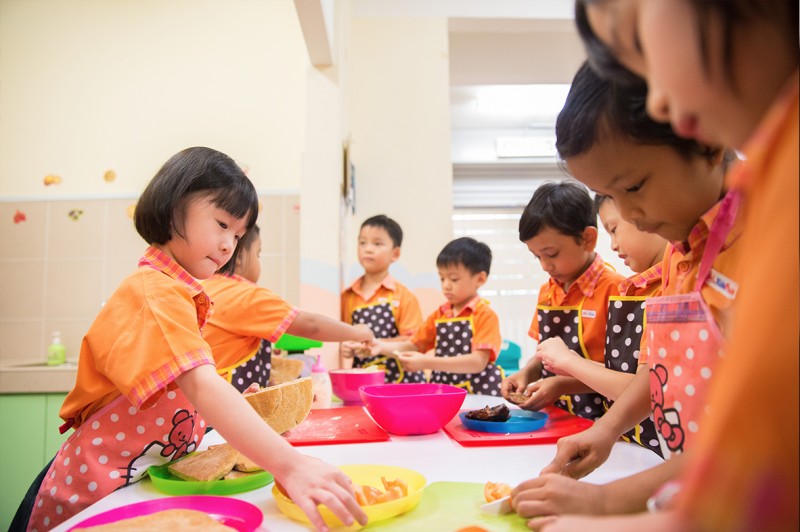
kids cooking in school

Image Credits: realkids.edu.my

Play-based learning is semi-unstructured, child-directed, and merely facilitated or guided by adults.

What this means is that kids are in control of their learning, and they get to explore and figure out things on their own. So if you’re looking for a way to enable your child to excel, play-based learning may be the answer for you.

If you require data to convince you, consider studies revealing that children’s vocabulary and storytelling skills were found to be higher in play-based classrooms than in regular classrooms. According to another research, children who participate in play-based programs employ language and learning techniques that are more complex, which is linked to literacy abilities.

How play-based learning can help your child socially and emotionally

Children get the chance to connect with others while learning about societal norms and expectations. They also form bonds with their peers through play-based learning.

Kids discover how to share toys, take turns, and work together via play. Additionally, kids get conflict-resolution skills, which are crucial for social growth as they progress through the education system.

Children have the chance to examine their thoughts while they develop and discover in a setting that stresses play-based learning. They can come to terms with various emotions, discover what makes them happy or unhappy, and learn how to control conflicting feelings as they come up.

Parenting is hard, but it’s important to give your child the best possible start in life. Play-based learning is one of the best things you can do for your child because it helps them learn and grow intrinsically. They will also develop essential skills, like problem-solving and creativity. It also helps them learn about their world and themselves. If you’re looking for a way to help your child learn and grow better, consider play-based learning. It’s fun for children, and it’s a wonderful way to learn without stress.

Read More...

Nutritious foods to boost your breastmilk supply

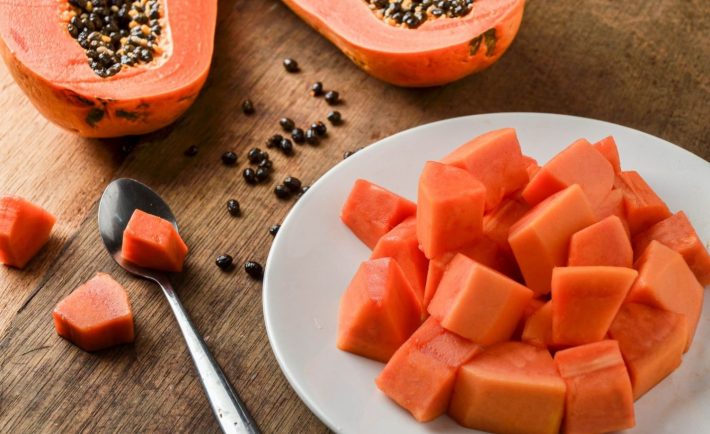
diced papaya

As a new mum, you’re probably wondering what you should and shouldn’t eat while breastfeeding.

There are a lot of old wives’ tales out there, but we’re here to tell you the truth about the foods that will help boost your breastmilk supply.

However, we urge you to check with your doctor first if you have past medical conditions and want to be sure it suits your post-pregnancy diet.

The benefits of eating certain foods while breastfeeding

When you’re breastfeeding, it’s important to eat a balanced diet that includes plenty of protein, fruits, and vegetables. These foods will provide the nutrients your body needs to produce breastmilk.

Foods that increase breastmilk production

We’ve picked a few key foods that you should be eating to help boost your breastmilk production:

  • Papaya

Papaya is a good source of beta-carotene and vitamin A, both of which are necessary for nursing mothers. Eating papaya can help improve those levels, which in turn boost your breast milk production and supply.

  • Salmon
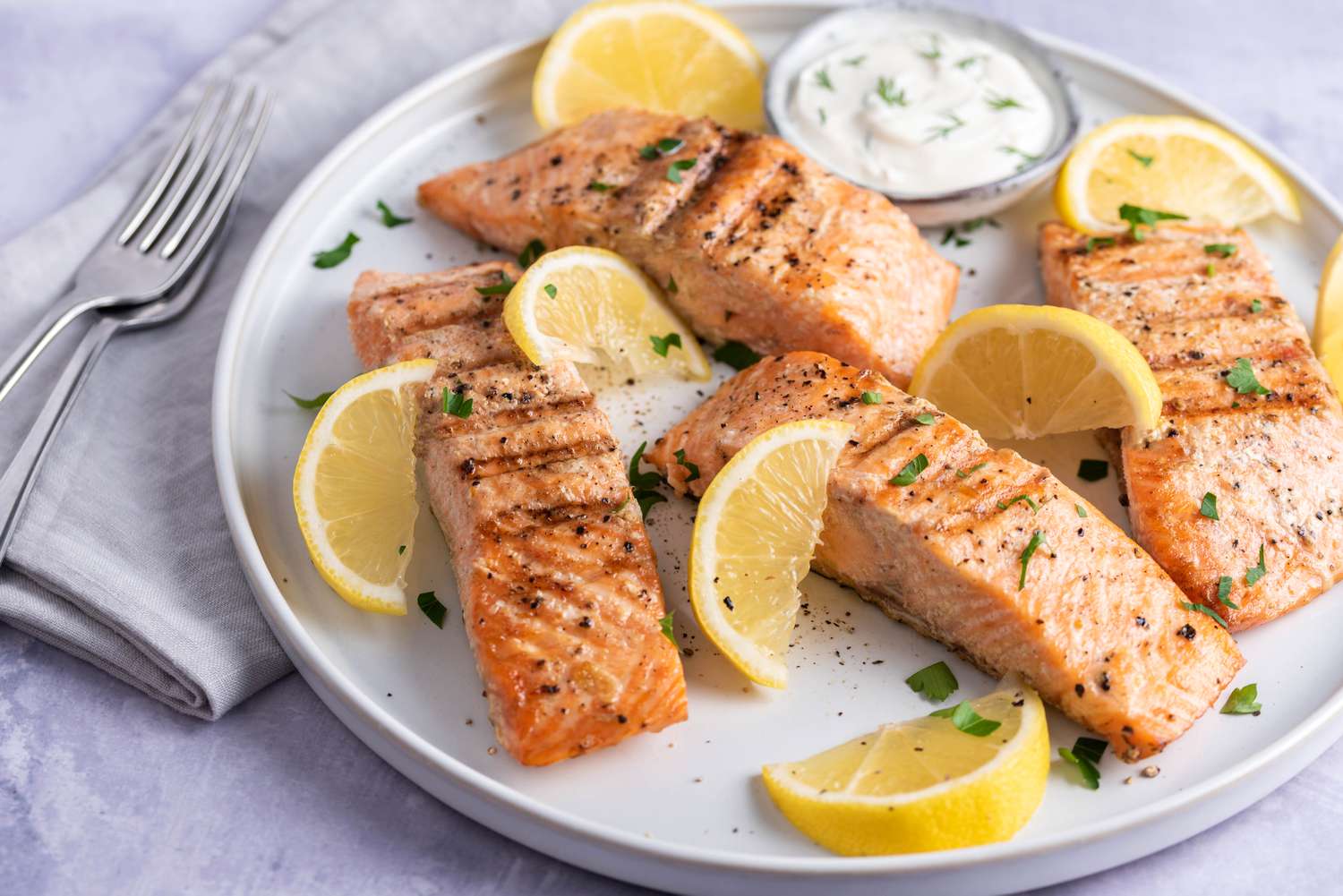
grilled salmon with lemon

Image Credits: thespruceeats.com

Salmon is one of the healthiest types of fish you can eat while breastfeeding. It’s a superb source of protein and omega-3 fatty acids, which are essential for both you and your baby.

Eating seafood like salmon can also help boost the levels of DHA in your milk. DHA is a type of omega-3 fatty acid that’s crucial for your baby’s brain development and visual acuity.

Salmon is a lovely choice because it’s low in mercury and offers plenty of nutritional benefits. But if you’re taking other fish variants, aim to have no more than two servings a week while breastfeeding, as some types of fish can be high in mercury.

  • Almonds and sesame seeds

Almonds are a great source of calcium and contain essential fatty acids, which are beneficial for both you and your little one.

Sesame seeds are packed with calcium, as well as other nutrients like zinc and magnesium, which can help with milk production.

So next time you’re at the grocery store, be sure to pick up some almonds and sesame seeds and add them to your diet!

Tips for eating well while breastfeeding

When you’re breastfeeding, eat a variety of healthy foods to boost your milk supply. Protein-rich foods are a good place to start—try eating meat, eggs, and lentils.

And don’t forget the whole grains, fruits, and vegetables! They provide vital vitamins and minerals that your body needs while you’re breastfeeding. In short, a balanced diet is key.

Breastfeeding is a rewarding experience for both you and your baby, but make sure you’re eating the right foods to help your milk production. There are plenty of nutritious foods that can help boost your milk supply, so try to incorporate as many of them into your diet as possible. Salmon, spinach, and yogurt are all excellent sources of protein and calcium, which are essential for breastfeeding mothers. Stock up on the right foods to help you and your baby get the most out of breastfeeding.

Read More...

Choosing a wedding dress: What to keep in mind

wedding dresses

You’re engaged! Congratulations!

Now it’s time to start shopping for your wedding dress.

It’s an exciting (and sometimes daunting) process, but with a little planning, you can find the perfect dress for you and your big day. Here are a few things to keep in mind as you get started.

Your budget

You’re probably excited about the prospect of finding your dream wedding dress. But before you start shopping, set a budget and be realistic about what you can afford.

There are many dresses out there, and it can be easy to get carried away. But remember, you will need money for other things like the reception, flowers, wedding bands, and photography. So be mindful of how much you’re spending on your dress.

There are plenty of beautiful dresses out there that won’t break the bank, so don’t feel like you have to go over budget just to have the perfect wedding dress. Start by setting a budget and then start shopping with that in mind. You will be glad you did.

The formality of your wedding

When you’re choosing a wedding dress, think about the formality of your wedding.

What does that mean? Well, it means thinking about things like the venue, the guests, and the overall tone of the day.

If you’re getting married in a grand ballroom, for example, you will probably want to choose a more formal dress than if you’re getting married on the beach. And if you’re having a color-coded affair, your dress should reflect that.

Your body type and what flatters you
Bridesmaids and flowers

Image Credits: unsplash.com

A dress that looks great on your best friend might not look so great on you.

Be honest with yourself and think about what styles and cuts look good on your body. Are you curvier or an hourglass? A straight-up-and-down kind of lady? The key is to find styles that flatter your body type and make you feel confident and beautiful.

So before you start trying on dresses, take some time to think about what looks good on you. Once you know that, the process will be a lot easier.

The neckline, sleeves, and waistline of the dress

You might be wondering what the neckline, sleeves, and waistline of your dress should be. Well, we’re here to help!

Boatneck and off-shoulder necklines are both great options, as they elongate the neck and make you look taller and slimmer. If you want something a little more dramatic to show off your assets, go for a sweetheart neckline or a V-neck.

Sleeves can also make a big statement. They can add elegance or drama, and they can also be a great way to cover up your arms if you’re self-conscious about them. You have a few different options when it comes to sleeves: strapless, capped, short, 3/4 length, and long.

And finally, the waistline. This is another essential feature to consider because it can help create the overall silhouette of your dress. A natural waistline is always a good choice, as it creates an hourglass figure. If you’re looking to hide your tummy, then a high-waisted dress makes sense.

You’ve probably started to think about wedding dresses by now. It’s an exciting process, but it can also be a little overwhelming. There are so many different styles and fabrics to choose from, not to mention prices! How do you know which dress is right for you? As mentioned, think about the style of your wedding, your body type, and your budget. Keep these things in mind as you start shopping for your wedding dress, and you’re sure to find the ideal one for your big day! Good luck.

Read More...