As the most important day for the Chinese in the world arrives, it is also the time when festive mood kicks in. Most of us look forward to usher in the Year of the Goat hoping for a better year ahead filled with abundance and prosperity. For the younger generation, it is also the time of the year when they get rich as they fervently collect the red packets.
There are also various activities and places to go where you can soak into the ambience of the festive mood. We take a look at 8 places where you can celebrate the Chinese New Year on a budget:
1. River Hongbao 2015
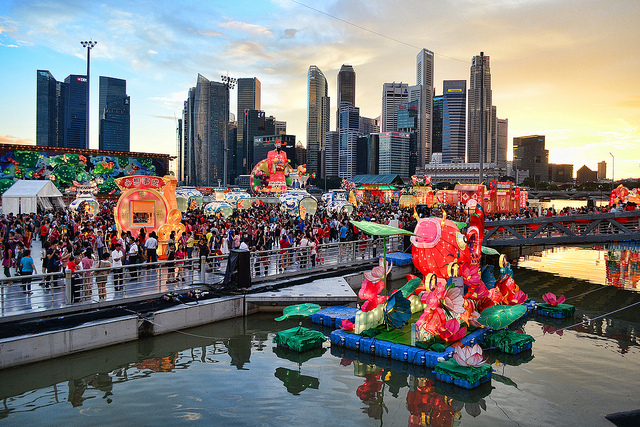
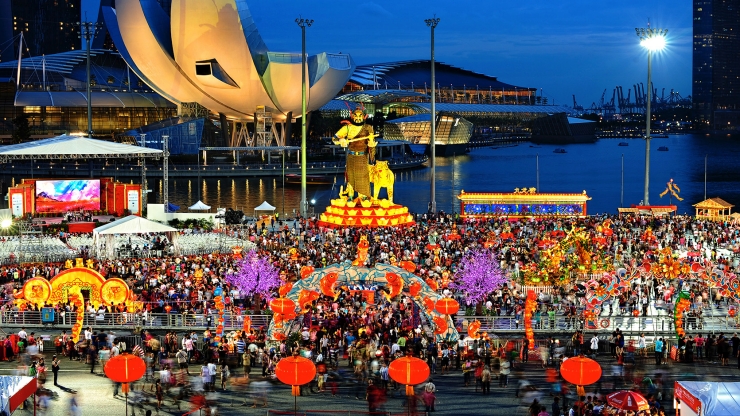
River Hongbao is one of the best place to be at during Chinese New Year as there are a varieties of activities from Xinjiang performances to large lanterns and God of Fortune. For your kids, there are more than 25 game stalls and rides such as the bumper car and carousel. There are Traditional Chinese Art and Crafts stalls if you enjoyed arts. When you are famished, there is also a Food Street for you to try out some of the local delicacies such as Chicken Rice, Bak Kut Teh, Laksa, Hokkien Prawn Noodle and more. There’s also fireworks on the eve of Chinese New Year. Admission is free.
Take a walk at the museums as there are Open House during Chinese New Year. With an array of activities organised for you and your family, learn the history and cultural aspect of the Festival of Spring. Admission is free.
As this is a festive period, expect a number of movies to be launched on the first day of Chinese New Year.
Make sure you catch these movies:
Ah Boy To Men 3: Great family show. If you have watch the first two series of Ah Boy To Men, you know Jack Neo is a good director who know what the Singaporeans want to see.
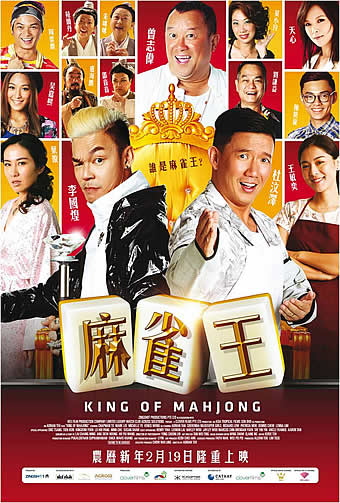
King of Mahjong: Starring Mark Lee. Good show to watch for those who wish to be inspired before their Mahjong’s session this CNY.
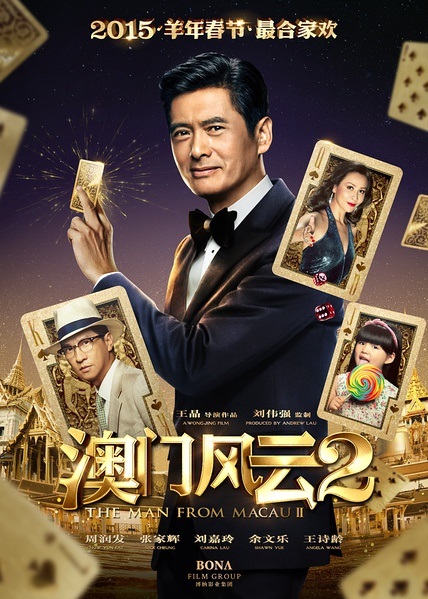
From Vegas to Macau II: With Chow Yun Fatt, “the legendary gambler” as the main lead, you shouldn’t miss this for those who like to gamble during CNY. Gamble with care.
Dragon Blade: With Jacky Chan in the movie, need i say more?
Triumph in the Skies: If you are a HK Drama addict like myself, you would have watched their drama on TVB years ago. It has also been cited as one of the best serial dramas. With Julian Cheung and Charmaine Sheh in the movie, this will be a movie on my watch list.
12 Golden Ducks: Another HK Movie, this time a comedy starring Sandra Ng who plays a cross-gender gigolo that will make you laugh your way out of the theatre.
4. Chinatown Countdown Party 2015 and Street Light-Up
Image credit: ST
Expect Chinatown to usher in the Chinese New Year with a blast! After your reunion dinner, head over to Chinatown for a countdown party from 9.30pm – 12.30am on 18 February 2015. Immerse yourself with the festive joy with performances, skits and festive songs. Did i mention there will be firecrackers and fireworks? On the first day of Chinese New Year, the entire street of Chinatown lights up with lanterns and “goats” figurines.
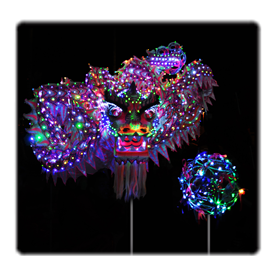
Do not miss out the actions at The State of Fun as Sentosa will bring you a series of performances this Lunar New Year. Wei Wei, a Shaolin Master who also holds the Guiness World Record, will showcase his Kung Fu and martial art skills during the events. Be captivated by the Northern and Southern Lion Dance performances located at the Merlion Plaza and Wings of Time Concourse respectively. That’s not all. When night falls, you will be mesmerized by the LED Dragon Dance at the Beach Plaza and the Prosperity Walkway with hundreds of lantern beautifully lighted up.
Ride the Singapore Flyer for free this Lunar New Year if you are the first 88 visitors from 19 – 22 February 2015! It operates from 8.30am so make sure you are there early if you want to embark on a ride that provides unrivaled view of the Singapore’s skyline. Make sure you snap a photo of Marina Bay and the Esplanade. There are also other fun-filled activities such as Lion and Dragon Dance performances, Wushu performances and God of Fortune/Lucky Goat mascots to welcome you.
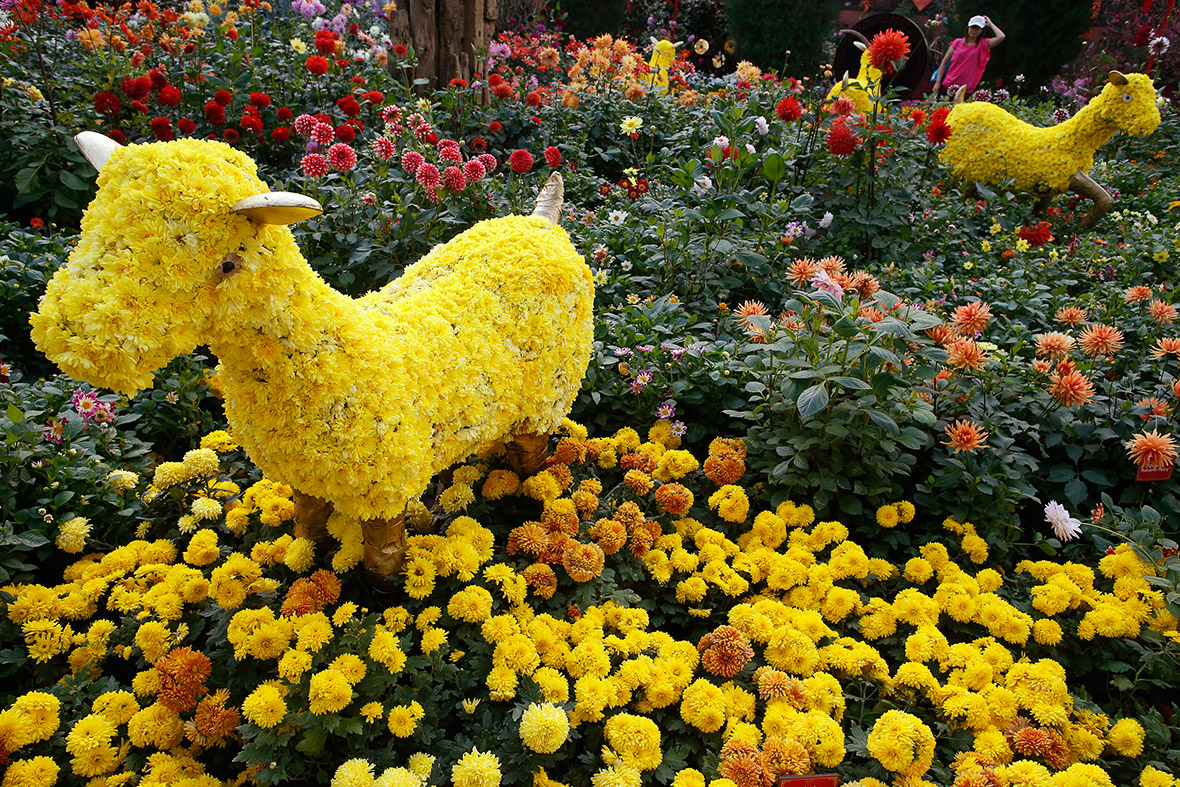
At Gardens by The Bay, there are also plenty of events lined up for Chinese New Year. Don’t miss the floral showcase at the Flower Dome where you get to see display of goats and other Chinese New Year figurines made of flowers. There’s also Lion Dance performances on 21 February 2015, from 5 – 6pm.
Since this is the year of the Goat, don’t you think you should visit the Zoo to snap a picture with the “main lead” this year? There’s Goat Photography on 18 – 22 Feb 2015 for you to take a shot with the baby goats! There are also Lion Dance performances and Mascots to greet you during your visit.
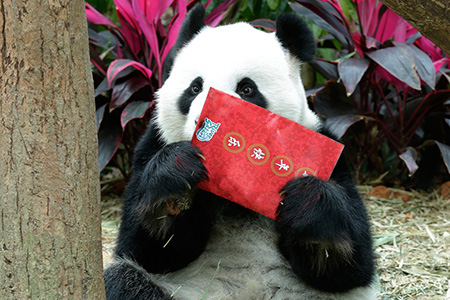
Catch the giant pandas Kai Kai and Jia Jia at the River Safari as you witness these majestic Chinese animals fervently open up their Chinese New Year’s treats.
Want to catch glowing ‘Lions’? Then head over to Night Safari where you can catch spectacular LED lighted Lions showcasing their moves to bring you luck and prosperity. The LED lighted mascots look forward to snap pictures with you, so make sure you bring your camera with you. If you would like to read your future, take a walk along the Zoo-diac trail which predicts your horoscope for the year of the Goat.
You may go shopping during a huge Laptop sale and save big time on what you need but find yourself purchasing its costly accessories. Extras for laptop, computer, Smartphone, and so on can be purchased at a bargain price online on Ebay or Carousell rather than from the shop itself. Shop for the necessary, weight your options when buying extras, and look at the bigger picture.
2. COMPARING PRICES BY SHOPPING
Compare prices online or through magazines and newspapers instead for buying the items yourself. Also, when comparing prices, give yourself a time limit (e.g., 20-30 minutes). This is because people who can’t stop looking for the next best deal are never satisfied.
3. LETTING IMPULSE TAKE OVER
When impulse takes over your shopping, you regret purchasing an item the minute it arrives. To know if you really need and want something, walk away from it and you will save money. As most heard: “if you love something, set it free”. And, if you find yourself thinking about it after 24 hours then go back and buy it.
4. OVERSPENDING DUE TO AN ATTRACTIVE DEAL
Online shoppers are found to spend over 1/3 more when the shipping is offered for free. This is because the attractive deal catches you. Avoid overspending by writing down the things you need to buy and sticking to it.
5. NOT NEGOTIATING
Most goods are negotiable these days. You would not know if there is a sweeter deal if you do not ask. You do not have to say: “Can you give me a discount?” directly if you are shy…use “Can you work with the price with me?” instead. Before negotiating, be sure that you did your homework about the competitors’ prices first.
6. TRYING IT ON
If you are not prepared to buy an item for its price, do not try it on. Psychology suggests that physically touching a product makes you desire to buy it more. Touching a product can lead to lingering and prolonged feelings of ownership. This is why clothing stores have an abundance of changing rooms or why more expensive grocery items are just within your reach.
7. GOING FOR RETAIL THERAPY
People often know that you must not shop hungry in a grocery store because you would end up buying everything that satisfies your hunger.
Image Credits: Pedro Ribeiro Simões via Flickr
Same goes for other aspects of shopping, it is best not to shop angry or sad. Shopping while you are angry makes you more likely to take risks. While, shopping while your sad may fill up the void in your heart but empty your wallet along the way. Making retail therapy a habit can turn in an unhealthy and costly addiction.
“Influencer marketing” is something that has been talked about a lot in Singapore recently, due to the feud between Xiaxue and Gushcloud (more recently, SMRT LTD (Feedback)). This is somewhat of a rising trend as more and more brands turn to influencer marketing in today’s social media obsessed world.
3 metrics frequently used to quantify how much influence a particular influencer has are: Audience Reach, Expertise, and Relationship with followers. In the context of Singapore, social influencers are frequently popular bloggers, YouTube stars, Instagrammers and the like, and they are usually popular in the millenial generation (with a growing number of mum bloggers). One of Singapore’s first blogger-celebrities, Xiaxue, has 554,000 followers on Instagram, 345,000 on Facebook, and 216,000 on Twitter, not to mention a very popular blog. Others such as Ladyironchef, known food blogger, boasts of average monthly page views of 2 million.
With today’s digital age, it is easy for consumers to whip out our smartphones and Google for product reviews before we commit to purchasing the item. Peer recommendations or word of mouth marketing play a much greater role in purchasing decisions. According to Nielsen, 92% of consumers believe recommendations from friends and family over all forms of advertising. Influencer marketing is thus very important to brands because the influencer can act as a nexus between the brand and its potential customers, acting like a loud-hailer to broadcast a certain message. Most of us would be cynical when faced with an obvious advertisement these days. But what about a review from a social influencer that we already like and trust?
Back when I was younger, I used to buy products that my favourite bloggers recommended all the time, without even searching for other reviews on the product! I liked and trusted them so much, that I simply took their word at face value. Sadly, quite a few times, I was disappointed by the product they recommended. So no matter how big a fan you are of an influencer, it would be wise not to trust blindly. Here are some reasons why:
1) Influencers are under no obligation to disclose their posts as advertising
This topic came up in the Gushcloud expose by Xiaxue, and the official response by Gushcloud was that in Singapore, bloggers are not required to disclose whether or not they are being sponsored or paid by the brand.
This, while true in Singapore, is not true in other countries such as US and UK, among others. The Federal Trade Commission in US has guidelines that require marketers to disclose advertising, and as recently as last month, settled charges against an ad agency (Deutsch LA) for encouraging employees to tweet about a client’s product without disclosing the relationship. Even within the 140-characters of a tweet, an ad must disclose in a “clear and conspicious” way any financial relationship. Similarly in the UK, in November last year, YouTube videos featuring influencers “Dan and Phil” were banned by the Advertising Standards Authority in the UK as the relationship between them and the brand Oreo was not clearly disclosed.
Is Singapore simply behind the times? Will Singapore soon change its stance with all the recent drama? The fact remains that influencers in Singapore are not required to disclose their relationship with the brand.
The post that you might be reading or watching, thinking that it is an objective and unbiased viewpoint from someone who purchased the item themselves and use it often, may in fact be a paid advertisement, in which the views reflected in the post are more likely to reflect the brand’s opinion than an honest opinion.
So why do so many bloggers chose to parrot what their sponsors say? According to Fleishman-Hillard’s 2010 Digital Influence Index, most readers do not trust sponsored blogposts to be honest, with only 24% fully trusting the article if the sample was given free, and as low as 19% fully trusting the article if the blogger was paid. With statistics like this – it’s no wonder that influencers choose not to disclose the sponsorship! It gives their readers the impression that what they’re posting is directly from their heart.
Whether to disclose or not has been widely discussed in the Gushcloud affair – and ultimately it is up to each individual influencer to decide what they are comfortable with and there are definitely some that choose not to.
2) Honesty in reviews
Even amongst the bloggers that disclose the relationship between them and the brand, it can be hard to determine how honest and unbiased their reviews are.
The success of a blog also largely depends on how much content they put out as a key factor. With the need for more and more new and interesting content, it may be hard for influencers to turn down such free sponsored products, especially when they mainly blog about reviews, food being one key example. For influencers who are either paid for the blogposts, or are being given sponsored products/services, they are definitely less likely to be impartial as compared to someone who has paid for the products with their own money. This can be in the form of demands by the brand, or even having lower expectations of the product. After all, if it is free, I think most of us would agree that we would be less fussy about it as compared to a product that we spent hundreds of dollars on.
Credit: Mothership.sg
Many brands that pay for influencer marketing also request to vet the posts beforehand. This can be seen most obviously in the Instagram post by Xiaxue in which she posted the edited caption by SkinnyMint. Now, in that case, the edit may be as simple as adding an extra line about free shipping, but it certainly puts pressure on the influencer if they know that whatever they post is going to be vetted. As said by Xiaxue herself, it is “protocol” that clients will go through the captions and photos of bloggers before approving them to be posted.
With this pressure, bloggers may feel compelled to gloss over more negative parts of the review or sponsored post in favour of emphasizing the positive parts. After all, they are being paid to promote the product.
To the credit of some bloggers, I have noticed that they include a “cons” section in their review – but usually the overall review is more favourable than not. Some bloggers also choose not to work with brands/products that they personally feel they cannot claim to be supportive of, only choosing to work with brands they genuinely endorse.
However, you should definitely exercise caution and take everything with a pinch of salt.
3) Social Influencers are not experts
It is wise to also keep in mind that many social influencers gained their influence by being funny, popular, and entertaining, rather than for their expertise.
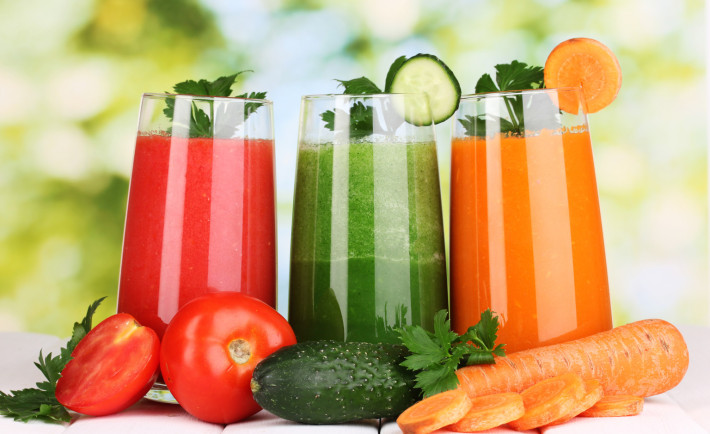
One of the examples where this distinction is very important is when products with any health benefits are recommended. Social influencers may not have the expertise to determine if the products they are endorsing are really healthy and beneficial for you (as the brand claims they are). For instance, expensive detox cleanses of all kinds, including juices and teas, raved about by many influencers, may actually be bad for you according to actual nutritionists.
There are many times where you might benefit from reading a review from an actual expert in the field rather than a social influencer with no expertise. Another example would be in the case of gadget (phone, camera, etc), and food reviews. Some influencers receive sponsored electronics in exchange for their services, often with a clause of being locked into the phone for some time. However, there is certainly a reason why most of them are not technology bloggers – are they simply only using the phone because of the contract, or because they genuinely believe it is the best product available?
Similarly, many food bloggers have not received any culinary training. While it is certainly easy even for a layman to differentiate tasty food and bland food, it is less easy to back up a statement like “so-and-so restaurant is the best restaurant in Singapore”, if you do not have the training and experience to say so. Add this to the incentive of receiving sponsored food, and you may find that even food bloggers are not as trustworthy as it might seem.
It is important to keep in mind that the influencer can only write from their personal experience, and their posts should be taken more as opinion than as fact, especially if they are not familiar with competitor products in the way that an expert in the field would be.
4) Photo Manipulation
Sometimes, seeing is not necessarily believing. Many bloggers like to make use of before and after photos to show the effectiveness of the product especially in the cases of skincare, health and fitness. However, our eyes can easily be tricked into thinking that the product is more effective than it actually is.
There are some influencers that freely admit to Photoshopping, such as Naomi Neo, who made the news a few months ago when criticized for promoting unhealthy body image by Photoshopping herself to look slimmer. Photoshop or even just photo filters such as Instagram, can serve to make the product more visually appealing than it is in real life. One example is by making the colours more vibrant in pictures of food or clothes, making the image much more striking.
Apart from the obvious mention of digitally manipulating one’s photos, there are many non-Photoshop tricks that can be used to emphasize the difference in before and after photos. Before and after photos can be easily faked, as demonstrated by BuzzFeed in the following video.
Look out for differences in:
– lighting (unflattering vs flattering)
– posture (eg: slumped shoulders vs standing up straight)
– facial expression (unhappy vs happy)
– clothing (ill-fitting clothing vs neat and flattering clothing)
– angle (unflattering vs flattering)
– position in photo (closer to the camera vs farther away)
– any digital manipulation (eg: no filter vs filter)
and many others
All of these small differences add up to produce a much more flattering and better photo in the “after” photo, leading the reader to believe that the difference is solely because of the effectiveness of the product rather than as a result of these little tricks.
5) Your experience may not be the same as the influencer
It stands to reason that brands that employ influencer marketing do not want negative reviews from the influencers. After all, they are spending good money to increase their brand exposure. Therefore, it is possible that brands may take slightly more care in attending to the influencers as compared to what an average consumer may receive.
Perhaps some of you may have experienced the frustrating case where when your complaints to customer service are going nowhere, in desperation, you resort to posting on their social media. Unsurprisingly, once the issue is made public for everyone to see, your complaint is usually dealt with more swiftly and satisfactorily than your fruitless attempts at going through customer service. In much the same way, brands may pay more attention to ensuring the influencer receives their order without delays, and without any mistakes, or paying more attention to customer service than they would for a normal customer, as they are aware of the influence wielded by the influencer.
Due to this “VIP” treatment, your actual experience with the customer service of the brand may be very different. Influencers may also limit themselves to reviewing the product itself rather than the entire process of being a consumer.
One example of such differential treatment can be seen in the media tastings often attended by food bloggers. For media tastings, the emphasis is placed on the food, rather than the service and ambience (two things most readers would want to know when deciding whether or not to patronize a restaurant!). You can bet that at such events, in general, food bloggers and media will not be kept waiting as long as you might be during the rush lunch hour, and the chef might pay slightly more attention to the food for media tastings. You can read more about the lack of objectivity that some Singaporean food bloggers have at theselinks, written by fellow and former local food bloggers themselves.
Another case study:
Back in 2012 when Zalora first launched in Singapore, there was a wave of sponsored posts from influencers about the new shopping website. However, many customers subsequently complained about the absymal customer service that Zalora provided (examples: 1, 2, 3, 4). Whether the influencers simply were lucky enough not to have experienced the slow customer service or if they received better service, many consumers likely did not have the same fuss-free transaction that the influencers enjoyed. Or, at least, if the influencers received similar treatment, most did not openly blog about it, leading to any readers having a positive impression of the brand through the sponsored posts.
(Note: Zalora seems to have taken all the negative complaints on board, and improved in the customer service department from 3 years ago – negative reviews from 2014 onwards are significantly less.)
Conclusion:
Don’t be too quick to believe your favourite influencer when they are promoting a new product! Always do your due diligence and Google for other reviews, and exercise caution by keeping in mind that they may not be offering an unbiased opinion – and even if they are, you are free to form your own before making your purchase!
Searching for the perfect yet inexpensive last minute Valentine’s gift for your techie sweetie? Fear not, here are 5 Coolest Techie Gift Ideas Under S$30…
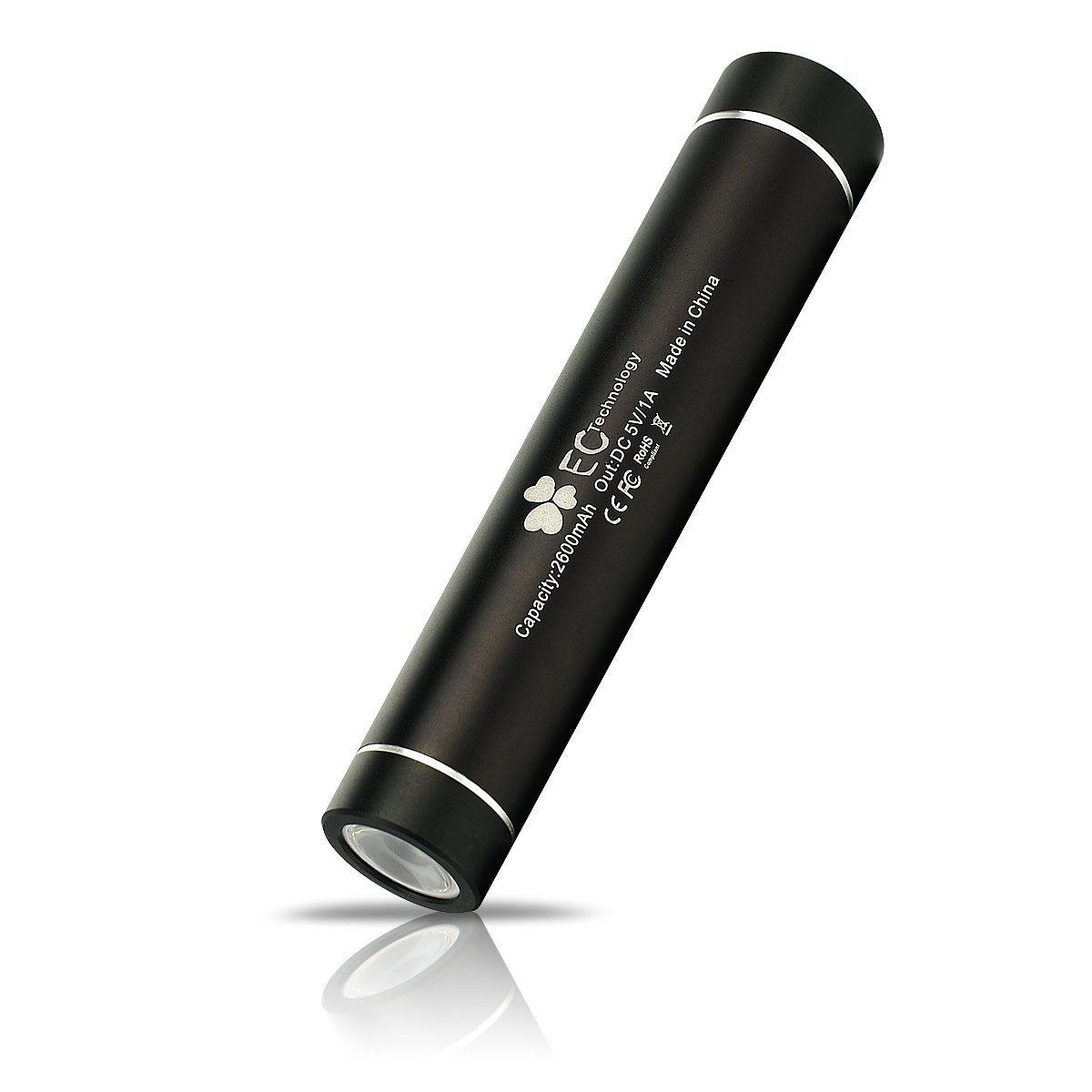
1. EC TECHNOLOGY® PORTABLE POWER BANK WITH FLASHLIGHT (2600mAh)
Available in 5 colors, this mini power bank with flashlight fits easily inside your bag or pocket. Its capacity is a one full cycle charge for your Samsung or iPhone handphones. Its weight is about 3 ounces that only requires 4-5 hours of input charging time.
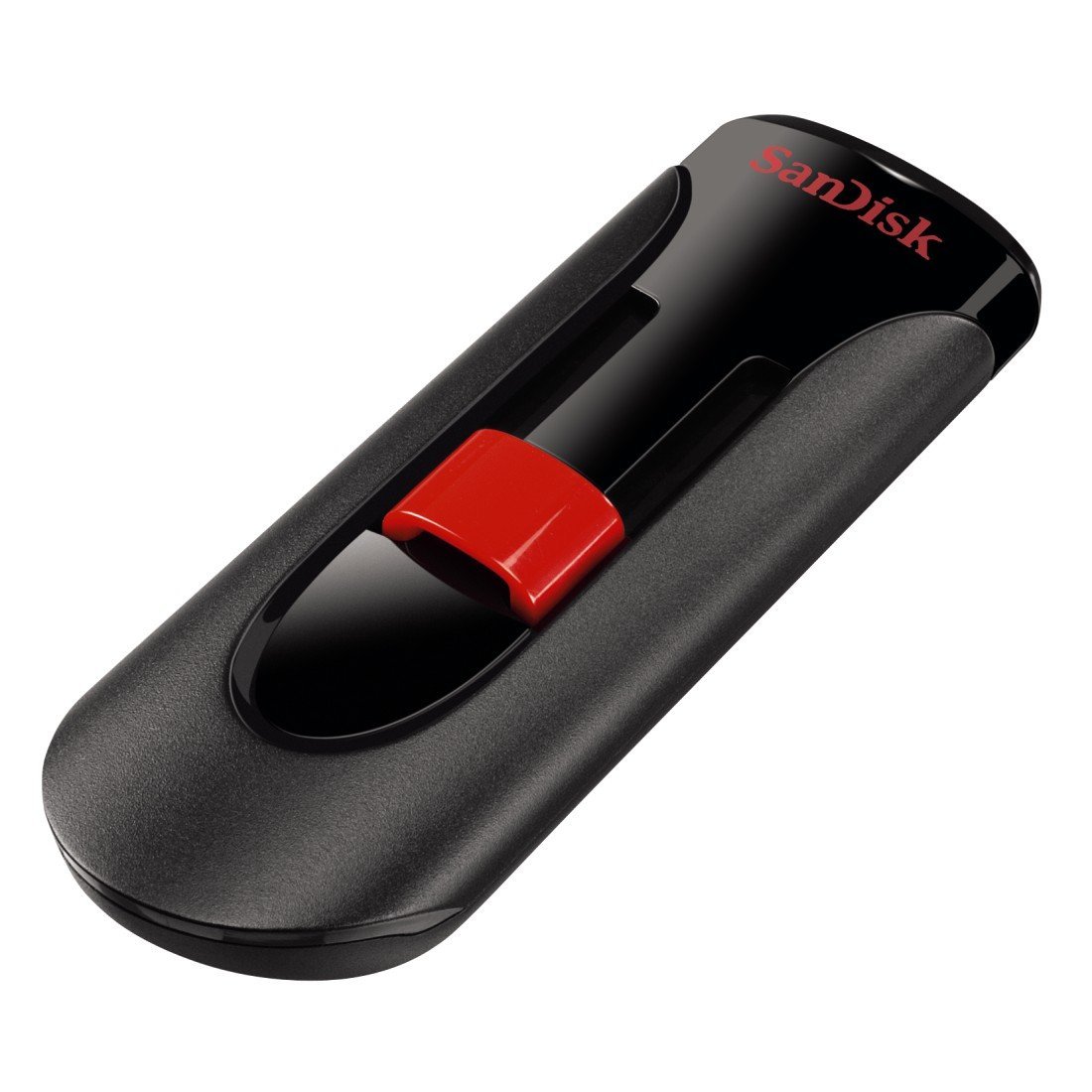
We all have important files we want to protect. But, as soon as the computer crashes, all of it can be gone forever. To prevent this from happening, it is important to back-up your files with this 16 GB SanDisk flash drive. You can store a lot with this small thing.
Since airlines are now charging by the extra pound, knowing how much you are bringing on board is a serious business.
Image Credits: amazon.com
Tackle with weight of your luggage with this portable luggage scale. Its features include LCD back-light and varied unit options (i.e., grams, kilograms, ounces, and pounds). The two AAA batteries it requires are included when you purchase.
This collapsible storm lantern by Secur boasts its ability to act as a light source and as a charging source for your Smartphone incase of a storm or any light shortage emergency. There are two light settings that require different amounts of charging time. This product can also double as either a lantern or a flashlight once you collapse or fold it down.
Embrace your partner’s inner child with this cool Griffin Technology Helicopter controlled by using your IOS or Android App. Yes! You can be a pilot and control the plane’s onboard LED with just a tap of your fingertip. It features twin twin missile launchers and 6 Redeye missiles.
As we welcome Chinese New Year in a week, many of us are busy during this period to do our shopping for new clothes, food and house decos.
It is also the time when we have the perfect excuse to put on more calories with numerous steamboat dinners as well as snacking on the CNY goodies such as Bak Kwa and pineapple tarts!
Chinese’s culture is rich in traditions and superstitions and we are constantly looking for inspirations to boost our luck and prosperity.
So you want to be rich? Then eat these food during Chinese New Year to bring your luck, wealth and prosperity. (At least that’s what the Chinese think)
1. Tangerine (桔子)
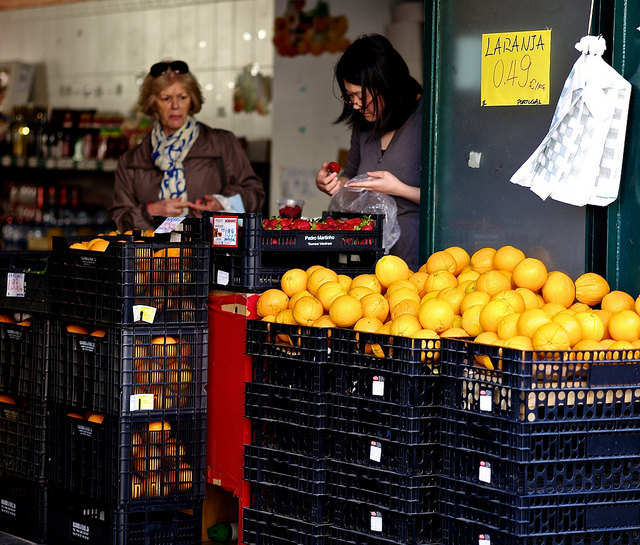
Tangerine or Mandarin Oranges are often given in pairs during Chinese New Year. That’s because ju (桔) – sounds like luck (吉) and it looks like “gold” with its orange hue.
2. Raw Fish Salad (鱼生, Yusheng)
What’s Chinese New Year without lo hei? Lo Hei stands for 捞起 or Prosperity Toss and it comes with different types of shredded vegetables with raw fish slices. Raw fish slices were used because 鱼生 sounds like “rising abundance” and each of the other condiments has its own meaning in the dish. For example, deep fried flour crisps were added to symbolise 满地黄金 (Floor full of gold)
3. Long Noodles (长寿面)
(Image credit: weelicious.com)
Longevity Noodles are often served during birthday celebrations and during Lunar New Year. The noodles, as the name suggests, comes in long strands and this symbolize long life or longevity. Do not break the strands with your chopsticks or by biting them until you put them into your mouth to chew.
4. Chinese New Year Cake (Nian Gao, 年糕)
(Image credit: chinancient.com)
Nian gao is very popular during Chinese New Year as the Chinese words 年糕 sounds like 年高 which can be translated to 年年高升, which means “higher year” literally or a better year ahead – with better luck, wealth and improvement in career.
5. Pomelo (Yòu, 柚)
With its sheer size, pomelo is often used as a symbol of good luck. 柚 (yòu) sounds like 有 (yǒu) which means “to have” or 又 (yòu) which means “again”. It stands for continuous prosperity and abundance (again, and again)
6. Dumplings (Jiaozi, 饺子)
Dumplings can be eaten any other days but on Chinese New Year, it has its own meaning to the Chinese. It look like gold/siver ingots, a currency used in China long time ago. These delicious dumplings symbolise wealth on the table.
7. Lettuce Wraps
(Image credit: tastykitchen.com)
When you pronouce Lettuce in Cantonese, you get “Sang Choy” which means “rising fortune”. It is no wonder Chinese treat it as their “lucky food”. You can use minced chicken and even dried oysters in the wrap. Let your creativity flows through.
8. Pineapple tart (Feng Li Ta, 鳳梨酥)
(Image credit: maameemoomoo.com)
Pineapple stands for 鳳梨 (feng li) or 黃梨 (huang li) in chinese. It also means “Wong Lai” or “Ong Lai” which literally means “Prosperity Come”. Its sweet golden filling looks like “gold” which is an auspicious colour for the Chinese.
9. Spring rolls (chūnjuǎn, 春卷)
(Image credit: thatslife.com.au)
At first glance, what does spring rolls look like? (Hint: Think Colour & Shape) Right, if you haven’t guess it, it looks like slabs of gold bar with its golden brown colour after being deep fried.
10. Tray of togetherness (全 盒)
(Image credit: dukascopy.com)
You will always see this when you go visiting during Chinese New Year. Also known as the chuen hup, it packs an assortment of candies, chocolates, dried fruits, seeds and nuts in a presentable red octagonal box. It usually has 8 sections (‘8’ is an auspicious number for the Chinese) and each of the food items in each section has its own meaning – such as dried kumquats as prosperity and red melon seeds for happiness.
11. Dried Oysters with Black Moss (Ho Si Fat Choi)
(Image credit: nationaltimes.com.au)
Dried Oysters stands for Ho Si or “Good Business” and Black Moss stands for “Fat Choi” or 发财 which means “Strike Rich”. When paired together, it is amazingly delicious when braised and it would often leave you craving for more.
12. San Yang Kai Tai (Goat Stew, 三羊开泰)
(Image credit: janechongyc.hubpages.com)
With 2015 being a “Goat” year, many people find Lamb/Mutton dishes to be auspicious. The Chinese for “goat” (羊) is in a Chinese character for good luck (祥 xiáng). The character “泰” (tài) means lavish and grand.
13. Bamboo Shoots (zhú sǔn jiān, 竹笋尖)
(Image credit: arielleinchina.blogspot.com)
Bamboo shoots in Chinese stands for “Wishing everything to be well” and is often stir fry with mushrooms, black fungus or golden lily bubs.
What? Dragon and Phoenix? Do they even exist? Well, at least it did in Chinese’s folklore. The dragon and the phoenix have positive connotations and usually symbolizes grand and grace. Not surprisingly, the creativity of the Chinese has adapted it and uses lobster (龙虾)as the “Dragon” because of the first character “龙” and chicken meat as the “Phoenix” because of its resemblance as a golden rooster. As lobsters may not be accessible to some, some uses shrimps/prawns as an substitute ingredient.
15. Red Eggs (红鸡蛋)
(Image credit: tastespotting.com)
Usually eaten together with the longevity noodles during your Chinese Birthday, red dyed eggs can be auspicious to eat during Chinese New Year Eve with the colour red being an auspicious colour for the Chinese and it symbolises birth or a new start.
16. Pen Cai or Poon choi (盆菜) or Big Bowl Feast
(Image credit: thediningtable.sg)
This dish originate from Hong Kong as a Cantonese cuisine and it usually filled with an assortment of delicacies ranging from abalone, scallops, prawns, braised mushrooms and other vegetables. It was a dish served to the Emperor back in the Song Dynasty and it also signifies abundance and prosperity with its luxurious offerings.
17. Abalone (Bao yu, 鮑魚)
(Image credit: juzdeals.com)
Abalone makes a popular dish for Chinese New Year and is one of the higher priced food item in Chinese New Year. It can be eaten in many ways such as being braised with mushrooms and kailan or you can simply dip it into your steamboat! “Bao” stands for assurance and “yu” stands for surplus and eating them means an abundance of surplus or wealth.
18. Golden Lily Buds (金针)
(Image credit: springtomorrow.com)
Golden Lily Buds is often one of the ingredient found in vegetarian dishes such as the Nonya Chap Chye. Best eaten when stir-fried with black fungus, tang hoon, cabbage and/or black moss. The Chinese translation for lily buds is “golden needle” and you can understand why the Chinese loves them.
19. Fried Tofu
(Image credit: expatedna.com)
Just look at the colour and shape! Do i need to say more to describe these ‘gold bars’?
20. Rabbitfish (Pei Tor Hee, 蒸泥鯭)
(Image credit: blazinghotwok.com)
Rabbitfish are highly sought after during Chinese New Year. They breed during this period, so expect to see its stomach filled with roe which is a sign of prosperity and abundance to the Chinese. Price can go as high as $60-$120 per kg during this period.
21. Whole Fish (清蒸魚
(Image credit: taste.com.au)
It is believed to eat with the whole fish with the head and tail intact as it symbolizes a year begining’s to the end. Chinese word for fish (鱼) also sounds like abundance (余), so for this lunar new year, 祝你新年快乐, 年年有余! (Happy Chinese New Year, wishing you a year of surplus and abundance!)
*Don’t finish the entire fish, as it is believed that the unfinished portion represents the “surpluses” of the coming year.
22. Leeks (suàn, 蒜)
(Image credit: noobcook.com)
Leek is an auspicious food for Chinese New Year because the character “蒜” in its Chinese name (蒜苗/大蒜) sounds like calculating (“算”) in Mandarin, symbolizing wealth. While i’m no fan of this on other days, i will make this Chinese New Year an exception.
A vegetarian dish that is considered auspicious in Chinese New Year, traditionally enjoyed by Buddhists Monks. Buddhists believed that as a form of self-purification, one should maintain a vegetarian diet for the first five days of the new year. With more than ten ingredients, you will definitely taste some of the “auspicious” vegetables like fat choy and snow fungus.