Reasons why you should reconsider that office romance

office romance

Many individuals meet their spouses at work, however, at the same time, seeing someone you met at the office can be considered taboo. But what if you’ve been flirting with a coworker and want to pursue a further relationship?

Well, you spend a lot of time together at work, and when individuals are in close quarters working together, and having honest, emotional talks, there’s a strong possibility romantic ties may develop. It’s critical to consider the dangers before acting on your emotions, as there are many.

Stay on this page for reasons why you should reconsider that office romance.

Distractions

You neglected to post those social media updates while you were busy exchanging flirtatious texts. What about the month-end meeting’s PowerPoint presentation? When you allow yourself into a fast-paced office romantic relationship, it’s unsurprising that your brain wanders and focus diminishes, but you also stand at a risk of losing productivity.

Blurred boundaries

The most significant drawback of office romance is that it turns your personal life into the affair of the entire organization. The rumor of your relationship spreads through the air, and your love story becomes the center of attention. Additionally, workplace romance may cause tension between you and your coworkers. If a coworker has a strained connection with your partner, your relationship with that coworker is likely to suffer as well.

Breakup complications

If a pair end up ending the relationship, they have relatively more unfavorable sentiments toward one other, and their split might potentially impact the cordial connection across departments, forcing team members to take sides. This might lead to a major office rift, which would disrupt workplace dynamics. Sexual harassment allegations may also emerge in some serious instances.

Hierarchy may make things messy
office gossip

Image Credits: inc.com

Before you pursue a connection with a junior or superior, you should take more than a moment to think about it. Know that favoritism and accusations of power abuse, whether genuine or not, may cause havoc and affect how your colleagues perceive you. In this circumstance, you may have to pick between your career and your sentiments and be completely convinced that one is more paramount than the other.

Research over the years has shown that broken-up workplace relationships have been linked to distorted perceptions, sexual harassment lawsuits, and negative feelings about each other. Is it true that all office relationships are doomed? We can’t give a definite answer for sure as many employees have been blissfully married to past coworkers. But there’s no doubt that there are individuals going through breakups that have reverberations across the workplace. Therefore, before embarking on a workplace romance, thoroughly consider the implications.

Read More...

When is a Good Time to Switch Jobs?

Whether you admit it or not, we crave job security. Holding on to a job for several years is one way to attain this. However, there is less financial security in long-term employment.

You can get better by opening your doors to bigger opportunities. The longer you spend time locked up in any organization, the softer your muscles become. You can become complacent and comfortable.

When is it a suitable time to switch jobs?

#1: You became apathetic.

Feeling increasingly disconnected from your primary reasons for entering the field can affect your mental health. Notice if you are underperforming and skipping deadlines. What is going on?

If you cannot remember the last time you felt energized by a new project, it might be time to reassess your role.

#2: You do not feel like you are making an impact.

Your responsibilities and duties remain the same. Every day looks and feels identical. Therefore, you feel undervalued as you run on autopilot.

Image Credits: pixabay.com

It is time for you to find a new role that plays to your strengths and provides you opportunities to develop new ones.

#3: You dread going to the office.

If you dread going to work most days or feel anxious about interacting with the boss, you feel dissatisfied with your current roles.

It is time to think about other areas that will align with your passions. Search for new jobs in job portals such as LinkedIn.

#4: Your job is affecting your personal life.

Work should be challenging, but not crippling. If you are chronically exhausted and experience physical and mental tolls, it is your body’s way of telling you something is wrong.

Being stressed can affect your relationships with the people who matter the most. If your work is turning you unhappy and irritable, start to explore activities that will make you feel boosted again.

#5: You feel that your salary is not enough.

No matter how good the pay may be, you still feel that money is not enough. At some point, you will find yourself watching time pass by during meetings.

Image Credits: pixabay.com

Constant dissatisfaction and mindlessness can make you feel like you are wasting your potential. This is a clear sign that you need to embrace change!

Source: 1

Read More...

Why you should not retire early

elderly workers in singapore

There’s emerging proof retirement doesn’t just mean a few more years of tennis, fishing, and overseas trips.

Choosing when to retire is a complicated choice that isn’t only based on financial considerations. Your overall wellness, family duties, and personal goals all play a role or should play a large part. The most crucial question is whether you’ve considered what you want to accomplish with your senior years, no matter how long they may be.

Whatever your answer may be, here’s why we think you should not retire early.

Boredom

The added hours in your calendar may contribute to depression and isolation if you don’t have a strategy on how to manage your time. Work stimulates various aspects of a person’s life; it may be tough to retain a sense of direction if you don’t have weekly pursuits planned, coffee dates with peers, or obligations with volunteer groups in order.

Social issues

Friends and colleagues who are the same age as you but still work may have wholly distinct lifestyles. They may also earn more than they did five years ago, making it harder to find common ground to talk about or endeavors to do collectively. You may end up losing your connection with social networks that you have spent your working years cultivating.

Lack of money
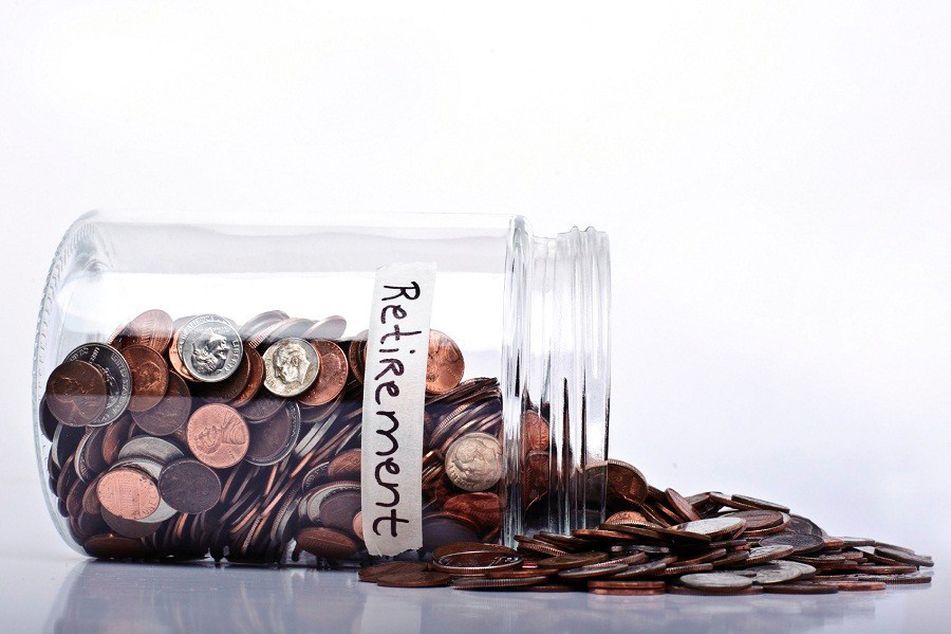
a spilled jar of retirement coins

Image Credits: investmentnews.com

Even if you realized for certain that the typical retirement length would hold true for you, it’s still possible that you won’t be able to fund your retirement. Indeed, the standard guideline of saving 10 times your final pay before retiring sometimes ignores crucial considerations such as old debt, unforeseen healthcare costs, and growing living expenses.

No turning back

It won’t be simple if you come to your senses after taking early retirement and wish to return to the workplace. Seeking new work opportunities when you’re over 50 might be difficult, even if you’ve voluntarily resigned from your prior position. If you do find work, you will have to accept much lower pay. Will you be ready to eat the humble pie and settle for less?

Health considerations

Continuing to work while you can isn’t only about money; it might also be about your overall wellness. Early retirees are more prone to be physically and psychologically ill than those who work for longer periods. Unfortunately, the prevalence of mental health problems among retirees is substantially greater.

Shrinking retirement funds
an old man looking at his bills

Image Credits: foxbusiness.com

Early retirement has both advantages and disadvantages. To begin with, you cease increasing your wealth just when compound interest is reaching its greatest impact. Someone who quits saving at 60 years old might lose big bucks in portfolio growth compared to another who decides to do it at 65. Furthermore, when you retire, your nest egg not only begins to shrink, but it also starts diminishing by whatever it takes to support your standard of living.

Many individuals aspire to retire at the age of 50 or even younger. Those who leave a job at such an early age, on the other hand, may not find retirement meaningful. Your finances or investment portfolio may not represent how much fun you will have in the next decades. Consider the abovementioned points before you make the move.

Read More...

How to say no at work

a man overloaded with work requests

Most individuals struggle to say no because they feel terrible for not assisting and for not being a team player. Unfortunately, saying yes to everyone and being overworked is neither healthy nor productive.

Knowing how to say no politely can convince your colleagues and supervisor that you aren’t refusing to help them because you don’t want to, but because you are overloaded and can’t take on additional responsibilities at a particular timeframe. Remember, if you’re fatigued, it makes you extremely unproductive.

Read on for ways on how to say no at work.

Don’t drag

Since you already know the reply you’re going to give, don’t ramble. It will only get worse with dragging and the mental strain will add to your tension. Furthermore, it is fairer for your colleagues because they will have more time to find someone else to take on the task.

Stay flexible

If you can’t accomplish something on a given day, try to ask if the both of you can agree on another deadline. If you don’t have the time or resources to accomplish the entire job, volunteer to undertake only a portion of it. The main idea here is to remain adaptable.

Weigh your priorities
overwhelming workload

Image Credits: incimages.com

Staying on top of your priorities can assist you in determining whether or not you are capable of taking on additional responsibilities. Say no if you notice that you already have a lot on your plate and that taking on more will make you feel overloaded.

Explain in a candid manner

Too frequently, individuals give insignificant excuses and then hide the true reason they’re saying no for they believe it’s unnecessary to share. The little, self-deprecating justifications, on the other hand, are unpersuasive and can be readily dismissed. Be honest about why you’re saying no to avoid resentment. Keep calm, precise, and on topic when revealing your situation.

Ready yourself for negative responses

Negative feedback is something you should expect. It’s possible that your coworker is unhappy and might instantly burn the bridge. However, bear in mind that you can impact but not dictate how other individuals react. To put it another way, you can’t satisfy everybody. Don’t make the mistake of seeing your coworker’s response as a dilemma between a potential conflict and maintaining a working relationship.

We are aware that it’s difficult to say no at work, but it’s often required. You must define the limits and speak up for yourself; cease over-apologizing and yielding to demands to put others’ concerns ahead of your own. Ultimately, rejection is a talent that takes practice to master so don’t be too hard on yourself right from the get-go.

Read More...

6 Essential Questions to Ask on Your First Day of Remote Work

Beginning your journey as a remote worker or working from home can be challenging. As you enter an uncharted territory, you probably have a set of questions to ask your new employer.

We have all been there before! You want to understand how the company operates to contribute a good output or to impress your new boss. Organize your thoughts and help set the expectations by asking these essential questions to your employer or hiring manager.

#1: WHICH FOLDERS OR FILES SHOULD I HAVE ACCESS TO?

Usually, remote companies have a shared bank of files and templates that you can assess. Review these documents and pay attention to the templates that you must use for your new position. Locating these files will save you hours of digging.

#2: WHAT ARE MY PRIORITIES FOR THE DAY?

It is easier to transition into a new position when you have a clear idea of what your essential daily tasks are. The sooner you ask, the more productive you can be. You can begin to have a better grasp of what management sees as your role by asking this question.

#3: HOW CAN I SHARE MY THOUGHTS OR IDEAS?

Do you believe that you are an asset to the company? Asking this question shows how eager you are to contribute to the workplace. As a new employee, you provide a fresh perspective. However, it can be challenging to share your thoughts. Since everything is digital nowadays, some managers may prefer to receive a private email or a group discussion through video conferencing apps. Ask your hiring manager or employer about this.

Image Credits: pixabay.com

#4: WHO DO I REPORT TO ON A DAY-TO-DAY BASIS?

It is harder to see the department divisions in the remote environment. As you are working from home, you may answer multiple people. Ask your hiring manager or employer who you will report to daily. This will prevent others from assuming that you are working with them exclusively.

#5: WHICH MEETINGS SHOULD YOU PUT ON YOUR CALENDAR?

Whether you are using Google Calendar or Calendly to organize your appointments, it is essential to know which meetings you should put on your calendar. Educate yourself about the company’s meeting procedures. Do you meet online on a monthly, bi-monthly, or weekly basis?

#6: WHAT IS THE USUAL PROCESS FOR THIS TASK?

Every team accomplishes things in their own way. Showing that you are open to learning from them can help you change your mindset earlier on. Find out how you can work efficiently to contribute to the company’s processes and systems.

Read More...