There is something undeniably alluring about gold. Beyond its gleam and grandeur, gold carries a timeless quality, a tangible piece of wealth that transcends generations. Whether worn as jewelry or stored as bullion, it is an asset that often endures when markets falter. But for those looking to begin investing in gold in Singapore, the questions remain: Where should you start? Should you buy gold bars or gold jewelry, and which form truly protects you against inflation?
Gold’s enduring appeal lies in its reputation as a safe haven. When uncertainty shakes the global economy, as seen during the 2008 financial crisis or the COVID-19 pandemic, investors frequently turn to gold to preserve value. It is the metal that shines brightest when confidence in currencies fades.
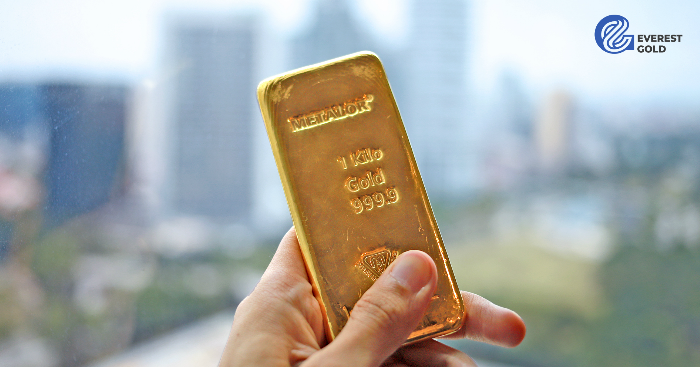
One of the most traditional ways to invest in gold is by purchasing physical bullion, which refers to investment-grade gold in the form of bars, coins, or ingots. Each bar typically bears the stamp of its manufacturer along with its weight and purity, usually 99.5 percent or higher. Coins, on the other hand, often carry artistic engravings or collector value that can push prices above the metal’s intrinsic worth. In Singapore, buying bullion comes with a tax advantage because gold that qualifies as an Investment Precious Metal (IPM) is exempt from the Goods and Services Tax (GST). Reputable sellers include UOB Gold Bullion, BullionStar, and GoldSilver Central.
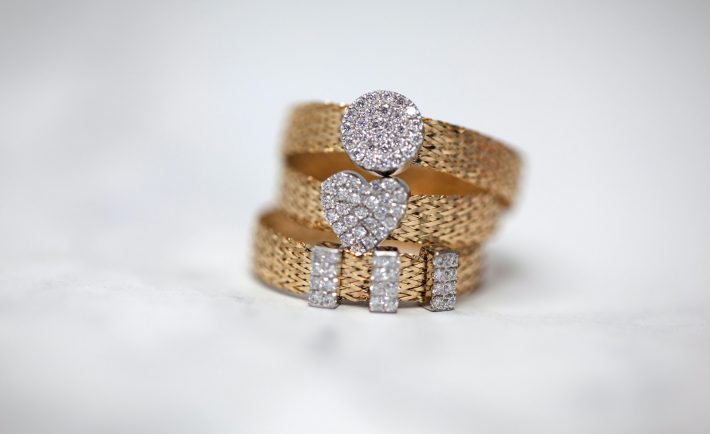
Gold jewelry offers another route, though it is not quite the same as investing in pure gold. Jewelry comes with added costs such as craftsmanship, branding, and design premiums, which dilute its value as an investment asset. It can still serve as a portable store of wealth, but it is not GST-exempt and should not be mistaken for a direct hedge against inflation.

Image Credits: unsplash.com
For investors seeking something more dynamic, gold can also be approached as a currency-linked investment. Some structured products allow you to treat gold as a tradable currency known by its code XAU. In this setup, you agree on an investment term, a base currency such as USD or SGD, and a target conversion rate. Depending on gold’s performance against your chosen currency, your returns may be paid in cash or in gold itself. The potential for higher yields makes this approach attractive to those comfortable with some risk and the idea of being repaid in ounces rather than dollars.
If you prefer not to store or insure physical gold, exchange-traded funds (ETFs) and unit trusts offer a more accessible alternative. These funds mirror gold’s market performance without requiring you to hold the metal. ETFs tend to passively track gold prices, while unit trusts are actively managed by professionals who buy and sell gold-related assets on your behalf. They trade easily on the stock exchange, making them a flexible and liquid way to diversify your portfolio. Still, investors should review management fees and ensure that the fund is operated by a reputable institution.
Another indirect approach is through gold mining stocks. Companies such as Barrick Gold (GOLD) and Newmont Corporation (NEM) give investors exposure to the gold industry without owning the physical commodity. Their share prices often move in tandem with gold’s market value, though management quality, operational efficiency, and geopolitical risks can introduce additional volatility.
Should you buy gold in Singapore? Absolutely, but with a clear understanding of what you are buying and why. Gold can act as an anchor in turbulent times, a hedge against inflation, and a stabilizing force in a diversified portfolio. Yet it is not without its challenges. Physical gold lacks liquidity compared to ETFs or stocks, and its price can swing sharply in response to economic shifts.
Ultimately, investing in gold is about balance. It is not meant to replace other assets but to complement them, serving as a steady counterweight when markets stumble. In a world of uncertainty, gold remains one of the few investments that appeals as much to the heart as to the head, a rare blend of beauty and financial resilience.

Image Credits: unsplash.com
Disclaimer: This article is for general information only. Readers should research gold investments in Singapore and seek professional advice before investing. Remember that gold is best viewed as a way to diversify a portfolio, not as the sole safeguard for wealth.