How Enrolling in a Tuition Centre in Singapore Can Be an Education Investment That Pays Off

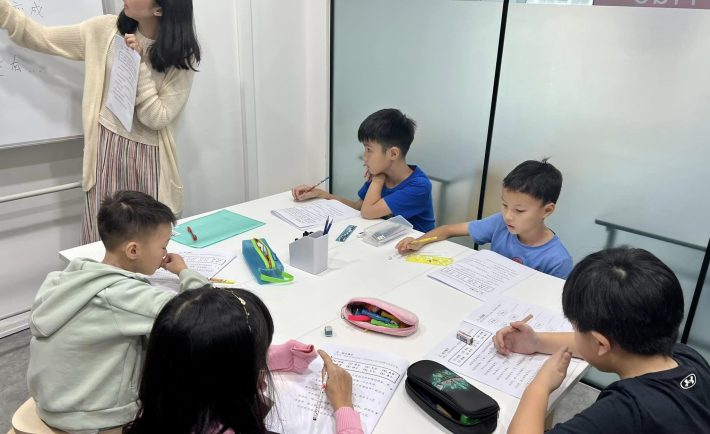
students in a chinese language class

In Singapore, tuition is almost like a rite of passage. Parents chat about it at family gatherings, WhatsApp groups buzz with recommendations, and it’s not unusual to see kids carrying an extra stack of assessment books after school. Some families start their children young in preschool, while others only turn to tuition when things get heavier in upper primary or secondary school. No matter when it starts, the goal is clear: to give children the support they need to shine.

But here’s the thing: many parents see tuition mainly as a household expense. Something that just drains the family budget. In reality, it’s better to think of it as an investment. Like putting money into savings or insurance, tuition requires resources upfront. Yet when managed well, it pays off in ways that go far beyond exam scores. Here are just some of the reasons why:

Strengthens Exam Preparation

If you’ve ever sat with your child while they struggled with a tricky maths problem or a long essay, you’ll know how stressful exams can be. Moreover, Singapore’s educational system is known globally for being competitive, with syllabi being updated regularly to keep pace with global standards. Students need to keep up, adapt, and perform under immense pressure.

Take Junior College Economics as an example. The subject can be overwhelming, with its mix of theory, essay writing, and data analysis all crammed into tight exam conditions. H1 Economics tuition, in this case, really makes a difference. A good tutor doesn’t just drill students endlessly. They break down complex theories into bite-sized pieces, share exam-smart strategies, and guide students through targeted practice papers. This kind of focused support can turn things around for struggling students. Someone hovering between a C and a B can, with consistent tutoring and personal effort, push through to an A. That single grade jump could open doors to competitive university courses or scholarships and translate into financial savings and a brighter future.

Unlocks Educational, Professional, and Financial Opportunities for the Child

Strong grades aren’t just about bragging rights at report card time. They come with real financial advantages as well. For instance, a student who does well is more likely to secure scholarships or bursaries, helping families save thousands of dollars. Even at the junior college or university level, partial scholarships can make a meaningful difference to a family’s budget.

There’s also the question of options. Students with strong A-level results have a higher chance of getting into top local universities, which tend to be more affordable than if one were to study overseas. Parents who’ve looked into the cost of overseas education know that the bill can be staggering. Good results at home mean students can stay in Singapore while still enjoying a high-quality, world-class education.

And it’s not just about numbers on a page. Tuition often helps students develop valuable life skills, such as discipline, resilience, and self-motivation. These qualities aren’t taught in textbooks, but they’re the very traits that help young adults thrive in university, internships, and future careers. Over time, those traits can influence not just career paths but also earning potential. Seen this way, tuition is more than an academic booster. It’s a stepping stone to bigger opportunities.

Prevents Costlier Setbacks

Some parents hesitate about tuition because it feels like another monthly expense. But here’s something worth considering: the lack of consistent support can lead to far more expensive problems later.

If a student falls too far behind, the “rescue” options, such as intensive crash courses, retaking exams, or even pursuing overseas study, can be far costlier than the option to undergo steady tuition along the way. For example, one extra year of university overseas could cost more than several years of regular tuition back home.

Think of tuition as a form of academic insurance. It cushions your child against setbacks, and it spares parents from the stress and financial weight of scrambling for last-minute solutions. Instead of firefighting, you’re steadily building your child’s foundation for success.

Helps Students Compete with Global Peers

It’s no secret that Singapore’s students aren’t just competing with one another. They’re also up against international peers for coveted university places, scholarships, and internships. In such a competitive environment, even a small edge can make a big difference.

In this case, tuition helps students sharpen that edge. By reinforcing what’s taught in school and offering extra insights, it ensures they’re not just coping but staying ahead. This is especially important in a world where knowledge and adaptability can determine who gets opportunities first.

For parents, that peace of mind is priceless. Knowing your child isn’t just keeping up but also preparing to thrive on the global stage makes tuition feel like a way of future-proofing their success.

Builds Confidence That Lasts

If you’ve ever seen your child’s face light up when they finally “get it,” you’ll know that confidence can be transformative. On the flip side, when young people repeatedly struggle alone, it can wear down even the most hardworking student’s self-belief.

Tuition gives them the chance to rebuild that confidence. With steady guidance and encouragement, progress feels achievable. And once they start seeing results, confidence snowballs. They participate more in class, speak up, take on leadership roles, and face challenges with less fear.

And here’s the best part: these benefits last beyond school. Confidence, resilience, and adaptability are qualities that employers actively seek. By helping students develop them early, tuition plants seeds that continue to bear fruit well into adulthood and potentially high salaries.

Treat Tuition as a Long-Term Strategy with Big Payoffs

Of course, tuition isn’t a magic wand. Tutors can guide and motivate, but students need to do their part by revising and staying disciplined. But when steady tuition and consistent effort come together, the results tend to be long-lasting. It becomes a strategy that improves academic performance, opens doors to scholarships, reduces financial risks, builds confidence, and nurtures soft skills that matter in the workplace. Parents can rest assured they’re not just spending but helping children grow into capable, confident individuals ready to take on challenges, whether in school, university, or their careers. And that is truly an investment worth making.


 

Read More...

Common Challenges Students Face In The First Year Of College

a female candidate in an interview

Living on your own for the first time can be challenging for students. Here is a list of common challenges you might face in the initial days of your college.

Many of you hope to earn a college degree and improve your livelihood at work and home.

Therefore, after students begin their college experience, they often face difficulties that might seem impossible. These barriers can prevent some students from obtaining those dreams and hopes.

Similarly, students have more freedom to focus on academics when they have the support they need.

In this article, we will discuss certain common challenges that you might encounter in the early days of college life.

List Of Common Challenges Students Face In College

Here is a list of common challenges you might face in the initial days of your college.

1. Time Management

In the vortex of college life, students often grapple with time management issues, which is as common as the morning tea routine.

For many of you, college courses require more effort than high school classes. Similarly, most high schools and universities often pack two years of content in one year of coursework.

Many secure 15 credits, while others cram it up with 18 to 21 credits. At the time, it might be impossible for you to score.

Therefore, know your limits. If you cannot handle 20 credits in one semester, you must go slow and obtain it by the end of the college term.

2. Financial Problem

Financial stress significantly impacts the student’s ability to succeed both socially and academically.

Many of you are studying on student loans. Thus, repaying student debt after graduation becomes a burden.

Therefore, the above-mentioned factors can negatively impact the student’s mental health.

Moreover, worrying about finances might cater to mental illnesses such as anxiety and depression.

3. Difficulty Managing Commitments

Balancing time commitments is another compelling issue students face in their early college days.

Many of you juggle part-time jobs, assignment submission, studying for examinations, and managing home chores. Increasing responsibilities, setting priorities and working on a specific schedule is challenging.

On the other hand, many of you might need help managing time effectively, prioritizing tasks, and seeking help when needed.

However, responsibilities can overwhelm students, especially those who have yet to attend college.

Thus, it is advised that colleges and universities help students find time management techniques that work best for them.

4. Inadequate Academic Preparedness

It might be common for you to realize that you must prepare more than in the previous academic years.

If you are not prepared, the underprepared students likely need remedial classes. This will eventually help to attain a base level of academic competency.

Furthermore, managing coursework, social commitments, and a part-time job might be a little overwhelming for you to handle. In addition, you might invest less time in studies or completing your assignments.

Considering the problem, we suggest you enroll for PSLE Maths tutions from Bluetree Education Centre. The professionals will help you learn the best techniques to solve math problems and guide you in securing excellent grades.

5. Examination Anxiety

Exam anxiety is something that is emerging as a silent adversary for many students.

Thus, this palpable stress before any examination, fear of underperforming pain, and sleepless nights fueled by worry paint a vivid picture of this shared struggle.

Therefore, this overwhelming student issue can intensify your anxiety and then later lead to depression.

To overcome the issue, you must adopt a practical solution to creating a comprehensive environment, promote effective learning habits, and boost open communication.

6. Feeling Homesick

Another common challenge that you might face as a college student is the feeling of homesickness.

Therefore, it might be missing Sunday dinners or going on weekend trips with friends that make you feel upset about being back home.

Thus, to overcome the issue, you can join different clubs, build a university family, attend events, take your roommate with you, and make the unfamiliar feel a bit at home.

Wrapping Up

Thus, the challenges students face in college can impact their ability to overcome and complete their studies.

Moreover, every student is unique, and student advisors must understand individuals’ issues and work with them to overcome them.

In addition, you can also use innovative solutions to examine and mitigate the issues you face, even if you have limited resources.


Read More...

How Your Child’s Money Habits Affect Old Age

As parents, we play a vital role in shaping our children’s behavior and values, including their money habits. While we often focus on the immediate impact of teaching our kids about financial responsibility, it’s crucial to recognize that these habits can have far-reaching consequences that extend well into old age.

We’ll explore the profound influence of childhood money habits on one’s financial well-being during the golden years.

EARLY FINANCIAL EDUCATION
Instilling a strong foundation of financial literacy in children sets them on a path towards a secure future. Teaching them basic concepts like saving, budgeting, and distinguishing between needs and wants establishes healthy money habits from an early age. These early lessons can profoundly impact how they handle their finances in adulthood, leading to better financial decision-making during retirement.

POWER OF SAVING
Encouraging children to save money fosters a sense of delayed gratification and financial discipline. By teaching them the importance of setting aside money for the future, we equip them with the tools needed to build a retirement nest egg. Children who develop a habit of saving are more likely to continue this practice throughout their lives, ensuring a more comfortable retirement.

UNDERSTANDING DEBT & CREDIT
Educating children about the responsible use of credit and the potential dangers of debt is crucial. When children learn to differentiate between good and bad debt, they are more likely to make informed decisions about borrowing in adulthood. By cultivating a sense of caution and encouraging responsible credit usage, we help them avoid financial hardships in their later years.

ATTITUDES TOWARDS WORK
The work ethic and attitudes towards earning money that children develop during their formative years can significantly impact their financial stability in old age. Teaching children the value of hard work, ambition, and perseverance can instill a sense of responsibility and a drive to succeed. These qualities are often correlated with higher earnings and a greater ability to build wealth for retirement.

FINANCIAL INDEPENDENCE
Empowering children to become financially independent and self-sufficient individuals has lasting implications for their financial well-being in old age. Encouraging them to find part-time jobs, start small businesses, or pursue entrepreneurial ventures teaches them the importance of generating income and managing it responsibly. This independence reduces the risk of financial dependence on others during retirement.

FINANCIAL ROLE MODELS

Children learn by observing the behavior of their parents and other influential figures in their lives. Modeling positive financial habits and demonstrating responsible money management lays the groundwork for their own financial future. Parents who exemplify prudent spending, saving, and investing practices are more likely to raise children who adopt these behaviors in their later years.

IN A NUTSHELL

Image Credits: unsplash.com

Our children’s money habits have a profound impact on their financial well-being in old age. By providing them with a solid foundation in financial literacy, teaching the value of saving, cultivating responsible credit usage, and fostering a strong work ethic, we empower them to make wise financial decisions throughout their lives. As parents, we have a unique opportunity to shape their future financial security and set them on the path to a comfortable and fulfilling retirement. Let’s make the most of it and ensure our children are well-prepared for their golden years.

Sources: 1, 2, & 3

Read More...

4 Things to Consider Before Living Near Your Child’s School

Singaporean parents want to provide their children the leverage in life through providing quality education. Some parents are willing to spend their savings to move to a property within proximity of their chosen primary school.

The question remains, is it really worth it to move near your child’s school to increase his or her chances of getting in?

#1: AMENITIES IN SCHOOL ZONES ARE PRICIER

Living near your chosen primary school is convenient for commuting. However, being near the school zone comes with other inconveniences such as noise and traffic in the morning.

Elite primary schools tend to be situated in prime districts. Properties in the prime districts are expensive. For instance, ACS Junior in Newton is surrounded by private properties amounting to S$3-7 million. Apart from shelling out millions, it is not uncommon for supermarkets or MRT stations to be further away from residential areas. In contrast, neighborhood schools are often surrounded by HDB Developments.

#2: PRIORITY ADMISSION IS NOT GUARANTEED

Staying near your chosen school does not immediately guarantee that you will be given the slot, which is why many parents are hoping to improve their chances by participating in volunteer work. If you cannot get into your preferred school and have no alternative options nearby, that means that you could be facing a lock-in period of at least three to five years as part of the home loan agreement.

On the other hand, if you can successfully secure a place for your child due to proximity, you will need to stay at the address for at least thirty months from the start of the registration exercise as required by the Ministry of Education.

#3: SOCIAL SUPPORT CAN BE A FACTOR

Apart from prioritizing quality education, childcare should also be a factor in planting your roots. Do you opt to live near the homes of your parents and in-laws? If so, you will be able to ask for their support after school hours. For instance, your child can go over to his or her grandparents’ home after school.

#4: ASSESSING PROPERTY MARKET PRICE CAN MAXIMIZE PROFIT

If you found a home within a kilometer away from your chosen primary school, you will reap its rentability and value benefits. Many parents would want to rent a flat near their children’s school.

A study done by NUS found that 1.4% and 6.9% price declines of private and HDB homes, respectively, within 1km of a school that relocates. Apart from your proximity to the school, it is essential to assess a property’s size, age, and nearby amenities to ensure a tidy profit once you decide to rent it out or to sell it in the future.

For owners of private properties, you can seek the help of licensed appraisers who are members of the Singapore Institute of Surveyors and Valuers to determine your property’s valuation. While HDB homeowners should not worry about researching the valuation cost as they can get a valuation report on their unit from the HDB office.

Image Credits: unsplash.com

BOTTOMLINE

Choosing where to live is a personal decision. Consider all the factors that will affect your move. Some people are content with being near any primary school, while others feel that getting a good start in life is tied to an elite primary school. The choice is up to you.

Sources: 1 & 2


Read More...

Practical Tips To Manage Home-Based Learning

Amid the COVID-19 pandemic, home-based learning was rolled out nationwide after schools have closed in April 2020. The safety guidelines encouraged schools and tuition centers to transition to HBL or online learning to educate their students. Simply put, HBL is having lessons and classroom interactions at home.

Eventually, students went allowed back to school.

Time passed and the rise in community cases led to the Ministry of Education’s decision to have a full home-based learning for students in primary schools, secondary schools, and junior colleges (i.e., until May 28, 2021). Furthermore, center-based tuition and enrichment classes will continue with its online learning until June 13.

Students in Singapore had to adapt to these changes and to manage a home-based learning lifestyle. On that note, here are some practical tips to help your child to study at home.

CREATE A CONDUCIVE LEARNING ENVIRONMENT

Whether you have a corner or a room for studying, your child will benefit from having a designated space for learning. Working or studying from home can be a challenge due to the myriad of distractions around us. Thus, it is important to create a space where your child is motivated to learn.

Much like a classroom, having a special learning space can help create the mental and physical divide between personal time and study time. The common elements of a conducive learning environment include good lighting, well-ventilation, accessible learning materials, and distraction-free space.

HAVE A STUDY SCHEDULE

Planning ahead enables you to develop a daily structure for your child to adhere to. This daily structure will allow your child to see what they need to achieve during the day.

Most primary schools in Singapore have their own home-based schedules. Incorporate the school’s schedule to your child’s study schedule. Then, find a time to get to know your child better. Take this opportunity to spend quality time with your beloved one. Ask your child about his interests, dislikes, dreams, and goals.

STAY HEALTHY

With less physical activity indoors, it is important to eat healthy food and to exercise regularly. Although it can be tempting to offer your child sweets and junk food to boost his or her attention, these types of food can give your child energy crashes. Your child is likely to feel a drop in his or her energy level after a sugar high. You do not want to see your child sleeping in front of the computer screen!

Instead, offer periodic breaks and nutritious meals. Letting off steam by exercising can help improve your child’s focus and minimize the stress levels.

ENCOURAGE SOCIAL DEVELOPMENT

Home-based learning entails continuous adjustments from both the parents and the students. This includes the way students interact with their peers. Just because your child is isolated from his or her classmates does not mean that you need to neglect one’s social development.

Create opportunities for interaction by allowing your child to have Zoom/Skype hangouts with his friends. They can stream a movie or play games online. Having “social breaks” after your child accomplishes his school tasks can motivate him more.

OPENLY COMMUNICATE WITH YOUR CHILD’S TEACHER

The key to HBL’s success is to follow the teachers’ instructions. Engagement with the teachers will allow you to maximize the productivity of your child. They will be able to give you helpful suggestions if you are transparent with your child’s current progress. Moreover, talking to people who can understand you can help minimize the stress, especially for teaching younger children.

Image Credits: pixabay.com

You are not alone! These changes are not easy for anyone. Parents can take time off work to supervise their children’s learning habits. Children may find it harder to study at home due to multiple distractions. Teachers must prepare more materials given that they have less control over their classes. Hence, it is important for everyone to work together.

At the end of the day, your common goal is to make learning more effective.

Read More...