Into the unknown: How to better embrace changes in life

assorted colored leaves

Change is the only constant in life.

We all go through changes, big and small, throughout our lives. But how we react to those changes can make all the difference.

Some people find change unsettling and tough to cope with. If that sounds like you, don’t worry. There are ways to better embrace life changes and we will explore some of them.

Acknowledge fear of change

It’s normal to feel uneasy when faced with big changes.

We may feel scared about the unknown, or uncertain about what the future holds. But change is a natural part of life, and it’s something unavoidable.

The key is to learn to embrace change, rather than fight it. This means recognizing and coping with our negative thoughts and letting go of our perfectionism. With practice, we can learn to be more open to change and see the possibilities that it brings.

Be mindful of the present moment

When you’re feeling apprehensive about life changes, it’s helpful to focus on the present moment.

Start by taking a few deep breaths and bringing your awareness to the sights, sounds, and sensations around you. Notice the texture of the fabric beneath your fingers, the warmth of the sun on your skin, or the sound of the wind rustling through the leaves.

When you take the time to focus on the present moment, it helps to balance out your thoughts. And that can be incredibly liberating—it can help you let go of some of the tension that comes with change.

Learn to be decisive and take action

goals

Image Credits: unsplash.com

Learning to be decisive and take action can help make the transition a lot smoother.

Start by making specific goals for yourself. Having something to work towards will help you focus on the positive aspects of change, rather than dwelling on the uncertainties.

And if you find yourself overthinking things, remember that it’s okay to be uncertain—but it’s not okay to stay in that state forever. After all, change is something that we all have to deal with at some point or another.

Find joy in small things, even amidst change

One way to make change more bearable is to focus on the joy that can be found in small things.

For example, if you’re moving to a new city, take the time to explore your new neighborhood. Check out the local cafes, parks, and restaurants.

Find a route that you enjoy walking or running. Or, if you’re starting a new job, look for ways to connect with your co-workers. Maybe there’s a weekly happy hour gathering that you can join.

It can be helpful to think of change as an opportunity to expand your horizons and develop new and better habits. Maybe you’ve been wanting to learn a new language or practice meditation but haven’t had the time.

A change in circumstances can give you the perfect opportunity to do those things. So instead of seeing change as a negative, try to view it as a chance to grow and learn.

Make time for yourself and your mental health

It’s okay to feel scared or alone when faced with change.

Acknowledge those feelings, and give yourself space to experience them. But don’t dwell on them. Instead, focus on taking care of yourself and your mental health.

That might mean making time for yourself each day to do something you enjoy. It could be taking a walk in nature, reading a good book, or working on a new hobby. Or maybe it’s just taking time to clear your head with deep breathing exercises or meditation.

Making time for yourself is important, especially when you’re feeling stressed. It can help you refocus and recharge so you can better deal with whatever changes come your way.

Reflect on the past, and set intentions for the future

past and future signboard

Image Credits: unsplash.com

As we close, take some time to reflect on the past.

What has brought you to this point in life? What lessons have you learned? What are you grateful for?

Answering these questions can help you get clear on your values and what’s meaningful to you. From there, you can set some intentions for the future. What do you want to achieve? What kind of person do you want to be?

Thinking about the future and reflecting on the past can help lead to a more meaningful life. It can give you a sense of direction and purpose, and help you make choices that are in line with your values.

You may find yourself feeling scared or uncomfortable when changes come your way, but that’s perfectly normal. Instead of resisting the change, try to embrace it. Embracing change means accepting that the situation is new and unknown, and that’s okay. It doesn’t mean that you have to like the change or that everything will be perfect, but it does mean that you’re willing to give it a try. Also, remember that change is a natural part of life. Things are constantly changing, whether we like them or not, and the only way to deal with them is to accept it and move on.


Read More...

Picking the right person: A guide for promoting employees

woman receives a praise in the office

You’re a boss, and one of your top priorities is to promote the right people to the right positions.

But before you promote someone, there are a few things you need to consider. In this article, we will discuss the key factors to look for before promoting an employee. We will also provide some tips on how to promote employees in a way that benefits both them and your business.

How to evaluate employee performance

Promoting someone is a big decision—and one that can have a significant impact on your business. So how do you go about evaluating employee performance?

The best place to start is by looking at the qualities that are essential for a managerial position. Are they articulate? Are they able to take initiative? Can they handle stress? Do they have a good work ethic?

You also want to be on the lookout for employees who are proactive and take the initiative to go above and beyond their job duties. These are the employees who will help your business grow and thrive.

And finally, subtly ask exploratory questions to get a sense of what the employee wants from a managerial position. This will help you gauge their interest in moving up the ranks.

Is the employee ready for a leadership role?

Assess their readiness.

This includes looking at whether they can manage themselves, whether they’ve begun to change their vocabulary from “mine” to “ours,” and whether they have a proven track record of problem-solving.

Giving employees room for growth and development
a seminar presentation

Image Credits: unsplash.com

When you promote an employee, you’re allowing them to grow and develop their skills.

Remember, a talented employee who isn’t allowed to grow will eventually move on to a company that will.

There are a few things you can do to encourage employee growth and development:

  • Reward and recognize exceptional work. This will motivate employees to continue working hard and strive for excellence.
  • Keep employees engaged by providing continuous feedback. This will help them understand what you’re looking for and what they need to do to improve.
  • Implement processes to evaluate the strengths and weaknesses of employees. This will help you identify any areas that need development, and provide employees with the tools they need to grow professionally.
Training and mentoring new team leads

Do they know how to manage a team? Do they understand what their new responsibilities will entail?

If not, you need to provide them with a mentor who can help guide and support them as they transition into their new position. Another option is to send them on training courses so they can learn the skills they need to be successful.

When looking to promote an employee, assess their strengths and weaknesses to determine if they are the right fit for the job. In addition, it is crucial to provide employees with the necessary training and resources to help them succeed in their new roles. By following the abovementioned tips, you can help ensure a smooth transition for both your employee and the company.

Read More...

Sad to Return to Work? Toxic Positivity Says You Need to Feel Blessed!

The longer our time off work is, the more common it is to feel upset about returning. As we return to work after the long Yuletide season, our routine will start to change. Humans experience the most comfort with what is known and a routine of being at home or being away from work becomes our normal. Feeling nervous or discontent about returning to work after a break of one week or more is not necessarily concerning! It is more likely human nature.

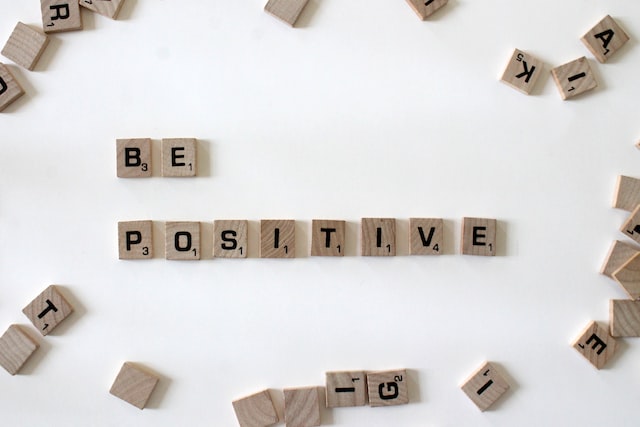
As you enter the halls of your office, a co-worker may tell you to “bring good vibes only” or “feel blessed that you have work”. It is upsetting to hear that “be positive” remark when you know that you are having a difficult day. You are in the presence of toxic positivity at work. Toxic positivity comes when you are actively minimizing or invalidating negative emotions.

A study showed that more than 75% of respondents in a survey by Science of People said they “sometimes, often, or very often ignore their emotions in favor of being happy.” An example of toxic positivity in the workplace is being told that you need to “look at the brighter side” or to “just stay positive” despite not getting the promotion that you worked hard for. Have you experienced these? Does your workplace value positivity to the extent that it turns toxic?

Toxic positivity at its worst can negatively impact engagement and productivity, diminish trust, and damage company culture.

#1: INCREASED BURNOUT

Toxic positive increases burnout, which is exacerbated by emotional labor. Emotional labor occurs when you are feeling obligated to express an emotion that you are not actually feeling.

#2: LOSS OF TRUST

Invalidating the emotions of the employees or minimizing their prowess can cause loss of trust and create an avoidant work culture.

#3: BLOCKED MINDFULNESS

When you cannot even name what is happening to you, you cannot start the process of analyzation. You will not be able to process your emotions. It not only affects your mental health, but also your overall well-being. Toxic positivity blocks mindfulness, because you cannot accept what is happening in the present.

#4: UNSAFE SPACE

If you do not feel comfortable telling each other your feelings when something is not functioning properly, you may not feel that the space is safe. Is it time to turn the culture upside down to create a new level of emotional openness?

#5: UNQUESTIONABLE TOXIC POSITIVITY

Organizations should ask themselves the following queries to identify if toxic positivity is present:
a. Are employees allowed to change or challenge the culture?

b. Are employees allowed to express concerns or reservations during meetings?

c. Is this team allowed to play the role of devil’s advocate?

d. Are your employees expected to say yes or to agree all the time?

Image Credits: unsplash.com

Optimism is healthy. However, you need to ensure you are not being positive at the expense of the truth. Leaders should encourage openness and honesty at work. Employees will follow soon. Practice emotion-sharing exercises at meetings to foster more understanding and ignite cohesion between co-workers!

Sources: 1 & 2

Read More...

Bring Good Luck to Your Home with 2023 Feng Shui Tips

The Rabbit symbolizes longevity, peace, and prosperity in the Chinese culture. Having said that, we can look forward to 2023 as the Year of Hope. The Year of the Rabbit begins on January 22, 2023 (Chinese New Year).

The Rabbit is described as gentle, quiet, elegant, alert, quick, skillful, kind, patient, very responsible, and faithful to those around them. There are five types of rabbits including the five elements – Gold (Metal), Wood, Water, Fire, and Earth. This year is the Water Rabbit. The Water Rabbit is known for being amicable, flexible, and gentle.

Increase your luck by wearing the luck colors of blue, green, and white. To welcome good fortune in your home this coming Chinese New Year, add touches of blue. You may also wear metallic colors such as gold, silver, and grey jewelry to increase your luck.

#1: FOR THE BEDROOM

It is vital to have your bed in a commanding position. You should be able to see the door, but it should not face you directly. Remove the clutter or obstructions in your bedroom. Moreover, you must be able to get rid of your aquariums or water bodies inside your bedroom. Water is meant to diffuse the fire, which can decrease your passion in the bedroom.

#2: FOR THE KITCHEN

The stove should be in a commanding position and the fridge should be tidy. A mixture of water and salt is recommended to cleanse off bad energy and attract good energy. Feng Shui advisors recommend using hues of green, blue, white, grey, yellow, and brown in your kitchen. You may also add red or orange or inspiration. No matter what happens, you must steer clear of keeping broken items.

#3: FOR THE BATHROOM

Bathrooms have the lowest source of energy. Hence, you must use light and warm hues like light blue, turquoise blue, green, peach, pink, white, creamy white, and yellow here. It is recommended to decorate your bathroom with oval mirrors and mellow lighting.

Image Credits: unsplash.com

Feng Shui advisors strongly advise against the use of suspended harsh lights. Above everything else, you must frequently deep clean your bathrooms.

Sources: 1 & 2

Read More...

The Real Cost of Infidelity

Infidelity is defined as the act of having a romantic, emotional, or sexual relationship with someone other than one’s wife, husband, or partner. Extramarital affairs are complex! Its relationship dynamics, emotional investments, logistics, and explosive fallout are far from simple. More importantly, it is expensive!

According to Dr. Ramani Durvasala, a Los Angeles-based clinical psychologist: “Some people get an additional cell phone; a whole additional cell phone plan or a burner [phone] or something like that; they may travel; they may get hotel rooms; they may purchase gifts for this new person.”

The costs of maintaining two relationships add up. In fact, a study showed that expenses associated with an extramarital affair are typical and can cost nearly US$450 (S$601) per month. New flames can intoxicate your brain and push you to spend more. People spend money on event tickets, meals out, bar tabs, air fares, and hotel rooms. Covering one’s tracks can be expensive too. Some people are willing to pay more to ensure secrecy.

People have hired assistants whose sole responsibility was to manage the logistics of the affair or lawyers to draft the NDAs. “They get somebody, and they pay them double to shut them up, and they make that person sign an NDA,” said Dr. Ramina.

Paying an extra S$50 to S$100 a week on dating when you do not have that money can burn you quickly. Not to mention, the effects of infidelity can open a door to larger costs such as marriage counselling and divorce proceedings. Did you know that a 60-minute marriage counselling session can cost you around S$100 or more?

Apart from these costs, you must keep in mind the following elements.

#1: CHILD MAINTENANCE

The Court can order payment of child maintenance in the form of a monthly allowance or a lump sum. In Singapore, children are entitled to child maintenance from their biological parents until the age of 21. However, this order may be extended for certain circumstances such as undergoing national service.

#2: MEDICAL FEES

If you have been infected with STD due to your spouse’s infidelity, you are entitled to sue. You might be able to receive financial compensation on the grounds of “marital tort” (i.e., misconduct) providing medical evidence such as a doctor’s testimony. Moreover, if you were infected with HIV due to your spouse’s affairs, your partner can be found guilty of an offense.

#3: LOSS OF TRUST

The most obvious price of infidelity is loss of trust. Trust is not won back easily. The damage created by unfaithfulness can leave a lasting emotional wound. The slightest word or thought can trigger a person’s distrust from others. Both parties suffer an inability to share their lives with others without fear of betrayal. Marriage counselling can help mediate the situation.

#4: ACT OF FORGIVENESS

Following an act of unfaithfulness, a couple can move forward when forgiveness is present. Forgiveness is complicated, especially when you are breaking a vow. Forgetfulness will likely never occur, which makes forgiveness much harder. Healing takes time and effort.

Image Credits: pixabay.com

Whether infidelity has taken place in the form of physical or emotional affair, the price is high.

Sources: 1,2,3,4, & 5

Read More...