Importance of Estate Planning in Singapore

“My siblings are already fighting over my properties even though I’m still alive,” my uncle joked, acknowledging the numerous businesses and properties he owns. He stressed the importance of securing a competent lawyer to ensure his assets are distributed fairly.

You see, he plans to use his resources to establish a foundation dedicated to supporting vulnerable communities, particularly children who have been abandoned by their parents. This charitable endeavor holds a special place in his heart. He wants to ensure that his legacy will continue to help those in need even after he’s gone.

If he does not craft a Will in time, his estate will be divided according to Singapore’s intestacy laws. Having a Will will enable him to distribute his estate according to his wishes, after his death. It will allow him to give his money to the people he feels needs it most. Can you imagine how this vital document can change the lives of those around him?

Let us begin to understand what a Will is.

WHAT IS A WILL?

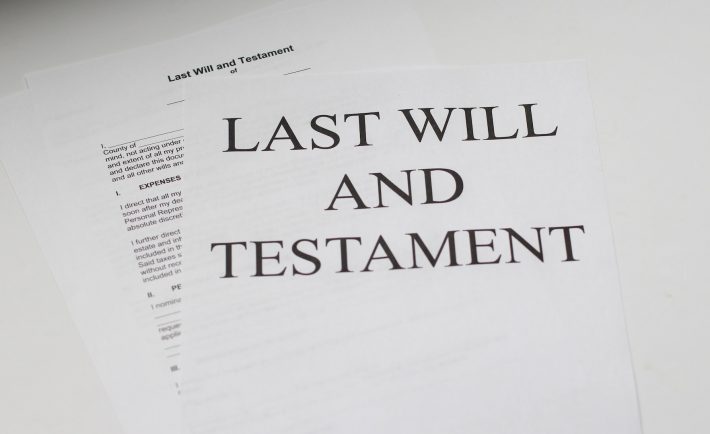
A Will is a legal declaration of how your assets will be distributed after your death. It prevents disagreements and provides clarity over your inheritance, which can be distributed to your loved ones or other charitable institutions after you pass away.

Apart from distribution of financial assets, a Will allows you to appoint your executors and your children’s guardians. You can approach a lawyer to help you draft a Will or use an online writing service. Feel free to change your Will anytime you see fit.

WHAT IS INSIDE A WILL?

Your Will should clearly state who is going to:
a. inherit your estate (i.e., include your beneficiary or beneficiaries),
b. take care of your children who are under 21,
c. carry out your wishes (i.e., your executor), and
d. dispose your assets if your beneficiaries pass away before you.

WHAT ARE THE BENEFITS OF ESTATE PLANNING?

1. As mentioned above, estate planning helps ensure that your assets are distributed according to your wishes after your death.
2. It specifies who will manage your affairs after you pass away to ensure that your matters are taken care of in a timely manner. Lasting Power of Attorney (LPA) allows someone to make decisions on your behalf in the event that you are unable to do so yourself.
3. It can help minimize taxes and legal fees.
4. Estate planning aids in ensuring that your business is smoothly transitioned to your heirs or successors.

CAN YOU PUT YOUR CPF IN THE WILL?

Central Provident Fund (CPF) savings are not covered under a Will and cannot be distributed via a Will.

You are strongly encouraged to make a CPF nomination so that your intended beneficiaries or charities can have quick access to the funds once unforeseen events happen. Moreover, completing your CPF nomination can help lessen administrative delays and avoid paying a fee to the Public Trustee’s Office for administering un-nominated CPF funds.

Not having a CPF nomination can result to your savings being distributed according to Singapore’s intestacy laws (or Islamic inheritance law).

WHAT IF I HAVE NO WILL?

If you die without creating a Will in Singapore, your assets will be distributed according to Singapore’s intestacy laws or Islamic inheritance law. The Intestate Succession Act (ISA) will take effect. Distribution following the law may not be in accordance with your wishes or may not fit your family’s current financial situation.

Image Credits: unsplash.com

Having a Will enables you to distribute your assets on your own terms. Whether you want to provide for your elderly parents or your children, updating your estate plan regularly can ensure that it remains relevant and effective in light of changes in your personal circumstances and the law.


Sources: 1, 2, & 3

Read More...

Benefits & Drawbacks of Using Cash Versus Credit Cards in Singapore

KEY HIGHLIGHTS
a. Paying with cash can encourage mindful spending, as it lacks the convenience that credit cards have.
b. Credit cards have security features and a rewards program, which cash does not have.
c. Interest charges and late payment fees can pile up if you don’t pay off your credit card balance on time.

With the easing of travel restrictions, you are hearing more family and friends discuss their latest holiday plans. Some may even brag about the “free upgrades” they received on flights and hotels by using their credit cards’ miles and accumulated points.

If you are feeling tempted to get a credit card to reap its benefits when you travel, remember to do your own due diligence, and understand the pros and cons of using credit cards versus cash. Both credit cards and cash are widely accepted as payment methods in Singapore. It is imperative that you weigh your options and consider your spending habits, before deciding.

BENEFITS OF USING CREDIT CARDS

#1: UNDENIABLE CONVENIENCE

Credit cards allow you to make purchases without carrying cash, which can be more convenient when you need to make large purchases. You do not need to worry about queues at the ATM, or whether you have enough cash in your wallet. Simply swipe the card anytime and anywhere.

#2: REWARDS AND PROMOTIONS

Many credit cards offer promotions and rewards such as cashback, discounts, and points. You can earn rewards by swiping your card for everyday purchases, which can help you save money in the long run. If you play your cards right, you could be one of those people who fly for “free” due to their air miles redemptions. Imagine boarding the plane and redeeming the staycation of your dreams, without any additional spending on top of your usual expenses!

#3: SECURITY FEATURES

Credit cards come with fraud protection features such as receiving a notification for each transaction. This means that if your card is stolen or used illegally, you won’t be liable for charges. Call the credit card issuer immediately to inform them of any unauthorized transaction. Moreover, you can cancel a credit card if it is lost or stolen.

Image Credits: unsplash.com

In contrast, cash does not give consumer protection against fraud and theft. In the unfortunate event that your wallet is stolen, all the cash inside would certainly be gone.

BENEFITS OF USING CASH

#1: NO FEES

While having a credit card does make purchases in foreign currencies seamless, they tend to come with relatively high foreign exchange fees and unfavorable foreign exchange rates. When you use cash, you do not have to fret about paying fees or interest. Furthermore, some retailers offer devices that are cheaper when purchased in cash.

#2: SPENDING CONTROL

At one point or another, you have probably gone down the rabbit hole of splurging on an item that costs more than your budget. When this happens, sticking to your available cash will be your best bet to stay within your means. Using cash can enable you to track your spending and avoid overspending. With a limited amount of cash in your wallet, you are more likely to think twice before making a purchase.

#3: WIDELY ACCEPTED

While credit cards are widely accepted in Singapore, there are still some places where you can only pay with cash. Small local businesses, hawker centres, or street vendors may opt for cash transactions.

Image Credits: unsplash.com

The choice between credit cards and cash comes down to your financial situation and personal preference. If you value convenience, rewards, and security, a credit card may be a better choice. However, if you prefer mindful spending and avoiding fees and hidden charges, then cash may be the way to go.

Sources:1,2, & 3

Read More...

Simple ways to save money every month starting today

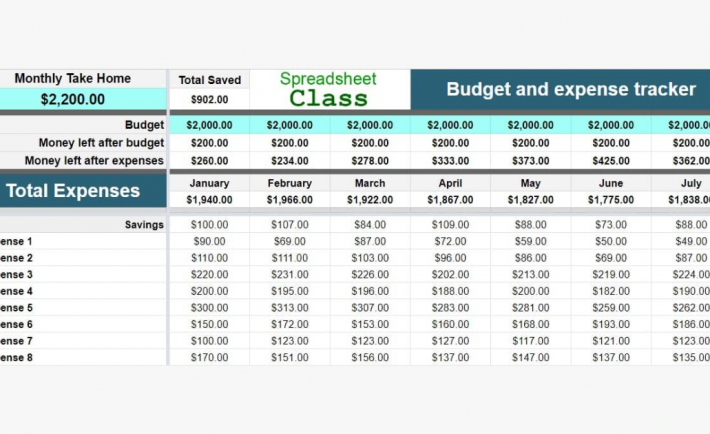
expense tracker template

I’ll splurge today and save tomorrow.

Sounds familiar?

But having the mindset of doing things “later” almost always turns into “never.”

And if that’s you, this post is for you.

Automate savings

I don’t automate savings because I don’t see the need to.

But those with a fixed paycheck and on rather fixed pay dates may find it useful.

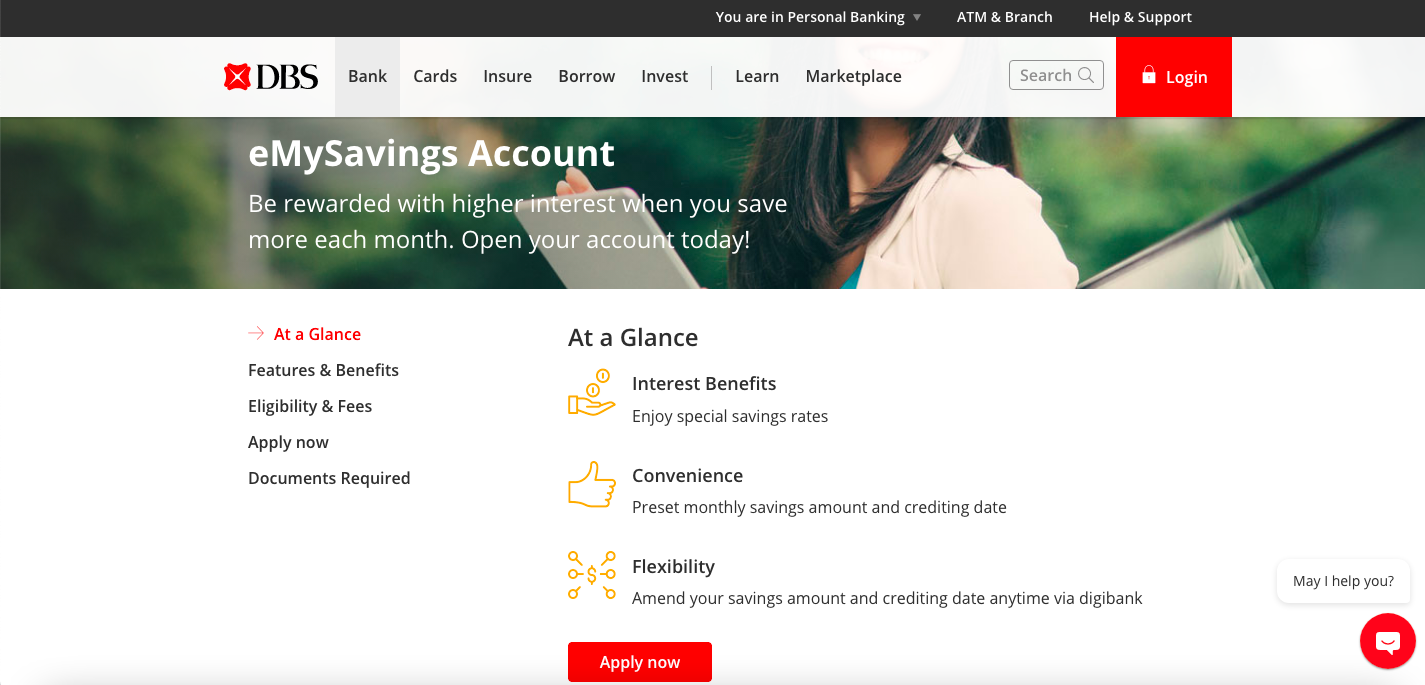
For instance, DBS has this eMySavings Account which promises “higher interest when you save more each month.”

DBS eMySavings Account

You can save any amount from S$50 to S$3,000 and edit the amount and crediting date anytime via the digibank app.

Not bad.

Or you can…

Use an Excel sheet

I used to spend money without thinking much about tomorrow.

But then having to repay a student loan got me into being more sensitive to the ins and outs of money management.

And speaking of repaying loans, you may be interested in this article I wrote 2 days back:

A student’s guide to navigating student loan repayment

Okay, self-promo’s over. Let’s get back.

I may be far from the money gurus out there but this method has gotten me quite far: using an Excel sheet to track salary and spending.

I have just one monthly log and two main tabs: spending & calorie count. Yep, TMI but I do track my daily calorie intake too.

Every dollar and cent that goes out goes into my spending tab. So whether I’ve topped out my EZ-link card or bought a McDonald’s vanilla ice cream cone, it gets tracked.

At the end of the day, I tally my spending to make sure it says within my daily budget.

No choice, got to do this when you’re not rich.

Review at the end of each month

My Excel sheet refreshes every month, so I get a fresh document ready to track every last day of each month.

At the same time, I’ll be able to see at a glance the total I’ve spent and how much I’ve left.

I used to “roll over” the remaining amount to the next month so I can have more money to spend at the start of each month (especially with bills to pay).

But now, I’ve decided to just shift the “leftover” amount to my savings account instead, since I have other financial commitments ahead of me.

I’ve used this method for years and it’s working very well.

I like how it’s not too complicated and that’s why I’m sharing it with you. It’s simple to implement and doesn’t take a lot of time to track.

Tip: Get the Google Sheets app on your phone so you can always input it right there and then you make a payment.

Using this method, you won’t ever get to the point where you wonder, oops, what happened to my salary?

For folks who want to go a step further, you can break down the spending into various categories, whether it’s bills, transportation, or lifestyle/entertainment costs.

I have never exceeded my budget and it takes a hell lot of discipline.

But if you’re the complete opposite, then maybe having sub-categories would make sense. When the time comes for you to make adjustments, you can straightaway identify the categories that are taking up waaay too much of your budget, and make the decision to cut back wherever necessary.

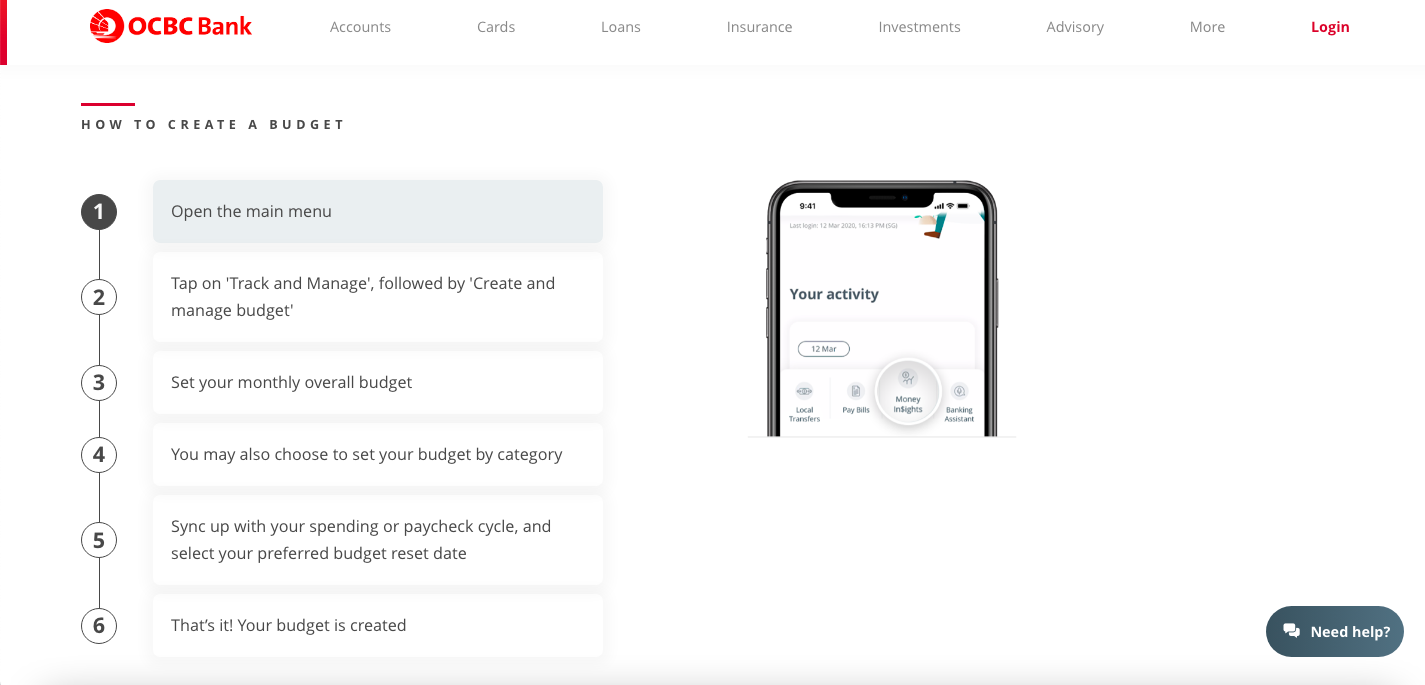
Or you can try using the newly launched Budgeting tool from OCBC to sync up your spending and paycheck.

OCBC budget tool

Be a little aunty when it comes to coupons and discount codes

There’s nothing wrong with wanting to be a little kiasu when it comes to getting the best deals.

Every dollar you save adds up and the aunty in you will thank you.

I’m not a very outgoing person so staying at home works for me most of the time. But if you’re always meeting friends and having lots of gatherings to go to, take advantage of coupons, discount codes, and even existing brand loyalty programs.

Some brands may not offer much but as I like to put it: it adds up.

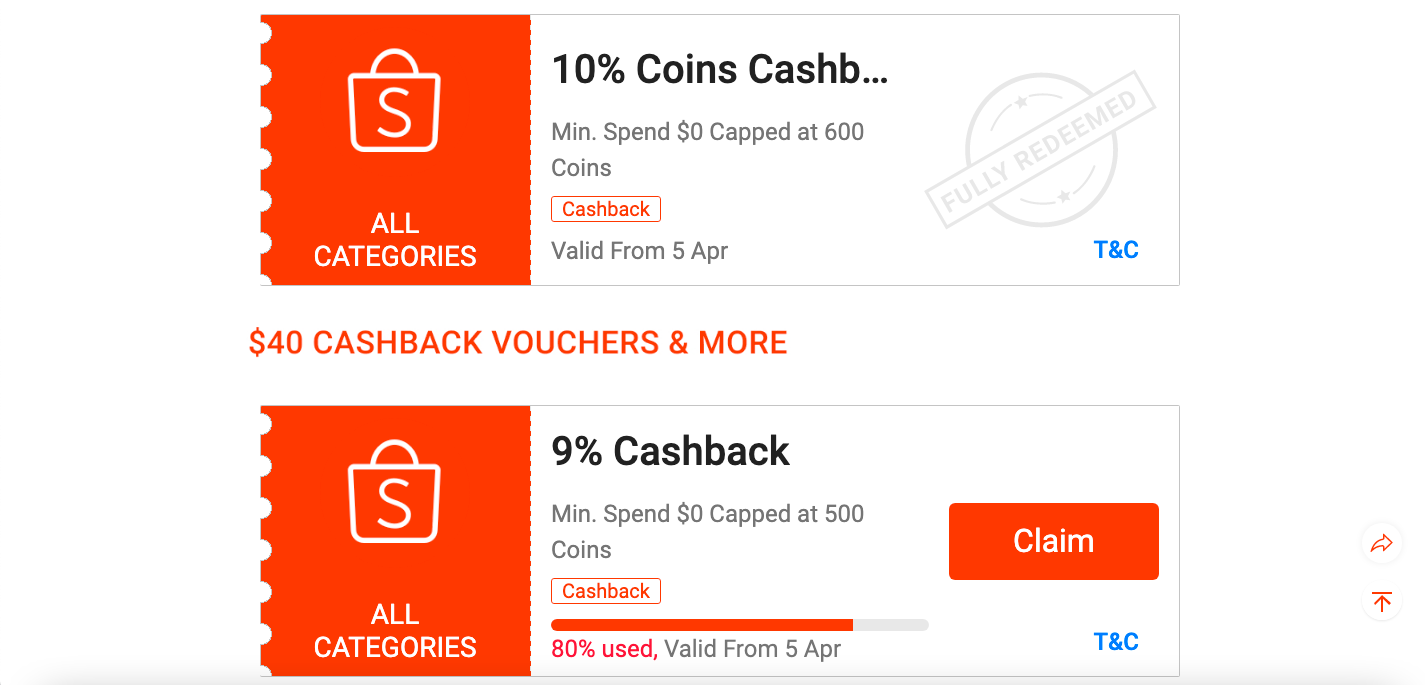
For example, Shopee has this daily cashback voucher (usually a higher percentage on weekends) that allows you to earn cashback coins on most purchases.

Shopee cashback vouchers

There’s also a daily app “check-in system” that allows you to earn FREE coins so you can accumulate and use them on your next cart out.

And for bubble tea lovers, the KOI card offers “leaves” for your top-ups and drinks purchases so you can use it to claim a FREE topping, 1-for-1 drinks at times, and more! There are also birthday privileges on your birthday month. The same goes for the Starbucks card.

And when it comes to local deals, don’t forget to follow the Money Digest Facebook page for all the juicy deals my fellow editors are curating daily 😉

Saving money really doesn’t have to be that difficult. Find a routine that works for you and build on it gradually. Don’t get overly ambitious right from the get-go because a complete change to everything rarely works. You won’t last. Period. So as we close, the main takeaways from this article are: automate, track, review, and be a little aunty with discounts. Now, go feed your bank.

Read More...

A student’s guide to navigating student loan repayment

nus graduation ceremony

Congrats on graduating!

Now, it’s time to face the reality of having to pay back your student loan. And on top of the need to secure a job so you can manage your monthly repayments.

Feeling clueless about how to go about handling this? Here’s a simple student guide to navigating student loan repayment so stop worrying and start reading.

Budgeting starts now

If you’re the sort that earns a dollar and then spends a dollar, something’s got to change.

With a student loan waiting for you to repay, you need to start looking into your salary and budget accordingly.

And by budgeting, I mean going into the nitty-gritty details. Whether it’s food costs, phone bills, insurance, transportation, or giving the old folks “pocket money”, pen it down. Be as realistic as possible and then calculate how much you can afford to put towards your student loan repayment.

Tip: You need to scrimp and save for a start, but it’s good not to squeeze yourself dry and risk mental health issues along the way. It may take some trial and error but you will eventually get the hang of things with adjustments here and there.

How to practice financial discipline

There’s no other method when it comes to financial discipline—stick to your budget.

There’s usually a minimum loan repayment amount tag to your student loan. For example, DBS’s (university) study loan’s minimum monthly repayment is $100.

And following 2022’s median salary for fresh uni grads, it’s $4,200.

Yes, $4,200.

Don’t feel bad if your salary is below the median amount. Life happens.

But that’s not the point.

The main point is $100 is an easy amount to repay based on the salary you receive. Surely you can’t be earning less than $1,000 per month as a graduate, right?

If you set aside 10% of your salary, you can pay off way more than the minimum amount. Just make sure you’re comfortable with it.

Every dollar matters. If you find yourself with extra money at the end of the month, make those payments toward repaying your student loan. The interest is no joke and you want to pay back the lump sum as soon as you can.

How to save on interest and pay off faster

I’ve touched on this point a little earlier but what you want to do is to…

Pay more than the minimum.

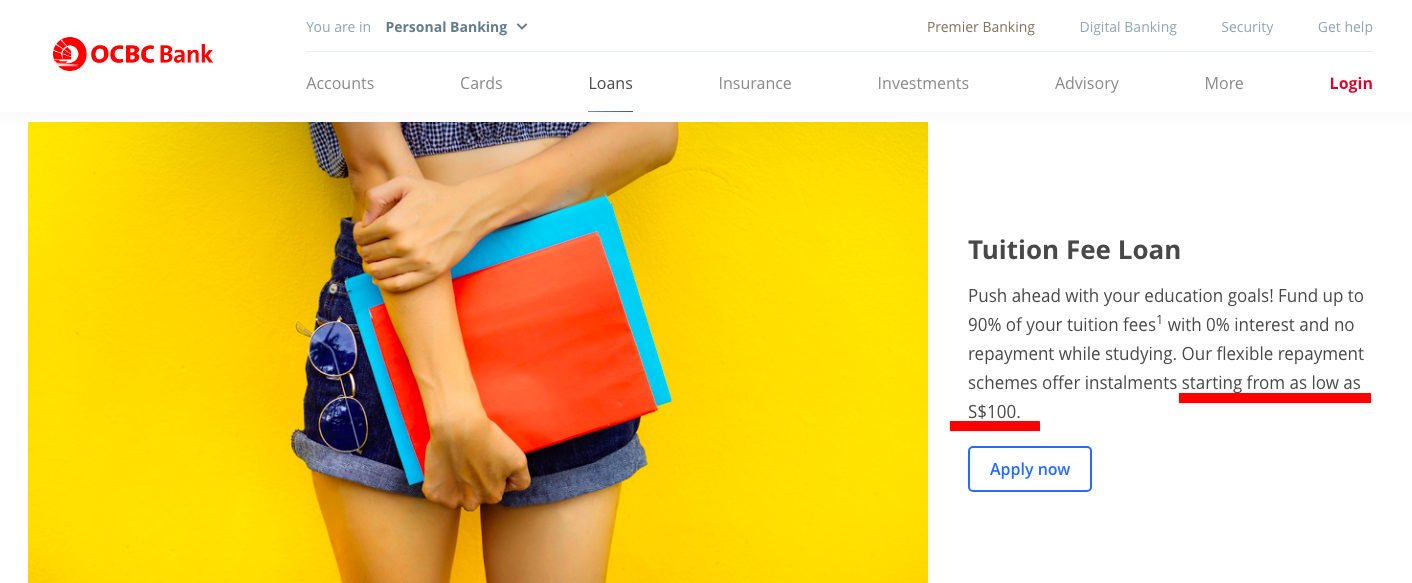
Even OCBC’s student loan installments start from $100 per month. That’s the bare minimum.

ocbc tuition fee loan

Image Credits: ocbc.com

But if you aim to get this repayment thing over and done with, you need to “tahan” a little at the start and pay more than the minimum.

If your loan has no interest tag to it, good for you. But if it does, the interest is going to quickly add up. So to stop it from snowballing into tens of thousands of dollars, repay more each month.

What if you can’t make payments on time

My question to you is, why?

Based on my brief research on DBS and OCBC’s student loans, the minimum amount to repay is $100, as I’ve mentioned earlier too.

Even if you’re starting as an intern, the market rate should be >$1000. And that’s just 10% of your salary.

But if the problem is not due to your extravagant spending habits but unforeseen circumstances such as medical bills and whatnot, then you should let your guarantor know.

Seek help from friends or family members whom you can borrow money from. Since the minimum is $100, see if you can borrow $600 to $1,200 (6 to 12 months’ worth) to get by. If all else fails, contact your loan servicer to discuss the issue.

We’re already days into Q2 of 2023. Time just passes by like that and as someone who has had the experience of loan repayment, I’ll honestly tell you that the interest rate is insane. So never let it roll. You want to set a clear budget, stick to the repayment amount each month, and repay more if you can. Suffer a little now in your early 20s, and you can do more of what you want after the loan is cleared. Take that!

Read More...

Man Arrested for Allegedly Cloning Cards to Withdraw Cash from ATMs

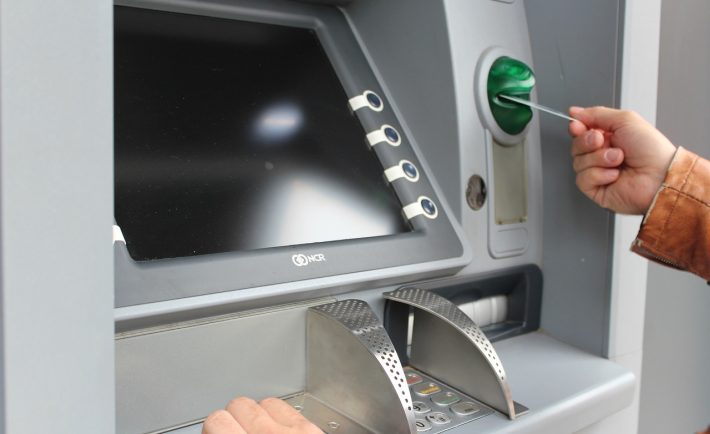
A 27-year-old man has been arrested for suspected possession of cloned cards and equipment used for creating cloned cards. On Feb 7 (Tuesday), the police received a report that a cloned metal card was used to make a withdrawal at an automated teller machine (ATM). The name of the bank and other details were not disclosed. After follow-up investigations, Commercial Affairs Department officers determined the identity of the man and arrested him on Feb 16 (Thursday).

HE CLONED OVER 60 ORIGINAL PAYMENT CARDS

The police stated that the man is believed to have copied the card details from the magnetic stripes of more than sixty original payment cards. These details were later encoded into blank metal cards, which he had acquired online.

Moreover, he is also believed to have removed and transferred the Mastercard, Europay, and Visa chips to the blank metal cards. The police added that a laptop, blank metal cards, an engraving machine, a card encoder, two notebooks, a point-of-sale (POS) reader machine and some cloned metal payment cards were seized as case exhibits.

HE COULD FACE UP TO 15 YEARS JAIL TIME

An imprisonment term of up to five years, fine, or both could be sentenced to anyone found guilty of possessing machines and equipment, which are specifically designed or adapted for making any false instrument. Those found guilty of possessing a forged valuable security could face up to 15 years jail time or a fine.

POLICE INVESTIGATIONS ARE ONGOING

Details are being finalized as police investigations are ongoing. The police highlighted the importance of this matter as they take a serious view of any person who may have been involved in the production and possession of cloned payment cards. Perpetrators will be dealt with in accordance with the law.

Image Credits: pixabay.com

To protect yourself and your details from being copied, it is best not to share your card’s PIN to anyone. Additionally, you should avoid storing your card information on your phone. You can also set up a two-step authentication for online transactions. Stay vigilant!

Sources: 1 & 2

Read More...