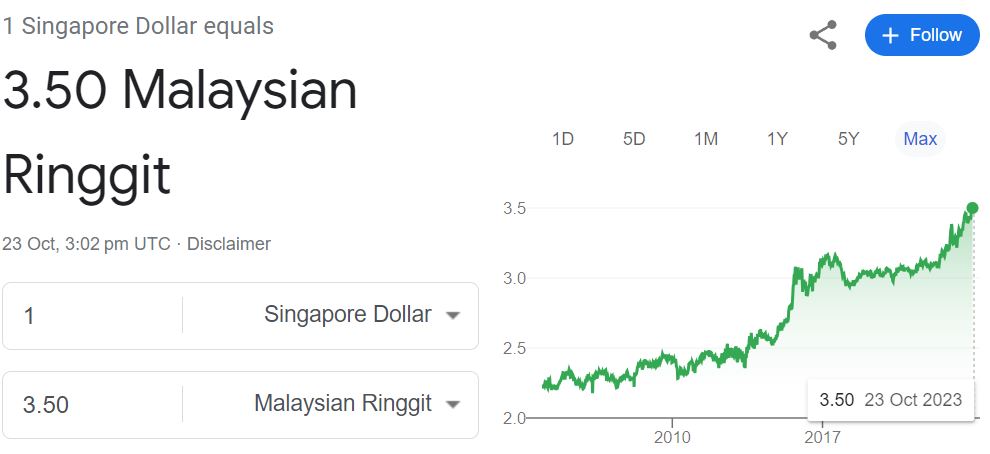
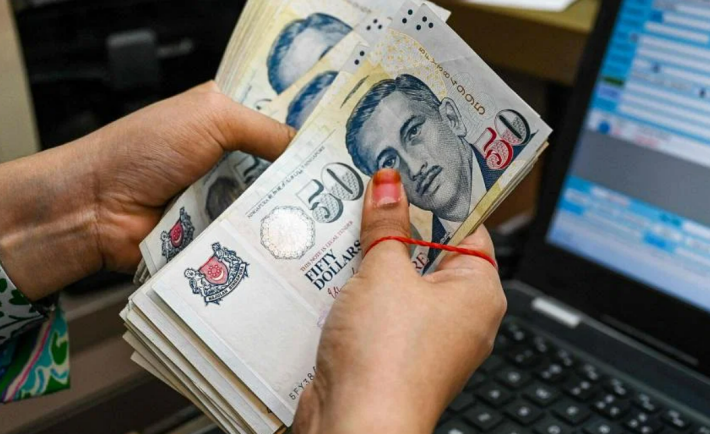
The Singaporean dollar has reached a record heights against the Malaysian ringgit.
As of 10.25pm on October, 23rd, the Singapore dollar stands at S$1 to RM3.50 — the highest since July this year.
The Malaysia’s currency has been weighed down by a slump in exports partly due to a slowdown in China, rising yields in the United States and risk driven by the Israel-Hamas conflict.
The Singapore dollar is supported by the management of the trade-weighted SGD exchange rate by maintaining the prevailing rate of appreciation of the S$NEER policy band. This is seen as necessary to counteract the impact of rising import prices and to keep domestic cost pressures in check, ultimately ensuring price stability in the medium term.
Life is full of surprises, and they’re not all the good kind. If a sudden big expense pops up, you might go into panic mode. Best to start building your emergency fund now and make it a minimum of 3 to 6 months of your usual spend.
With an emergency fund, you can sleep more peacefully at night knowing you’ve got a financial cushion if life throws curveballs your way. Take control of your money situation now for less stress and more stability overall.
Strategies for building your emergency fund
Cut out non-essential spending
Go through your monthly expenses and trim whatever you can, like eating out daily, entertainment, or subscriptions. Then redirect that money into your emergency fund. Even reducing discretionary spending by $50 a month can make a big difference over the course of a year.
Save a fixed amount regularly
Set up an automatic transfer of a fixed amount, say $100 per month, from your paycheck or bank account to your emergency fund. The amount depends on your income and expenses, so start with whatever you can afford. The key is to save regularly, even if just a little bit. Over time, you will build up a good amount.
Deposit any windfalls
When you receive unexpected money like a work bonus, cash gift, or even a government payout, put all or a portion of it into your emergency fund. Windfalls are a great way to give your fund balance a quick boost.
Where to keep your emergency fund
High-yield savings account
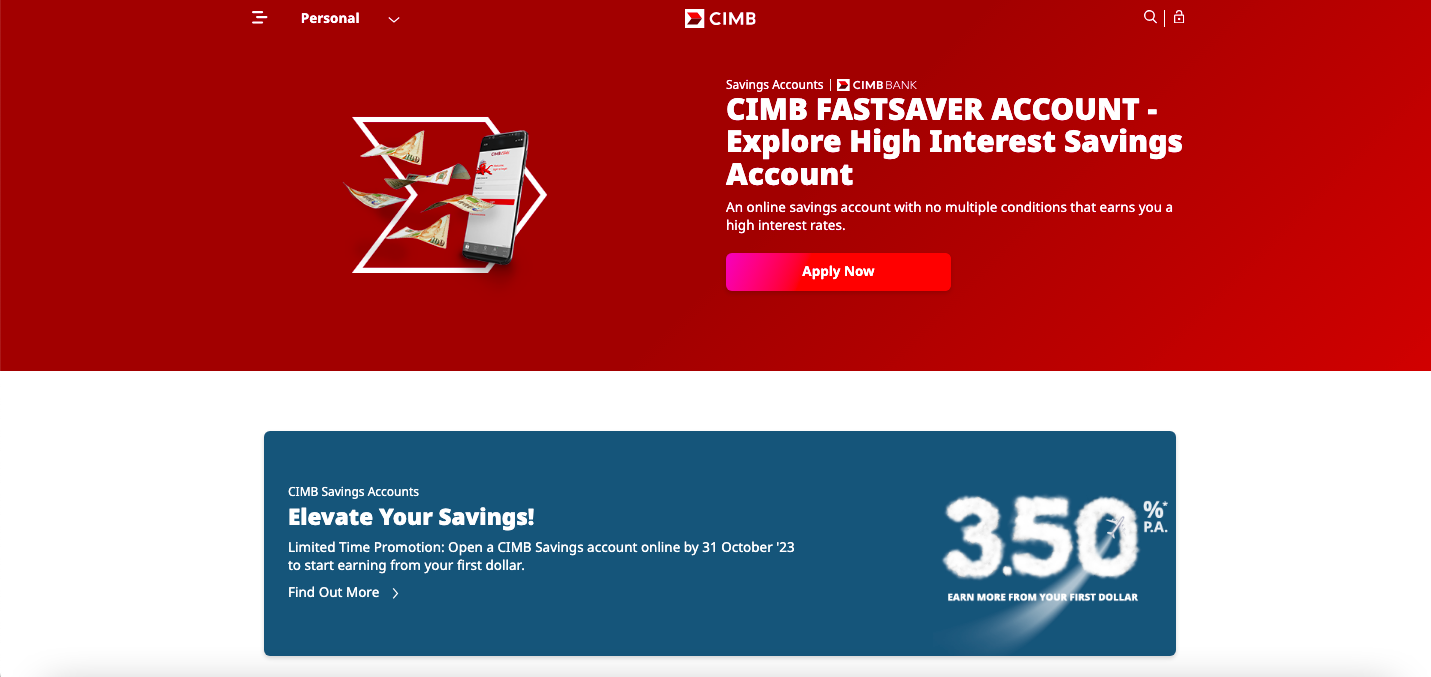
High-yield savings accounts are very liquid, meaning you can withdraw your money anytime without penalty. The interest rates are usually higher than normal savings accounts. Some recommended options are CIMB FastSaver (easy to start) and DBS Multiplier (easy to maintain).
Fixed deposits
Fixed deposits lock in your money for a fixed period, usually a few months to a year. In return, you will get higher interest rates than savings accounts, up to 3 to 4% per year. If you need to withdraw early, most banks will charge a penalty fee. So only put in money you won’t need for a while.
Singapore Savings Bonds (SSBs)
SSBs are issued by the Singapore government and you can earn up to 3%+ interest per year and your money is pretty safe. The catch is your money will be locked in for 10 years. Withdrawal is possible but you will need to pay a small fee.
Cash management accounts
Cash management accounts are a good option if you want to earn higher interest (fluctuates) but still maintain liquidity. However, they aren’t guaranteed by the Singapore Deposit Insurance Corporation (SDIC) so do your thorough research before jumping in.
Saving for your emergency fund is important and you better start saving now before the next financial crisis comes knocking on your door. Even saving $50/month can go a long way. Remember, you want enough to cover at least 3 to 6 months of essential expenses in case anything happens. Once you hit your target, don’t stop—keep adding money whenever you can. The more you save, the more prepared you will be for unexpected events. Saving money may not be the most fun thing to do every month, but having that emergency fund will guarantee plus chop give you that peace of mind if life takes a wrong turn.
So your spouse wants to retire early and you’re scratching your head until botak now trying to talk sense into them, worrying about how to pay bills if no more salary’s coming in?
Well, this one sure ain’t easy.
Your spouse is already excited at the thought of waking up late, going on long teh/kopi dates every day, and playing mahjong with the kakis. How to tell them that money is not yet enough for this kind of lifestyle?
Should you be the bad guy and pour cold water on their retirement dreams? Or let them retire and struggle together if the money isn’t enough? This is one big headache for you we know so let’s try tackling this together.
Signs your spouse may not be financially ready for early retirement
Image Credits: ichoose.ph
If your spouse wants to retire early but you have doubts about whether you have enough money, take these signs as a guide:
He/she still has outstanding loans or mortgages to pay. If one hasn’t cleared their housing loan or has other big loans like car loans, retiring early means less income to service the debt.
No proper plan or budget for how to spend money during retirement. If your spouse cannot show how much he/she needs to spend each month and where the money will come from, it’s likely they will end up withdrawing too much from savings.
Not enough savings or investments to last in retirement. Most financial experts recommend having at least 10x of your annual income (if you’re in your 60s) in retirement savings these days. If savings are nowhere near that, the answer is clear.
No idea how to pay for healthcare or insurance after retirement. Healthcare costs are one of the biggest expenses during retirement. If your better half has yet to think about how to pay premiums or out-of-pocket costs, retiring early is a recipe for disaster.
How to approach your spouse about financial readiness
Have a heart-to-heart
Explain your concerns sincerely but with respect. Say how you want the best for both of you, but early retirement may be too risky if not ready financially. Listen also to their reasons for wanting this. Compromise and find common ground.
Check your numbers
Suggest doing a “financial health check-up” with a professional advisor. See how much you’ve saved, how long it may last, investment returns needed, healthcare, and living costs. This can give a better picture to your spouse also on what’s needed to retire comfortably.
Consider the risks
Early retirement often means less time for savings to grow and more years of expenses to fund. Inflation, healthcare costs, and unexpected emergencies can impact your nest egg. Discuss the potential downsides and have contingency plans.
Strategies to help your spouse prepare financially for retirement
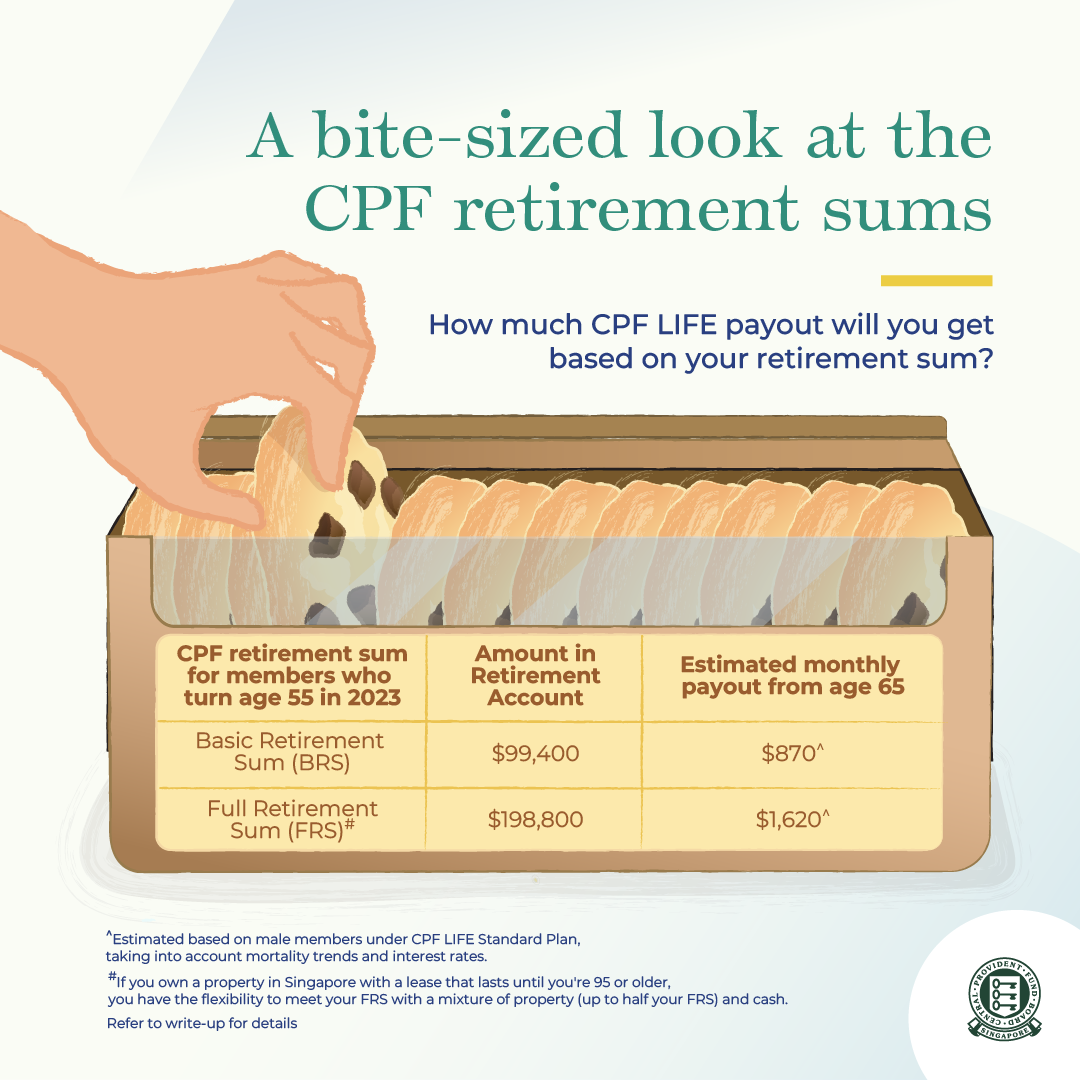
Check CPF and savings.
If it’s not enough to generate a steady income for potentially 20-30 years of retirement, your spouse may end up going back to work out of necessity, whether they want to or not.
Image Credits: cpf.gov.sg
Look into ways to earn passive income, like investing in stocks or real estate. Meet with a financial advisor to develop an investment plan. The sooner you start, the more time for the money to grow.
Discuss a realistic timeline for retirement that factors in your financial situation. Maybe your spouse retires partially by going part-time first before fully retiring. Or retire from their current career but start another, more flexible job.
Retiring early is a big life decision that requires careful planning. Help your spouse face the financial realities now so they can actually achieve their goal of a comfortable retirement, rather than struggling to make ends meet. With time and the right strategy, their nest egg can grow into something that can support him/her for life after work.
So if your spouse is insisting on retiring early when you are both not ready, don’t panic. Sit down, have a heart-to-heart talk, and explain how rushing into retirement when the money is not enough will only lead to more headaches and stress down the road. Show them the numbers, and let them see for themselves how waiting a few more years means a bigger nest egg and fewer worries. Early retirement is shiok but must do it right, not jump the gun. Take it slow, and plan properly. When the time is right, you both can retire comfortably without regrets, and start this new chapter of life on the right foot.
While you may not have control over the economy, you do possess the power to influence your financial destiny through deliberate actions. With that in mind, here are five effective strategies for managing your finances:
1. EMBRACE THE POWER OF YOUR CHANGE
Begin a nightly ritual of counting your coins and bills, setting aside your loose change with dedication. As these seemingly insignificant amounts accumulate, deposit them into your savings account. Witness the gradual growth of your savings, knowing that these seemingly trivial contributions will amass into a substantial sum over time. Moreover, utilizing cash for daily expenses can foster mindful spending habits, making it more challenging to part with physical currency. While this method won’t yield instant savings, it represents a steady and reliable approach to financial growth.
2. PREPARE OF GROCERY SHOPPING
Achieving substantial savings at the grocery store requires a bit of proactive planning. Prior to your shopping expedition, assess your pantry and create a well-thought-out shopping list to fend off impulsive purchases. Learn the art of coupon hunting and enroll in loyalty programs at your local store to maximize your cost-cutting potential. Many stores offer additional discounts in exchange for contact information through their loyalty programs.
Image Credits: unsplash.com
If you possess a cash-back credit card, you could earn extra cash back on your grocery purchases. Some cards offer generous cash-back percentages, ranging from 5% to 8%. However, it’s imperative to pay off your credit card bill in full each month to avoid incurring interest and fees. Noteworthy credit cards for this purpose include the Citi Cash Back Card (providing 8% cashback at all supermarkets), HSBC Visa Platinum Credit Card (offering 5% cashback at all supermarkets), and DBS Live Fresh Card (delivering 5% cashback for online and payWave transactions).
3. IMPLEMENT THE 30-DAY RULE
Guard against impulse spending by introducing a cooling-off period between the moment you desire an item and the point at which you actually make the purchase. If you find yourself shopping online, consider placing the desired item in your cart and stepping away for an extended period, allowing time for thoughtful consideration.
If waiting for 30 days feels impractical, experiment with shorter intervals like 24 or 48 hours for smaller purchases. I, for one, have an online cart filled with 5 items that I am contemplating on buying. I will give myself a month before I start to remove items from the cart.
4. OPTIMIZE YOUR CABLE AND TELECOM SERVICES
Explore cost-effective alternatives for your cable and telecom services. This might entail downgrading your cable package or opting for a more affordable telecom plan. Additionally, consider eliminating your landline or trimming down on excess streaming services and premium subscriptions to curtail unnecessary expenses.
5. CONQUER HIGH-INTEREST DEBTS
Liberating yourself from the shackles of high-interest debts can significantly relieve financial strain. Expedite your debt repayment process by adopting the snowball or avalanche methods, enabling you to minimize the total interest accrued and free yourself from debt’s burden sooner.
Image Credits: unsplash.com
Once you’ve conquered your debts, redirect the money you would have allocated to debt payments into your savings. If your disposable income doesn’t permit extra debt payments, contemplate engaging in a side hustle to generate additional income that can be channeled toward debt reduction.
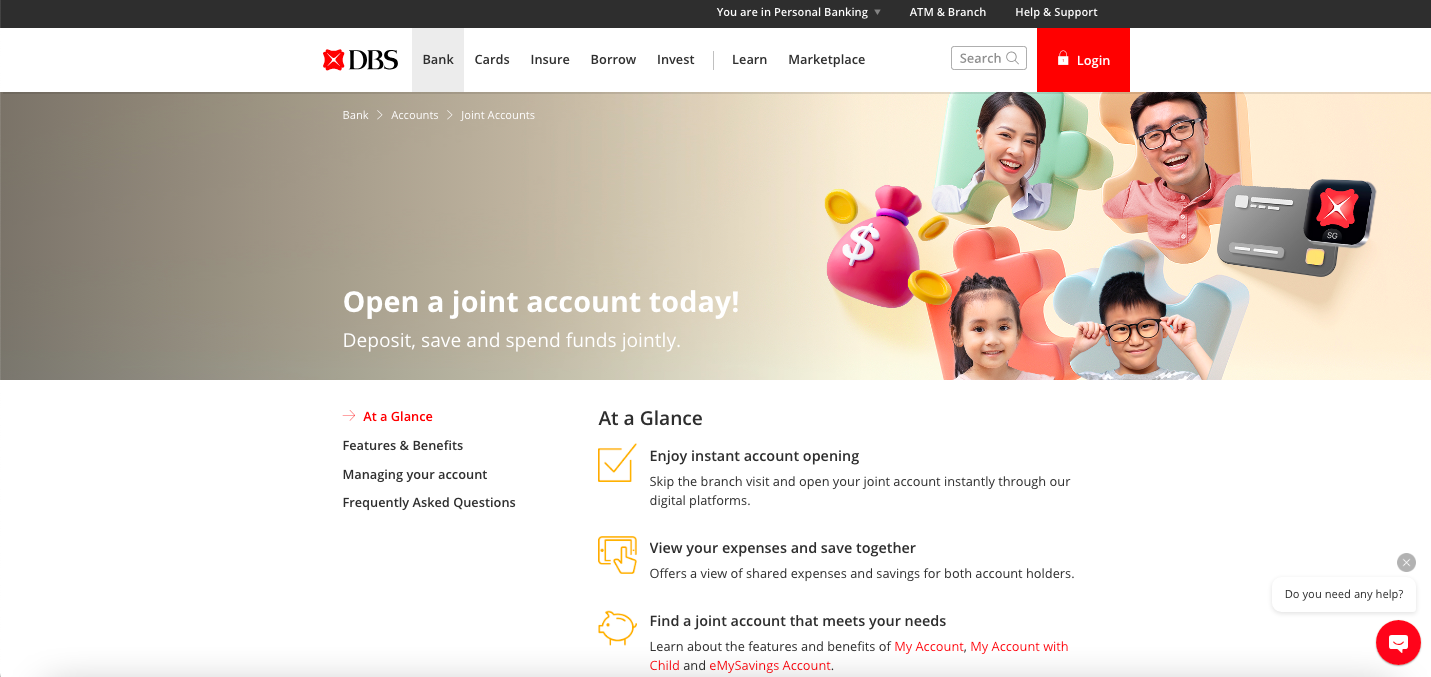
So you finally tied the knot with your sweetheart and you’re officially Mr and Mrs, the next big step is to decide in your financial journey is if you should open a joint bank account or not.
Many couples think that it’s a must to show you’re sharing your lives. But wait, don’t rush into it yet because there are a few things you should think about first before taking the plunge.
Understanding joint bank accounts
Joint accounts can help couples eliminate the administrative work after purchases, etc.
Banks may allow you to choose either a “joint account” or a “joint-alternate account”.
With a “joint account”, both of you must agree before doing anything with the money. So if you want to withdraw or transfer money, your spouse has to give you the ‘go’ sign. This can avoid misunderstandings but is sometimes quite inconvenient.
For a “joint-alternate account”, any one of you can use the money without asking the other’s permission. It’s much more convenient but requires a great deal of trust since the other person can do whatever they want with the money.
Before opening a joint account, talk to your spouse and be very clear about how much money each of you will put in, who can withdraw and spend the money, and make sure you are both alright with that.
If you’re sitting on the fence, you can always start with a smaller joint account first to test the waters. Take your time, no rush—after all, marriage is for life.
Factors favoring a joint bank account
Opening a joint bank account with your spouse has its pros and cons, but the pros often outweigh the cons for most newlyweds. Here are some factors to consider:
More transparency and trust
Having a joint account shows you have nothing to hide from each other since both of you can obviously scan the transactions anytime, anywhere. This can cultivate better trust and financial openness in the relationship.
Easier to manage household expenses
With a shared account, paying for utilities, groceries, and other household necessities becomes more convenient. No need to fight over whose turn it is to pay or chase each other to transfer the other 50%. Everything can be paid from a single account.
Shared financial goals and responsibilities
With shared accounts come shared financial goals and duties. It gives both of you a chance to sit down together, look at your combined income and expenses, and come to an agreement on budgeting, saving, and spending priorities. This presents a good opportunity to be on the same boat money-wise and paddling as a team towards common financial objectives.
Circumstances to consider before opening a joint account
Image Credits: The Independent
Of course, there are risks involved. Whether you’re newly married or have been together for a while, opening a joint bank account is a big step. Here are a few things you should think through first before combining your finances:
Difference in spending habits
If one of you is a big spender and the other prefers to save, having a shared account may lead to arguments over how much goes into savings versus spending. You will need to compromise and be very transparent about your financial habits.
Outstanding personal debts
If either of you have significant personal debts like loans or credit card balances, it may be better to keep separate accounts until they’re paid off. That way you have more control over how much goes towards your personal obligations each month.
Uneven income levels
If there is a huge difference in your income, a joint account means the higher earner’s money will subsidize the lower earner. You will need to be comfortable with this arrangement. As an alternative, you can have a shared account for household expenses, but keep separate accounts for personal spending.
Potential legal issues
In the unfortunate event of a divorce, joint accounts can get messy. It may be difficult to determine who contributed what and split the money fairly. As a precaution, you may want to look into the law that specifies how joint assets will be divided if you separate.
Opening a joint bank account is a big milestone, so go into it with your eyes open. Discuss your concerns openly and make sure you’re both on the same page about how you want to manage your shared finances. If needed, start small by pooling money for essential household expenses before combining everything.At the end of the day, the most important thing is to build trust and understanding with your spouse. If you can get that right, having a joint account will just be one of the many joys of sharing your life. But do it at your own pace, no need to feel pressured just because that’s what most people do. You do you!