What to learn from the sinking oil price?

Falling Oil Prices

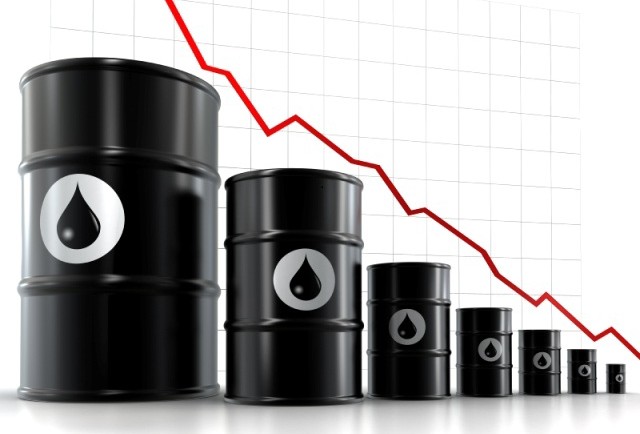
The black gold is without question, still one of the most valuable goods in the trading market. Many countries are dependent on the consumption of it, while other economies are entirely based on the selling of oil. When the oil price suddenly falls heavily, some people are getting extremely worried and others buy frenetically. In the last weeks and months, the oil price has been experiencing the biggest plunge since the mid-year drop in 2008. The price has currently reached almost half of what it still was June 2014.

Traders and consumers are not only buying, but also asking themselves how this drop came about and how it might affect the economy. Oil was already to run out in the 1970s and only expected to excel in price, if anything at all. The sudden fall of the oil price is not only unexpected, but also creates a certain anxiety – is it the first sign of a collapsing economy? Looking more closely at the events, one can learn a few things.

Falling demand

Firstly, the world is less dependent on American and Middle-Eastern oil than one might have thought. In September the U.S. Energy Information Administration has reported the highest monthly production rate in 28 years. On the other hand, Europe and China are buying less oil, as the demands shifts to gas and renewable resources. The supply has increased and the demand decreased, hence the price fell.

When the price for oil was high, economists blamed the American government for slowing down the economy as subsequent high gasoline prices damaged shipping, trade and travel. Now that the price is low, the same voices expressed accusations towards the same government for bringing a decline to the oil industry. Areas in Texas and North Dakota, in which the oil industry is a heavyweight, fear job cuts, as the production of oil might need to be reduced to stabilise the oil price.

If both high and low oil prices are bad for the economy, then when is it good for the economy? The truth is that the oil price alone is not responsible neither for a flourishing nor for a stagnating American or international economy. Neither is the president nor the government directly responsible for the fluctuation of the oil price. Morgan Stanley predicts that the price can even further drop in the beginning of the New Year. Fact is though, no matter whether high or low oil price, there will be benefiters either way. The world economy surely is related to the oil price. However, some critics wrongly believe that the falling and rising of the oil price regulates the international economy – it is the other way around.

Government regulation

Related to the problem of the falling and rising of the oil price is the issue of government regulations. The question is whether it is necessary and beneficial to regulate the drilling for oil and the oil market itself. Once again, there are critics arguing both ways. Furthermore, there have been regulations in place both when the oil price was rising and falling as it is now. Every time again the market has regulated itself. ‘How come?’, one might ask. It is due to one of the oldest economic principles – demand and supply.

Oil is a good that can be traded. However, it is often treated just like a currency, which it obviously isn’t. Regulations surely can have an effect on a good being traded, but in the case of oil, the market will regulate itself. The current decrease of the oil price is such a self-regulation. Softer or stronger restrictions on oil drillings would have had only a small impact – considering the entirety of the world market and trade movements. If the government hadn’t restricted drillings, the price would have dropped perhaps faster, but it couldn’t have been prevented.

The black gold isn’t any weapon or tool that can be used to stir the economy into a particular direction. Oil, no matter whether coming from the US or the Middle East, is subject to the market. If the supply is surpassing the demand, the price will simply go down – period. The only question remaining is, whether critics in awe of economic regulations will understand it.

The oil price will mainly remain a victim to demand and supply. However, there is another lesson to be learned. If China and Europe keep cutting down on their need for oil, the self-regulation of the oil market might result in a downward spiral in the long run. If the demand for oil will continuously decrease, the production and drilling will eventually do the same. The industry tends not to react to short-term movements, such as the current one. However, there is a good chance that the demand will not pick up, which will result in cutbacks.

Reduction in oil drilling

What does that does? The American economy is not entirely based on the production of oil. However, it is one of the biggest industries in the country. Although the U.S. consumes plenty of oil by themselves, the cutback in international demand can have a significant effect on the industry. Therefore, it is relatively safe to consider a reduction in oil drilling in the long run. This is not only due to a lack of demand, but also because the benefit margin in the oil industry will become increasingly thinner than it already is, due to high and continuously increasing production cost. Not only are subsidies being given to renewable energies, but also the infrastructure of the oil industry will not survive another renewal.

There is, however, one counterexample, which is the arms industry in the United States. The oil industry in the U.S can be compared to the arms industry. The latter is a major player in the American economy, but for a substantial part kept alive due to the government’s own spending in arms. Therefore, plenty of jobs are being maintained because the United States is at war. Only if a similar scenario will occur within the oil industry, there will be a chance for the long-term security for the industry.

Read More...

The Ultimate Travel Insurance Guide

Travel Insurance

“Do you want travel insurance?”, a sentence has become so common that it is now included in the menu of tour packages and online travel booking. While some of us may be guilty of travelling without getting covered, travel insurance has now evolved into a need rather than a want.

Ask yourself these questions:

Who will evacuate you when you are injured on top of Mount Fuji?

Who will bear the cost of cancelled air tickets or tour package during the protests in Hong Kong? A flood in Australia? Or if you and your travel companion is hospitalized days before your travel?

Who will be the one you call when you are terribly ill in Europe? Or when your rented car has crashed into a monumental sculpture?

Who will cover the cost of your essentials when you lost your baggage or your travel documents?

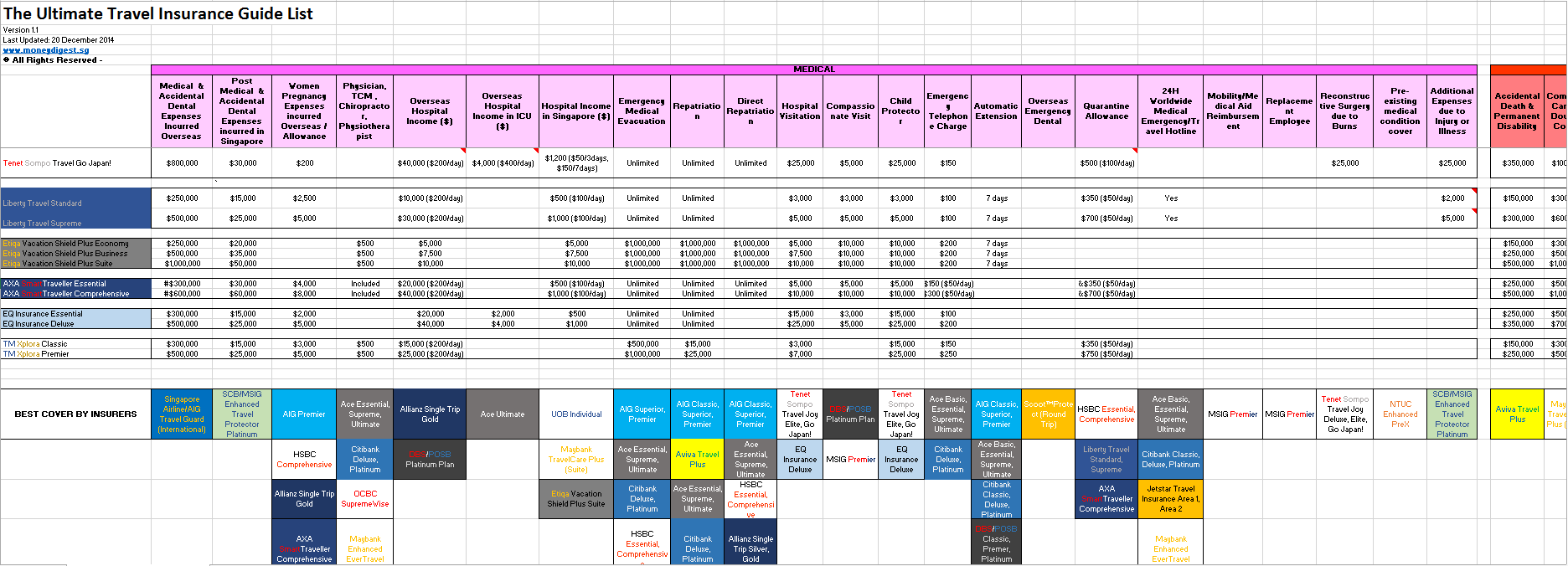
The list can go on but instead of trying to spoil your holiday planning, we have come up with a guide for you to compare travel insurance plans in Singapore.

We had compiled the data across different insurance companies so that you can have an idea of which offer the best cover for each risks you identified as well as getting the cheapest travel insurance in Singapore.

Check it out here: Travel Insurance Guide 

Travel Insurance Comparison


Let us first examine a few common benefits that you should be looking at when purchasing a travel insurance.

Medical treatment and emergency evacuation

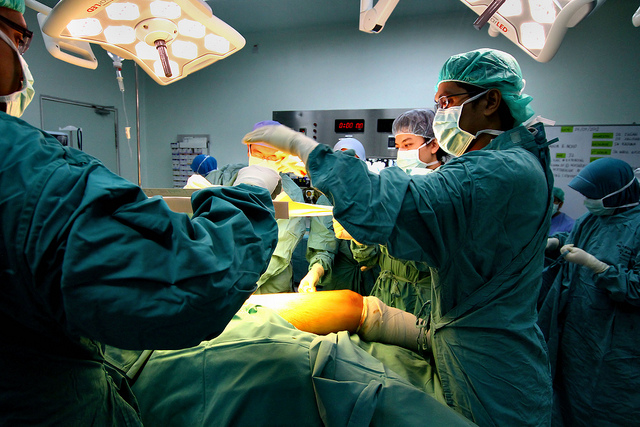
Medical Treatment

(Image credit: Phalinn Ooi, via Flickr)

Sure, you can be as healthy as a horse but you can’t avoid getting hit by someone skiing down the mountain or prevent a dengue mosquito that wants to sting you. Shit happens, and that could cost you ten or thousands of dollars when you are overseas. It is not too bad if there is a hospital nearby but what if you are trekking on the remotest part of the island? Emergency medical evacuation could easily set you back between $75,000 – $300,000.

You don’t want me to add the medical expenses, do you?

From our list, Singapore Airline Travel Guard offers the best cover for medical and accidental dental expenses when you are overseas. You can claim unlimited benefits from their International plan underwritten by AIG. For emergency evacuation and repatriation, there are many companies that offer unlimited cover, including AIG’s own flagship Travel Guard plans. The word ‘unlimited’ is equivalent to a peace of mind that is important to all travelers, including myself.

Accidental death and permanent disability

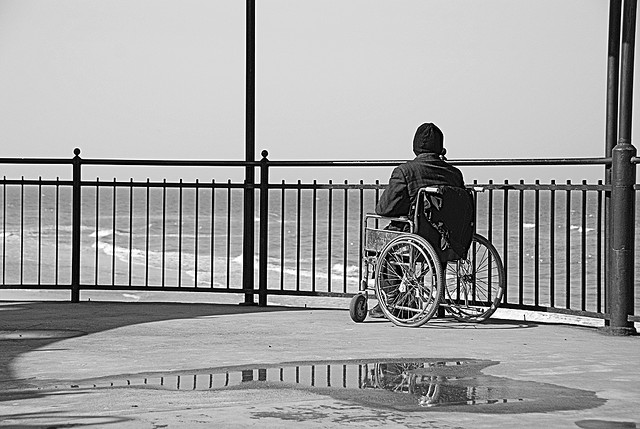
Disabled person

(Image credit: Dominik Golenia, via Flickr)

Should the most unfortunate event that results in death and permanent disability, there is an additional payout to you and your family members. Aviva offers the highest coverage of up to $2million to protect you and you family from the liability of you suffering from permanently incapacitatation or premature death.

Hospital income

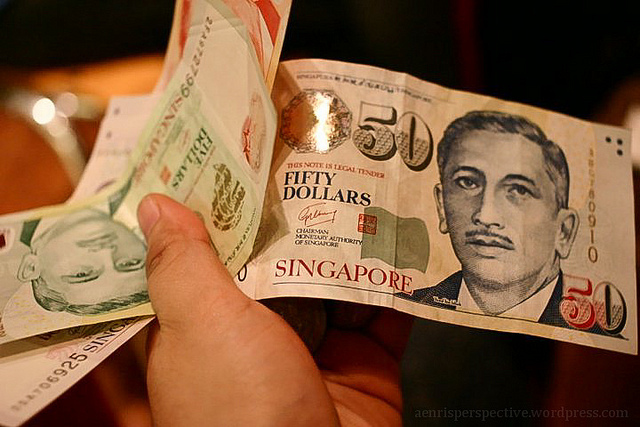
Hospital Income

(Image credit: aenri05, via Flickr)

Whether you are hospitalized overseas or in Singapore, it may take weeks or months for you to recuperate. If you are still employed, you may end up having to take no-pay leaves and this could come in handy when you receive a daily income for your stay in hospital. It makes sense when you still have you bills and mortgage to pay and a parents to support. DBS TravellerShield and Allianz Gold plan has the best overseas hospital income benefits with the highest limit of $50,000, with the latter paying you $250 a day. (vs $200 a day from DBS)

However, if you are hospitalized in Singapore, a plan from UOB, Maybank’s TravelCare (Suite) and Etiqa’s Vacation Shield Plus (Suite) make more sense as they have the highest limit of $10,000.

So which should you choose?

Besides comparing the premium amounts, take the destination you will be travelling to into consideration and if it is located far away from Singapore. That is to say if you are travelling to Europe or the US where it may be difficult to transport you back to Singapore for local treatment, then overseas hospital income should be your priority. Whereas if you are travelling to a country in South East Asia, you should be looking at a higher hospital income limit in Singapore.

Travel cancellation, curtailment and disruption

Travel Disruption

(Image credit: Ross G. Strachan, via Flickr)

When you have spend thousands of dollars booking your tour package or air tickets months in advance, you may well want to get this covered. Some airlines offer a non-refundable air tickets and should you have a last minute cancellation due to serious illness, riots or flash flood, your month-worth of paycheck would be down in the drain.

Allianz Gold plan beat all other plans hands down as it tops the list of benefits with a $25,000 limit for travel cancellation, postponement, curtailment and interruption.

Delay or loss of personal baggage

Travel Baggage

(Image credit: donuzz, via Flickr)

Most people buy travel insurance to protect their baggage and belongings as it seems to be the most common mishap that could happen on a trip. Again, Allianz has outshone the rest with a $15,000 cover on personal baggage and a $10,000 cover on travel documents. However for baggage and travel delays, Etiqa Vacation Shield Plus Suite is a better option with a $5,000 limit.

Other benefits such as golf benefits, home cover, car rental excess and more

Golf benefits

(Image credits: www.aag.com)

If you are planning to go on a green trip, golf benefits may be more attractive as you are covered from things such as loss or damage to your golf equipment to getting an incentive for getting a hole-in-one. With up to $3,000 cover limit for your golf equipments, golf junkies look no further to HSBC Comprehensive and AXA SmartTraveller plans. If you on your way to become Tiger Woods, Ace Ultimate plan will offer the highest bounty for a hole-in-one, currently at $750.

Insurance companies has gotten more creative over the years. From offering you cash incentive such as a hole-in-one, you can get covered at almost anything you can think of such as reimbursement for pet medical care to protecting your home from any damages. Besides taking into account of the benefits offered by insurers, you should also compare the premiums to make sure you get the most value for the cover.

Read the fine prints of the policy as some insurers define each benefits differently. For example, some insurer requires you to seek medical advice or treatment when you are overseas to be eligible to claim for your medical expenses incurred in Singapore, while some allow you to claim if you seek medical advice within 48 hours of returning to Singapore.

In short, some of the most common benefits are highlighted below:

Benefits Recommended plans
Overseas Medical Expenses Singapore Airline Travel Guard (International)
Medical Expenses in Singapore SCB Enhanced Travel Protector Platinum
Overseas Hospital Income Allianz Single Trip Gold, DBS Platinum Plan
Hospital Income in Singapore UOB Individual, Maybank TravelCare Plus (Suite), Etiqa Vacation Shield Plus Suite
Emergency Medical Evacuation/Repatriation AIG Travel Guard Superior/Premier, Ace Essential/Supreme/Ultimate, HSBC Essential/Comprehensive, Allianz Single Trip Silver/Gold, Tenet Sompo Travel Joy Deluxe, AXA SmartTraveller Essential/Comprehensive
Pre-existing medical conditions NTUC Enhanced PreX
Child education grant, family assistance MSIG Premier
Accidental Death & Permanent Disability Aviva Travel Plus
Travel cancellation, postponement, etc Allianz Single Trip Gold
Travel baggage delay, overbooking and misconnection Etiqa Vacation Shield Plus Suite
Golf benefits HSBC Comprehensive, AXA SmartTraveller Comprehensive

Visit our Travel Insurance Guide  for a full list of benefits and the respective premiums of each insurers.

Who needs the travel agents when you can be one?

Read More...

The 10 Best Places to Retire In The World

Best Places To Retire

It would be no surprise if you have come to this article looking for the best places to retire overseas.

After spending decades of your life slogging in Singapore, you feel it is now time to venture out and get some fresh air. It might seems appealing to you to spend the next half of your life in a place where you get the best healthcare and quality of life  – in addition to your mansion that is overlooking the horizon by the sea or a farm located at the top of a mountain. Tranquility is what you desired most.

We hear and feel you.

In what we defined ‘best‘, we use Natixis’s CoreData 2014 Global Retirement Index which examined 4 thematic indices that incorporates 20 performance indicators in our article.

The 4 thematic indices include:

  • The Health in Retirement Index – measured using the geometric mean of life expectancy at birth, health expenditure per capita, physicians per 1,000 people, non-insured health expenditure and the number hospital beds for every 1,000 people.
  • The Material Wellbeing in Retirement Index which measures the ability of a country’s population to provide for their material needs. It took the geometric mean of the income per capita, income equality and the rate of unemployment in their studies.
  • The Finances in Retirement Index that is calculated using a range of indicators such as investment environment, old age dependency, inflation and interest rate, tax pressure, bank non-performing loan, government indebtedness and institutional strength.
  • The Quality of Life and Environmental Index is a sub-index that captures the level of happiness of a society as well as environmental factors such as water and air pollution and the level of climate change.

8 out of the 10 in the list are European countries and they are a popular retirement haven where millions of retirees flock to in the past few years.

Let’s take a look at 10 best places to retire in the world.

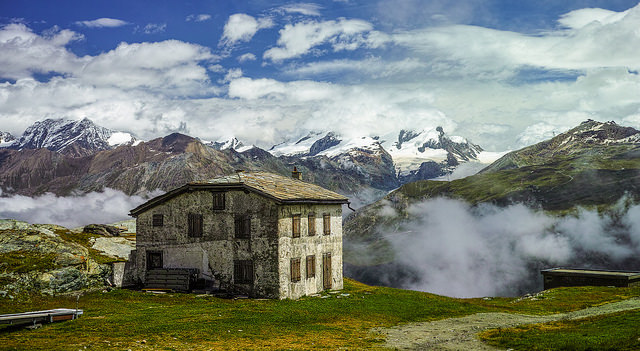
1. Switzerland

Switzerland Alps

(Image Credit: adina*raul, via Flickr)

Total population: 8,061,516 (July 2014)
GDP per capita: US$80,477.43 (2013)

Switzerland has overtook Norway moving up one place to top the retirement index. When the Swiss nation topped a number of indicators with the highest life expectancy, lowest inflation (-0.10% in November 2014) and the least air and water pollution, you could see the reason why. Coupled with improving healthcare and income equality, it is everyone’s dream to retreat there.

Interesting facts: From Swiss watches to chocolates, you get the finest of everything. What about a trip to the Swiss Alps?

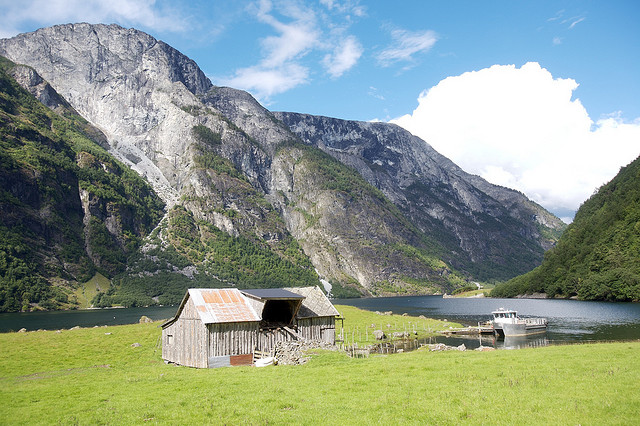
2. Norway

Norway Retirement

(Image Credit: Jarkko Laine, via Flickr)

Total population: 5,156,451 (1 October 2014)
GDP per capita: US$100,818.50 (2013)

Even though Norway has dropped one place, it is a country that boasts a very high quality of life, exceptional healthcare and sound financial system. With a sovereign wealth fund of $800bn, it is also one of the wealthiest countries in the world on a per capita basis.

However, its ultra-low interest rate and high level of taxation could pose huge a challenge for retirees to grow their retirement saving.

Interesting facts: Norway is famous for its Fjords, a long and narrow inlets with steep cliffs. Also expect to see many trolls figurines in shops and along the street as they form part of the Norse folklore.

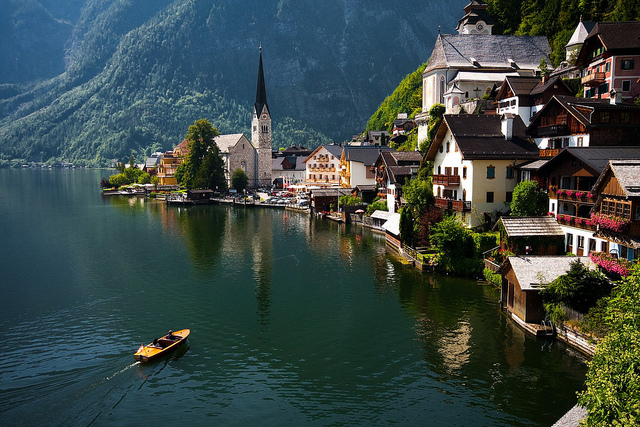
3. Austria

Hallstat, Austria

(Image Credit: – peperoni -, via Flickr)

Total population: 8,507,786 (1 January 2014)
GDP per capita: US$49,053.82 (2013)

Taking third place, we have Austria who has climbed two places in last year’s index. What contributed most is their healthcare system where there is free access to basic healthcare even if you are a tourists or just staying temporarily if you are from a EU country. Low unemployment and high income equality has led to a high material wellbeing.

Interest facts: Known worldwide for its music and architecture, Austria has produced many famous musicians, actors, composers and philosophers. Think Arnold Schwarzenegger, Mozart, Sigmund Freud and Ferdinand Porsche.

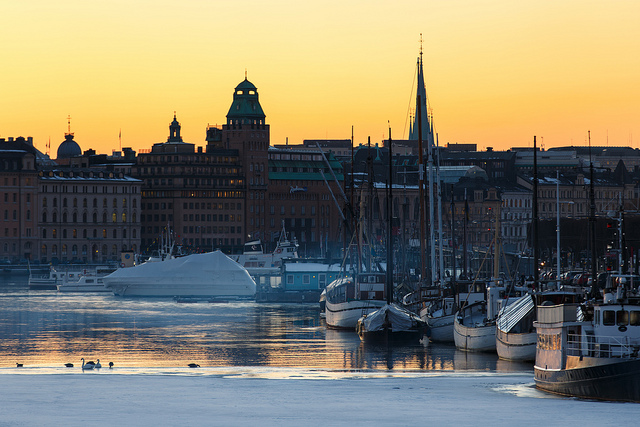
4. Sweden

Stolkholm, Sweden

(Image Credit: Ulf Bodin, via Flickr)

Total population: 9,557, 532 (15 December 2014)
GDP per capita: US$58,269.03 (2013)

Sweden also boasts one of the best healthcare system in the world. Like many others in the list, Sweden has low level of income inequality and inflation and hence fared well in the Finance in Retirement index. With a GDP per capita of $58,269.03, it is one of the highest in the EU.

Interesting facts: The Swedes love their fermented herring more than anything else. It forms one of their staples since the 16th century. Fika, or coffee break, is common in Sweden. Everyone gets together with their colleague, friends and family to enjoy coffee so expect to see many Fika cafes in Sweden. Wait, do you also know that they are famous for its glass?

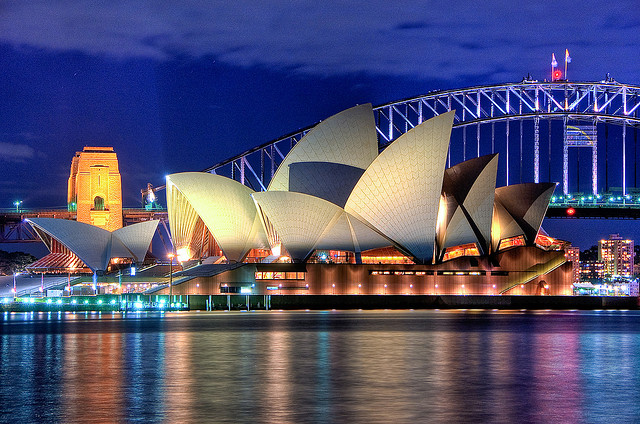
5. Australia

Sydney Opera House

(Image Credit: Hai Linh Truong, via Flickr)

Total population: 23,692,600 (11 December 2014)
GDP per capita: US$67,468.07 (2013)

Australia is one of the country that made it into the top 10 list and has rose from 11th to 5th in 2014. As a economy with strong commodities industry, it is one of the fastest developed economies in the world. With low unemployment, tax pressure and a strong social system, it is no surprise that Australia has made significant improvements to its ranking.

Interesting facts: Whenever someone mention Australia, kangaroo and koalas are the first that comes to my mind. The Great Barrier Reef is one of the world largest coral system and was selected as one of the world heritage sites by UNESCO. If you are a retiree who love outdoor activities, stop at Australia. What’s Australia without surfing and camping?

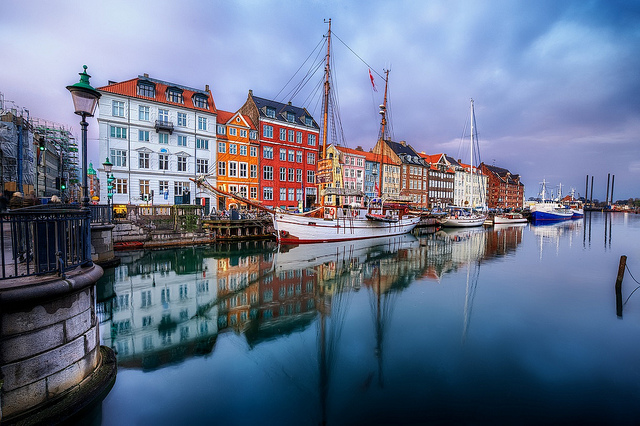
6. Denmark

Copenhagen, Denmark

(Image Credit: Jim Nix, via Flickr)

Total population: 5,627,235 (2014)
GDP per capita: US$58,894.00 (2013)

Denmark is one of the ‘happiest’ nations on the planet which is reflected in their high Quality of Life index. Outstanding living standards and government welfare has benefited the Danes. Free university and gay rights has led to high level of freedom amongst the Danes.

Interesting facts: Denmark has the highest level of trust in the world with each citizens supporting one another. And if you are mad about food, Noma should be in your hit list for haute cuisine. It is the best restaurant in the world with about 20,000 people attempting to get a reservation in a day. Oh and did i mention LEGO was invented by the Danes?

7. Germany

Dresden, Germany

(Image Credit: Trey Ratcliff, via Flickr)

Total population: 82,652,256 (July 2014)
GDP per capita: US$45,084.87 (2013)

Germany is the largest economy in Europe and also one of the most influential European nation. Known worldwide for its manufacturing of high-end products such as cars, kitchen utensils and hiking products – expect everything to be world class. Excellent welfare and health care system in the country has allowed the country to be a good retirement haven.

Interesting facts: Entrenched with rich culture and heritage, there are plenty of museums, theatres, and libraries for retirees to visit. And if there is Mozart, we have Beethoven. If you are famish, how does a bratwurst accompanied by a beer sounds? Heaven.

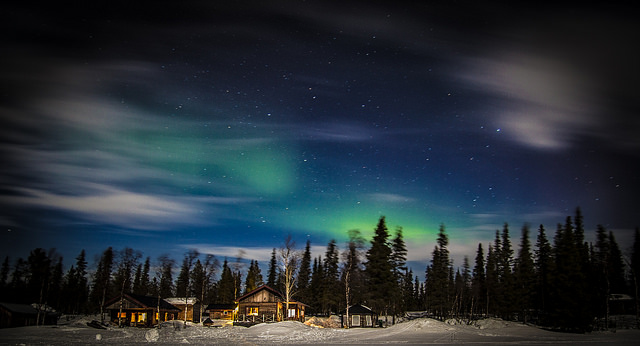
8. Finland

Northern Light, Finland

(Image Credit: Timo Horstschäfer, via Flickr)

Total population: 5,268,799 (July 2014)
GDP per capita: US$47,218.77 (2013)

Despite dropping two places, Finland has one of the highest qualify of life with a good healthcare and financial system – something that is common in Nordic nations. Low crime rate and the least corrupted government has also made Finland a safe place to retire. Something that also stood out is their world class education system that has consistently ranked above many nations.

Interesting facts: Helsinki, capital of Finland is voted as one the most liveable cities in the world. Finland is also one of the best place in the world to spot the Northern Lights. And good news if you are a sauna lover, there are over 2 million saunas in Finland. End your visit with fresh Finnish coffee.

9. New Zealand

New Zealand

(Image Credit: Trey Ratcliff, via Flickr)

Total population: 4,551,482 (16 December 2014)
GDP per capita: US$41,555.75 (2013)

New Zealand is one of the 2 non-European nation to make it to the list. A free market economy has led to the ease of doing business in this Oceania country. It has fared well this year in the Finances in Retirement index moving from 88th to 5th place due to lowering of tax pressure and improvement in other factors such as non-performing loans. People in New Zealand can also access to public healthcare for free – something that is important for retiree.

Interesting facts: Besides picturesque landscape, New Zealand is famous for its indigenous people, the Maori as well as their native bird, Kiwi. And make sure you catch a game of All Blacks in Westpac stadium and do some hiking at Mt Cook’s in your free time.

* In 2010, New Zealand Immigration launched a pilot project aimed at attracting Singaporeans migrants. You might want to check with their immigration should NZ be the ideal destination of your retreat.

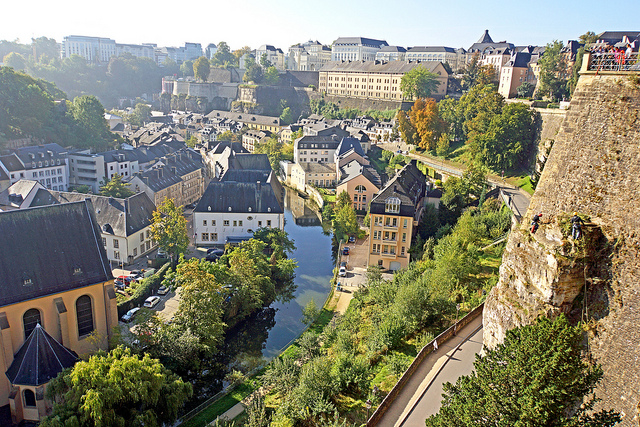
10. Luxembourg

Luxembourg

(Image Credit: Dennis Jarvis, via Flickr)

Total population: 520,672 (July 2014)
GDP per capita: US$111,161.69 (2013)

With a GDP per capita of US$111,161.69, Luxembourger are the wealthiest people on the planet despite being severely affected by the global financial crisis. Luxembourg has  the second largest fund administration industry and thrive on the banking sector. It scores in the Material Wellbeing Index with almost ideal income equality and relative low unemployment rate of 5% in 2014.

Interesting facts: If you are claustrophobic and want a get away from busy roads, packed trains and high rise HDB flat, you may be interested to know what Luxembourg is the least populated country in the European Union – with 194 human inhabitants per square kilometers. (vs 7,148/km² in Singapore) And it’s not only human who love to set foot there, big global companies like Skype, Amazon, Rakuten and Paypal call Luxembourg home – also known as a tax haven.


So where does Singapore stands?

Singapore is ranked 41 in the list. While Singapore fared well in the Finances in Retirement Index, it need to focus on improving the quality of life. Singapore achieved a Happy Planet Index (HPI) of 39.8 which put us in #90 out of 151 countries analysed. Perhaps it is time for us to work on achieving a better work-life balance to avoid being a nation packed with disgruntled and overworked citizens.

Read More...

Why 3 Bank Accounts Are Better Than 1

Singapore Bank ATMs

When it comes to saving, most consumers prefer simplicity as the best approach – that is to put their money in the bank account that offers the best interest rate. However, if you want to save money fast, it is best to have more than one bank account. No, you don’t get three times more interest, you are just separating your needs and your wants and to stay on track with your budgeting plan.

1. Die-die-must-spend account (The Needs)

Unfortunately, i don’t think you can survive a month in Singapore by not spending a dime. Assuming you are a full grown adult, some costs such as transportation and food is unavoidable. With an iPhone or Samsung phone on your hand, you can’t escape from paying your phone bill either. Since these costs are compulsory and belong to your needs, consider creating a primary account for such expenses.

Since you will be spending the money here often, we recommend you to check out the 3 main banks in Singapore: DBS/POSB, UOB & OCBC as they have the most number of ATMs in Singapore. Convenience is the key.

2. Indulgence account (The Wants)

After a long week of work, most people look forward to Friday. TGIF! As a pat on your back, you reward yourself by catching the latest blockbuster or dine in your favourite restaurant. These are wants that are often guilty of wiping out your month of hard work.

It is therefore important to separate your needs and your wants.

The approach here is to allocate a fixed amount of your salary to your wants and spend within the limits. Anything more than 10 percent is extravagant. While you may enjoy your current lifestyle, you may end up slogging a few more years before you can retire.

For your indulgence needs, look out for the bank that offers the best rewards or rebates for debit/credit cards as banks usually have some tie-up with cinemas, restaurants and entertainment outlets. If you decide to take up a credit card, make sure you pay your dues in full promptly.

READ ALSO: Want to pay less to watch a movie? Here’s how to get cheap movie tickets.

3. Forget-about-it account (Retirement/Long Term)

As the name suggests: you create, allocate and literally forget that you have this account. This account is created for the purpose of saving for the long term or retirement.  By long term, we mean your bank book ages till it turns yellow or at least been kept for a couple of decades.

While we don’t recommend putting all your savings in a bank as it yield paltry interest that gets eroded by inflation, you want your emergency funds to be guaranteed. Also make sure at the same time you have another pot of money that is working as hard as you do.

We recommend that you choose the bank that offers the highest interest rate. (and the one with the least number of ATMs in Singapore) Keep the ATM card out of your wallet and let it collects dust.

READ ALSO: Best bank accounts in Singapore

But how easy is it to keep separate accounts? Easy-peasy. Set up automatic transfer to divert the funds the moment you receive your monthly salary. This way you can spend with a piece of mind and at the same time you are sure your retirement funds is in place.

Unless you have the discipline, having 3 separate accounts prevent impulsive splurge and help you save money faster – without you even knowing it.


Read More...

The Real Cost of Long-Term Care in Singapore

The Real Cost Of Long Term Care in Singapore

In the next fifteen years, 20% of the population in Singapore will be aged 65 and above. That figure is astonishing when you put this into perspective: there will only be 2 citizens in the working age band (aged 20-64) for each elderly citizen.

Singapore is not too far away from Japan as one of the fastest ageing population in Asia. With low fertility rate and later marriages, Singapore faces the challenge of a declining working population and stagnant economy.

With the increase in the number of elderly to 900,000 in 2030, healthcare and long-term costs are expected to rise alongside.

The concern of whether our 3M (Medishield, Medisave and Medifund) healthcare system is adequate to address the impact of a silver tsunami should be reviewed.

Besides the 3M approach to healthcare, what about the costs of long-term care (LTC) after being discharged from hospital? LTC refers to those with chronic medical conditions that has rendered them severely disabled to the extent of not being able to perform 3 out of the 6 activities of daily living which include washing, dressing, toileting, transferring, feeding and mobility.

The Eldershield scheme is designed to provide financial protection for long term care which seeks to provide a cash payout of $300 or $400 per month for a period of 5 to 6 years.

The question is if that amount is sufficient? Let’s take a look.

Inpatient care:

Community Hospital

You may be discharged from the hospital but that doesn’t mean you have fully recovered. You will need additional inpatient care such as therapy and rehabilitation, nursing care and the need of caregiver to provide help with daily living. The estimated cost is around $8,000 – $9,000 a month. There are government subsidies between $1,800 to $7,000 a month which you can apply for.

Nursing Home

These are for patients who cannot take care of themselves in their own home and need significant assistance. It costs around $1,200 – $3,500 a month. You can tap into government subsidies and Medifund for selected homes only.

Respite

Those that require temporary help can apply for respite care costing around $100-$150 a day.

Inpatient hospice care

Patients who suffered from serious and progressive diseases may need extra attention from a highly trained medical team.

It costs around $7,000 a month payable via Medisave.

Day centres:

Day rehabilitation centre

Suitable for patients who need therapy to regain the ability to perform daily tasks. Estimated cost: $700-$1,000

Dementia day care centre

Estimated cost: $700-$850

Hospice day care centre

Patient with cancer and life limiting disease. Estimated cost $700-$850

Care services at home:

Home medical service:

For those with mobility issues, home medical service is an option and cost around $130-$200 per visit

Home nursing:

Suitable for bedridden patients. Estimated cost: $80 per visit

Home therapy:

Estimated cost: $100-$150 per visit

Home help:

Patient who live alone and can’t leave their home will need some assistance which cost around $100-$150 per visit

Hospice medical/nursing home care:

Suitable for cancer patients. Estimated cost: $150-$220 per visit

Cost of informal family care

In a study by NUS, 80% of informal care for the elderly was provided by family member. That is to say, elderly who can’t afford to look after themselves financially will need assistance from their loved ones. These duties usually have a negative impact on the caregiver with majority of them having to make work accommodations, take leave of absence or to turn down a promotion.

It also changes the family dynamic of the caregiver as they have less time for their own family which can strain the relationship between spouse and children.

Ways to pay for it

Fortunately our government values our Pioneer Generation and has various schemes in place to help shoulder the burden of long term care cost. Here are some options:

Medisave: Medisave can be used to pay for the expenses at approved community hospitals, hospices, day rehabilitation centre.

Medifund Silver: Forms a safety net and to be used as last resort for elderly who can’t afford basic healthcare. It has been extended to include non-residential intermediate and long term care (ILTC) services.

Eldershield: Cash payout of $300-$400 a month to help defray living costs

Personal Savings: You may have to tap into personal savings should your long term care cost exceed the total benefits you can claim

Foreign Domestic Worker (FDW) Grant & Levy: A monthly grant of $120 to support families who hire a foreign domestic worker

Senior Mobility and Enabling Fund (SMF): Subsidies for assistive devices, specialised transport and consumables

Enhancement for Active Seniors (EASE): Home modifications to make it more conducive and safe for them

Pioneer Generation Disability Assistance Scheme:  PioneerDAS provides $1,200 a year to help pioneer with their care need

Interim Disability Assistance Program for the Elderly (IDAPE): Provide $150 or $250 a month for a maximum of 72 months for those who are not eligible for Eldershield due to age or pre-existing condition

Subsidy for intermediate & long-term care (ILTC): Eligible patients can claim for subsidies through mean-testing and depends on the per capita monthly household income

 Ageing Singapore

Read More...