
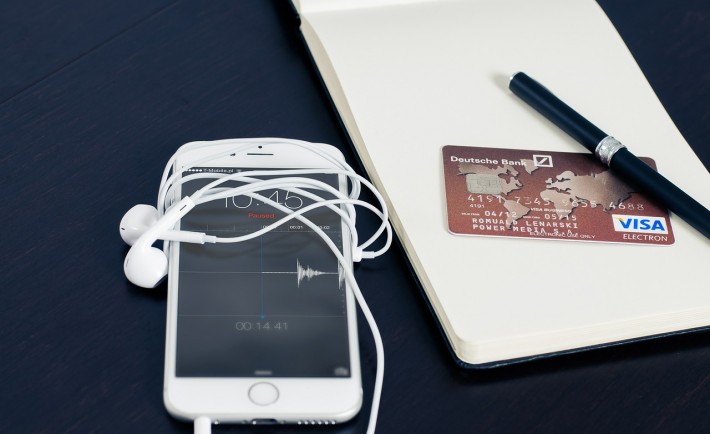
Must Read: 5 Tips On Using Credit Cards While Traveling Overseas

If you are traveling soon, arming yourself with sufficient cash and credit cards can conveniently cover all your expenses. When using your plastic card in fancy restaurants or tourist destinations, you would not have to worry about converting the currency (through the nearest money converter) or whether you converted the right amount. The credit card company will automatically do that for you. This process not only comes with simplicity but also extra costs.

Aside from choosing a credit card that is widely accepted across the globe such as MasterCard or Visa, here are 5 tips on getting the most of using your credit cards while traveling overseas…

1. KNOW THE EXTRA FEES

Even if your credit card is widely accepted, you must expect foreign exchange fees and ATM transaction charges. This is why it is recommended to contact your card issuer or bank to inquire about any extra fees or interest while traveling overseas. Through this, you can maintain your travel budget.

2. KNOW THE CREDIT LIMIT AND CARD’S EXPIRATION DATE

Nothing greatly ruins a glorious trip than suddenly discovering that you are unable to pay for your expenses. It is a shameful mess you do not want to get caught on! So, you must know and double confirm your credit limit and credit card’s expiration date with your card issuer or bank.

3. KNOW THE PROTOCOL FOR STOLEN CARDS

Although pick pocketing happens less when you conceal your credit card well, you must be familiar with the protocol for stolen cards. Firstly, you must check all your pockets and bags in case you just misplaced it. Then, report that your card is missing so you will not be charged for unauthorized purchases.

4. KNOW IF THE MERCHANT OR RESTAURANT ACCEPTS CARDS

Before deciding to indulge in the services of a merchant or a restaurant, it pays to know if they accept credit cards first. While some proudly display their credit card partnerships on the walls, others may hide it. You must still carry cash in case you found out that you couldn’t pay via credit card due to unforeseen events.

5. KNOW THE CARD’S TRAVEL BENEFITS

Most credit cards come with travel benefits such as discounted accommodations or dining. Take advantage of these rewards to help fund your vacation. If you want to know the best travel credit cards in Singapore, check this out.

Image Credits: pixabay.com (License: CC0 Public Domain)


Image Credits: pixabay.com (License: CC0 Public Domain)

Sources:1 & 2

Read More...

Important Things You Must Know About Women And Money

The spending and money management patterns of Singaporean men and women are intuitively different. But, if you surveyed people around on your own, you would realize that there are distinct differences between how these genders approach money. With that in mind, here are the common money mistakes women make and the essential financial steps they must take:

COMMON MONEY MISTAKES

1. OVERSPENDING ON CLOTHES AND MORE

According to a study by Boston Consulting Group, women take control of about 73% of the household spending. The control the wives have over the budget can lead to overspending. Overspending can occur in shopping for clothes, cleaning supplies, home decorations, bags, and more. This is why knowing when to save and when to splurge is an important distinction for financial security. Overspend only on products that are useful and long-lasting.

2. BEING FINANCIALLY DEPENDENT

Although more and more women are breadwinners nowadays, there are still a good number of women who are totally reliant on their husband’s income. This is bad because unforeseen events such as unemployment, divorce, and death can happen to anyone. Which is why women need to create and secure a financial future for themselves by having a career or skill they can depend on.

3. NOT PREPARING FOR LONGER RETIREMENT

Let us face the facts. Women outlive men on average and often remarry. This is why women should prepare for their additional years and long-term elderly care. It is always a good idea to be prepared.

Image Credits: pixabay.com (License: CC0 Public Domain)
Image Credits: pixabay.com (License: CC0 Public Domain)

ESSENTIAL STEPS TO TAKE

1. USE ONLINE MONEY-MANAGEMENT TOOLS

To prevent overspending, women shall use online tools that are interactive and time-saving. There are a lot of free help available on the Internet such as budgeting software called Money Dance or Mint as well as retirement resources called Vanguard Retirement Insights or Central Provident Fund Retirement Calculator.

2. TALK MORE ABOUT MONEY

Financial independence starts by talking about finances comfortably. This will create a community of friend who can turn to each other for advice on money issues and investments. Also, getting comfortable in the S$ topics should be applied when you are talking to your financial advisor.

3. UNDERSTAND YOUR INVESTMENTS

Prepare for your retirement and emergency fund by prioritizing your investments. Save money on near term needs such as the emergency fund first then, move on to the long-term investments such as retirement fund. Since most women tend to be risk-averse, the more you are comfortable with talking about money, the more you will be able to take calculated risks.

Original investments for the next 10 years

Image Credits: Ars Electronica via Flickr

Sources: 1,2 & 3

Read More...

Newbie’s Guide To The Dynamics Of Debt And Credit

DEFINITION

Before anything else, we must define two terms: debt and credit. Debt is the amount borrowed by one party (e.g., corporations or individuals) from another (e.g., banks). While Credit is the lawful agreement in which a borrower receives something of value today and agrees to repay later on in the future, usually with interest. Simply, when you use your credit card, you create debt. Debt here is the result from your ability to borrow – from your credit.

Now that you know the definitions and the differences between these two terms, you must discover the pros and cons of using credit as well as the 3 C’s of worthiness. All these are according to the Credit Bureau Singapore. Credit Bureau Singapore was set up in lined with the Monetary Authority of Singapore’s vision to enhance the public’s risk management abilities.

Image Credits: pixabay.com (License: CC0 Public Domain)
Image Credits: pixabay.com (License: CC0 Public Domain)
PROS AND CONS OF USING CREDIT

The pros and cons of using credit or credit card are plain and straightforward.

Pros

Being able to buy what you need right away

Not having to carry cash

Automatic record of purchases

More convenient than cheques

Cons

Interest especially for items of higher cost

Have additional fees

Financial difficulties may arise

Elevation in impulse purchases may occur

Image Credits: pixabay.com (License: CC0 Public Domain)

Image Credits: pixabay.com (License: CC0 Public Domain)

3 C’S OF WORTHINESS

Before swimming in a pile of credit, know if you are worthy to take the plunge by asking yourself a set of questions.

1. Character (Are you the type of person who will repay his or her debt?)

Does your credit history show that you are honest and reliable in paying debts?

Do you pay bills on time? Do you have a good credit score/report?

Can you provide a couple of character references?

How long have you been at your present occupation?

How long have you lived at your present home?

2. Capacity (Are you able to repay the debt?)

Is your job income enough to support your credit usage?

Is your job stable and steady?

How much is your salary?

How many loan payments do you have in total?

What are your current debts?

How many people are dependent on you?

3. Capital (Do you have back-up if you cannot repay the debt?)

Do you have a savings account?

Do you have various investments to use as a collateral?

Can you enumerate the properties that you own to help secure loans?

What other valuable assets do you have that could be used to repay debts?

It is essential to know all these to assess whether you are truly fit to apply for a credit card or loan. Furthermore, you may use the information to guide you in your responsibilities as a borrower. 🙂

Sources: 1 , 2 & 3

Read More...

How to Earn Extra Cash in Singapore

SGD10

Growing your side-income is way better than thrift. Why? Because there is a limit to how much you can cut from your cost of living, but not how much you can earn. Here’s a quick rundown on how to earn a bit of extra cash on the side:

  1. For “Quick Fix” Cash, Think Service and Not Skills

If you need quick cash (not a long term side income or business), focus on what people immediately around you want. Don’t just fixate on finding something that matches your skills or forte. For example:

Say you are a qualified accountant. Your first impulse, when it comes to making a spot of extra cash, might be to offer accounting services. Or it may be something closely related, such as offering tutoring services for someone trying to pass business accounting.

However, in your fixation on keeping it “skills oriented”, you may miss more immediate opportunities. These opportunities can be as simple as painting someone’s walls for S$500, being a mystery shopper for insurance companies, or even helping to install Windows in a bunch of workstations. Look for simple, one-off things that people around you need all the time.

  1. Invest for Dividends

You don’t need to be a stock market expert to make money with shares. An easy way to generate passive income is to identify shares with high dividend yields, and then buy and hold.

(Some shares provide dividend pay-outs, often every six months.)

A financial advisor can help you identify such shares. Alternatively, you might choose to buy a simple index fund (e.g. the Straits Times Index Fund). There is no trading (having to buy low and sell high) in this approach to stocks, so you will not need to track stocks all day and get stressed out.

  1. Provide Referrals

Many companies pay referrals when you bring in a customer. These companies can range from financial services to even specialist retailers. Think of it as being an unofficial, commissioned salesperson – when you refer someone to the company, and they buy something, you get a small cut of it.

This can also work in business to business (B2B) dealings. For example, many small courier services will be willing to give you a small referral fee, if you find a shop willing to sign a service contract with them.

It is best to do this with businesses you know well or have worked with before. While lucrative, it may not be worth your time to learn about a product from scratch to sell it.

  1. Use a Credit Card with Cash Rebates

If you pay your credit card in full (and you should) try using a cashback card. This returns a percentage of what you spend as a rebate, typically 3 – 6%. Assuming you use the card for essential purchases, and make full repayment each month, you would be getting money for an expenditure you had to make anyway.
You do need to make sure the cashback card matches your purchases, and the cashback limit (the maximum possible rebate) is not too low. You can find the best cashback credit card for your needs on SingSaver.com.sg.

(This article is brought to you by SingSaver.com.sg)

Read More...

6 Simple Ways To Organize Your Finances Now

In a sea of bills and taxes, its huge waves may drown one. Building a strong money boat to hold you and your finances together through organization is the key. Organizing your personal finances enables you to save more money and time. Start with these simple ways:

1. KEEP TRACK OF YOUR FINANCES DIGITALLY

Firstly, you must be aware of your spending patterns and exactly how much you are spending per month and per annum. A surefire way to organize your personal finances is to keep track of it by using a Smartphone App or computer software. Find the perfect (and Free) money management app for you here. Or, download reliable money management software called Money Dance or Mint. These digital tools will help you decide how much you shall save and help you to highlight the unnecessary expenses.

2. DESIGNATE A PLACE FOR BILLS

Never forget where you put the bills or what their due dates are by designating one place for them. Some bills arrive by electronic mail while some arrive by postal mail. You have to decide whether you are going to file all your bills in a tangible box or in a computer folder. For physical storage of bills, you may purchase the S$0.90 PAPPIS brown box from IKEA that is created to hold A4 size papers. Label the box accordingly and keep it in a safe place. While for virtual storage of bills, make scanned copies of those that arrive in the mail and put them into a labeled folder in your computer or laptop.

3. PREPARE FOR YOUR BILLS

At the beginning of the month, make a list of the bills you are expecting to receive. Put it on your working desk or create a file for it. This way, you will not pay a bill twice even if you received it simultaneously by e-mail and postal mail.

4. PAY THE BILLS IMMEDIATELY

Always charged for late payment? Try paying bills immediately. Since you are prepared for the bills earlier on, you may have available money in the bank to pay it the same day as you received it. If you have automatic payment scheduled and you still received a billing statement, call your bank or creditor.

5. CUT DOWN THE NUMBER OF YOUR FINANCIAL ACCOUNTS

In a world filled with a certain bank account card for all your needs, most people have several number of financial accounts. The complication starts when the credit card for travel, for petrol, and for shopping bills at the same time. Also, you may have different bank accounts for higher interest, minimal fees, and rebates. More than being complicated, the constant shuffling between these accounts can get messy. This is why you must reduce the number of your accounts.

6. SET REALISTIC FINANCIAL GOALS

Develop a habit of financial goal setting to know where you are going and to plan how you can get there. Write down your financial goals with a trusted witness and contemplate the monetary milestone you would like to accomplish in the next 2 to 5 years. Track down your monthly progress.

Image Credits: pixabay.com (License: CC0 Public Domain)

Image Credits: pixabay.com (License: CC0 Public Domain)

Sources: 1 & 2

Read More...