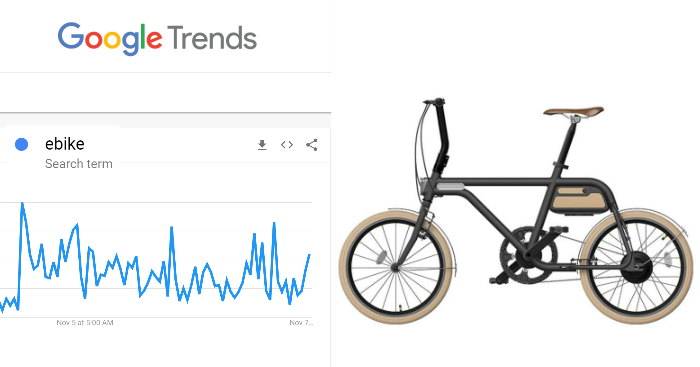
‘eBikes’ Google search spikes as food delivery riders search for alternatives

LTA has announced that from Nov 5, 2019, e-scooters have been banned from footpaths. You can only use them on park connectors and bicycle lanes.

The ban has hit food delivery riders hard especially when they use PMD to earn a living. Under the new rule, e-scooters are not allowed on footpaths. The ban will be progressively extended to other motorised PMDs by the first quarter of 2020. Bicycles, PMAs and non-motorised PMDs, such as manual kick-scooters, can be used on footpaths. From Jan 1, 2020, those caught riding an e-scooter on footpaths will be liable for a fine up to S$2,000 and/or jail up to three months.

This has affected over 7,000 PMD riders who use e-scooters to do food deliveries.

Search for alternatives

According to Google Trend, search queries for ‘eBikes‘, ‘Power-Assisted Bicycle‘ and ‘PAB’ have surged over the past few days from Nov 4, the same day after LTA announced the ban.
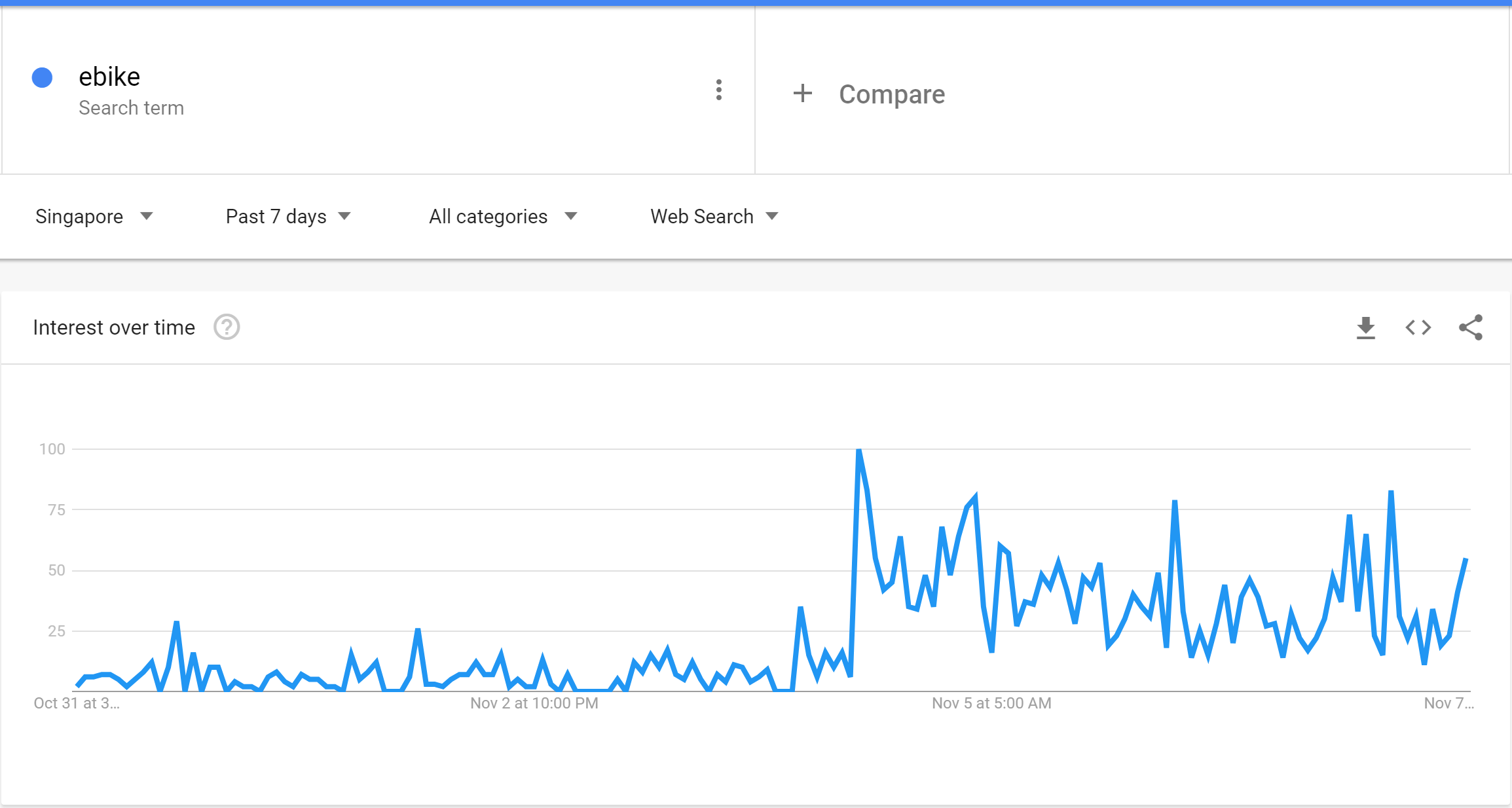
Power-Assisted Bicycle (PAB) are not allowed on footpaths but can be used on public roads. This has resulted in many trying to search for an alternative to PMD to carry on their job to earn a living.

Technical Requirements for PAB

According to LTA, you must be at least 16 years old to use a PAB.

For your safety and the safety of other road users, your PAB must meet the following technical requirements:

  • The construction of a PAB must be similar to that of a conventional bicycle
  • The PAB can only be powered by an electric source
  • The PAB must comply with European Standard, EN15194, for electric power-assisted cycles
  • The maximum continuous power output of the PAB must not exceed 250 watts
  • The motor power of the PAB can only cut in when the rider starts to pedal
  • The motor power of the PAB must be progressively reduced and finally cut off as the bicycle reaches 25km/h, or sooner, if the cyclist stops pedalling
  • The maximum weight of the PAB must not exceed 20kg
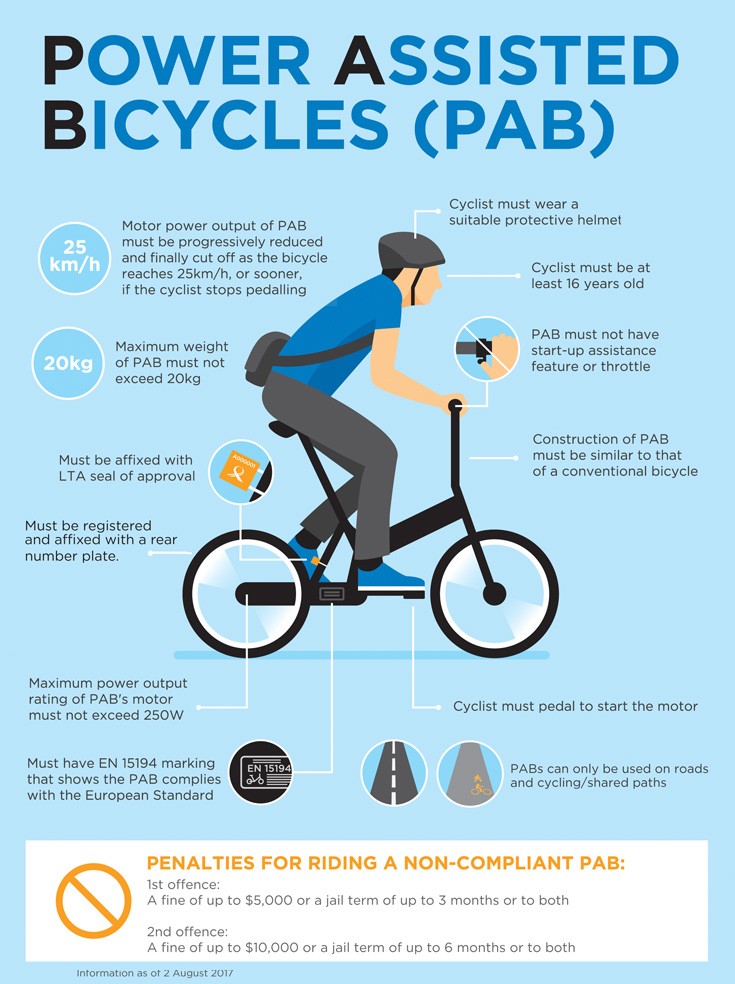
LTA-approved eBikes

There is no list of approved eBikes on LTA website but here are a few that were tested and approved:

Minimotors Venom 2/2+
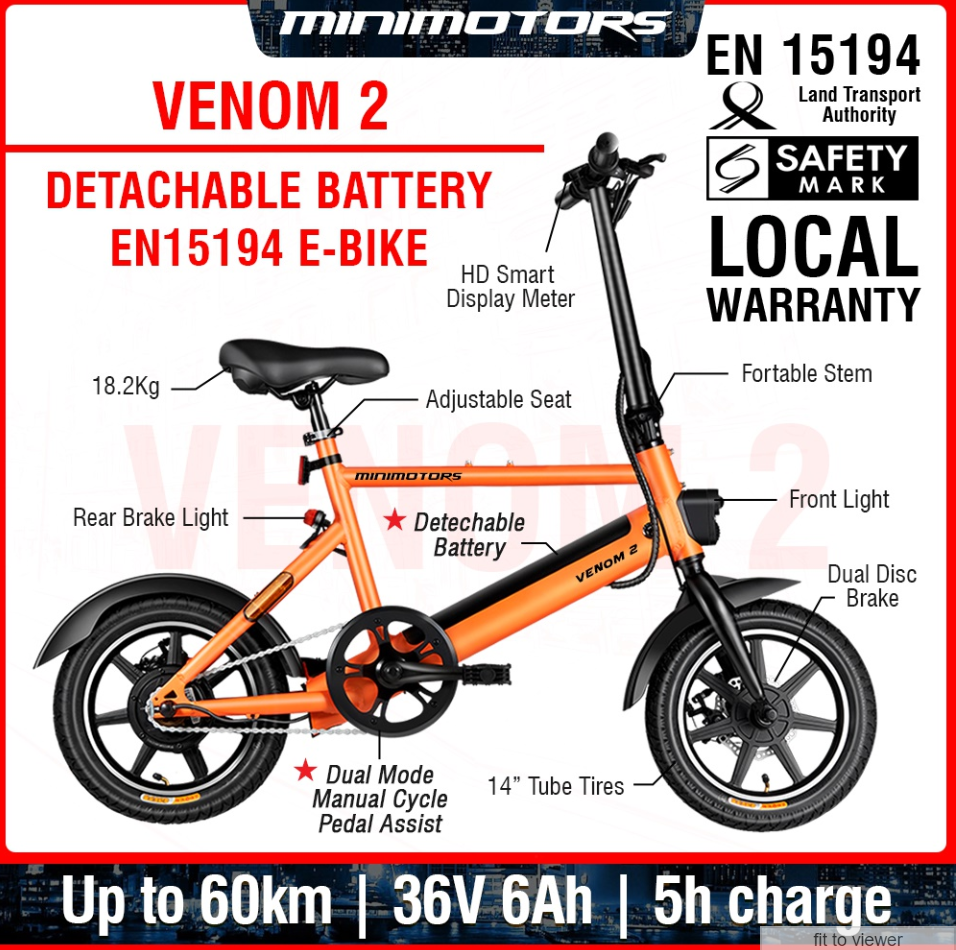
$799 on Qoo10

Tsinova Smart eBike

$1,688 on Qoo10

Register your eBike with LTA (from onemotering.com.sg)

You can buy an unregistered PAB and bring it for type-approval, sealing and registration yourself. If the unregistered PAB already has an LTA orange seal, you will only need to register it. Alternatively, you can buy a registered PAB from a retailer, who will simply transfer the registration to your name.

To register or ride a PAB, you must be at least 16 years old. You must also wear protective gear when riding a PAB. If you fail to follow the guidelines when using your PAB, you may face penalties.

If you have purchased an unregistered PAB, you must get it type-approved and sealed and registered at an LTA-Authorised Inspection Centre before you can use it.

If you have purchased an unregistered PAB which already has an LTA orange sealregister your PAB online.

Once registered, affix a registration number plate on your PAB.

You may also transfer your PAB to another rider who meets the requirements.

If you are no longer using your PAB, you can also deregister it.
Read More...

Transportation Hacks For Every Singaporean

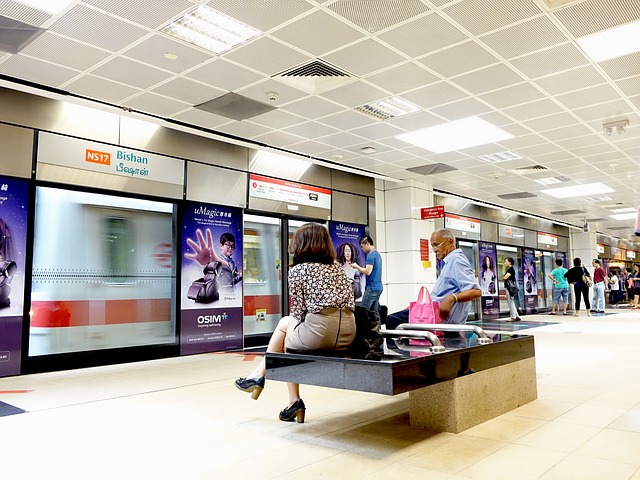
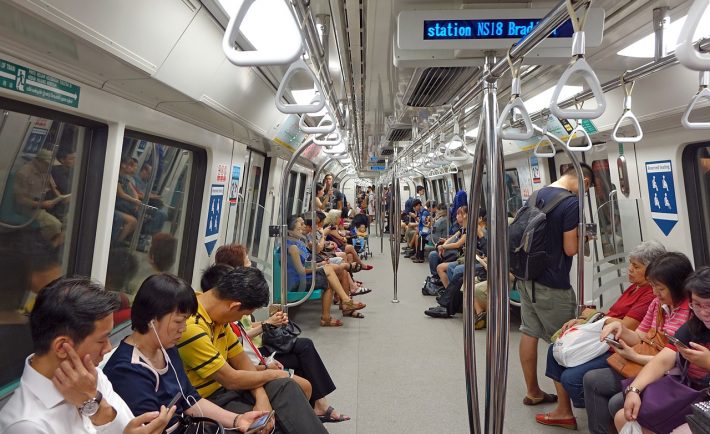
Getting around Singapore can either be a breeze or a storm. It is up to you to weigh your options. Nonetheless, you may use this guide to travel from one place to another without a personal vehicle.

PLAN YOUR TRIP AHEAD

To budget your transportation expenses, you may plan your trip ahead of time. You can use fare calculators to complete the task. With an extensive collection of MRT lines and bus services, you may not be able to memorize each route or fare.

Know the most affordable way to get to your destination by checking GoThere.sg. You may also download the lite version of the app for free or plan your route the latest MRT map.

DO NOT TAP OUT

There will be days when you cannot hold your pee any longer! Not to mention, there will be times when nature calls at the worst places.

If you find yourself within the CBD area, simply alight at Bugis station and use the toilet within its gantry area. This will save you money without having to tap out. As this toilet is meant for the people who need it most (e.g., PWDs), please exercise courtesy.

CHOOSE YOUR CABIN WISELY

All our movements inside the train station are fueled by time. There are times when you have to settle with the cabin in front of you. Otherwise, the door will shut! Then, you have to endure the distance from your cabin to the escalator.

When you have time to spare, choose your cabin wisely. Avoid the mini “pilgrimage” by entering the cabin that opens directly to the escalator at your exit. A nifty app called Singapore MRT Lah 2.0 may help you. This app lists the quickest routes out of the train station. See for yourself!

ENJOY FREE WIRELESS CONNECTIVITY

Commuting can be boring for some. Thus, these people may turn to their phones for entertainment. Spiraled into the online abyss, you may encounter some ads. You do not know how much data a video ad can consume! So, reduce your mobile data consumption by tapping into areas that offer free WiFi spots.

Image Credits: pixabay.com

Simply download the Wireless@SG app via the App Store or Google Play. Register to enjoy free wireless connectivity at a variety of stations.

Sources: 1 & 2

Read More...

Why Are Cars So Expensive In Singapore?

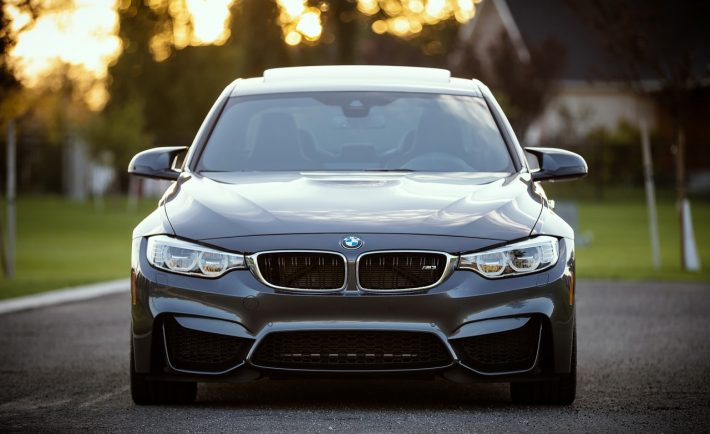
A city with growing population and limited space cannot afford a massive traffic jam. This is why the Singapore government invest billions of dollars each year on public transportation. The government aims to make it reliable, inexpensive, efficient, and accessible for all. With this objective comes the restriction of private transportation. Since 1990, the Certificate of Entitlement (COE) complemented with tax and duties have been introduced to regulate car ownership and road usage.

There is no such thing as a cheap car! Even an upper middle class Singaporean will tell you that owning and maintaining a car is no easy feat!

So, why are cars so expensive in Singapore? For starters, it involves several factors.

#1: Open Market Value

You may have noticed that the price-tags of a certain car varies from country to country. These varying degrees of prices start a baseline. In our case, the baseline is the Open Market Value or OMV. The OMV will soon be boosted by the Additional Registration Fee and the Certificate of Entitlement. Imagine if we paid cars in terms of its OMV!

#2: Additional Registration Fee

As I said, your car purchase will be subjected to the ADF. ADF or Additional Registration Fee comes after the Registration Fee and the OMV. You see, it is a form of tax imposed to all cars during registration. The calculation of ARF depends heavily on the OMV of the vehicle.

Currently, the ARF is calculated as follows:

For the first $20,000, 100% of the OMV
For the next $30,000, 140% of (OMV-20000)
Above $50,000, 180% of the (OMV-50000)

Please refer to the full list at lta.gov.sg.

#3: Excise Duty And GST

People pay for additional taxes on specific goods sold within Singapore such as petrol, alcohol, and cigarettes. This tax is called Excise Duty.

The Excise Duty on cars is 20% of the OMV. Once this is calculated, a 7% GST will be added on both the OMV and the Excise Duty. It sounds confusing, right? Let me illustrate it for you!

For instance, a car has an OMV of S$49,113. It will incur and Excise Duty of S$9,822 (20% of S$49,113) and a GST of S$4,125 (7% of S$49,113 + S$9,822).

#4: Certificate Of Entitlement

Certificate of Entitlement or CEO is infamous for bumping one’s car expenses. Even Singaporeans who cannot drive would know what it means. It is a certificate that allows a car to be driven for 10 years. Essentially, COE is driven by the market’s supply and demand. COE prices can elevate during periods of high car demand and vice versa.

In 2013, the COE was a whopping S$97,889 (Category E). In today’s market, COE prices go between S$40,000 to S$50,000.

#5: Car Dealers’ Margin

It comes as no surprise that the car dealers have a portion for their own overheads. The profit they own for selling cars is called the dealers’ margin.

It could range from as little as 15% for affordable brands to as high as 50% for luxury brands.

Image Credits: pixabay.com

Your job is to calculate all these factors together. Then, ask yourself whether owning a car in Singapore is worth it or not!

Sources: 1 &2

Read More...

Dramatic Increase In Transport Fares Welcome 2019

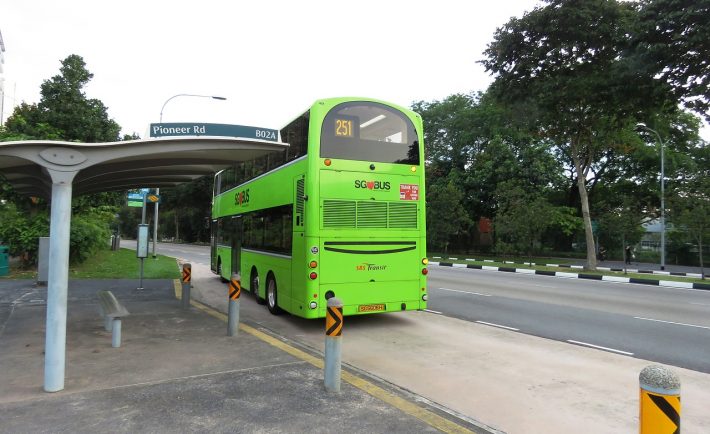
Capping off the year was the application of the price hike as suggested by the Public Transport Council (PTC). This is a part of the Fare Review Exercise, which affects the train and bus services (i.e., including Go Ahead Singapore, SBS, SMRT, and Tower Transit).

Notice your remaining balance for the past few days. You may tap out of a station and feel that you have been charged more than the usual rate. The same thing happened when you took the bus. It just does not add up, right? Well, you are not alone. The increase in transport fares began in December 29, 2018.

Adults who take the trains and buses will have to pay 6 cents more for the card fares. While, an adult cash bus fare and a single-trip train fare bumps up by 10 cents. Lastly, students and senior citizens are experiencing a cent increase in card fares.

Image Credits: pixabay.com

WHY IS THIS HAPPENING?

Many factors contributed to increase in fares. Firstly, the fare review came after the three consecutive years of fare reductions. In its press release last October, the PTC highlighted that the fare reductions totaled to 8.3%.

Secondly, the biggest contributing factor to the hike was the surge in energy prices. As the authorities track how much a bus or rail capacity has in relation to the ridership, they found that the real usage has not kept up with the capacity growth. Following this observation, the Transport Minister Khaw Boon Wan agrees that raising fares are unavoidable due to the operating costs.

” PTC’s decision on fares seldom pleases all. Commuters do not welcome fare increases; operators need fare adjustments to keep pace with their operating costs. Against such challenges, PTC has chosen the right strategy to be open, transparent and fair. ” – Transport Minister Khaw Boon Wan on a Facebook post

Lastly, the funds collected from the hike will benefit the SMRT Rail and the SBS Transit. The former will get about S$24.1 million more for its repair and maintenance costs. Furthermore, the funds will be used to increase the manpower for improved rail network performance. The latter will take about S$10.9 million more, which can be used to cover the operations and to adjust the salaries for the workers.

Image Credits: pixabay.com

Equipped with these information, may you always keep your EZ-Link cards topped up!

Sources: 1 & 2

Read More...

3 Car Accessories Worth Spending On

1. DASHBOARD CAMERAS

UNIQUE SELLING POINT: A dashboard camera has the ability to record any unforeseen events.

PRODUCT PRICE RANGE: Quality dashboard cameras can cost you hundreds of dollars. However, the cheapest one I saw was S$10 in Lazada.

The dashboard camera, better known as dash cam, is an on-board camera that continuously records the view of the vehicle’s exterior or interior. It can be attached in many spots including on the dashboard or on the windshield. Due to its suction cup or adhesive mount, dash cams are movable. Find a spot that will not obstruct your view while you drive.

Image Credits: Paul Townsend via flicker.com/creativecommons

Dash cams are useful for a variety of reasons. Firstly, it allows you to keep track of the exact location of your vehicle and the route it has taken. Secondly, it is your first line of defense when claiming insurance. It can record suspicious activities while you are parking or driving. Imagine capturing a video of a perpetrator vandalizing your car in the mall’s parking lot! A newbie driver will surely benefit from this feature.

2. PARKING SENSORS

UNIQUE SELLING POINT: Parking sensors covers your blind spots by detecting the obstacles while you park.

PRODUCT PRICE RANGE: The company Singtech produces parking sensors that go for as low as S$15 and as high as S$90. Each product has its own special features.

I have to admit! As a novice driver, parking is the area that I lack strength on. It is challenging for me to measure the approximate distances of each stationary car without having the help of a guide or a sensor. I am referring to the trusty parking sensors. These are proximity sensors for road vehicles, which are designed to alert its drivers of the obstacles ahead.

Whether you are choosing an electromagnetic or an ultrasonic device, a parking sensor is one of the optional car accessories that you must consider. You see, even veteran drivers have a lapse in judgement in difficult parking spaces. Having an SUV fit through a narrow space through parallel parking is another challenge! I cannot stress how large cars can benefit from installing said sensors. Preventing an accident or two can make your life easier.

3. BLUETOOTH CAR KIT

UNIQUE SELLING POINT: Bluetooth car kits provide a wireless mode of communication and entertainment throughout your journey.

PRODUCT PRICE RANGE: Bluetooth car kits are sold as low as S$8 at Lazada. While, premium quality devices are sold for S$80 and above.

The recent amendments in the Road Traffic Act entail a wider scope of restrictions on the usage of mobile devices while driving. Any driver caught holding hand-held equipment can be found guilty of committing an offense. The market has thought of a solution to combat this. Said solution is by using a hands-free connection such as Bluetooth.

With modern technology, Bluetooth provides a standard for wireless communication. It allows its users to talk while on the move without having to hold a physical equipment. This feature is worth investing on especially if you are fond of navigating through the city while listening to music or while answering important phone calls.

As I search the web for credible and affordable Bluetooth car kits, I found the brands Kinivo and Jabra. Kinivo (available in Amazon for US$35.99 or about S$50) gets power from the car’s cigarette lighter and connects to your radio through an auxiliary jack. It allows you to manage your playlist and acts as a speakerphone during calls. Thanks to its built-in microphone!

Let us move on to the user-friendly Jabra Drive. Jabra Drive’s voice-guided instructions tell you how to connect to your mobile phone. This Bluetooth car kit allows you to use the dedicated control buttons to answer calls. Furthermore, it lets you play your tunes too. It retails for a whopping S$98!

Image Credits: pixabay.com

Sometimes, a car’s extra features depend on the individual’s preferences. Are there any car accessory that we missed? Let us know in the comment section below.

Read More...