How to Bounce Back from a Costly Mistake at Work

Take a step back. We all make mistakes at work, and no one is perfect!

Depending on the gravity of the mistake and your tenure with the organization, a timely resolution may solve your problem. Whether you missed a deadline or came unprepared to a client meeting, the most important thing is to act and address the situation sooner rather than later.

On that note, here are eight steps you can take to deal with your costly mistakes at work.

#1: BE ACCOUNTABLE

There is no point in hiding your mistakes or finding a scapegoat to cover up your problems. Be accountable for the mistakes you have made. These are part of the learning process that can help you become better at your job. Assess your part in the situation and acknowledge where things went wrong.

#2: BE ABLE TO EXAMINE THE SITUATION

Look into the issue with fresh lenses. Pretend as if someone else made the mistake to evaluate what happened with an objective eye.

Ask yourself these questions:

What actions led to the mistake?
What is the severity of the situation?
What should the person have done instead?
What are the consequences of the mistake?
How can the situation be prevented in the future?

#3: BE OPEN TO A PRIVATE MEETING WITH YOUR SUPERIOR

Setting up a private meeting with your boss may not always be necessary, but you could schedule one if your mistake led to serious repercussions.

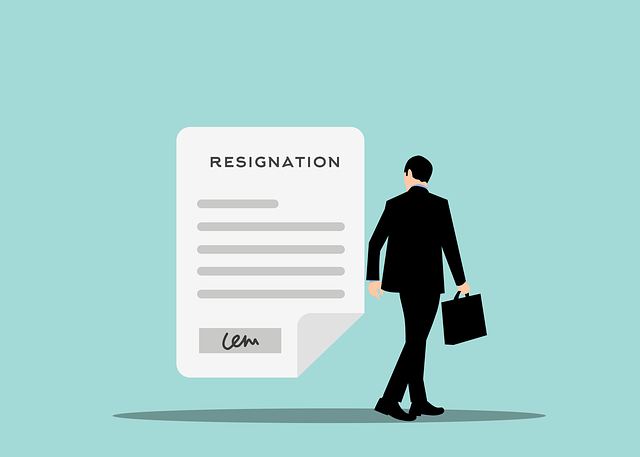
Be direct, factual, and honest during this meeting. Apologize for your mishaps and explain what happened. Your boss does not need to listen to your excuses!

Image Credits: pixabay.com

#4: BE APOLOGETIC

A sincere apology goes a long way. Other people can still be held accountable for the mistake you made. Your boss and co-workers may step in to fix the issue too. So, being apologetic is important in maintaining these professional relationships.

#5: BE ABLE TO COME UP WITH SOLUTIONS

Instead of whining about your mistake, focus on finding a solution. Once you determine where things went wrong, you can figure out how to fix it. Leaders appreciate people who bring solutions instead of problems. These types of people are usually considered to rise to the top.

#6: BE ACTIVE IN SOLVING THE PROBLEM

Do everything within your power to ensure that the issue gets remedied or fixed quickly. List all the viable solutions and review which one offers the best outcome. Stay in the path throughout the process even if the resolution has been taken out of your responsibilities. It is still vital to know how the solution was executed for future references.

#7: BE OPEN TO CHANGE

You should constantly adjust your flow until you find a work routine that suits you best. If you are always late in submitting your reports or if you are always sending the wrong proposals, you must do something to turn things around. Incorporate healthy habits such as using a planner or meditating for a few minutes. Apply healthy habits to improve your focus, concentration, and productivity.

#8: BE KIND TO YOURSELF

You can be your harshest critique. Eliminate any negative self-talk, learn from the mistake, and move forward. The mistakes you make will not ruin your career. Instead, your reaction to these mistakes can break you!

Image Credits: pixabay.com
Sources: 1 & 2


Read More...

Try these lesser-known co-working spaces for a change of environment

The Great Room co-working space

Though the authorities announced the easing of the work-from-home arrangement in December last year and up to 50% of employees who can work from home will be allowed to return to the office, the other half of us are still stuck with the default.

It’s not a bad idea to wake up late, not having to squeeze with a bunch of people on buses and trains, and drawing up reports in one’s favorite PJs. But too much of something is never too good. If you agree and need a change of environment, try these lesser-known co-working spaces that are ever-ready to welcome you to their premises.

Mox

Mox at Oxley

Location: *SCAPE, The Rise @ Oxley, and Assemblage @ 362 Holland

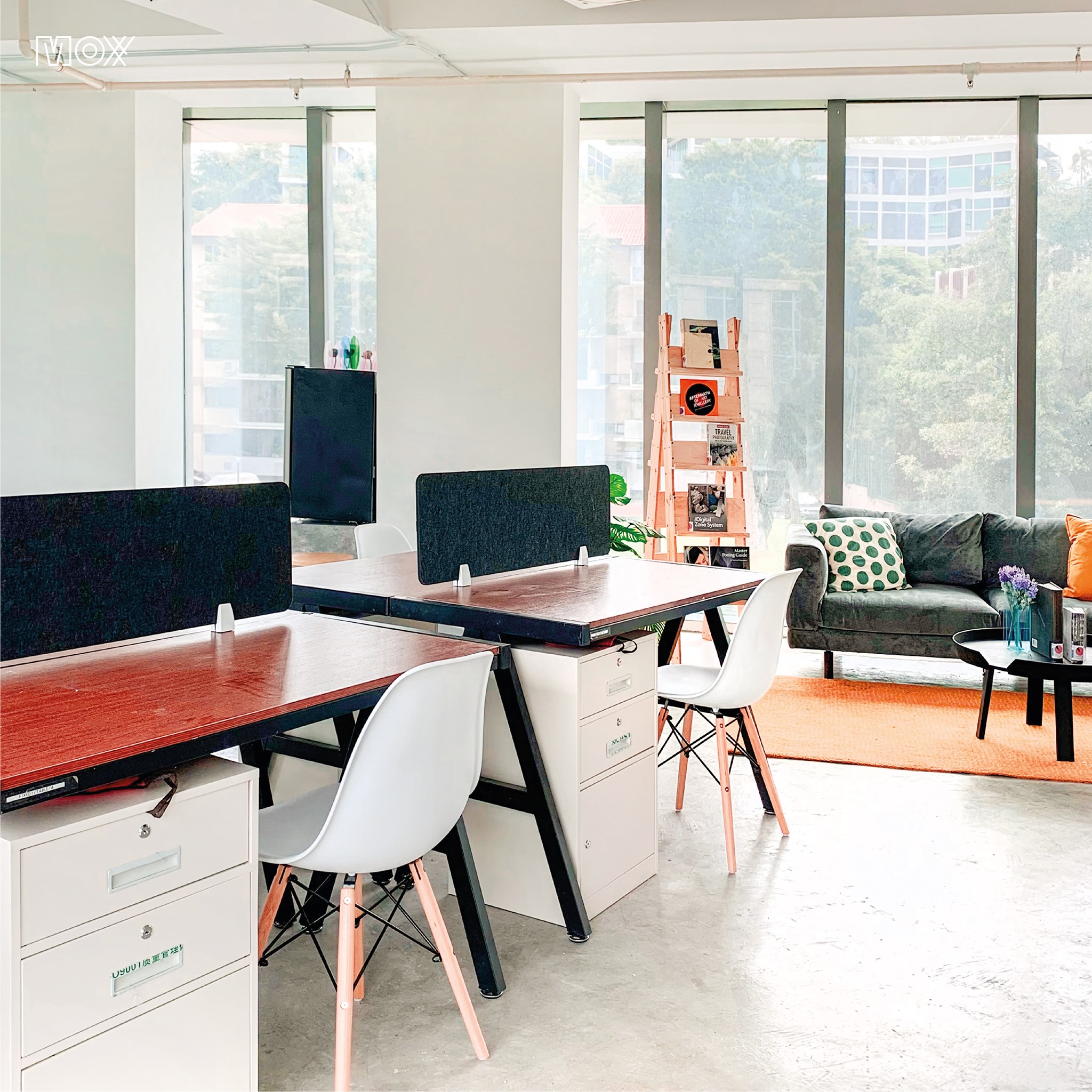
Mox is a collaborative workspace and network for creative people to meet, engage, exchange, and invent. The diversity of events, work areas, social spaces, and folks in Mox help creatives develop and produce excellent works, whether they are enthusiasts, creative-preneurs, or established businesses.

The name derives from the word “moxie,” which denotes bravery, boldness, and audaciousness. It was created by the same folks that developed Artbox Singapore. The team thinks that their community demonstrates the guts to be unconventional and their shared spaces can physically connect people and allow individuals to produce extraordinary results via immersive experiences. Want to learn more about Mox and how having a creative workstation can help you succeed? They would be delighted to tour you around.

The Co.

The Co.

Location: 99 Duxton Road, #02-00, Singapore 089543

The Co. is a community-run facility for the public. It’s a refreshing take on the neighborhood community center, and its mission is to bring people from all walks of life together in a welcoming and supportive environment while instilling new viewpoints via art, wellbeing, food, and beverages.

The community, which is housed in a heritage shophouse in the core of the culturally fascinating Duxton neighborhood, creates, curates, and hosts contextual, betterment, and social programs. They provide individual workplaces and a friendly and suitable shared work atmosphere with passionate hearts and brilliant minds, as well as being a communal area for your unique functions.

Found8


View this post on Instagram


A post shared by Found8 (@found8sg)

Location: Amoy, Tanjong Pagar, and High Street Centre

Found8’s private offices are completely customizable, allowing you and your staff to work in an environment that satisfactorily suits you. Simply submit a request, and the team will do all the necessary to make your dream office a reality to the best of their abilities.

There are also choices for hot desks and dedicated workstations that are versatile and tailored to your working style. It provides opportunities to chat with fellow entrepreneurs across all of their center areas. Who knows you might find yourself sitting next to a prospective business partner or valuable investor the next time you’re clocking in at Found8? You can also engage with the community by attending periodic member-only events, which feature fascinating topics that are conducted on a rotating basis across their co-working spaces.

Trehaus


View this post on Instagram


A post shared by Trehaus (@trehausco)

Location: Trehaus @ City Hall, 109 North Bridge Road, #07-21 to #07-33, Singapore 179097 (via Lift Lobby A)

In this contemporary village, you won’t ever have to face a dilemma between work and family. Whether it’s a seat you can readily plug into a few afternoons a week or a room to get work meetings done, Trehaus Business Club could very well be the ideal space for you. It was founded by working parents who desire to concentrate on their careers without forsaking their families.

The brand is Singapore’s first flexible office with an adjacent preschool operated by kind and supportive caretakers, allowing you to work in peace while your child is tended to only steps away. And when your infant is ready for kindergarten, Trehaus School, which is located next door, will provide them with an elite education syllabus you can trust.​

Gather Cowork

Gather Cowork

Location: 22 Martin Road, Level 3, Singapore 239058

Gather Cowork is a present-day coworking site that provides a variety of workplace alternatives, from S$750/month fixed desks with a view to S$900/month customizable and fully-furnished private offices, and meeting spaces for seminars, networking opportunities, and community engagements. There are also a variety of business services available.

The team strives to develop a tribe of like-minded folks that bring continual enthusiasm to their work tasks every day. They are located near the Central Business District (CBD) and are surrounded by a variety of fitness and lifestyle enterprises. Time to gather if you want to flourish together as a community at Gather Cowork. Did we mention that they are pet-friendly too?

The Great Room

The Great Room Singapore

Location: Afro Asia, Raffles Arcade, Ngee Ann City, Centennial Tower, and One George Street

The Great Room was founded in 2016 to revolutionize the way people want to work, socialize, and exchange ideas. It’s a space that’s perfect for serious conversations, deep reflection, and thorough research, but it’s also great for mingling and socializing. Trust us when we say it’s a fantastic place for both work and pleasure.

The team recognizes that a diverse workforce has a wide variety of demands and that meeting those needs necessitates flexibility. Their dedicated office solution is ideal for both established businesses and startup companies looking for a place to call home for the short or long term. The new age self-starters will be able to swiftly link up with the finest and brightest thanks to their well-structured common spaces. Each venue is sited in a bustling neighborhood in the heart of the city for the convenience you need.

Read More...

Time Management Tips: Work Smart, Play More

Time is the only commodity that money cannot buy. No matter how organized you are, you can only utilize twenty-four hours a day.

We must manage ourselves and maximize what we can do with the time we have. Let us appreciate how precious time is. Afterwards, let us move on to the next time management tip.

#1: CREATE A TIME INVENTORY

Track your daily activities to get an accurate picture of how much time you spend on various tasks. Creating a time inventory will help you know which activities you should cut down on. This is the first step to effective time management.

You see, many of us are timewasters. We spend too much time reading emails, posting on social media, browsing the web, messaging our friends, and making personal calls. Do your best to spend your time on more productive activities.

#2: SET ACHIEVABLE GOALS

If you have a pile of tasks on your desk, no amount of time management will help you accomplish it all. This is where prioritizing comes in. Use the four Ds of time management: Do, Defer, Delegate and Delete.

Do refers to tasks that are important and urgent. Prioritize these tasks.
Defer refers to tasks that are important, but not urgent. Place this at the bottom of the pile.
Delegate refers to tasks that are urgent, but not important. Delegate these tasks to others.
Delete refers to tasks that are neither urgent, nor important. Can you get rid of these tasks?

#3: WRITE A TO-DO LIST

Carrying a to-do list at work or at school is a time saver. If you have a trusty list, you will never wonder what to do next. A list keeps you motivated and focused. It also provides satisfaction whenever you tick off something from your list. Lists enable you to monitor your progress to ensure that you are on the right track. So, write a to-do list for the day.

Image Credits: unsplash.com

#4: USE TIME MANAGEMENT TOOLS

Whether you are using a planner or a smartphone app, you can speed up the process by planning your tasks with time management tools. These tools will help you plan out how you will spend your time in the future. A software program such as Outlook can help remind you of the events that will soon take place. While your smartphone’s clock app can help you time your tasks.

#5: MAKE A REALISTIC SCHEDULE

A physical planner or a digital timetable can help track your to-do list or important meetings for the day. There are many time management apps that can help you organize your schedule such as the calendar app on your smartphone. Think of the period that you are most alert and put the important tasks on that time block.

When you are planning out your schedule for the week, please do not forget to find time for socialization. Working smart means that you will have more time for fun and for sleep. Most people need about 7 hours of sleep to remain focused at work.

#6: GET IN THE HABIT OF SETTING TIME LIMITS

As you manage your to-do list, you can set time limits for the tasks. For instance, you can set a limit of one hour to answering and reading emails. Stick to the limit! This will help you minimize time wastage.

Image Credits: unsplash.com

Sources: 1 & 2

Read More...

Exit With Grace – Here’s How To Quit Your Job In 2022

When shifting jobs, professionals should communicate their decision to quit with respect and gratitude. Leaving professionally and ensuring that you do not burn any bridges is the best way to welcome new opportunities ahead. While it may be entertaining to quit in a grand public gesture, it should probably stay as a dream.


Here are five helpful tips that you can employ when you lodge your resignation this 2022.

#1: BE DIRECT

After days of careful contemplation, you realized that you are ready to leave your post. Make sure that your supervisor and co-workers are not surprised by a general announcement. Notify your direct supervisor through written and verbal communication. While some companies prefer to receive a four-week notice, others are satisfied with a two-week notice. Review your employee contract to read about the resignation period.

Be direct when communicating the reasons for leaving. Consider not only what is best for you and your new employer, but also what is best for the company you will be leaving.

#2: GIVE AT LEAST 2 WEEKS’ NOTICE

Employers generally accept a two weeks’ notice of departure. Sharing your decision in advance will give the supervisor time to sort things out. Elements such as your pending projects and status of assignments can be transitioned strategically.

In contrast, departing abruptly could have negative consequences such as leaving a poor impression and having co-workers wonder what happened wrong.

#3: CREATE A RESIGNATION LETTER

Make a resignation letter that is clear and concise. Thank your employer for the opportunity and state when your last day of work will be.

If you are leaving over a possible legal claim (e.g., allegations of workplace safety violations), you must speak to a lawyer first. Remember that anything in writing could be used against you.

#4: TRANSITION YOUR PROJECTS

What are your current projects and assignments? List these down. Determine which items will end when you leave, and which will need to be assigned to someone else. Discuss these projects to your direct supervisor and provide substantial data, reports, files, and contact information. You may need to train your replacement too.

#5: MAINTAIN PROFESSIONAL RELATIONSHIPS

Maintain professional relationships, if possible. Connect with key people from your previous organization through their LinkedIn profiles or email addresses. Make it clear whether you are open to being contacted with questions about the pending projects after you are officially gone. Alternatively, you can connect with these people virtually.

Image Credits: pixabay.com

Sources: 1 & 2


Read More...

How to lessen anxiety from going back to the office

Singapore residents heading to work

You’re not alone if you’re worried about going back to the office on 3 January because of social anxiety.

Since September 2021, when the number of COVID-19 cases in Singapore began to grow, teleworking has been the norm. However, from this year onwards, 50% of employees who have been completely vaccinated or those who have been discharged from COVID-19 will be permitted to return to work.

Many people are feeling uneasy especially since the time is nearing. After long stretches of remote work and just seeing our existing and new colleagues on screen, the prospect of seeing everyone again in person might be daunting.

Fear can manifest itself in a variety of ways depending on the individual. While one may have panic attacks, the other might have recurring nightmares. Continue reading to learn how to lessen anxiety from going back to the office.

Meditate

Mindfulness may be an excellent strategy to cope with anxiety, and even as a panic disorder relaxation treatment. This meditation practice can help you settle your physical and mental aspects by slowing down intrusive thoughts, reducing pessimism, and calming your soul.

You might be shocked at how difficult it is to stay still when you first start meditating. But the idea is to merely monitor the mind rather than to evaluate it. Start with short sessions to develop a feel for the practice. You may then progressively extend your duration once you’ve established a more consistent, comfortable routine. It’s also crucial to meditate in a quiet location where you won’t be disturbed.

Pen it down

The practice of maintaining a log of your own emotions, sensations, and discoveries is known as journaling. Writing or drawing about your emotions has been connected to a reduction in mental anguish. It can undoubtedly assist you in breaking free from the never-ending loop of incessantly pondering and lamenting over the tension of returning to your workplace.

Researchers discovered that persons with varied medical illnesses and anxiety who wrote on the web for 15 minutes 3 times a week for 3 months felt better and had fewer depressive symptoms after a month. Throughout the months of writing, their mental health was strengthened.

Try aromatherapy
essential oils in a glass bottle

Image Credits: unsplash.com

Essential oils extracted from plant parts such as roots, fruits, and flowers are used in aromatherapy for anxiety. There are physiological benefits when such oils are breathed or absorbed via the skin.

Essential oils are available in a wide range of qualities, from pure ones to diluted options with lesser costly substances. As there may be no regulations, the label on the bottle you’re purchasing might not identify all the elements that are in it. Thus, essential oils should not be consumed. Keep in mind also that fragrance or perfume oils are created wholly from chemicals or essential oils blended with chemicals. They’re not appropriate for aromatherapy, so seek bottles containing only 100% essential oils.

Have sufficient sleep

Anxiety is usually linked to sleep disturbances. Excessive anxiety and terror can make it difficult for you to enter dreamland and stay deep asleep. Lack of sleep, unfortunately, can exacerbate anxiousness, resulting in a vicious cycle of sleeplessness and distress problems.

Due to the complex link between anxiety and sleep, obtaining a sufficient amount of shuteye may help you feel less anxious. Quality of sleep encompasses both your sleeping patterns and the surroundings in which you sleep in. Keeping your bed more cozy and reducing sources of sleep disturbances such as light and noise are two ways to enhance proper rest. Excessive caffeine and alcohol should also be avoided after noon, and we shall discuss this further later in the next point.

Limit caffeine and alcohol intake

You may think you need a great deal of coffee to get back in the game, or a glass of wine to bury your tension. However, combining coffee and alcohol may exacerbate anxiety symptoms, as well as have dangerous effects if you are on medication.

Before you realize it, consuming too much coffee in the day might lead to you drinking alcohol at night to mask the caffeine’s impacts on sleep. Even though alcohol may make you doze off faster, it can diminish the sleep patterns your brain needs to operate properly. Alcohol can exacerbate depressive symptoms and make you more prone to drinking in the future. Don’t start such habits!

Stay socially connected
two persons talking at a hawker centre

Image Credits: expatliving.sg

According to research, an absence of social interaction poses a higher health risk than obesity, smoking, or high blood pressure. On the other hand, establishing a powerful emotional network increases your chances of living longer by 50%.

Anxiety and despair are lower among those who feel more connected to others. Furthermore, studies suggest that they have better self-esteem, are far more empathetic, trustworthy, and collaborative. This signals that your colleagues will be more receptive to trusting and working with you as a result too.

We are innately sociable beings that stem from a need to be liked and to stay connected with our fellow human beings. One of our most basic needs is social interaction, and it has a significant influence on our emotional stability.

Read More...