
6 Storage Solutions For Small Spaces

As we celebrate the 2020 Singles’ Day (11.11) in Singapore, more and more retailers have converted their promotions into the e-commerce platform. According to The Straits Times report, this year’s 11.11 sales will most likely shatter the 2019’s 11.11 sales record.

Physical stores in Singapore, such as Isetan and Marks & Spencer, have started selling their products online through Lazada. Metro, will also be joining Lazada’s 11.11 promotions this year. I know it is tempting to purchase items today due to the good deals. However, being mindful is more important that giving in to your impulse purchases.

If purchasing storage items are necessary for your home, you may consider these storage ideas and other inexpensive alternatives to decorate your small space.

#1: MAXIMIZE THE SPACE BEHIND THE DOOR

For flats with tiny laundry areas, you may take advantage of the storage space behind the door. Use stick-on hooks or over-the-door racks to keep your laundry supplies and accessories. You may also mount a hook rack, if you are looking for a long-term solution.

#2: USE PEGBOARDS FOR MULTIPLE PURPOSES

From cubby holder to tool organizer, pegboards have multiple uses in one’s home. Simply mount a pegboard above your desk and use hooks or zip ties to attach your art materials and other items.

Image Credits: familyhandyman.com

Most pegboards come in two colors – white and brown. Dress it up by rolling a coat of paint with a gloss or semi-gloss finish. Remember to apply light coats to avoid clogging up the holes. You can get a 36×56 cm pegboard for S$15 at IKEA Singapore.

#3: PURCHASE AN OTTOMAN STORAGE

Investing your money on an ottoman storage can help you store unnecessary items scattered around your living area. You may either purchase a new one or revamp an old one. Aside from adding a functional furniture and a dash of glamour to your space, an ottoman storage will keep the clutter out of sight.

Lazada Singapore offers ottoman storages such as this fabric option, which retails for S$13.86.

#4: ADD A MAGIC MIRROR

Adding a mirror to your space gives an illusion of a bigger and a brighter room. If you have a blank wall space on your flat, take advantage of it with a full-length mirror. Max out the space on a small entryway by adding the mirror without the need to add a bench.

You can get a long mirror an IKEA for as low as S$7.90.

#5: CONSIDER A FLOATING WORKSPACE

Instead of filling up a cramped space with bulky tables and dressers, you may opt for floating shelves and cabinets. They can store your needs without occupying an overwhelming amount of space.

IKEA Singapore sells the  EKBY ALEX for S$89. For corners and short walls that can be hard to utilize, you may use wall-hung shelves and cabinets like EKBY ALEX. Pull up a chair underneath and you are ready to go!

#6: KEEP YOUR SHOES IN ONE PLACE

The abundance of the shoes your family owns may cause a major headache when you have a small space. Do not fret! Use your creativity to tuck away your shoes in a tidy manner. You can either purchase a dresser with pull-out drawer or a shoe hanger. These will provide extra surface area for other necessary furniture in your home.

You can grab a 24-pocket hanger for your shoes in Lazada Singapore for only S$15.20. Look for other options to reap the best value for your money.
Sources: 1, 2, & 3

Read More...

What Makes iPhone 12 Standout From The Rest?

Amidst the global shifts brought by the pandemic, Apple released its new iPhone 12 models last October (global release). The iPhone 12 mini and iPhone 12 Pro Max will be available in Singapore on November 13. Are you excited?

Before upgrading to these iPhone 12 models, it is important to know the differences between the previous iPhone 11 models and the newly released ones. Knowing these information will help you decide whether an iPhone 12 is a worthy investment.

THE PRICE GAP

It comes as no surprise that the newest batch of iPhones are more expensive than its predecessors. According to the price comparison website iprice.sg, the cheapest iPhone 11 that you can buy in Singapore is S$649.99. While, the cheapest iPhone 12 is S$1198. There is a huge price gap between the two models. Expect to invest more money, if you are upgrading this year.

THE LIGHTER PHONE

The iPhone 12 models consist of iPhone 12 Mini, iPhone 12, iPhone 12 Pro, and the iPhone 12 Pro Max. In comparison, iPhone 11 models only has three variations. iPhone 11 models consist of iPhone 11, the iPhone 11 Pro and the iPhone 11 Pro Max. Both iPhone 12 and iPhone 11 are the same size. However, the former weighs an ounce less than the iPhone 11.

Let us go to the sizes. The iPhone 12 Mini is 5.4 inches, the iPhone 12 and 12 Pro are 6.1 inches, and the iPhone 12 Pro Max is 6.7 inches. The iPhone 11’s largest model is smaller in comparison. The iPhone 11 Pro Max boasts at 6.5 inches.

THE FASTER PROCESSING SPEED

The iPhone 12 offers a faster processing speed and an improved photography experience due to its A14 Bionic processor. The iPhone 11 only includes the Apple’s A13 Bionic processor. The upgrade in its processor is meant to future-proof your phone whereby it can handle later versions of iOS updates.

THE SUPERIOR CAMERA

Many Singaporeans are concerned about the phone’s camera abilities. As for the iPhone 12, its selfie camera now supports Smart HDR 3, Deep Fusion, Night Mode, and Night Mode Portrait shots. The improved HDR mode can be used for challenging scenes with dark and bright elements. This will boost your selfie game!

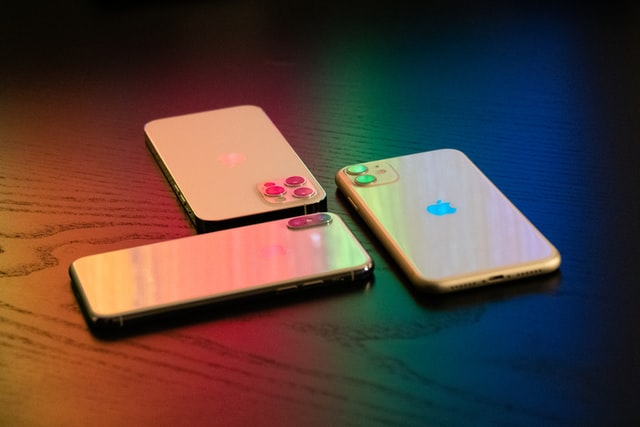
The iPhone 12 and iPhone 12 Mini resembles the iPhone 11’s camera design with its regular, ultrawide, and selfie cameras. Do not fret! The iPhone 12 Pro and iPhone 12 Pro Max got massive photography improvements, which include a larger image sensor and a fourth telephoto camera for more distant subjects. The iPhone Pro Max even extends to 2.5x zoom or a 65mm equivalent lens.

THE INTRODUCTION OF 5G

All iPhone 12 models have the next-generation 5G cellular connectivity. Having 5G entails that your phone can tap into the high-speed wireless networks on the go. This will be helpful when we are all free to travel. The iPhone 11 models were not equipped with the 5G connectivity.

THE ADDITION OF DEEP BLUE

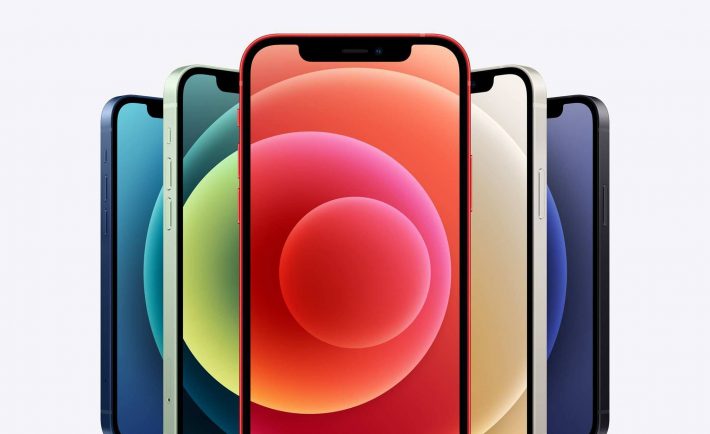
The iPhone 12 models come in five colors: red, deep blue, green, white, and black. While the iPhone 11 comes in six colors: red, black, white, purple, green, and yellow. Both are IP68 rated for water-resistance and have no headphone jacks. Nonetheless, they have wireless charging capabilities and better screen displays.

iPhone 12 models have an OLED display, which is an upgrade to iPhone 11’s LCD display. The new screen is strengthened by ceramic. Moreover, the 12 has a completely flat design along the edges with no raised buttons. Lastly, the 12 has a magnetic backing to support the new MagSafe chargers and accessories.

Image Credits: unsplash.com

The iPhone 12 models are superior in many ways! As you contemplate on which model suits you best, please watch this interesting video. It showcased how repairable an iPhone 12 is.

Sources: 1, 2, & 3

Read More...

How To Alter Your Budget To Suit Your Work From Home Lifestyle

According to the multi-ministry task force handling COVID-19, Singapore may enter Phase Three by the end of 2020 should the community cases remain low in the country. The restrictions reflected by this upcoming phase may last for a year or more. That being said, more and more people are working from home.

This huge shift in the global workplace has brought many changes in our lives. Whenever big transitions occur, it is a good opportunity to re-assess all the aspects of our lives including our finances. What has changed in your budget ever since you started working from home?

Reduced costs on transportation, work clothing, daily coffee stops, and dining out were usually observed in the previous months. In contrast, many experience a spike in utilities, groceries, and online shopping fees. How can you better prepare for your future with this new set-up?

#1: RE-EVALUATE WHERE YOUR MONEY IS GOING

Get a realistic view of your finances by pulling out your bank statements, credit card bills, and other month expenses from the past three months. If you are using a budgeting app such as Mint, you may track your spending using the information inside the app. Look for unnecessary categories or recurring expenses that you can do without. This will help you spend less than what you have originally planned.

Aside from your spending, concentrate on other parts of your personal finance such as investments and emergency funds. You have the luxury of time to re-evaluate how much you are saving in your emergency funds. Ensure that the money you put inside will be sufficient to cover unforeseen events such as unemployment. We must overcome complacency during these tough times.

#2: CONSIDER DIFFERENT BUDGETING STRATEGIES

As you establish your new budget to suit your work from home lifestyle, you may employ different strategies such as goal-specific budget and the 50/30/20 method. The former focuses on the goal and not the percentages. You may start with a specific short-term goal such as saving S$50 for your emergency fund this week or a long-term goal such as putting away S$5,000 for a vacation next year. Break down your goals and allot how much you need to save per week or per month. Ensure that you meet your other financial responsibilities as you prepare for your goals too.

The 50/30/20 method entails putting 50% of your take-home pay to your fixed expenses including groceries and rent. 30% needs to go to your variable expenses such as entertainment and clothing. While, 20% is dedicated to your savings. Choose a strategy that will best work for you.

#3: STORE EXTRA CASH IN YOUR HOME

Many of us are working from home because there has been a shift in the economy due to the unpleasant effects of the pandemic. It helps to be prepared as we live within the realms of uncertainty. Store extra cash in your home for emergency situations. You may label this as your emergency fund, which can cover your expenses for at least six to nine months.

Knowing that you will be alright for a considerable amount of time before needing to use other financial resources can help you sleep better at night. This will prevent you from incurring debts.

#4: MAXIMIZE YOUR TELECOM AND INTERNET PLANS

Because most of our time are spent at home, it comes as no surprise that our utilities are higher now. Do your best to ensure that you are getting the most out of your telecom and internet plans. If your plan has an inclusion of data, try to substitute a costly mobile call for calling over at WhatsApp or Telegram. Various online platforms offer free calling and video-conferencing services worldwide. Take advantage of that!

#5: CONSERVE ENERGY

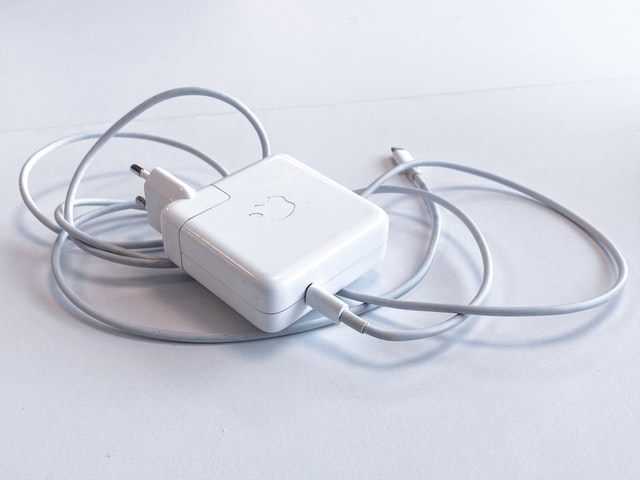
This new living and working arrangements have considerable effects on our electric bills. As much as possible, conserve energy on the devices and appliances that you work with. Unfavorable habits such as leaving your laptop constantly plugged in or forgetting to unplug your smartphone charger can cost you.

Image Sources: unsplash.com

One of the easiest ways to save energy is by ensuring that your cables or chargers are unplugged. Most devices work best with the 40-80 battery rule. You must plug the charger when your battery drops below 40% and disconnect the plug when the battery reaches 80%. Leaving a laptop or handphone constantly plugged in can cause extra wear and tear to the battery. Take care of the devices, which you use on a regular basis.

Sources: 1, 2 & 3


Read More...

Beginner’s Guide To Setting Up An Emergency Fund

WHAT IS AN EMERGENCY FUND?

An emergency fund consists of the money you set aside to cover large, unexpected expenses. It serves as your cushion to save you from drowning into debt  and other unfortunate events. It can be used for unforeseen medical expenses, home appliances replacement, automobile repairs, and managing unemployment.

HOW MUCH MUST I SAVE?

When you are starting to build your emergency fund, it is important to value what you have. No matter how small, every dollar counts. Focus on the habit and consistency of saving money. When your financial situation improves, you can increase your savings.

The right amount for you depends on your financial situation, but a good rule thumb is to have enough money to cover your living expenses for six months. If you lose your job during pandemic, you can use your emergency fund for necessities while you hunt for a new job. You can also use the money to supplement your small business. Start small and increase your savings as your financial situation improves.

WHY SHOULD I TRACK MY INCOME AND EXPENSES?

Tracking your income and expenses enable you to get a realistic view of your financial situation. It can pinpoint the amount that is sufficient to cover your living expenses for six months. You can track your cash flow by writing down how much money comes in every month and by writing down your fixed and variable expenses per month.

Do not forget to include recurring expenses such as your rent, utility bills, school fees, and childcare.

WHERE SHALL I PUT MY EMERGENCY FUND?

You can put your emergency fund inside a savings account with a high interest rate and an easy access system. Since an emergency can strike at any time, having quick means to access your funds is crucial. However, you must keep your emergency funds away from your primary bank account. This will help lessen the temptation of dipping into your reserves. Moreover, having a high interest savings account enables you to reap the benefits of compound interest.

HOW CAN I PLAN OUT MY EMERGENCY FUND?

Establishing financial goals and developing a plan to achieve those goals go hand-in-hand. Part of your plan may include specific and realistic targets to work toward. For instance, you may save S$50 per week to put into your emergency fund. Once you have created a robust plan, make sure you follow through.

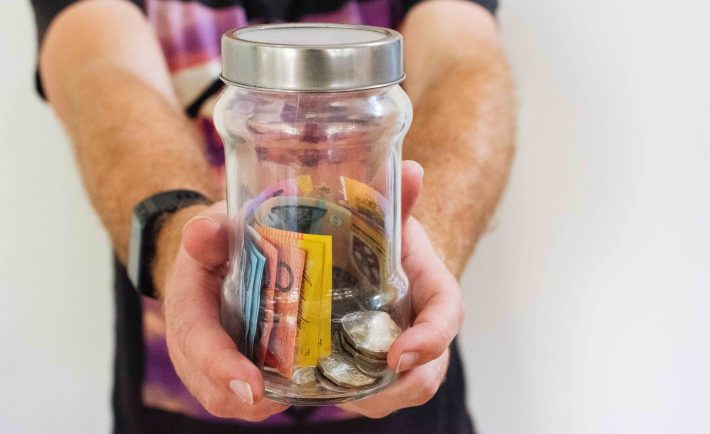
Sticking to your plan can sometimes be the hardest part of saving for an emergency fund. A good way to stay on track is to save automatically. You may automate your savings and set up a systematic transfer from your primary savings account to your “emergency fund” savings account. Alternatively, you may keep a money jar and label it with: “for emergency use only”.

Sources: 1 & 2


Read More...

5 Luminous Lessons Harry Potter Taught Us About Money

The magical story of a young wizard named Harry Potter has captured the hearts of fans of all ages and with a good reason. In fact, I am wearing my Hufflepuff shirt while I am writing this.

Despite being in a fictional world, the Harry Potter characters’ financial problems cannot be solved with a wave of a wand. They also have to struggle with the challenges of saving, spending, and growing money throughout the series. Here are just some of the personal finance lessons that you can learn form the wizarding world of Harry Potter:

GET THE A DEPENDABLE AUTO-INSURANCE

In the “Harry Potter and the Chamber of Secrets” book, Ron and Harry crashed a car into a tree. It caused an irreparable damage to a car that they do not own. This scenario taught us the importance of having a car insurance.

In Singapore, it is mandatory to have your car insured. Examine your options and look for an auto-insurance that suits your needs and your budget. Some of the plans that you may consider are the FWD, Aviva, and NTUC Income auto-insurance plans. FWD has three auto-insurance plans from Classic to Prestige. Its annual premiums start from S$731.38. Aviva offers three auto-insurance plans too from Lite to Prestige. Its annual premiums start from S$883.12. Lastly, NTUC Income has Drivo Classic and Premium plans. Its annual premiums start from S$$970.35. Annual premiums are usually based on the driver’s profile and the car itself.

SORT OUT YOUR WILL

After living in an uncomfortable cupboard under the stairs for eleven years, the book’s main protagonist Harry Potter found out that he was a wizard and that his parents left him a considerable amount of money. His family’s wealth was beyond what he can imagine! Although his parents died at a very young age, when he was just a baby, it was clear that they a robust financial plan in place. They left all their wealth to Harry. This helped him secure his school supplies and daily needs throughout the years.

Unforeseen events can strike at any moment. It is important to save up for your retirement as soon as possible. Moreover, you must create a will that ensures the list of beneficiaries on all of your savings and investment accounts.

SEE THE POWER OF COMPOUND INTEREST

Harry not only benefits from his parents’ wealth, but also reap the rewards of compound interest. His money was untouched for eleven years. When he opened his vault for the first time at the Gringotts Wizarding Bank, he discovered the amount of gold and money that was in his vault. Despite having this wealth, he did not lead a lavish lifestyle.

Like Harry, you may benefit from compound interest by leaving your money untouched for years in a bank or by investing your money for the long haul.

APPRECIATE WHAT YOU HAVE

As I said above, he did not lead a lavish lifestyle. Harry was humble. In fact, he wore the same glasses for seven years. He appreciates what he has and exemplifies this trait the most in the first book. When Hagrid gifts him Hedwig the owl, he was amazed and accepted it wholeheartedly. He was also very grateful when he was gifted the Nimbus 2000 by Professor McGonagall.

In our world, it is easy to be caught by all the sale items and designer brands. However, you must remember to strike a balance between your needs and wants. Appreciate what you have and live within a realistic budget that you set.

SECURE YOUR MONEY IN A SAFE PLACE

Harry’s immense fortune was stored in the Gringotts Wizarding Bank, located in the heart of London. The bank is operated and guarded by goblins. These goblins serve as the gatekeepers to the underground vaults. It is often described as the safest place in the Wizarding World.

Image Credits: unsplash.com

While you cannot keep your wealth within the protection of magical spells and goblins, you can secure your money in other ways. Firstly, you may set up an auto-deposit scheme to send a portion of each paycheck to your savings account. Secondly, you may store your emergency fund in a place where you will not be tempted to spend it frivolously. For instance, you may set up a different account exclusively for that. Lastly, secure your online banking apps through Two-Factor Authentication.

Sources: 1, 2, & 3

Read More...