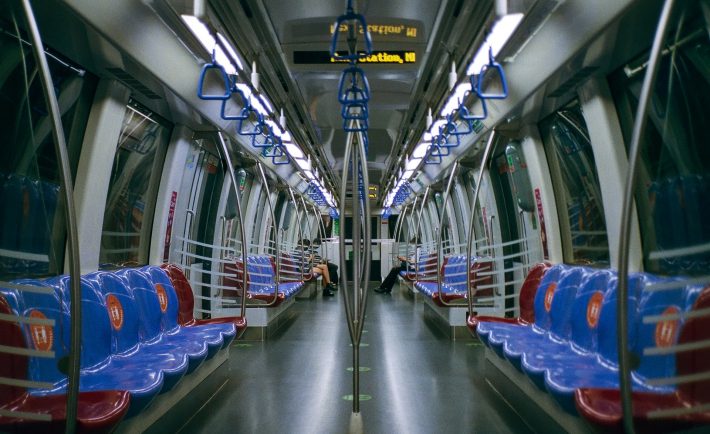
Commutes Adjust as Public Transport Costs Rise 5% From Dec 27

Starting December 27, public transport fares will rise by 5%, marking the third straight year of adjustments. Adult commuters will pay 9 or 10 cents more per trip depending on distance, while concessionary passengers such as seniors, students, and low-wage workers will see smaller increases of 3 or 4 cents.

The Public Transport Council (PTC) announced the revision on October 14, describing it as a careful response to rising energy and manpower costs while keeping fares affordable. Although this follows higher hikes of 6% in 2024 and 7% in 2023, the latest increase is viewed as a more measured step to balance cost pressures with public interest.

Image Credits: unsplash.com

To soften the impact on frequent riders, the PTC will lower monthly travel pass prices. From December 27, adults will pay S$122 instead of S$128, seniors and persons with disabilities S$55 instead of S$58, and low-wage workers S$92 instead of S$96. About 155,000 commuters are expected to benefit from these reductions, helping offset the fare increase for regular users.

Additional relief will come through S$60 public transport vouchers provided by the government to households earning up to S$1,800 per person monthly. Eligible households can redeem these vouchers via the SimplyGo app or at designated kiosks and service centers beginning December 29.
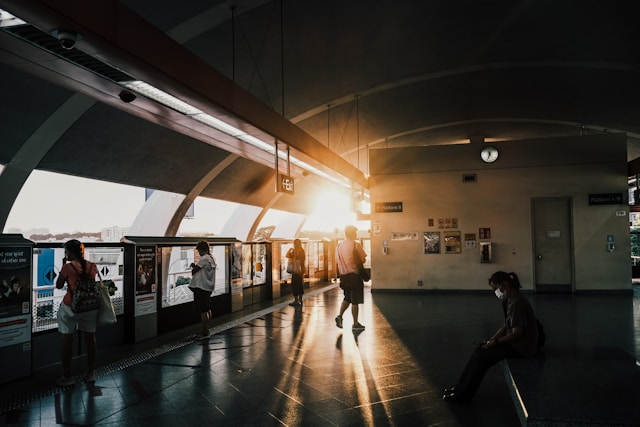
Image Credits: unsplash.com

Beyond fare changes, the PTC is also updating how future adjustments are calculated. Instead of relying on data from the previous calendar year, future reviews will assess energy prices, wages, and other cost factors from the 12 months leading up to June of the review year. This shift aims to make fare adjustments more responsive to real-time economic conditions and reduce delays between cost changes and fare updates.

Transport operators SBS Transit Rail and SMRT Trains had sought a 14.4% increase to cover rising maintenance and labor expenses. The PTC approved only a 5% adjustment but required both operators to contribute 20% of their additional fare revenue (i.e., about S$10.6 million combined) to the Public Transport Fund, which helps cushion fare hikes for lower-income households.

Image Credits: unsplash.com

Meanwhile, express bus fares will rise slightly to reflect higher operating costs, while short-distance concessionary trips of up to 3.2 kilometers will remain unchanged. This move benefits passengers who rely on short daily commutes to schools, workplaces, and community amenities.
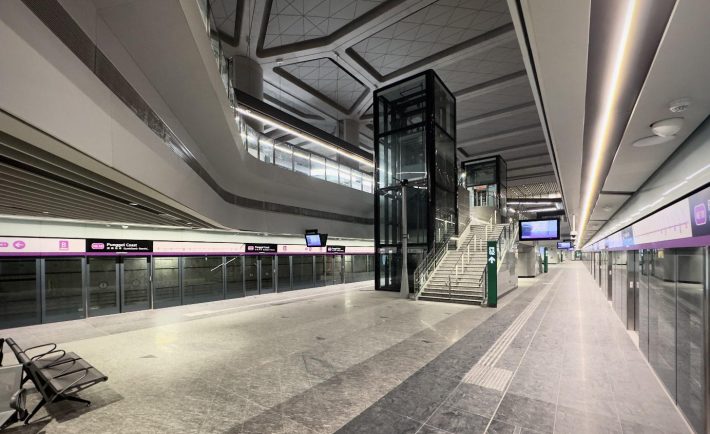
The fare review highlights a recurring challenge of keeping the transport system financially sustainable while easing the burden on daily commuters. Though the increase may seem modest, it reflects a broader effort to sustain efficiency and affordability in one of the region’s most advanced public transport networks.

Sources: 1 & 2


Read More...

Punggol Coast MRT Station Opens December 10, Cutting Commute Times

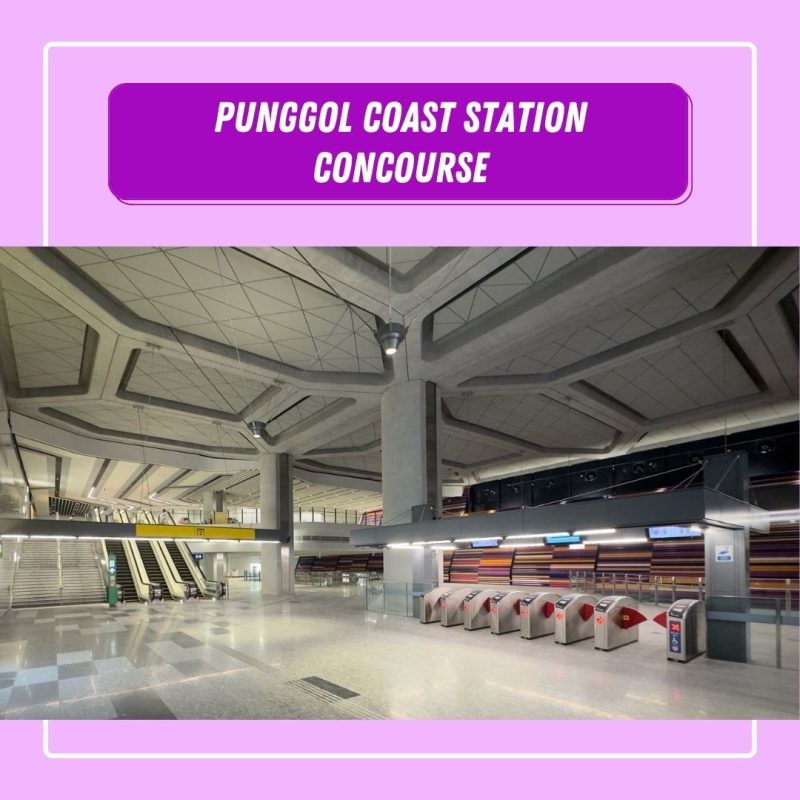
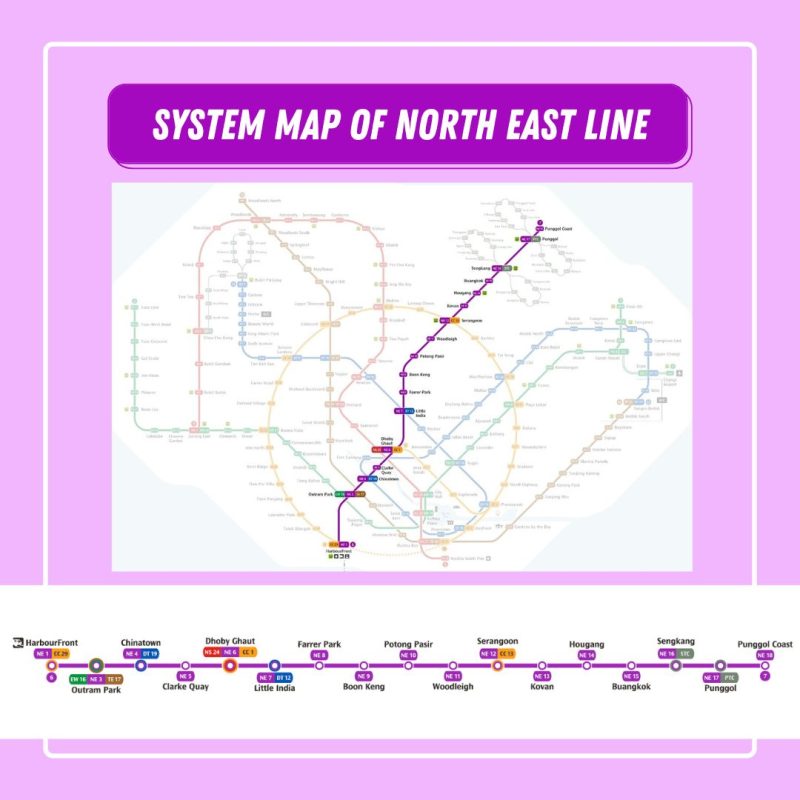
Mark your calendars! The long-awaited Punggol Coast MRT station is set to open on December 10, 2024, at 3:00 pm. As the newest terminal on the North East Line (NEL), this extension from Punggol station will bring the total number of NEL stations to 17 along its 22-kilometer route.

Strategically located in the heart of Punggol Digital District (PDD), Punggol Coast station will significantly enhance connectivity for the area’s growing community.

“Located within the Punggol Digital District, the station will enhance connectivity to existing and upcoming developments, including the JTC Business Park, the Singapore Institute of Technology (SIT) campus, and Punggol Coast Mall,” said Transport Minister Chee Hong Tat in a Facebook post last October 10.

With 28,000 employees in the JTC Business Park, 12,000 students at SIT, and the upcoming Punggol Coast Mall, the station is set to serve as a major transportation hub.

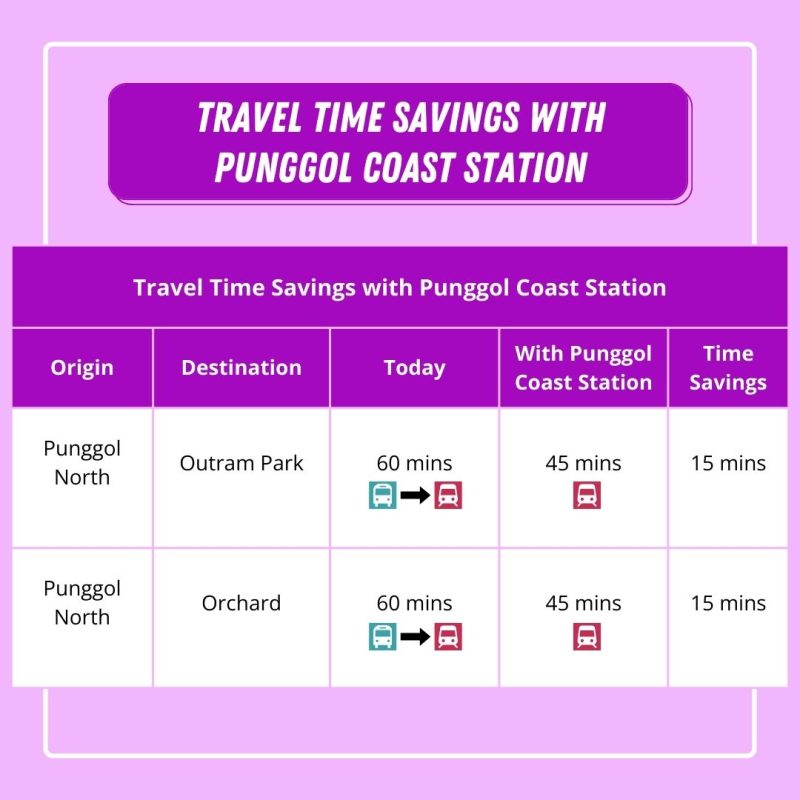
But what does this mean for commuters? Shorter travel times! Residents in Punggol North can now reach the city center in just 45 minutes via the NEL, a marked improvement from the previous 60-minute journey. In fact, over 200,000 households will benefit from being just a 10-minute walk away from an NEL station. Its close proximity to the bus interchange further enhances convenience for residents.

Image Credits: facebook.com/WeKeepYourWorldMoving

Construction for the station began in 2018, and after rigorous operational testing, it is ready for passengers. The station will feature two entrances including one along New Punggol Road and another within PDD. What’s more? It has more than 300 bicycle parking spaces to promote sustainable mobility.

Image Credits: facebook.com/WeKeepYourWorldMoving

From a financial perspective, the opening of Punggol Coast MRT station could drive property values up in the area, particularly with improved accessibility. For investors, now is a good time to consider properties or businesses in Punggol Digital District, as the enhanced transport links will attract more residents, students, and workers. With growing connectivity, retail and real estate investments in the vicinity may see healthy returns.

Image Credits: facebook.com/WeKeepYourWorldMoving

Sources: 1, 2, & 3

Read More...

East-West Line Back on Track After 6-Day Delay

After six days of delays, train services finally resumed between Jurong East and Buona Vista MRT stations along the East-West Line on the morning of October 1. The disruption, caused by extensive track damage, had left many commuters scrambling for alternative routes and dealing with longer travel times.

This return to normalcy brings a sigh of relief for many. However, westbound trains along the four-station stretch (i.e., between Dover and Clementi) are currently running slower at a temporary speed limit of 40km/h until October 3. This slower pace is part of a standard safety process following rail replacements, as trains typically travel at speeds of 60-80km/h.

COMMUTERS’ EXPERIENCE

During the disruption, the daily lives of more than 2.1 million passengers were affected with long waits and crowded platforms becoming the norm from September 25 to 29. The delays created challenges for those heading to work or school, requiring them to leave home earlier than usual.

Many commuters switched to alternative transport like buses, ride-hailing services, or taxis, which are typically more expensive than the MRT. You see, ride-hailing services also implemented surge pricing due to higher demand. These increased travel costs added up, especially for long-distance commuters.

ALTERNATIVE ROUTES

For six days, commuters took alternative routes, with many switching to the North-South Line or opting for the Thomson-East Coast and Downtown Lines. As a result, stations were packed, and transfer points became congested with passengers seeking faster routes to their destinations.

A common strategy involved transferring at Queenstown station to take the shuttle train to Buona Vista, or using Boon Lay station to transfer to Jurong East. While necessary, these options still extended travel times and complicated otherwise straightforward journeys.

REPAIR WORK

The damage affected the stretch between Clementi and Ulu Pandan Depot, requiring a full replacement of rail segments. On September 30, the Land Transport Authority (LTA) announced that the rail repairs been completed and the third rail had also been reinstated.

Before fully reopening the line, the LTA carried out a series of rigorous tests to ensure the tracks were safe. This included load tests using a locomotive to verify the rails were securely welded, followed by an endurance test involving a fully loaded train packed with sandbags to mimic real commuter conditions. Only after passing these assessments were trains allowed back on the line.

THE IMPACT

Commuters faced higher travel costs, missed appointments, and lost valuable time that could have been spent with family or at work. Many shared their frustrations of waking up earlier, enduring crowded buses, and dealing with extended travel times.

Image Credits: unsplash.com

For the millions affected, the six-day disruption felt like a marathon of endurance. With services now restored, they can finally return to their routines, though with a lingering sense of caution until the repairs are fully stabilized.

Sources: 1 & 2

Read More...

ComfortDelGro’s Taxi Rates Rise with 50-Cent Flagdown & Peak-Hour Surcharge

ComfortDelGro, Singapore’s largest taxi operator, managing over 8,900 taxis under the Comfort and CityCab brands, comprising about 60 percent of the nation’s taxi fleet, has announced an impending increase in cab fares. This adjustment is expected to have a significant impact on commuters due to the company’s extensive reach.

The decision to raise the flagdown fare and other surcharges was disclosed on December 6 by ComfortDelGro. The motive behind this fare revision is to assist taxi drivers in offsetting heightened operational expenses attributed to the surge in fuel prices, escalating inflation rates, and the anticipated Goods and Services Tax (GST) hike.

According to ComfortDelGro, the estimated fare for a 10-kilometer off-peak regular taxi journey is set to witness a 6.8 percent increase, translating to S$0.94, elevating the fare from S$13.80 to S$14.74. While flagdown fares for limousine taxis remain unchanged, distances, and waiting time fares experience a marginal increment from S$0.35 to S$0.36.

This fare adjustment encompasses all metered fare trips, including those made through the CDG Zig app and other ride-hailing platforms. The revised fares took effect from 6 am last December 13.

PEAK HOUR SURCHARGE

In addition to the fare increase, a new peak hour surcharge will be introduced from 10:00 am to 1:59 pm on Saturdays, Sundays, and public holidays. The definition of “evening peak hour” will also be extended by an hour, now spanning from 5:00 pm to 11:59 pm, applicable from Monday through Sunday, including public holidays. This peak hour surcharge amounts to 25 percent of the metered fare.

Trans-cab and other taxi services such as Strides Premier and Prime Taxi have announced their alignment with ComfortDelGro’s fare adjustments. These taxis shall implement the new weekend peak-hour surcharge and extend the evening peak-hour surcharge by one hour, with the changes set to take effect concurrently from December 13.

UPCOMING GST INCREASE CONCERNS

The National Taxi Association (NTA), which ComfortDelGro consulted before proposing the fare adjustments, expressed its support for the move. NTA adviser Yeo Wan Ling acknowledged the challenges faced by taxi drivers in coping with rising costs and emphasized the importance of this fare adjustment in aiding drivers dealing with increased living and operating expenses.

The upcoming GST increase to 9 percent on January 1, 2024, is an additional concern for taxi operators as it impacts various operational aspects, including rental, food, and parking expenses. Yeo Wan Ling highlighted that the fare increase would contribute to higher take-home pay for taxi drivers, offering timely relief from the impending GST hike and supporting them in meeting their financial obligations and providing for their families. The fare adjustment is seen as a welcome measure that addresses the current challenges faced by cabbies, providing both relief and support.

Image Credits: facebook.com/ComfortDelGroTaxi

How will these affect the commuters in the long run?

Sources: 1, 2, & 3

Read More...

Cross Island Line Phase 1 Targets to Be Completed by 2030

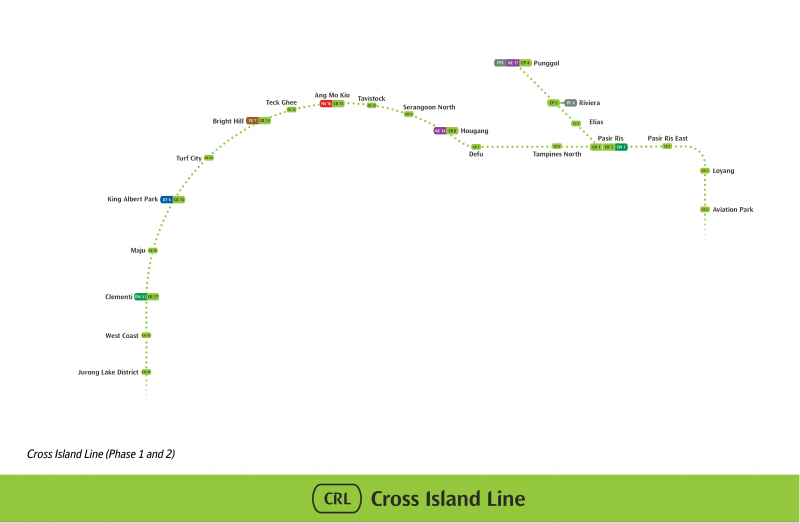
On January 18, the construction of the Cross Island Line (CRL) Phase 1 began. It is the country’s eighth MRT line. The interchanges for Phases 1 and 2 will include Hougang on the North-East Line, Ang Mo Kio on the North-South Line, Bright Hill on the Thomson-East Coast Line, Pasir Ris and Clementi on the East-West Line, and King Albert Park on the Downtown Line. The details for Phase 3 of the CRL will be released later.

According to Land Transport Authority, CRL sets a record as the longest fully underground line.

“Our eighth MRT line, the Cross Island Line will be our longest fully underground line at more than 50 kilometers long. It will serve existing and future developments in the eastern, western, and north-eastern corridors, connecting major hubs such as Jurong Lake District, Punggol Digital District and Changi region.

When operational, it will have the highest number of interchange stations, with almost half the stations on the line being linked to existing rail stations. This means more alternative travel routes to get to your destination.”

The 29-kilometre-long Phase 1 of the CRL will include 12 stations from Aviation Park to Bright Hill. This will be beneficial for the residential and industrial areas such as Tampines, Pasir Ris, Defu, Hougang, Serangoon North, and Ang Mo Kio. It is estimated that more than 100,000 households will be served from Phase 1 of CRL. Furthermore, common recreational spaces such as Changi Beach Park and Bishan-Ang Mo Kio Park will become accessible through public transportation. Construction for Phase 1 of CRL is targeted to be completed by 2030.

Image Credits: lta.gov.sg

The second phase is approximately 15 kilometers and comprises six underground stations such as Turf City, King Albert Park, Maju, Clementi, West Coast, and Jurong Lake District. The Environmental Impact Study for Phase 2 of CRL has been completed and reports are made available.

The construction works for CRL – Punggol Extension are expected to start by the end of 2022 and targeted to be completed by 2032.

Transport Minister S Iswaran highlights that this massive project is not without its challenges as its construction will “test the professional mettle of our engineers and all our partners”.

He added: “That means having a tunnel that goes through a wide variety of soil conditions at different stretches, ranging from soft marine clay to extremely hard rock.” Special machines and added precautions will be needed to ensure the safety of the workers and the stability of the ground.

Rail expansion is a key thrust in Singapore’s comprehensive effort to enhance its transport system – from the first to the last mile, said the transport minister. The CRL is set to improve the lives of its residents and workers nearby. It also gives people access to the beautiful attractions that they offer.

Let’s see what CRL offers in the year 2030!

Sources: 1 & 2

Read More...