SEO Strategies to Grow Your Digital Presence

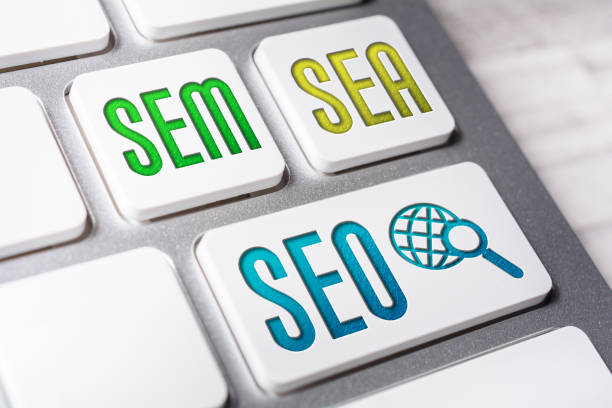
Macro Of The Words SEO, SEM And SEA On Three Keyboard Buttons Macro Of The Words SEO, SEM And SEA On Keyboard Buttons seo vs sem stock pictures, royalty-free photos & images

Learn how businesses in Singapore can strengthen their digital presence through SEO, quality content, local visibility, technical optimisation, and data.

Strengthening Your Digital Presence with an SEO Company in Singapore

A strong digital presence is no longer limited to having an attractive website or active social media profiles. Customers increasingly discover businesses through search engines, compare available options, read online information, and form impressions before making contact. For companies operating in a competitive market, working with an experienced SEO Company Singapore can help connect these different elements into a more effective organic search strategy. The objective is not simply to increase website visits, but to make the brand easier to discover, understand, trust, and choose.

Key Takeaways

  • Digital visibility should support broader business objectives.
  • Search presence depends on technical performance, content, authority, and user experience.
  • A strong website needs to communicate expertise and relevance clearly.
  • Local search can help businesses connect with customers at the right moment.
  • Consistent optimisation can strengthen visibility across the customer journey.
  • Data helps businesses understand which digital activities create genuine value.
  • Sustainable SEO focuses on building lasting visibility rather than chasing temporary rankings.

Make Search Visibility Part of Your Digital Strategy

A website can be professionally designed and still struggle to attract the right audience. Without sufficient visibility, valuable services, products, and resources may remain difficult for potential customers to discover.

Define What Your Digital Presence Should Achieve

Different businesses have different priorities. One company may want more enquiries, while another may focus on online purchases, brand recognition, or reaching a new customer segment.

Identify Your Most Valuable Audiences

Understanding the people you want to reach is equally important. Consider their needs, search behaviour, location, buying stage, and the information they require before taking action.

Useful audience considerations include:

  • Customer needs and pain points
  • Geographic location
  • Search behaviour
  • Purchase intent
  • Preferred products or services
  • Common questions before conversion

Turn Your Website into a Stronger Digital Asset

Your website is often the central point where search visibility, brand messaging, content, and conversions come together. It should make sense to both visitors and search engines while providing a consistent experience across devices.

Improve Website Structure

A logical structure helps visitors move naturally between related information. It also helps search engines understand the relationship between pages and identify which resources are most important.

Remove Technical Barriers

Technical problems can quietly weaken organic performance even when the visible website appears functional.

Businesses should regularly review:

  • Page speed
  • Mobile usability
  • Crawlability
  • Indexing
  • Broken links
  • Redirects
  • XML sitemaps
  • HTTPS implementation
  • Core Web Vitals

Addressing these areas creates a more reliable foundation for long-term search visibility.

Build Content That Represents Your Expertise

Content plays an important role in shaping how both customers and search engines understand a business. Generic articles created only to target keywords rarely provide enough value to establish lasting authority.

Answer Questions Before Customers Ask

Think beyond obvious product or service terms. Consider what a potential customer needs to understand before making a decision.

For example, content can address:

  • Common industry challenges
  • Product or service comparisons
  • Practical guides
  • Frequently asked questions
  • Buying considerations
  • Industry developments

Demonstrate Experience and Credibility

Strong content should be accurate, useful, and supported by genuine expertise. Businesses can strengthen trust by using knowledgeable contributors, providing relevant examples, maintaining factual accuracy, and updating important information when circumstances change.

This approach supports E-E-A-T principles while giving readers a reason to view the brand as a credible source.

Strengthen Your Local Digital Footprint

For businesses serving Singapore customers, geographic relevance can play an important role in online discovery. A well-planned Local SEO strategy can help businesses improve visibility for location-based searches and connect with customers who are actively looking for nearby products or services.

Improve Local Discoverability

Businesses should ensure their key information is accurate and consistent across relevant online platforms. Location pages, business profiles, reviews, and locally relevant content can all contribute to a stronger local presence.

Create Content with Genuine Local Relevance

Local content should provide useful information rather than simply inserting place names into existing articles. References to Singapore-specific customer needs, industry conditions, locations, or market considerations can make resources more meaningful when they are genuinely relevant.

A local strategy may include:

  • Location-focused service pages
  • Accurate business information
  • Customer reviews
  • Local search content
  • Relevant business listings
  • Community or industry references

Make Every Search Interaction More Useful

Digital presence is not only about being found. Once someone reaches a website, the experience needs to support their next decision.

Match Pages with Search Intent

Every important landing page should answer the question or fulfil the need behind the search. Someone looking for general information should not immediately be pushed into a sales-heavy experience, while someone with strong purchase intent should be able to find relevant commercial information easily.

Create Clear Conversion Paths

Visitors should understand what they can do next. Depending on the business, this might mean requesting a consultation, contacting the company, purchasing a product, downloading a resource, or exploring another relevant page.

A clear journey can include:

  • Discover the business.
  • Understand the solution.
  • Evaluate its relevance.
  • Take appropriate action.
  • Continue engaging with the brand.

Build Digital Authority Beyond Your Website

A strong digital presence extends beyond a company’s own pages. Mentions, references, reviews, partnerships, and links from relevant websites can contribute to how a business is perceived online.

Earn Relevant Recognition

Businesses can develop authority by producing resources that others genuinely want to reference. Original research, expert commentary, useful guides, industry contributions, and digital PR can create opportunities for meaningful mentions.

Strengthen Brand Trust

Consistent business information and genuine customer experiences also matter. Positive reviews, credible publications, expert contributions, and a consistent online identity can reinforce trust across different digital touchpoints.

Use Data to Understand What Is Working

Digital visibility should be measured through more than ranking positions. A business may increase traffic without attracting the right audience, while another may receive fewer visitors but generate substantially more qualified enquiries.

Look Beyond Traffic

Important metrics can include:

Metric What It Indicates
Organic traffic Search-driven reach
Search visibility Brand discoverability
Click-through rate Search-result appeal
Engagement Content relevance
Qualified leads Audience quality
Conversions Business value

Turn Performance Data into Improvements

If a page attracts visitors but produces little engagement, the content or user journey may need refinement. If an important service page receives limited visibility, businesses may need to reassess its content, internal links, technical performance, or authority.

This continuous feedback process makes SEO more responsive to actual customer behaviour.

Maintain Visibility Through Continuous Optimisation

Search performance can change even when a business makes no deliberate changes. Competitors publish new content, search behaviour evolves, websites are updated, and search engines continue refining their systems.

Review What Has Changed

Periodic analysis can uncover:

  • Declining rankings
  • New competitor activity
  • Content gaps
  • Technical problems
  • New search opportunities
  • Changes in customer behaviour

Prioritise Improvements Strategically

Not every issue requires immediate action. Businesses should assess potential impact, effort, urgency, and alignment with commercial objectives before deciding what to address first.

This keeps SEO focused on meaningful progress instead of creating an endless list of disconnected tasks.

Final Takeaway

A stronger digital presence is built through many connected elements: a technically sound website, useful content, local relevance, credible authority, clear conversion paths, and continuous performance analysis. Search visibility becomes more valuable when these elements work together to create a consistent experience for potential customers.

For businesses competing in Singapore, a strategic approach can help turn organic search into a dependable source of discovery and qualified opportunities. SEOCompany.me helps businesses strengthen their online presence through structured search strategies designed around visibility, relevance, and measurable growth.

Ready to Strengthen Your Digital Presence?

If your website is not reaching the right audience through organic search, Visit SEOCompany.me to discuss your current digital presence and explore a tailored SEO strategy built around sustainable visibility and business growth.

Frequently Asked Questions

1. Why is SEO important for a business’s digital presence?

SEO helps businesses become more discoverable when potential customers search for relevant products, services, or information. A well-optimised digital presence can increase qualified visibility while helping customers find useful information at important stages of their decision-making process.

2. How can SEO improve brand visibility in Singapore?

SEO can help a business appear for relevant searches connected to its services, industry, and target locations. Consistent content, technical optimisation, local relevance, and credible online signals can gradually strengthen the brand’s presence across organic search.

3. Does a strong website design guarantee good search visibility?

A professional design supports user experience, but it does not automatically guarantee organic visibility. Search performance also depends on technical accessibility, relevant content, website structure, authority, search intent, and ongoing optimisation.

4. How does local SEO support businesses in Singapore?

Local SEO helps businesses become more relevant for searches involving specific locations, nearby services, or local customer needs. Accurate business information, location-focused content, reviews, and relevant local signals can all contribute to stronger geographic visibility.

5. How can a business measure its digital search performance?

Businesses can assess performance through organic traffic, search visibility, click-through rates, engagement, qualified leads, and conversions. Looking at these metrics together provides a more accurate picture of whether search activity is creating meaningful business value.


 

Read More...

The Comparative Asset: “SEO vs. SEM in Singapore: Where Should You Spend Your First $5,000?

Navigating the Digital Marketing Landscape in Singapore: SEO vs. SEM

Singapore’s bustling digital marketplace demands strategic decision-making when allocating marketing budgets, particularly for businesses looking to gain a foothold. The debate between investing in search engine optimisation (SEO) and search engine marketing (SEM) is ever-present. With enterprise-level SEO services in Singapore offering robust strategies for organic growth, it becomes essential to dissect which avenue — SEO or SEM — would be the most fruitful for spending your initial $5,000.

Understanding SEO and SEM

SEO focuses on optimising your website to improve its ranking in organic search results. By enhancing the content, structure, and usability of your site, SEO aims to increase your site’s visibility on search engine results pages (SERPs) over time. SEM, on the other hand, is a paid strategy that involves purchasing advertising space in search engine results. This method can drive immediate traffic to your website, but it requires ongoing budget allocation.

Both methods have distinct advantages and serve different business needs, and understanding these can help businesses allocate their marketing budgets more effectively.

The Case for SEO in Singapore

Investing in SEO can be particularly advantageous in Singapore’s diverse and tech-savvy market. SEO can enhance brand authority and credibility, which is crucial in a digital landscape. Singaporean consumers often perform detailed online research before making purchases, making a strong organic presence valuable.

  1. Long-Term Benefits: Unlike SEM, which provides short-term results, SEO builds sustainable growth. Once a website achieves high rankings, it tends to maintain that position with regular upkeep.
  2. Cost-Effectiveness: While SEO requires an initial investment, the ongoing costs decrease as the site’s authority increases, making it a cost-effective option for businesses looking toward long-term growth.
  3. Localisation: Singapore’s market is unique due to its linguistic and cultural diversity. SEO strategies can be tailored to target the local audience more accurately than the generic approach of SEM. This includes utilising local keywords and culturally relevant content.

Macro Of The Words SEO, SEM And SEA On Three Keyboard Buttons Macro Of The Words SEO, SEM And SEA On Keyboard Buttons seo vs sem stock pictures, royalty-free photos & images

The Power of SEM in Singapore

SEM should not be discounted for businesses eager to make a splash in Singapore’s competitive market. It offers distinct advantages that make it a worthy consideration.

  1. Immediate Visibility: One of the primary benefits of SEM is the potential for immediate results. By bidding on relevant keywords, a business can secure top positions in search engine results instantly.
  2. Precise Targeting: SEM allows for advanced targeting options, enabling businesses to focus on specific demographics, locations, and even devices. This precision ensures that marketing efforts directly reach potential customers.
  3. Budget Control: SEM campaigns can be tailored precisely to fit a budget. Businesses can set daily limits, adjust spending based on performance, and scale campaigns to match capacity.

Weighing the Options: SEO vs. SEM

When deciding between SEO and SEM, consider the specific aims, budget constraints, and timelines of your business. Both methods require a nuanced understanding of the market and customer behaviour in Singapore.

  • Budget Considerations: If immediate results are crucial and budget flexibility exists for ongoing support, SEM is a viable option. For firms looking for a return on investment over an extended period, SEO offers depth and durability.
  • Market Entry vs. Market Growth: New businesses might benefit from SEM’s rapid impact as they establish themselves. Conversely, established brands looking to cement their presence might find value in the slow-burning power of SEO.
  • Industry Specific Needs: Certain industries, such as fashion or consumer electronics, might see more benefit from rapid SEM campaigns due to high competition and fast-paced markets. Conversely, sectors like professional services or niche markets might benefit more substantially from the authority-building aspect of SEO.

Strategic Decision-Making for Singaporean Businesses

When determining the first $5,000 spend in digital marketing, an integrated approach can often yield the best results. This means potentially investing in both SEO and SEM. Such an approach allows businesses to capitalise on both immediate visibility and long-term growth, significantly enhancing their presence.

Understanding your market position, potential for growth, and customer base will better inform this decision. Moreover, engaging with digital marketing experts familiar with Singapore’s landscape ensures strategies are not only theoretically sound but also practically effective.

In summary, the delicate balance between SEO and SEM lies at the heart of an effective digital strategy, especially within Singapore’s competitive landscape. Each method comes with its own set of benefits, and careful consideration of these will lead to the most efficient and successful use of a $5,000 marketing budget.


Read More...

5 SEO Don’ts You Should Heed

Let’s face it. Most people won’t find your website if you’re not on the first page of a search engine results page (SERPs). So if you’re a business owner and don’t get as much organic traffic, conversions, and sales on your website, you need to look closely at improving your search engine optimization (SEO).

Don’t have any dedicated person with SEO skills who can implement a sound strategy? Hire someone or a team like Traffv proven to deliver results.

SEO has become paramount to many business owners. This is especially true at this time when there are plenty of startups, small businesses, and medium enterprises fighting for exposure.

Revenue results from visibility. But this is only possible if you can reach more people. This is why you need SEO to help increase your brand visibility.

Since it’s common to hear SEO, many assume it’s easy to accomplish. However, many businesses fall into the trap of believing this.

Collaborating with the wrong agency or executing a not-so-well-laid-out SEO plan can be disastrous for your time and pocket. The worst thing that can also happen is getting the boot from search engines.

Don’t wait for that to happen. Read up and avoid the five most common SEO mistakes you should avoid.

1. Don’t DIY your SEO.

It’s not entirely wrong to do SEO on your own. But it’s only advisable to do so if you’re aptly knowledgeable on how to do it properly. Otherwise, you’re only going to waste time, money, and effort.

You should avoid SEO on your own because search engine algorithms constantly improve to provide the most error-free results. Another reason is that it’s hard to be objective when executing your action plan. As a business owner, you can get too personal with your strategies. Before you know it, you’re already letting your emotions run the campaign. Thirdly, investing your time in other value-adding tasks, such as improving operational efficiency, will bring more results to your company.

2. Don’t fall for sweet words.

Beware of companies that promise to give you results too fast. If they promise to help you bring your website to the top page of the SERPs in no time, you should know they’re all words.

SEO takes time. So don’t be easily swayed by these hollow promises. Do take a step back if they promise to optimize your website overnight. It just won’t happen. Go for a company that will be upfront with you and your expectations.

3. Don’t use the black hat technique to make a quick buck.

You can sometimes make a quick buck using black hat SEO. But since this uses unethical tactics to optimize websites, it can be risky to employ. Search engines run audits and can impose penalties, resulting in outright bans on websites that practice them.

Here are some black hat techniques you should avoid:

Keyword stuffing: Repeatedly using words and phrases in content in an attempt to manipulate search rankings

Paid-link building: Paying a third-party domain for a followed backlink that points back to their pages.

Link exchanges: Arranging to cross-link each others’ content to increase search engine rankings mutually.

Hidden text and links: Hiding text (too many keywords) in different ways, e.g., by making use of white text on a white background

Blog comment spamming: Leaving comments that appear as ad placement or a random link to another website

4. Don’t get stuck in the past.

A search engine’s constant goal is to keep changing its algorithms to continually improve the standard of searches and fight against those who would circumvent the system. Google has made many updates and changes through the years, affecting how websites are ranked. Business owners should stay abreast of all these changes. If you do not move with the flow, your website might hit a plateau and eventually tank.

5. Don’t settle for low-quality content.

Search engines want to make life easier. They help users find the most valuable and pertinent information in the least amount of time. The biggest mistake you can make is to settle for poor-quality content when your rival’s content is exceptional. Your content should always give superior information, educational and, at the same time, entertaining.

As their lead specialist, Jaden Oh, shared, “We don’t focus on rankings. We focus on building a great brand and driving relevant, qualified organic traffic to your website. Rankings are just a by-product of building a great brand.”

So keep these SEO no-nos in mind and let the experts handle the work.


Read More...

Why content is important for SEO and how to optimize it

content for SEO

Content is crucial for SEO; without it, search engines will be unable to properly crawl your pages and assist you in ranking. In other words, it means your website’s content will never be discovered or circulated.

SEO material cannot just be any information; it must be of good quality and beneficial to the reader. The user experience is a big aspect of how Google selects which material should be at the top of the search results. To produce SEO content, you will need to understand a few basics.

Thus, let’s jump right into how to optimize it.

Target audience

Identify and communicate to the key audience that will be viewing your articles, regardless of what sector your website tackles. Identifying who your readers are and what you expect them to do after reading your article will aid in the development of your website approach.

Keyword research

Before you start writing blog posts, perform some keyword analysis on your offerings to see what your clients are looking for and what queries they have. Make sure you write content that revolves around those keyword phrases, and that the content is optimized for specific terms and expressions. You can achieve this by including the specific keywords in your article’s title, headings, meta description, and throughout the text.

Internal backlinking

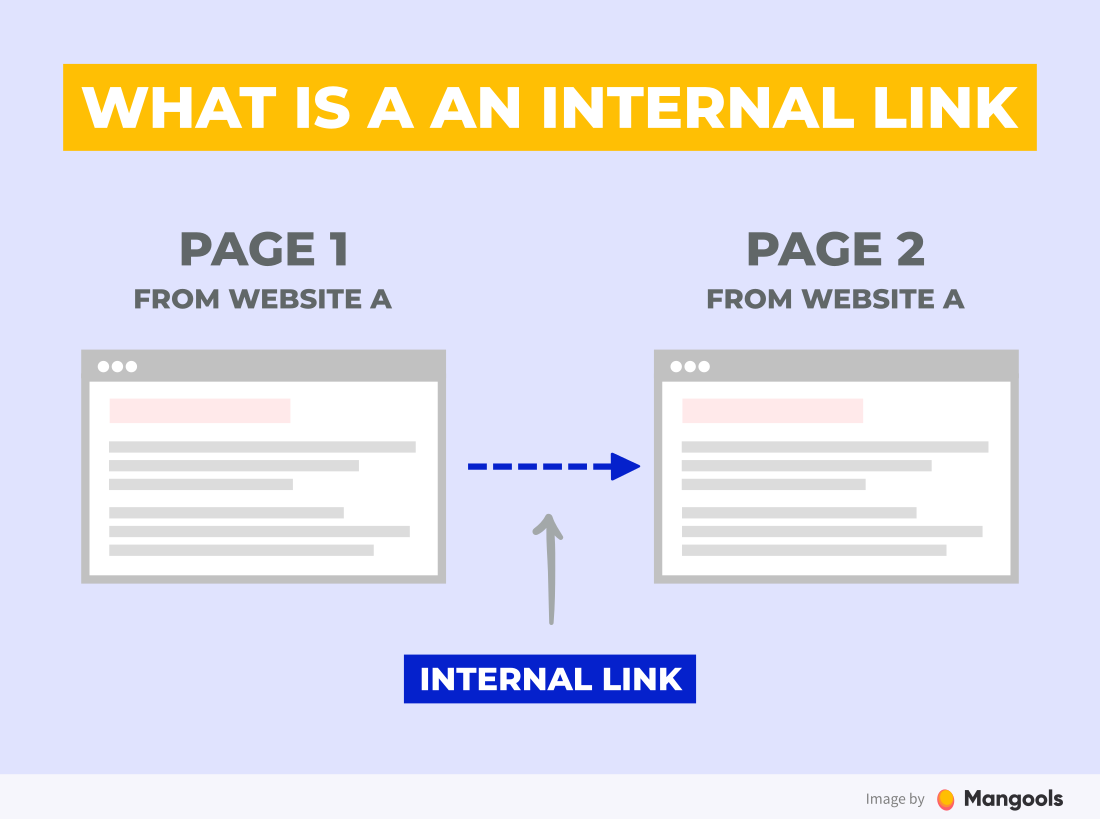
what-is-an-internal-link

One of the most significant SEO tactics is internal linking. It makes it easier for search bots to identify and evaluate your websites and allows human visitors to maneuver through your website, which improves retention and online experience.

Compile a list of similar content you already have for each new piece that could help you reinforce your thoughts or allow your viewers to investigate further. For example, if you already have an article about managing a monthly budget, linking it to another personal finance piece would be a sensible move.

Create high-quality content

The era of keyword stuffing helping you to rank well on Google’s first results page is pretty much gone. Nowadays, creative content is key, and if you want to reach your SEO objectives, you must publish high-quality entries.

The real concern now is how to continue producing high-quality content day after day. If you adopt the optimization concepts we outlined earlier, the process should be smoother, but there is still a bunch of work to be done. In essence, you should make sure that each piece helps your readers fix issues and is engaging overall.

All in all, if you want your site to show in search rankings and have more incoming traffic, you will need to ensure highly optimized material is published. Search engines don’t have enough data to effectively index and position your website pages if you don’t have enough proper content. So if you want your material to be seen online, have an SEO content plan in place.

Read More...

9 Reasons Why CRM Is Important for your Small Businesses

In today’s competitive business environment, it is extremely important for all businesses, whether big or small, to have the edge over their competitors. And this can only be done by providing your customers with a memorable and hassle-free experience that will force them to come back to do more business with you. Whether you are selling a product or any services, the kind of user experience you provide to your customers decides the success of your business. And this is especially true for small businesses. Unlike bigger brands that can rely on popularity, a loyal customer base, and high investments to attract more customers, small businesses only have a superior customer experience to rely on to succeed. This is why CRM (Customer Relationship Management) is important for small businesses.

CRM is software that enables small businesses to efficiently handle operational challenges that include tackling sales decline, maintaining high-client retention, creating a strong brand image, and aligning sales and targets. And if you are a small business owner, then having a CRM in place will provide several benefits.

Benefits of CRM for small business

The one thing that all customers look for while doing business is how delightful their experience is while interacting with you. In this competitive business world, it is important to capitalize on building a loyal customer base and improve customer engagement rate. And realizing the importance of CRM, most businesses are now implementing this software for their benefit.

Client management

Businesses deal with a large amount of data. Whether it’s customer’s contact information, past purchases, their buying patterns, handling purchases and returns, etc., there is a lot of information that is difficult to manage manually. This is where CRM for small businesses can help you get organized. CRM software helps in digging out information about past clients with just a click of a button, and you don’t have to depend on any single employee to keep track of it all. CRM software stores all this data in one place, and it can be accessed by anyone giving businesses more operational freedom.

Tracking the profits

Keeping track of the finances is a stressful job. And as your business grows, the task becomes even more challenging. But a CRM system can organize all the financial information and make it easily available when needed. From orders, payments, profits, and overall business expenditure can all be managed and accessed easily. This not only saves time but also minimizes errors.

Order tracking and useful data generation

One of the most significant benefits of a CRM system is that it provides useful insights into your sales process. Through this information, you can analyze which areas in your sales process need improvement, where the workflow is getting weaker depending on call drops or order attrition. This way, the CRM system can help any potential sales from dropping off by indicating the areas that need improvement.

Strategic planning

CRM software is capable of doing a lot more than what is perceived of it. And one of the biggest benefits of CRM software is that it provides insightful data about sale trends, customer behaviour predicts lulls and high-sale periods depending on various factors, and even provides details about customer demographics. Depending on all this important information available, businesses can then make sales and marketing campaign strategies to boost business.

Improve productivity

Research has shown that CRM software increases productivity by 34 percent, which is a great boost to any business. By providing useful data, customer behaviour, and other details, businesses can focus on what needs to be done at any given point in time rather than trying different strategies all at once. CRM software also automates a lot of time-consuming, mundane tasks resulting in faster delivery of services. Automation means that your team members have more time in hand to focus on other important areas.

Maintaining compliance

Compliance is one of the most important aspects of any business, and CRM software can make this tedious process very simple. There are several CRM solutions for small businesses that provide in-built compliance features that can be used to ensure that your business is well within the federal or state laws.

Better customer services

Today’s customers demand a quick and accurate response from businesses, which can be a huge challenge, especially if you are doing business in different time zones. But a CRM software can solve this issue as it can analyze complaints and queries and generate responses to them. It can also create reports on the problem areas that can be further handled by the team members.

Lead generation

 With CRM systems able to analyse customer demographics and buying patterns, businesses can convert this information into targeted lead generation. By utilizing the data available, businesses can target customers through direct or indirect marketing campaigns.

Increased customer retention

With quick, responsive, and targeted customer services, CRM software helps in creating a memorable experience for the clients. This helps in forming an increased customer retention rate, an area that businesses always stretch themselves to master.

So, it is clear that there are several benefits of CRM for small businesses. This software not only guarantees better services but also provides businesses with a chance to grow profusely. All you need is an efficient CRM software provider who can integrate all the right features that fulfil your business needs.


Read More...