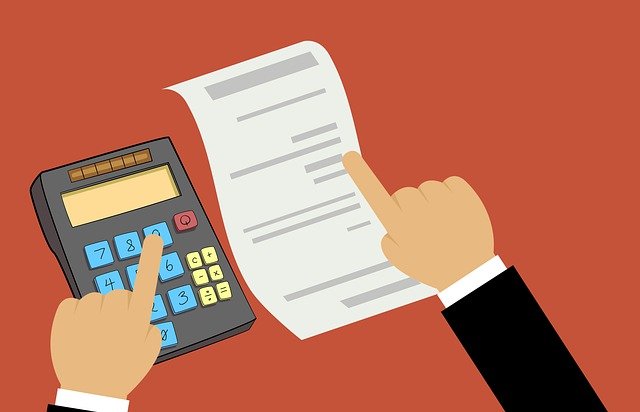
3 Top-Rated Budgeting Apps For Android Users

Whether you are managing a business or managing your own finances, saving money can be challenging. Saving money entails that you spend within your means and eliminate unnecessary expenses. Having more money saved up can help you achieve your long-term goals.

Start by downloading these free Android-friendly budgeting apps.

#1: YOU NEED A BUDGET

HIGHLIGHTS
a. Easily connects all your accounts in one place
b. Offers real-time updates
c. Creates an easy-to-visualize plan to help you get out of debt for good
d. Tracks the progress of your financial priorities
e. Has a chat support team that can assist you
f. Free for 34 days

As the name suggests, this app enables its users to create a budget using its easy-to-use interface. You will learn to prioritize certain expenses and find ways to save more money for unexpected costs. Its app and software work both for Windows and Mac computer as well as iOS and Android devices.

Available here.

#2: MINT

HIGHLIGHTS
a. Free app
b. Has an investment tracking system
c. Offers TransUnion credit scores
d. Gives payment reminders to avoid late fees
e. Lets you sync your financial accounts within the app
f. Showcases monthly bill tracking system

Mint is one of the most popular financial apps in the market. It stands out for a variety of reasons. Firstly, it is a free app that can help anyone looking that aims to improve their spending habits. The app is free, but you will be able to see product advertisements.

Secondly, Mint lets you sync your financial accounts within the app or manually add the transactions. This will enable you to keep track of your spending daily. Moreover, it has a monthly bill tracking system that includes payment reminders to avoid late fees. It also offers the ability to view your investments and check portfolio fees.

Available here.

#3: ZETA

HIGHLIGHTS
a. Free app and no fee for joint bank accounts
b. Exclusively designed for couples
c. Has in-app product recommendations
d. Features include early direct deposits, contactless payments, and bills payment

Image credits: unsplash.com

If you are looking for a budgeting app that you can use as a couple, search no further than the Zeta. This app caters to all types of couples including those who are living together or are new parents. You can sync several accounts to track spending, manage bills, and see your net worth. For instance, this app offers a free joint bank account to help you spend and pay bills together.

Available here.

Sources: 1 & 2

Read More...

Personal Debt Among Young Singaporeans Soars During Pandemic

Personal debt among young Singaporeans have been rising during the COVID-19 pandemic and the situation could turn sour once the interest rates start to rise.

Recent Credit Bureau Singapore data showed that people in their twenties have been taking on increasing amounts of other debt since the second quarter of 2020. The data manifested that the average personal loans and overdraft balances for those under 30 elevated by about 23% in the first quarter of this year over the last three months of 2020.

To illustrate, the average personal loan and overdraft balances for borrowers aged 21 to 29 increased to S$49,689 in the first quarter of this year. This is about 42% higher than the average of S$34,941 in the first quarter of last year.

It is important to note that the borrowing limits in Singapore were capped in 2015 to help keep unsecured debt in check. Experts say that the higher debts observed recently could have been fueled by the low interest rates among other factors.

RISE OF UNEMPLOYMENT

Last March, the unemployment rate among residents below the age of 30 was 6.4 per cent. Unemployment and lower earnings could be the reasons why young adults take personal loans and overdrafts. They try to borrow their way out of the crisis.

“If it is due to youth unemployment, it is often transitory. And the Government already has the SGUnited Traineeships programme and other relief to help young people and help small firms hire young people.” – Singapore Management University’s Associate Professor of Finance, Mr. Song Changcheng

LACK OF PERMANENT JOB

Ms. Selena Ling, OCBC Bank Chief Economist, said that the impact from rising personal debt among younger people will depend on when things turn around in terms of their professional life.

She added: “If subsequently they can find permanent jobs, then they can pay off the debts. But if the duration is extended, then loan delinquency or default rates may rise.”

MANAGING YOUR DEBTS

Awareness of your overall debts and assets is the first step. Include every document, billing statements, loans, and mortgages you have. Take immediate action when you notice that your debts are getting harder to manage.

After seeing the bigger picture, it is time for you to reduce your expenses. Cut down unnecessary expenses such as designer bags or artisan coffee runs. Add the minimum payments of your debts and the cost of your necessities to your monthly budget. To aid your realistic budget, you may sell your unused or underused items online.

Image credits: unsplash.com

Lastly, you can seek professional help. Start by seeking help from your family and friends. Then, consider hiring a professional to reduce your interest rates and penalties at forgiving timeframe.

Source: 1

Read More...

Your Ultimate Guide To Financial Literacy: What It Is & How To Improve It

DEFINITION

Financial literacy is the ability to understand and efficiently use various financial skills including financial management, investing, and budgeting. Financially literate consumers not only manage their money with confidence, but also have a better chance of handling the inevitable ups and downs of their financial lives.

It is the foundation of your relationship with money, which enables you to create a lifelong journey of learning. It will help you understand how to prevent and manage financial issues as they arise. The earlier you start, the better off you will be.

On that note, here are the advantages of financial literacy.

UNDERSTAND HOW MUCH YOU SPEND & EARN

When cultivating financial literacy, establishing a budget can give you a clear understanding of your expenses and income. Once you have a budget in place, you will be able to track your spending and revisit your spending plan regularly. With the variety of budgeting methods such as 50/30/20 plan, you can choose one that suits you best.

PAY OFF & AVOID DEBTS

Searching for the lowest interest rates when comparing loan terms can help you save a substantial amount of money over time. If you already have debt, financial literacy can help you select the best methods to eliminate your debt. You can pay off your credit card balances each month, so you do not get trapped by the interest charges. You can look for a credible expert such as a credit counselor if necessary.

WORK TOWARDS FINANCIAL SECURITY

Saving for retirement will enable you to secure your future. As you become more financially literate, you will be able to examine how much you need to save to obtain your retirement plan. You will be able to carve your action plan too.

WAYS TO BOOST YOUR FINANCIAL LITERACY

1. SET A BUDGET

Track your earnings and expenses each month by using an Excel Spreadsheet, a ledger, or a budgeting application. Your budget should include your incomes (e.g., investments and paychecks), fixed expenses (e.g., rent and utilities), variable expenses (e.g., shopping and travel), and your savings.

2. PAY YOUR BILLS ON TIME

Stay on top of your monthly bills by making sure that payments arrive on time. Consider taking advantage of automatic payments or signing-up for payment reminders (i.e., by email, SMS, or phone call).

Image Credits: unsplash.com

3. BUILD YOUR SAVINGS

Building your savings will help you reach your financial goals. Decide how much you want to contribute each month and stick to it.

4. CHECK YOUR CREDIT SCORE

You can request your credit report from Singapore’s credit bureaus. Companies assess your creditworthiness by looking at the credit score. Having a good credit score has its perks such as helping you obtain the best interest rates on loans and credit cards.

5. MANAGE YOUR DEBTS

Utilize your budget to manage your debt. You can devise a plan to reduce your monthly spending and increase your monthly repayment. Develop a debt-reduction plan such as paying for the loan with the highest interest rate first. If your debt is excessive and overwhelming, you can contact lenders to re-negotiate repayment or find a debt-counselling program.

Sources: 1 & 2

Read More...

How To Manage Your Money In Your 30s

As you enter your thirties, your focus is geared towards saving money and meeting your financial obligations. This is the time to figure out the future you want to have to lay its groundwork.

On that note, let this article give you an idea on some of the financial goals that you need to set when you are in your 30s.

#1: REVISIT YOUR BUDGET

Are you still following the same budget you set in your 20s? If so, it is time for an upgrade. Your responsibilities and financial capacities evolve as time passes. Food, housing, childcare, and medical expenses will require a different type of budgetary attention as you enter your 30s. Examine your current budget and make necessary changes.

#2: GROW YOUR EMERGENCY FUND

If you are still on the fence on whether you should start an emergency fund or not, just think about the uncertainties brought by the pandemic. It is a concrete example of why people need to have a cushion for unforeseen events.

Most financial experts recommend having a savings that will cover your expenses for a minimum of 6 months. However, this amount varies per person. Adults with dependents need to consider putting more money in their emergency fund. The more funds you put aside, the more money you can use for unexpected expenses.

#3: GET INSURANCE

Due to the many demands brought by your professional and personal life, prioritizing your health is vital in your thirties. Having health and life insurance plans will not only be beneficial for you, but also for your family. You see, insurance premiums increase as you age. It is cheaper to get an insurance plan now. Shop around for the best insurance plans that suit your needs and your budget.

#4: PAY OFF DEBTS

While you are building an emergency fund and revisiting your current budget, identify how much debt you still have. Debts can negatively impact your financial health and your ability to accomplish your long-term goals. Why not start paying off your debts? The sooner you can reduce or eliminate debts, the sooner you can focus on turning your dreams to reality.

#5: THINK ABOUT YOUR RETIREMENT PLAN

Although you are decades away from retirement, thinking about your retirement plan will help you to allocate your retirement funds. Whether your employer has a company retirement plan or not, it is a good idea to think about what you want to do once you stop working.

Image Credits: unsplash.com

How much you need to save for your retirement will rely on the kind of lifestyle you want to have when you retire. Fortunately for you, there are many financial resources online. Do your research!

Read More...

4 Challenges of Budgeting in 2021

Stating that “2020 has been a tough year” is an understatement. Words cannot describe how much we have been affected by the past year. I, for one, was tasked to let go of employees due to financial constraints. It was not easy! It was one of the hardest decisions that I had to tackle because I have seen these people grow. Moreover, I felt responsible for their well-beings too. However, downsizing was essential for the company to survive.

Our stories may vary, but one thing remains the same. We have all endured the physical, mental, and financial toll that came with the pandemic. As we adapt to the “new normal”, we come to realize how challenging it is to keep a budget. You not only have to fight the urge of spending money, but you also must follow the budget despite unforeseen hurdles.

On that note, here are some of the common challenges that you may experience as you establish your budget.

#1: HIGH COST OF LIVING IN SINGAPORE

The cost of living in Singapore is one of the external factors that you have consider when making your budget. According to the Economist Intelligence Unit’s Worldwide Cost of Living (WCOL) survey conducted in 2020, Singapore ranked fourth in the global list of the most expensive cities. The WCOL is a bi-annual survey that compares more than 400 individual prices across 138 products and services in over 130 cities worldwide. Zurich, Paris, and Hong Kong preceded Singapore.

Whether you are a young working adult or a foreign migrant worker, you must set a realistic amount for your spending each month. Take each financial category into consideration. For instance, you should have at least S$700 to S$1,500 a month if you are renting a space. If you are eligible to purchase an HDB property, you should set aside at least S$1,500 to S$3,000 a month. Your daily expenses and your overall lifestyle may change to fit your budget.

#2: LABOR-INTENSIVE TRACKING SYSTEM

Many people are afraid of establishing a budget due to the labor-intensive tracking system. Tracking your spending and income may seem like a chore at first, but you will be more comfortable as time passes. Start by tracking your receipts and other spending through a notebook or a spreadsheet. The rise of apps paved way for computer programs that are dedicated to tracking your spending. Find an app that works for you!

Being diligent with noting down your expenses takes practice. If you forget to write down important receipts, inaccuracies in your budget may occur. You may notice that your savings account depleted without knowing where your money went.

#3: DIFFERENCES IN CASH FLOW MANAGEMENT

The means of getting your income can affect your budget. What is the frequency of your paycheck? The first company I worked for paid us every end of the month. In contrast, the last company I worked for paid its employees every two weeks. Getting your paycheck once a month can entail different issues.

For some people, they experience stress as they wait for the next paycheck to come. It is hard for them to make ends meet because they see their money disappear in the first two weeks alone. These scenarios highlight an issue of cash flow management.

Waiting for your next paycheck can cause stress and anxiety. If you are paid once a month, consider dividing your income per week. Allocate enough money for the remaining weeks by keeping them in your savings account. Doing this will enable you to create a system that resembles being paid on a weekly basis.

#4: EXPENSES EXCEED INCOME

Many families have been painfully affected with job loss, reduced income, and prolonged unemployment in the past year. Recovery takes time. However, our bills remain the same. The effects of pandemic and the limitations in our income will greatly affect how we budget our money in the year 2021.

Image Credits: pixabay.com

As I leave my full-time job this month, I will need to take serious lifestyle changes at heart. The first step is to eliminate all unnecessary spending. It is important to focus on the necessary expenses such as rent, food, healthcare, and transportation. The next step is to carefully track my expenses with budgeting tools. Lastly, it is important to become flexible when it comes to budgeting and to adjust my spending depending on my needs and income streams.

Cutting down one’s expenses is a sensible solution for the time being. Finding a permanent solution to this…is the challenge.

Sources: 1, 2, & 3

Read More...