7 Practical Ways To Cut Electricity Costs In A Singapore Office Rental

Electricity is one of the most controllable overheads in a Singapore office rental, yet many businesses only react after bills climb.

If you want to know how save on electricity in Singapore office rental, the answer is rarely one big change. It usually comes from a series of practical improvements: understanding usage patterns, tightening air-conditioning controls, reducing standby power, choosing better equipment, and reviewing whether your current office setup still makes financial sense.

In Singapore’s climate, cooling loads, lighting hours, office equipment, and pantry appliances can all add up quickly. And because rental arrangements vary, some savings depend on what your lease allows you to change. This guide walks you through seven realistic ways to lower electricity costs without undermining staff comfort or daily productivity.

1. Understand Your Office’s Electricity Use Before Making Changes

If you want to know how save on electricity in Singapore office rental, start with measurement. You can’t manage what you don’t understand. Before investing in upgrades or changing workplace policies, review where your office actually uses power and when usage spikes.

Consumption Patterns To Track In A Singapore Office

Begin with your electricity bills and, if available, half-hourly or interval usage data from your provider. Look for patterns such as:

  • Peak operating hours: When does consumption rise most sharply?
  • After-hours usage: Is power still being used heavily after staff leave?
  • Weekday versus weekend demand: This helps identify systems left running unnecessarily.
  • Seasonal fluctuations: In Singapore, hotter periods can push air-conditioning demand up.

A simple internal audit can also help. Track key loads for two to four weeks and compare them against occupancy. If your office is half full on certain days but energy use barely drops, that points to poor controls rather than unavoidable demand.

Common High-Usage Areas In Rented Workspaces

In most rented offices, the highest electricity use comes from a short list of systems:

  1. Air-conditioning
  2. Lighting
  3. Desktop setups, monitors, and servers
  4. Pantry appliances such as fridges, microwaves, and water dispensers
  5. Printers and shared devices

Pay close attention to meeting rooms, pantry zones, and underused corners of the office. These often stay cooled and lit even when empty. A rented workspace can hide inefficiencies because tenants tend to focus on rent first and utilities second. But in practice, electricity waste can quietly erode your monthly budget.

2. Optimise Air-Conditioning For Singapore’s Climate

In Singapore, air-conditioning is usually the biggest driver of office electricity consumption. Even small adjustments can produce noticeable savings, especially when applied consistently across the whole workplace.

Temperature, Timing, And Zoning Tweaks That Reduce Waste

Set temperatures sensibly. Extremely cold office settings do not improve productivity, but they do increase energy use. For many workplaces, a moderate setting with steady airflow is more efficient than overcooling the entire office.

Focus on three core controls:

  • Temperature settings: Avoid setting the thermostat lower than necessary.
  • Operating hours: Switch cooling on closer to office start time rather than far in advance.
  • Zoning: Cool only occupied sections where possible.

If your office layout allows it, separate high-occupancy zones from low-use areas. Meeting rooms, for example, should not be cooled for long periods when not booked. Similarly, storerooms and back-office spaces usually do not need the same cooling level as client-facing areas.

Maintenance Checks Landlords And Tenants Should Clarify

A surprising amount of waste comes from poor maintenance rather than poor intent. Dirty filters, leaking ducts, blocked vents, and ageing controls can force the system to work harder than necessary.

Clarify these points with your landlord or building manager:

  • Who is responsible for routine servicing?
  • How often are filters cleaned or replaced?
  • Are thermostats calibrated properly?
  • Can you request zoning or timing adjustments?
  • Is there a record of recent maintenance issues?

If you are in a multi-tenant building, some HVAC settings may be centralised. In that case, your savings will depend partly on negotiation and building management cooperation. That makes lease clarity important, not just equipment efficiency.

3. Upgrade Lighting And Office Equipment To More Efficient Options

The next major opportunity is equipment efficiency. In a Singapore office rental, lighting and office devices may not seem expensive one by one, but together they create a constant base load throughout the workday.

LEDs, Sensors, And Energy-Efficient Appliances

If your office still uses older lighting, switching to LEDs is usually one of the fastest wins. LEDs consume less electricity, last longer, and reduce maintenance disruption.

You can improve further with:

  • Motion sensors in meeting rooms, washrooms, and storerooms
  • Daylight sensors near windows
  • Energy-efficient monitors and laptops
  • Efficient pantry appliances with better power ratings

Appliance choice matters more than many teams expect. An old fridge running 24/7 or a cluster of outdated desktop machines can quietly add a meaningful amount to your bill over time.

What To Prioritise In A Leased Office Fit-Out

In a leased office, you may not want to invest heavily in permanent changes unless the payback period is short. Prioritise upgrades that are:

  • Low-cost to install
  • Portable or reusable in your next office
  • Likely to reduce bills within your lease term

Good examples include LED desk lighting, sensor-based controls, smart plugs, efficient monitors, and shared multifunction devices instead of multiple underused machines.

If your landlord controls the ceiling lighting or central systems, propose changes supported by cost logic. A short payback case is often more persuasive than a general sustainability request.

4. Reduce Idle Power From Computers, Pantry Appliances, And Standby Devices

Many offices waste electricity not during active work, but during idle hours. Devices left on overnight, chargers plugged in continuously, and pantry equipment running unnecessarily can all inflate costs.

Simple Power Management Habits For Staff

Create basic expectations for end-of-day shutdowns. Staff do not need complicated rules. They need a short, consistent routine.

For example, ask your team to:

  • Shut down monitors and desktops before leaving
  • Unplug personal chargers when not in use
  • Switch off meeting room screens after use
  • Avoid keeping small appliances on all day unnecessarily
  • Report equipment that seems hot, noisy, or inefficient

These habits work best when managers follow them too. If leadership ignores the policy, staff usually will as well.

Power Strips And Shut-Down Policies That Make A Difference

Smart power strips or master switch extensions can simplify shutdowns for clusters of devices. They are especially useful for:

  • Workstations with multiple peripherals
  • Shared printer stations
  • Pantry counters with several plug-in appliances
  • Meeting room AV setups

Pair hardware with a written shut-down policy. Keep it practical, not bureaucratic. One checklist near exits or shared areas often works better than a long operations memo.

You should also identify devices that genuinely need to stay on, such as servers, security systems, or certain network equipment. The goal is not blanket shutdowns. It is targeted control.

5. Review Whether To Change To Electricity Retailer For A Better Plan

Operational efficiency is only one side of the equation. If you have the flexibility, it may also be worth reviewing whether to change to electricity retailer for a plan that better matches your office usage profile.

How To Compare Contract Terms, Tariffs, And Usage Fit

When evaluating whether to change to electricity retailer, do not look only at headline discounts. You should compare:

  • Contract length
  • Fixed charges and fees
  • Tariff structure
  • Penalty clauses for early termination
  • Billing transparency
  • Whether the plan suits your actual usage pattern

A lower advertised rate does not always mean a lower total bill. If your business may relocate, downsize, or move to serviced office within the contract period, flexibility matters.

When A Fixed-Price Or Discount-Off-Tariff Plan Makes Sense

A fixed-price plan can make sense if you want budgeting certainty and prefer protection from market swings. This is useful for businesses with stable occupancy and predictable operating hours.

A discount-off-tariff plan may suit you if you want potential savings tied to prevailing tariff movements and can tolerate some variation in monthly costs.

Before you change to electricity retailer, review at least the last 12 months of bills. That gives you a more realistic basis for deciding which structure fits your office. The best plan is not the one that sounds cheapest. It is the one that aligns with how your business actually uses electricity.

6. Decide If It’s Time To Move To Serviced Office Instead

Sometimes the most effective answer to how save on electricity in Singapore office rental is not another efficiency tweak. It is rethinking the office model altogether. In some cases, it may be smarter to move to serviced office rather than continue absorbing utility volatility, maintenance issues, and fit-out inefficiencies in a conventional lease.

When An All-Inclusive Rental Can Lower Overall Operating Costs

If your current office has high cooling loads, inefficient systems, or low space utilisation, an all-inclusive arrangement may lower your total monthly outlay even if the headline rent looks higher.

A move to serviced office can reduce or eliminate separate spending on:

  • Electricity and air-conditioning management
  • Pantry setup and appliance costs
  • Office reception and shared facilities
  • Maintenance coordination
  • Upfront fit-out expenditure

This matters particularly for smaller teams, hybrid businesses, and companies in growth or transition phases. Instead of paying for underused square footage plus utilities, you pay for a more packaged operating setup.

According to a guide dated 16 March 2026 by CoWorkSpace on cutting costs with serviced offices, businesses can save significantly by avoiding long-term traditional leases.

Questions To Ask Before You Move To Serviced Office

Before you move to serviced office, ask clear commercial and operational questions:

  • Is electricity fully included in the licence fee?
  • Are there caps on after-hours air-conditioning?
  • What shared facilities are included?
  • Can the office scale up or down easily?
  • Are meeting rooms charged separately?
  • What is the minimum commitment period?

Do not assess only the monthly rental figure. Compare the full cost stack: utilities, maintenance, furniture, admin support, internet, pantry services, and flexibility. In some situations, a serviced office is not merely more convenient. It is genuinely more cost-efficient.

7. Build Everyday Energy-Saving Habits Into Office Operations

Long-term savings depend on routine. Even the best equipment and electricity plan will underperform if daily behaviours stay wasteful.

Staff Policies That Support Lower Bills Without Hurting Comfort

Your policy should be simple, fair, and easy to follow. Focus on behaviours that cut waste without making the office uncomfortable.

Useful examples include:

  • Switching off lights in unused rooms
  • Keeping doors closed in air-conditioned spaces
  • Reporting overly cold zones instead of lowering temperatures elsewhere
  • Using laptops instead of high-energy setups where suitable
  • Scheduling team presence in a way that reduces unnecessary cooling of empty areas

Position these as operational standards, not punishment measures. People respond better when they understand the cost and comfort trade-off.

Low-Cost Wins Such As Audits, Signage, And Usage Reviews

Not every improvement requires capital spending. Some of the best low-cost actions include:

  • Quarterly mini-audits of lighting, cooling, and plug loads
  • Simple signage near switches, thermostats, and pantry points
  • Monthly bill reviews to spot unusual increases early
  • Department-level accountability for after-hours usage
  • Periodic equipment reviews to retire inefficient devices

You do not need an elaborate energy programme to make progress. A disciplined review cycle and a few visible reminders can keep savings from slipping away after the initial push.

Conclusion

If you are trying to work out how save on electricity in Singapore office rental, focus on the areas that move the needle most: measure usage first, optimise air-conditioning, upgrade inefficient lighting and equipment, cut idle power, and review whether to change to electricity retailer for a better-fit plan. Then step back and ask the bigger question: does your current office model still make financial sense, or is it time to move to serviced office for a more predictable cost structure?

The strongest results usually come from combining operational discipline with commercial review. In other words, reduce waste inside the office while also making sure your rental and utility arrangements still suit your business. Done properly, that approach can lower bills without compromising comfort, productivity, or professionalism.

Key Takeaways

  • Understanding your office’s electricity usage patterns is essential to effectively save on electricity in your Singapore office rental.
  • Optimising air-conditioning settings and maintenance can significantly reduce electricity costs without sacrificing staff comfort.
  • Upgrading to energy-efficient lighting such as LEDs and appliances lowers consumption and offers quick returns, especially in leased offices.
  • Implementing power-down policies and using smart power strips help eliminate unnecessary electricity use from standby devices and office equipment.
  • Reviewing and potentially switching electricity retailers can provide cost savings when matched to your actual office usage patterns.
  • Consider moving to a serviced office if it offers a more predictable and inclusive electricity cost structure suited to your business needs.
 

Read More...

Try these lesser-known co-working spaces for a change of environment

The Great Room co-working space

Though the authorities announced the easing of the work-from-home arrangement in December last year and up to 50% of employees who can work from home will be allowed to return to the office, the other half of us are still stuck with the default.

It’s not a bad idea to wake up late, not having to squeeze with a bunch of people on buses and trains, and drawing up reports in one’s favorite PJs. But too much of something is never too good. If you agree and need a change of environment, try these lesser-known co-working spaces that are ever-ready to welcome you to their premises.

Mox

Mox at Oxley

Location: *SCAPE, The Rise @ Oxley, and Assemblage @ 362 Holland

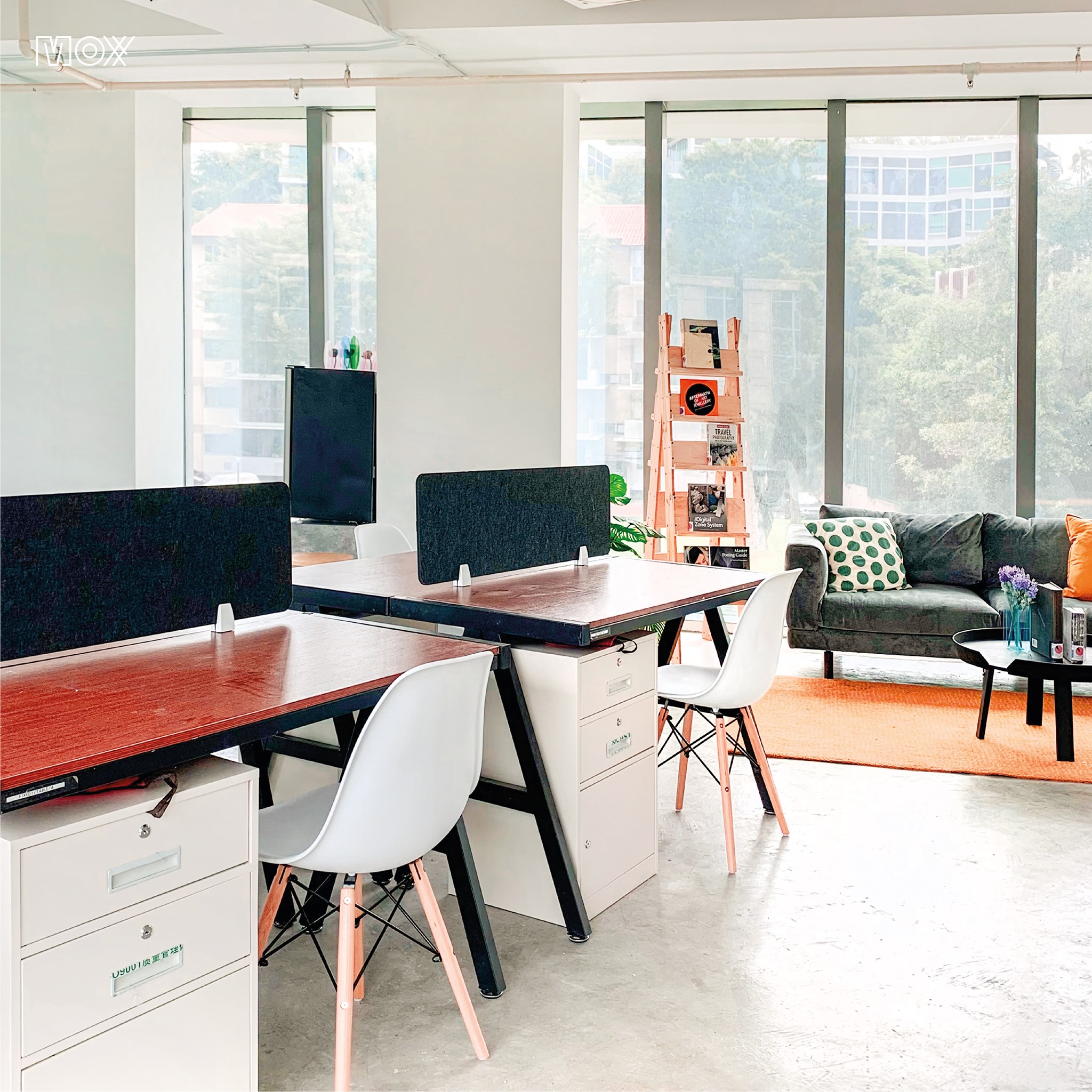
Mox is a collaborative workspace and network for creative people to meet, engage, exchange, and invent. The diversity of events, work areas, social spaces, and folks in Mox help creatives develop and produce excellent works, whether they are enthusiasts, creative-preneurs, or established businesses.

The name derives from the word “moxie,” which denotes bravery, boldness, and audaciousness. It was created by the same folks that developed Artbox Singapore. The team thinks that their community demonstrates the guts to be unconventional and their shared spaces can physically connect people and allow individuals to produce extraordinary results via immersive experiences. Want to learn more about Mox and how having a creative workstation can help you succeed? They would be delighted to tour you around.

The Co.

The Co.

Location: 99 Duxton Road, #02-00, Singapore 089543

The Co. is a community-run facility for the public. It’s a refreshing take on the neighborhood community center, and its mission is to bring people from all walks of life together in a welcoming and supportive environment while instilling new viewpoints via art, wellbeing, food, and beverages.

The community, which is housed in a heritage shophouse in the core of the culturally fascinating Duxton neighborhood, creates, curates, and hosts contextual, betterment, and social programs. They provide individual workplaces and a friendly and suitable shared work atmosphere with passionate hearts and brilliant minds, as well as being a communal area for your unique functions.

Found8


View this post on Instagram


A post shared by Found8 (@found8sg)

Location: Amoy, Tanjong Pagar, and High Street Centre

Found8’s private offices are completely customizable, allowing you and your staff to work in an environment that satisfactorily suits you. Simply submit a request, and the team will do all the necessary to make your dream office a reality to the best of their abilities.

There are also choices for hot desks and dedicated workstations that are versatile and tailored to your working style. It provides opportunities to chat with fellow entrepreneurs across all of their center areas. Who knows you might find yourself sitting next to a prospective business partner or valuable investor the next time you’re clocking in at Found8? You can also engage with the community by attending periodic member-only events, which feature fascinating topics that are conducted on a rotating basis across their co-working spaces.

Trehaus


View this post on Instagram


A post shared by Trehaus (@trehausco)

Location: Trehaus @ City Hall, 109 North Bridge Road, #07-21 to #07-33, Singapore 179097 (via Lift Lobby A)

In this contemporary village, you won’t ever have to face a dilemma between work and family. Whether it’s a seat you can readily plug into a few afternoons a week or a room to get work meetings done, Trehaus Business Club could very well be the ideal space for you. It was founded by working parents who desire to concentrate on their careers without forsaking their families.

The brand is Singapore’s first flexible office with an adjacent preschool operated by kind and supportive caretakers, allowing you to work in peace while your child is tended to only steps away. And when your infant is ready for kindergarten, Trehaus School, which is located next door, will provide them with an elite education syllabus you can trust.​

Gather Cowork

Gather Cowork

Location: 22 Martin Road, Level 3, Singapore 239058

Gather Cowork is a present-day coworking site that provides a variety of workplace alternatives, from S$750/month fixed desks with a view to S$900/month customizable and fully-furnished private offices, and meeting spaces for seminars, networking opportunities, and community engagements. There are also a variety of business services available.

The team strives to develop a tribe of like-minded folks that bring continual enthusiasm to their work tasks every day. They are located near the Central Business District (CBD) and are surrounded by a variety of fitness and lifestyle enterprises. Time to gather if you want to flourish together as a community at Gather Cowork. Did we mention that they are pet-friendly too?

The Great Room

The Great Room Singapore

Location: Afro Asia, Raffles Arcade, Ngee Ann City, Centennial Tower, and One George Street

The Great Room was founded in 2016 to revolutionize the way people want to work, socialize, and exchange ideas. It’s a space that’s perfect for serious conversations, deep reflection, and thorough research, but it’s also great for mingling and socializing. Trust us when we say it’s a fantastic place for both work and pleasure.

The team recognizes that a diverse workforce has a wide variety of demands and that meeting those needs necessitates flexibility. Their dedicated office solution is ideal for both established businesses and startup companies looking for a place to call home for the short or long term. The new age self-starters will be able to swiftly link up with the finest and brightest thanks to their well-structured common spaces. Each venue is sited in a bustling neighborhood in the heart of the city for the convenience you need.

Read More...

Work or study in a private booth at SAFRA Jurong; free one-time entry for first-time users

Work from anywhere, for you and your team at SAFRA Jurong

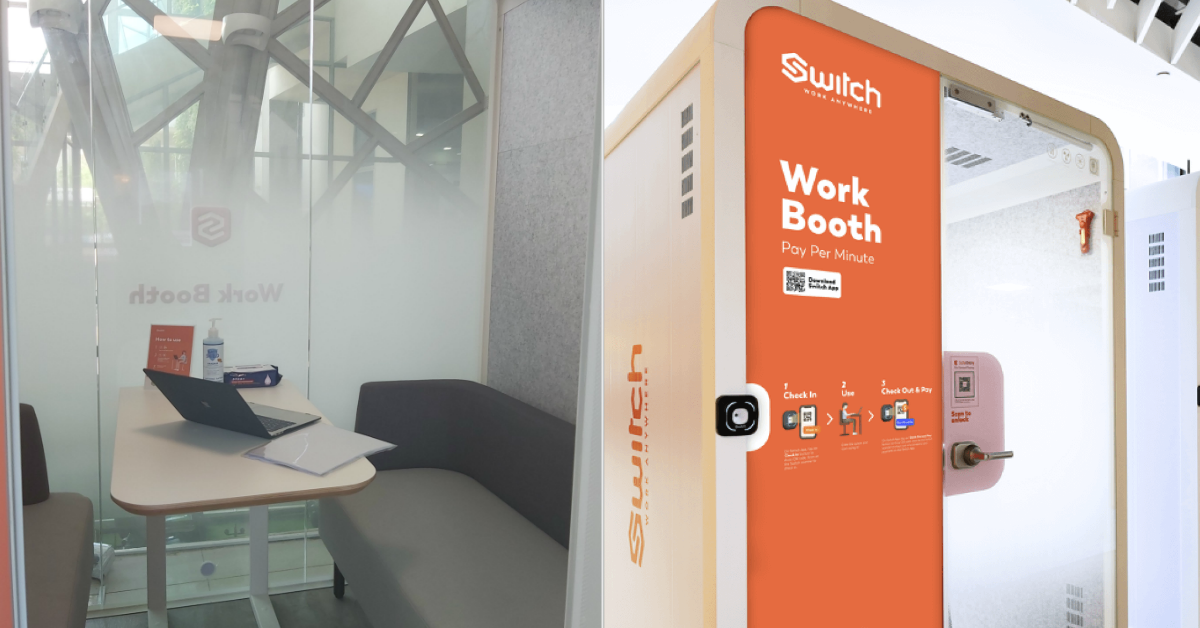
The world’s first on-demand platform for workspace, Switch, has arrived at SAFRA Jurong.

Switch is your key to unlocking workspaces wherever and whenever you need it so you can be productive anytime, anywhere. Find your preferred workspace using the Switch mobile app—from a co-working space to a private booth and pay only for the time used, be it for just a minute or an hour!

Two new private work booths have arrived in SAFRA Jurong and these are the first of its kind in SAFRA! Now you can conveniently work in the club for an hour to a whole day. Each booth comes with a work table, sitting for four pax, WiFi, Bluetooth speakers, lights, power point and privacy screen.

If you have yet to try the new work booth, click here to receive an e-voucher that entitles you to a one-time free entry (valid for maximum 75 minutes) to the SAFRA Jurong’s Switch booth!

Terms & Conditions

  • Promotion is valid till 30 June 2021 or while stocks last.
  • One mobile number can only redeem one Switch Free Trial, while stocks last.
  • Usage is only valid on the day of redemption.
  • Switch will not reissue a new QR code for any unused redemption.
  • Free Trial is not exchangeable for cash and non-refundable and/or non-exchangeable in the event of loss, theft or damage.
  • Free Trial is valid for use for a single entry and will expire when you leave the Switch space.
  • No re-entry will be allowed.
  • Free Trial is not valid with other promotions.
  • Free Trial can only be used at SAFRA Jurong during operating hours.
  • Free Trial used at booths is only valid for maximum 75 mins.
  • Switch reserves the right to vary and amend these terms and conditions at any time without prior notice.
  • SAFRA is not an agent of the merchant. Any dispute regarding the quality or service standard must be resolved directly with the respective merchants. SAFRA will not assume any liability or responsibility for the acts of the merchants or any defects in products or services offered in the promotion.

Email: [email protected]

Read More...

Co-working Spaces under $50 per day in Singapore

Co-working has inevitably become a part of the modern industry since way back in 2011, when it little by little, started to get known in Singapore. With the steadfast everyday call of financial liabilities, business-minded folks often seek for workstations that are not only flexible but also affordable. Here are some must-try co-working spaces with rates under $50/ day in Singapore.

THE HIVE

With a day pass of $30, The Hive, located on the corner of New Bridge Road and Hong Kong Street, allows access to desks, lounge seats and a rooftop café where events and talks are hosted and network opportunities are made possible. This converted four floors of shophouses is best known for its natural lighting and custom-made furniture. What’s even great is their “Hive Passport” that permits free access to other Hive branches situated in Bangkok and Hong Kong.

THE CO

Work is granted easier when provided with best amenities. An eight-story building at High Street Location hits this aim. This is known as The Co, a workspace which boasts its high-end meeting rooms, private offices, board venues, breakout spaces, and terrace working areas. Leisure services are even part of the bundle such as a cafeteria, pool, restaurant, pool tables, eateries and more. All of these that you can enjoy when you avail an individual desk which can go for $45 a day.

MOX

Mox is more than a co-working space. It’s as well called as a co-making space, intended more for creative entrepreneurs. This four-story building in Katong houses Singapore’s first and largest independent design resource workspace. As aimed by Kent Teo and Kishore Buxani, the minds behind its launching, Mox is to provide a proper space for the creative community. The three floors of Katong Point with 40,000 sq. ft. are filled with specialized rooms and equipment, co-working spaces and an “experiential retailing space”, which makes it a literal mall. Some great features include 3D printing room, premium software-equipped iMac kiosks, woodworking studio, sewing room, ready to use photography studio, café with DJ booth and more. Rates are affordable with $30 offer for a day pass.

PAPERWORK

If you’re part of the growing creative community, worry no more because here’s another budget-friendly workspace to tap on. Having a 3,500 sq. ft. area, Paperwork is a business hive and a designers’ hub at the National Design Centre that can accommodate 60 individuals. This co-working space is a co-creation venue opened by design collective Paperspace, which has branches overseas namely, Thailand and Philippines. Moveable partitions and modular furniture are brilliantly made accessible and flexible so to cater events, hold group gatherings and create individual capsules. Conferences are now extra-modern with their high-spec presentation and web video conferencing facilities. Explore and collaborate in this inventive workplace with just $40 for a day pass.

SMARTSPACE

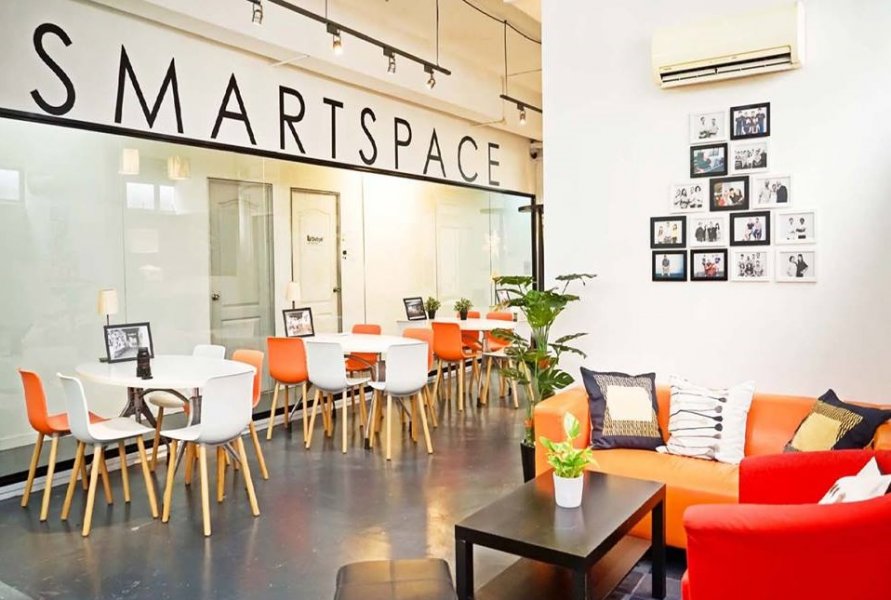
Working late at night is not anymore a problem. Smartspace is an 8,000 sq. ft. a dynamic apartment-like modernized workplace that is 24/7 available. Inside this white-walled co-working space are private meeting rooams, convenient work stations, privy desks, and accessible office essentials, magnificently provided for a user-friendly work stay. A table tennis area and a galley are also available to make your $30 day pass worth it.

WORKHOUSE

Workhouse is a heritage shophouse in Little India which offers a day rate of $40 for a limited access. It brags its Brooklyn vibes with an industrial stylish design. Amenities comprise of open layout offering offices, convenient meeting rooms, secluded conference rooms, full pantry, customizable work areas with storage, 24/7 availability, fiber optic Internet and an outdoor working terrace. Workhouse also accepts rentals for meeting room, conference room and event venue for certain occasions at a reasonable price. Members and interested non-members are even entitled to partake in their monthly social undertakings to empower networking and discussions.

Did one of these co-working spaces satisfy your workplace checklist? An early bird catches the worm as they say. Move now and make things happen.

Read More...

The Financial Benefits Of Using A Coworking Space In Singapore

Singapore is primed to be the leading financial centre in the world, even getting close enough to compete with Hong Kong, New York, and London. A long-standing favourite of business, Singapore’s government policy is why the country has done so well in the last few years. Another reason the country is attractive to business is that its infrastructure makes navigating the country feasible.

For businesses looking for office space, this infrastructure has made finding appropriate, affordable space easier. The coworking craze, for example, is one office space solution that has made it much easier to lease space on a dime. In addition to the budget, businesses gain many financial advantages from renting a coworking space in Singapore.

Let’s take a closer look at all the financial benefits to be reaped from utilising coworking spaces.

Lower Overheads

One of the most immediate financial advantages to coworking is that it drastically reduces the amount that businesses pay out on overheads every month. Typically, with most conventional leases, businesses have to pay for rent and then they also have to pay for utilities and amenities. After adding in furniture, businesses eat up their entire budget easily.

Plus, in Singapore’s more popular areas, the cost of leasing office space is expensive. Through the coworking space, renters get desk space with all of the amenities included. Businesses not sure whether they will remain in the area, or start-ups, really benefit from not having to shoulder a lot of costs every month. This affordability lends itself to giving businesses flexibility in deciding when and where they want to do business.

Access To Community

Businesses do not rent a coworking space. They join them. Another major financial benefit relates to the community that is in place once joining. Simply put, this office format encompasses more than just using space for work. Instead, a lot of professionals find that their coworking space doubles as a place to network.

As opposed to signing up for, and paying for, networking events, professionals can build relationships from within the community. Furthermore, some of the better coworking spaces focus on building relationships by hosting social functions that galvanise the community while providing opportunities for professionals to connect on a lighter note. In terms of money spent, if you already belong to the coworking space, these events do not cost a lot or are often free.

Manoeuvrability

The great cost-saving quality of coworking is that it allows you to research and test other markets at a much lower cost. In terms of renting space on daily basis, you could essentially work from more than one office while trying to see whether a new area works for your business. As opposed to having to spend an ungodly amount of money to set up in a new location, coworking offices allow businesses to move around without the hassle that goes along with establishing your business in a new location.

Access To Resources

The other major financial benefit is that the coworking space provides your business with access to resources. In one coworking space, you can find professionals working from a number of industries. Essentially, through networking, it is possible for you to get pricing information related to estimates for contract work, to get and give referrals, and more importantly, find mentors who can help you navigate the coworking scene.

Finally, Singapore’s coworking scene has evolved to cater to businesses in a number of ways that helps them financially. For instance, industry-specific coworking spaces provide business with resources related to their industry. Also, parents with children can benefit from spaces that provide day-care.

Financial Fringe Benefits

Coworking is one of the only office fit outs that actually works for businesses. In addition to being a low-cost alternative to traditional office space, the coworking space establishes a foundation for not only social interaction but also valuable networking opportunities. Moreover, the numerous resources available to those working in the space almost guarantee businesses will benefit financially from their investment.

Read More...