A look at the timeline of the Kuala Lumpur-Singapore High-Speed Rail (HSR) project from 2013 to 2021

An artist's impression of a KL-Singapore High Speed Rail (HSR) station.

What a cold and wet start to 2021. You’ve probably heard or seen from the news that Singapore and Malaysia will not proceed with the HSR project after a lapse in agreement on Dec 31, 2020. The Prime Ministers of both countries revealed in a joint statement on the first day of the new year.

“In light of the impact of COVID-19 pandemic on the Malaysian economy, the government of Malaysia had proposed several changes to the HSR Project. Both governments had conducted several discussions with regard to these changes and had not been able to reach an agreement. Therefore, the HSR Agreement had lapsed on Dec 31, 2020,” the leaders said.

Following the termination, Malaysia will have to compensate for costs already incurred by Singapore in delivering its obligations under the HSR Bilateral Agreement. Here’s a look at the HSR project timeline since ideation from 2013 to termination in 2021.

February 2013

At the Singapore-Malaysia Leaders’ Retreat by Singapore Prime Minister Lee Hsien Loong and then Malaysian prime minister Najib Razak in February 2013, the public first knew of the HSR project.

In 2016
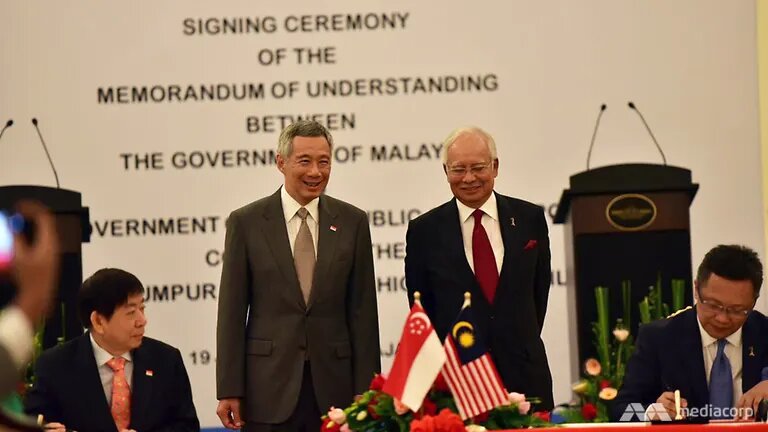
The MOU signing ceremony

Image Credits: CNA

Under the witnesses of both premiers, Singapore and Malaysia signed a Memorandum of Understanding (MOU) in July 2016.

At the end of 2016, a legally binding bilateral project deal opened the way for its execution. Under the pact, the HSR’s express service would commence by Dec 31, 2026.

The agreement also asserted that the production, installation, and management of civil infrastructure and stations within their own countries would be both governments’ responsibility.

In 2017

The Land Transport Authority of Singapore (LTA) announced the establishment of a wholly-owned subsidiary – SG HSR – to execute the project and the development, ownership, funding, and maintenance of civil infrastructure in Singapore.

It will then partner its Malaysian counterpart, MyHSR, in an open international tender to mutually select the venture’s assets company and the international contractor.

The project was set to operate for eight stops over 350km: Singapore, Iskandar Puteri, Batu Pahat, Muar, Melaka, Seremban, Sepang-Putrajaya, and Kuala Lumpur. Proposed terminus stations were for Bandar Malaysia in Kuala Lumpur and Jurong East in Singapore.

For the initiative, the Singapore government acquired both Raffles Country Club and Jurong Country Club to host the HSR terminus.

May 2018
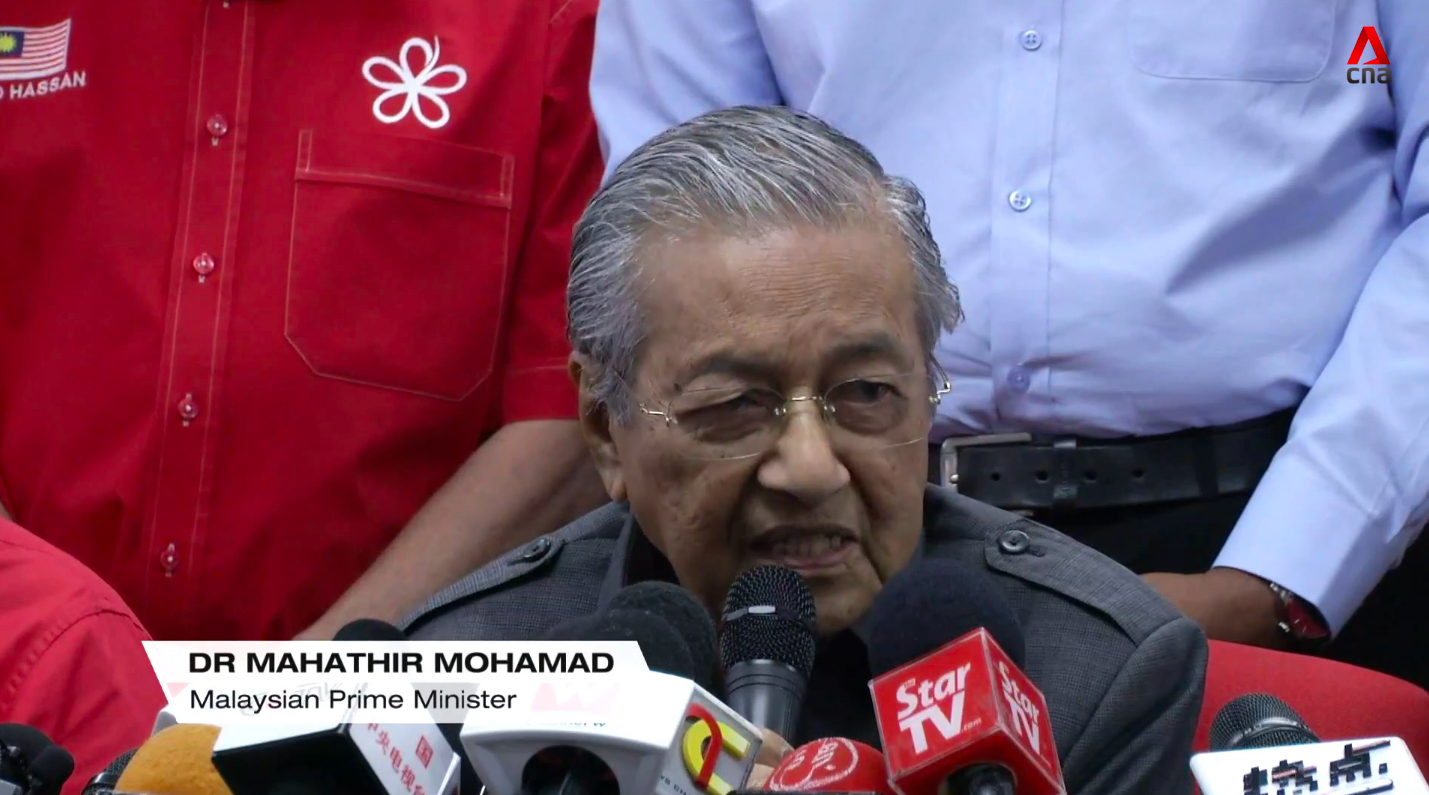
Dr Mahathir

Image Credits: CNA

In a media conference on May 28, 2020, Prime Minister Mahathir Mohamad announced that Malaysia would cancel the HSR project, saying the venture would not favour his country.

“It’s not beneficial. It’s going to cost us a huge sum of money. We’ll make no money at all from this arrangement,” Dr Mahathir said. He also commented on how the HSR project would cost Malaysia RM110 billion in an interview with the Financial Times, but would not gain a single penny for his nation.

July 2018

Roughly two months from his statement, Dr Mahathir responded by saying his government would aim to discuss the project’s postponement with Singapore. “When we looked at the financial situation of the country we thought that we couldn’t go ahead (with the HSR),” he told reporters.

“But having studied it and the implication of unilaterally discarding the contract, we decided we may have to do it at a later date, we may have to reduce the price. But (the) reduction of the price is very difficult as far as we can make out. So it has to be deferred.”

September 2018
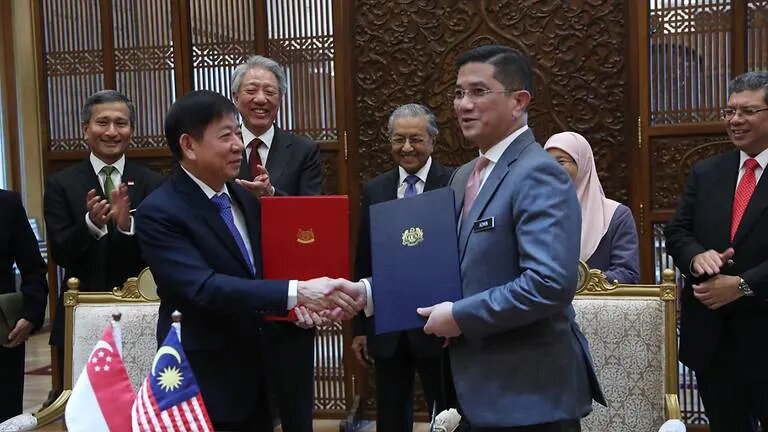
Singapore Transport Minister Khaw Boon Wan (left) and Malaysian Economic Affairs Minister Azmin Ali exchange documents in Putrajaya on Sep 5, 2018

Image Credits: CNA

Both countries signed a new deal to officially consent to delay development of the HSR until the end of May 2020. Under the new arrangement, the HSR’s express service would begin by Jan 1, 2031, instead of Dec 31, 2026.

By the end of January 2019, Malaysia had to pay abortive costs amounting to around S$15 million to halt the campaign.

Furthermore, according to a joint declaration by both sides on the issue, Singapore’s negotiated costs in complying with the HSR Bilateral Agreement will also be borne by Malaysia if they did not continue with the project by May 31, 2020.

May 2020

Following Dr Mahathir’s resignation as prime minister, the two countries reached a consensus to delay the Kuala Lumpur-Singapore HSR project until the end of 2020.

Khaw Boon Wan, then Singapore’s transport minister, said that Singapore yielded to the suspension considering the context of international ties, but clarified that it would be the last extension of the suspension period.

November 2020
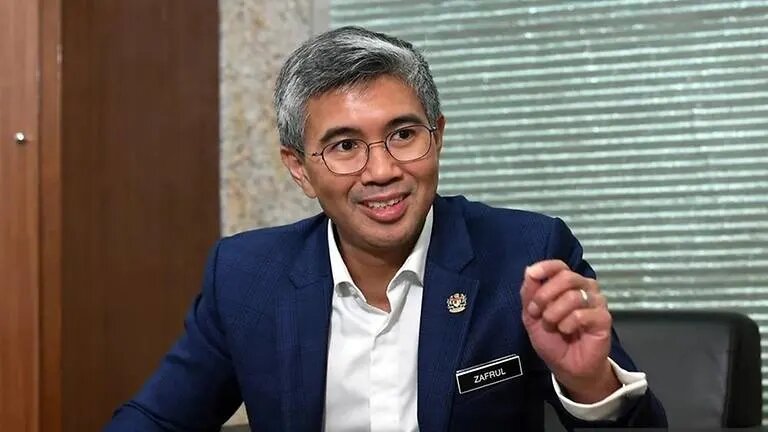
Malaysian Finance Minister Tengku Zafrul Tengku Abdul Aziz

Image Credits: Bernama

Tengku Zafrul Aziz, Malaysian finance minister, said the Malaysian government wanted to continue the Kuala Lumpur-Singapore HSR project as it was likely to generate a good ripple effect on the national economy. He stated, however, that this was also contingent on ongoing negotiations with Singapore.

December 2020

Prime Minister Lee Hsien Loong and Prime Minister Muhyiddin Yassin communicated via video-conference about the action plan forward.

Shortly after, Malaysian media claimed that without Singapore’s participation, Putrajaya could pursue the project. Therefore, instead of Jurong East in Singapore, the track could end in Johor in Malaysia.

January 2021

The concept design for Malacca station along the KL-Singapore HSR

Image Credits: MyHSR

We bid farewell to the highly anticipated HSR goal that could cut down travelling time between Singapore and Kuala Lumpur by train to 90 minutes.


Read More...

Great Alternatives To New Year’s Resolutions

Research has shown that less than 10% of New Year’s resolutions were accomplished by the participants. If these people were hyped by the power of the new year, why are they likely to fail by February? The primary reason why resolutions fail is its tendency to be intangible. Moreover, it comes down to how an individual manages his or her habits.

Instead of setting the bar high for yourself, consider the great alternatives found on this list.

#1: CHOOSE A WORD TO GUIDE YOUR YEAR

Select a word at the beginning of each year and use it as inspiration to dictate your actions. It is hard to believe the unprecedented year 2020 has come to a close. While things have certainly changed, the passion in your heart remains. Visualize and manifest the world you want to live in by using these words as a guide: present, gratitude, generosity, and prosperity.

#2: MAKE A BUCKET LIST FOR THE YEAR

Instead of setting unrealistic goals, you may write a bucket list highlighting the experiences or achievements that you want to reach this 2021. Create a list that contains both lighthearted and serious items. Your list may include going camping inside the house, making a monthly budget, or serving a delicious dinner at your parents’ house.

#3: CREATE A YEARLY CHALLENGE

A yearly challenge is a concrete and realistic goal that you want to achieve within the year. Selecting one goal allows you to put all your efforts into tackling it. Here are some examples of the challenges that you may accomplish this 2021:

a. learning a new language
b. writing a book
c. getting out of debt

#4: SET A NEW GOAL EACH MONTH

Goals are more manageable when you divide it into small chunks. Perhaps January will be the month that you will dedicate to self-help books. While, February will be the month to pack your healthy lunches. You may create a 12-month calendar that outlines each of your monthly goals. Increase your motivation by rewarding yourself at the end of each month.

#5: TRACK YOUR HEALTHY HABITS

Write down three healthy habits that you accomplished per month. Having a visual cue that displays your accomplishments will motivate you to keep up the good work. Stay flexible and leave a room for healthy habits to emerge each day.

#6: DEVELOP A MANTRA

A mantra is a statement that you repeat frequently with concentration. Develop a mantra that will help you feel more empowered and positive. Rather than deciding that 2021 will be the year you will save more money, you can have a mantra stating you will only “buy what you need”. When you are shopping, remind yourself of this mantra. Repeating this in your head will help your behavior to change in time.

Image Credits: unsplash.com

The statement “new year, new me” has turned into a funny cliché nowadays. 2020 was a disappointing year. Instead of looking at 2021 as an instant re-do of your life. Look at it as a timeline for change. Change will not come overnight. You will morph into the person you want to be as the days go by.

Sources: 1 & 2


Read More...

10 Ideal Dates Based On Your Love Language

When you find the person that truly makes you happy and fulfilled, you will take the extra effort to build a long-lasting relationship. Strengthen the foundation that you built by having date nights or weekend getaways. Make your partner feel loved and appreciated by speaking their love language.

Dr. Gary Chapman is the renowned author of the “5 Love Languages”. It highlights that there are 5 ways that we can communicate love namely through: words of affirmation, receiving gifts, quality time, acts of service, or physical touch. Here are customized and inexpensive romantic ideas suited to your love languages:

RECEIVING GIFTS

For people who are fond of receiving gifts, dedicating the day to arts or shopping can be enjoyable. Schedule a painting night where you paint each other’s canvases. Exchange these trinkets of affection as the day ends. It is not only a fun activity, but also a memorable evening shared with your partner.

Another great idea is a shopping date. Add some spice by shopping for each other. Plan a shopping trip to your partner’s favorite malls. Create some guidelines such as your budget limits and your shopping categories. From an interesting book to a unique article of clothing, choose meaningful gifts for your partner. It is synonymous to playing a game with the added benefit of making your partner feel absolutely adored.

ACTS OF SERVICE

People who speak acts of service primarily feel appreciated when their partner does important things for them such as easing the list of responsibilities they have for the day. Cooking a delicious dinner at home is perfect. It eliminates a task on their to-do list and saves them from spending money. Moreover, you are showing your partner how much you care about him or her.

Another inexpensive date idea is having an art day at home. Gather all your art materials and complete a DIY project together. Make sure you pick a project that will add value to your lives.

QUALITY TIME

It is self-explanatory – people who have quality time as their love language want a fruitful date with their loved ones. You can either have a quiet dinner out or a refreshing hike. Spend uninterrupted time with your partner and chat about your day. Make sure to make a “no phones” policy to soak in each other’s company.

Alternatively, you may hike together. A nice view at the end of your walk will be an extra bonus. The most important thing is that you gave each other an opportunity to spend more time together. Take photos!

PHYSICAL TOUCH

For some people, they indulge in kisses and hugs. It does not have to be a total PDA. Simply make your partner feel safe by sharing a quick peck on the cheek or holding each other’s hands. You cannot go wrong with a couples massage. Either hire a professional or give each other massages.

You may also go ice skating or rollerblading. Hold your partner to avoid stumbling across the ice. Your muscles might be sore afterward, but your partner will be glad.

WORDS OF AFFIRMATION

What are words when you do not mean them when you say them? Express these loving words and show them through making a scavenger hunt or exchanging love letters. Start by creating a scavenger hunt with clues that are meaningful to your relationship (e.g., where your first date was). Add compliments in the process.

Image credits: unsplash.com

Next, you may exchange love letters. Sit down and write to each other. Watch your partner’s heart melt with your sweet words. Tell your partner why she or he is the reason your life has changed.

Sources: 1 & 2


Read More...

Singapore’s government will provide S$84 million to support the aviation sector amid COVID-19

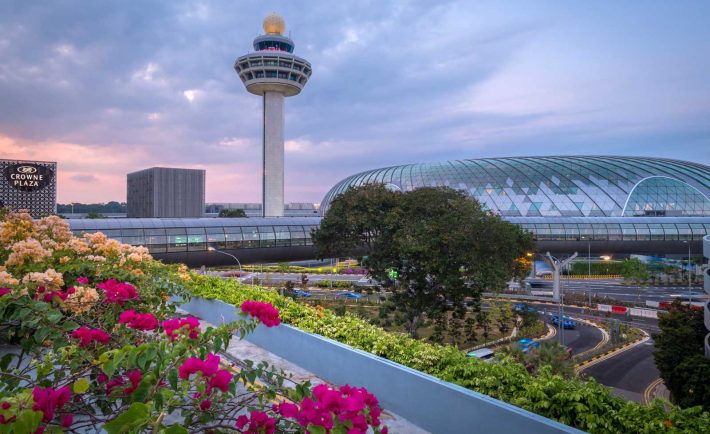
singapore-changi-airport

You may have come across in the news that earlier this year in February and August, the S$112 million Aviation Sector Assistance Package and S$187 million Enhanced Aviation Support Package were rolled out respectively.

But more monetary help for the aviation sector is on its way. The Civil Aviation Authority of Singapore (CAAS) announced on Tuesday (Dec 29) that the government will provide an additional S$84 million to the aviation sector to aid workers and businesses affected by the pandemic.

Aviation sector remains badly affected
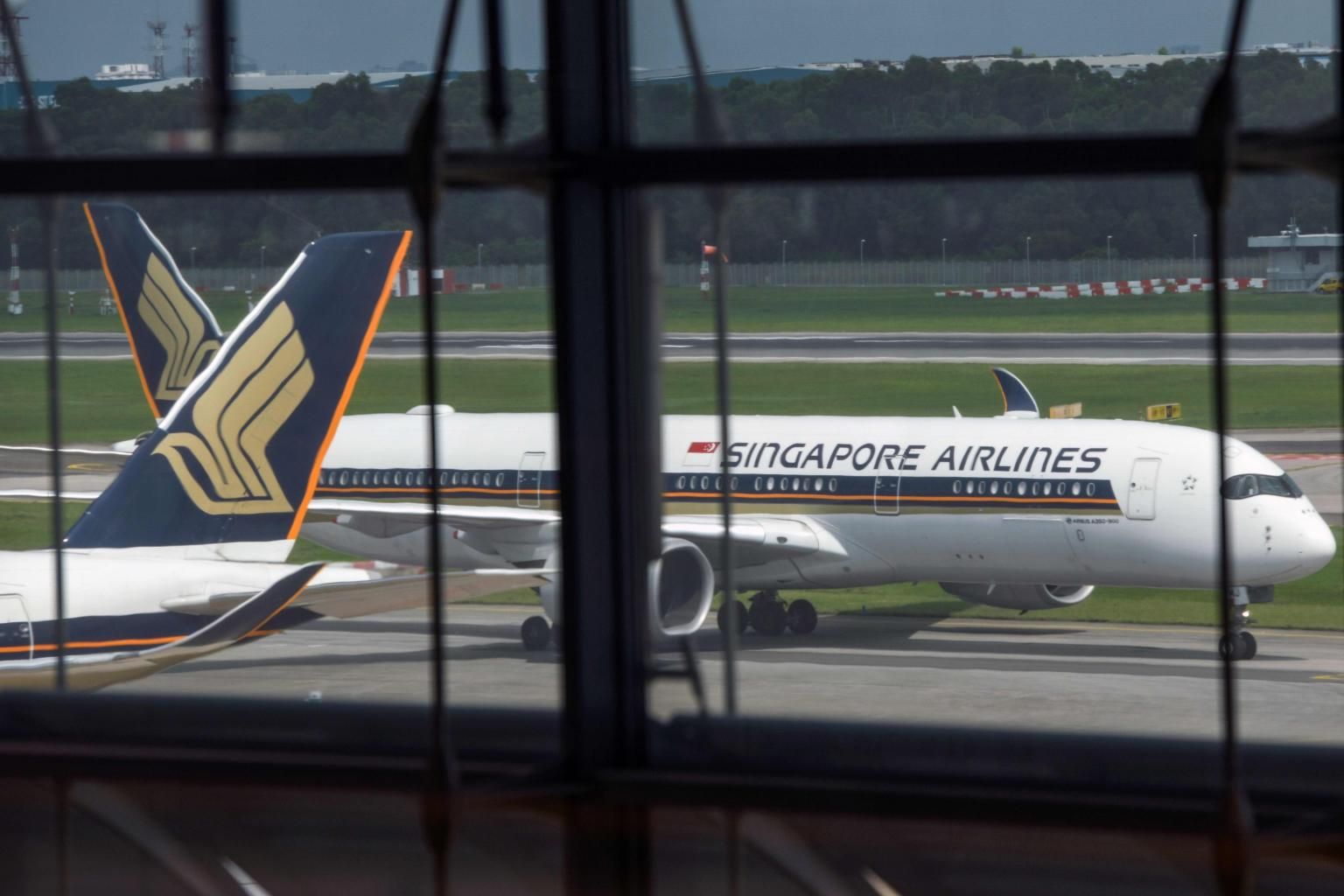
SIA

Image Credits: The Business Times

There is no doubt that the aviation sector is one of the hardest-hit sectors in Singapore and abroad due to COVID-19. To give you an idea, we have some numbers. The report has it that the number of passenger traffic movements at Changi Airport last month saw a 98 per cent year-on-year decline.

“Given ongoing border restrictions and the resurgence of COVID-19 in many countries over winter, air travel will not recover soon. It is therefore critical that we maintain our support for the sector to help aviation companies and workers tide through the crisis,” said the CAAS.

Also, with selected aviation firms putting in place safety measures to enable air travel, many may require additional infrastructure, equipment, and workforce aid. The authority highlighted that firms would not be able to recoup these costs from passengers at the moment.

Government funding & rebates to calm the storm
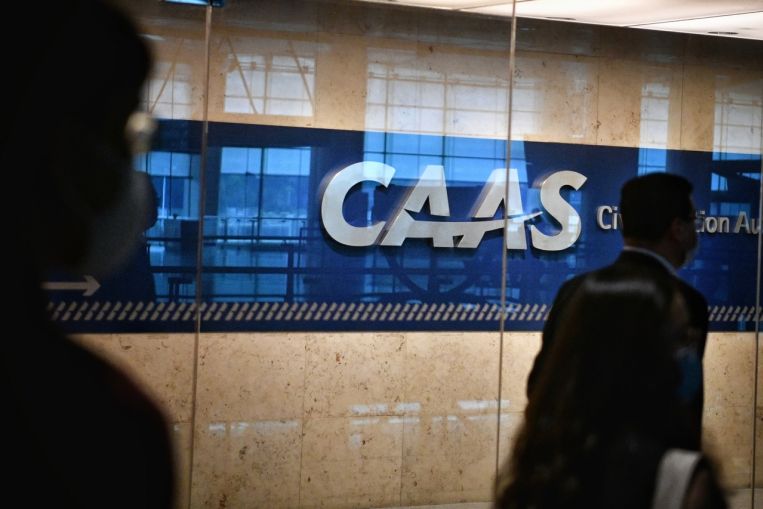
CAAS

Image Credits: The Straits Times

“To help mitigate some of these costs, the Government will provide funding to support the development, adoption and deployment of innovative technologies and measures to protect our airport workers and aircrew from contracting COVID-19,” added CAAS in its media release.

There will also be some rebates between Apr 1 this year and Mar 31 next year to appease the situation. Specifically, the CAAS will not charge Certificates of Airworthiness fees for Singapore-based airlines.

On top of the abovementioned, they will also drop licence charges for those providing scheduled air services. Licence fees for ground handling and catering services at Changi and Seletar airports can also enjoy a 50 per cent deduction.

CAAS noted that such measures would cost about S$39 million in full.

Sustenance of aviation workers
SIA cabin crew

Image Credits: todayonline.com

With the ongoing pandemic with no clear end in sight, many aviation workers with lesser working hours have had income drops, while some have to settle with no-pay leaves.

In response, the CAAS mentioned that they would work with SkillsFuture Singapore, Workforce Singapore, NTUC LearningHub, and the NTUC Aerospace and Aviation Cluster to help these workers build up their skills. In turn, this will enable them to switch to other job openings within the sector.

“Pilots need years to get their licence and certification. To ensure that we have a sufficient number of pilots for the eventual recovery, we will also work with SkillsFuture Singapore to provide funding support to Singapore-based airlines to re-train their pilots and keep their skills current,” CAAS commented.

As for local pilots, Senior Minister of State for Transport Chee Hong Tat said the authorities would help convert their licences to fly other aircraft types from now on.

Mr Chee further remarked that retrenched Singaporean pilots working for foreign airlines who have returned to Singapore could apply for a Singapore pilot licence. This will allow them to work with a local airline in the future.

According to the CAAS, such measures to sustain workers amount to about S$20 million.

“Together, we will tide through this arduous journey and take our place in the skies again,” Minister for Transport Ong Ye Kung said in a recent year-end video.

Read More...

Is live streaming the way forward for individuals or businesses to generate revenue?

live streaming gaining popularity

Live streaming or auctions are probably one of the tools that came into the limelight in 2020. Coupled with the pandemic, the broadcasting of live video in real-time is gaining traction for businesses worldwide.

Many should be familiar with Facebook Live shops like Rheon Garcia; a buyer addicted to live-stream auctions. Within a year, he has spent about S$3,000 on various miscellaneous items in such auctions.

We can’t help but wonder if live streaming will be the way forward for individuals or businesses to generate revenue.

Pioneers of live streaming
Taobao Live hosts

Image Credits: Forbes

Did you know that one of the pioneers who used video streams to promote and sell their products is Alibaba? The Chinese e-commerce giant launched Taobao Live way back in 2016. But thanks to COVID-19, Taobao Live saw tremendous growth.

Ms Bonnie Zhao, head of Taobao Live Product at Alibaba Group, shared that the number of businesses who adopted live streaming for the first time on their platform increased by 700 per cent since February this year.

“When offline retail was not able to proceed in the normal way, through live streaming, we provided for entrepreneurs, and this gave them a new lifeline,” she added.

“Shoppertainment” as a new concept
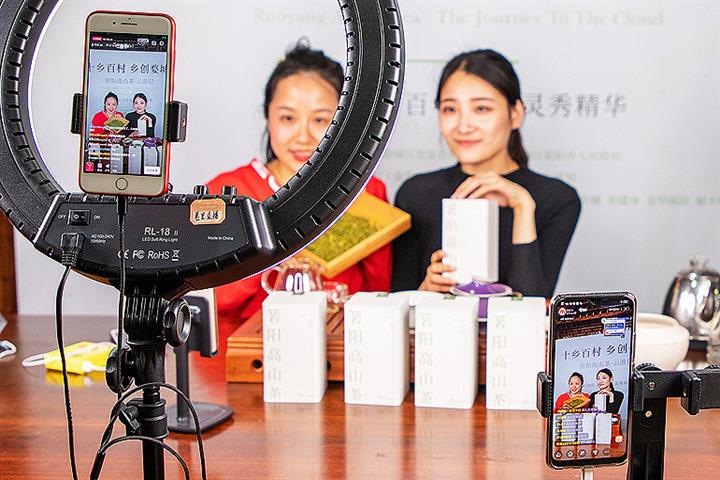
live streaming hosts using Taobao Live

Image Credits: yicaiglobal.com

About 62 per cent of China’s total number of internet users, about 560 million people, use live streaming. This massive user base thus gave way to the birth of a new concept – “shoppertainment”. And you can probably guess it right; it’s the fusion between commerce and entertainment.

Rapid advances in technology, including the network in China transitioning from 2G to 5G has contributed to China’s live streaming e-commerce sector. It was worth an estimated US$60 billion in 2019 but is on track to break its record by doubling the numbers at the end of 2020.

Others are jumping on the bandwagon
Louis Vuitton live streamed on Red Book

Image Credits: SCMP

Even Louis Vuitton, the luxury goods company, is going with the flow. The French fashion house became the first international luxury brand to host a live streaming session on Xiao Hong Shu, a Chinese retail platform in March this year.

Featuring its LV Escale summer 2020 collection, the live stream recorded over 880,000 views on the app and succeeded in appealing to the younger generation on it.

Bringing our attention back to Southeast Asia, Pomelo recently enabled the live stream technology on its app. The CEO of Pomelo, Mr David Jou, highlighted the differences in users between the region’s markets.

While Indonesia saw high engagements levels, actual conversions were low. Mr Jou also commented that since the Singapore market is already an advanced one, live streaming will lean towards more for content than commerce.

Insights from Singapore’s first live streaming focused shopping platform

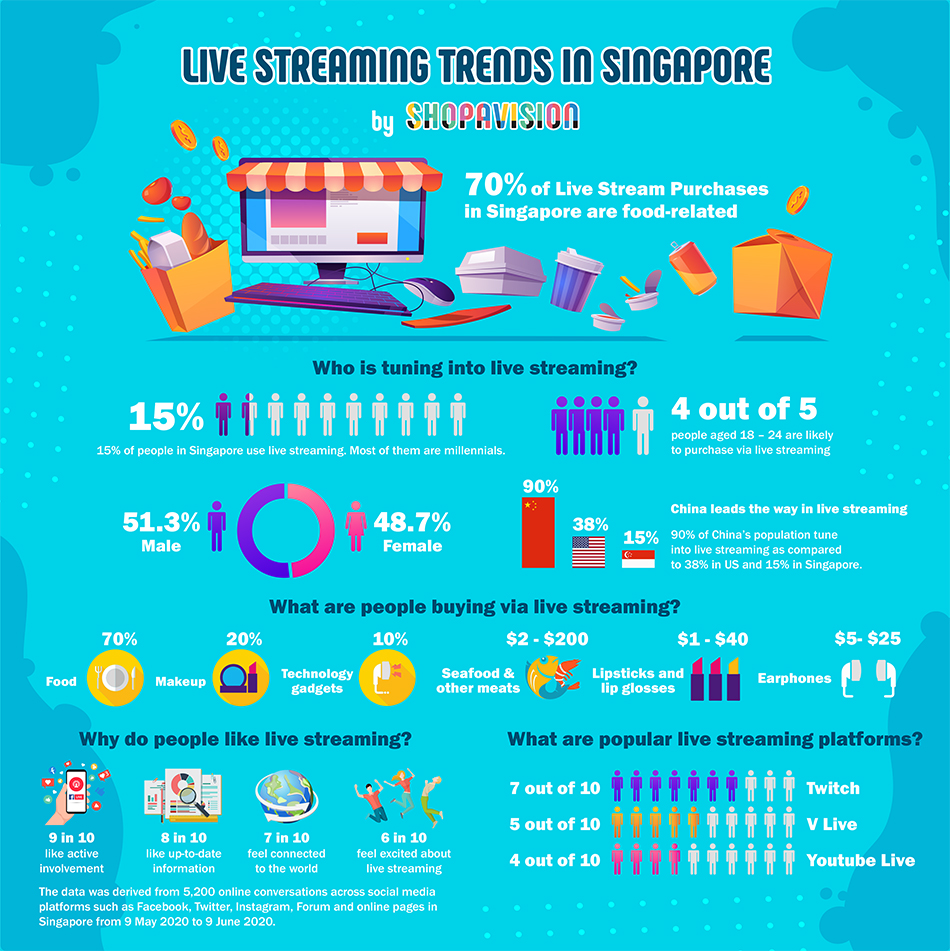
Shopavision, Singapore’s first live streaming focused shopping app, provided us with insights specific to our little red dot.

Have a look here:

live streaming trends in Singapore

“I fly to China quite often and observed how live streaming was done there and on platforms like Taobao Live,” said Rachel Pang, founder and CEO of Shopavision. Having seen live streaming as an essential part of people’s life in China, the 37-year-old wanted to bring it to Asia.

“Live streaming marries sales with entertainment and provides a direct channel for people to interact with merchants. Consumers are no longer just browsing through product descriptions, but they are now actively participating in the buying process.

They can ask questions, get responses live and get entertained by live streamers, from the convenience of their homes. Live streaming is the future of online commerce,” she noted.

BTS a living proof on how this business model can work

South Korean boy band BTS is a perfect example to demonstrate the importance of building long-term engagement as a business model. For the group’s virtual concert in June, 750,000 fans from over 100 countries tuned in and a few months later, the K-pop sensation drew in 993,000 virtual audiences across 191 countries and regions in October.

A business ecosystem that doesn’t just sell but focus on engaging with its customers will be on its way to more remarkable growth in the long run.

“Live streaming is not just about satisfying your wants. It’s about creating more wants in your life. It is more than just a simple business transaction. It has evolved, and it is now about getting fans, personalising the experience, and gaining loyalty from consumers,” Miss Zhao remarked.

Hormese Tharakan, commercial director at tech consultancy ThoughtWorks, encourages businesses to consider live streaming as part of their business strategy.

“The key difference is going to be, who can get it right. And to get it right, it’s content which drives data, data drives insight, and these insights help you create more personalised experiences for the users.

These personalised experiences are now going to drive your sales. But driving sales is not the last mile. What you would also need to do is set up a whole cycle which leads to building trust and loyalty.”

Read More...