
Under S$30 Secret Santa Gift Ideas That Don’t Look Cheap

Secret Santa is a Yuletide tradition that many offices and families honor every year. What is meant to be a fun gift-exchange activity can be stressful because of the tiresome shopping involved. Whether you have to purchase presents for co-workers you do not know very well or you struggle with finding gender-neutral gifts within your budget, this list can give you Secret Santa gift ideas.

It is never too early to start thinking about Christmas gifts and how much budget you would need to allocate for them. Grab a chair as we have put together a list of gifts with a S$2 to S$28 budget.

#1: SUSTAINABLE WOODEN KITCHENWARE

Working alongside artisans that use sustainable materials, Monkey Loot is a Singapore store supporting the development and continuation of cultural legacy in Southeast Asian countries. Their items are handcrafted by artisans using zero chemicals and 100% natural ingredients. Moreover, these items are polished with Beeswax.
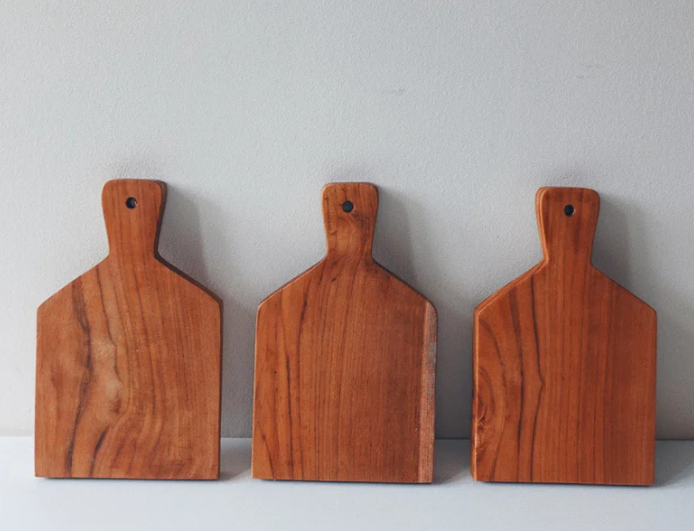
Image Credits: monkeyloot.com

Due to its authenticity, items will not be exactly the same. Who does not want to be gifted with a unique piece? You can choose to buy the Sapa Teakwood Cutting Board / Platter / Tray for S$28 or the Seda Sapodilla Wood Coaster Set for S$16.50.

#2: CALMING TEA SET

Give the gift of tranquility amidst the busy holiday season with a DIY tea set. Your loved ones or co-workers will appreciate the organic range of Pukka teas which offer soothing flavors like Chamomile, Vanilla & Manuka Honey, or Turmeric Gold. These teas retail for about S$9.20 at FairPrice.

Complete your tea set by purchasing teacups for a little over S$2 at Daiso. There are a lot of assorted patterned teacups to choose from at Daiso.

#3: FIVE-PIECE COOKWARE SET

If you are looking for a gift that is perfectly suited for foodies and cooking enthusiasts, you can never go wrong with a cookware set. IKEA’s ANNONS five-piece cookware set (S$18.90) includes three different sized pots and two glass lids. It is made from stainless steel, which makes it durable and easy to clean.
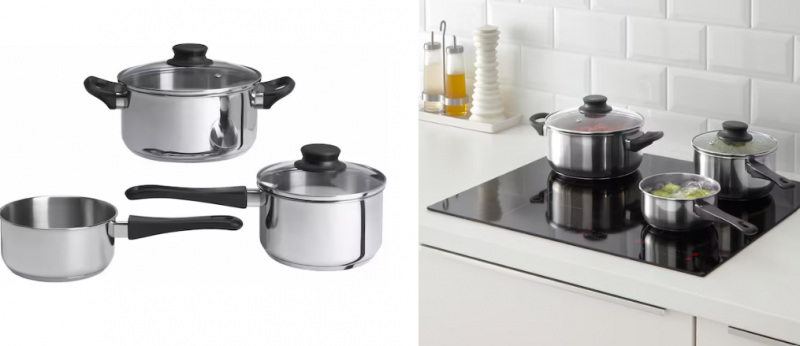
Image Credits: ikea.com/sg

#4: HOLIDAY SKINCARE GIFT SET

Looking good on the outside radiates on the inside. If you are looking for a skincare gift set that can complete your recipient’s skincare routine, search no further than Sephora’s Holiday Vibes Mini Mania Skincare Gift Set (S$22.40). This set includes six essentials for a complete skincare routine. This set completes your routine from cleansing, makeup removal, moisturizing, and radiance.

The set includes the triple action cleansing water, all day hydrator, overnight glow mask, ultra-glow serum, brightening eye cream, and clean skin gel. What’s more? It comes with a pouch made with 30% recycled plastic.

#5: SOOTHING SLEEP ESSENTIAL PACKSET

Thanks to the Cath Kidston Magical Woodland Sleep Essential Packset, you can give others the gift of a good night’s sleep. Featuring its two products – the lavender-infused sleep spray and calming lavender rollerball gel. These products help create the perfect aroma for a peaceful slumber. This gift set retails for S$23.90 at Watsons.

#6: JEWELERY DISH

Bored of normal-looking jewelry dishes? Artists from eatandsip.co created jewelry and dishes that feature one-of-a-kind designs. Its ring dish (S$24) is made from speckled clay and fired to 1250 degree Celsius. Expect curvy forms, bright eye-catching colors, and good artisanship.

Image Credits: eatandsip.co

The watercolor jewelry dish (S$24), on the other hand, is slip-casted by Louise Martiensen in Sydney. This plate is made from white porcelain with a wash of ceramic paint applied to its surface. It mimics a water-color paint effect, with a clear glaze on the surface.

Read More...

Why every child should be exposed to martial arts

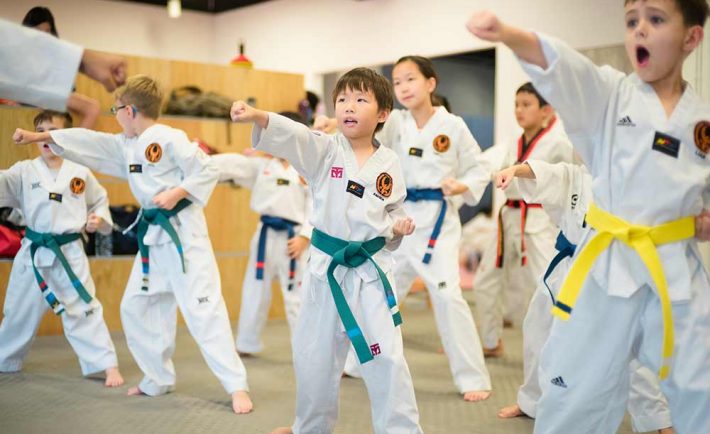
kids in a taekwondo class

You may be wondering if martial arts is a good fit for your child.

The short answer is: absolutely! Martial arts can provide a huge range of benefits for kids, ranging from physical fitness and discipline to self-defense skills and focus.

Kids who practice martial arts learn how to set and achieve goals, work through frustration, and handle disappointment. They also learn how to behave respectfully and responsibly both in and out of the dojo.

If you’re still on the fence, take a look at some of the incredible benefits that martial arts can offer your child. We guarantee that after reading this article, you will be ready to sign them up for their first class!

The benefits of martial arts

You might be wondering why martial arts is such a good thing for kids. After all, they’re not going to be fighting in a real life-or-death situation, right?

But that’s exactly the point.

Martial arts isn’t just about learning how to fight. It’s about learning how to control your body and your emotions. It’s about learning how to stay calm in a crisis and make the right decisions when things are happening fast.

And believe us, kids are going to face crises—in the schoolyard, on the sports field, and when they’re out with their friends. That’s why it’s so important to give them the skills they need to handle those situations.

Martial arts can teach them that.

The different types of martial arts
young kids in a Brazilian jiu-jitsu class

Image Credits: evolve-mma.com

When it comes to martial arts, there are a lot of different styles to choose from.

Here are a few to consider:

  • Karate: Good choice for kids who want to learn self-defense.
  • Boxing or Muay Thai: A style that focuses on hand-to-hand combat.
  • Taekwondo: Great for children who want to focus on form and kicks.
  • Brazilian Jiu-Jitsu: Perfect for kids who want to learn how to grapple.

But again, it’s up to you to decide which style is right for your child. Just make sure that whatever style you choose, the martial arts instructor has relevant experience working with kids.

Tips for getting your child interested in martial arts classes

You and your other mom/dad friends should all consider organizing a meeting to get together and talk about signing the little ones up for martial arts.

Getting everyone on board will make it more likely that your child will stick with it, and it can be a fun way for friends of the same or similar ages to get together and spend some quality time.

You can also look for family martial arts classes, which can be a great bonding experience for everyone involved. And, of course, there are always (pricey) private classes as an option, too.

Signing your kids up for martial arts classes is one of the most worthy parenting investments you can make. Not only will they learn self-defense skills, but they will also develop discipline, focus, and respect. Martial arts can help your child in so many other ways—from helping them stay on track in school to keeping them physically fit. And the best part is that it’s never too late to start. Sign your child up for a martial arts class today and see the amazing results for yourself.

Read More...

Striking a balance: How to talk just enough, but not too much, during an interview

talking during an interview

It can be tricky to strike the right balance between talking too much and talking too little during an interview.

On one hand, you don’t want to come across as someone shy or unwilling to share. On the other hand, you don’t want to overwhelm your interviewer with too much information.

So, how can you make sure that you share just enough information without going overboard? An interviewer wants to get to know you, but they also need to know that you’re the right fit for the job. You need to find a way to balance your need to talk about yourself with their need to learn more about you.

The importance of talking during an interview

You want to show the interviewer that you’re engaged and interested in the role. But you also don’t want to talk too much.

Why is that so?

Because if you talk too much, you may start rambling and lose focus. And the interviewer will start to wonder why you’re not paying attention to their questions. But if you don’t say enough, the interviewer will think you’re not that keen on the role or that you don’t have anything valuable to contribute.

So how can you strike the perfect balance? Well, read on.

How to know if you’re talking too much

How can you tell if you’re talking too much? Here’s a quick checklist:

  • Are you monopolizing the conversation?
  • Are you talking more than your interviewer?
  • Are you talking about yourself more than you are asking questions about the company or the role?

If you answer yes to any of these questions, then you may need to readjust. Try to focus on listening more and sharing only the most relevant information.

How to know if you’re talking too little
listening during an interview

Image Credits: linkedin.com

Are you worried that you’re not talking enough during your interview? Here are a few signs that you might be:

  • You’re not asking any questions.
  • You’re not giving any examples of your past work.
  • You’re not talking about your skills and experience in handling projects.

If you’re exhibiting any of these behaviors, it’s a sign that you might be talking too little. Try to engage more with your interviewer and share more information about yourself.

Tips for speaking the right amount

Here are a few tips for striking the right balance:

  • Listen carefully to the interviewer. They will ask you questions, so answer them.
  • Keep your answers concise. You want to respond to the question, but you don’t want to drone on and on.
  • Don’t just talk about yourself. The interviewer wants to get to know you, but they also want to know what you can do for the company. So make sure to share how you can contribute as a new hire.

When it comes to job interviews, striking a balance between talking too much and talking too little can be difficult. On one hand, you don’t want to monopolize the conversation and end up talking more than your interviewer. On the other hand, you don’t want to say too little and make it seem like you’re not interested in the position. So what’s the right amount to talk? As a general rule, aim to share about three or four thoughts or stories during the interview. Remember to relax and take your time—you don’t want to rush through an interview and wind up saying something you would regret later.

Read More...

How to Handle Dishonest Employees

It is challenging to maintain a perfect record of accomplishment of hiring the right people. Occasionally, a bad apple slips into the basket. You can end up with an unpleasant employee in your team. Whether this employee is difficult to work with or is dishonest, having this type of an employee is any employer’s worst nightmare.

The simple answer to how to handle dishonest employees is to get rid of him or her. However, you have to resolve matters following the established rules and principles.

#1: GET UNQUESTIONABLE PROOF OF THE DISHONEST BEHAVIOR

If you are someone mediating a case of dishonesty, your first step is being absolutely certain that the act took place. You should look for evidence while using legal methods and fully respecting privacy laws. Another employee’s words are not strong enough evidence to conclude that you are dealing with a case of dishonesty. You need to cover all the bases.

#2: BE DATA-DRIVEN

It is easier to detect dishonest and corrupt behavior when everything is measured and tracked. Expenses need to be closely tracked. Accountability can also be put in writing such as having an Equipment Accountability Form. Apart from receipts and expense sheets, you can perform a background check on the employee in question.

You need to find out if the employee in question has a history of dishonest behavior or if this instance is an isolated case. You can contact any of his or her former employers to get a wider perspective.

#3: ASSESS THE IMPACT IT HAS ON YOUR ORGANIZATION

After examining the facts and realizing that you are dealing with dishonest behavior from an employee, the next step is to evaluate what the consequences are for the company. Realistically, evaluating the potential impact of this situation can help you make a plan on how to handle it appropriately.

Image Credits: unsplash.com

#4: DISCUSS THE MATTER WITH THE EMPLOYEE

Once you are certain that dishonest behavior took place and you have investigated the impact it can have on the organization, you need to openly discuss the matter with the employee in question. Such a discussion can reveal the motives behind the employee’s behavior and even resolve the entire issue in situations when the damage was minimal.

#5: SET CLEAR CONSEQUENCES FOR THE DISHONEST BEHAVIOR

Set clear consequences for the dishonest actions, starting from a probation period up to termination. Knowing there are clear and well-defined consequences can help you take action and move ahead. I am not saying that it is easy to do, but it is a crucial step to making things right.

#6: ENCOURAGE OPEN FEEDBACK AND TRANSPARENCY

Build a culture that encourages transparency and openness. Workplace transparency is open communication between leaders and employees. Leaders shall commit to openly sharing expectations, mistakes, setbacks, feedback, revenue, and other metrics.

If a team member thinks something seems out of the ordinary or something seems off, he or she should bring it up and comfortably escalate the matter to the manager.  Leaders can lead by example through giving constant feedback or constructive criticisms. 

Sources: 1 & 2

Read More...

The surprisingly powerful benefits of doing absolutely nothing

chilling by the beach

It’s no secret that our world is constantly moving and evolving at a breakneck pace.

It seems like every day, there’s another thing we’re supposed to be doing, and if we’re not careful, we can quickly fall into the trap of feeling overwhelmed.

But what if there was a way to take a break from all of that? What if there was a way to just let your mind wander for a little while, without feeling guilty or like you’re wasting time? Believe it or not, there are some pretty powerful benefits to doing nothing.

The scientific case for why doing nothing is good for you

You may think that doing nothing is a waste of time, but you could be wrong.

According to a study, doing nothing can lead to more imaginative thoughts and better problem-solving abilities. In other words, taking a break from your busy schedule and just letting your mind wander can be beneficial.

So if you’re feeling over the top, doing nothing may be the best thing for you. It can be a stress-relief practice that can reduce your anxiety and help with creativity.

Tips for those who find it difficult to do nothing
painting leaves

Image Credits: unsplash.com

It can be tough to do nothing.

We’re so used to constantly being on the go, and when our schedule finally opens up, we feel anxious. We start wondering what we should be doing with all this newfound time.

But here’s the thing: Doing nothing is good for you. When your mind is free to wander, it comes up with all sorts of ideas and solutions that you wouldn’t have thought of if you were pushing yourself to stay productive.

So if you’re struggling to do nothing, here are a few tips to help you get started:

  • Permit yourself to relax
  • Set a time limit for yourself
  • Find an extremely relaxing activity to do
How to find joy in the simple things in life

Relax, take a deep breath and just let yourself be.

Recharge and get ready for the next challenge. It also helps to connect with your inner thoughts and feelings, which can be valuable when you’re feeling lost or uncertain about your next move.

Most importantly, taking some time for yourself can help you find peace and happiness in the simplest things life has to offer.

When was the last time you just stopped and did nothing? If you can’t remember, it’s time to make some time for yourself. It might seem like a waste of time, but doing nothing can be beneficial. It gives your mind a chance to wander, and that can lead to some innovative ideas. It’s also a fabulous way to relax and de-stress. So next time your schedule frees up, don’t feel guilty about taking some time for yourself. Inspiration can come from doing nothing.

Read More...