Don’t let your remote job create unwanted FOMO, fight it with these tips

woman working from home

You’ve been working from home for a while now and it’s been great.

You’ve got the flexible hours and work-life balance you always wanted, but there’s one nagging fear that’s been hanging over your head: FOMO.

For those of you who aren’t familiar with the term, FOMO stands for “fear of missing out.” It’s that feeling of anxiety and insecurity that comes along with the fear of being left out or not participating in something. And unfortunately, it’s a very real fear for many remote workers.

But don’t worry, below, we’ve outlined some tips to help you manage your FOMO and stay productive while working from home.

Identifying FOMO triggers

The first step in managing your fear of missing out is identifying its triggers.

For most people, FOMO kicks in when they see their colleagues post about all the fun things they’re doing on social media.

It might also be triggered by a work-related event that you’re unable to attend, or simply being alone and feeling like you’re missing out on all the action. Once you know what triggers your FOMO, you can start developing strategies to deal with it.

Fight comparison with gratitude

What’s another good way to deal with feeling left out? The answer is gratitude.

When you’re grateful for what you have, it’s easier to focus on your own life and not worry about what everyone else is doing.

It’s hard to feel bad about yourself when you’re busy being grateful for all the good in your life. So start a gratitude journal, or simply take a few minutes each day to list five things you’re grateful for. It can be anything from the rain to your fluffy cat or your loving partner.

The more you focus on the good things, the less room there is for envy and FOMO to take hold.

How to reduce FOMO-induced anxiety

man having a video call

Image Credits: unsplash.com

There are ways to manage this anxiety and reduce its effects on your mental health.

Here are a few tips:

  • Make a point to stay connected to your team. Even though you’re not in the office, stay connected to your team via chat platforms, email, or video conferencing. This will help you feel like you’re part of the conversation.
  • Set boundaries. Just because you’re working remotely doesn’t mean you have to be available 24/7. Make sure to set boundaries for yourself so that you have downtime and aren’t constantly checking work email when you’re off the clock.
  • Get out and socialize. One of the best ways to fight FOMO is to get out and socialize with friends and family. Schedule regular get-togethers and make sure to unplug from work during that time. You will find that you can start to relax and enjoy yourself more when you’re not constantly worried about what’s going on at the office.
Distinguish between online and offline experiences

When you’re experiencing FOMO, remember that not all experiences are created equal.

Just because you see someone having a great time offline doesn’t mean that you’re missing out on something equally valuable by not being there in person.

So when you start to feel FOMO creeping in, take a step back and ask yourself if the experience you’re missing out on is really something that you would enjoy or if it’s just something that looks good from afar.

At the end of the day, remember that you’re in control of your remote job. You get to choose how you spend your time, and you don’t have to let your remote job create any unwanted FOMO. With these tips, you can fight back and make sure that you’re fulfilled in your position. Take pride in having the freedom to work from anywhere!


Read More...

Make your invested dollars last: How to care for expensive clothes

man loading his clothes in a washer

You just bought a beautiful blazer that cost you a pretty penny.

The last thing you want is for it to get ruined after the first wash. So, how can you make sure your clothes stay in good condition and last as long as possible?

It all starts with understanding how to care for your clothes properly. Different fabrics require different methods of care, but some general tips apply to most clothes. Stay on this page as we delve into the details.

Choosing the right detergent

You want a detergent that’s gentle on your clothes but cleans well.

A lot of detergents also have fabric-specific options that are designed to protect delicate textiles. So before you do any laundry, take a moment to read the detergent label and choose one that’s suitable.

Drying and storing expensive clothes

a room closet

Image Credits: livinspaces.net

Here are a few tips:

  • Never put them in the dryer, as this can damage the fabric and shorten their lifespan.
  • If you need to store them, invest in a good storage container or garment bag. This will help protect them from dust, insects, and other unfavorable elements.
  • Hang clothes on a hanger to avoid wrinkles. Your hanger’s size and design are important since the fabric will overstretch and develop unattractive deformities if the hangers are too wide. Tip: to keep clothing from falling off, invest in some sturdy wooden hangers with non-slip ends.

How to properly clean expensive clothes

Here are a few recommendations on how to do just that:

  • Hand-wash delicates.

If an item is particularly delicate, hand-washing is always the best option. Use a mild detergent and lukewarm water, and be sure to rinse thoroughly.

  • Read and follow the care label.

The care label is there for a reason, so make sure you’re following the instructions. If you’re not certain about something, err on the side of caution and take it to a professional.

  • Invest in a good-quality brush and steamer.

A steamer is a great way to get wrinkles out of clothing without damaging the fabric. And a good quality brush will help remove debris and lint without spoiling the fabric.

Don’t want the hassle? Well, if you have the money to spare, rely on professionals for all your cleaning needs then. Such services are there to guarantee that your clothes will be handled with care by those who know how to deal with high-end brands and materials. So take your clothes to a local cleaner, and save the trouble of having to do it yourself.

Read More...

Reclaiming your pre-pregnancy body: Tips to safely lose pregnancy weight

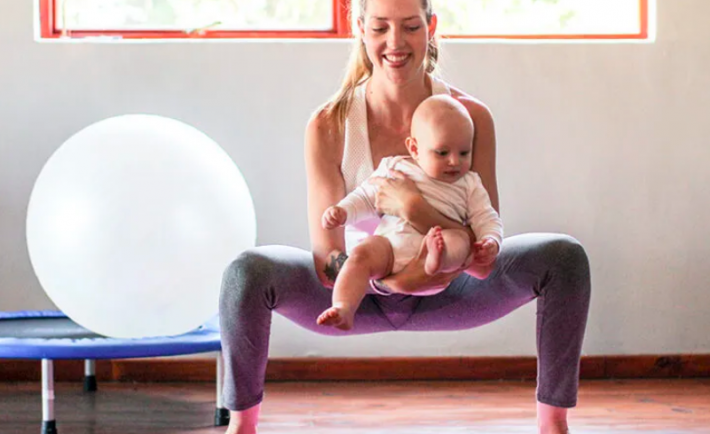
mother doing postnatal yoga with baby

You’ve just welcomed your little one into the world, and now you’re looking to reclaim your pre-pregnancy body.

Losing weight after having a baby can be a challenge, but it’s not impossible. There are lots of conflicting messages out there about how to safely lose pregnancy weight, but we’re here to help.

In this article, we will share some tips on healthily losing weight. So read on, and start planning your strategy for shedding those extra pounds. You can do this!

Make smart dietary choices for post-pregnancy weight loss

This means eating well-balanced meals and controlling your portion sizes.

It’s also good to monitor your calorie intake, so you’re not eating more than you should be.

Another key component of safe weight loss is eating high-fiber foods. Fiber helps keep you feeling full longer, so you’re not tempted to overeat. It also helps your digestive system function properly, preventing constipation and other stomach problems.

Working with a healthcare provider for safe weight loss
talking with a dietician

Image Credits: thisislivingwithcancer.com

You don’t have to do it alone when you’re trying to lose pregnancy weight.

In fact, it’s actually a good idea to work with your dietician to come up with a safe plan.

A professional can help you come up with a calorie goal that’s appropriate for you, and can also offer suggestions on how to safely cut calories.

They can also help monitor your weight loss to make sure that you’re not losing too much, too quickly. Avoid drastic weight loss, as this can be harmful. So take things slow, and remember that healthy weight loss is a gradual process.

Know which exercise options are safe for a start

It’s essential to know which exercises are safe for you to do as you start to lose the baby weight. Some exercises, like crunches, can be dangerous if you’ve had a C-section.

That’s why it’s best to stick to low-impact exercises in the beginning. This includes pelvic tilts, bird dogs, walking, and Kegels. Just be sure to start slowly and work your way up to more strenuous activities as your body allows.

And whatever you do, please don’t try to lose weight too quickly. Remember that your body has just gone through a lot, and you need time to heal both physically and emotionally. Aim for about 30 minutes of exercise per day, and you will start seeing results in no time.

Before we go, we urge you to monitor your progress and stay motivated. Take photos and measurements so you can see the changes in your body over time. It’s also good to set practical goals. Losing too much weight too quickly can be deadly and is often not sustainable in the long term. Finally, remember that this is a journey and there will be ups and downs. Don’t be too hard on yourself if you have a setback—just pick yourself up and keep going!

Read More...

Results of putting yourself first: Why making yourself a priority matters

woman standing in the middle of the green fields

It can be difficult to put yourself first.

In fact, for many of us, it feels downright selfish. We’re taught that we should always be putting others first and that it’s more important to think of others before ourselves.

But what if we told you that by putting yourself first, you’re doing everyone a favor? That by making yourself a priority, you’re setting an example for those around you and creating a better world for all?

When you take care of yourself, you’re better able to take care of others. You have more energy. You’re more relaxed. You’re in a better mood. You’re more patient. In short, you’re happier when you put yourself first.

Ready to give it a try? Below are some tips on how to put yourself first, without feeling guilty or selfish.

Realizing the importance of self-care

It can be so hard to remember to put yourself first. But it’s so crucial.

When you’re run down and exhausted, it’s tough to be your best self for anyone. You’re not able to give your all when you’re running on empty.

But when you take the time for self-care, recharge, and focus on your own needs, you’re able to give more of yourself. You have more to give because you’ve taken the time to fill up your tank. You’re not as depleted, and you’re not as easily overwhelmed.

Practical steps to start putting yourself first

Start by thinking about your priorities.

What are the things that matter? What do you want to make time for? These could be time spent with your family and friends, your hobbies and activities, or simply taking some alone time yourself.

Once you have a good idea of what’s essential to you, start to put those things at the top of your list. And don’t be afraid to set boundaries. If someone is asking too much of you or taking up too much of your time, politely say “no.”

Also, make sure you’re taking some time for yourself as well. This could be something as simple as taking a relaxing bubble bath, reading a classic novel, or going for a walk. Whatever it is, make sure it’s good for you and that you enjoy it.

Dealing with the guilt of putting yourself first
man in a bus

Image Credits: unsplash.com

You’re going to have to fight against years of conditioning that say you should always put others first. You’re going to have to deal with the guilt of not being there for others.

But remember, it’s not selfish to focus on yourself. It’s the opposite. When you take care of yourself, you’re able to take better care of others. You have more energy, more patience, and more compassion. You’re able to give more of yourself when you’re taking care of yourself first.

Permit yourself to focus on yourself. It’s not selfish, it’s essential.

Examining the connection between happiness and taking care of yourself

Taking care of yourself can lead to joyfulness.

When you make your well-being a priority, you’re more likely to have a positive outlook on life. When you put yourself first, it allows you to be in a better position to take care of those around you.

When you’re cheerful, you tend to be more productive, creative, and influential. You have more energy to put into your work and relationships. You feel more inclined to take care of your health and appearance when you’re content with yourself. All of these things lead to a greater sense of satisfaction.

So, if you’re someone who often prioritizes others first, consider trying out the abovementioned tips to see if making yourself a priority makes a difference in your life. You may be surprised at how much better you feel when you take the time to focus on your own needs.

Read More...

Is the time right? Questions to ask yourself when deciding if you’re ready for a baby

newborn baby lying on the bed

You and your partner have been married for a while now, and the topic of children has come up in conversations more than a few times.

You’re both on the same page about wanting kids—eventually—but you’re not quite sure if you’re ready yet. Deciding if you’re ready for a baby is a huge decision, and it’s not one to be taken lightly. There are a lot of factors to consider, both big and small.

Below, we’ve compiled a list of questions to help you make an informed decision.

Are you financially prepared?

One of the most important aspects of readiness is financial preparedness.

Take a good look at your current financial situation and determine if you’re able to handle the added expenses of a child.

This includes having a monthly budget to evaluate your available income, considering an emergency fund, and retirement savings, and how debt repayment will be affected. You should also think about any goal-related expenses you may have, like buying a car.

Are both partners ready to be parents?

Some couples feel a strong desire to be parents, and for them, the answer is easy.

Other couples have to weigh the pros and cons, and sometimes it’s not a clear-cut decision.

Some things to consider: Are you both ready to give up some of your time and freedom to care for a child? Are you prepared to handle the stress of parenting? These are just some of the questions you will need to ask yourselves.

It’s also necessary to talk with your partner about your readiness. Be honest with each other about your feelings and fears. This is a huge decision, and you need to make sure that both of you are on the same page before taking the next step.

What about support networks and help?
grandfather with his grandchild

Image Credits: zerotothree.org

You need a strong support network before you even think about having a child. This includes your parents, in-laws, and siblings if they’re close by, as well as relatives.

If you don’t have a good support network in place, now is the time to build one. This includes finding other couples who are also trying to conceive so you can swap advice and tips, attending parenting workshops, and reading up on everything you need to know about being a parent.

How will a baby fit into your career plans?

If you’re in the early stages of your career, you may be wondering if you can afford to take time off work or if you will have to put your career on hold for a while.

It’s worth finding out your company’s policies on maternity leave and childcare before you make any decisions. Some companies are very understanding and will allow you to take a few months off without having to worry about your job security.

Others might not be so understanding, and you may need to think about whether or not you’re prepared to take a step back in your career to start a family.

What lifestyle and hobbies will need to be adapted for a baby?

Having a baby will require you to make some changes to your lifestyle and hobbies.

For example, if you’re used to going out drinking every weekend, you might have to give that up once you become a parent.

And if you’re an avid traveler, you might have to put your travel plans on hold for a while. That’s not to say you won’t be able to travel with your baby, but it will be more challenging and you will have to plan your trips around your child’s needs.

So before you decide to have a baby, sit down and think about what lifestyle changes you will need to make. If you’re not ready to make those changes, then you might not be ready for parenthood just yet.

So, how do you know if you’re ready for a baby? Ultimately, only you can answer that question. However, asking yourself the questions in this article is a good starting point. If you can honestly say that you have stable financials and a supportive partner, and you’re both on the same page about wanting a child, then you’re likely ready to start trying for a baby. However, if you’re not quite there yet, that’s okay, too. Just make sure you’re honest with yourself and don’t try to have a baby just because you think it’s what you’re supposed to do.

Read More...