Your Concise Guide To Cryptocurrency Terms

DEFINING CRYPTOCURRENCY

The cryptocurrency is a virtual or digital currency that is secured by cryptography, which makes it nearly impossible to double-spend or counterfeit. Many cryptocurrencies are decentralized networks based on blockchain technology. This technology consists of a distributed ledger enforced by a disparate network of computers. A distinct feature of cryptocurrencies is that they are generally not issued by any central authority. Thus, these are theoretically immune to government manipulation or interference.

1. ADDRESS

Cryptocurrency coins are identified on the blockchain using the unique addresses. The value of your wallet is updated based on your address every time a transaction is confirmed. Addresses may appear in diverse formats. Simply put, no coin is stored without a proper wallet address.

2. BITCOIN

Bitcoin is a term you usually hear. It is a digital currency that came into circulation last 2009. Around 18.636 million Bitcoins have been mined and there are only 21 million currently in existence. These can be traded anonymously or sold for cash. It is important to note that the circulation is not controlled by banks or governments.

While Bitcoin is the most popular, there are other cryptocurrencies in circulation such as Cardano, Litecoin, Ethereum, Ripple, and Dogecoin.

3. BLOCKCHAIN

The blockchain is the underlying technology that powers the cryptocurrencies. It is a database that is chained togethering using cryptography. Once data is entered into this ledger, it cannot be erased or altered. All transactions are permanently recorded too.

4. EXCHANGE

The digital currency exchange is a business that allows users to sell, trade, buy, and exchange their Bitcoins for cash or other cryptocurrencies. Exchanges are usually run by private companies that earn by getting a commission from the transactions.

5. MINING

Like precious gold, there is a finite number of Bitcoins that can be acquired when you purchase or mine it. To mine it, miners use computers to solve complicated Mathematical puzzles. The miners receive Bitcoins as a reward for solving the puzzles. Mining requires powerful machines and unwavering amounts of time and energy.

Image credits: pixabay.com

6. PRIVATE KEY

The private key is necessary to verify transactions when withdrawing or selling your cryptocurrencies. If someone gains access your private key, you can lose all your funds in a matter of seconds. You should not share this string of numbers and letters to anyone!

7. PUBLIC KEY

The public key is a string of characters used to buy cryptocurrency. Fans can easily send cryptocurrency using the creator’s public key.

8. SATOSHI NAKAMOTO

Satoshi Nakamoto is the individual or group of individuals credited with founding the world’s first cryptocurrency – the Bitcoin. The founder remains completely anonymous. If you see the term “satoshis” thrown in conversations, it refers to a fractional unit of Bitcoin. You can transact with the satoshis.

9. SEED

Seed is the foundation of your wallet’s digital existence. A recovery seed is a series of twelve or sixteen words that can be used to access your wallet in case something goes wrong. It is the equivalent of asking twelve security questions for a forgotten password. Do not share this to anyone!

10. WALLET

A wallet keeps a record of the user’s balance. It enables you to receive and send digital currencies. A crypto wallet is either a hardware device or a program that can access the computer software.

Sources: 1, 2, & 3

Read More...

3 Top-Rated Budgeting Apps For Android Users

Whether you are managing a business or managing your own finances, saving money can be challenging. Saving money entails that you spend within your means and eliminate unnecessary expenses. Having more money saved up can help you achieve your long-term goals.

Start by downloading these free Android-friendly budgeting apps.

#1: YOU NEED A BUDGET

HIGHLIGHTS
a. Easily connects all your accounts in one place
b. Offers real-time updates
c. Creates an easy-to-visualize plan to help you get out of debt for good
d. Tracks the progress of your financial priorities
e. Has a chat support team that can assist you
f. Free for 34 days

As the name suggests, this app enables its users to create a budget using its easy-to-use interface. You will learn to prioritize certain expenses and find ways to save more money for unexpected costs. Its app and software work both for Windows and Mac computer as well as iOS and Android devices.

Available here.

#2: MINT

HIGHLIGHTS
a. Free app
b. Has an investment tracking system
c. Offers TransUnion credit scores
d. Gives payment reminders to avoid late fees
e. Lets you sync your financial accounts within the app
f. Showcases monthly bill tracking system

Mint is one of the most popular financial apps in the market. It stands out for a variety of reasons. Firstly, it is a free app that can help anyone looking that aims to improve their spending habits. The app is free, but you will be able to see product advertisements.

Secondly, Mint lets you sync your financial accounts within the app or manually add the transactions. This will enable you to keep track of your spending daily. Moreover, it has a monthly bill tracking system that includes payment reminders to avoid late fees. It also offers the ability to view your investments and check portfolio fees.

Available here.

#3: ZETA

HIGHLIGHTS
a. Free app and no fee for joint bank accounts
b. Exclusively designed for couples
c. Has in-app product recommendations
d. Features include early direct deposits, contactless payments, and bills payment

Image credits: unsplash.com

If you are looking for a budgeting app that you can use as a couple, search no further than the Zeta. This app caters to all types of couples including those who are living together or are new parents. You can sync several accounts to track spending, manage bills, and see your net worth. For instance, this app offers a free joint bank account to help you spend and pay bills together.

Available here.

Sources: 1 & 2

Read More...

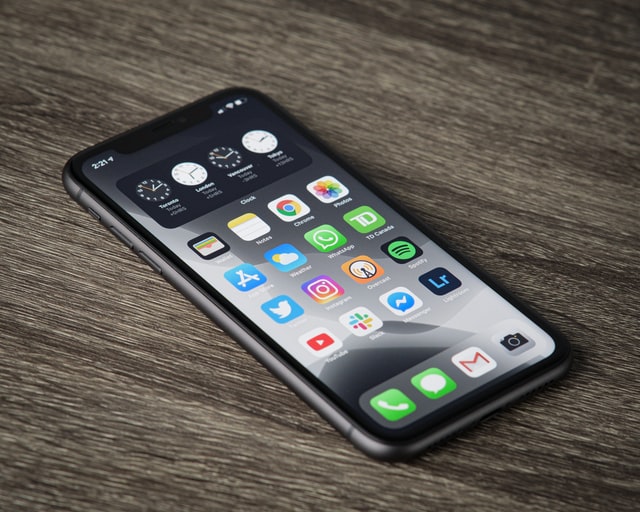
3 Top-Rated Budgeting Apps For Apple Users

As our finances are affected from spending more time indoors, budgeting for the coming months might reduce a degree of uncertainty. Read this list to discover the top-rated budgeting applications of iOS users. Having a budgeting app will help you stay on top of your finances to reach your goals.

#1: POCKETGUARD

HIGHLIGHTS
a. Knows what is in your pocket
b. Gets valuable insights on your spending habits
c. Tracks and lowers your bills
d. Identifies unwanted subscriptions
e. Helps you set and reach your goals
f. Establishes your debt payoff plan

PocketGuard is one of the simplest apps that does an excellent job of tracking your bills, income, and savings throughout the month. It stores your financial account in one place to help you manage your spending. Moreover, it analyzes your bills to look for ways to potentially save money.

This app is helps you manage your cash flow by projecting your expenditures in the near future and accounting for your expected income. PocketGuard offers apps for your iOS devices including your Apple Watch. It also has a desktop version.

Available here.

#2: MINT

HIGHLIGHTS
a. Free app
b. Has an investment tracking system
c. Offers TransUnion credit scores
d. Gives payment reminders to avoid late fees
e. Lets you sync your financial accounts within the app
f. Showcases monthly bill tracking system

Mint is one of the most popular financial apps in the market for both Android and iOS users. It stands out for a variety of reasons. Firstly, it is a free app that can help anyone looking that aims to improve their spending habits. The app is free, but you will be able to see product advertisements.

Image credits: unsplash.com

Secondly, Mint lets you sync your financial accounts within the app or manually add the transactions. This will enable you to keep track of your spending daily. Moreover, it has a monthly bill tracking system that includes payment reminders to avoid late fees. It also offers the ability to view your investments and check portfolio fees.

Available here.

#3: GOODBUDGET

HIGHLIGHTS
a. Check envelope balances
b. Has an expense tracking system
c. Uses the proven envelope budgeting method
d. Tracks your bank balances
e. Enables debt management and payment
f. Allows scheduling of transactions
g. Ad-free with the inclusion of 10 envelopes for free

Previously known as the Easy Envelope Budget Aid, the Goodbudget uses the traditional envelope budgeting method on a digital platform. It is an effortless way for users to view their budgeting categories across their devices in real-time. It also has some unique features that can help couples to save money for long-term goals such as purchasing a car or going on a vacation. While it is a useful app for couples, it is equally efficient for single users.

Image credits: unsplash.com

You can add money to your digital envelopes and label them accordingly. Once the money is allocated, it is easy to see how much income you have left. Users can stay within their means and avoid overspending. The basic features are free and allows up to ten envelopes.

Available here.

Source:1


Top image via techdaily.ca

Read More...

Personal Debt Among Young Singaporeans Soars During Pandemic

Personal debt among young Singaporeans have been rising during the COVID-19 pandemic and the situation could turn sour once the interest rates start to rise.

Recent Credit Bureau Singapore data showed that people in their twenties have been taking on increasing amounts of other debt since the second quarter of 2020. The data manifested that the average personal loans and overdraft balances for those under 30 elevated by about 23% in the first quarter of this year over the last three months of 2020.

To illustrate, the average personal loan and overdraft balances for borrowers aged 21 to 29 increased to S$49,689 in the first quarter of this year. This is about 42% higher than the average of S$34,941 in the first quarter of last year.

It is important to note that the borrowing limits in Singapore were capped in 2015 to help keep unsecured debt in check. Experts say that the higher debts observed recently could have been fueled by the low interest rates among other factors.

RISE OF UNEMPLOYMENT

Last March, the unemployment rate among residents below the age of 30 was 6.4 per cent. Unemployment and lower earnings could be the reasons why young adults take personal loans and overdrafts. They try to borrow their way out of the crisis.

“If it is due to youth unemployment, it is often transitory. And the Government already has the SGUnited Traineeships programme and other relief to help young people and help small firms hire young people.” – Singapore Management University’s Associate Professor of Finance, Mr. Song Changcheng

LACK OF PERMANENT JOB

Ms. Selena Ling, OCBC Bank Chief Economist, said that the impact from rising personal debt among younger people will depend on when things turn around in terms of their professional life.

She added: “If subsequently they can find permanent jobs, then they can pay off the debts. But if the duration is extended, then loan delinquency or default rates may rise.”

MANAGING YOUR DEBTS

Awareness of your overall debts and assets is the first step. Include every document, billing statements, loans, and mortgages you have. Take immediate action when you notice that your debts are getting harder to manage.

After seeing the bigger picture, it is time for you to reduce your expenses. Cut down unnecessary expenses such as designer bags or artisan coffee runs. Add the minimum payments of your debts and the cost of your necessities to your monthly budget. To aid your realistic budget, you may sell your unused or underused items online.

Image credits: unsplash.com

Lastly, you can seek professional help. Start by seeking help from your family and friends. Then, consider hiring a professional to reduce your interest rates and penalties at forgiving timeframe.

Source: 1

Read More...