How a minimalist lifestyle can improve your finances

minimalist interior

I’m sure many of us like to “show off” to our friends, don’t we? That’s why our social media facades make us feel so good.

Some of us go to the extreme to buy branded stuff or take on debt to buy a luxury car, while some spend beyond our means to take on social media-approved vacations.

But eventually, you will realize it’s such a waste of money. Especially when the credit card bills arrive.

But all is not lost. If you would only make the right turn now, this—a minimalist lifestyle—can save you.

Buy less, save more

It’s a no-brainer, isn’t it? When you buy less, you save more.

In this way, you’re investing your money in important things and not in unimportant ones. Your hard-earned money can be used for what matters—like furthering your studies/skills upgrading and on essential things like rent and bills.

Declutter by selling used/unused items

If you’ve got clothes and items that you’ve never/lightly used, why not sell them to someone in need?

While you may not be able to “make money,” you’re sure to recoup some cash. 

With apps like Carousell, it’s easier to buy and sell online.

Some items can fetch quite a fair bit if it’s still in good condition but make sure your photos are flattering as well. I’ve personally sold a ton of stuff on Carousell in the past so I know it works.

Just remember to exercise caution when dealing with strangers since scams are on the rise everywhere.

Find fulfillment without extravagant purchases

The money spent to get that Chanel bag or that Rolex watch can be better used elsewhere.

chanel-flap-bag

Image Credits: fi.bestsales2023.com

Yes, they may look nice and “elevate” your social status but what for if you’re spending future money you’ve yet to earn?

Living with less can provide more focus and value to your possessions too. Also, reducing clutter and distractions can lead to better living.

Instead of buying things all the time, why don’t you concentrate on self-improvement? Invest more in yourself so you can keep up with the AI advancements and keep your job!

Or you can consider sharing your time, money, or skills with others in need. Mentoring or volunteering can bring you more inexpressible joy than any branded bag out there.

Financial freedom is within reach

Aren’t you tired of chasing pleasure and money? No one can stop you if you’re born rich but if you’re not, seeing the interest rolling alongside your debt is a real headache.

Financial freedom is within reach if you would only stop and break free from all this spending frenzy.

And you can do so via intentional spending. Put thorough thought into your purchases, and stop buying things for the sake of short-term pleasure. Spend only on things you need and are essential for day-to-day living.

Once you become more intentional with your money, you can free up your budget to pay off debt. That should be the 1st goal if you’re in debt.

In a nutshell, living a minimalist lifestyle could be a great way to help improve your financial situation. You can save money by focusing on buying only the items that you need without having to worry about maintaining a lifestyle that is beyond your means. I’m not asking you to go overboard with the minimalism though—you can start small and work your way up, even if it’s just removing a few luxury items from your wardrobe or streamlining your expenses. Any baby steps you take now will help you out in the long run, and you just might find yourself appreciating life more when all the extra “stuff” isn’t weighing you down.
Read More...

Investing in Cryptocurrency: Risks & Rewards

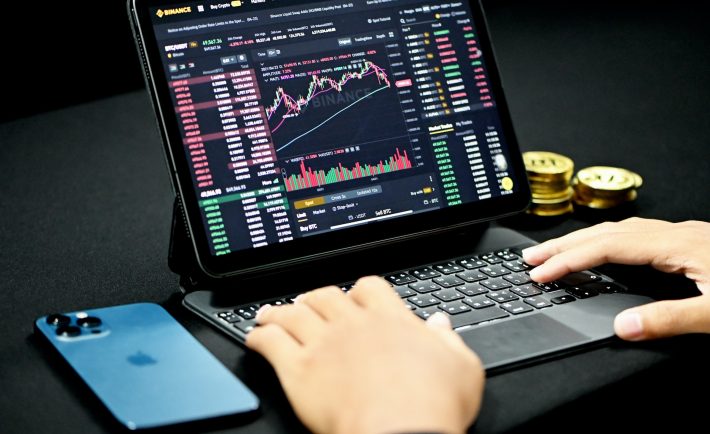
Cryptocurrency has taken the world by storm, and Singapore is no exception. Although the worldwide cryptocurrency ownership rates were around 4.2% in 2022, Singapore and Thailand are leading the way in Southeast Asia with significantly higher adoption rates of 11.05% and 6.47%, respectively. These numbers are mainly attributed to the digital savviness of their populations and the supportive regulatory environment in both countries. While investing in cryptocurrencies can be attractive and lucrative, it is also not without risks.

Firstly, let’s discuss the rewards. Cryptocurrency is decentralized, meaning it is not controlled by any government or financial institution. This makes it a popular investment option for those looking to diversify their portfolio and reduce their reliance on traditional banking systems. Cryptocurrencies can also provide quick and easy access to liquidity, making it an attractive option for those looking to make quick profits. For example, digital artists can easily sell their artwork using cryptocurrencies and still own its copyrights.

Furthermore, the Monetary Authority of Singapore (MAS) has issued guidelines for the trading and exchange of cryptocurrencies, making it easier for investors to enter the market. To address money laundering and illegal activities, MAS issued Notice PSN02, also known as the detailed Anti-Money Laundering (AML) and Combating the Financing of Terrorism (CFT) guidelines for Digital Payment Token service providers.

However, investing in cryptocurrency also comes with its own set of risks. One of the biggest risks is volatility. Despite Singapore’s ambitions to become a global crypto hub, it has been cracking down on the industry after many retail investors lost their life savings to crypto trading. The country has repeatedly warned that cryptocurrency trading is “highly risky and not suitable for the general public” due to its volatile and speculative nature.

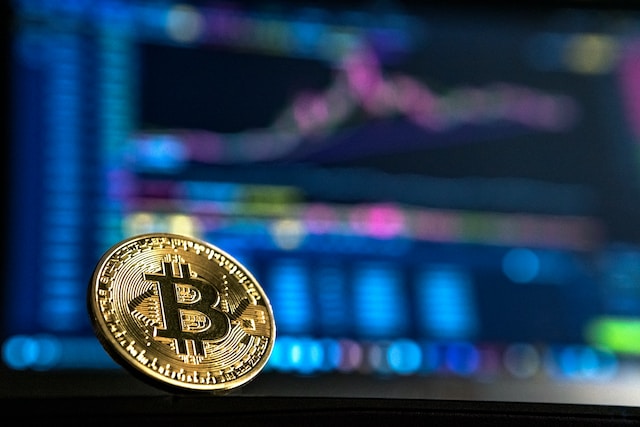
The general public must know that cryptocurrencies are subject to unpredictable price fluctuations. As they are less regulated, their value is influenced by other factors, such as psychological hype. For example, in 2017, Bitcoin’s price reached an all-time high of nearly $20,000, only to crash to $3,000 the following year. Another example is the rise of the first meme coin called Dogecoin.

Image Credits: unsplash.com

Another risk is security. Cryptocurrencies are stored in digital wallets, which can be vulnerable to hacking and cyber-attacks. If a hacker gains access to an investor’s wallet, they can steal their digital assets, resulting in significant losses. Can you imagine betting your life savings on cryptocurrencies and losing it all in a day?

Lastly, to thrive in the cryptocurrency scene, a certain level of technical knowledge is required. Don’t fall victim to frauds and scams by lacking technical knowledge. Investors need to understand how the blockchain works, how to manage digital wallets, and how to navigate cryptocurrency exchanges.

Despite the risks, the interest in cryptocurrency investment remains high among investors in Singapore. To minimize these risks, it is essential for investors to conduct comprehensive research before investing, keep their digital assets in secure wallets, and only invest a reasonable amount they can afford to lose. With prudence and caution, investing in cryptocurrency can be a fulfilling experience for Singaporean investors.

Sources: 1, 2, 3 & 4

Read More...

Unlock the Mysteries of Mortgage Rates

Mortgage rates are an important factor to consider when buying a home. They can have a significant impact on how much money you will pay in interest and the size of your monthly payments. With mortgage rates constantly changing, it’s important to understand what affects them and how they may change in the future. In this introduction, we’ll take a look at what factors influence mortgage rates and how they may affect your decision-making process when purchasing a bank home in Singapore.

Factors Affecting Mortgage Rates

  • a. Inflation
  • b. Federal Funds Rate
  • c. Economic Activity and Unemployment Rate
  • d. Bond Market Activity
  • e. Credit Availability and Demand for Loans

Mortgage rates are a key factor to consider when deciding whether or not to purchase a home. Although there are many factors that can affect mortgage rates, five main ones tend to have the greatest influence. These include inflation, federal funds rate, economic activity and unemployment rate, bond market activity and credit availability and demand for loans.

Inflation has an important role in determining mortgage rates because it affects the overall cost of living. As prices increase due to inflation, lenders will generally raise their mortgage rates as well in order to offset the extra costs associated with providing loans in an environment of higher prices.

The federal funds rate is another major factor that can affect mortgage rates. This is set by the Federal Reserve Board and it influences how much banks charge borrowers for loans as well as other lending activities such as issuing mortgages. Generally speaking, when this rate goes up so do interest rates on mortgages (and other types of loans).

Economic activity and unemployment rate also play a role in setting mortgage rates since lenders use these figures to assess potential risks associated with providing home finance products such as mortgages.

Types of Mortgage Rates

  • a. Fixed-Rate Mortgages
  • b. Adjustable-Rate Mortgages (ARMs)

Mortgages are a major financial commitment, and with so many different types of mortgages available, it can be difficult to decide which one is right for you. Two of the most common types of mortgages are fixed-rate and adjustable-rate (ARM) mortgages. Understanding the differences between these two mortgage types can help you make an informed decision that best fits your financial goals.

Fixed-Rate Mortgages

A fixed-rate mortgage is a loan with an interest rate that remains the same throughout the life of the loan, no matter how long or short that may be. With this type of mortgage, borrowers know exactly what their monthly payments will be for as long as they carry the loan. This predictability makes it easier to plan and budget for homeownership expenses in addition to other monthly expenses like utilities and groceries. Fixed-rate mortgages often come in 15-, 20-, 25-, or 30-year terms; however, some lenders may offer longer terms as well.

Adjustable-Rate Mortgages (ARMs)

An adjustable-rate mortgage is a loan with an interest rate that changes over time based on certain predetermined criteria such as market conditions or index rates like Treasury Securities or LIBOR indexes. Depending on the lender

Benefits of Lower Mortgage Rates

As homebuyers prepare to enter the real estate market, one factor that is often top of mind is the mortgage rate. Lower mortgage rates can be an attractive incentive for those looking to purchase a home, as they can help make the process more affordable and accessible. In this article, we’ll explore some of the benefits of lower mortgage rates and how they can be beneficial to potential homeowners.

One of the most obvious advantages of lower mortgage rates is that it makes buying a home more affordable. Homebuyers who take advantage of these reduced rates are able to borrow money at a cheaper cost over time, which helps them save on interest payments and allows them to pay off their loan faster. With lower monthly payments, it also becomes easier for potential homeowners to make their dream of owning a house come true without having to stretch their budget too thin or put themselves in financial jeopardy.

Lower mortgage rates also open up possibilities for refinancing existing loans or taking out additional loans against existing property equity. Homeowners who have taken out larger mortgages may find that refinancing at today’s low rates could significantly reduce their overall debt load and monthly payment amount – helping them get back on track with paying off their loan sooner than expected.

Conclusion

Mortgage rates are a key factor to consider when purchasing or refinancing a home. Rates can change drastically in a short amount of time, so it is important to stay informed about current conditions and shop around for the best rate you can find. With careful research and diligence, you can find the right mortgage rate that fits your budget and long-term goals.

Read More...

Webull Super Amazing Promotion- Deposit just $0.01 (1 cent) and receive US$500

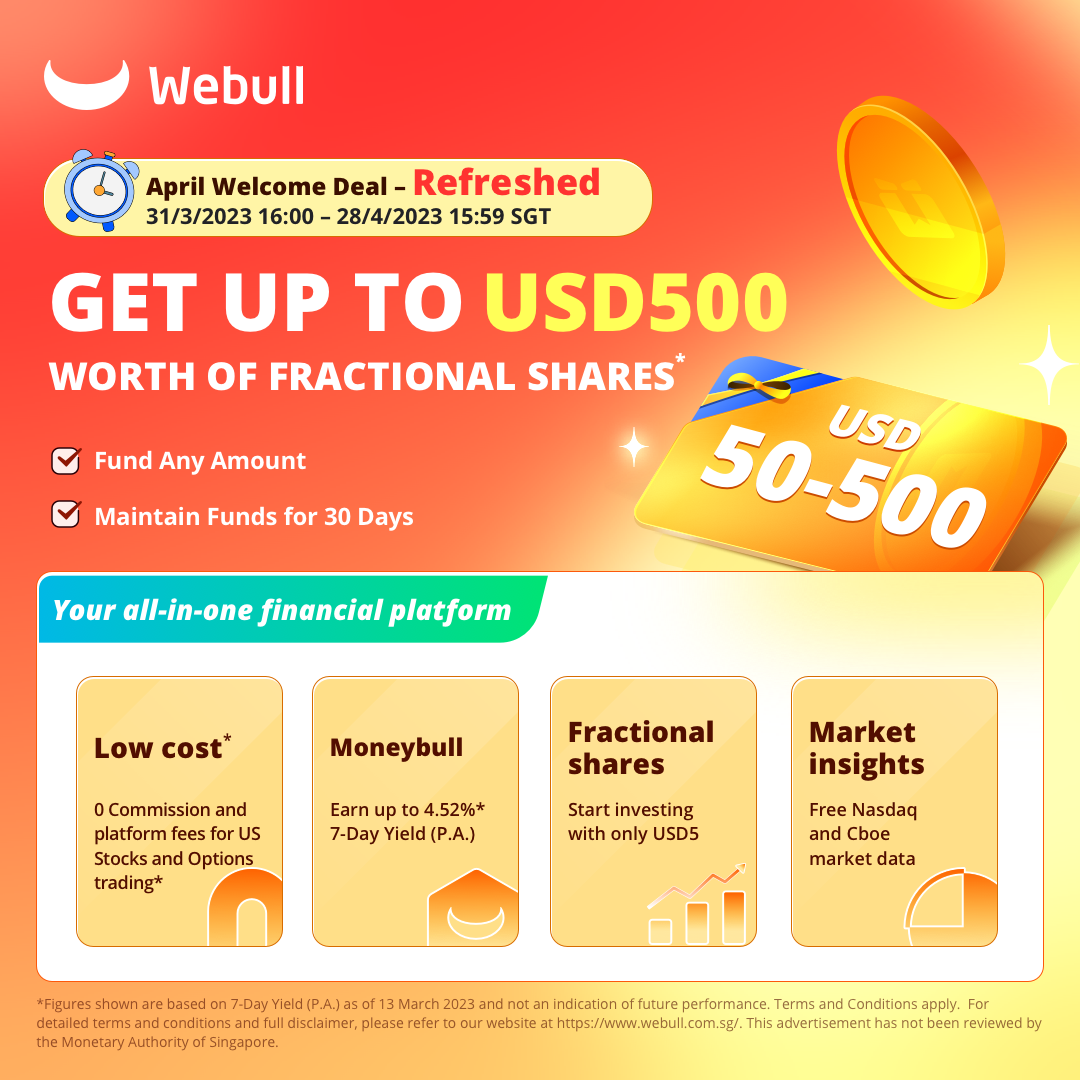
Another low-cost online broker is taking the Singapore brokerage trading market by its horns! Webull is a broker dealer registered with the SEC and headquartered in New York. To entice users to try out is zero-fee brokerage services, Webull is offering up to US$500 worth of blue-chip shares as long as a new user funds his/her account. The definition of funding means new user can top up as little as just 1 Singapore cent to get up to US$500 in this super amazing promotion!

Webull’s Amaaaazing Promotion

Here is a step-by-step guide on how to receive free US$500 worth of shares from Webull.

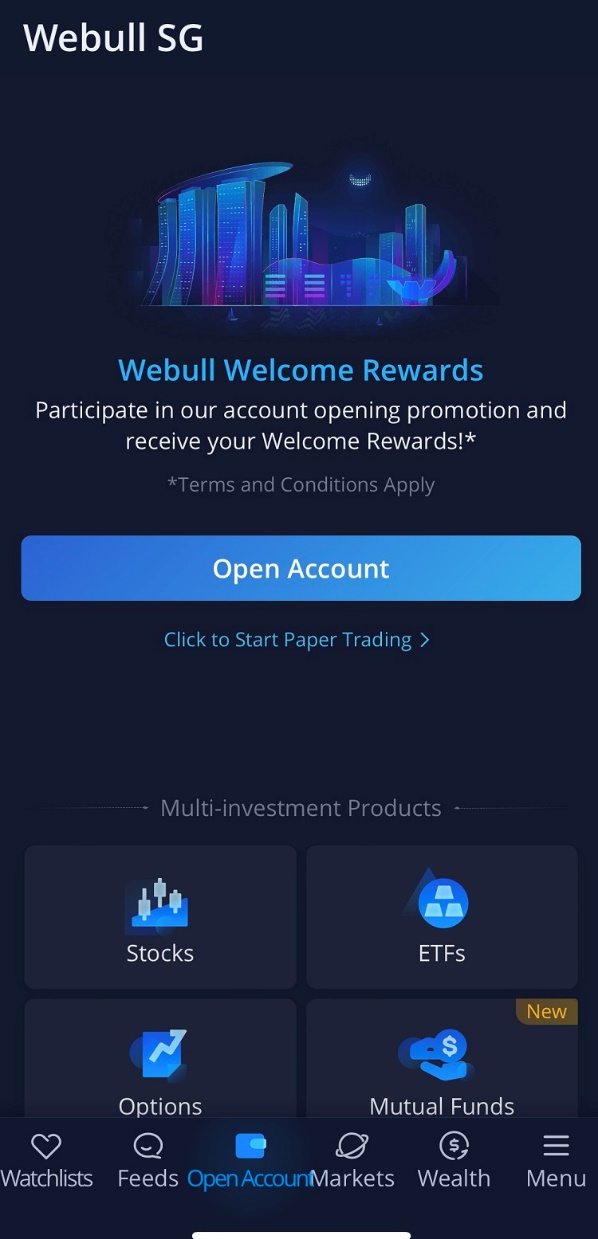
Step 1: Download the Webull mobile app from the Apple/Google Play store or access its desktop version

Step 2: Sign up using this referral link

Step 3: Register and open an account. You can key in your personal details or allow Singpass MyInfo to populate them.

Step 4: Once you have completed your account opening, simply wait for the approval from Webull. It usually takes just 1 business day.

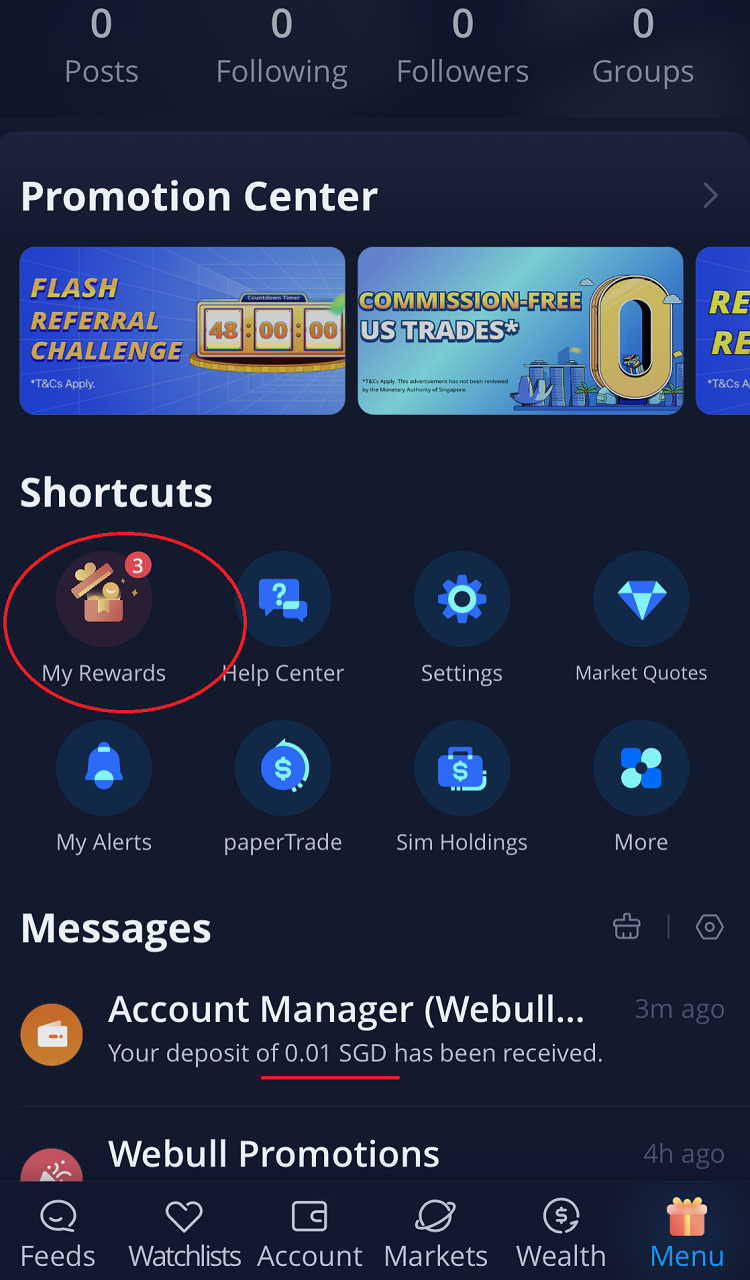
Step 5: Simply fund your account upon account opening via FAST or DDA. Any deposit is fine, even $0.01! Upon successful funding, go to dashboard to redeem your well-deserved rewards.

Simply click “My Rewards” icon to redeem your fractional shares! You will receive 3 blue-chip, fractional shares comprising of either Alphabet, Microsoft, Apple or Tesla. Each of these shares will be worth a minimum of US$10 to a maximum of US$100.

But wait, that’s not all yet.

If your account continues to stay funded for another 30 days, you will receive 2 bonus chances to redeem 2 more free shares. It will stay funded as long as your initial deposit of 1 cent has not been withdrawn. Thereafter, sell the 5 free shares and cash out. That is how you walk away with up to US$500 after just 30 days of doing almost nothing!

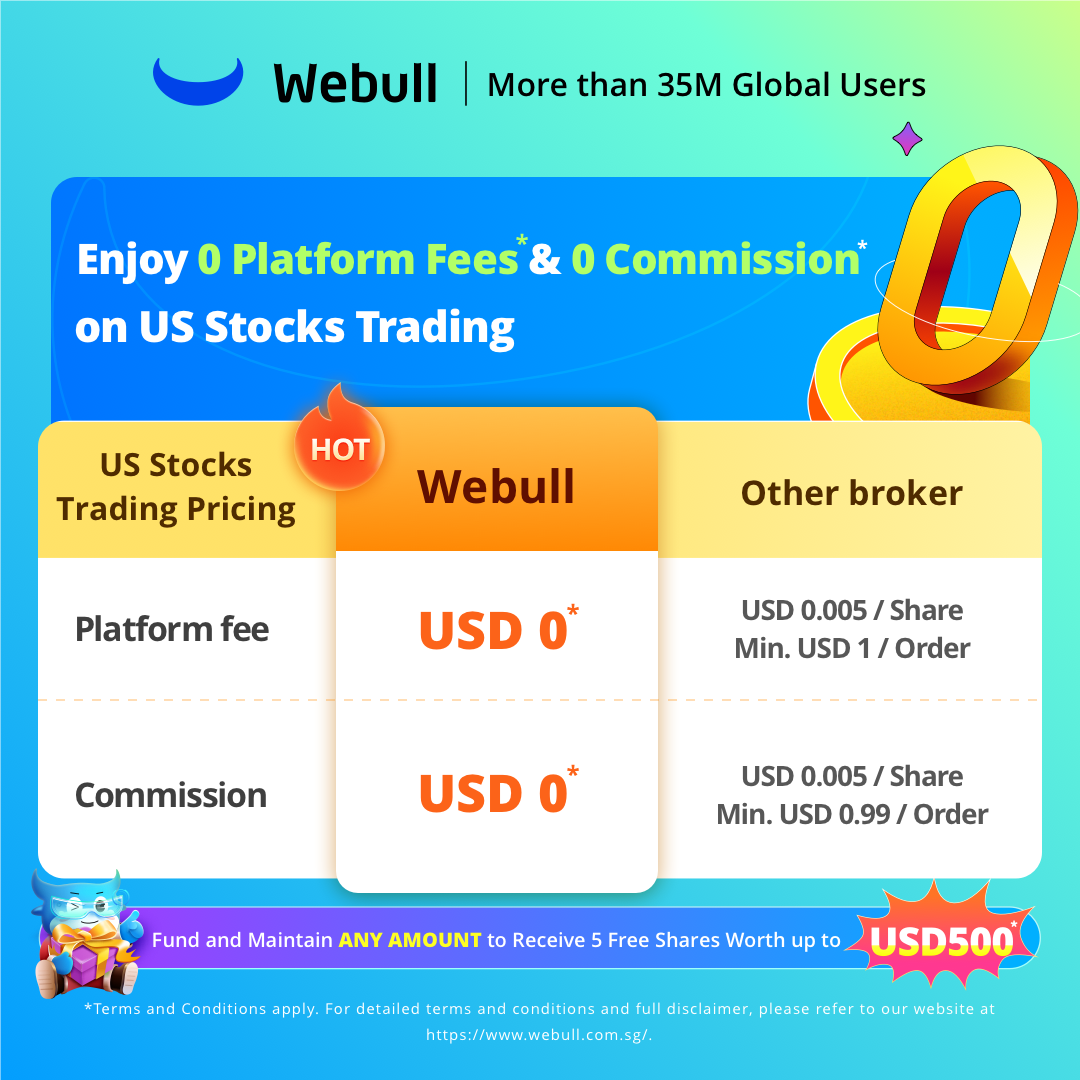
Even without the sign-up promotions, Webull is amazing for its ZERO platform fees and commission charges on US Stocks. This is the lowest cost that you can possibly find in the Singapore brokerage scene right now.

It is evident that the “effort-reward” ratio is remarkably high and that is why you should not pass up on this amazing promotion from Webull!

Sign up and fund your Webull account to claim your free shares now!

https://www.webull.com.sg/i/newuser

Read More...

Best currencies to trade from Singapore

Forex trading is a popular investment activity among Singaporeans, and the city-state has established itself as a hub for foreign exchange trading in the region. Singapore’s location at the crossroads of major trading routes, coupled with its advanced financial infrastructure, has made it an attractive destination for traders worldwide.

In October, it was announced by The Monetary Authority of Singapore (MAS) that the average daily trading volumes (ADTV) for foreign exchange (FX) in Singapore had risen to US$929 billion in 2022, marking an increase of 45% from April 2019. This steady growth helped Singapore to maintain its position as the world’s third-largest FX center, following the UK and the US, with a global FX volume share of 9.5% as of April 2022, up from 7.7% in April 2019. The growth in FX ADTV in Singapore was widespread across major currencies, with the US dollar, Japanese yen, and euro leading the way, with forex trade volume increasing from 39% to 50% in 2022. Following closely behind were the Chinese yuan and the Singapore dollar.

This article explores the best currencies to trade from Singapore, analyzing their performance against each other and providing insights into why they are popular among Singaporean traders.

Top Currencies for Singaporean Traders

The US dollar, euro, Japanese yen, Australian dollar, and Singapore dollar are among the best currencies to trade in Singapore. Each of these currencies has unique characteristics and trading patterns, making them ideal for different types of investors.

US Dollar (USD)

https://pixabay.com/id/photos/dolar-mata-uang-uang-dolar-amerika-499481/

The US dollar (USD) is the most widely traded currency in the world, and its influence extends far beyond the United States. The USD is often used as a reserve currency by central banks around the world, and many commodities, such as oil, are priced in dollars. As a result, the USD is one of the most popular currencies for trading from Singapore.

When trading USD from Singapore, traders often pair it with the Singapore dollar (SGD) or other major currencies, such as the euro, Japanese yen, or Australian dollar. The performance of the USD against the SGD and other currencies is closely watched by traders, as it can have a significant impact on their investment portfolios.

In recent years, the USD has experienced highs and lows against the SGD. In 2020, the USD weakened significantly against the SGD due to global economic impacts. However, the USD has since rebounded, and as of March 2023, it is trading at around 1.33 SGD.

Overall, the USD remains a popular currency for trading from Singapore, and its performance against the SGD and other currencies will continue to be closely monitored by traders in the coming years.

Japanese Yen (JPY)

Japan is a major regional economic power with strong trade and investment ties with Singapore, making the JPY an attractive option for traders.

When trading JPY from Singapore, traders often pair it with other major currencies, such as the USD, EUR, or AUD. Traders are drawn to the JPY for several reasons, including its status as a safe-haven currency during global economic uncertainty. Japan’s strong export-oriented economy and the policies of the Bank of Japan also play a role in the JPY’s popularity as a trading currency.

Euro (EUR)

The euro is one of the best currencies to trade in Singapore due to its liquidity, stability, and global relevance. Traders in Singapore can benefit from trading the euro by diversifying their portfolios, managing currency risk, and taking advantage of trading opportunities in the forex market. Additionally, The EUR is a popular choice for traders due to the strong economic ties between the EU and Singapore and the EUR’s status as a reserve currency.

The policies of the European Central Bank also play a role in the EUR’s popularity as a trading currency. The euro is backed by the European Central Bank (ECB), which implements policies to maintain price stability and support economic growth in the eurozone. This makes the euro less prone to sudden fluctuations and provides a sense of security to traders looking for a stable currency to trade.

Australian Dollar (AUD)

The Australian dollar (AUD) is a popular currency for trading from Singapore due to its close economic ties with the Asia-Pacific region, including Singapore. Australia is a major exporter of natural resources, and the AUD is closely tied to commodity prices, making it an attractive option for traders.

The AUD is a commodity currency closely linked to the prices of natural resources such as coal, iron ore, and gold. As Singapore is a major hub for commodity trading in the Asia-Pacific region, traders can use the close correlation between the AUD and commodity prices to make profitable trades. This makes the AUD an attractive currency for traders looking to diversify their portfolios and exploit market opportunities.

Traders can profit from the AUD’s volatility by trading AUD currency pairs such as AUD/USD or AUD/JPY.

Singapore Dollar (SGD)

https://pixabay.com/id/photos/singapura-uang-catatan-mata-uang-1821535/

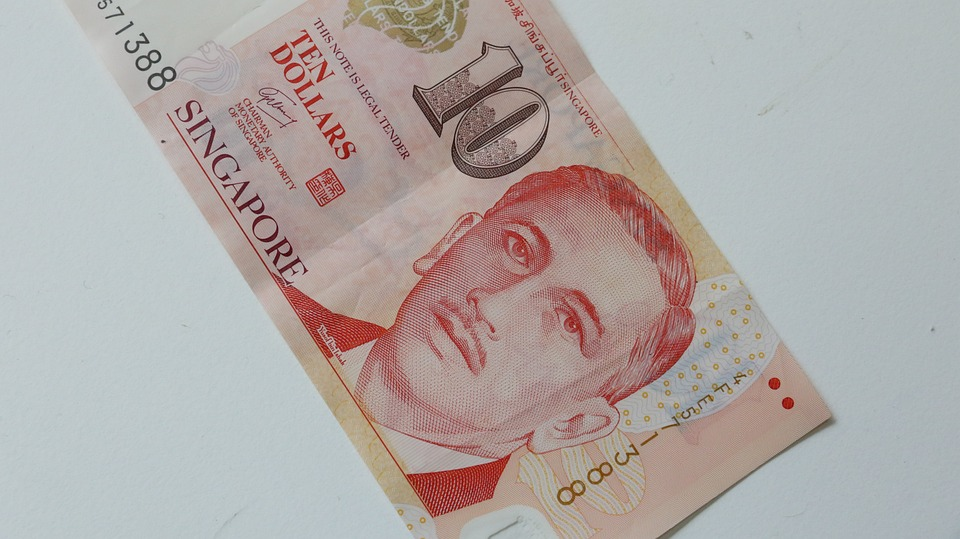
The Singapore dollar (SGD) is the official currency of Singapore and is a popular currency for trading both domestically and internationally. As one of Asia’s most stable and developed economies, Singapore attracts significant foreign investment, which drives demand for the SGD.

Singapore has a stable political and economic environment, with controlled inflation and a strong financial system, which adds to the attractiveness of the SGD as a currency for trading. Furthermore, the Monetary Authority of Singapore (MAS) follows a managed float exchange rate regime, which allows for some flexibility in the value of the SGD while maintaining stability. This makes the SGD an attractive currency for forex traders looking for a currency with lower volatility.

The SGD is often used as a proxy for other emerging market currencies in the region, adding to its popularity in forex trading. Overall, the SGD’s stable economy, strong financial system, and flexibility make it a popular currency for trading in Singapore.


Read More...