4 Interesting Cities In Europe That Are Cheaper Than Zurich

Europe is a captivating continent due to its extreme diversity. Contrary to popular belief, there are many budget-friendly cities in Europe for a Singaporean traveler. Let us start with the most expensive place among 56 popular cities.

According to the 7th Europe Backpacker Index, Zurich will exhaust your travel fund the most. Its Daily Backpacker Index (DBI) is US$124.67 or about S$176.86. This reflects the average cost if you were to get a decent budget hostel, two public transportation rides, three meals, entertainment fund, and a famous attraction per day. Each European city manifests a distinct DBI.

This list will show you the beautiful places that possess the lowest DBI.

4. HUNGARY’S BUDAPEST

Currency: Hungary Forint

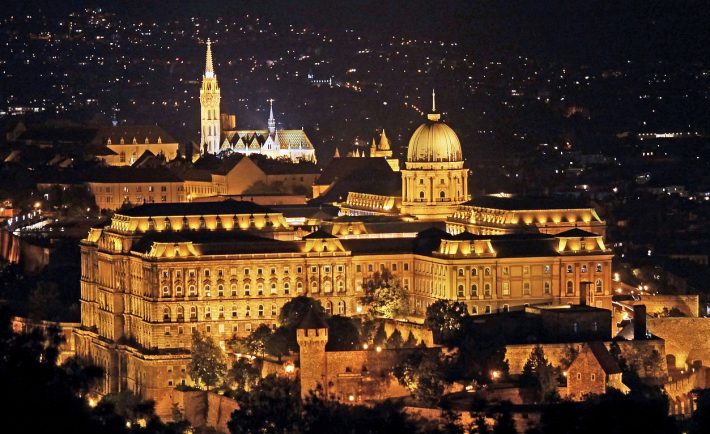
Budapest is a paradise for various kinds of Singaporean explorers. It is an excellent bargain find as the Daily Backpacker Index is US$26.75 or approximately S$38. Budapest is blessed with castles, cathedrals, and thermal spas. Not to mention, the city’s reputation as a food capital dates back from the late 19th century.

Worry not if you had too much of the Hungarian wine as you can cure your hangover in one of the city’s hot springs. Some people go to the hot springs to manage their ailments and the majority are there for relaxation.

Hostels provide great value for your money, but you can reap inexpensive prices if you get a place outside of the center. One of the best budget hostels is the Treestyle Hostel with an accommodation as low as US$5.33 or S$7.55 per night.

3. ROMANIA’S BUCHAREST

Currency: Romanian Leu

Bucharest may not be the “most attractive” town in Romania, but it is certainly dynamic and energetic. Trendy cafes and lush parks are abundant here. Moreover, the city fuses the unbridled capitalism with the unreconstructed communism. Its noticeable turn to communism is evident in the massive Palace of Parliament. I suggest you Google it now to see how many rooms the Palace has.
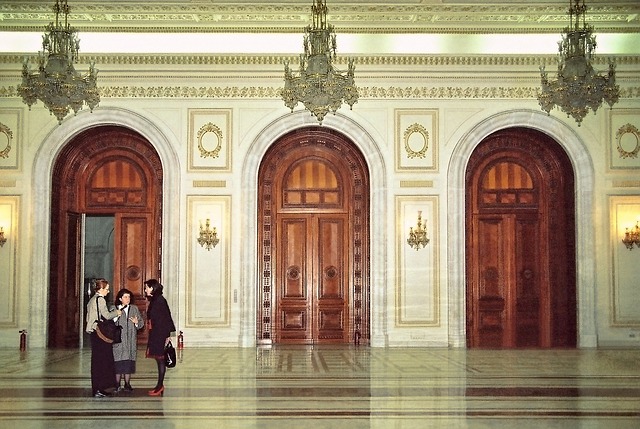
Image Credits: pixabay.com

Image Credits: pixabay.com

Escape from the hustle and bustle of Singapore by visiting Bucharest’s Cişmigiu Garden. It is the oldest public garden, which spreads over 17 hectares. Many travelers consider visiting here as a pit-stop before heading to Transylvania. It does not matter if you extend a day or two as you will be rewarded with affordable prices all year round. The specific Daily Backpacker Index is US$25.70 or S$36.46. Not bad, right?

2. POLAND’S KRAKÓW

Currency: Polish Zlotych

Renowned for its well-preserved medieval core, Kraków is a must-see city near the border of Poland and Czech Republic. You will be amazed at the architecture of the “Wawel Royal Castle” as well as the rich history of the “Old Town”. The Old Town contains magnificent museums, soaring churches, and Europe’s largest market square. Furthermore, you will greeted by an array of options in restaurants, bars, and clubs.

Europeans who desire to have a quick getaway over the weekends typically consider heading to Kraków. Aside from its historic charm, it offers low prices on hostels and eateries. Its overall Daily Backpacker Index is merely US$24.82 or S$35.21.

1. BULGARIA’S SOFIA

Currency: Bulgaria Leva

The capital of the Balkan nation of Bulgaria is Sofia. It is home to Bulgaria’s premier museums, art galleries, restaurants, and clubs. Its ambiance is far from a grand metropolis as it is pleasantly laid-back. This youthful and unique city has Ottoman mosques and onion-domed churches. The only drawback is this place is typically missed by anyone who is not doing an extensive tour of the region.
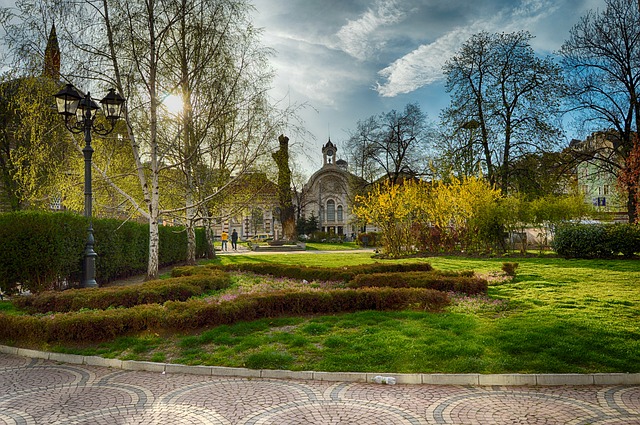
Image Credits: pixabay.com

Image Credits: pixabay.com

Sofia offers the most fantastic bargains among the European capitals. With a Daily Backpacker Index of US$24 per day (about S$34), you can purchase decent pizza slices or hotdog sandwiches for as low as US$0.60/S$0.85. Who knew that you can survive in a European place with a food budget of less than US$5/S$7 per day? I certainly did not!
Sources:  1 & 2

Read More...

What On Earth Is ERP?

As far as the majority is concerned, ERP is something that you must avoid during peak hours. Many Singaporeans plan their routes beforehand in order to drive away from the relatively costly charges. But, have you ever wondered why ERP exists?

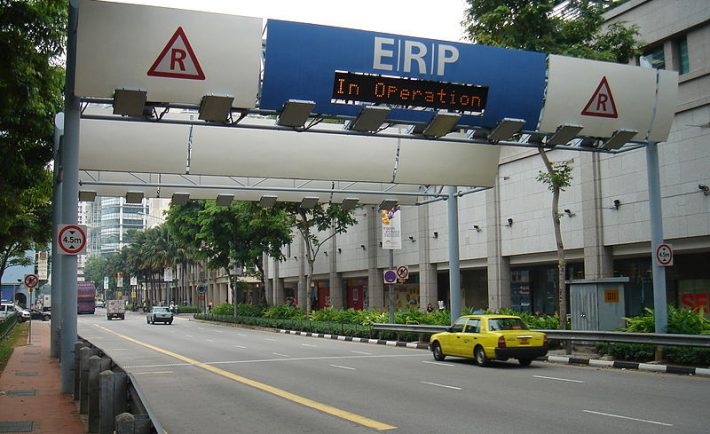
ERP or Electronic Road Pricing emerged as a means to control the traffic conditions. Managing the congestion is a must as there is a limit to the number of roads that one can build in Singapore.

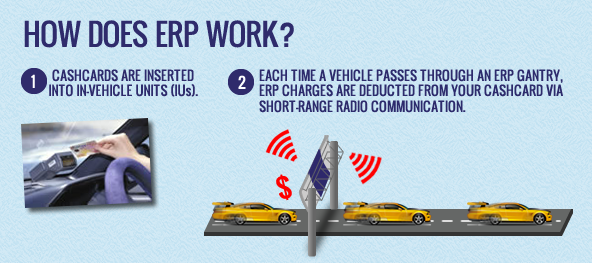
I have a simple task for you! As you travel to developing countries, observe how demanding it is for drivers to queue up to the appropriate toll booths. The ERP scheme diminishes this problem by deducting your payments in a wireless manner, without seeking further actions from the drivers.

Image Credits: www.lta.gov.sg

Image Credits: lta.gov.sg

Its robustness paved way for the significant expansion from 2 to 80 distinct gantries (i.e., bridge-like overhead structure with a platform). You see, ERP was activated on the 1998. Its predecessor was known as the Area Licensing Scheme. Drivers in the late 70’s will remember this.

You may wonder how ERP rates are determined. In complex terms: “rates will be adjusted accordingly based on an optimal speed range of 20-30 km/h on arterial roads and 45-65 km/h on expressways”. In simpler terms, ERP rates are determined by a quarterly review of traffic speeds on certain roads. Factors that affect the rates include:

a. the passenger car unit equivalent,
b. the time you entered the restricted zone, and
c. the systemic pattern during peak hours (i.e., charges alter every half hour during peak hours).

Image Credits: pixabay.com

Image Credits: pixabay.com

The future of ERP takes form as a Global Navigation Satellite System. NCS Pte Ltd. and Mitsubishi Heavy Industries Engine System Asia Pte Ltd. were appointed to develop this new-age ERP. It will be operational by 2020.

Are you ready for this contemporary shift and its potential effects on the road rates?

Sources: 1 & 2

Read More...

This could be one of the best miles credit card with a rate of 6 miles per dollar spent

I always wanted to see the world — or at least the United States — but i didn’t have a budget to justify it. I started looking for the best ways to accomplish my goal and how to save money on flights. A few years ago, i found something surprising.

By using a strategy, there is a certain group of people that are flying for free every year. Here’s how it works:

How to Fly for Free

A great and affordable way to fly for cheap is by using frequent flyer miles. Cash in your miles, get a free flight and travel for less.

At first, I assumed that you had to fly all the time to earn frequent flyer miles. They are called “frequent flyer” miles after all. As it turns out, that’s the complete opposite of what is true. The best way to earn frequent flyer miles isn’t by flying at all. It’s by finding the best credit card deals for earning frequent flyer miles, free hotel stays, and rewards points.

Best Miles Credit Card

OCBC TITANIUM

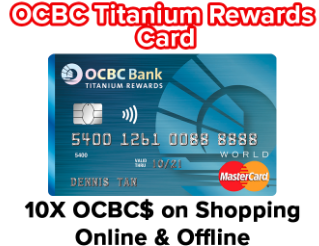
Introducing the new OCBC Titanium Rewards Credit Card that earns you 10x OCBC$ for ever S$1 spent – when you shop online and offline, locally and overseas!

OCBC Titanium Rewards Cardholders are entitled to earn 10X OCBC$ with every S$1 spend, if they perform Local & Overseas Shopping Transactions and Local & Overseas Online Transactions at establishments that fall within any of the following approved Merchant Category Codes (MCC):

  • MCC 5311: Department Stores
  • MCC 5611: Men’s and Boys’ Clothing and Accessories Stores
  • MCC 5621: Women’s Ready to Wear Stores
  • MCC 5631: Women’s Accessory and Speciality Stores
  • MCC 5641: Children’s and Infants’ Wear Stores
  • MCC 5651: Family Clothing Stores
  • MCC 5661: Shoe Stores
  • MCC 5691: Men’s and Women’s Clothing Stores
  • MCC 5045: Computers, Peripherals, and Software
  • MCC 5732: Electronics Stores
  • MCC 5699: Miscellaneous Apparel and Accessory Shops
  • MCC 5912: Drug Stores and Pharmacies (from 17 October 2016 to 31 March 2017)

Making transactions with their OCBC Titanium Rewards Cards from 17 October 2016 to 31 March 2017, through Mobile Payments (Android Pay, Apple Pay, Samsung Pay) will also entitle the Cardholders to earn 10X OCBC$ with every S$1 spend.

You can exchange 10,000 KrisFlyer miles with 25,000 OCBC$. (10x OCBC$ for S$2,500 spend) For the frequent travelers, this is equivalent to 4 miles for every S$1 spent, making it one of the best air miles credit card in the market.OCBC Card

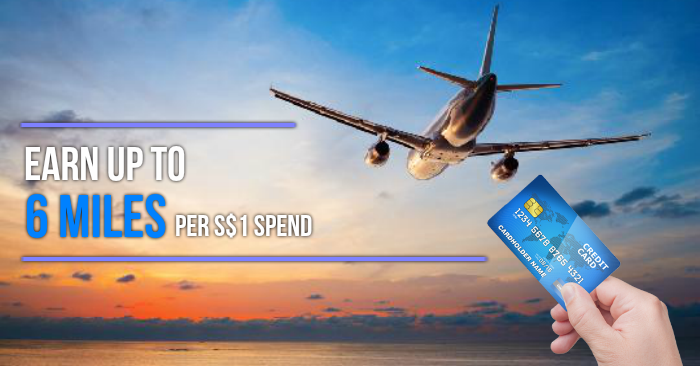
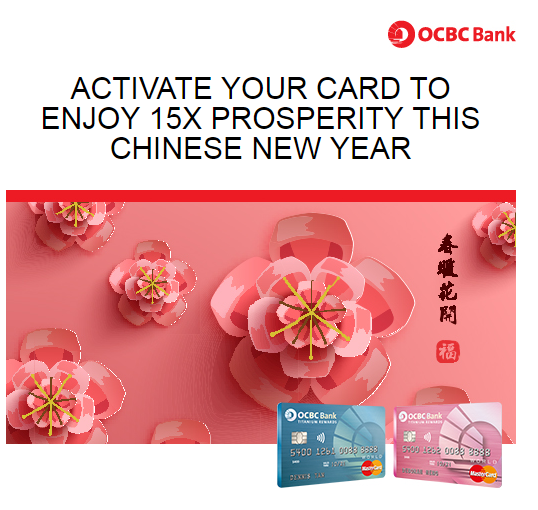
What’s more, from now till 15 Feb 2017, you get to enjoy a higher rate of 15x OCBC$ for a limited time. That is equivalent to a miles conversion rate of 6 miles per S$1 spend. Read the T&C here.

Comparison

Bonus sign-up promotion

Apply for this credit card before 31 January 2017 and receive $50 Grab, Zalora or Chope voucher of your choice upon card approval. For more information on this promotion, click here.

Play Your Cards Right

Chasing miles would not be a good idea if you do not pay your balance in full every month. As a reminder, live a life with no debt and do whatever you can to lower or erase your debt.

If you do it right, however, you will be on your way to rack up enough frequent flyer miles to fly for free.

Read More...

You Can Flawlessly Survive A Long-Haul Flight

Discovering the cultural differences while traveling the globe is a luxury that many Singaporeans are willing to pay for. While some flights pass by in a snap, other flights seem to drag on forever. I am pertaining to the intimidating long-haul flights!

Each passenger has a story to tell, but I am going to share an interesting one. My friend Rose (definitely not her real name) is a globetrotter. She had her fair share of short term and long term flights, including some of the most rough routes. Among these flights, she will not forget about her 15-hour experience to London. She was seated beside a highly anxious teen who could not stop crying. The teen felt cold and dizzy. She kept crying for almost 10 minutes. At this moment she questioned why this was happening to her. Why was she seated beside a person who is having a panic or anxiety attack? Fortunately, the situation was handled by a passenger who happens to be a licensed doctor.

Rose’s story is a rare case. Most flights are better than others as you may employ strategies to help ease your journey. Flying for a long period of time can become enjoyable with preparation and determination. Let us start with the factors that you can control such as your clothing, seat, and diet.

Given that you have to endure wearing the same outfit for more than three hours, you must be decked out in a comfortable one. Ensure that your chosen set can withstand the blast of the powerful air-conditioning system. I suggest to opt for several loose layers and closed-toed shoes.

When it comes to your eating regimen, you must shy away from alcohol and carbohydrates as much as possible. Carbohydrates holds water and makes you feel more bloated. While, alcohol is a dehydrating agent. Stick to the healthy option of fish (or chicken) and water instead. It is always a good idea to gulp a considerable amount of water before, during, and after your flight.

Lastly, it is important to realize the convenience that the contemporary era brings. Sit peacefully in your seat by reserving ahead of time. Avoid the noise created by babies and children by staying away from the front part of the plane. To reap the benefits of spacious legroom, choose the seats in the exit rows.

To prevent muscle soreness or discomfort, remember to do simple stretching exercises while sitting down. Twist your torso and look behind your shoulders every once in a while. You may also roll your head for a few times to help ease a stiff neck. Having the seat-belt sign turn off can work to your favor! Just take short walks to the lavatory area to stretch your legs and hips.

Image Credits: pixabay.com

Image Credits: pixabay.com

As with every circumstances in life, you cannot always be on top of the situation. A bearable long-haul flight to others may not serve you well. What can get you through the frightening turbulence and the deafening scream is a positive mindset. Perceive a long-haul flight as a beaming opportunity to catch up on your sleep or television series. It is also the ideal time to indulge on a movie marathon or to carefully write a business plan.

I admit it! Flying for a long period of time is not always easy for the mind and the body. Still, many of the strategies that I mentioned above can help reduce the strain of flying. Follow and modify these. More importantly, realize that the flight will eventually come to a safe ending. So, stay hopeful and committed!

Image Credits: pixabay.com

Image Credits: pixabay.com

Sources:  1,  2, & 3

Read More...

Travel Hack: How To Keep Your Phone Bills Low When Travelling

By Akansha Priyadarshi

Despite being excited about your upcoming vacation, you can’t help but notice the lump in your throat when you remember the $1,000 inflated phone bill you faced after your last trip. Having your phone during your travels is essential; from finding cheap things to do in Phuket, looking at maps and snapping photos with your camera, the average traveler today can’t travel without their phones. However, keeping your phone bills low is a challenge when overseas. The cost of cellular data and phone calls can swell ridiculously the moment your phone goes on international roaming. Try using the following hacks to avoid moaning over your phone bill after your next vacation.

Switch off your data roaming

This is one of the simplest things you can do to avoid exorbitant additions to your phone bill if you don’t have an international data plan. Keep the data switched off by sliding off the cellular data in your phone. To turn off cellular data on most phones, go into settings and turn off cellular data and data roaming to avoid data roaming charges.

Buy a new local SIM

Buying a new local SIM when you visit a new country is the easiest and cheapest option. This is perfect if you know you’re going to need cellular services and internet. The new SIM card will provide you with a temporary local plan without slaying your account. Most networks have a counter at the airport after baggage claim to assist tourists, so be sure to keep a look out for those to get your local SIM card.

Disable push notifications

You don’t need push notifications while travelling. Who wants to know the growing number of emails  piling up in that inbox when you are enjoying a day at a beach? To top it all, it costs you your data usage.

Download your maps in advance

It always pays off when you plan your trips in advance. You can download maps for the locations you are going to visit beforehand, when you have a planned itinerary. Use free Wi-Fi services in your hotel or any other place where free Wi-Fi is available to download the maps before you head out. It will save you from expensive cellular data costs. You can use apps like Citymapper or Google Maps that have functions for users to save maps for offline use and to navigate around without using unnecessary data. Here are more travel tips on using Google Maps.

Keep a check on your data usage

Last but not least, you can track your data usage. It is easy to forget how much data is being used when you’re watching YouTube videos and have numerous photos to post on your Instagram, Facebook and other social media accounts. You could save yourself a lot of trouble if you set a limit for data usage and be mindful of it. There are several data tracker apps such as 3G Watchdog, My Verizon Mobile, DataMan and My Data Manager, that can help you in tracking your usage. And if you use an iPhone, you can simply reset the data statistics by going on setting and adjusting your cellular usage.

Leave your holiday on a high note, knowing that you’ve kept your phone bill low.

Read More...