COVID-19 updates for those planning a trip to Japan, Australia, South Korea, and New Zealand

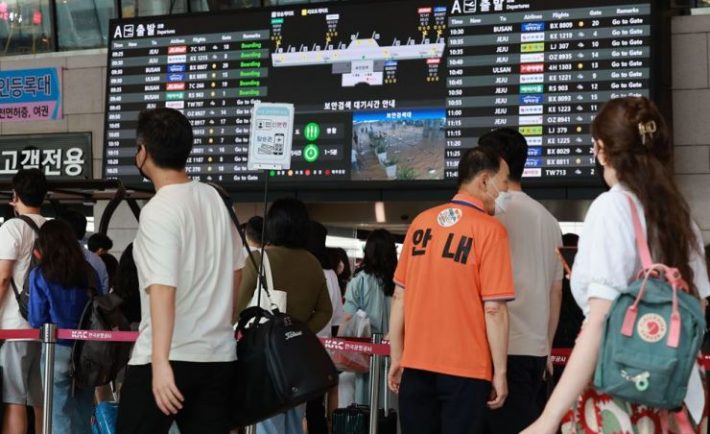
departure hall of Gimpo International Airport

May witnessed a rise in trips abroad as a result of additional relaxing of immigration restrictions in several countries, with aviation traffic on certain international routes reaching pre-pandemic levels.

The amount of traffic on a global level in May was 68.7 percent of 2019’s, which is the best comparison to traffic before COVID-19 thus far this year.

Amidst inflation, hefty jet fuel costs, and lacking consumer confidence, there is still a travel recovery, demonstrating that individuals continue to be quite keen to travel overseas. However, with many countries seeing an uptick in recent COVID-19 cases, including our sunny island, will we all be able to hop on board our next flight soon?

Stay on this page for COVID-19 updates for those planning a trip to Japan, Australia, South Korea, and New Zealand.

Japan
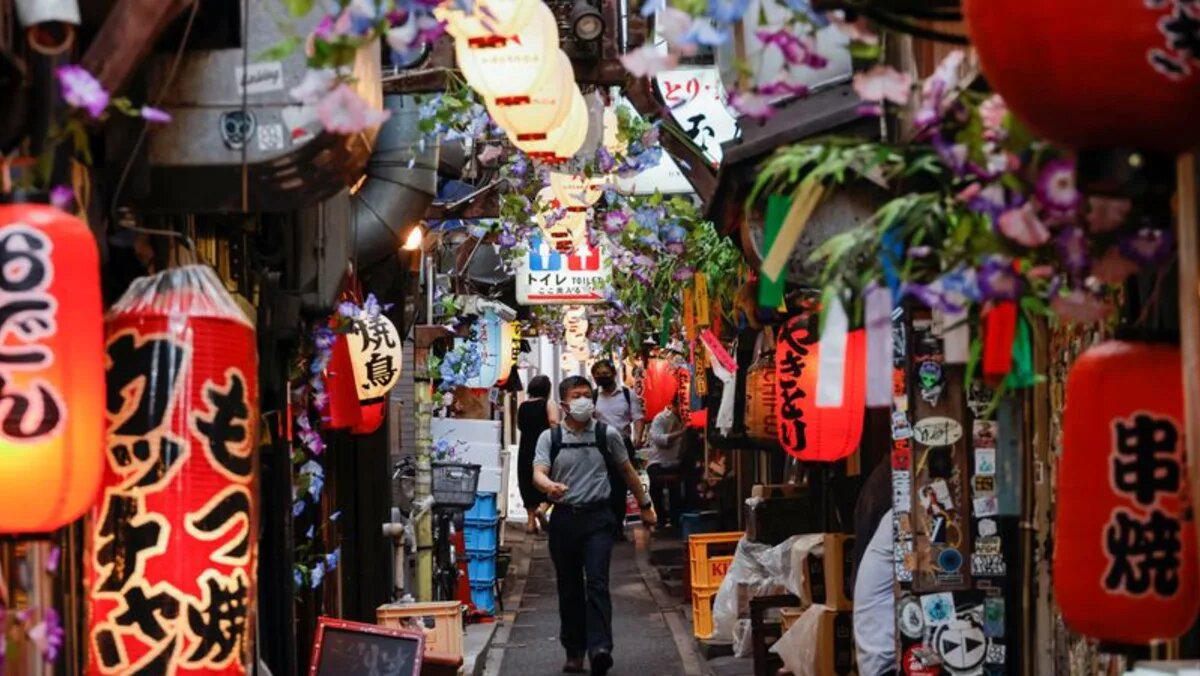
streets of Japan

Image Credits: channelnewsasia.com

On 14 July, Japan issued a public health alert, advising people to take extra precautions in light of the upcoming summer holidays as a fresh wave of coronavirus infections looked to be spreading quickly.

The number of reported cases in Tokyo rose to 16,878 on 13 July, reaching levels not seen since early this year. This is the greatest number of cases since February. On 14 July, the capital reported 16,662 new cases and increased its alertness to the maximum level. More than 50% of the cases recently are caused by the BA.5 mutation.

Australia
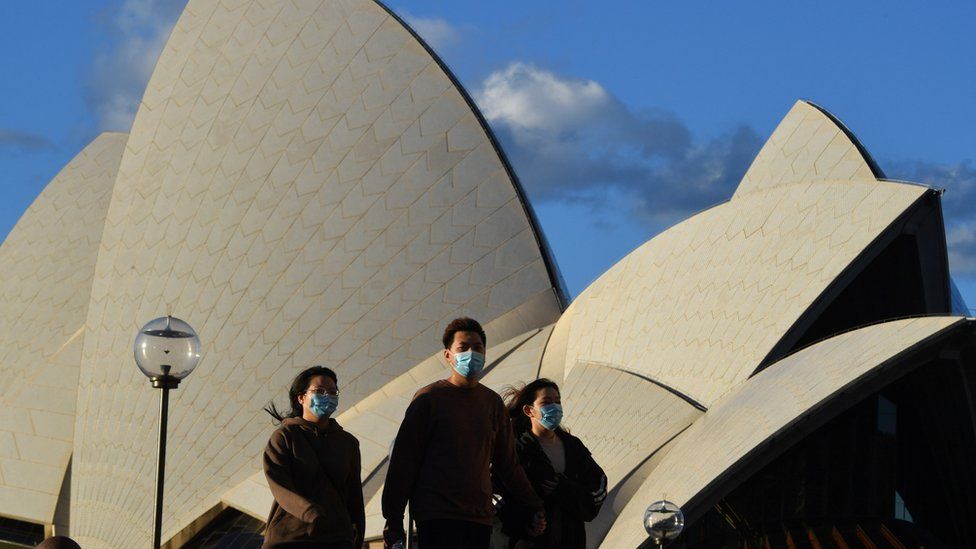
Asians in Australia

Image Credits: bbc.com

The health system in Australia is also on high alert as a result of a recent uptick in cases caused by the BA.4 and BA.5 subvariants, which has brought COVID-19 numbers to levels that are not far off from records set earlier in 2022.

After achieving world-beating immunization rates, Australia ended stringent social distancing regulations and emergency lockdowns at the beginning of this year. Authorities have warned that there might be millions of new infections in the nation over the next few weeks while ruling out any stringent limitations to stop the spread despite the fast-moving subvariants.

South Korea
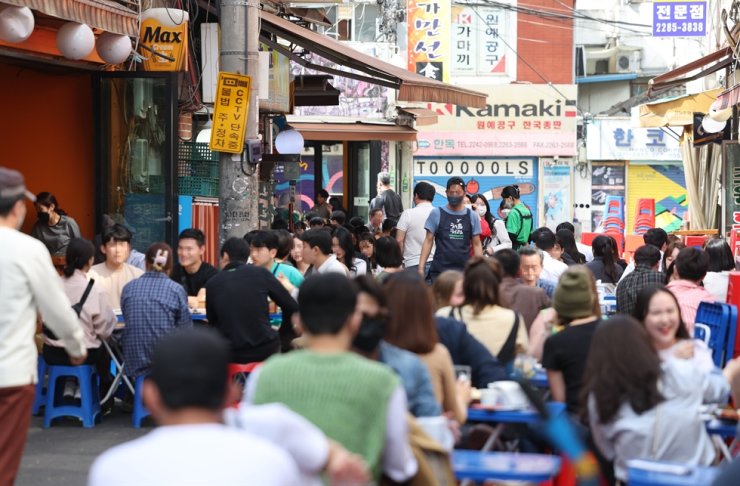
People drink and eat outdoors in downtown Seoul

Image Credits: koreatimes.co.kr

As infections decreased after reaching a peak of more than 600,000 per day in mid-March, South Korea abandoned the majority of its pandemic-related restrictions in May, including a requirement that people wear outside masks. But for the first time in two months, the number of COVID-19 infections in South Korea has risen beyond 40,000, and the government has issued a warning about a probable five-fold increase in the following months.

The government does not currently have any intentions to reinstate limitations, but it does not completely rule them out if the COVID-19 scenario undergoes a major shift. They are likely to increase quarantine checks at major airports as the volume of travelers is anticipated to increase significantly over the summer vacation period amid a new wave of viral recurrence, according to the most recent news on 15 July.

To strengthen quarantine inspection, an extra 200 quarantine employees will eventually be sent to Incheon International Airport, the main entry point into the nation, and seven other regional airports. Separately, the government will deploy roughly 2,500 employees to the nation’s busiest tourist destinations to monitor adherence to antivirus regulations and hygienic measures.

New Zealand

streets of New Zealand

Image Credits: reuters.com

As we come to a close, the most recent updates for New Zealand have it that the number of new COVID-19 cases has significantly increased over the last few weeks, and experts are predicting that this wave of Omicron seems worse than the first.

To stop the spread of COVID-19 and ease pressure on the nation’s healthcare system, which is grappling with an inflow of flu and COVID-19 patients, the New Zealand government introduced free masks and fast antigen tests on 14 July.

People are currently compelled to wear masks in public indoor areas, such as in stores, libraries, and public transportation under New Zealand’s current “orange light” rules. A switch to “red” constraints would impose a 200-person indoor gathering cap, but there is currently no political support for such an interruption, and the majority of infectious disease specialists do not believe it would have a substantial effect.

Updates from the World Health Organization (WHO)

WHO Director-General Tedros Adhanom Ghebreyesus

On 12 July, the head of WHO issued a warning that recent COVID-19 infection waves indicate the epidemic is far from finished. Early in July, the COVID-19 emergency committee of the WHO convened by video conference and declared that the pandemic continues to be a Public Health Emergency of International Concern, the most serious alert the WHO can issue.

The committee concluded that the course of viral evolution and the attributes of newly emerging variants continues to remain largely unpredictable and that the probability of new, more adaptable variants springing up with varying degrees of infectivity and immune escape ability increased in the apparent lack of actions to minimize transmission.

And true enough, as we’ve learned over the years, the changes brought about by COVID-19 are not to be taken lightly. For those who are traveling, it would be wise to keep checking back on the news on the latest restrictions or refer to the specific embassy’s news on any possible update on travel restrictions. We hope everyone will get to vacation with minimal disruptions but stay safe even while treading within the boundaries of Singapore.

Editor’s note: All information published at the time of writing is accurate.

Read More...

Why reframing your negative thoughts is the key to happiness

an Asian woman against a backlight

Negative thoughts and sentiments are a part of life. But, if left unchecked, they can have a weighty impact on our well-being and relationships.

Thankfully, there’s an uncomplicated way to deal with negative thoughts: reframing. Reframing is the process of viewing a negative situation in a more positive light.

In this post, you will learn about reframing, why it’s so important, and how to do it.

What are negative thoughts?

Negative thoughts are any thoughts that induce feelings of anger, anxiety, or sadness. They can be about others, yourself, or the world in general. These thoughts are often intrusive and can be challenging to get rid of.

They might tell you that you’re not good enough, that you’re going to fail, or that the world is a dangerous place. If you tend to think negatively, it can be tough to be happy. But there is good news: you can train your brain to alter these thoughts into being more favorable.

Why do we have negative thoughts?

Our brains are wired to focus on the negative. It’s a survival mechanism that helped our ancestors stay safe by identifying potential threats. However, in the modern world, this mechanism can often do more harm than good.

Negative thoughts can spiral out of control and cause us a lot of pain. They can also keep us from reaching our full potential. That’s why it’s so critical to learn how to rewire them. There are many ways to do this, and it’s not at all complex. By developing a more optimistic mindset, you can discover how to be more content with your life.

How to reframe your negative thoughts
a smiley man with his fists up

Image Credits: unsplash.com

Now that you understand a little more about why reframing your negative thoughts is so crucial, let’s take a look at some specific ways that you can do it.

The first step is to become aware of when you’re having negative thoughts. This might be tricky at first, but with time and practice, you will start to notice the patterns of negative thinking that are most common for you.

Once you’re conscious of your pessimistic views, the next step is to challenge them. This means questioning the validity of your thoughts and looking for evidence that disproves them. For example, if you think “I’m not good enough,” ask yourself “Where did I get this idea?” and “What proof do I have that supports this thought?”

Finally, once you’ve contested your negative thoughts, it’s time to reframe them. This means replacing the negative thought with a more positive one. For instance, if you’ve challenged the thought “I’m not good enough,” you can rephrase it to “I am doing my best and that’s adequate for me.”

The benefits of reframing your negative thoughts

There are countless benefits to be gained from changing your perspective on negative thoughts. When you learn how to modify the way you think, you will start to see a dramatic change in your overall happiness status.

Some of the key benefits of reframing your negative thoughts include:

  • Better sleep quality
  • Increased resilience
  • Boosted productivity
  • Reduced stress levels
  • Improved mental health
Bonus tips for reframing your negative thoughts

So now you know the fundamentals of reframing your negative thoughts. But there are a few bonus tips that can make the process a little more manageable:

  • Be patient. It takes time to retrain your brain, so don’t expect to see results instantly. Rome wasn’t built in a day, and your thought patterns won’t change overnight either.
  • Practice self-compassion. When you inevitably have a negative thought, don’t beat yourself up about it! Accept that it’s normal to have negative thoughts sometimes, and forgive yourself.
  • Seek help if needed. If you find that reframing your thoughts is too tricky on your own, pursue support from a therapist or counselor. They can provide additional aid and guidance as you work to adjust your thought routines.

So, why reframe your negative thoughts? It’s simple: because when you don’t, they have a stranglehold on your happiness. They keep you from seeing the good in circumstances, from appreciating the present, and from living a joyful life. But when you do reframe them, you’re suddenly free, unrestrained to see the flip side of a coin, relish in the moments, and live an all-around more satisfying life.

Read More...

Things you should do when updating your resume

a blank resume beside a laptop

You’ve put in the hard work to update your resume and have made sure it’s typo-free, well-organized, and tailored to the job you’re applying for.

But before you hit send, ensure you’re not making any of these common mistakes. Avoiding these blunders will help guarantee your resume is seen in the best light possible.

Use colors sparingly

Don’t use too many different colors on your resume. Stick to two or three colors at the most, and use different shades of the same color. This will make your resume look neater and more professional.

Avoid outdated language

Don’t use outdated language in your resume. It will make you look like you’re not keeping up with the times. Bypass terms like “hard worker” and “team player.” These phrases have been used so often that they’ve lost their meaning. Instead, try talking about your specific skills and accomplishments throughout your career.

Choose readable fonts and sizes
best-font-for-resume

Image Credits: resumegenius.com

When it comes to fonts, it’s best to stick to something simple and easy-to-read like Arial or Times New Roman. You also want to avoid using too many dissimilar fonts in your resume, as this can be confusing for the reader. As for font size, 10 or 11 is a suitable size to use. Anything smaller and your resume may start to look too cramped, while anything larger may make it difficult to read.

Don’t make it too short or too long

One of the most typical mistakes people make when updating their resumes is to make them either too short or too long. Remember, your resume is not a biography! A good rule of thumb is to keep it to one page if you can, and two pages at most.

If your resume is too short, you may not be giving hiring managers a complete picture of your skills and experience. On the other hand, if your resume is too long, you may be overwhelming hiring managers and they may not bother to read it at all. Keep it concise and relevant, and you will be on your way to making the best impression.

Steer away from an unprofessional email address

One of the biggest no-nos when updating your resume is using an unprofessional email address. This will give the image that you’re not serious about your job search. We’re referring to email addresses such as [email protected] or [email protected].

There are a few straightforward steps you can take to make sure your email address is professional. First, choose an email address that’s easy to remember and doesn’t include any weird characters. Secondly, make sure it’s not too long—the shorter, the better. Finally, avoid using any funky spellings or unusual words.

Your resume is the first impression you make on potential employers, so it’s crucial to make sure it’s up-to-date and error-free. But there are some things you should never do when updating your resume, like using too many colors or including irrelevant information. Follow some of the abovementioned approaches and you will be on your way to constructing a resume that stands out from the rest.

Read More...

Singapore’s Total Number of Monkeypox Cases Grew to Four

Infection with the monkeypox virus causes the rare disease called Monkeypox. Monkeypox virus belongs to the Orthopoxvirus genus, which includes variola virus (which causes smallpox), vaccinia virus, and cowpox virus. This disease, which can cause serious skin rash, appears to be spreading via direct contact with the skin or saliva of an infected person.

LOCAL SPREAD

On July 8, the Ministry of Health (MOH) reported one more imported case of Monkeypox in the country. This brings the total number of confirmed cases to four since June. The country’s Monkeypox cases consist of one local infection and three imported ones. The fourth case is a 30-year-old patient who lives in Singapore and had recently returned from Germany.

The man experienced rashes in the groin area last June 30 and had a fever a week later. He sought medical treatment and was taken to the National Centre for Infectious Diseases on July 7. He tested positive for monkeypox on July 8 and is currently in a stable condition, according to MOH. Contact tracing is ongoing.

CURRENT SITUATION IN AFRICA

Health authorities in Africa are treating its expanding Monkeypox outbreak as an emergency. To avoid the immense problems seen during the COVID-19 pandemic, they are exhausting their resources and are asking for other leaders to share the world’s limited supply of vaccines.

Monkeypox has been spreading in parts of Central and West Africa for decades, however the weak surveillance and the lack of laboratory diagnosis contribute to many cases being left undetected. Currently, countries in Africa have reported more than 1,800 suspected cases including 70 deaths with only 109 of them being lab-confirmed.

Ahmed Ogwell, the acting director of the Africa Centers for Disease Control, said:
“This particular outbreak for us means an emergency. We want to be able to address monkeypox as an emergency now so that it does not cause more pain and suffering.”

GLOBAL UPDATES

The World Health Organization said that the expanding monkeypox outbreak was worrying but did not yet warrant being declared as a global health emergency. The U.N. health agency said it would reconsider its decision if Monkeypox continued spreading across more borders, began infecting vulnerable groups, and showed signs of increased severity.

Image Credits: unsplash.com

Worldwide, more than 5,000 cases of Monkeypox have been reported in 51 countries (in time of writing). The majority of these cases are in Europe and no deaths beyond Africa have been reported.

Sources: 1,2, 3, & 4

Read More...