The Rabbit symbolizes longevity, peace, and prosperity in the Chinese culture. Having said that, we can look forward to 2023 as the Year of Hope. The Year of the Rabbit begins on January 22, 2023 (Chinese New Year).
The Rabbit is described as gentle, quiet, elegant, alert, quick, skillful, kind, patient, very responsible, and faithful to those around them. There are five types of rabbits including the five elements – Gold (Metal), Wood, Water, Fire, and Earth. This year is the Water Rabbit. The Water Rabbit is known for being amicable, flexible, and gentle.
Increase your luck by wearing the luck colors of blue, green, and white. To welcome good fortune in your home this coming Chinese New Year, add touches of blue. You may also wear metallic colors such as gold, silver, and grey jewelry to increase your luck.
#1: FOR THE BEDROOM
It is vital to have your bed in a commanding position. You should be able to see the door, but it should not face you directly. Remove the clutter or obstructions in your bedroom. Moreover, you must be able to get rid of your aquariums or water bodies inside your bedroom. Water is meant to diffuse the fire, which can decrease your passion in the bedroom.
#2: FOR THE KITCHEN
The stove should be in a commanding position and the fridge should be tidy. A mixture of water and salt is recommended to cleanse off bad energy and attract good energy. Feng Shui advisors recommend using hues of green, blue, white, grey, yellow, and brown in your kitchen. You may also add red or orange or inspiration. No matter what happens, you must steer clear of keeping broken items.
#3: FOR THE BATHROOM
Bathrooms have the lowest source of energy. Hence, you must use light and warm hues like light blue, turquoise blue, green, peach, pink, white, creamy white, and yellow here. It is recommended to decorate your bathroom with oval mirrors and mellow lighting.
Image Credits: unsplash.com
Feng Shui advisors strongly advise against the use of suspended harsh lights. Above everything else, you must frequently deep clean your bathrooms.
Infidelity is defined as the act of having a romantic, emotional, or sexual relationship with someone other than one’s wife, husband, or partner. Extramarital affairs are complex! Its relationship dynamics, emotional investments, logistics, and explosive fallout are far from simple. More importantly, it is expensive!
According to Dr. Ramani Durvasala, a Los Angeles-based clinical psychologist: “Some people get an additional cell phone; a whole additional cell phone plan or a burner [phone] or something like that; they may travel; they may get hotel rooms; they may purchase gifts for this new person.”
The costs of maintaining two relationships add up. In fact, a study showed that expenses associated with an extramarital affair are typical and can cost nearly US$450 (S$601) per month. New flames can intoxicate your brain and push you to spend more. People spend money on event tickets, meals out, bar tabs, air fares, and hotel rooms. Covering one’s tracks can be expensive too. Some people are willing to pay more to ensure secrecy.
People have hired assistants whose sole responsibility was to manage the logistics of the affair or lawyers to draft the NDAs. “They get somebody, and they pay them double to shut them up, and they make that person sign an NDA,” said Dr. Ramina.
Paying an extra S$50 to S$100 a week on dating when you do not have that money can burn you quickly. Not to mention, the effects of infidelity can open a door to larger costs such as marriage counselling and divorce proceedings. Did you know that a 60-minute marriage counselling session can cost you around S$100 or more?
Apart from these costs, you must keep in mind the following elements.
#1: CHILD MAINTENANCE
The Court can order payment of child maintenance in the form of a monthly allowance or a lump sum. In Singapore, children are entitled to child maintenance from their biological parents until the age of 21. However, this order may be extended for certain circumstances such as undergoing national service.
#2: MEDICAL FEES
If you have been infected with STD due to your spouse’s infidelity, you are entitled to sue. You might be able to receive financial compensation on the grounds of “marital tort” (i.e., misconduct) providing medical evidence such as a doctor’s testimony. Moreover, if you were infected with HIV due to your spouse’s affairs, your partner can be found guilty of an offense.
#3: LOSS OF TRUST
The most obvious price of infidelity is loss of trust. Trust is not won back easily. The damage created by unfaithfulness can leave a lasting emotional wound. The slightest word or thought can trigger a person’s distrust from others. Both parties suffer an inability to share their lives with others without fear of betrayal. Marriage counselling can help mediate the situation.
#4: ACT OF FORGIVENESS
Following an act of unfaithfulness, a couple can move forward when forgiveness is present. Forgiveness is complicated, especially when you are breaking a vow. Forgetfulness will likely never occur, which makes forgiveness much harder. Healing takes time and effort.
Image Credits: pixabay.com
Whether infidelity has taken place in the form of physical or emotional affair, the price is high.
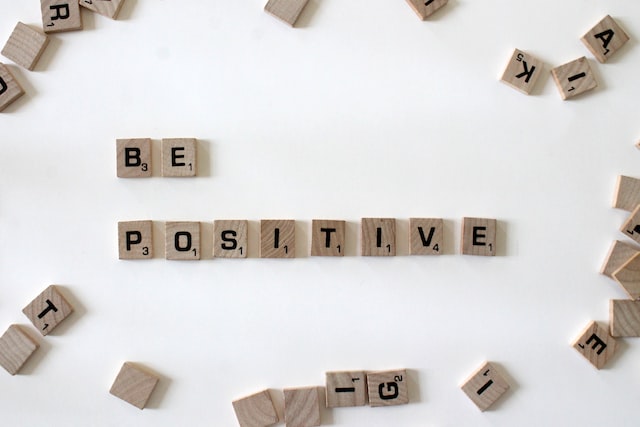
You might think that being positive all the time is a good thing, but did you know that it can have some negative consequences?
Believe it or not, there are some dangers to being overly optimistic.
What are the pitfalls of being overly positive?
When you’re overly positive, you tend to exaggerate the good and ignore the bad.
You become so confident in your ability to see the best in every situation that you take unnecessary risks. And all of this can lead to some pretty big problems.
You might find yourself in over your head. You might take on projects that are too risky or agree to unfavorable terms. You might also end up alienating people who don’t share your rosy outlook on life. People may also see your confidence as naivety or even arrogance.
How to tell if you are an overly optimistic person
Do you tend to take things at face value and refuse to believe that bad things could happen to you? If this sounds like you, then there’s a good chance that you are an overly optimistic person.
While there’s nothing wrong with having a positive outlook on life, being overly optimistic can have some serious drawbacks. For one, it can lead to impracticality and overconfidence. You may become so convinced that everything will work out in your favor that you refuse to take precautions or put in any effort.
Overly optimistic people can be harmful to themselves and others. When we refuse to acknowledge negative experiences, we are doing ourselves a disservice. It’s important to allow ourselves to feel sadness, anger, and other difficult emotions to move on. Pretending that everything is sunshine and roses can prevent us from dealing with our problems head-on.
Achieving a healthy balance of optimism and realism
Image Credits: unsplash.com
While it’s good to be optimistic, it’s also crucial to be realistic.
After all, you don’t want to set yourself up for disappointment by expecting too much from life. It’s this balance of optimism and realism that can help you achieve true happiness and well-being.
In fact, studies have shown that a combination of realistic and optimistic thinking can promote well-being. People who embrace the two tend to be more satisfied with their lives and have fewer episodes of depression. They’re also more likely to seek out help when they’re struggling.
On the other hand, overly optimistic people can sometimes fall victim to the optimism bias. This is a cognitive bias that skews our knowledge evaluation in positive and self-serving ways. We often give ourselves too much credit, while downplaying the risks and potential negative outcomes of our choices.
How to dial it back when you’re too positive
If you’re someone who tends to be a bit too positive, there are a few things you can do to dial it back.
First, try to be more mindful of the words you use. If you find yourself saying things like “always” or “never,” try to replace those words with more realistic ones.
Second, be more aware of the way you respond to other people’s problems. When someone comes to you with a problem, resist the urge to try and fix it or make it sound not as bad as it is.
Lastly, don’t be afraid to embrace your negative emotions. It’s okay to feel sad, angry, or frustrated sometimes. Allow yourself to feel those emotions instead of pushing them down with false positivity.
An overly optimistic attitude can do more harm than good. If you ignore clear warning signs or downplay potential risks, your overly optimistic attitude can lead to some pretty big problems. Additionally, if you’re always putting a positive spin on everything, people may start to take advantage of you or rely on you too much. So while it’s good to be optimistic and have a positive outlook on life, too much of a good thing can be bad. Try to find a balance between being too optimistic and being too negative as you navigate through this year.
You may have the best product or service in your industry, but if no one is buying it, you’re not going to make any money. The fact is, most businesses could do more to improve their sales conversion rate.
What is a sales conversion rate, you ask? In its simplest form, it’s the percentage of people who visit your website or come into your store and then buy something. In other words, it’s how well you’re turning browsers into buyers.
If you’re not happy with your current conversion rate, don’t worry—we’re going to show you how to improve it. We will start by explaining what influences a sale, then give you some tips on how to increase your conversion rate. Let’s get started!
Analyzing your sales funnel
Before you can start improving your sales conversion rate, you need to understand where it stands now. This means taking a look at your entire sales funnel and analyzing every step of the user journey.
This starts at the top of the funnel, where you’re capturing leads. Are you capturing all the leads you could be? Are you using effective lead capture forms and techniques? Are you segmenting your leads correctly so that you’re targeting the right people?
Once you have their contact information, are you then providing them with compelling content that entices them to convert? Is your content relevant to their needs? Is it helpful? Is it engaging?
Once they’ve been convinced to become customers, are you making it easy for them to purchase? Are your checkout processes smooth and simple? Are you providing them with all the details they need? Are you offering them incentives to buy?
Start by analyzing your sales funnel and making changes where necessary. The more effectively you can guide potential customers through your sales funnel, the more likely they are to convert.
Optimizing your leads & reviews
Image Credits: instapod.com.sg
When it comes to optimizing your sales conversion rate, there are a few things you can do to improve your chances of making a sale.
Narrowing down your leads is one way to improve your results. By targeting only those most likely to buy from you, you’re eliminating the need to convert those less likely to buy. This makes the process easier for both you and your customers.
Another way to improve your conversion rate is by adding an exit-intent popup. This will give customers one last chance to consider buying before they leave your site. And if they don’t buy, it’s still a great way to capture their information and follow up with them later.
Finally, building trust with your customers is key. Showcasing social proofs, such as customer reviews and testimonials, is a smart way to do this. This helps create a sense of authenticity and builds confidence in your brand.
Enhancing the customer experience
Another way to increase your sales conversion rate is by giving your visitors a personalized experience. You can do this by tracking their behavior on your website and offering them content that’s relevant to their interests.
Also, focus on providing top-class customer service. This means being responsive to customer inquiries and concerns, offering a hassle-free returns policy, and providing additional details to product descriptions.
Utilizing AI & automation to increase conversion
Image Credits: unsplash.com
If you’re not utilizing AI and automation to increase your conversion rate, you’re seriously missing out. Here’s why:
AI analytics unlock robust customer data. It provides insights into customer behavior that would otherwise be hidden. This data can be used to improve your marketing and sales strategies, and ultimately increase your conversion rate.
Automation enables businesses to focus on more essential things. By automating repetitive tasks, businesses can concentrate on providing exceptional customer experiences. And we all know those happy customers are more likely to convert.
So if you want to take control of your business and increase your sales, utilizing automation and AI is the way to go.
You could be leaving money on the table by not optimizing your sales conversion rate. Don’t be content with merely increasing traffic to your site—you need to make sure those visitors are turning into paying customers. If not, you’re just wasting your marketing spend.
You know, the one who’s always worrying and thinking and never taking any action. They’re stuck in their head, and it’s holding them back from achieving their goals.
I used to be the same way. I would overthink every decision, analyze every possible outcome, and never take any action. But eventually, I realized that this approach wasn’t getting me anywhere. I was stuck in a cycle of paralysis by analysis.
So, I decided to change things up. And it worked. I started taking small steps and seeing results. And you can too. All you need to do is stop worrying and start doing.
What is the thinking trap?
We all know that voice in our head that tells us we’re not good enough, that we can’t do it, or that we’re just not cut out for this. That’s the thinking trap in action, and it can be incredibly paralyzing.
This is a negative pattern of thought that we get stuck in, and it’s one that often fuels anxiety and keeps us from taking action. It’s a type of cognitive distortion, which are thoughts that are not based in reality. And once we get caught in these traps, it can be difficult to break free.
How to break out of the thinking trap
Image Credits: unsplash.com
When I’m stuck in the thinking stage, it feels like I’m trapped in a never-ending cycle of worry and self-doubt. It’s like my brain won’t stop churning out thoughts, and even worse, most of them are negative.
How do I break out of this trap? Well, the first step is to separate thoughts from events. Once you’ve identified those thoughts, challenge them. Ask yourself whether they’re true, and whether they’re helpful or not.
Most of the time, our negative thoughts are based on irrational beliefs or thinking traps. Once you recognize these traps, you can start to say “stop” to worry-ridden thoughts.
Strategies for motivating yourself to take action
When it comes to getting motivated, a lot of people think that you need to feel a certain way to take action. And that’s a lie.
You can get moving by setting one specific, achievable goal and then breaking it down into smaller steps. Once you get started on those small steps, the momentum will carry you forward. And before you know it, you will be achieving your goals left and right.
Overcoming fear and taking risks
Image Credits: unsplash.com
The bottom line is that if you don’t take risks, you will never grow. And if you never grow, you will never get better. So if you’re stuck in a rut, the only way out is to take a risk.
Of course, it’s easier said than done. We’re wired to avoid pain and seek pleasure, so it makes sense that we would want to stay in our comfort zones. But comfort zones are just that—comfortable. They’re not exciting, and they don’t offer any growth potential.
If you want to achieve something great, you have to be willing to put yourself out there and take some risks. And yes, there will be times when you fail. But each time you pick yourself up and dust yourself off, you will be that much closer to success.
So stop living in fear and start acting with courage. The only way to reach your full potential is to go for it—even when it seems scary at first.
Making action a habit
The last step is to make taking action a habit.
And this is going to be different for everyone. But the goal is to get to a place where taking action is your default setting instead of inaction.
For some people, this might mean setting a weekly goal and making sure they take at least one action step towards that goal every day.
For others, it might mean identifying the areas of their life where they tend to get stuck in inaction and brainstorming possible solutions. And for others, it might mean coming up with a list of things they can do right now—in this very moment—to move closer to their goals.
The crucial thing is to find what works for you and then make taking action a habit. Because the more you do it, the easier it will become—and before you know it, you will be taking action without even having to think about it.
When it comes to making change, it’s normal to feel overwhelmed. We spend so much time thinking about things that we don’t take action. We get lost in the planning and forget to enjoy the journey. But what if you don’t have to have it all figured out? That you can start small and work your way up? So, stop worrying and start doing. You will be surprised at how much you can accomplish when you stop waiting for the perfect moment and start taking action today.