Here’s how to manage non-stop sibling competition

sibling rivalry between two sisters

There comes a time when sibling rivalry becomes too much to handle. Parents and guardians, we feel your pain. Whether it’s screaming, kicking, or fighting, it always comes down to the adults to mitigate these situations.

However annoying it might be, though, sibling competition is a normal part of life. As Jeanine Vivona, a psychology professor at the College of New Jersey, rightly points out, “Competition with siblings is just a fact of life. And we, as people with siblings and people with children, can just try to manage it as best we can.”

In fact, throughout history lie stories of sibling rivalry. If you’ve read the Bible before, you would be familiar with stories of sibling tensions through the relationships of Cain and Abel and Jacob and Esau.

Since sibling rivalry has happened since the beginning of time, are there main reasons behind such strife? Well, they mostly come down to “harm” that one has done to another and jealousy over favouritism. In adults, it could also be due to parents’ legacy and financial resources.

Do you know that studies have shown that sibling aggression can happen as many as eight times an hour? But it’s honestly not a significant cause for concern. The conflict serves a developmental purpose by aiding a child in learning more about their personality and uniqueness through differentiation from their sibling.

And, as time passes and siblings get older, the conflict will most likely wear off. Though more often than not, folks dealing with the issue might find it tough to cope. That’s why we will take a look at some suggestions on how to reduce sibling squabbles.

#1: Examine the trigger

a young child crying in front of her sister

Image Credits: nymetroparents.com

Sally Beville Hunter, a clinical associate professor in child and family studies at the University of Tennessee, Knoxville, urges us to pay attention to what tends to happen before a dispute occurs.

Think about it, and you will probably agree that there’s always a fuel factor before a conflict begins. If you sense that your kids are about to fight, intervene and act on it immediately so you can stop the fight before it escalates.

For example, if your kids always exchange blows at the dinner table, pay attention to their tone, words, and actions to identify if any of them are in combative mode. The faster you intercede, the more you can stop aggression in its tracks. 

#2: Guide them to resolve conflicts

a father talking to his two kids

Image Credits: blog.sacramento4kids.com

After the steam blows over, you can intervene by teaching them how to resolve conflicts so they can do so on their own in the future.

Try to sit them down for a discussion and give each child a chance to freely talk about their side of the story without blame and accusation. Then, have them come up with a few compromises and solutions by themselves.

Giving them a chance to work with each other will help build their relationship and resolution for years to come. Even if they were to face such issues with their school friends, they would instantly know how to deal with them.

#3: Sing your praises out loud

a mother praising her child

Image Credits: parentingforbrain.com

When your kids get along well, be sure to praise them and shower them with kind words when one sibling lets the other have their way first. For example, “I love that you’re letting your sister go first!”

However, when you’re trying to criticise a child, do so in private when the other sibling isn’t listening. Otherwise, they may use it as a weapon the next time they get into a fight and make the situation even worse.

#4: Encourage family get-togethers

a-family-playing-board-games

Image Credits: Best Life

“Try to find common activities that allow everyone to be flexible and to feel connected,” Vivona said.

Even though your kids might have different personalities and interests, the more you can find shared activities that they can enjoy, their relationship will be better.

Maybe you could organise a physical activity or a family movie night? While arguments about what game to play or the right movie to watch can surface, don’t forget that this is a valuable chance for them to learn how to yield.

Don’t be too hard on them (and yourself)

obstacle course at home for kids

Image Credits: Healthy Kids

With the year-long pandemic still ongoing and everyone’s on high levels of stress, it can be easy to lose your patience. It’s okay to get frustrated when your kids run into rivalry and small fights but don’t let it heighten into a shouting battle.

“I think some of these conflicts can be really solved by telling our kids to go outside and run around the house,” Hunter shared. And of course, not without them wearing their masks before they head outdoors.

Or if you’re worried that they may catch the virus and want to minimise risks, why not create an obstacle course for them using household items? If not, take them on a stroll around the neighbourhood. You could also be doing yourself a favour by taking in some fresh air outdoors at the same time.


Read More...

Useful advice for handling toxic parents

elderly-asian-woman

Not everyone has the privilege to grow up in a loving family without problems. But then, yet again, there is no one family without issues. So the question is, is it possible to deal with toxic parents?

But before we answer that question, do you know the signs of one? Heidi McBain, a licensed marriage and family therapist, shares it in a straightforward way for us to understand. “Everything revolves around them first and foremost,” she commented.

According to experts, here are the seven signs to guide you in identifying a toxic parent:

  • Asks you to parent them
  • Neglects your feelings or safety
  • Doesn’t respect set boundaries
  • Physically or emotionally abusive
  • Their needs take priority over yours
  • Gets bitter over your independence
  • Their raised voice or potential argument scares you

For those who think they might be a victim of toxic parenting, here is some useful advice that may help you handle it.

#1: Reach out for some support

Continuously being in the loop of a toxic environment can be devastating. It would make sense for you to reach out for some outside support from trusted friends or extended family members.

Having someone in your life that understands what’s going on, even if you don’t want to talk about it can help rough it out. Suppose you’re staying with your parents; a meet-up session outdoors can also provide you with a much-needed respite from your demanding parents.

#2: Meet them when you want to
a lady with a face mask knocking on the door

Image Credits: AARP

This tip can coincide with drawing boundaries that we will detail in the next point. If you hate spending the weekend, public holidays, or rest days with your parents, then don’t!

Spending time with them on your terms is going to help improve your viewpoint of the situation. It may even enhance your relationship with them in the long run because you are no longer dreading time together but looking forward to it because you’re treading along your choice.

But we are aware it’s easier said than done. Thus, this is where the next piece of advice will come in handy.

#3: Impose boundaries

Remember we mentioned in the introduction that a toxic parent does not respect set boundaries? Regardless of that, it is still essential to impose one or a few because it’s necessary to maintain your emotional and mental health in such a family environment.

Yes, you might feel like you don’t possess the “right” to set up a boundary, but think about it. It could just be the very thing that your toxic parent has taught you to believe all along. Boundaries are crucial for any relationship, though they may be challenged in a difficult one.

McBain suggests that we start small. For example, “I can’t talk on the phone while I’m at work.” can help you build your way to “I will be spending Christmas with my partner’s family this year.”

#4: Don’t see change as an aim
two women arguing as a child looks on

Image Credits: theclassichg.com

Once you are aware that your parents are toxic, it’s possible to want to change them. You know what? Don’t. It may be impossible to change anyone’s behaviours instantly, and it’s probably only going to end poorly.

Instead, focus on changing your behaviour or perspectives to make the situation better going forward. Sharon Martin, a licensed counsellor and psychotherapist, rightly shares her view in her article titled “You Can’t Solve Other People’s Problems: How to Stop Trying to Change Others”.

She says, “Try to focus on what’s in your control and the problems that you can solve. And remember that if you’re feeling particularly frustrated with your inability to change or solve a problem, you may be trying to solve someone else’s problem.”

#5: Pen down your emotions

As we come to a close, we want you to know that we understand how difficult it is to be at a toxic parent’s beck and call, 24/7. Not only is this unreasonable, but it’s also emotionally draining.

As such, take time to journal down your emotions. While talking about a problem to a trusted friend or relative is useful, they are two separate matters. Journaling practices can lead to various positive outcomes on happiness, goal attainment, and even several regards of physical health.

If you’re seriously considering therapy with a certified professional, then journaling would assist you in sharing your thoughts better during those sessions.

Final thoughts
a woman sitting on a chair facing the window

Image Credits: unsplash.com

Realistically speaking, most of us face toxic parents to varying degrees, and there’s no right or wrong method to deal with them. But if there’s one thing you can do, that is to ensure that you put your needs first and reach out for support before you explode.

If it helps, impose boundaries and schedule a meeting on your terms. Don’t see changing them as your ultimate goal because that will only frustrate you further. Also, consider spending some time penning down your thoughts and signing up for regular therapy sessions to help you cope better.

Sometimes, professional guidance can aid us to put things into perspective. Cheer up!

Read More...

Things to contemplate when your parents ask you for money

dad and son talking

As your parents grow older, they may require extra money. Medical bills, unexpected repairs, or lifestyle needs may drive them to ask you for financial help.

It could also be due to the instability in financial markets affecting their retirement funds. Or they may be concurrently facing many of these problems. As their beloved child, you want to help – but the question is – is it a good idea to give them money?

Here are some things to contemplate before you decide if you should or should not.

#1: Their reasons for needing more money
an old woman staring in the blank

Image Credits: mtalvernia.sg

When you’re considering giving your parents money, it is essential to understand why they need the money. Understanding the reasons will help you determine the best way to assist them. 

Maybe it could be a loss of income or savings? Or it could be a hike in sudden expenses related to home/car repairs or medical spendings that exceed your parents’ financial means. These situations are relatively straightforward, and it would be appropriate for you to extend a hand.

On the other hand, if they need money because of bad financial choices – gambling or alcoholism – you should rethink the situation. In such circumstances, financial assistance might be enabling your parents, not supporting them.

So what’s the difference?

#2: Contrast between supporting and enabling
a woman holding an elderly's hand

Image Credits: SIM GE

There’s a subtle difference between ​supporting and enabling​ your parents. Supporting someone is providing them access to a need they are not able to meet. While enabling someone is when you are doing something for them that they should be doing on their own (or should not indulge in at all). 

Giving money to your parents to help them pay bills, maintain their home, or go through a minor surgery are examples of supporting them. But if your mum or dad bust the month’s budget on Toto and beer, lending them money may reinforce their negative behaviours and be harmful in the long run.

#3: Is it within your means?
budget-calculation

Image Credits: wallpaperflare.com

Once you have understood the nature of their problem and decided to help, you must evaluate if it’s within your means. Consider these questions now:

  • What are your financial resources?
  • Do you have surplus income or cash at hand?
  • Do you have liquid assets available, or can you sell surplus possessions or investments?
  • Can your brothers and sisters help, and if so, to what degree?

No matter the need, you should not overextend your finances or jeopardise your financial future. Putting yourself deep into debt to support your parents, or putting off a significant life event such as buying a home or having a child, is unwise.

Straining yourself by giving more than you can afford can lead to feelings of bitterness and resentment. Trust us; this will become ​a major source of stress in your life​ as you age and face your own set of money problems later.

#4: Have you talked with your partner?
a couple having a serious conversation

Image Credits: Everypixel

If you are married or in a long-term committed relationship, you must include your partner in your financial decision-making.

It is likely that your spouse doesn’t feel comfortable or render the situation feasible to give your parents money. That’s why having a dialogue is a basic form of respect for each other.

Should your partner be welcoming of the idea, you should establish in clear terms how much money you are giving or lending your parents and what the agreements are. You should also evaluate the likely needs of your partner’s family needing financial aid soon.

Factoring all the above can aid you in making better money calculations.

#5: Do you have a set of terms?
writing something on a notebook

Image Credits: unsplash.com

Before writing your parents a cheque or handing them a stack of cash, you must put forth a definite set of terms. Here are some questions to guide you:

  • Is this sum a gift or a loan?
  • Have you agreed to a one-time loan, or is it an ongoing disbursement?
  • Where will this money be immediately spent?
  • Will they repay you – and if so, when and how?

Having a detailed conversation with your parents is essential. If your parents are okay with it, ask them to put the agreement in writing. This could minimise potential conflicts and finger-pointing as time goes by.

Find other ways to help

Those who do not have the financial means to assist their parents should not worry too much. There may be other ways to offer a hand.

For example, you can hands-on the minor home or automotive repairs or get them their weekly groceries. You can also work with them to find less expensive solutions to the problems that led them to need money in the first place. Or maybe you can offer some advice on planning a budget.

The help your parents need may not always be in the form of cold hard cash. Take some time to contemplate the points mentioned in this article to determine whether it is good to give your parents money. We hope you will settle on a suitable approach to the issue soon!

Read More...

How to steer clear of financial infidelity against your partner

young-couple-sitting-on-their-bed

Money plays a vital role in all relationships. When it comes to finances, secret-keeping, impulsive spending, and poor money management habits often spell trouble for unsuspecting couples.

For those who aren’t exactly sure of what financial infidelity means, it simply refers to “cheating financially”. Here are a few necessary steps you and your partner can take to avoid financial infidelity in your relationship.

#1: Communicate openly and honestly

“Operate in complete transparency and communicate as frequently as possible,” advised Douglas Boneparth, a certified financial planner and president of Bone Fide Wealth in New York City.

While it’s not necessary to bring up finance topics on the first date, it’s important not to shy away from money conversations. This is especially so when your relationship starts moving towards a long-term commitment. 

Sidestepping these sometimes-uncomfortable talks will have a snowball effect that can lead to expensive consequences.

Though it can be difficult initiating the first discussion surrounding finances, take heart that you’re working towards a healthier relationship. These conversations will eventually become routine.

#2: Be transparent about incomes
a couple discussing about money

Image Credits: The Independent

Whether you have a stable salary or your income is dependent on commissions, bonuses, or unpredictable clients, share it upfront. You owe it to your significant other to be transparent about what you bring to the table or can offer in the future.

Being candid about pay will allow you and your partner to budget accordingly. This might mean cutting back on frivolous spending or forgoing impulsive purchases, but your relationship will benefit from financial security.

#3: Settle for joint or separate accounts

Make sure you and your partner are on the same page when it comes to your bank accounts. Are there plans to merge accounts or split your incomes down the middle? Be sure to make a point of discussing your plans and intentions with your significant other.

If you decide to keep everything separate (which is okay), it might be a good idea to keep one account joined for paying shared expenses. This way, you can be sure your budget is being put to good use, and both are paying their fair share.

#4: Play a part in financial responsibilities
a woman looking at her bills

Image Credits: pymnts.com

When both members take part in the household budgeting, the secrets and deception that lead to financial infidelity are less likely to happen.

For example, one of you can take care of the bill payments while the other keeps track of retirement savings. Just be certain that each of you is involved in the process and the loop of your financial status.

Splitting the responsibilities also help prevent placing all the burden on one party, who might feel like the “bad guy” if they have to say no to that staycation or lifestyle purchase in the future.

#5: Never hide your spendings

If one partner is a spendthrift and the other is a saver, it can lead to rifts in your relationship. Be honest with your partner about the desire for big purchases and discuss whether you can afford it.

Likewise, avoid expensive shopping trips without your significant other’s knowledge or agreement. While a little retail therapy may seem like harmless fun, the credit card bills can add up fast, and the deception will often drive a breakdown of trust in the relationship.

Final thoughts
an asian couple arguing

Image Credits: Asia Wedding Network

According to a financial therapist in North Carolina, there are many reasons why financial infidelity happens. It could be due to a financial trauma in the past, a conflicted relationship with money, or insecurity.

Whatever the reason might be, be mindful that small things add up. A lie told today will lead to more lies and secrets going forward. Don’t let money issues be a deal-breaker in your relationship. It’s not worth the heartbreak.

Read More...

How to manage money problems in a marriage?

a wedding couple dancing

Realistically speaking, financial issues are going to present itself at some point and time in a marriage. This is probably true even for the filthy rich. Dealing with them as a couple can either help you grow closer together or further apart.

But think of it as an opportunity to practice money management techniques to build a more robust and financially secure future.

With that said, do you find yourself yelling at each other when financial issues pop up? Are you looking for help?

Here are some ways to truly deal with money problems in a marriage.

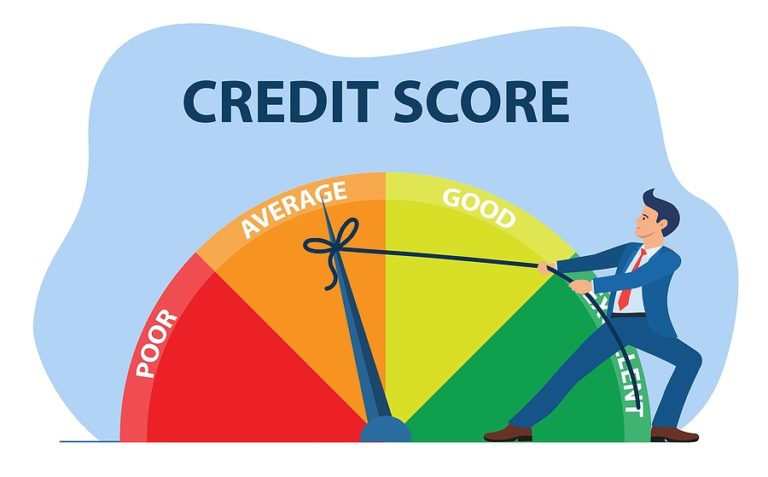
#1: Know your partner’s credit score
credit score scale

Image Credits: NFCC.org

We have to put this upfront because a couple should lay this foundation ideally before marriage. But even for those who’ve recently tied the knot, it’s not too late. Let Steven Yoda, a partner with a divorce firm, tell you why.

Yoda mentioned that identifying your partner’s credit score can give you insight into their past financial decisions. Money is often a common source of stress in a marriage, so knowing your partner’s money-handling habits can go a long way.

But at this point, do you know what a credit score is?

According to the Credit Bureau Singapore, a credit score is “a number used by lenders as an indicator of how likely an individual is to repay his debts and the probability of going into default. It is an independent assessment of the individual’s risk as a credit applicant.”

Now that you’re aware of the definition, be mindful that your partner’s credit score will not affect your personal credit score. However, it can influence your credit access after marriage because the lender will consider both parties’ credit scores.

In short, a low credit score will lead to higher interest rates and fees on your credit card or loan. But if things happen to go astray…

#2: Don’t play the blame game
a couple arguing

Image Credits: The Telegraph

Even if you feel as though your partner is spending way too much on Starbucks, don’t play the blame game. That’s because there’s no end to it. Both should acknowledge the lack of finances to cover individual or family expenses as the root of the problem.

Just like any other bumps in your marriage, you should approach it as a team. Face the jarring issues together as a unit rather than dissolving into a blame game on who’s spending too much.

#3: Take the lead to communicate
a couple talking over coffee

Image Credits: unsplash.com

When you or your partner spots a potentially money-focused storm on the horizon, schedule a time to sit down and talk. This could range from anything from reduced work hours to the desire of changing jobs.

“To minimise and prevent those issues from becoming bigger problems in your relationship it is important to start with the simple act of having conversations about money,” highlighted Maggie Reyes, a marriage mentor and life coach.

The sooner you prepare yourself for financial issues, the more well-rounded your solution is likely to be too. Panic and stress are never good companions for handling money issues, and to counter it; you want to have a plan in place before it starts spiralling downwards.

#4: Get on the same page
a wedding couple's shoes

Image Credits: unsplash.com

“Most financial issues in marriage come down to one main factor: both partners have different core values about money,” a certified counsellor explained.

First thing’s first, you need to make sure that you and your partner are on the same page about money and its value. Most of us have different understandings of the importance of money, and it takes some effort to understand where the other party is coming from as two halves of a whole.

For instance, you might be okay dealing with a little debt, but your partner may not be comfortable at the idea of it. So, if they start to see the build-up, it can be their source of severe distress.

When both partners aren’t careful in dealing with the disparity in money perspectives, this issue may burst into other areas of the relationship. Whatever those differences in values may be, it’s essential to put one into another’s shoes and find a compromise.

#5: Stop the problem from travelling
a stressed woman drinking wine

Image Credits: unsplash.com

With consistent money problems, it’s easy to resent the other person and their spending habits. Perhaps you fear that they are hiding money from you and siphoning it into a secret account. Or, maybe they’ve got a personal credit card and are overspending without keeping you in the loop. 

You know what? Stop your paranoia in its tracks! The moment financial problems turn into trust issues; it will impact your marriage. Have faith in your partner if you want them to return the favour.

Final thoughts

Money, and lack of it, can make even the strongest couples weaken and crack from stress. If you approach finances with a level head and as a strong, loving duo, you can overcome those issues in time to come.

Nothing is too difficult to solve. Take heart!

Read More...