
Reasons signaling you should not start a business

a woman bored at work

Are you considering launching your brand?

You’ve decided to create a business to be your boss because you no longer like your work as an employee. But do you understand what’s at risk? A sad reality is that not everyone has the innate ability to be an entrepreneur.

Before you take the plunge, there are a few things you should know. Here are some reasons signaling you should not start a business.

Unwilling to sacrifice

You’re not prepared to make sacrifices. You have the incorrect mindset that if you start your own business, you will be able to work from home in your PJs and take long vacations whenever you want.

But the truth is that starting a business takes a lot of time and effort. If you’re not willing to put in the hours and make the necessary sacrifices, then it’s probably not the right time for you to be an entrepreneur.

Not persistent enough

a frustrated man staring at his laptop

Image Credits: unsplash.com

You might be convinced that you have a great business idea, but starting a business is not as easy as it seems. There are a lot of things to take into account, from the initial planning stages to the day-to-day tasks of running the business.

One of the biggest mistakes people make when starting a business is not being persistent enough. They give up too easily when things get tough, or when they don’t see results straight away. But success doesn’t happen overnight—it takes hard work and dedication. So if you’re not prepared to persist, then starting a business is not for you.

Unprepared to slog it out

You might think that you’re ready to craft a brand for yourself, but there are a few things you need to take into account before you take the plunge. For one, starting a business is not all glamor and glory, and you will need to be prepared to slog it out day in, and day out if you want to make your business a success.

You will also need to be able to handle rejection, setbacks, and tough times with grace and resilience if you want to make it through. Do you have what it takes to start a business? It may seem that you do at the early stages when you’re all pumped for success, but it will become quite apparent soon enough if your motivation is short-lived.

To cut the long story short, you should not start a business if you’re not ready for hard work. There are no guarantees in the business world, and you could lose a lot of money. Furthermore, if you are not crazily passionate about it, you probably won’t be able to succeed. Only if you’re mentally ready to put in the time and effort and do whatever it takes to be successful, then maybe you should consider leaping into entrepreneurship.


Read More...

The best ways to stay motivated during your job search

job searching online

When it feels like you’ve been applying to jobs for months without any success, it’s easy to become discouraged and lose motivation.

But don’t give up! There are plenty of things you can do to stay motivated during your job search. Allow us to share some of our best tips.

Keep a sense of humor

A sense of humor can be your best friend during a job search. When you’re faced with rejection after rejection, it can be tough to keep your spirits up. But if you can find humor in your situation, you will be a lot better off.

Laugh at yourself, laugh at the situation, and most importantly, laugh with your friends and family. They will help you keep your chin up and your attitude positive. And don’t forget to enjoy the little things in life – they’re what make the tough times bearable.

Find a support network

One of the best ways to stay motivated during your job search is to find a support network. This could be a group of buddies who will listen to you and offer encouragement, or a professional network like LinkedIn.

Online networks can be especially helpful because they allow you to connect with people from all over the world. You can get advice, find job postings, and share your experiences with others who are going through the same thing. The best thing about online networks is that you can access them anytime, day or night.

Stay positive and be persistent
a young woman using her laptop

Image Credits: ledgeviewpartners.com

It can be tough to stay positive during your job search, but it’s so important to keep your head up. If you get discouraged, it will be that much harder to push through and find a job you love. Remember that the job search is a process, and it takes time.

And if we may add, one of the best ways to stay motivated is to keep your end goal in mind. What do you want in a job? What are your top priorities? Picture yourself in your dream job and let that vision keep you going.

Celebrate each tiny accomplishment

No matter how small your accomplishment may seem, it’s important to celebrate it. Each step you take brings you closer to your goal, so make sure to take the time to reflect on your success and pat yourself on the back. It can be tough to stay motivated during a long job search, but keeping your eyes on the prize is key.

And, trust us, there’s nothing more rewarding than finally landing that dream job. In the meantime, take some time to reflect on your accomplishments and reward yourself for all your hard work. Whether it is taking a yoga class, buying yourself a slice of cake, or enjoying a weekend getaway with loved ones, make sure to indulge in something that makes you happy.

Set smaller goals to keep you moving forward

Lastly, it’s important to set smaller goals for yourself during your job search. This will help you stay pumped and continue pushing forward.

Some goals you could set are:

  • Applying to at least five jobs a week
  • Checking your email and job applications daily
  • Attending at least one networking event per week
  • Researching at least two new companies in a week

Job searching can be frustrating and demoralizing when you’re continuously rejected. It’s easy to feel like you’re not making any progress or that you’re the only one who is struggling. But remember, you are not alone. There are ways to stay motivated during your job search, and we’ve listed a few of our favorites in this post.

Read More...

What you need to know about employee motivation in the workplace

happy colleagues at work

Employee motivation is a hot topic in the business world.

Many companies struggle with low employee motivation, which can lead to decreased creativity and productivity, and higher rates of absenteeism and staff turnover. So, what is employee motivation?

Quite simply, employee motivation is the desire to do something. It’s the urge to be productive, achieve a goal, and contribute to a company’s success. Employees who are motivated are more likely to be engaged, take pride in their work, and be willing to go the extra mile.

Many factors can influence employee motivation and in this post, we will share what you need to know about employee motivation. Keep reading!

Popular theories

There are two popular theories of employee motivation that you can explore to improve motivation in your workplace.

The first is the equity theory, which suggests that employees are motivated by the need to feel like they’re being treated fairly. This theory is based on the idea that employees will work harder if they feel like they’re contributing equally to the company and their work is valued by the management.

The second is the expectancy theory, which suggests that employees are spurred by the belief that their efforts will lead to their desired outcome. Essentially, employees will be more pumped if they believe that their hard work will lead to a promotion, and less motivated if they think it will lead to a negative outcome such as job dissatisfaction.

How to get started
coworkers discussing work in the office

Image Credits: knowledgecity.com

So, how do you motivate your employees? No one answer will work for every business, but there are a few things you can do to get started.

One way to keep employee motivation high is to discuss the future of the company with them. Letting employees in on upcoming plans, goals, and implementations gives them a sense of purpose and shows them that their contributions are valued.

Additionally, implementing a recognition program can also help to boost employee morale. Giving employees awards, bonuses, or special perks for a job well done is a great way to show your appreciation and acknowledgment. You can also consider having a sabbatical leave policy in place.

Finally, fostering a fun and positive work environment is key in keeping employee motivation high. Organizing team-building activities, offering flexible work hours, and having regular company outings are all great ways to make employees feel appreciated and satisfied at work.

There are many things business owners can do to improve employee motivation in the workplace. Some of the most effective methods include providing updates, offering incentives, and creating an optimistic work environment. By using these tips, business owners can help their employees feel more involved and inspired to work harder and produce more pleasing results in the long run.

Read More...

How to write a proper resignation letter

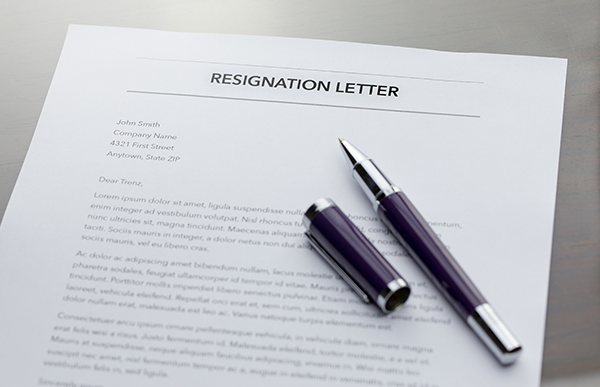
resignation letter

Writing a letter of resignation is just one more barrier to overcome before moving on to the next stage of your vocation journey.

But, before you become too excited to call it quits, it’s critical to keep a professional demeanor. The goal is to maintain a polite approach. Make sure your resignation letter isn’t a lengthy list of complaints. You may end up working for the company again in the future, or you might run into your direct supervisor in a formal setting. As a result, keep your letter positive, if not, neutral.

Read for tips on how to write a proper resignation letter.

Say thank you

Thanking your boss for the chance and expressing some of the important skills you’ve learned and appreciated is always a smart approach. Even if you’re delighted to be quitting, just do so anyway. Understand that you may need these folks as references in the future, and ending on a nice note will bring about a lasting impression.

Don’t complain

Concerns or criticisms of the organization or your teammates should not be included in resignation letters. Don’t whine, stick to the truth, and keep it straightforward. As mentioned earlier, you might need a recommendation from the company, hence, it’s critical to leave on a good note. Furthermore, since you’ve already decided to resign, it’s pointless to bring up the nitty-gritty.

Provide timestamps

In formal writing, timestamps are usually provided by including the time and date. Provide this information at the top of the page if you want to draft a letter and print a hard copy to submit to your HR manager. In addition, while most employers require a month’s notice, your supervisor may have specific instructions regarding when you should leave. First, ask your boss, then write down the exact date of your final day at work.

Before you go… Cooperate with the handover.
teaching a coworker

Image Credits: unsplash.com

You must take an active stance in aiding in any leave protocols and obligations, as your exit can be stressful for your bosses and current colleagues, especially if you’re departing during peak season. Exit interviews, comprehensive handovers, and punctual project fulfillment are just a few examples. Before you change jobs, you may also volunteer to train a successor if the company can recruit one in time.

Now, all that stands between you and your next career venture is sending your current employer your resignation letter. The official letter you send to your bosses will set the standard for your remaining days as well as your relationship in the future. So it’s wise to spend the effort polishing up this one-month notice letter. And last but not least, congrats on finding a new job!

Read More...

What is a sabbatical and why should you take one?

an empty chair in the office due to sabbatical leave

Have you ever come across the term “sabbatical” but never tried to look it up?

Well, a sabbatical is usually three to 12 months of unpaid leave from work, while some employers offer compensated breaks from work as recognition for a specific length of service. Because they are a workplace incentive rather than a legal right in most regions, offering one is not guaranteed.

But we’ve researched and realized its benefits. Here’s why you should take one.

Mental break

If you devote your sabbaticals away from your typical working and living setting, whether touring or staying with relatives in a place far away, the detachment might operate as a mental respite from your current stressful setting, allowing you to disengage and contemplate.

Return rejuvenated

Individuals often experience stress after holding the same position for a long period and no longer feel inspired or energized to go to the office. But research has shown that employees who take prolonged leave from work are better able to recharge and resume work with renewed energy.

Fresh perspectives
Asian family spending time together

Image Credits: nxtmag.tech

Time away from the workplace might give some people a fresh outlook on the value of job and career advancement when compared to more meaningful time spent alone or with loved ones. Such folks may thus opt for a vocation that requires less of their time and attention, even if it implies a lower salary.

Independent teams

In an absolute sense, no work should grind to a halt due to dependency difficulties. In some ways, sabbatical aids teams in becoming self-sufficient. During your leave, other employees take over and dive into the responsibilities, meeting the workload and performance expectations. When you return, your coworkers should have picked up new skills for a more efficient work relationship.

Fine-tuning your health

Able to take time off during a particularly stressful moment in your life might have significant health advantages. Whether you were aware of it or not, your professional work life has brought about a significant amount of stress, which may have presented itself in a variety of ways.

Getting rid of anxiety can have some very real daily rewards, such as bettering your sleep routines, controlling your dietary patterns, and giving you more time for the gym. Furthermore, those of us who spend a significant amount of time slumped over a computer are more likely to suffer postural problems. A year away from the stresses of the workplace can provide considerable mental and positional alleviation.

Sabbatical years, which have traditionally been reserved for academics, were created to allow professors to take a rest from lecturing. They were usually granted leave every five years or more to pursue research or simply relax. However, allowing employees from diverse professions to leave for a certain period appears to be the most effective strategy to rejuvenate tired minds and increase overall employee retention. Why not suggest to the HR department a sabbatical leave policy if your company doesn’t have one yet?

Read More...