
Don’t let your remote job create unwanted FOMO, fight it with these tips

woman working from home

You’ve been working from home for a while now and it’s been great.

You’ve got the flexible hours and work-life balance you always wanted, but there’s one nagging fear that’s been hanging over your head: FOMO.

For those of you who aren’t familiar with the term, FOMO stands for “fear of missing out.” It’s that feeling of anxiety and insecurity that comes along with the fear of being left out or not participating in something. And unfortunately, it’s a very real fear for many remote workers.

But don’t worry, below, we’ve outlined some tips to help you manage your FOMO and stay productive while working from home.

Identifying FOMO triggers

The first step in managing your fear of missing out is identifying its triggers.

For most people, FOMO kicks in when they see their colleagues post about all the fun things they’re doing on social media.

It might also be triggered by a work-related event that you’re unable to attend, or simply being alone and feeling like you’re missing out on all the action. Once you know what triggers your FOMO, you can start developing strategies to deal with it.

Fight comparison with gratitude

What’s another good way to deal with feeling left out? The answer is gratitude.

When you’re grateful for what you have, it’s easier to focus on your own life and not worry about what everyone else is doing.

It’s hard to feel bad about yourself when you’re busy being grateful for all the good in your life. So start a gratitude journal, or simply take a few minutes each day to list five things you’re grateful for. It can be anything from the rain to your fluffy cat or your loving partner.

The more you focus on the good things, the less room there is for envy and FOMO to take hold.

How to reduce FOMO-induced anxiety

man having a video call

Image Credits: unsplash.com

There are ways to manage this anxiety and reduce its effects on your mental health.

Here are a few tips:

  • Make a point to stay connected to your team. Even though you’re not in the office, stay connected to your team via chat platforms, email, or video conferencing. This will help you feel like you’re part of the conversation.
  • Set boundaries. Just because you’re working remotely doesn’t mean you have to be available 24/7. Make sure to set boundaries for yourself so that you have downtime and aren’t constantly checking work email when you’re off the clock.
  • Get out and socialize. One of the best ways to fight FOMO is to get out and socialize with friends and family. Schedule regular get-togethers and make sure to unplug from work during that time. You will find that you can start to relax and enjoy yourself more when you’re not constantly worried about what’s going on at the office.
Distinguish between online and offline experiences

When you’re experiencing FOMO, remember that not all experiences are created equal.

Just because you see someone having a great time offline doesn’t mean that you’re missing out on something equally valuable by not being there in person.

So when you start to feel FOMO creeping in, take a step back and ask yourself if the experience you’re missing out on is really something that you would enjoy or if it’s just something that looks good from afar.

At the end of the day, remember that you’re in control of your remote job. You get to choose how you spend your time, and you don’t have to let your remote job create any unwanted FOMO. With these tips, you can fight back and make sure that you’re fulfilled in your position. Take pride in having the freedom to work from anywhere!

Read More...

Ready to take the next step? How to broach the topic of promotion with your boss

a female boss talking to her employee

You’ve been with the company for a while and you’re killing it in your current role.

You’re ready for the next step, but you’re not sure how to broach the topic of promotion with your boss.

Below, we’ve outlined a few tips on how to discuss a promotion with your boss. We’ve also included a few things to avoid when broaching the topic of promotion. Let’s get started!

Understand the expectations of your role

When you’re gunning for a promotion, the first step is to understand the expectations of your role.

Do some digging and find out what is and isn’t considered part of your job description. This information can be especially helpful when it comes time to broach the topic of promotion.

Remember: promotion isn’t just about a change in title or more money. It’s also about taking on additional responsibilities and growing your skillset. So start slowly, and build up to bigger tasks that may have the potential to lead to a promotion.

Then, when you finally sit down with your boss, you will be able to speak confidently about your accomplishments and how you’re ready for the next step.

Collecting your successes and achievements

You’ve been working hard, putting in the extra hours, and going above and beyond your job description. You’re ready for the next step, but how do you bring it up with your superior?

One way is to compile a folder of documents that support your case. This might include letters of recommendation from clients or colleagues, emails of feedback from happy customers, or screenshots of positive social media comments.

If you have examples of times when you’ve gone above and beyond, be sure to highlight those too. And if there are any areas where you feel like you need to improve, now is the time to mention them. Honesty is key here—after all, your boss is likely to bring them up in any discussion about promotion anyway.

Researching your industry’s average salary trends
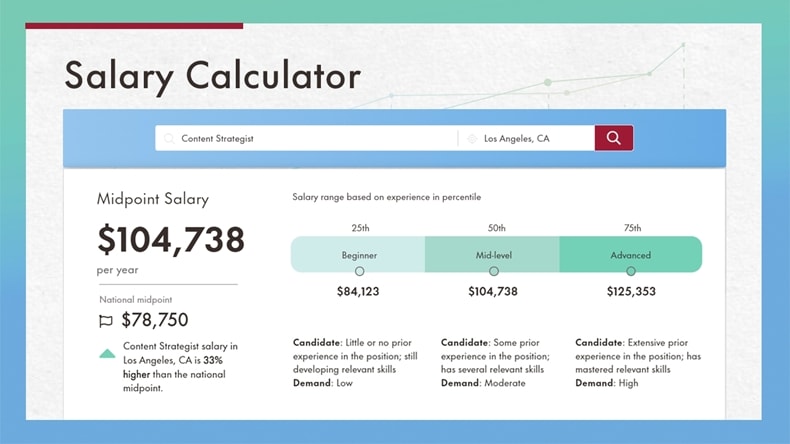
salary calculator

Image Credits: marketingprofs.com

Now that you have a good understanding of your skills, and the value they bring to your company, it’s time to do some research on what the market rate is for your position.

This information will be necessary to have when you go to speak with your boss about your promotion. Google to get an idea of what the average salary is for someone in your field.

Keep in mind that these numbers can vary depending on location, years of experience, and other factors. But having a ballpark figure will give you a good starting point for your discussion.

Writing a proposal letter or setting up a meeting

If you decide to take the more formal route and write a proposal letter or set up a meeting, there are a few key points you will want to hit.

First, offer an overview of your time working at the company, highlighting key achievements and their concrete impact. Second, explain why you think you are ready for a promotion, and third, detail what the new position should look like.

Remember to be clear, concise, and direct in your communication. You want to make it easy for your boss to say yes!

When it comes to asking for a promotion, there’s no one way to do it. You might want to schedule a meeting with your boss or send a proposal in advance. Or, you might simply want to bring it up in conversation. Just make sure you’re polite, and that you’ve done your homework. Make it clear why you think you’re ready for a promotion, and outline what you can bring to the role. And, be prepared for your boss to say no. If that’s the case, be sure to ask for feedback, so you can continue to improve and grow in your career, or plan for your departure.

Read More...

How to build trust with your suppliers: A step-by-step guide

cold calling with a script

When you’re starting a business, one of the most important relationships you will build is with your suppliers. 

After all, they’re the ones who will help you get your products to market. But how do you go about building trust with them?

Here’s a step-by-step guide to help you get started.

Establishing a relationship

Suppliers are more likely to trust you if they feel like you’re a company they can do business with long-term. If you can establish a good relationship with them, it will be easier to get the supplies you need in the long run.

Learning your supplier’s T&Cs

Before you even start negotiations, take the time to learn your supplier’s T&Cs.

This document will outline everything from delivery timelines to payment terms, and returns. You must be both on the same page before things get too far along.

By understanding your supplier’s business model, you will be able to better manage your expectations and negotiate. For example, if a supplier is used to dealing with larger businesses, they may not be willing to offer the same terms and conditions to a smaller business. Or, if a supplier is used to longer delivery timelines, you will need to be patient.

Communicating clearly with your supplier(s)
man on a phone call

Image Credits: broadcastprome.com

Communication is key. After all, you can’t establish a trusting relationship if you’re not clear about what you need and expect from them.

Here are a few tips for communicating effectively with your suppliers:

  • Set expectations early on, and make sure both parties are clear about what’s required. This will help to reduce any guesswork on either side.
  • Establish a communication plan, and make sure to speak regularly. This will help keep the lines of communication open and will help ensure that both parties are always up-to-date on the latest developments.
  • Articulate openly and honestly, and be prepared to listen to your supplier’s feedback. This will help foster a trusting relationship in which both parties feel comfortable sharing information and working together for the benefit of everyone.
Effective use of data to optimize your supply chain

If you want to optimize your supply chain, you need to make sure that your data is in good shape. This means having a system in place to track your supplier relationships, so you can see what’s working and what’s not.

There are a few different ways you can use data to optimize your supply chain:

  • Find new suppliers who might be a better fit for your needs.
  • Negotiate better terms with your suppliers, based on their performance.
  • Track the performance of your current suppliers, so you can see which ones are meeting your expectations and which ones are falling short.

When it comes to building trust with your suppliers, there are a few key things to keep in mind. By following the abovementioned simple steps, you can develop a strong relationship with your suppliers and ensure that you’re getting the best possible products and services to keep your business up and running.

Read More...

Get hired now: Writing an outstanding cover letter to grab a hiring manager’s attention

sample cover letter

You’ve polished your resume and you’re ready to apply for your dream job. But there’s one more critical piece of the puzzle: the cover letter.

An outstanding cover letter can make all the difference in helping you stand out from the competition and land an interview. It’s your opportunity to show off your skills, share your passion for the job, and explain why you’re the perfect person for the position.

So how do you write a cover letter that will get hiring managers’ attention? Check out our tips below.

Research the company and tailor your message

Your cover letter should start with a strong opening statement that explains why you want the job and what you bring to the table.

Be sure to mention the job title and where you found the position. And most importantly, personalize the letter. This shows that you’ve taken the time to learn about the company and that you’re truly interested in the opportunity.

Include some of your personality

When it comes to writing your cover letter, think about including some of your personality.

After all, this is your opportunity to introduce yourself and show the hiring manager that you will be a great addition to the team. How do you do that? Do it through a story or two from your career that demonstrates your skills.

For example, if you’re applying for a customer service position, talk about a time when you went above and beyond to help a customer. Or, if you’re hoping to work in marketing, share the lessons you’ve learned from a successful campaign you spearheaded.

By allowing your personality to shine through stories like these, you will help the hiring manager see that you don’t just have the skills and experience they’re looking for, you’re more than that. And that’s always a good way to start a conversation.

Understand who you’re writing to
man using his laptop

Image Credits: unsplash.com

Bear in mind who you’re writing to. After all, you want to make sure that your letter is tailored to the person who will be reading it.

Ideally, you should address your cover letter to the hiring manager by name. If you can’t find the name of the hiring manager, search through LinkedIn. If all else fails, use “Dear Hiring Manager” as a last resort.

Keep it concise and relevant

Focus on the qualifications and experiences that relate to the job you’re applying for.

The hiring manager will appreciate it if you can communicate concisely, in four paragraphs or fewer, why your skills make you a great candidate for the role.

You don’t need to go into all of your experience, just a few relevant points, and remember: focus on the job description requirements. Any non-relevant information should be left out as it will only add clutter and confusion to your letter.

How to end your cover letter

Now that you have the main body of your cover letter sorted out, it’s time to start thinking about how to artfully conclude it.

To make a lasting impression, you should always express a bit of your passion and confidence. Everyone wants a motivated employee, so why not let them know that’s exactly who they’re getting?

When wrapping up your cover letter, show appreciation for the reader’s consideration (and time) while also taking a gentle interest in the next steps. For instance, you can close by saying something like:

“Thank you for your valuable time and consideration. I look forward to hearing from you regarding the next steps in this process.”

By crafting a confident yet courteous conclusion to your cover letter, you can make an even bigger impact on hiring managers and increase your chances of landing a job interview.

In summary, a well-written cover letter can make a big difference in whether or not you get hired. Follow these tips to write an outstanding cover letter that will grab a hiring manager’s attention and help you land the job you want.

Read More...

To curse or not to curse: The etiquette behind swearing at work

woman angry at work

You’re at work, and someone swears. What do you do?

It’s a question that many of us have faced at one point or another in our careers, and the answer can be a little tricky.

It all depends on your workplace culture and the individual situation. In general, however, it’s probably best to avoid swearing in front of your boss or clients—unless, of course, they happen to be the type of people who don’t mind cursing themselves.

The relevance of context to cursing

There’s a big difference between dropping an F-bomb when you stub your toe and doing so during a meeting with your boss.

And while it might be okay to release a few curse words in the privacy of your workspace, it’s probably not a good idea to do the same in the pantry.

The key thing to remember is that swearing is a form of communication, and like all forms of communication, it should be used in the right context. Think about the words you choose, and make sure they’re appropriate for the situation.

The consequences of letting loose your language

On one hand, it can be seen as unprofessional and indicative of a lack of control.

After all, if you can’t handle yourself in an office setting, what does that say about your ability to represent the company? Swearing can also make you come across as insensitive.

On the other hand, some people see swearing as a way of releasing stress or anger. Ultimately, it’s up to you to decide what’s appropriate in your workplace. Just be aware of the consequences of your decisions, both good and bad.

Finding the right balance between casual and professional language
colleagues talking

Image Credits: business.calm.com

Swearing can make you sound unprofessional and like you don’t care about your image.

It can also come across as aggressive or hostile. On the other hand, if you don’t swear at all among coworkers who do, you might seem stuffy or like you’re trying too hard to be a saint.

So where do you draw the line? As mentioned earlier, it depends on your workplace culture and the people you work with. Some offices are more relaxed and don’t mind a few curse words, while others are more conservative and find swearing inappropriate.

Use your best judgment and find what’s right for you.

Pros and cons of having a strict anti-swearing policy

If an organization has a no-swearing policy in the workplace, it sends the message that cursing is not acceptable in the work environment.

This can be beneficial in some ways, as it can create a more professional atmosphere and a more cohesive team dynamic since everyone is playing by the same rules.

On the flip side, creating a strict company policy banning swearing may take away honest communication. It might also lead to employees feeling like they can’t fully express themselves, since their verbal style may be seen as socially unacceptable.

Additionally, having too rigid of a policy may lead people to become even more likely to swear when they are angry or frustrated because they feel like they have already been judged for their language.

Cultural considerations on swearing at work

Depending on where you work, there are likely to be cultural considerations regarding swearing at work.

If you’re working in a foreign country, it’s worth doing some research to find out what the norm there is when it comes to the use of profanity.

That said, cursing should never be aimed at or used in front of those who have a higher rank than you—regardless of the culture. It’s okay to use profanity among peers as long as everyone is comfortable with it.

In the end, it’s up to you whether or not you want to swear at work. If you’re comfortable with it and it doesn’t offend anyone, then there’s no harm in doing so. But even then, we would recommend exercising caution and using your judgment to gauge the mood before using expletives or assuming everyone else will feel the same way about cursing as you do.

Read More...