
Great Singapore Sale Facts That Every Singaporean Should Know

Great Singapore Sale (GSS) is a shopping extravaganza that happens annually in Singapore.

Citizens as well as guests from all over the world can indulge on the extended period of this year’s GSS, which started last June 3. It is set to run for ten weeks instead of the usual eight. Its official partner card is UnionPay International.
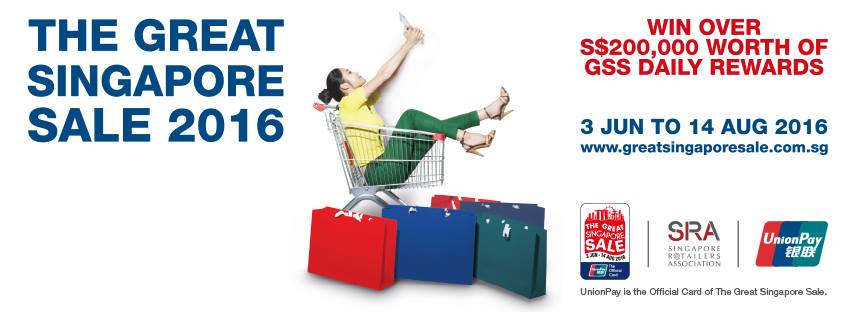
Image Credits: facebook.com/OfficialGreatSingaporeSale

Image Credits: facebook.com/OfficialGreatSingaporeSale

1. PRIMARY PURPOSE OF GSS

The Great Singapore Sale is an event spearheaded by Singapore Retailers Association (SRA) along with the local stores and malls. Its primary purpose is to boost the tourism industry in the Lion City. In fact, the longer sale period was predetermined to better accommodate the tourists hailing from Asia-Pacific countries such as China. SRA’s executive director Anthony Gan stressed that the GSS 2016 coincides with the school holidays in June-August and the peak travel season in July.

This extension may very well increase the influx of tourists but it can also desensitize the locals.

2. ACCREDITED PARTICIPANTS OF GSS

There are no “official” participants of GSS as retailers are not required to submit to SRA guidelines or register with SRA to engage in the event. All the retailers who offer discounts or promotions during the GSS period are considered as the partipicants.

Moreover, merchants are not mandated to use the GSS logo. The decision to do so is left to the business owners because they must think about their own marketing strategies.

3. AUTHORITY GOVERNING THE PROMOTIONS

Aside from the freedom put on the incorporation of the GSS logo, retailers are free to determine their discounts and promotions. The minimum and maximum amounts of discounts, deals, and promotions are left to the hands of the retailers. SRA has little to no say in this.

4. DURATION OF THE RETAILER’S PROMOTIONS

In lined with Fact #2-3, perhaps you have an idea about the designated duration for the store’s sale. It is not compulsory to hold the sale for the entire GSS period. In fact, there were some stores that started their “GSS sale” even before June 3. These stores include Metro and Robinsons.

5. BLOGGER’S INFLUENCE

In 2013, the financial giant MasterCard Singapore launched the Princess Singapore Campaign that featured famous Singapore bloggers. The campaign was a success as MasterCard holders used their cards for a total of over US$1.5 billion (S$2 billion) during the GSS 2013.

6. RISE IN THE TOTAL RETAIL SALES

GSS contributes to the rise in total retail sales in the country throughout the years. According to the Ministry of Trade and Industry’s Department of Statistics, the total retail sales for June and July 2015 was about S$7 billion. It is a 6.1% boost over that of 2014’s.
Image Credits: pixabay.com

Image Credits: pixabay.com

Since the flow of GSS is heavily bestowed upon the retailers, the possibilities are endless. Be sure to check out this grand shopping event! 🙂


Sources: 1, 2, & 3

Read More...

Which One Is A Better Investment Strategy: Maximizing Or Simplifying?

By definition, maximizing refers to “increasing [something] to the greatest possible amount or degree” while simplifying refers to “making [something] less complex or complicated”. Applying these two opposing strategies to your investments can lead to different results.

Let us find out which strategy is more productive.

With the sole purpose of increasing the value of their portfolios, “maximizers” are vulnerable to the trap of purchasing a product off the bat. They may be too optimistic and expect the best possible outcomes. This idealistic thinking can be far from reality. The truth is, there will always be a few decisions that would not work in your favor.

Aside from investing on the wrong products, maximizers can be overwhelmed and stressed about the abundance of investments that they bought. The mindset of a maximizer is focused on the overall potential that various investment can offer rather than optimizing a single investment.

Sure! You can actually earn five times more than your initial cash-out if you added all of these options. However, can you really pay attention to all of it?

Most people cannot. They end up putting “so-so” effort into each of their investments and fail to achieve the best scenario that they previously envisioned. Also, they end up being drained. Drained investors can become unproductive. Being unproductive may later result to a significant loss.

With all the money at stake, do you still want to maximize?

If your answer is “NO”, try the second strategy called simplifying. Simplifying allows you to create a portfolio that is easier to manage by eliminating complex investments. To tell you frankly, investing does not have to be difficult! You just have to focus on one thing at a time.

Start by analyzing all the possible investment options that you can afford. Next, determine which options suits your personality the best. Remember that investing is more than just about the outcomes.

A powerful mindset that “simplifyers” possess is contentment.

According to Psychologist Barry Schwartz, people who are preoccupied with the best possible outcomes are less satisfied and more susceptible to “buyer’s remorse” than the people who are satisfied with the outcomes that are good enough.

Maximizing can be counterproductive to your investments. The more you try to grow your wealth, the more you can inflict strain and stress to yourself.

Image Credits: pixabay.com

Image Credits: pixabay.com

Sources: 1 & 2

Read More...

What Not To Ask In A Job Interview

1. HOW MUCH WILL YOU PAY ME FOR THIS POSITION?

Asking questions about wages and benefits in the first job interview may potentially send an inappropriate message. You may come off as someone who is more interested with reaping the rewards of the job, rather than coming off as someone who is serious about the position.

Every job seeker is curious about money matters. However, you must wait until the interviewer brings it up or until the later interview.

2. HOW EARLY CAN I GET PROMOTED?

According to Rebecca Woods, an HR Professional in Minneapolis, this is one of the most usual questions that job seekers shall avoid. Put yourself in the shoes of the interviewer. You would not want someone who is expecting immediate gratification!

Instead of asking when are you getting promoted, Woods encourages applicants to familiarize themselves about the ways to reach occupational success.

3. CAN I WORK FROM HOME, INSTEAD?

Your top priority at job interviews is to sell yourself by showing what you are capable of. Do you think that asking special favors such as “working from home” can help you land the job? Of course not.

Unless the job description implies that you can work remotely, do not ask this question. You will be glad to know that some Singaporean companies allow their employees to work from home after they have proven how productive they were.

4. IS THE RUMOR ABOUT YOU…TRUE?

Never ask about the gossips that you heard or overheard. You are not only being rude to the interviewer but you are also engaging in a highly unacceptable behavior. Need I say more?

5. WHY?

People who are faced with questions that begin with the word “why” typically raise their defenses. For instance, “Why did the company fire so much people?” seems more confrontational than “I heard about the recent layoffs. What is your opinion about the company’s future?”

Image Credits: pixabay.com

Image Credits: pixabay.com

Phrasing your questions in a friendlier manner can help your chances at getting your dream job!

Sources: 1, 2, 3

Read More...

Where Do Hippie Singaporeans Spend Their Money On

Modern Singaporean hippies frequent places that exude a youthful vibe that opposes the status quo. Here are some of the common places where they spend their money on:

1. SHOPPING

Hipsters habituate shopping centers that offer minimalist products and online labels. Three of my favorite trendy malls are Orchard Gateway, 313@Somerset, and *Scape.

a. Orchard Gateway gives a modern vibe as its futuristic glass bridge joins the orchardgateway@emerald and the remainder of the Orchard Gateway. Always have your camera with you so you can stop and snap some selfies while you are walking along.

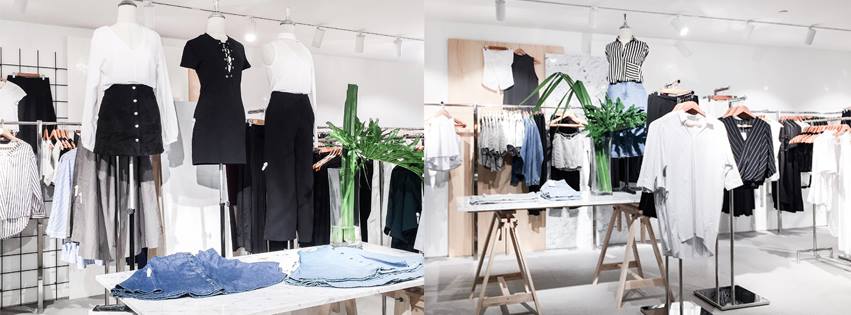
b. Minimalist, hip, and chic are three words that perfectly encapsulates the charm of The Editor’s Market. It is a fashion forward shop that houses clothing ranging from S$20-50. Whenever I am at their 313@Somerset’s outlet, it is impossible to not find something I like.

Image Credits: facebook.com/theeditorsmarket

Image Credits: facebook.com/theeditorsmarket

c. *Scape Underground is filled with online shops that sell items at affordable prices. Unique accessories for as low as S$5 can be found here. If you are lucky, you can chance upon ELF or NYX cosmetics that retails for as low as S$3. Nonetheless, inexpensive yet cool phone cases will always be available there.

2. BOOKSTORES

Hippies create their own slice of heaven by frequenting independent bookstores such as BooksActually and Littered with Books. Probably the most popular of the bunch is “BooksActually”. BooksActually is the go-to place for local literature, enigmatic titles, and creative stationary. Even its website is crisp, simple, and neat. See for yourself: http://www.booksactuallyshop.com.

Another gem for the spunky bookworms is “Littered with Books”. It is situated in a restored shophouse at Ann Siang Hill. Get lost in a shop filled with classic novels, children’s literature, contemporary local literature, and more!

Image Credits: litteredwithbooks.tumblr.com

Image Credits: litteredwithbooks.tumblr.com

3. CAFÉS

It comes as no surprise that you will find this ecentric sub-culture at cool cafés. Three neighborhoods that have an abundance of bespoke products are Tiong Bahru, Haji Lane, and Bedok. Tiong Bahru is a historic staple of the Singapore’s hip culture. When you are here, do not skip on the bespoke coffee offered by Forty Hands or Flock Café.

Haji Lane has a myriad of vintage shophouses that sell contemporary and quirky items such as accessories and clothing. Among its packed list of cafés, CAD Cafe is my favorite.

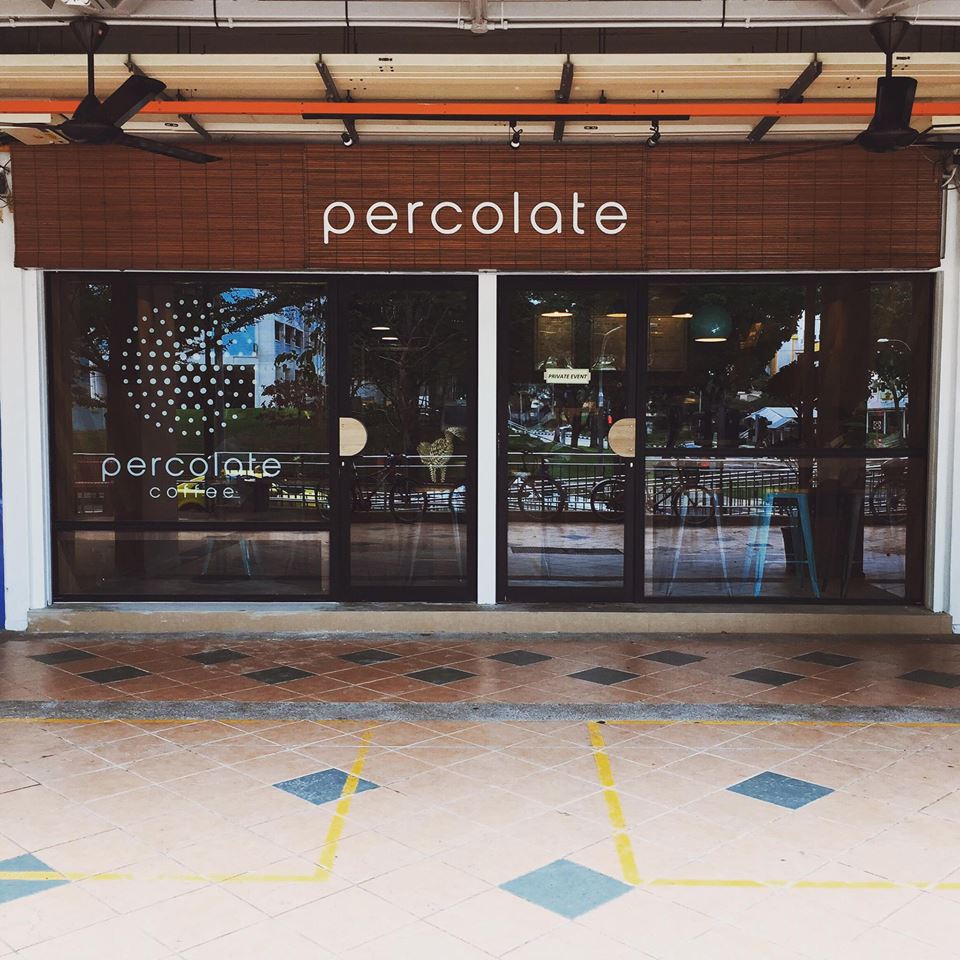
Located in the Bedok area is a humble cafe called Percolate. The place is plain, cozy, and beautifully decorated that is why it brings a relaxing ambiance to its hip customers. According to HungryGoWhere, the average plate costs S$10.

Image Credits: facebook.com/PercolateCoffee

Image Credits: facebook.com/PercolateCoffee

Good prices offering delectable dishes…who am I to complain?


Read More...

Are You Spending Your Money Properly?

No matter how abundant or scarce your money is, spending it wisely shall be your top priority. It not only enables you to get the most out of your dollar but it also allows you to make life-changing decisions.

Determining the reasons behind your spending is the first step to knowing whether your money is allocated properly or not. Are you spending your money on the latest gadget by Samsung because you need it or because you want it?

There is usually a conflict in differentiating between needs and wants. Perhaps, the confusion is due to our subjective definitions of the two terms. Let us take Cheng Ling as an example.

Cheng Ling values the perceptions of others toward her and her daughter. Since her daughter is starting a new school year, she bought her two new pairs of shoes.

She argues that she does not want her daughter to feel embarrassed by wearing the same shoe she wore last school year. Although the last year’s pair is still in mint condition, she bought another pair of shoes to prevent repetitions.

Do you think Cheng Ling’s purchases are necessary in this scenario? Or, was it a matter of personal desire?

Examine your purchases in this manner along with these helpful queries:

“Will this purchase make my life easier and more efficient?”
“Will this purchase provide a lasting pleasure?”
“Will this purchase be meaningful to my life?”
“Is this something I will use regularly?”
“Is this something I can afford?”
“Is the potential gains from this item realistic?”

Carefully assess all these questions and the interplaying factors that can influence your decisions. If your response to all these questions is “YES” then, by all means, make the purchase!

Aside from distinguishing between your needs and wants, you must sort out your “essentials” first. When I say essentials, I pertain to the fixed expenses that you encounter every month. This includes your groceries, utility bills, and school fees. Plan your spending before you receive your paycheck.

Some people spend their hard-earned money like most lottery winners. They get a huge pile of cash now and spend it all in a snap! Remember that wealth is accumulated over time and not something that you can earn overnight.

Image Credits: pixabay.com

Image Credits: pixabay.com

At the end the day, it all boils down to the decisions you make!

Read More...