Singapore Banks Step Up Scam Defenses From Oct 15

From October 15, Singapore’s biggest banks will roll out new safeguards on digital transactions to protect customers from increasingly sophisticated scams. The move comes just weeks after the Singapore Police Force announced that 15 individuals would be charged for suspected roles in scam-related money mule activities. Twelve men and three women, aged between 18 and 35, were arrested in connection with scams ranging from impersonation and job fraud to e-commerce cons and loan schemes, with total losses exceeding S$8.8 million.

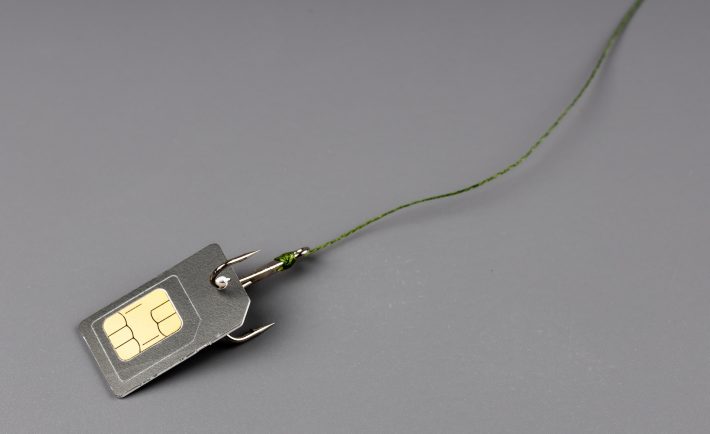
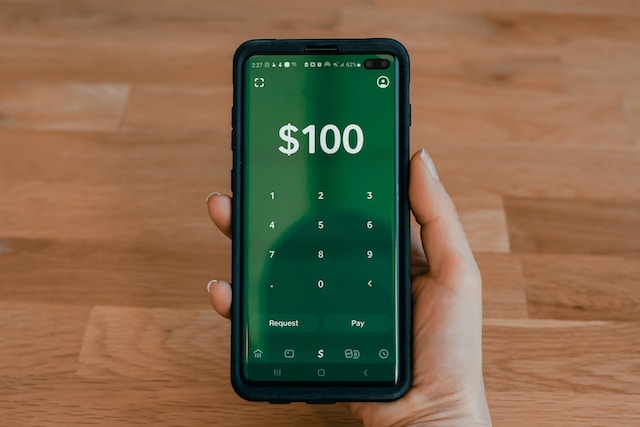
Image Credits: unsplash.com

Scams are not slowing down. They have grown more aggressive and more convincing, making it difficult even for savvy customers to tell a legitimate transaction from a fraudulent one. In response, banks are stepping in to close the gaps with stronger protections.

WHAT YOU SHOULD KNOW

DBS, OCBC, UOB, Citibank, HSBC, Maybank and Standard Chartered will enforce stricter rules on digital banking starting October 15. The safeguards apply to current and savings accounts, including joint accounts, with balances of at least S$50,000. If a transaction causes more than half of an account’s funds to be withdrawn within 24 hours, the safeguard is triggered. That transaction and any that follow will either be held for 24 hours or rejected outright. This pause gives victims a vital window to cancel the transfer if they realize they have been scammed.

These measures apply only to digital banking channels such as mobile apps and internet banking, while cash withdrawals at branches and ATMs remain unaffected. The Association of Banks in Singapore, which announced the move on October 3, has cautioned that customers may experience delays in legitimate digital payments and transfers, particularly for large or time-sensitive transactions like property purchases or stock trades. Customers are advised to plan such transfers ahead of time to avoid unexpected costs.

Image Credits: unsplash.com

While the new rules may cause some inconvenience, the scam cases highlight why they are necessary. Security measures already in place prevented an estimated S$78 million in scam losses during the first seven months of this year. Singapore’s financial system is not immune to the global wave of scams, but it has chosen to act decisively. Customers may have to trade a little convenience for peace of mind, and in the fight against scams, that trade-off may well be worth it.

Sources: 1,2, & 3

Read More...

Two People Arrested for Suspected Involvement in SIM Card Fraudulent Scheme

In a three-week islandwide operation to disrupt fraud syndicates, the police made significant progress by arresting two individuals involved in fraudulent activities related to postpaid SIM cards. The operation, which happened from May 8 to May 31, resulted in the termination of over 1,000 mobile phone lines, freezing of approximately 50 bank accounts, and the seizing of more than S$210,000. The suspects, a 23-year-old man and a 26-year-old woman, were apprehended for their suspected involvement in illegally registering postpaid SIM cards using customers’ personal information.

The Illegal Scheme

Preliminary investigations revealed that the 23-year-old man, who worked as a mobile phone store assistant, gained access to customers’ identification documents through the company’s mobile device used for SIM card registration. Exploiting this opportunity, he illicitly registered postpaid SIM cards using unsuspecting customers’ details and sold them to individuals who desired to purchase SIM cards without disclosing their identities.

The investigation also uncovered the alleged involvement of a 26-year-old woman who aided the man’s offenses. She established a shell company to procure unregistered postpaid SIM cards from a supplier, further enabling the illegal scheme. This discovery emphasizes the need for a comprehensive approach in tackling such criminal activities, not only targeting individuals but also uncovering the networks that support their illicit operations.

The Arrests

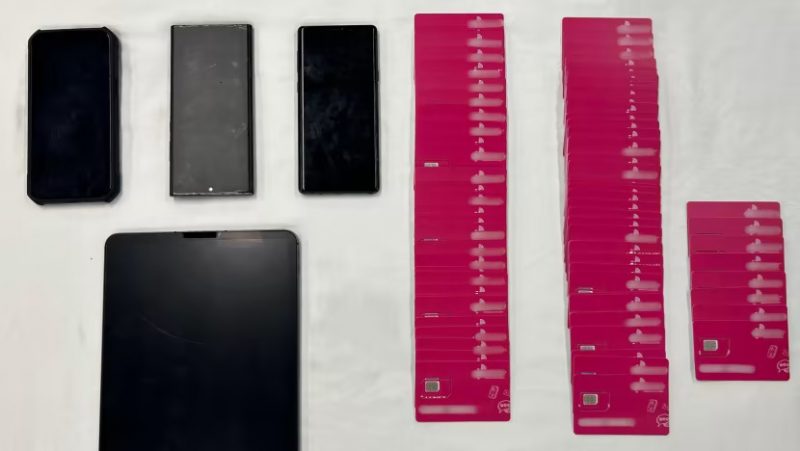
During the operation, law enforcement authorities seized various items including mobile phones and postpaid SIM cards, providing crucial evidence for the ongoing investigation. Additionally, 25 men and three women, aged between 22 and 43, are currently assisting the police in their investigation. It appears that these individuals’ identities may have been stolen and misused as part of the fraudulent SIM registration scheme.

Image Credits: Singapore Police Force

The Ongoing Investigations

The offense of illegally obtaining personal information carries a maximum jail period of three years and a fine. Unauthorized modification of computer material is punishable by a fine of up to S$10,000, a jail period of up to three years, or both. Failing to exercise reasonable diligence as a director may result in a fine of up to S$5,000 or a jail period of up to twelve months.

The police emphasized that fraudulently registered postpaid SIM cards pose a significant risk as they can serve as anonymous communication channels for illicit activities such as unlicensed moneylending and frauds. Scam syndicates often employ these SIM cards to contact victims and communicate among themselves, making detection challenging for law enforcement agencies.

The Public Awareness

The police are determined to track down mobile phone retailers and assistants who may inadvertently facilitate illegal activities. In light of this, the public is advised to avoid purchasing pre-registered prepaid or postpaid SIM cards and to safeguard their identification documents to prevent misuse during registration.

Image Credits: Singapore Police Force

Furthermore, individuals should exercise caution when approached to be appointed as directors for companies and ensure that they fulfill their duties diligently. Negligence in supervisory roles may result in a company being involved in criminal activities. Through their ongoing investigations and continued efforts, the police aim to safeguard public interests, protect personal information, and maintain the integrity of mobile phone retail practices.

Sources: 1 & 2


Read More...

‘Tis the Season to Avoid Romance Scammers

Romance scammers profess their love quickly, without actually meeting you. This is the first sign of an online dating fraud. Online dating and sextortion scams can poke a deep hole in your wallet and your heart. Saying he or she loves you can be a tactic to make you give up personal details and answer security questions to open your bank accounts.

Guard your personal details and be wary of your new love interest by following these tips.

#1: BE VIGILANT OF BAD GRAMMAR

It is one thing to use slang and emojis, it is another to constantly commit grammatical errors. Sweetheart scammers are often operating outside of Singapore, so pay attention for grammatical errors and misspelled words.

#2: OFFER A PUBLIC MEETING

A surefire way to get to know someone is by meeting them in person. Choose a safe, public space that will make you feel comfortable. If your sweetheart scammer refuses to meet you in person after asking multiple times, take it as a sign that he or she is probably lying to you.

Image Credits: pixabay.com

#3: DO NOT GIVE IN

Strangers asking you for favors and money send a red flag. Consult your trusted friend and family members if you are unsure of an online relationship. It is best to avoid giving money to strangers.

#4: DO A QUICK GOOGLE SEARCH

Do your research by typing his or her name on Google and social media platforms. Your snooping habits should give you a clear impression if the person is real or a catfish. Remember to reverse search their social media profile images through Google.

#5: DO NOT SEND SENSITIVE PHOTOS

Sextortion is a serious crime that involves a perpetrator threatening to publish private and explicit information to others if you do not give in to the perpetrator’s demands. These demands usually involve money or sexual favors. Despite how deep your affection is towards a person, please avoid sending sensitive, personal photos.

Image Credits: pixabay.com

Get to know the person better. Cross-check a person’s name, photo, location, email address and other details for legitimacy.

Sources: 1 & 2

Read More...

5 Steps To Protect Your Debit & Credit Cards When Shopping Online

Swindlers and scammers are always on the lookout for opportunities to gain access to your money. Since the pandemic, many types of scams have emerged. As cashless payments became vital to the new normal, adding layers of cybersecurity to your debit and credit card transactions will reduce your chances of becoming their victims.

This article highlights the 5 steps that you can take to protect your debit and credit cards. Fraud is prevalent, but you can act now!

#1: NEVER DISCLOSE YOUR PERSONAL INFORMATION

Fraudsters typically pretend to be bank representatives to steal personal information or to perform unauthorized transactions. Be smart when it comes to what you share online. Do not get too excited about sharing personal information, even via screenshots or through your 24-hour daily stories (e.g., sharing a snap of your QDL). Despite having restrictions with your target audience, you will never know how fraudsters can work their way around.

As much as possible, use different passwords for your online banking and social media accounts. Try using different email addresses for your online banking and social media accounts too.

#2: IDENTIFY WHETHER YOUR EMAIL ADDRESS AND HANDPHONE NUMBER WERE COMPROMISED

The personal data of over 500 million Facebook users was leaked online. You are vulnerable if you are using the same email address and handphone number for your online banking and social media accounts.

To know whether your email address or personal number has been compromised, you can visit helpful websites such as Have I Been Pwned. Have I Been Pwned allows you to know whether you experienced data breaching in the past or not.

#3: USE YOUR CARDS ON WEBSITES YOU TRUST

When you are shopping with your debit or credit card online, it is important that you only go to websites that you trust. Ensure that you typed in the correct website and not phony one. You can also print a copy of your online purchases for future reference.

While shopping in your favorite website, avoid clicking on email links and suspicious images because these could take you to a phony website whose sole purpose is to steal your credit card information.

#4: ACTIVATE THE OTP OR TWO-FACTOR AUTHENTICATION

A one-time password (OTP) is a dynamic pin that is valid for a single login transaction on a digital device. It is an automatically generated alphanumeric or numeric string of characters that authenticates the user for a transaction. Activating this security feature will enable you to be notified whenever your accounts or cards are used. The OTP is usually sent via SMS or via email.

Similarly, the two-factor authentication (2FA) adds a layer of security by authenticating the credentials of the user. Most email providers such as Google and Yahoo! have this feature. Activate it to prevent other people from logging in to your email/s.

#5: BE VIGILANT AT ALL TIMES

Be vigilant when it comes to identifying phishing emails. Fraudsters may send you emails and newsletters that copy your bank’s promotional campaigns. Check the email sender to ensure that it is from the financial institution itself. Remember that most banks use corporate email addresses when sending newsletters and not personal Gmail or Yahoo Mail accounts.

Image Credits: pixabay.com

As mentioned above, avoid clicking links or buttons that can potentially lead you to unsecured websites. Keep your eye on the email address of the sender and the grammar of the message sent to you. If many words are misspelled, you can easily spot a red flag.

Read More...